
TCM Lab · Health reading
Humidity and Nasal Congestion: What Temperature Change Runny Nose May Mean
Published Updated
A nose that blocks or runs when Hong Kong turns muggy, a cold front arrives, or the office air conditioning feels sharp is not automatically an allergy. Humidity and nasal congestion can occur alongside an allergic response, irritation from air or odours, a viral illness, or a nonallergic nasal reaction. The useful first step is to notice the pattern rather than guess the label: where symptoms start, what changes just beforehand, whether itching or eye symptoms appear, and whether the problem settles when the setting changes. A short, clear record can make home adjustments more purposeful and give a doctor, pharmacist, or Chinese medicine practitioner a better starting point for an individual discussion.
Appointments are confirmed through WhatsApp. If you have language requirements, please mention them in your enquiry.
The short answer
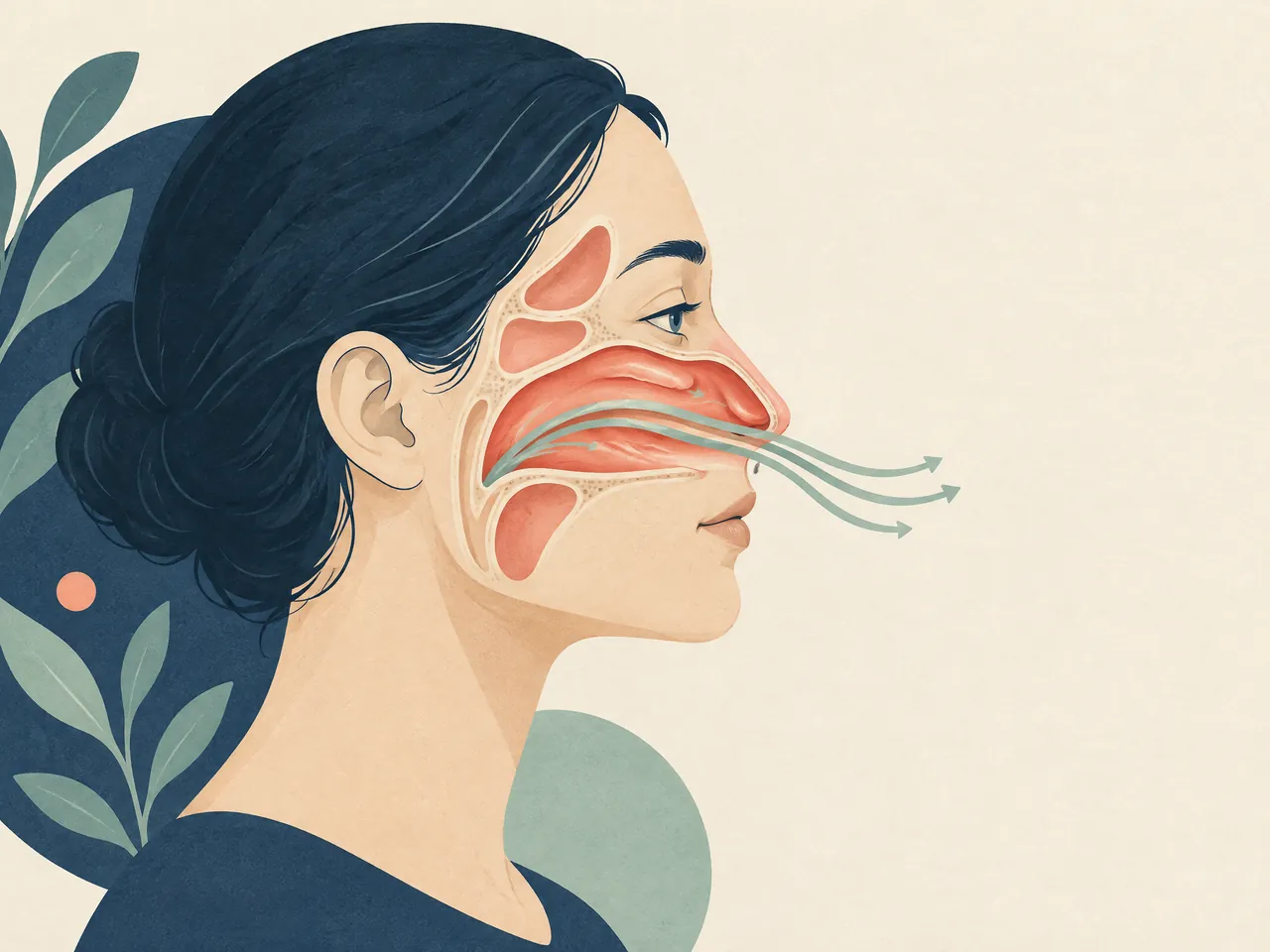
Humidity and nasal congestion or a temperature change runny nose can follow rapid changes in temperature or humidity, time in strong air conditioning, airborne irritants, or allergic rhinitis. Record the setting and symptoms, reduce obvious irritants and dampness, and discuss persistent symptoms with a healthcare professional. Ongoing one-sided blockage, bleeding, facial pain, smell changes, breathing symptoms, or vision symptoms need prompt medical assessment.
Transparent pricing
See the fees.
Choose your care.
Explore our complete official price list, including first-trial prices, regular prices, packages and branch-specific options.
Opening WhatsApp prepares an enquiry; it does not send a message, take payment or confirm an appointment. Suitability and individual arrangements are confirmed during consultation.
Chinese medicine
All prices in HKDAcupuncture and Chinese herbal medicine package
Includes a Chinese medicine consultation with pulse assessment, body acupuncture and 3 days of Chinese herbal granules that do not require decoction.
HK$580 (single session)
Chinese medicine consultation with pulse assessment
Hair and scalp
All prices in HKDScalp health and hair-loss management
Includes AI scalp analysis, deep scalp and follicle cleansing, and scalp oil-control care.
HK$380 (first trial)
Regular price: HK$680
- 6 sessions: HK$3,480 (HK$580 per session)
- 12 sessions: HK$5,760 (HK$480 per session)
- 20 sessions: HK$8,600 (HK$430 per session)
- 30 sessions: HK$11,400 (HK$380 per session)
Hair acupuncture and Chinese herbal medicine package
Includes scalp acupuncture and 3 days of Chinese herbal medicine that does not require decoction.
HK$580 (single session)
Registered Chinese Medicine Practitioner consultation
- 6 sessions: HK$3,180 (HK$530 per session)
- 12 sessions: HK$5,760 (HK$480 per session)
- 20 sessions: HK$8,600 (HK$430 per session)
- 30 sessions: HK$11,400 (HK$380 per session)
Combined hair and scalp treatment
Combines acupuncture and Chinese herbal medicine with salon-level scalp and follicle care. Packages include complimentary hair-care shampoo and serum.
HK$1,260 (single session)
Combined treatment
- 8 sessions: HK$8,640 (HK$1,080 per session)
- 16 sessions: HK$15,680 (HK$980 per session)
- 20 sessions: HK$18,600 (HK$930 per session)
- 30 sessions: HK$26,400 (HK$880 per session)
Weight management
All prices in HKDFull-body acupoint embedding for weight management
Includes full-body acupoint embedding. Packages include complimentary Chinese herbal medicine for weight management, with the number of included days scaled to the package. Embedding material and the individual treatment arrangement are confirmed during consultation; this is not a cosmetic thread lift.
HK$980 (single session)
No trial session
- 10 sessions: HK$7,800 (HK$780 per session)
- 20 sessions: HK$14,600 (HK$730 per session)
- 30 sessions: HK$20,400 (HK$680 per session)
Facial acupuncture
All prices in HKDFacial acupuncture (basic)
Includes facial acupuncture and meridian-based facial care, including care for facial puffiness.
HK$480 (first trial)
Regular price: HK$680
- 10 sessions: HK$5,200 (HK$520 per session)
- 20 sessions: HK$9,600 (HK$480 per session)
- 30 sessions: HK$13,500 (HK$450 per session)
Facial acupuncture (advanced)
Includes enhanced facial acupuncture with a specially formulated moisturising mask and serum.
HK$780 (first trial)
Regular price: HK$1,180
- 10 sessions: HK$9,000 (HK$900 per session)
- 20 sessions: HK$16,600 (HK$830 per session)
- 30 sessions: HK$23,400 (HK$780 per session)
Pain care
All prices in HKDExtracorporeal shockwave treatment
Shockwave treatment for deep-tissue and fascial care. The Kwun Tong clinic offers the multi-area options shown below.
Priced by branch
Branch-specific pricing
Prince Edward: HK$250 per area
Kwun Tong: HK$250 for 1 area / HK$450 for 2 areas / HK$600 for 3 areas
Pain care (manual therapy)
Includes Chinese medicine musculoskeletal assessment, manual joint techniques and tui na.
HK$580 (single session)
Chinese medicine musculoskeletal assessment
Pain care (acupuncture and manual therapy)
Combines acupuncture and manual therapy.
HK$680 (single session)
Combined care
Humidity and Nasal Congestion and Temperature Change Runny Nose: Start with the Pattern
A temperature change runny nose often has a recognisable story. You leave a warm, humid street, enter a heavily air-conditioned MTR carriage or office, and then begin to sniffle or feel blocked. On another day, symptoms may begin after a damp weekend indoors, cleaning with a strongly scented product, or making a dusty bed. These details matter because allergic rhinitis, irritation, infection, and nonallergic rhinitis can overlap in the way they feel. The Hong Kong Department of Health lists sudden weather change and air pollution among factors that may induce or worsen allergic-rhinitis symptoms, while Mayo Clinic notes that temperature or humidity changes can trigger stuffiness or a runny nose in nonallergic rhinitis. [1] [2]
Think of the weather as a clue, not a verdict. A person who reacts after the same exposure to a pet, mouldy corner, dusty textile, or seasonal pollen may have a different pattern from someone who mainly reacts to a blast of cold air or perfume. If you are trying to describe the experience more precisely, our guide to weather-triggered nasal symptoms can help separate a broad weather association from an assumed allergy. A symptom pattern that repeats across places and days is more informative than a single uncomfortable afternoon.

Humidity and Nasal Congestion and Temperature Change Runny Nose: Symptoms to Record
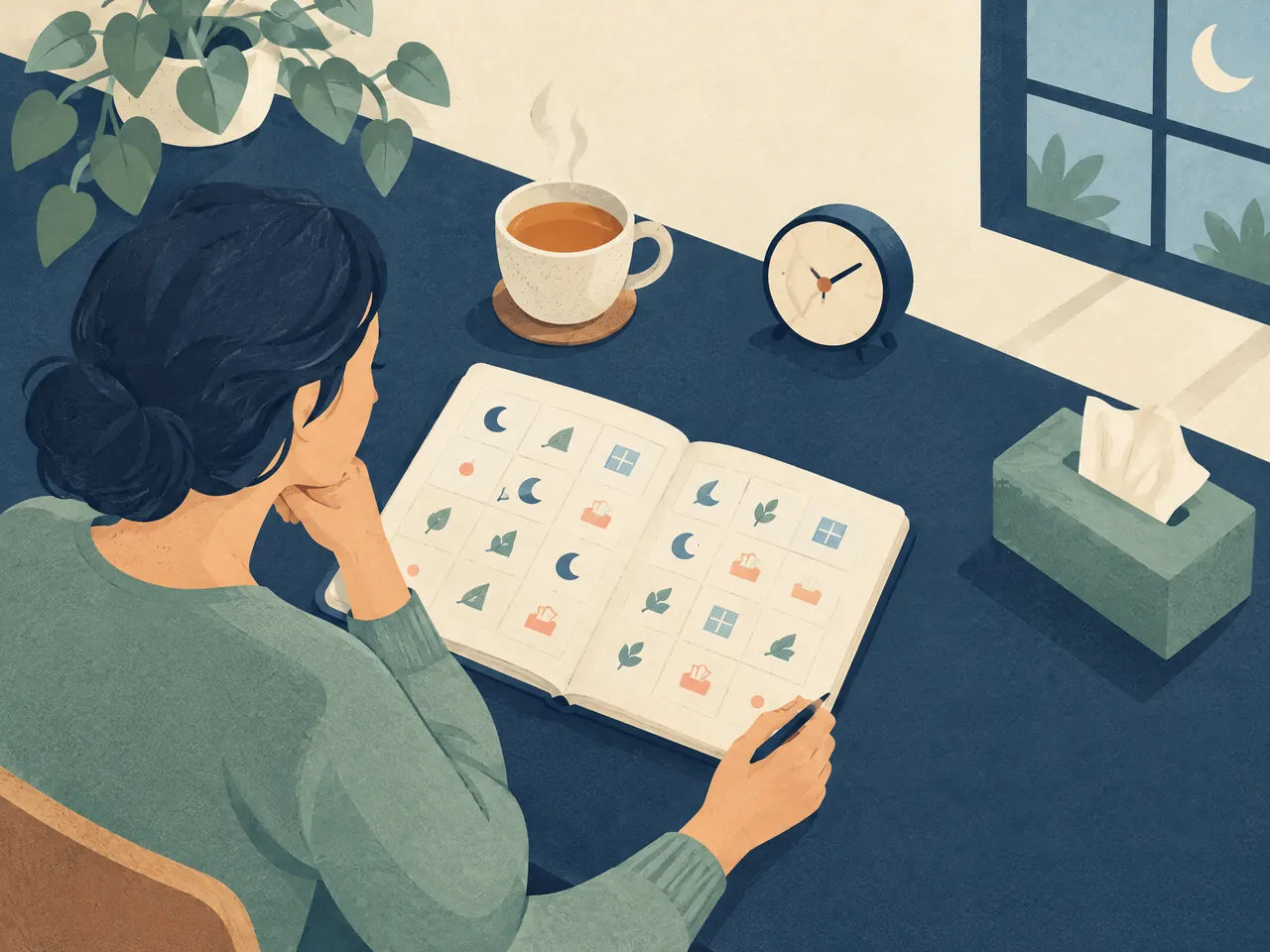
Keep a simple diary for a few episodes rather than trying to remember everything later. Write the date, the time symptoms began, where you were, and what changed in the hour before they started. Include outdoor rain or heat, an air-conditioned indoor space, a visible damp area, smoke or strong fragrance, cleaning, bedding changes, contact with animals, and a cold or flu-like illness. Add what you felt: blocked nose, clear or thicker discharge, sneezing, itch, cough, post-nasal mucus, eye symptoms, headache, and any impact on sleep or concentration. A 0-to-10 symptom score is optional; its value is consistency, not precision.
Also record what happened after you left the setting or made a change. Did the nose settle after moving away from direct airflow, opening a window when conditions allowed, cleaning a source of dust, or changing rooms? Did a pharmacist-recommended treatment help, or did congestion keep returning? This record is not an allergy test, but it gives a clinician a timeline to examine. It can also reveal that two triggers are present: for example, a cool office may coincide with a dusty air-conditioner filter, or a humid day may coincide with a musty room. For a related checklist, see runny nose when the weather changes.

Humidity and Nasal Congestion and Temperature Change Runny Nose: Allergy or Weather Trigger?
Allergic rhinitis is an immune response to allergens. Common features include sneezing, a runny or blocked nose, and an itchy nose; itchy, red, or watery eyes may occur too. Dust mites, pollen, fungus or mould, and animal hair or dander are among the exposures described by the Hong Kong Department of Health and a Hong Kong hospital health guide. [1] [3] If symptoms repeatedly follow one of those exposures, that information is worth taking to a doctor or allergy professional. It does not mean that every damp or hot day is an allergen event.
Nonallergic rhinitis can look similar but commonly does not cause an itchy nose, eyes, or throat. It may be associated with weather changes, airborne dust or fumes, smoke, perfume, medicines, spicy food, or infections. [2] That distinction is useful for questions, not for diagnosing yourself. A person can have allergy and nonallergic triggers at the same time, and a cold or sinus condition can complicate the picture. Read more about nonallergic rhinitis if your episodes are mainly congestion or dripping without the familiar itch-and-eye pattern.
Compare your options
| If you notice | Record or check | A reasonable next step |
|---|---|---|
| Symptoms begin soon after moving from hot outdoor air to cold indoor air | Location, air-flow direction, estimated time indoors, and whether a jacket or seat change alters the episode | Reduce direct cold airflow and make the temperature transition more comfortable; compare several similar occasions before drawing a conclusion. [1] |
| Congestion is worse on damp days or in one room | Musty smell, visible moisture or mould, wet laundry, bathroom or kitchen ventilation, and how long symptoms last away from the room | Address moisture and ventilation, clean the relevant area safely, and seek advice if mould or a building issue cannot be resolved. [1] |
| Sneezing, itch, and eye symptoms occur with a repeat exposure | Possible dust, pollen, mould, animal dander, or other exposure; eye symptoms and timing | Limit the suspected exposure where practical and discuss possible allergic rhinitis with a healthcare professional. [1] [3] |
| A runny or blocked nose occurs without itch after fumes, perfume, weather shifts, or spicy food | Trigger, symptoms, medicines, and whether the pattern happens year-round | Discuss nonallergic rhinitis and other causes with a clinician instead of assuming it is an allergy. [2] |
| Symptoms persist, become one-sided, bleed, or involve smell, face, or vision changes | Duration, side affected, blood in mucus, facial symptoms, smell changes, and visual symptoms | Seek medical assessment promptly; do not rely on environmental adjustments alone. [4] |
On smaller screens, scroll the table sideways to compare all columns.
Humidity and Nasal Congestion and Temperature Change Runny Nose: Assess the Environment
The goal at home is not to create a perfect indoor climate; it is to reduce repeated, plausible irritants and to see whether symptoms become easier to manage. Start with the spaces where you spend the longest continuous time: bedroom, work desk, living room, and the route between a hot exterior and a cold interior. Look for damp corners, a musty smell, visible mould, accumulated dust, direct air flow at the face, tobacco smoke, scented aerosol products, or a machine that has not been cleaned. The Hong Kong Department of Health advises a clean, well-ventilated home and attention to mould in damp kitchen and bathroom areas; its guidance also specifically notes that air conditioners and heaters can become mouldy. [1]
Make one or two changes at a time and return to the diary. If bedding is a likely issue, wash it and observe whether mornings change. If the air conditioner is involved, clean and maintain it according to its instructions, avoid sitting directly in its stream, and avoid an unnecessarily large temperature contrast where possible. If perfume, paint, incense, insecticide, or smoke sets symptoms off, reducing exposure is often more useful than repeatedly treating the resulting irritation. The point is practical cause-finding, not blame: a familiar room can contain more than one trigger.
Humidity and Nasal Congestion and Temperature Change Runny Nose: Air Conditioning and Humidity
Air conditioning may be part of the pattern in several ways. A cool, dry draft can feel harsh after humid outdoor air; a poorly maintained unit may circulate dust; and the abrupt transition itself may be the trigger. The local Department of Health advises being mindful of sudden indoor and outdoor temperature changes, keeping an air-conditioned room from being too cold, and bringing a jacket for air-conditioned places. [1] These are comfort measures, not proof that cold air is the sole cause of a person’s rhinitis.
Humidity deserves the same measured approach. A persistently damp space can support mould, while a dramatic shift between indoor and outdoor conditions may bother a sensitive nose. Ventilate and dry kitchens and bathrooms as conditions allow, deal with moisture sources, and keep bedding and soft furnishings clean. If you use a dehumidifier, air conditioner, fan, or air purifier, follow the maker’s maintenance directions; the device is not a substitute for removing an evident source of dampness or smoke. For a focused look at this situation, explore can air conditioning trigger a runny nose.
Humidity and Nasal Congestion and Temperature Change Runny Nose: Practical Home Measures
Use the comparison below to choose a first adjustment. It is deliberately small-scale: a change should be easy enough to sustain and clear enough to assess. For example, if congestion is worst when you wake, begin with the bedroom rather than changing every room at once. If symptoms appear during a commute, note the transition from outdoor heat to cold transport before assuming your entire home is the issue. Avoiding known allergens remains central when an allergy has been identified, and conventional symptom relief should be discussed with a doctor or pharmacist. [1]
Do not overlook habits that make the pattern hard to read. Switching several products, treatments, and room settings in the same week makes it difficult to know what helped. Using over-the-counter decongestant nasal sprays for longer than directed can also worsen congestion after the medicine wears off; Mayo Clinic advises against using such sprays or drops for more than a few days. [2] If you want a more detailed comparison of symptom patterns, the page on allergic rhinitis or non-allergic rhinitis is a useful next read.
Humidity and Nasal Congestion and Temperature Change Runny Nose: Discuss Supportive Care
When symptoms are recurrent, bring the diary, a list of medicines and supplements, and photographs of any visible dampness or appliance condition if relevant. A family doctor can assess whether the pattern suggests allergy, nonallergic rhinitis, infection, sinus disease, medication effects, or another cause. The Department of Health identifies allergen avoidance, antihistamines, and steroid nasal spray as first-line treatment for allergic rhinitis and advises following a doctor’s instructions for medication. [1] A Chinese medicine consultation, if you choose one, should sit alongside that assessment rather than delay it.
Some symptoms need more than environmental troubleshooting. Arrange timely medical assessment for persistent or worsening symptoms, symptoms not relieved by home measures or non-prescription medicines, or medicine side effects. [2] A blocked nose on one side that does not go away, nosebleeds or blood-stained mucus, a reduced sense of smell, ongoing facial pain or numbness, or new vision symptoms are reasons to seek medical advice rather than attributing the issue to humidity. The NHS notes that such signs can have many causes, but should be checked, particularly when they worsen or do not improve after a few weeks. [4] Seek urgent help for significant breathing difficulty or a severe allergic reaction.

Humidity and Nasal Congestion and Temperature Change Runny Nose: What a Chinese Medicine Consultation Covers
A registered Chinese medicine practitioner will usually ask for the same practical story that helps any clinician: when the runny nose or blockage started, the character of the discharge, sneezing and eye symptoms, temperature and humidity sensitivity, sleep, daily routines, food intake, bowel habits, past conditions, and current medicines. Traditional Chinese medicine also uses its own pattern-differentiation approach, which is a traditional assessment approach and is not the same as a modern allergy diagnosis. Give a full account of antihistamines, steroid sprays, decongestants, inhalers, supplements, and any previous reactions so that care can be discussed safely.
After an individual assessment, the practitioner may discuss supportive options such as acupuncture or Chinese herbal medicine in the context of your overall presentation. A web page cannot decide whether either option is appropriate, predict how quickly symptoms will change, or provide a personal herbal prescription. Do not stop, reduce, or substitute prescribed medication on your own. A useful consultation ends with a clear plan for what to monitor, what other care should continue, and which changes mean you should return to your doctor or seek specialist assessment.

Humidity and Nasal Congestion and Temperature Change Runny Nose: When to Seek Further Assessment
Further assessment is sensible when the diary does not reveal a manageable pattern, symptoms repeatedly disturb sleep or daily activity, or the problem keeps returning despite reasonable environmental changes. It is also useful when itchy eyes and sneezing suggest an allergen but the likely exposure is unclear. A clinician may decide whether an allergy-focused evaluation, review of medicines, or ear, nose and throat assessment is appropriate. This prevents a weather explanation from becoming a reason to overlook a condition that needs different care.
If you would like to discuss supportive Chinese medicine care after appropriate assessment, TCM Lab can be contacted on WhatsApp at +852 6940 5663 to ask about an appointment and to explain any language needs. Appointments may be arranged at the Chinese medicine clinic Prince Edward or the Kwun Tong Chinese medicine clinic. Bring your symptom record and a current medication list. That preparation allows the discussion to stay centred on your actual humidity and nasal congestion pattern, not a generic seasonal label.
Care and health guide
Health service information
This directory brings together services, reading, and visit information related to health services, to help you prepare questions for a consultation.
If you are organising health questions, Chinese medicine clinic Hong Kong is a starting point for learning about related services and preparing for a consultation.
People have different needs; acupuncture Hong Kong provides further reading to help you understand options in your own context.


Your questions, answered
Frequently asked questions
Why does my nose run when I enter an air-conditioned room?
The abrupt shift from warm, humid outdoor air to cold indoor air may trigger a sensitive nasal lining. Direct airflow, dust in a poorly maintained unit, or another airborne irritant may also be involved. Record the setting and whether changing position, temperature, or appliance maintenance changes the pattern. It is not enough on its own to diagnose an allergy. [1] [2]
Is high humidity the same thing as an allergy trigger?
No. Humidity is an environmental condition, whereas allergy involves a response to a specific allergen. Damp conditions can coincide with mould or other exposures, and changes in humidity can themselves trigger nonallergic rhinitis in some people. Looking for itch, eye symptoms, repeat exposures, and room-specific clues helps make the discussion with a clinician more useful. [2] [3]
What should I take to a consultation for a temperature change runny nose?
Bring a short diary showing the weather or indoor setting, symptom timing, suspected exposures, and what helped or failed to help. Include a complete list of prescription medicines, over-the-counter products, nasal sprays, inhalers, supplements, and any previous allergy tests. Photos of obvious dampness or mould can be useful context, but they do not replace an examination.
Can I use Chinese medicine while taking antihistamines or a steroid nasal spray?
It may be discussed after individual assessment, but disclose every medicine and product to both clinicians. Do not stop or alter prescribed antihistamines, steroid nasal sprays, or other treatment without advice from the prescribing doctor or pharmacist. Chinese medicine should be considered supportive care and does not replace medical diagnosis. [1]
When is a blocked nose not something to watch at home?
Seek medical advice when symptoms are serious, persist despite home measures or non-prescription treatment, or cause medicine side effects. A blockage on one side that does not go away, nosebleeds or bloody mucus, smell loss, ongoing facial pain or numbness, or visual symptoms should be assessed rather than blamed on changing weather. [2] [4]
Sources and further information
- [1] [1] Hong Kong Department of Health Student Health Service — Allergic Rhinitis
Referenced for: Local official guidance on allergic-rhinitis symptoms, allergens, sudden weather change, household measures, and general management.
- [2] [2] Mayo Clinic — Nonallergic rhinitis: Symptoms and causes
Referenced for: Clinical information on nonallergic rhinitis, weather and humidity triggers, irritants, symptoms, and when to seek medical care.
- [3] [3] Hong Kong Adventist Hospital — Allergic Rhinitis
Referenced for: Hong Kong hospital guidance on symptoms, common allergens, weather and humidity changes, and environmental measures.
- [4] [4] NHS — Symptoms of nasal and sinus cancer
Referenced for: Official safety information about persistent one-sided blockage, bleeding, smell change, facial symptoms, visual symptoms, and medical review.