
Prince Edward & Kwun Tong clinics · Home-visit enquiries elsewhere

TCM Lab

TCM Lab · Beauty & lifestyle / Family haircuts

A calmer haircut day for children and parents

Content updated

A family haircut day does not need a packed itinerary or a perfect finish. TCM Lab explores how ordinary routines, clear choices and permission to pause can make the visit more manageable.

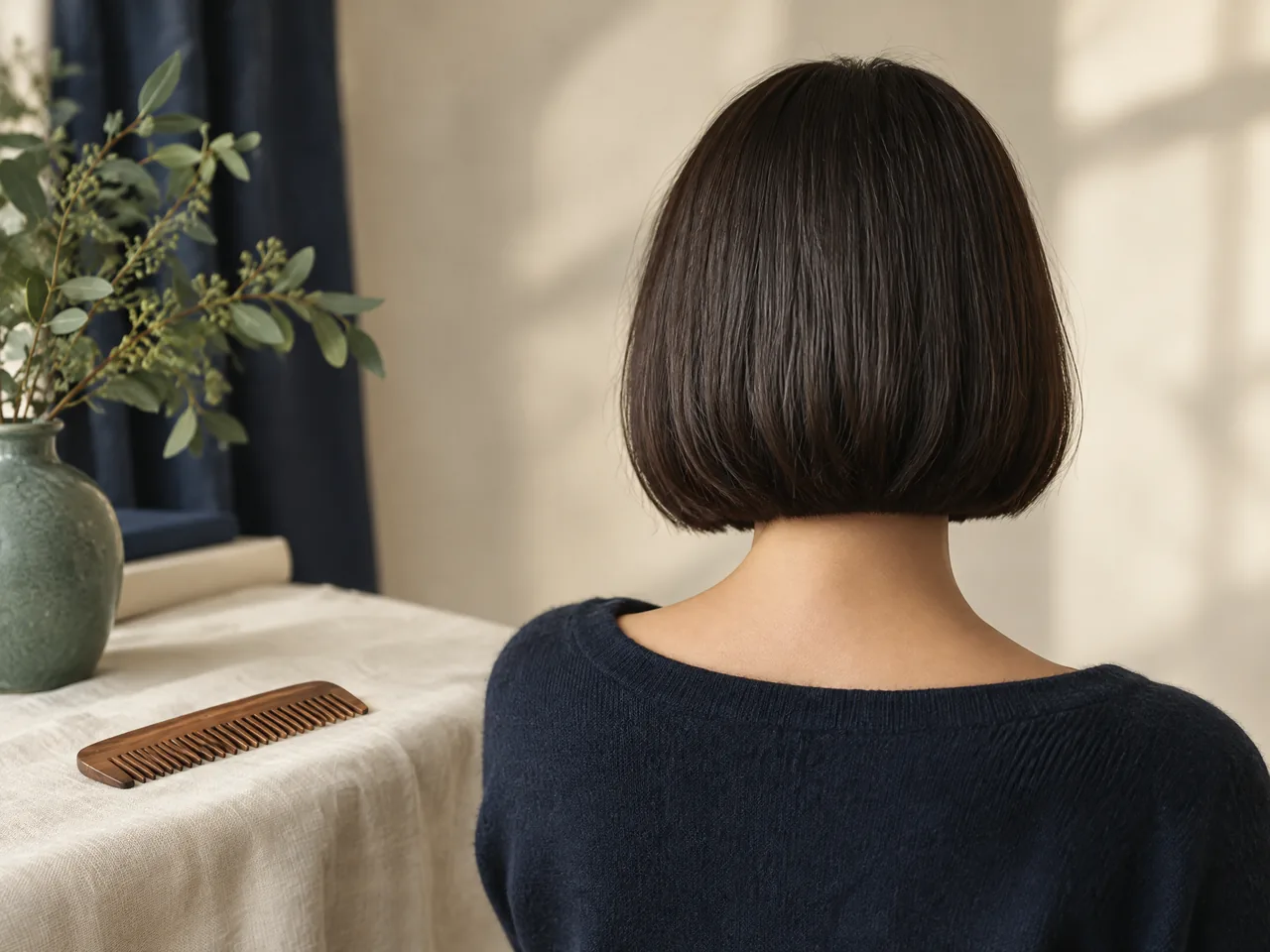
Illustrative short-hair silhouette
Illustrative hair-lifestyle concept; not a client record or a Vit So portfolio photograph.

The short answer

Choose a time when your child is usually fed and rested, identify the smallest useful haircut goal, and explain specific sound or touch preferences before booking. Confirm accompaniment, seating and the full visit allowance rather than assuming child-focused facilities. Leave room for travel and agree how to pause or stop safely. Keep any outing afterwards available even if the haircut is unfinished.

Vit So is an external hair and beauty website under the same ownership as TCM Lab. Its beauty services are separate from Chinese medicine care. This section is for beauty and lifestyle education, not diagnosis or treatment.

Choose a window that fits the child, not just the diary

Start with a normal day's pattern. When does your child willingly sit for a story, and when do they usually need lunch or sleep? Use that observation to shortlist appointment windows. An apparently convenient gap between school and swimming may leave little patience for another activity, especially after a hurried journey.

Aim to finish the usual meal or snack before entering the cutting area. Allow time for a toilet visit and a drink without turning arrival into a race. For a child who naps, avoid making the appointment depend on waking them early or on an unusually short nap. Flexibility in your own schedule is often more useful than packing extra distractions.

Northumbria Healthcare's paediatric occupational therapy guidance suggests a consistent haircutting schedule and familiarising children with the setting. Treat these as options for predictability, not rules every family must follow. Ask when the salon is ordinarily less busy; an early booking does not guarantee silence or no waiting. [2]

Describe the sensations that matter, one at a time

Separate the haircut into experiences: a cape touching the neck, combing, someone standing behind the chair, buzzing tools and loose clippings. The NHS Haircutting & Brushing Tips sheet notes that scissors and clippers have different sounds and sensations, and that individual responses vary. Describe what your child actually dislikes rather than assuming one tool will always be gentler. [1]

A useful observation is specific: 'They keep turning towards the buzzing sound' tells the stylist more than 'They hate haircuts'. Explain what has helped before, such as seeing the next tool or hearing a short explanation before touch. Ask whether the work can be planned around those preferences; do not arrive expecting scissors-only cutting, special chairs or a quiet room.

When reviewing the kids haircut resource, keep a separate note of arrangements your family needs confirmed. A children's service listing does not establish lap seating, headphones, washing arrangements or entertainment. Check whether a familiar object can remain in the child's hands without blocking access, and let the stylist assess safe seating before any cutting begins. [4]

Offer two clear choices, with visible length boundaries

A gallery of twenty hairstyles can turn a small decision into a negotiation. Begin with the practical problem: hair falls forward while reading, the neck feels crowded, or the child wants to retain a favourite silhouette. Then offer two options you can genuinely accept. For example, discuss a small tidy-up versus a more noticeable reduction, rather than offering a choice you will later overrule.

Use the child's own hair to explain the boundary before work starts. Show the area to change and the area to preserve. For curly or wavy hair, describe the everyday dry position rather than demonstrating length only with a strand pulled straight. A photograph can illustrate a shape, but it cannot settle how much this child's hair should be shortened.

Comfort choices should also be real. The child might choose whether to look in the mirror or hear a brief description of each step, if the setup permits. Avoid promising control over every tool or position. Explain which decisions belong to the stylist for safety, and settle parent disagreements before arrival so the child does not hear competing instructions while seated.

Plan the whole journey and the parent's appointment

Count door-to-door time, not only the advertised or estimated cutting time. Walking from transport, finding the entrance, settling in, waiting and paying all belong in the plan. When comparing a hair salon hong kong resource with your family's route, confirm the actual appointment location and any access questions. A broad location search cannot tell you whether a pushchair fits or where another child may wait.

Ask for a realistic allowance for the agreed visit, including any washing or finishing you have requested. Mention a firm departure deadline before accepting the slot. Leave a travel buffer appropriate to your route rather than treating the next activity's start time as the haircut's finishing time. If the schedule only works when everything runs perfectly, separate the activities.

Combining a parent's service may save a journey but lengthen the child's day. Decide who remains available to accompany the child while the parent is in the chair. An adult having their hair washed or otherwise occupied cannot necessarily supervise. If no second caregiver is available, separate appointments may be simpler; do not build your plan around salon staff providing childcare.

Agree on a pause before anyone needs one

Practise a short signal before arrival, such as saying 'pause'. The NHS advice sheet recommends teaching a stop signal and stopping when it is used. Explain the signal to the stylist before tools approach the head, and agree how the child will know the tools are clear before turning or standing. A signal is useful only if the adults honour it. [1]

Distinguish a brief break from ending the visit. During a pause, check the immediate problem: loose hair on the neck, a need for the toilet or discomfort with a sound. If the child wants to continue and the stylist judges it safe, agree the next small step. If cooperation is no longer safe or the child remains distressed, stop rather than restraining them to finish a cosmetic result.

Choose the minimum useful goal in advance so a shorter visit is not automatically a failure. Perhaps the priority is a fringe adjustment rather than a complete change of shape. Ask how the appointment will be handled if work stops early, including any charge or later booking arrangements. Do not assume a free return, an instant restart or a fixed amount of extra time.

Let the day end without an endurance test

Keep the planned snack, walk or quiet time separate from completing the haircut. 'We will go to the park afterwards' is different from 'You only get the park if you stay still'. You can acknowledge a child for explaining an uncomfortable sensation without making access to an ordinary family activity depend on suppressing it. Avoid comparing siblings' reactions.

Once home, note one helpful detail and one thing to change next time. Was the waiting harder than the cutting? Did the child prefer knowing who was behind them? Ask a simple question rather than demanding a detailed account. These notes give the next visit a practical starting point, without turning the child into a problem to solve.

When you next review a hair salon service guide, use those observations to decide what arrangements to ask about. The guide is a service resource, not evidence of sensory expertise or medical benefit. Vit So is an external hair-styling website under the same ownership as TCM Lab; its beauty services are separate from Chinese medicine care. [3]

Take it into everyday life

A practical checklist

  • Choose a window around the child's normal meal, rest and energy pattern.
  • Identify the priority area and the length the child wants to preserve.
  • Write down specific sound, touch or waiting concerns and what previously helped.
  • Confirm accompaniment, seating requests, service scope and appointment allowance.
  • Include travel, settling, payment and a departure buffer in the diary.
  • Arrange an available caregiver if a parent also has a service.
  • Agree the pause signal and ask how an unfinished visit is handled.
  • Keep the activity afterwards available whether or not the cut is completed.

Questions & answers

Should siblings have consecutive appointments?

Only if the waiting and supervision work for both children. Watching a sibling may help one child understand the process but tire another. Confirm whether accompanying siblings can wait, and consider separate visits if one needs an adult's full attention.

Can my child wear headphones during cutting?

Ask first. Headphones can obstruct access around the ears or make instructions harder to hear. Explain the sound concern and discuss an arrangement with the stylist rather than putting them on once cutting is underway.

What if my child refuses the cape?

Tell the stylist before cutting starts. Explain whether the issue is the fastening, fabric or neck contact, and ask what safe alternatives are possible. Do not assume cutting without protection is acceptable or that the salon stocks a different cape.

Is a visual timer a promise that the haircut ends when it rings?

It should represent an agreement, not an invented duration. Ask about timing first; a timer might mark an agreed check-in or break. Do not promise a complete haircut in a few minutes when the stylist has not confirmed that expectation.

Should we immediately rebook after an unfinished haircut?

There is no universal interval. First identify what made the visit unmanageable and whether the remaining cosmetic work is urgent for your routine. Discuss a smaller goal or different timing before committing to another appointment.

Sources & further context

Numbered references follow the order in which the sources are listed below. Service websites provide beauty-service context, not medical evidence.

  1. [1] NHS Occupational Therapy Service for Children and Young People — Haircutting & Brushing Tips
  2. [2] Northumbria Healthcare NHS Foundation Trust — Top Tips for Hair Cutting
  3. [3] Vit So — Hair Salon Services for Shape, Colour, Texture and Care
  4. [4] Vit So — Kids Haircut: Age, Length and Preparation Before Visiting

Make a short preview of the agreed steps

After confirming the visit arrangements, describe the expected steps in language your child already uses. A simple picture sequence might show arriving, sitting, having the hair combed, cutting the agreed area and leaving. The NHS advice sheet suggests picture sequences, while Northumbria's guidance recommends explaining what happens next. Include only steps the stylist has confirmed; do not draw a wash or noisy finish into the plan by default. [1] [2]

Ask how the hair may be separated into sections and which area is likely to be worked on first. Clips and a comb on a practice mannequin can help explain this vocabulary without demonstrating cutting on the child. Keep the preview short, and leave room for the agreed pause. Its purpose is to explain the visit, not to persuade the child to tolerate every step regardless of discomfort.
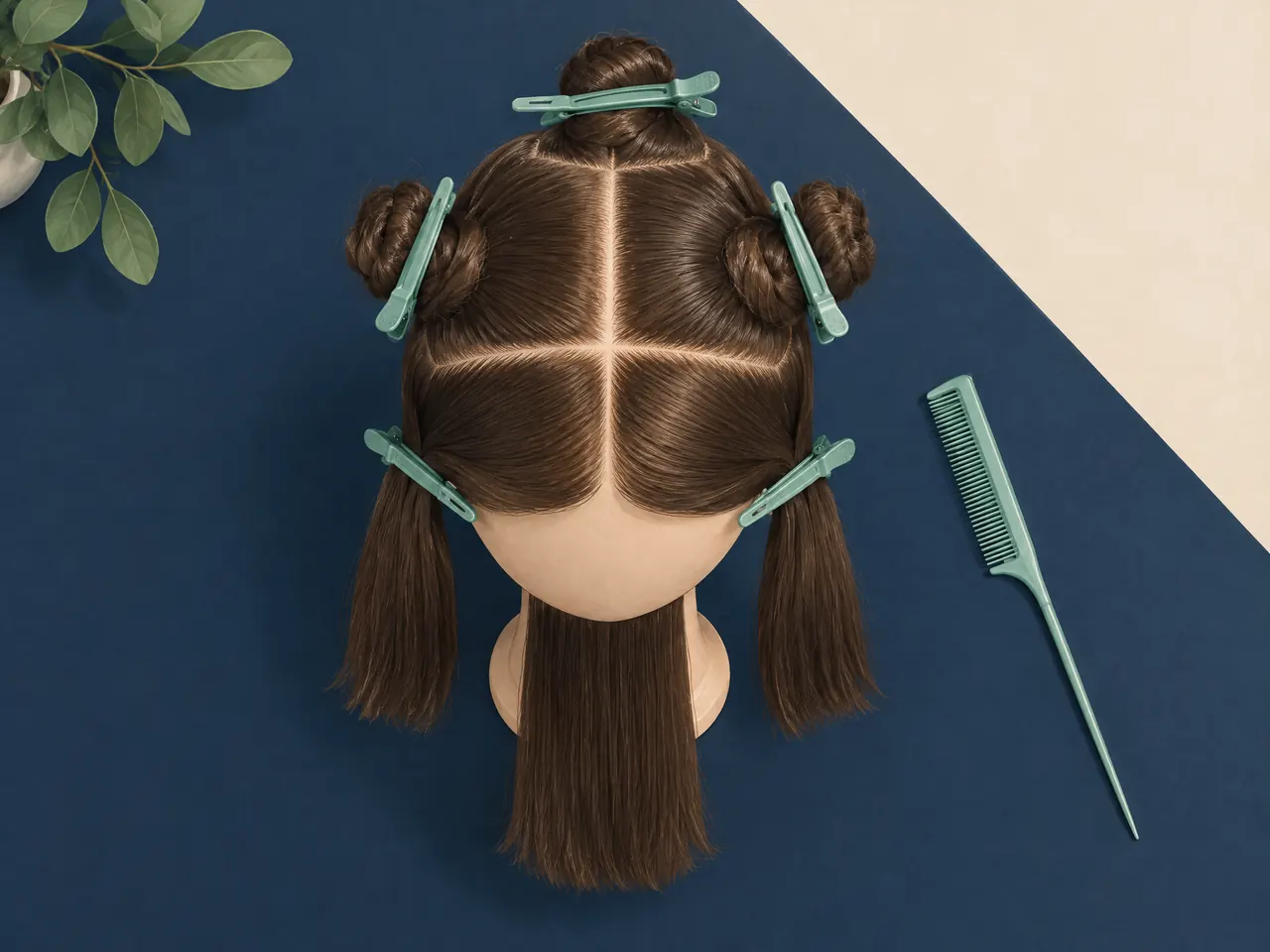
Top view of a faceless practice mannequin with hair separated by jade clips and a tail comb beside it
Practice-mannequin illustration for discussing sectioning and the order of a haircut; not a child's appointment or a salon portfolio photograph.Generated illustrative image

Check the fringe and tying length in everyday use

Before settling the length, observe the child reading or arranging their usual school hairstyle. If they wear glasses, describe where hair meets the frame. Bring the actual wording of any school rule and separate it from your own preference. The children's service resource discusses these everyday boundaries, but it cannot choose the finished length for your child. [4]

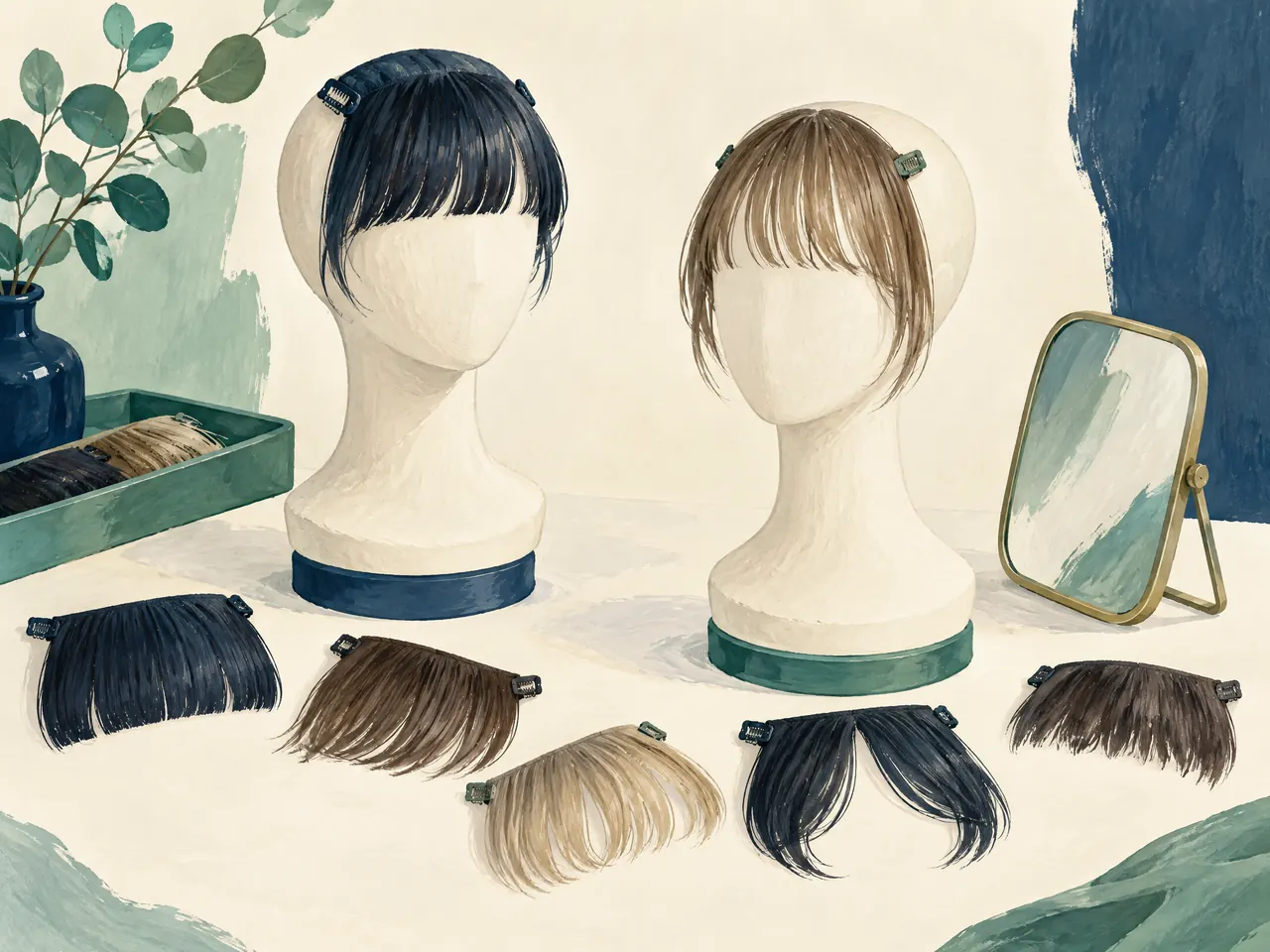
Treat the fringe, sides and back as separate decisions. A tidy fringe may leave overall length unchanged, while shorter side pieces may no longer reach the child's usual tie. Length samples and a fringe mannequin are discussion aids, not measurements to copy. Tell the stylist which strands must still gather and show their normal dry position before agreeing to shorten them.
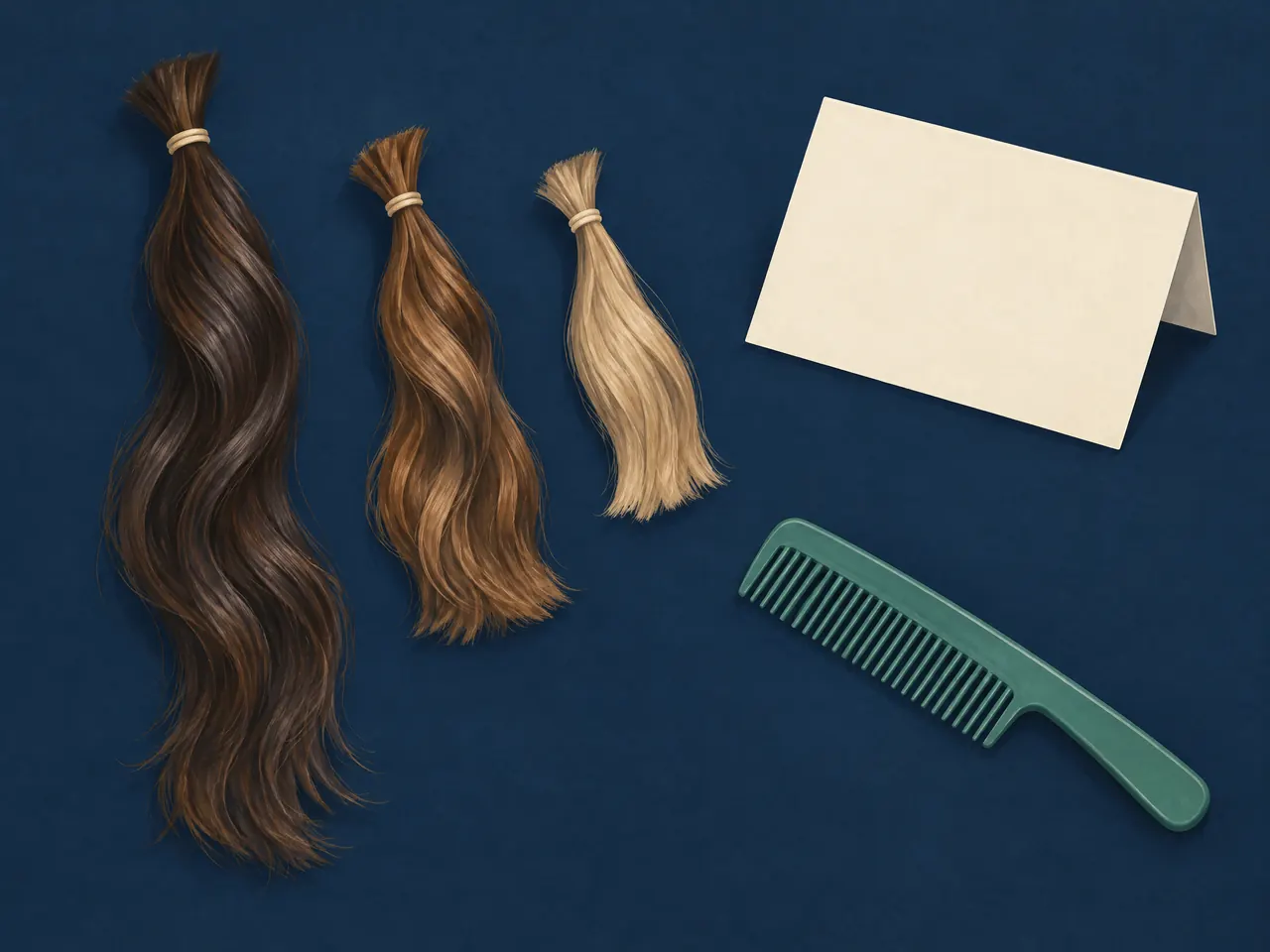
Three separate practice hair tresses of different lengths beside a blank consultation card and a comb
Different practice lengths illustrate a discussion about what to retain; they do not prescribe a child's finished length.Generated illustrative image
Two featureless mannequin forms with detachable practice fringes and a small mirror
A fringe design study helps separate the front decision from the sides and back; not before-and-after results.Generated illustrative image

Decide where washing and detangling belong

Ask whether washing is needed for the proposed cut and whether it belongs in the agreed service. Northumbria's guidance suggests considering a home wash to avoid unfamiliar scents and reduce appointment time. Check with the stylist before using that option; it is not a guarantee of a shorter visit. Explain separately any difficulty with water, product scent, towel contact or combing, rather than treating washing as one indivisible problem. [2]

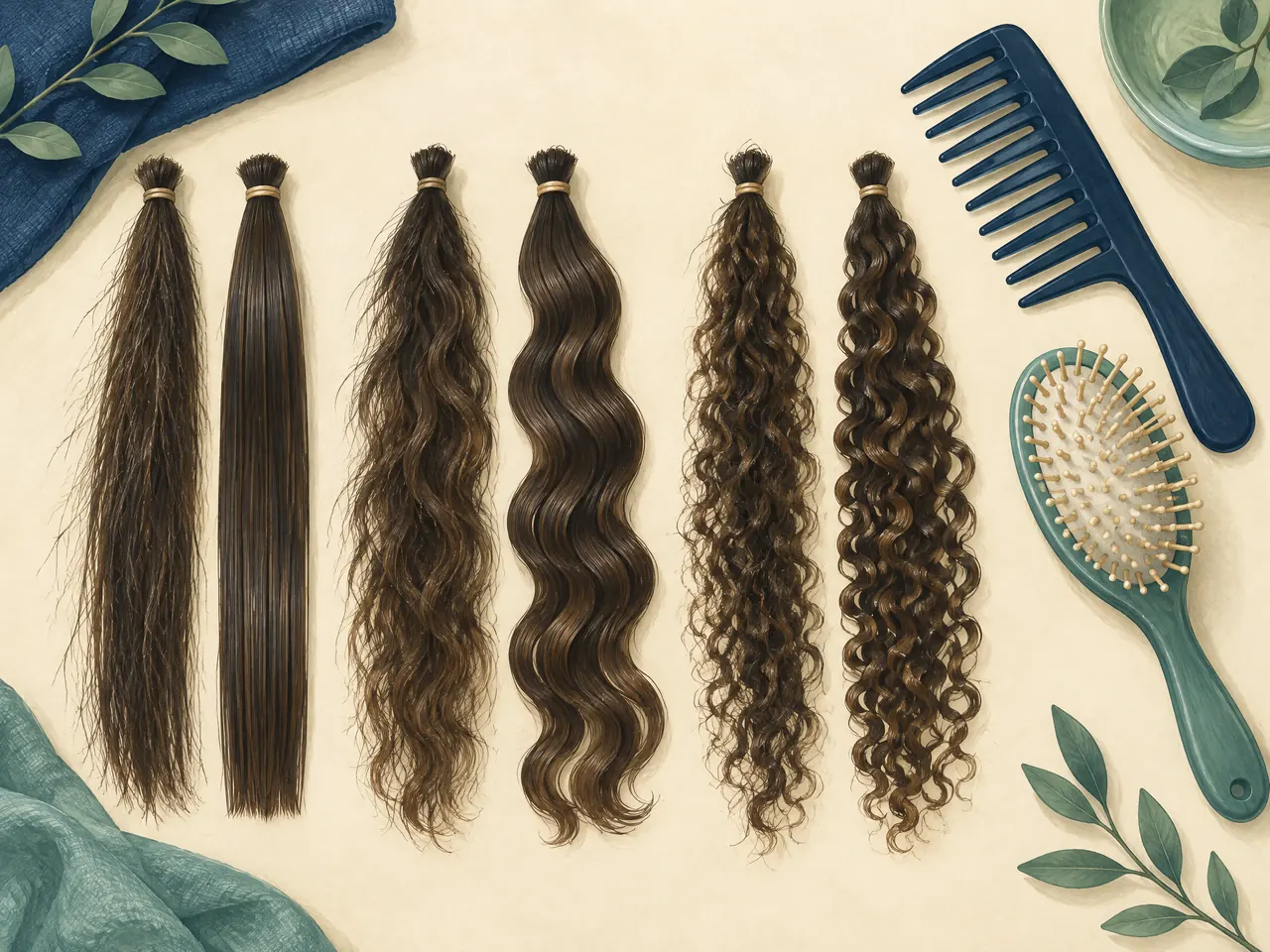
Keep home preparation gentle rather than trying to remove every tangle in a hurry. The American Academy of Dermatology's children's hair-care guidance recommends absorbing water with a towel and gently combing damp hair with a wide-tooth comb without yanking or pulling. If combing meets resistance, do not force through it to stay on schedule. Describe where handling is difficult so the stylist can discuss the preparation needed for the child's actual texture.
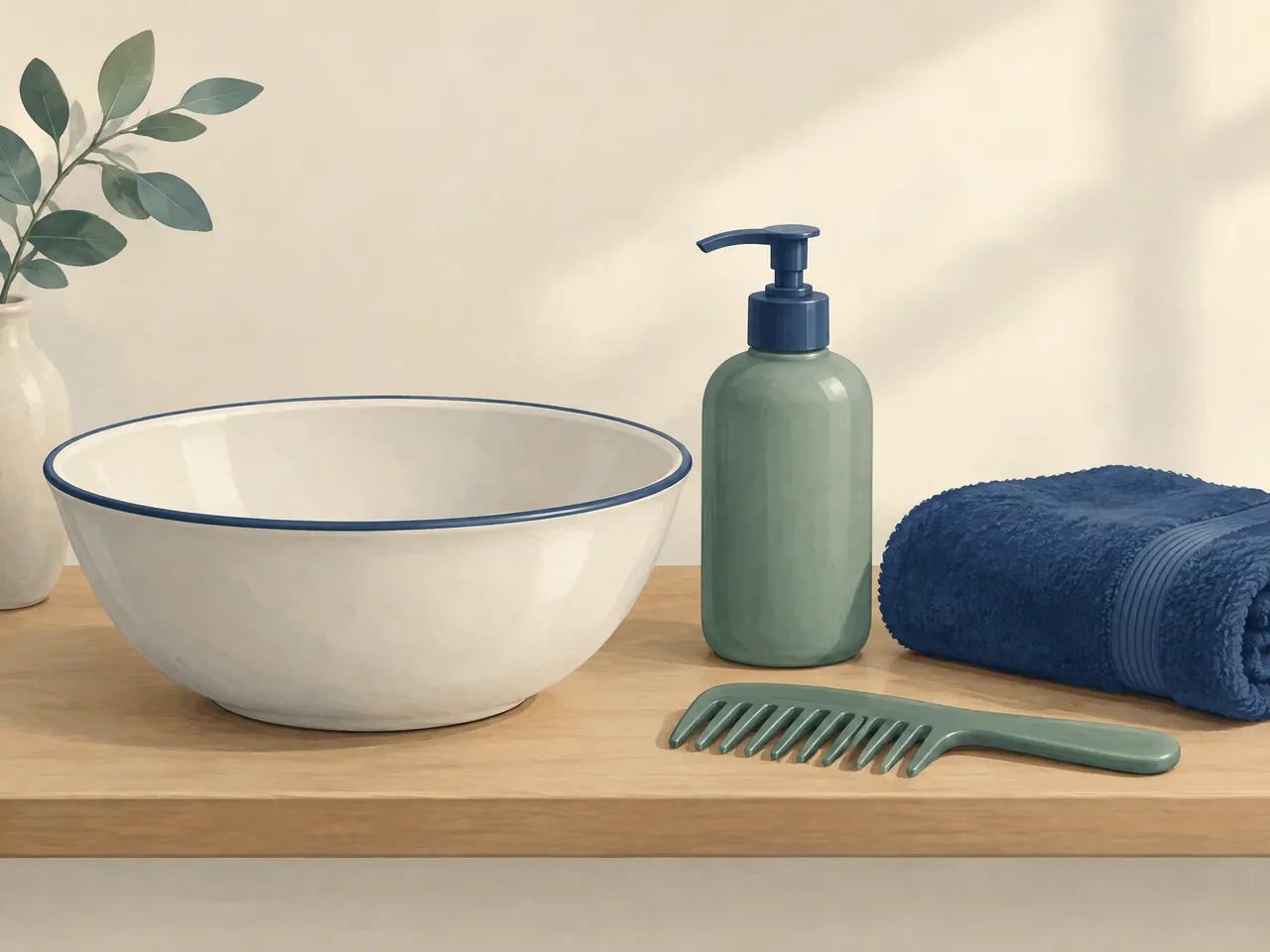
Plain wash basin, unbranded pump bottle, folded towel and wide-tooth comb on a cream shelf
Routine-care objects for discussing washing arrangements; no product endorsement or salon facility is implied.Generated illustrative image
Separate straight, wavy and curly practice hair tresses beside a wide-tooth comb and a soft brush
Separate practice textures prompt individual handling questions; the illustration does not demonstrate a treatment result.Generated illustrative image

Agree on the finish your child can manage

A children’s haircut routine should account for finishing as well as cutting. Ask whether a dryer or brush finish is proposed, and mention any reaction to sound or warm airflow before agreeing. A dryer, nozzle and diffuser represent different equipment questions, not a promise that particular attachments are available. Confirm whether a simpler finish is possible and how that changes the visit; do not assume blow-drying is included or compulsory.

Judge the proposed shape against what your family will actually do at home. If nobody plans to use a heated tool on school mornings, say so rather than choosing a reference that depends on that finish. The American Academy of Dermatology advises considering children's styles that do not require heat or chemical treatments. Discuss a repeatable routine, without expecting either a particular haircut or a styling attachment to remove the need for ordinary care.
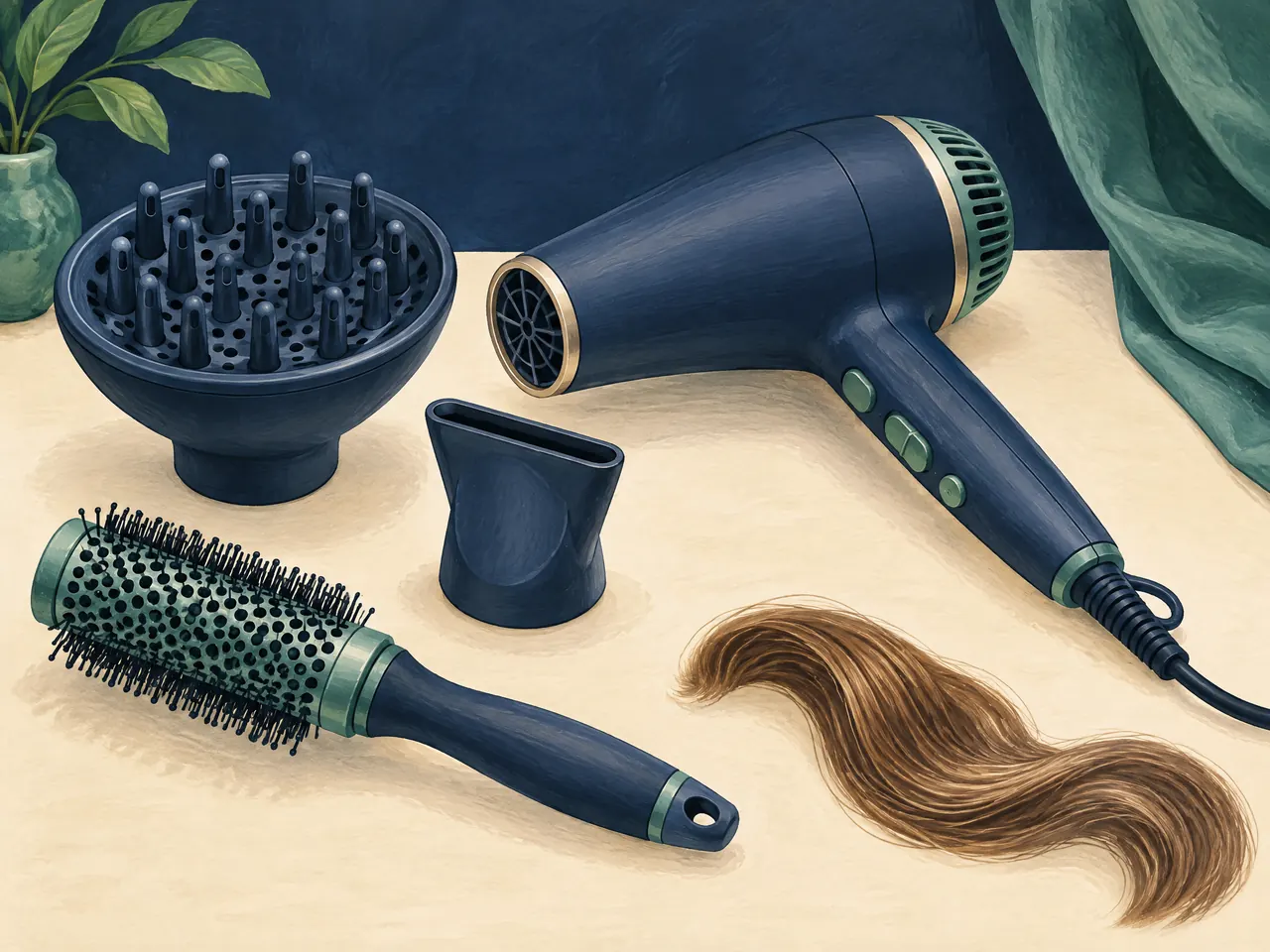
Unplugged unbranded hair dryer with a separate diffuser, nozzle, round brush and loose practice hair tress
Unpowered styling equipment illustrates questions about an optional finish; not a recommendation for a child to use heated tools.Generated illustrative image

Supplemental references

  • American Academy of Dermatology — Teaching your child healthy hair care habits

    Supports absorbing water with a towel rather than rubbing, gently combing damp hair with a wide-tooth comb without pulling, and considering children's styles that do not require heat or chemical treatments. Does not establish a salon's facilities, service inclusions, appointment duration or a particular haircut outcome.

Clinic enquiries

Contact and appointment arrangements

Clinics
Prince Edward and Kwun Tong
Opening hours
11:00–21:00
WhatsApp and telephone
+852 6940 5663

Appointments, practitioner availability and service arrangements are confirmed via WhatsApp.

Please mention any consultation language needs in your WhatsApp enquiry so that arrangements can be confirmed.

Enquire via WhatsApp
Food, gifts and floral lifeWhatsApp enquiry