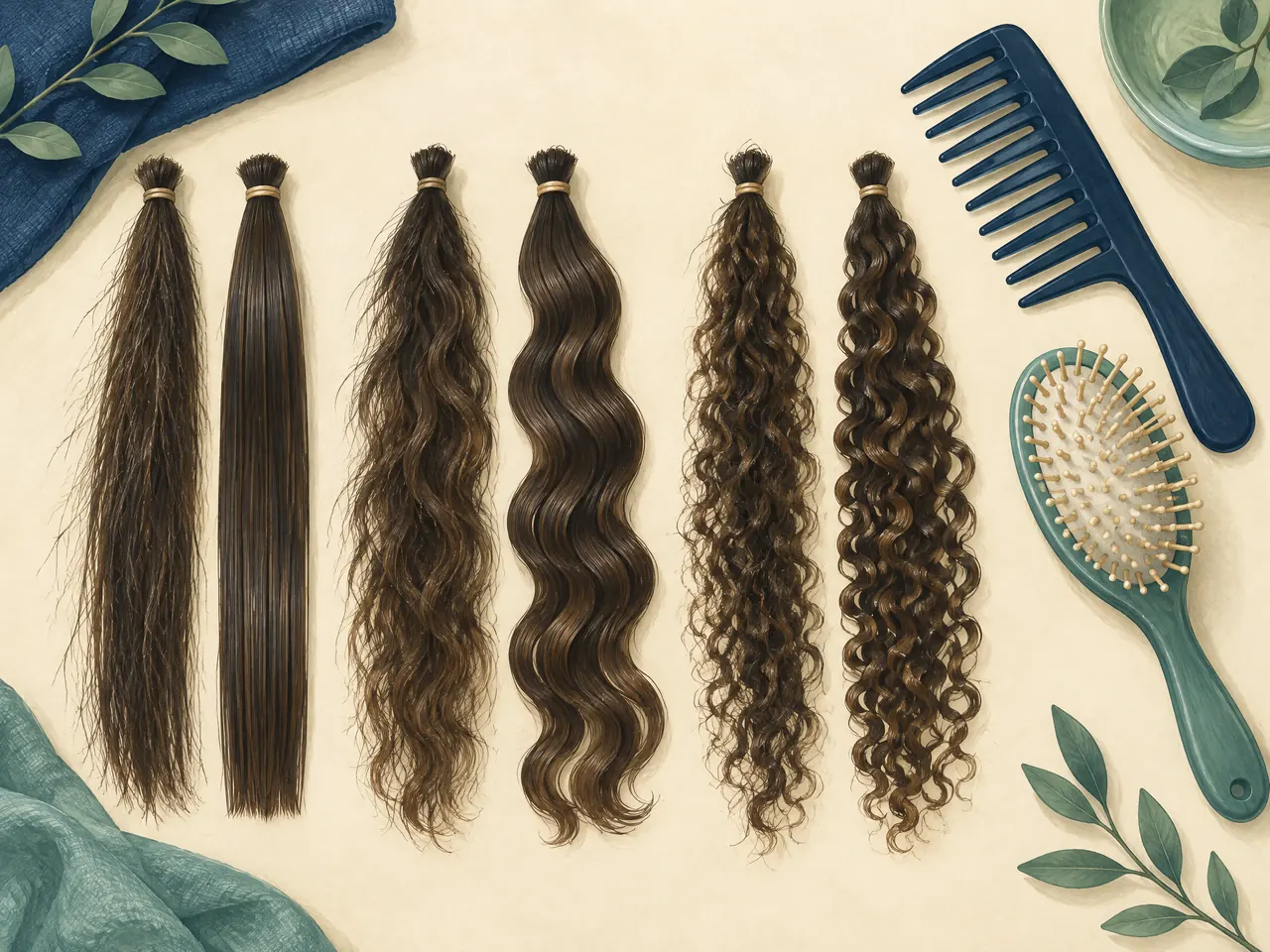
Turn two possible lengths into a usable brief
Write a separate everyday brief for each length you are considering. For a shorter outline, describe which front and side pieces must still tuck comfortably and how much local reshaping you would accept. For a longer outline, describe your usual tie position and whether you can comfortably reach the back during drying. Give each option one essential function rather than asking for both the shortest possible cut and the easiest possible ponytail.
Then identify a compromise you could accept if the desired movement and retained length do not fit together. You might keep the front longer, prefer a quieter bend or postpone a substantial cut. Ask which option is feasible for your existing hair; these are discussion choices, not guaranteed results. Check the fringe separately from the longest ends, as the short- and long-perm resources recommend. [5] [6]
Practise the difficult drying step before adopting it
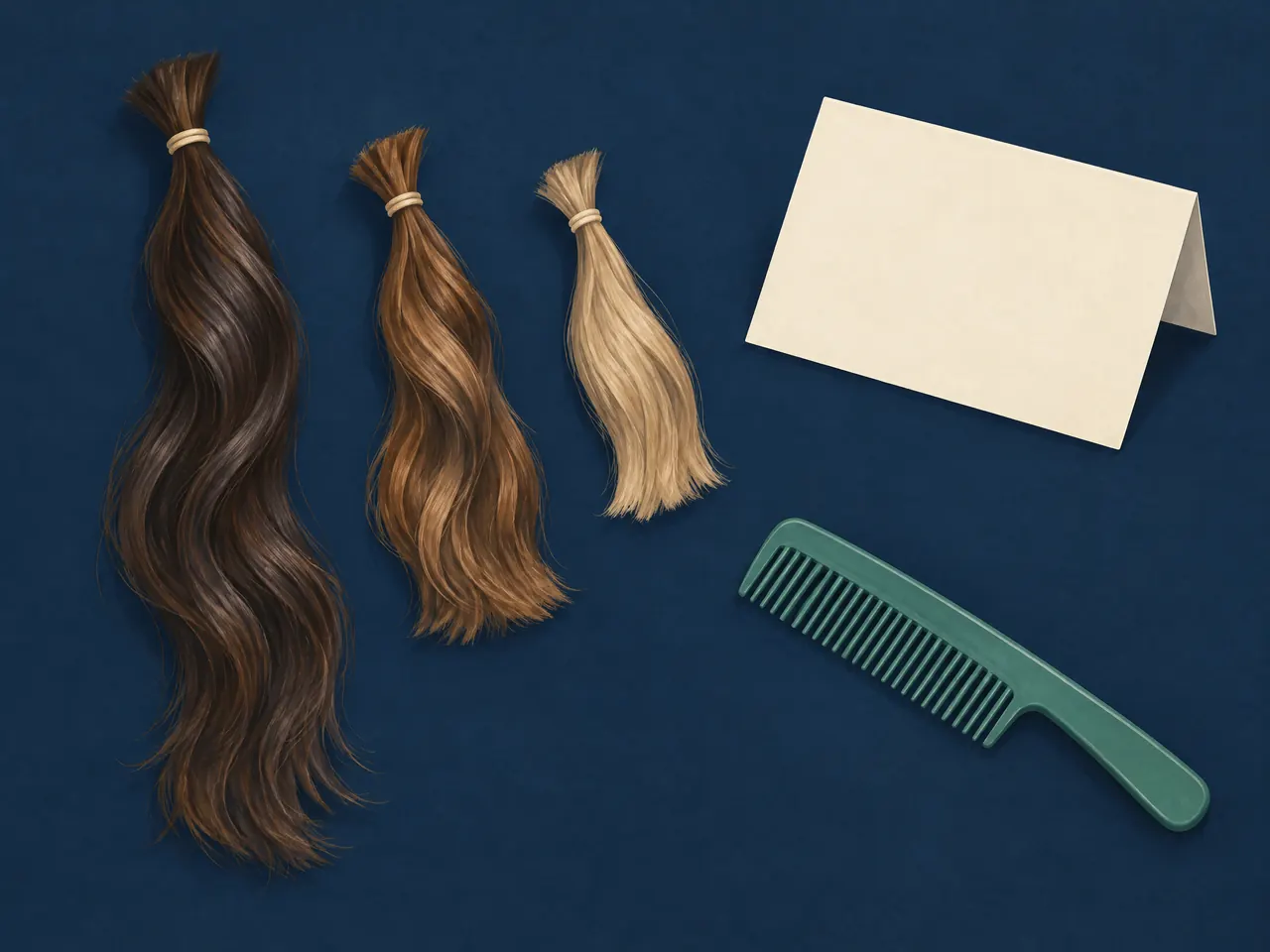
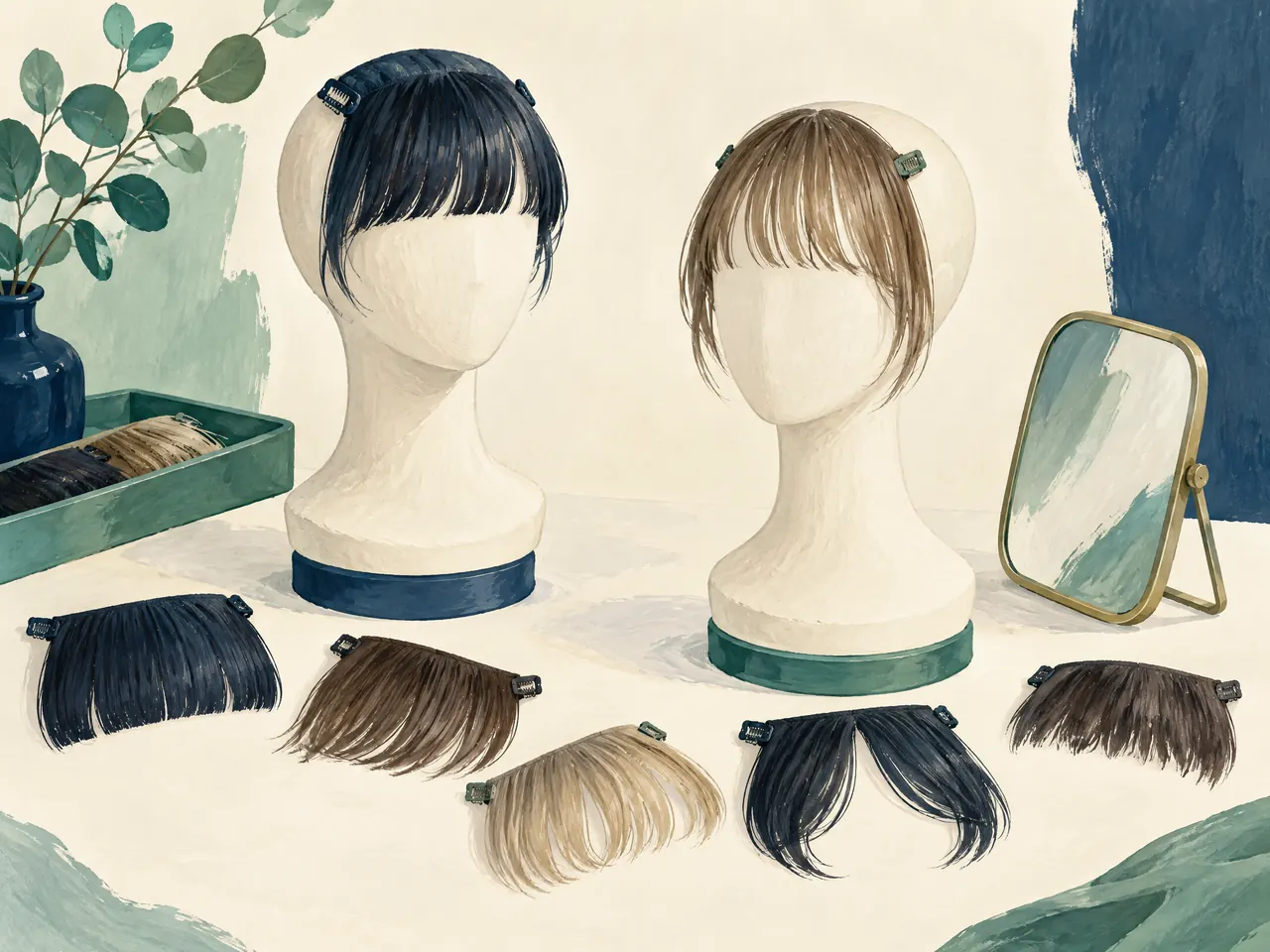
Ask the stylist to demonstrate the step you are least confident about, then explain how you would repeat it with your own equipment. For short hair, this might be arranging an ear-side section without flattening the neighbouring fringe. For long hair, ask how to separate the back lengths and reach the underside without repeatedly lifting the entire bundle. The short- and long-perm resources both recommend a home routine built around tools you actually use. [5] [6]
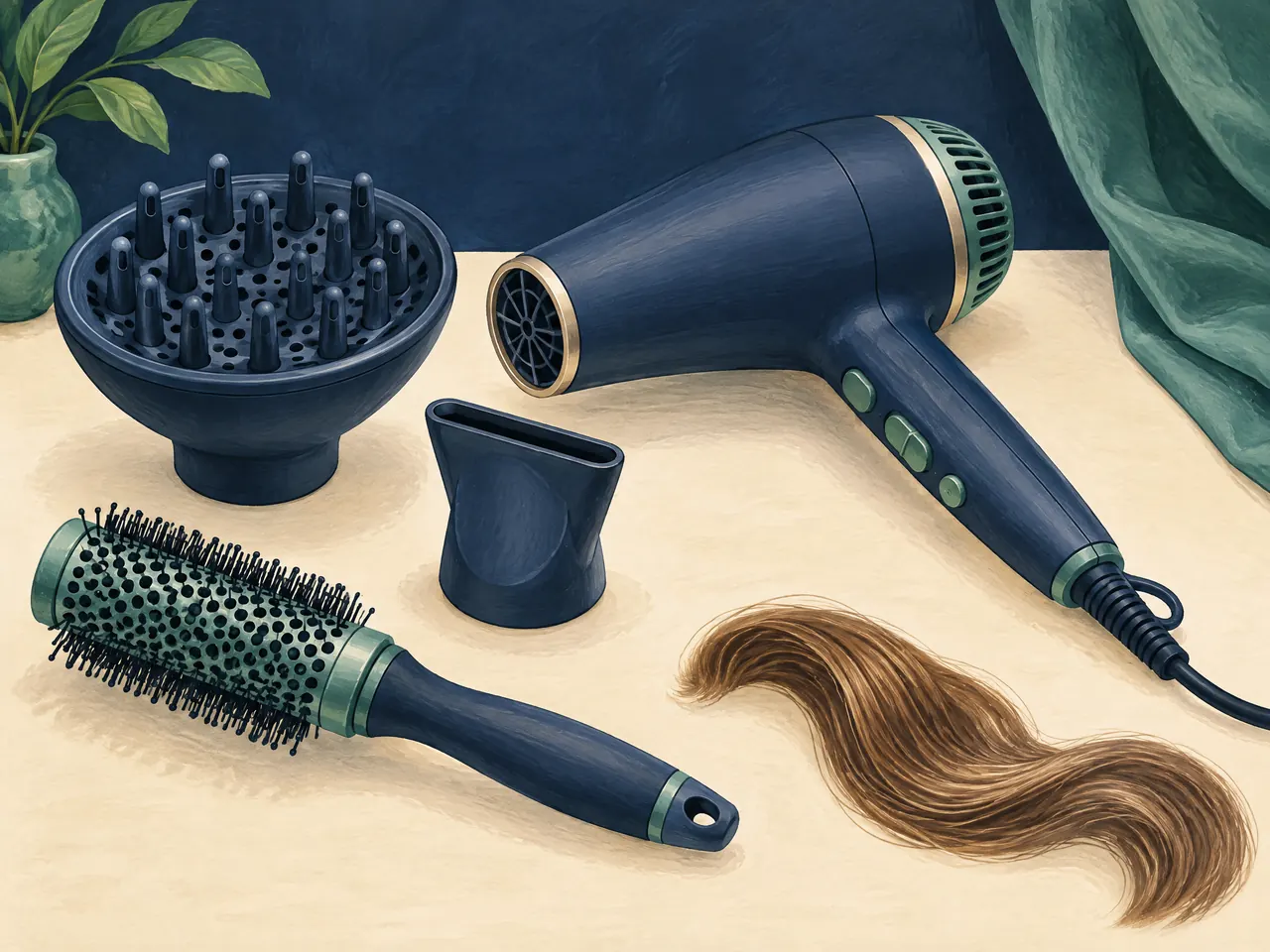
An attachment shown beside a dryer is not automatically required for your finish. Ask whether the demonstrated approach depends on a diffuser, a nozzle or a brush, and what to do if you do not own that item. Agree on the order of handling sections and the point at which you can stop arranging them. Keep gentle moisture absorption and low or medium heat as handling principles, rather than increasing heat to meet a rushed deadline. [1]
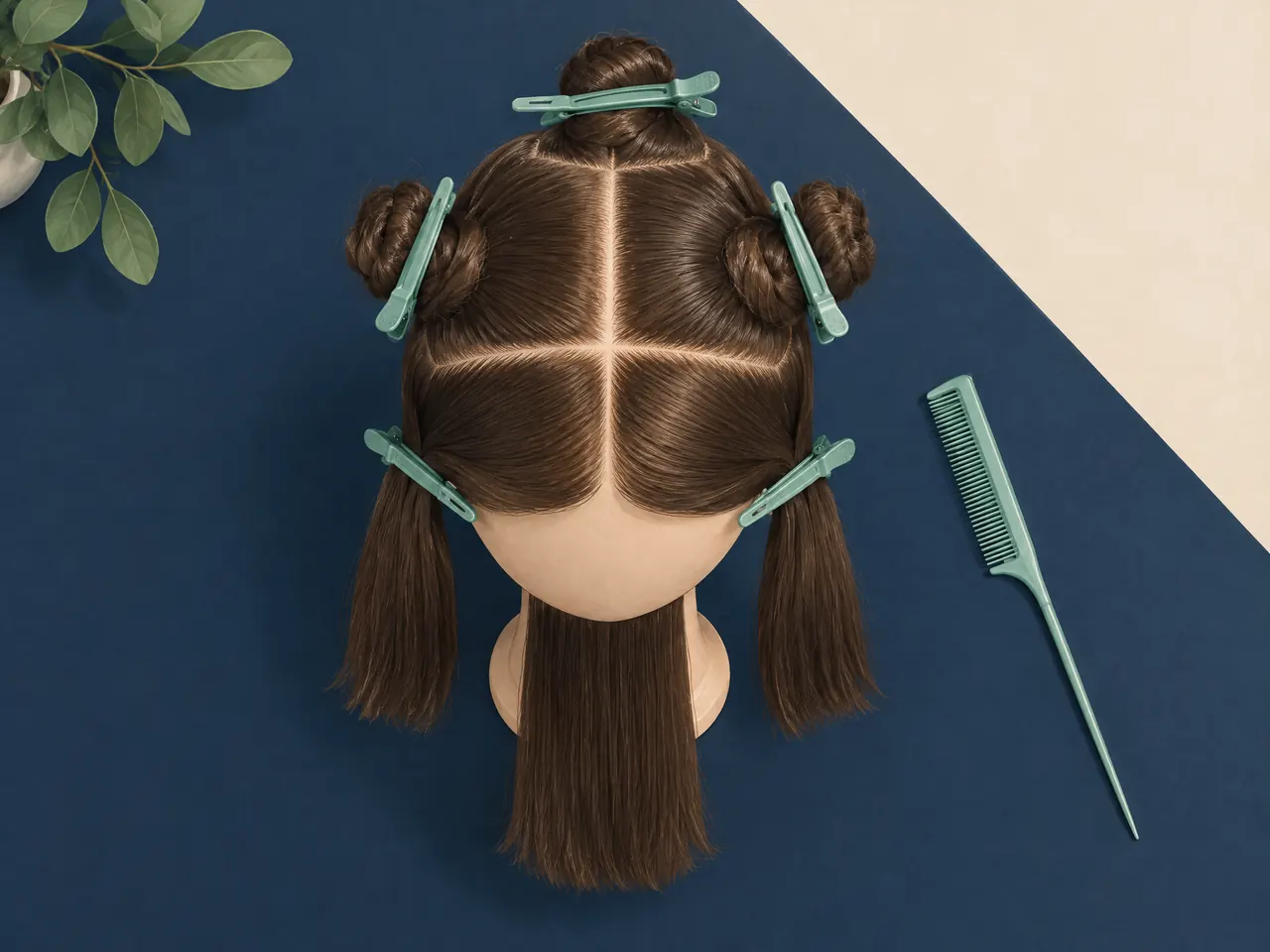
Give wash days and small resets different plans
Keep two sets of instructions: the full wash-and-dry sequence and the permitted way to adjust a small misplaced section. Ask whether your actual procedure allows local wetting or product use, and when. A flattened short fringe should not automatically trigger a complete wash; equally, rearranging the surface of long hair should not be mistaken for finishing a full drying session. Let the procedure instructions settle what is appropriate. [5] [6]
On wash days, put the towel, comb and products you have been advised to use within easy reach before starting. Record the sequence in plain language, including when any detangling should happen. Conditioner and gentle moisture absorption are supported care principles, but they do not establish a universal washing interval or post-perm waiting period. [1]
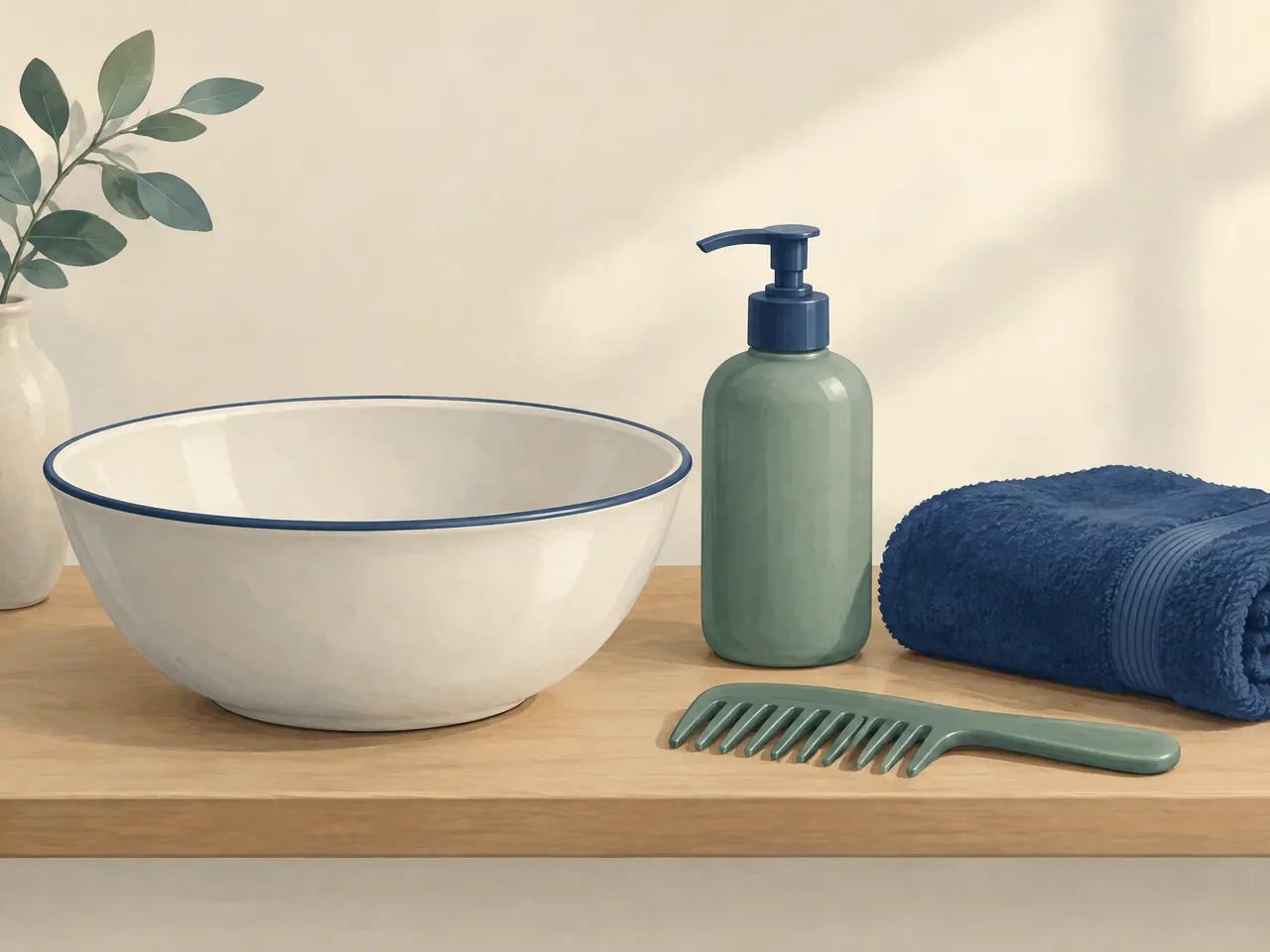
Record the troublesome location, not just a bad hair day
Make a simple note of where the problem appears and what happened beforehand. For longer hair, distinguish a nape knot noticed after wearing a collar from tangles found during washing. For shorter hair, distinguish a side pressed out of position after sleep from a genuinely snagged section. A photograph of the affected area and a description of the preceding handling make a follow-up question more useful than saying the whole perm is difficult.
Use those notes to choose one practical comparison: hair worn in front of or behind the shoulders, for example, or one permitted way of repositioning the fringe. Do not pull a comb through resistance to test whether the shape will recover. The AAD supports gentle, end-first detangling with a wide-tooth comb; the appropriate timing still needs to fit your texture and procedure. [1]