
TCM Lab · Health reading
Wrist Pain After Injury, Wrist Pain and Numbness, Repetitive Strain Wrist Pain: How to Read the Pattern
Published Updated
A sore wrist after a fall is not the same question as tingling that wakes you at night or an ache that builds during computer work. Wrist pain after injury, wrist pain and numbness, and repetitive strain wrist pain can involve a sprain, a fracture, tendon irritation, nerve pressure, a joint problem or another condition. The useful first step is to describe the pattern accurately: what happened before it began, the precise area that hurts, which fingers feel different, and what you can no longer do comfortably. That record helps a clinician decide what should be examined; it cannot identify the cause by itself.
Appointments are confirmed through WhatsApp. If you have language requirements, please mention them in your enquiry.
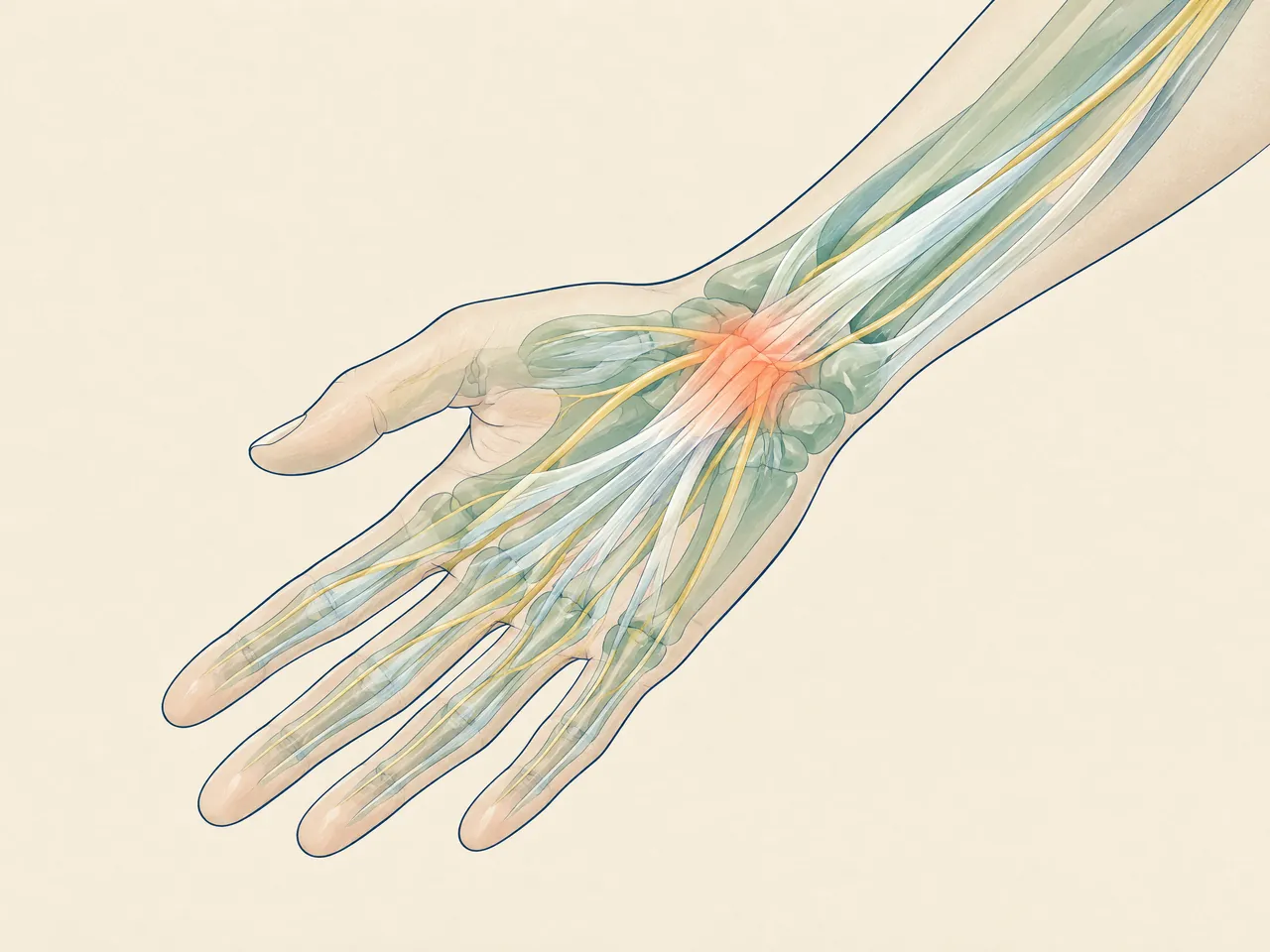
The short answer
Wrist pain after injury may need assessment for a sprain, fracture or other structural problem, especially when pain is severe or use of the hand changes suddenly. Wrist pain and numbness may be nerve-related, but it is not automatically carpal tunnel syndrome. Repetitive strain wrist pain often develops with repeated gripping, bending or tool use. Record onset, location, sleep disturbance and grip changes, reduce clearly aggravating activity, and seek prompt care for deformity, colour change, complete loss of feeling or inability to hold things.
Transparent pricing
See the fees.
Choose your care.
Explore our complete official price list, including first-trial prices, regular prices, packages and branch-specific options.
Opening WhatsApp prepares an enquiry; it does not send a message, take payment or confirm an appointment. Suitability and individual arrangements are confirmed during consultation.
Pain care
All prices in HKDExtracorporeal shockwave treatment
Shockwave treatment for deep-tissue and fascial care. The Kwun Tong clinic offers the multi-area options shown below.
Priced by branch
Branch-specific pricing
Prince Edward: HK$250 per area
Kwun Tong: HK$250 for 1 area / HK$450 for 2 areas / HK$600 for 3 areas
Pain care (manual therapy)
Includes Chinese medicine musculoskeletal assessment, manual joint techniques and tui na.
HK$580 (single session)
Chinese medicine musculoskeletal assessment
Pain care (acupuncture and manual therapy)
Combines acupuncture and manual therapy.
HK$680 (single session)
Combined care
Hair and scalp
All prices in HKDScalp health and hair-loss management
Includes AI scalp analysis, deep scalp and follicle cleansing, and scalp oil-control care.
HK$380 (first trial)
Regular price: HK$680
- 6 sessions: HK$3,480 (HK$580 per session)
- 12 sessions: HK$5,760 (HK$480 per session)
- 20 sessions: HK$8,600 (HK$430 per session)
- 30 sessions: HK$11,400 (HK$380 per session)
Hair acupuncture and Chinese herbal medicine package
Includes scalp acupuncture and 3 days of Chinese herbal medicine that does not require decoction.
HK$580 (single session)
Registered Chinese Medicine Practitioner consultation
- 6 sessions: HK$3,180 (HK$530 per session)
- 12 sessions: HK$5,760 (HK$480 per session)
- 20 sessions: HK$8,600 (HK$430 per session)
- 30 sessions: HK$11,400 (HK$380 per session)
Combined hair and scalp treatment
Combines acupuncture and Chinese herbal medicine with salon-level scalp and follicle care. Packages include complimentary hair-care shampoo and serum.
HK$1,260 (single session)
Combined treatment
- 8 sessions: HK$8,640 (HK$1,080 per session)
- 16 sessions: HK$15,680 (HK$980 per session)
- 20 sessions: HK$18,600 (HK$930 per session)
- 30 sessions: HK$26,400 (HK$880 per session)
Weight management
All prices in HKDFull-body acupoint embedding for weight management
Includes full-body acupoint embedding. Packages include complimentary Chinese herbal medicine for weight management, with the number of included days scaled to the package. Embedding material and the individual treatment arrangement are confirmed during consultation; this is not a cosmetic thread lift.
HK$980 (single session)
No trial session
- 10 sessions: HK$7,800 (HK$780 per session)
- 20 sessions: HK$14,600 (HK$730 per session)
- 30 sessions: HK$20,400 (HK$680 per session)
Facial acupuncture
All prices in HKDFacial acupuncture (basic)
Includes facial acupuncture and meridian-based facial care, including care for facial puffiness.
HK$480 (first trial)
Regular price: HK$680
- 10 sessions: HK$5,200 (HK$520 per session)
- 20 sessions: HK$9,600 (HK$480 per session)
- 30 sessions: HK$13,500 (HK$450 per session)
Facial acupuncture (advanced)
Includes enhanced facial acupuncture with a specially formulated moisturising mask and serum.
HK$780 (first trial)
Regular price: HK$1,180
- 10 sessions: HK$9,000 (HK$900 per session)
- 20 sessions: HK$16,600 (HK$830 per session)
- 30 sessions: HK$23,400 (HK$780 per session)
Chinese medicine
All prices in HKDAcupuncture and Chinese herbal medicine package
Includes a Chinese medicine consultation with pulse assessment, body acupuncture and 3 days of Chinese herbal granules that do not require decoction.
HK$580 (single session)
Chinese medicine consultation with pulse assessment
Wrist Pain After Injury, Wrist Pain and Numbness, Repetitive Strain Wrist Pain: Start with Location and Timing
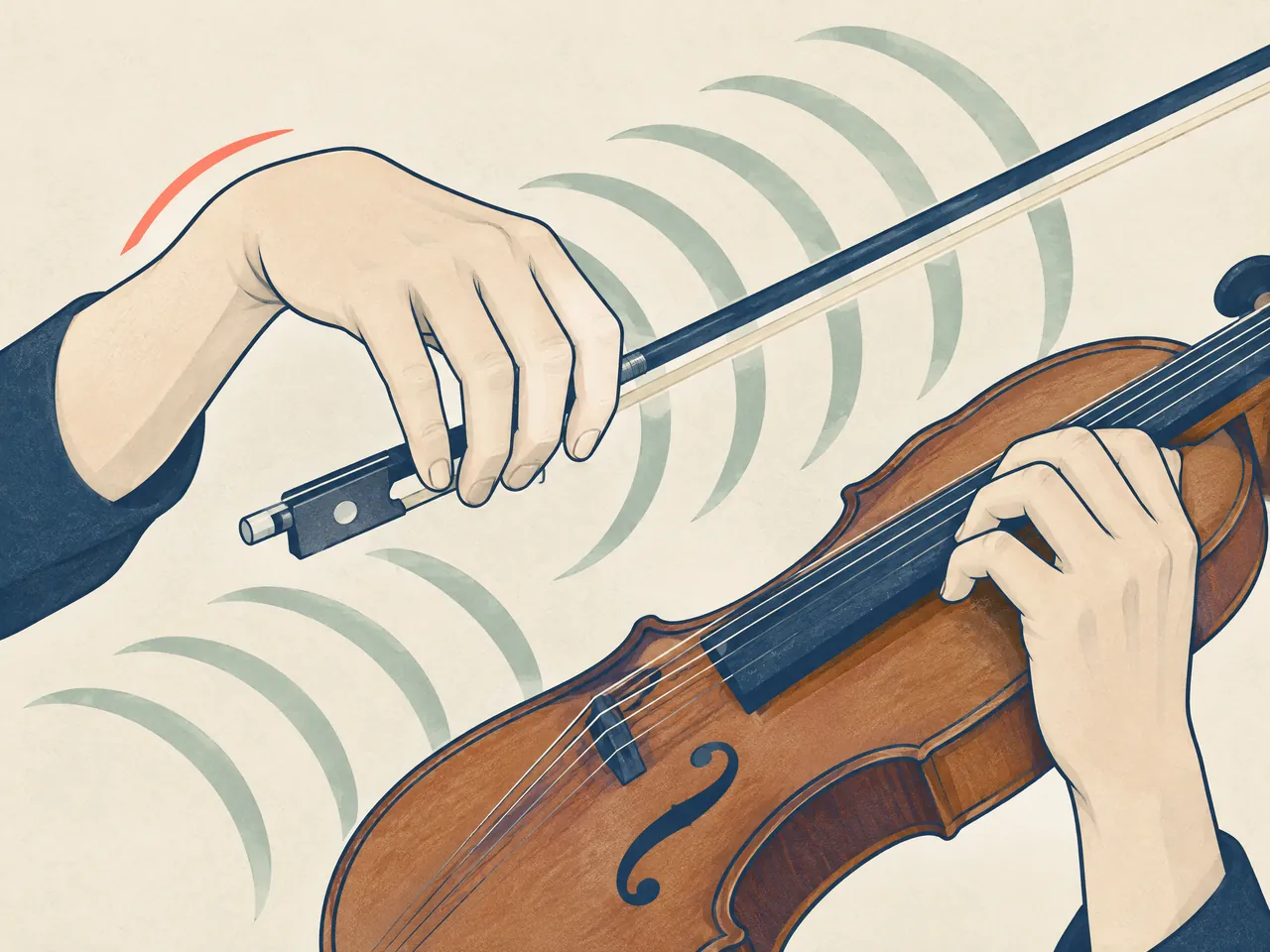
Start by separating a single event from a gradual workload problem. A fall onto the hand, a forceful twist, a collision, or a sudden heavy lift can produce pain immediately or soon afterwards. By contrast, repetitive strain wrist pain often becomes noticeable after a run of typing, mouse work, food preparation, instrument practice, lifting, vibrating tools or repeated hard gripping. A task that once felt routine may begin to trigger a dull ache, stiffness or a pull through the wrist and forearm. Neither pattern confirms a diagnosis, but the difference changes the questions a clinician needs to ask. For a broader map of possible problems, see wrist pain causes.
Location should be described in everyday landmarks rather than guessed labels. Is pain on the thumb side, the little-finger side, the back of the wrist, the palm side, or deep in the centre? Does it stay in one spot, travel into the fingers, or spread up the forearm? Note whether twisting a key, opening a jar, pushing up from a chair, holding a phone, turning a doorknob or carrying a bag brings it on. Swelling, bruising, a new lump, clicking, warmth and visible change are also useful observations. Wrist structures sit close together, so one symptom alone rarely tells the full story.

Wrist Pain After Injury, Wrist Pain and Numbness, Repetitive Strain Wrist Pain: What the Onset May Suggest
Pain immediately after impact needs a different response from an ache tied to a task. A sprain can cause pain, swelling, bruising and difficulty moving or gripping, while a broken wrist can also cause sudden pain and swelling; symptoms overlap, so do not dismiss a significant injury as a simple sprain. The NHS advises urgent help when severe pain follows injury, a snap, grinding or popping sound was heard, the wrist cannot be moved or things cannot be held, or the wrist changes shape or colour [1]. Its guide to wrist sprain symptoms can help you describe observations, but cannot replace an examination.
A slower pattern also deserves attention. Repeated bending, gripping or vibration may bring symptoms on after work or in the evening. Note whether a rest day settles the symptom, the same task reliably brings it back, and the other hand is affected. This timeline is more useful than calling every work-related ache RSI. It distinguishes a task association from a sudden injury and shows where a temporary activity adjustment may help while an assessment is arranged.
Wrist Pain After Injury, Wrist Pain and Numbness, Repetitive Strain Wrist Pain: Recording Pain, Movement and Grip Changes
Bring a short symptom record to an appointment. Include when symptoms began; any fall, twist or unusually demanding task; the precise site; the sensation; and movements that provoke it. Record what happens overnight and the effect on ordinary tasks such as fastening clothing, using chopsticks, typing, driving or carrying shopping. If a symptom travels into a finger, identify which finger instead of simply writing "hand numbness." These details give a clinician a useful starting point and make changes easier to explain.
Function is often the clearest signal of progression. Compare what you can do now with what you could do before the symptoms began: grip strength, tolerance for turning, ability to bear weight through the palm, range of movement and confidence using the hand. Do not repeatedly test a painful movement just to see whether it still hurts. Instead, note a real-life example once and protect the information for the consultation. The related page on wrist pain symptoms gives further prompts for describing pain, stiffness and sensory changes without turning those prompts into a self-diagnosis.
Compare your options
| Pattern noticed | Useful details to record | Practical next step |
|---|---|---|
| Pain immediately after a fall, twist or blow | How the injury happened; swelling or bruising; a snap or pop; ability to move and grip | Avoid loading the wrist. Seek urgent medical advice for severe pain, deformity, colour change, inability to move or hold things, or loss of feeling. |
| Ache that builds with typing, tools, lifting or repeated gripping | Which task triggers it; whether rest changes it; grip position; effect on work and home tasks | Reduce the clear trigger temporarily, vary the task and arrange assessment if it persists, recurs or limits normal activity. |
| Night tingling, numbness or weak grip | Which fingers feel affected; sleep disruption; hand position; dropping objects; thumb weakness | Arrange clinical assessment. Carpal tunnel syndrome is one possibility, but symptoms need to be distinguished from other causes. |
| Painful warm swelling or a red, hot lump | When it began; whether you feel feverish or unwell; any skin change; rapid progression | Seek prompt medical assessment rather than treating it as routine strain. |
| Pain that keeps returning after apparent improvement | Timeline; activities at each flare; changes in sensation, strength or range of movement | Book a review and bring the record; persistent patterns may need a more specific management plan. |
On smaller screens, scroll the table sideways to compare all columns.
Wrist Pain After Injury, Wrist Pain and Numbness, Repetitive Strain Wrist Pain: Common Patterns to Consider
The wrist is made up of several small joints, bones, tendons and ligaments, so a similar complaint can come from different tissues. MedlinePlus lists fractures, sprains and strains, tendinitis, carpal tunnel syndrome, ganglion cysts and arthritis among common wrist injuries and disorders; symptoms may include pain, swelling, reduced strength, numbness or tingling [3]. This is why an online list should guide questions rather than decide the diagnosis. An injury may be more than a bruise, and a gradual problem may be more than a matter of poor posture.
Pattern recognition is useful when it leads to sensible next steps. It becomes unhelpful when it encourages someone to push through marked pain because they believe it is merely overuse, or to assume all numb fingers are a trapped nerve at the wrist. Consider the context, location, time course and function together. The comparison below is a way to organise those observations before professional assessment, not a way to rule conditions in or out.

Wrist Pain After Injury, Wrist Pain and Numbness, Repetitive Strain Wrist Pain: Sprains, Tendons and Possible Fractures
After a fall, twist or direct blow, bruising and swelling may accompany a sprain, but fractures and other injuries can look similar. A hard impact, popping, inability to use the hand normally, or pain out of proportion to a minor-looking injury are reasons not to wait for an online answer. Clinicians use the history and examination, including movement and strength, and may use imaging when appropriate. MedlinePlus notes that assessment can include an X-ray or other imaging tests as well as a physical examination [3]. Do not force a painful wrist through weight-bearing, push-ups or heavy lifting while it is being assessed.
Tendon-related pain can be more gradual and may be felt around the thumb side or with repeated motion, but that location does not prove a tendon diagnosis. Repeated use can also aggravate a previously quiet joint or expose a change in technique, workstation set-up or load. Think about what changed: a longer shift, a new tool, more phone use, an increased exercise volume or a different grip. Temporarily reducing the specific trigger is more targeted than stopping all movement. Gentle movement within comfort may be reasonable for mild stiffness, while sustained worsening, marked swelling or loss of function calls for clinical advice.
Wrist Pain After Injury, Wrist Pain and Numbness, Repetitive Strain Wrist Pain: Night Symptoms and Nerve-Related Signs
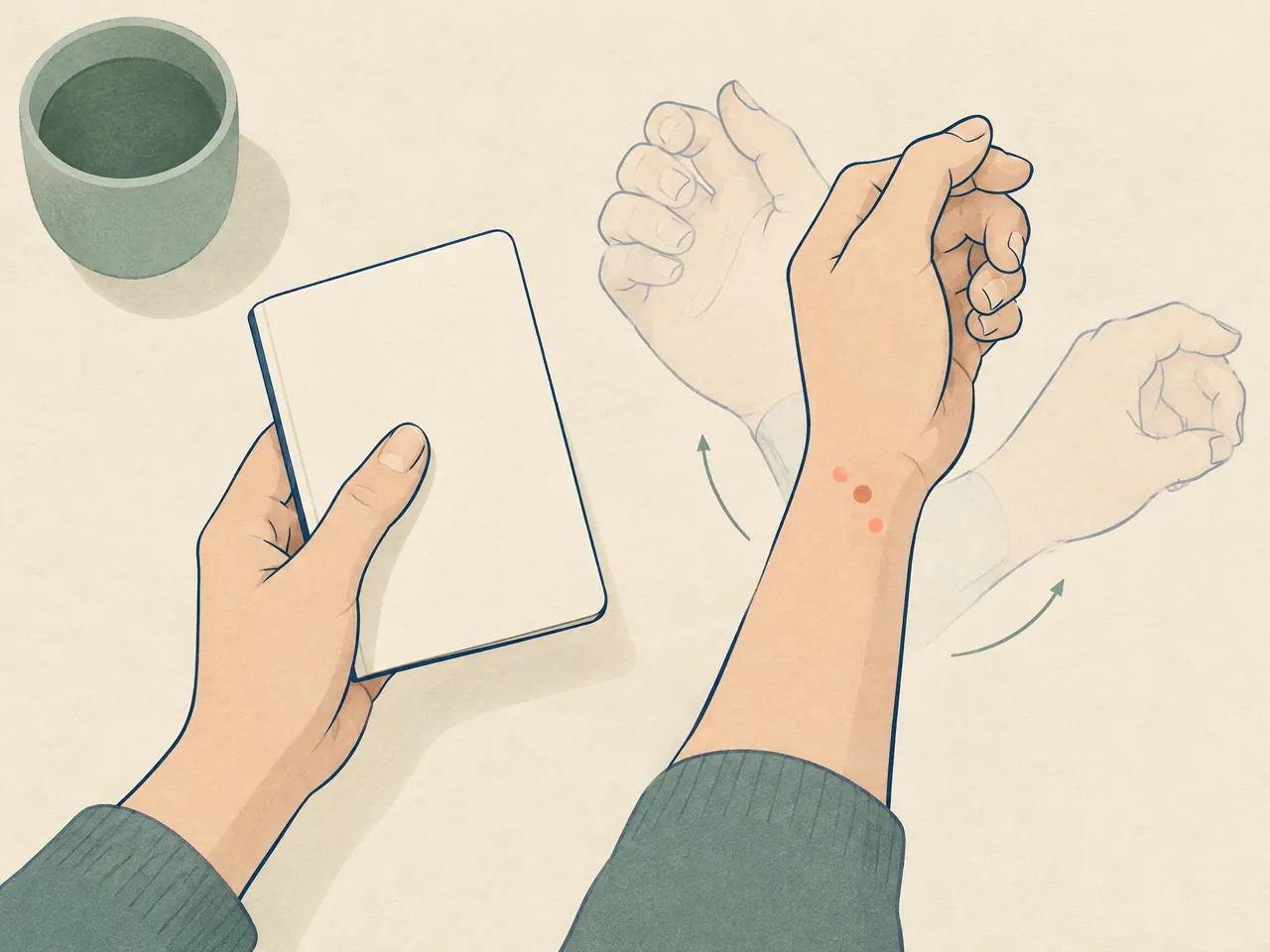
Wrist pain and numbness can be especially worrying when it affects sleep. Carpal tunnel syndrome is pressure on the median nerve at the wrist; the NHS describes pain or aching in the fingers, hand or arm, numbness, tingling, a weak thumb and difficulty gripping. Symptoms often start gradually, come and go, and are usually worse at night [2]. These features can make carpal tunnel syndrome a possibility, not a conclusion. The distribution of altered feeling, neck or arm symptoms, recent injury, diabetes and other health factors can matter to the assessment. Read more about carpal tunnel syndrome symptoms if this pattern sounds familiar.
Notice the practical effect of sensory change. Are objects slipping, does a particular finger feel altered, do you wake and shake the hand, or does numbness occur only while the wrist is bent? Report both pain and loss of sensation. A clinician can ask focused questions and check the hand; when the diagnosis is unclear, the NHS notes that nerve-conduction testing or imaging may be considered [2]. Sudden complete loss of feeling, rather than intermittent pins and needles, needs urgent assessment. For more, see Why does my wrist hurt and feel numb or tingly?.
Wrist Pain After Injury, Wrist Pain and Numbness, Repetitive Strain Wrist Pain: Safe Next Steps
Choose the next step according to risk and function, not simply how long symptoms have lasted. Severe pain after injury, a wrist that looks different or changes colour, inability to move it or hold objects, a painful hot red lump, or loss of feeling in part or all of the hand needs urgent medical advice [1]. Feeling feverish or otherwise unwell with a painful, warm, swollen and stiff wrist also warrants prompt assessment. These signs can point to a fracture, infection or another problem that should not be managed as repetitive strain at home.
For milder symptoms without red flags, simplify activities that clearly provoke pain. The NHS suggests resting the wrist when possible, reducing painful typing, vibrating-tool or instrument tasks, and keeping hands and wrists moving gently for mild pain and stiffness [1]. After a new injury, avoid heat packs or hot baths during the first two to three days; wrap a cold pack in a towel rather than applying it directly to skin [1]. Stop any measure that worsens symptoms, and seek review if pain recurs, deteriorates, disrupts normal activities or comes with tingling or reduced sensation.
Wrist Pain After Injury, Wrist Pain and Numbness, Repetitive Strain Wrist Pain: Red Flags That Need Urgent Medical Care
Urgent care is about the combination of injury, visible change and function. Seek urgent medical advice if a wrist injury is followed by severe pain, a snap or grinding sound, a change in shape or colour, or an inability to move the wrist or hold things. Do the same for complete or extensive loss of feeling in the hand. A very painful, hot or red lump, or a painful wrist with feeling unwell, feverish, hot, cold or shivery, should not be treated as an ordinary workload complaint [1]. Remove rings or other jewellery if swelling is developing, but do not try to straighten a deformed wrist or test it repeatedly.
Less dramatic symptoms still need a timely appointment when they do not improve, keep returning, interfere with work or sleep, or bring ongoing tingling and weakness. This is particularly important after an injury that seemed minor at first. Keep the symptom record, list medicines and relevant health conditions, and say whether you have diabetes or previous wrist problems. An assessment may involve a conventional medical clinician, and any supportive care should fit around that plan. Early clarification can prevent unnecessary strain and can identify when imaging, splint advice, rehabilitation or specialist referral is appropriate.

Wrist Pain After Injury, Wrist Pain and Numbness, Repetitive Strain Wrist Pain: Assessment, Activity Changes and Acupuncture Evidence
A registered Chinese medicine practitioner may ask about the onset, work and home tasks, sleep, pain quality, general health and medicines, then consider the wrist within a traditional Chinese medicine pattern. This traditional assessment is not the same as a modern diagnosis and should not replace evaluation for a fracture, infection or significant nerve problem. Bring previous reports and tell every practitioner about current treatment so care can be coordinated. In parallel with assessment, a practical plan may include changing the painful task, varying grip or hand position, pacing a repetitive activity and building back only within a tolerable range rather than forcing through escalating symptoms.
Acupuncture can be discussed as an adjunct after suitable assessment, not as a replacement for medical evaluation or a guaranteed solution. For carpal tunnel syndrome, the Cochrane review found little or no short-term difference from sham or placebo in some comparisons and concluded that it remains uncertain whether acupuncture-related interventions are more or less effective than other treatments because evidence is low or very low certainty [4]. To ask about an in-person assessment, contact TCM Lab via WhatsApp at +852 6940 5663 and indicate whether Chinese medicine clinic Prince Edward or Kwun Tong Chinese medicine clinic is more convenient.
Care and health guide
Pain-care information
This directory brings together services, reading, and visit information related to pain care, to help you prepare questions for a consultation.
When pain care affects your day, noting when it occurs, its relation to activity, and what you have already tried can help prepare a consultation; Chinese medicine pain management Hong Kong is a relevant service or reading entry point.
Individual circumstances differ, and acupuncture Hong Kong offers related information to help you understand options and prepare questions.


Your questions, answered
Frequently asked questions
What can cause wrist pain after an injury?
A fall, twist, collision or forceful load can be associated with a sprain, fracture, tendon or ligament injury, bruising or another structural problem. Symptoms overlap, so severe pain, a snap or pop, visible shape or colour change, inability to grip, or loss of feeling should be assessed urgently rather than labelled a sprain at home.
Does wrist pain and numbness mean carpal tunnel syndrome?
Not necessarily. Carpal tunnel syndrome can cause tingling, numbness, pain, a weak thumb and difficulty gripping, often worse at night. But the same broad symptoms can occur for other reasons, particularly after injury. The pattern of affected fingers, timing, examination and sometimes further tests help a clinician decide.
How should repetitive strain wrist pain be managed?
First identify the task that reliably aggravates it, such as repeated gripping, wrist bending, mouse work, vibration or an instrument. Reduce or vary that task temporarily, keep only gentle movement that is comfortable, and avoid forcing painful loading. Seek assessment if symptoms recur, worsen, affect sleep or work, or include numbness or weakness.
Can acupuncture treat carpal tunnel syndrome or other wrist pain?
Acupuncture may be discussed as a supportive option after assessment, but it should not delay evaluation of injury, infection, progressive weakness or sensory loss. The Cochrane review found the evidence for acupuncture-related treatments in carpal tunnel syndrome uncertain and of low or very low certainty. It is not a guaranteed cure or a substitute for appropriate medical care.
Sources and further information
- [1] [1] NHS: Wrist pain
Referenced for: Possible wrist-pain patterns, self-care measures and urgent or non-urgent assessment signs.
- [2] [2] NHS: Carpal tunnel syndrome
Referenced for: Carpal tunnel syndrome symptoms, night pattern, assessment and possible testing.
- [3] [3] MedlinePlus: Wrist Injuries and Disorders
Referenced for: Common wrist disorders, possible symptoms and components of clinical assessment.
- [4] [4] Cochrane: Acupuncture and related treatments for symptoms of carpal tunnel syndrome
Referenced for: Evidence certainty and conclusions on acupuncture-related treatments for carpal tunnel syndrome.