
TCM Lab · Health reading
Sciatica Emergency Symptoms and Sciatica Symptoms Getting Worse: When Is Sciatica a Medical Emergency?
Published Updated
A sharp or burning pain travelling from the buttock down one leg can be frightening, especially when it interrupts sleep, walking or work. Most sciatica is not an emergency, but some changes are time-sensitive. The key question is not simply how intense the pain feels: it is whether new symptoms suggest that nerves are being affected in a more serious way. This guide separates signs that need an emergency department now from sciatica symptoms getting worse that merit a prompt clinic assessment, and from symptoms that may be managed conservatively while you monitor them.
Appointments are confirmed through WhatsApp. If you have language requirements, please mention them in your enquiry.
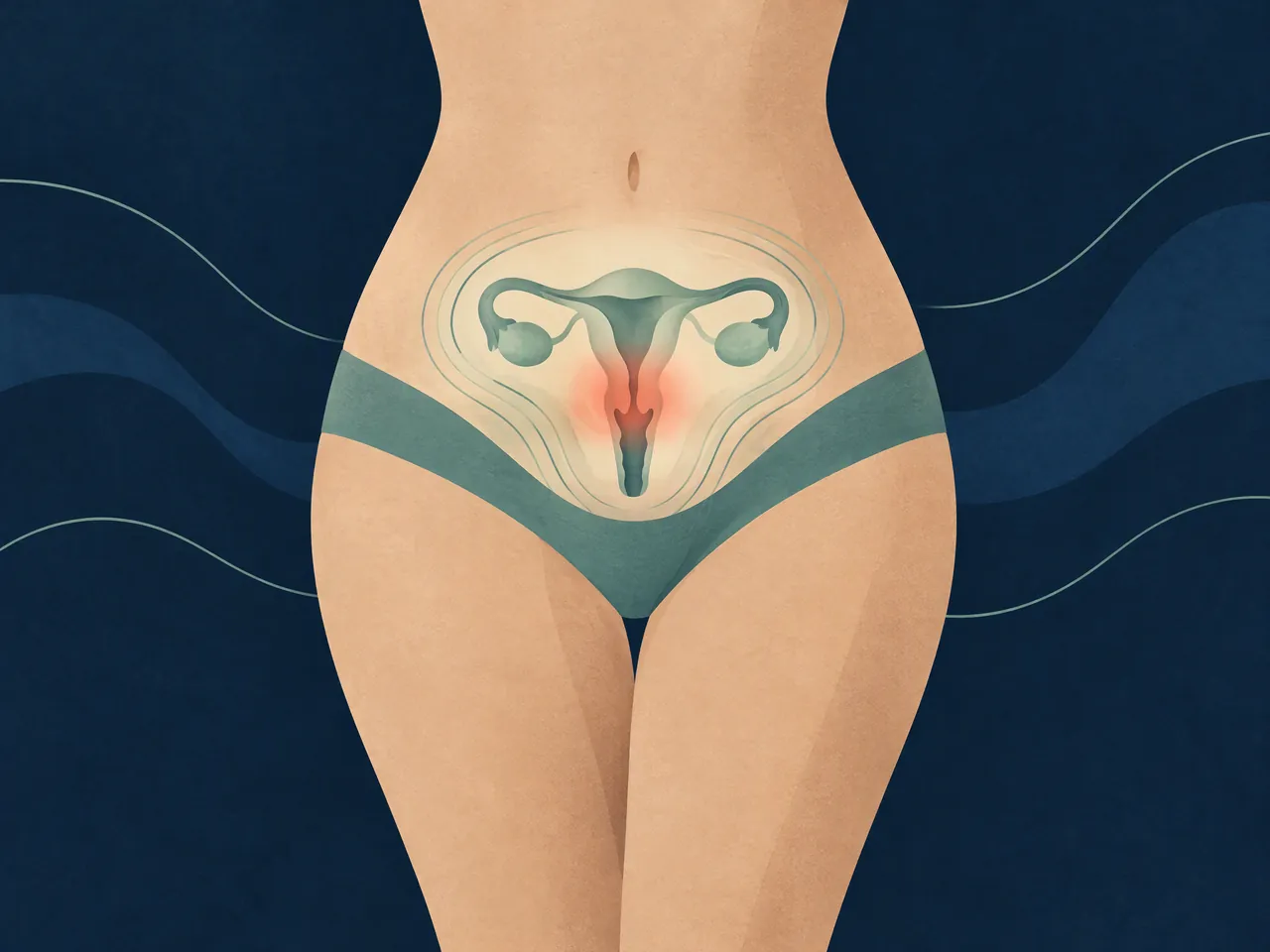
The short answer
Sciatica is a medical emergency when there are symptoms on both sides, severe or worsening weakness or numbness in both legs, numbness around the genitals or anus, or a new problem starting, controlling or sensing urination or bowel movements. Go to an emergency department immediately for these changes. Pain that is worsening, persistent, or stopping normal activities without those red flags should be assessed in a clinic rather than managed indefinitely at home.
Transparent pricing
See the fees.
Choose your care.
Explore our complete official price list, including first-trial prices, regular prices, packages and branch-specific options.
Opening WhatsApp prepares an enquiry; it does not send a message, take payment or confirm an appointment. Suitability and individual arrangements are confirmed during consultation.
Pain care
All prices in HKDExtracorporeal shockwave treatment
Shockwave treatment for deep-tissue and fascial care. The Kwun Tong clinic offers the multi-area options shown below.
Priced by branch
Branch-specific pricing
Prince Edward: HK$250 per area
Kwun Tong: HK$250 for 1 area / HK$450 for 2 areas / HK$600 for 3 areas
Pain care (manual therapy)
Includes Chinese medicine musculoskeletal assessment, manual joint techniques and tui na.
HK$580 (single session)
Chinese medicine musculoskeletal assessment
Pain care (acupuncture and manual therapy)
Combines acupuncture and manual therapy.
HK$680 (single session)
Combined care
Hair and scalp
All prices in HKDScalp health and hair-loss management
Includes AI scalp analysis, deep scalp and follicle cleansing, and scalp oil-control care.
HK$380 (first trial)
Regular price: HK$680
- 6 sessions: HK$3,480 (HK$580 per session)
- 12 sessions: HK$5,760 (HK$480 per session)
- 20 sessions: HK$8,600 (HK$430 per session)
- 30 sessions: HK$11,400 (HK$380 per session)
Hair acupuncture and Chinese herbal medicine package
Includes scalp acupuncture and 3 days of Chinese herbal medicine that does not require decoction.
HK$580 (single session)
Registered Chinese Medicine Practitioner consultation
- 6 sessions: HK$3,180 (HK$530 per session)
- 12 sessions: HK$5,760 (HK$480 per session)
- 20 sessions: HK$8,600 (HK$430 per session)
- 30 sessions: HK$11,400 (HK$380 per session)
Combined hair and scalp treatment
Combines acupuncture and Chinese herbal medicine with salon-level scalp and follicle care. Packages include complimentary hair-care shampoo and serum.
HK$1,260 (single session)
Combined treatment
- 8 sessions: HK$8,640 (HK$1,080 per session)
- 16 sessions: HK$15,680 (HK$980 per session)
- 20 sessions: HK$18,600 (HK$930 per session)
- 30 sessions: HK$26,400 (HK$880 per session)
Weight management
All prices in HKDFull-body acupoint embedding for weight management
Includes full-body acupoint embedding. Packages include complimentary Chinese herbal medicine for weight management, with the number of included days scaled to the package. Embedding material and the individual treatment arrangement are confirmed during consultation; this is not a cosmetic thread lift.
HK$980 (single session)
No trial session
- 10 sessions: HK$7,800 (HK$780 per session)
- 20 sessions: HK$14,600 (HK$730 per session)
- 30 sessions: HK$20,400 (HK$680 per session)
Facial acupuncture
All prices in HKDFacial acupuncture (basic)
Includes facial acupuncture and meridian-based facial care, including care for facial puffiness.
HK$480 (first trial)
Regular price: HK$680
- 10 sessions: HK$5,200 (HK$520 per session)
- 20 sessions: HK$9,600 (HK$480 per session)
- 30 sessions: HK$13,500 (HK$450 per session)
Facial acupuncture (advanced)
Includes enhanced facial acupuncture with a specially formulated moisturising mask and serum.
HK$780 (first trial)
Regular price: HK$1,180
- 10 sessions: HK$9,000 (HK$900 per session)
- 20 sessions: HK$16,600 (HK$830 per session)
- 30 sessions: HK$23,400 (HK$780 per session)
Chinese medicine
All prices in HKDAcupuncture and Chinese herbal medicine package
Includes a Chinese medicine consultation with pulse assessment, body acupuncture and 3 days of Chinese herbal granules that do not require decoction.
HK$580 (single session)
Chinese medicine consultation with pulse assessment
Sciatica Emergency Symptoms, Sciatica Symptoms Getting Worse and When Is Sciatica a Medical Emergency?
Sciatica describes pain related to irritation or compression of the sciatic nerve pathway. A familiar pattern is pain beginning in the low back or buttock and travelling down the back of one leg. It may feel sharp, burning, electric, or aching, and some people also notice tingling, numbness, or weakness. Symptoms can start suddenly or build gradually. Back pain can occur at the same time, but back pain alone is not the typical pattern of sciatica. The NHS describes sciatica as usually affecting the buttock and back of one leg, often including the foot or toes [1].
Pain severity matters because it can affect sleep, work and safe movement, but severe pain on its own does not tell you whether the situation is an emergency. Look instead for a change in nerve-related function: a leg giving way in a new way, reduced feeling, changes around the saddle area, or new difficulty with urine or bowel control. A symptom diary can make a changing pattern clearer. Note which side is involved, where the sensation travels, whether coughing, sitting, walking or bending changes it, and whether weakness is becoming more noticeable.

Recognising Sciatica Emergency Symptoms, Sciatica Symptoms Getting Worse and When Is Sciatica a Medical Emergency?
Treat the following as emergency warning signs: sciatica affecting both sides; severe or worsening weakness or numbness in both legs; numbness around or underneath the genitals or around the anus; difficulty beginning to urinate, inability to urinate, loss of urinary control, or loss of awareness of the need to open the bowels. These changes may point to a serious back problem requiring hospital treatment as soon as possible [1]. Do not wait to see whether a stretch, massage, pain medicine, acupuncture, or a night of rest resolves them.
The phrase “saddle numbness” is often used for altered sensation in the area that would touch a saddle: the groin, genitals, inner upper thighs, buttocks or anus. It can be easy to overlook because it is private and may begin as an unfamiliar dullness rather than pain. Likewise, bladder changes are not limited to leakage; trouble starting to pass urine or being unable to pass it when that is not normal for you also matters. If these symptoms appear with leg symptoms, emergency assessment is the safer choice. For a focused explanation of the red flags, see cauda equina syndrome symptoms.

When Sciatica Symptoms Getting Worse Need Assessment: Sciatica Emergency Symptoms and When Is Sciatica a Medical Emergency?
Not every worsening episode needs emergency care, but it should not be dismissed. Arrange a clinical assessment when pain has not improved after trying home measures for a few weeks, is getting worse, or is stopping you from doing normal activities [1]. An earlier appointment is sensible if tingling or numbness persists, pain repeatedly wakes you, your walking pattern is changing, or symptoms keep returning after short periods of improvement. A gradual problem still deserves a clear plan rather than an endless cycle of resting until the next flare.
Think about function in ordinary situations. Perhaps sitting through a meeting now brings pain into the calf, you need to stop more often on a walk, or climbing stairs feels less secure because one foot is not doing what you expect. These observations do not diagnose the cause, but they give a clinician useful information about progression. Sudden numbness or muscle weakness in one leg, severe pain that is worsening, or bowel or bladder trouble are also reasons Mayo Clinic advises immediate medical care rather than delayed self-care [2].
Compare your options
| What you notice | Appropriate next step | Why the timing differs |
|---|---|---|
| Symptoms on both sides, worsening severe weakness or numbness in both legs, saddle-area numbness, or new bladder or bowel changes | Go to an emergency department immediately | These are serious back-problem warning signs that need hospital assessment as soon as possible [1] |
| Sudden one-leg numbness or weakness, severe pain getting worse, or pain after a violent injury | Seek immediate medical care | New neurological change or a significant injury should not be managed only with home measures [2] |
| Pain is getting worse, persists after a few weeks of home care, or stops normal activities | Arrange a clinic assessment | A clinician can review the pain pattern, function and need for further assessment [1] |
| Mild one-sided symptoms are improving and there are no red flags | Keep gently active within tolerance and monitor changes | Normal activity and gentle movement are generally encouraged while symptoms settle [1] |
On smaller screens, scroll the table sideways to compare all columns.
Sciatica Emergency Symptoms and Sciatica Symptoms Getting Worse: When Is Sciatica a Medical Emergency in Practice?
A practical triage decision starts with safety, then function. First, check for the emergency signs above. If none are present, consider how long symptoms have lasted, whether they are trending better or worse, and whether you can complete essential tasks safely. A persistent one-sided pain that limits normal life calls for an appointment; new bilateral symptoms or bladder, bowel, or saddle-area changes call for urgent hospital care. This distinction helps avoid two unhelpful extremes: delaying a serious problem because the pain started as familiar sciatica, or assuming that every painful flare means nerve damage.
Sciatica-like pain can also have a different source. Hong Kong Adventist Hospital notes that pain radiating from the lower back or buttock into a leg may sometimes be related to soft-tissue inflammation or other chronic pain rather than true nerve compression [3]. That is one reason a symptom description online cannot confirm the diagnosis. The presence, distribution and progression of numbness or weakness help frame the next step, but examination is what puts those details in context.

Clinic Assessment for Sciatica Symptoms Getting Worse: Sciatica Emergency Symptoms and When Is Sciatica a Medical Emergency?
At a non-emergency appointment, describe the first day symptoms appeared and what has changed since. Be specific about the route of pain: buttock to thigh, calf, foot, or toes; one side or both; continuous or intermittent. Mention any numbness, pins and needles, altered balance, falls, or difficulty lifting the front of the foot. Also explain what you have already tried and whether it helped, had no effect, or made symptoms spread. This record is more useful than trying to label the problem yourself.
A clinician may ask about recent injury, fever, medical history, work positions, lifting, driving, and the impact on sleep or daily tasks. They may examine movement, leg strength, sensation and reflexes. Further tests are not automatically needed for every episode. The local hospital reference describes medical history and examination as part of assessment and notes that MRI may be used to show structural issues in and around the lower back [3]. Read more about sciatica diagnosis and examination so you can prepare questions for the consultation.

Nerve Checks After Sciatica Emergency Symptoms: Sciatica Symptoms Getting Worse and When Is Sciatica a Medical Emergency?
Nerve checks are not a test you need to reproduce at home. In a clinical setting, strength may be compared between sides, sensation may be checked in different areas of the leg and foot, and reflexes may be assessed. The aim is to understand whether there is a pattern that needs more urgent investigation. Do not repeatedly force a painful straight-leg raise, test reflexes with household objects, or keep walking to prove that weakness is real. Those actions can increase pain and do not replace an assessment.
Before an appointment, a safer observation is to notice ordinary changes: whether the toes catch when you walk, whether one leg feels less reliable on stairs, whether a familiar patch of skin feels different, or whether symptoms have crossed to the other side. If weakness or numbness becomes severe or progresses, especially in both legs, escalate to emergency care [1]. For a fuller discussion of what weakness and altered sensation can mean, visit can sciatica cause numbness or weakness.
Managing Sciatica Symptoms Getting Worse Safely: Sciatica Emergency Symptoms and When Is Sciatica a Medical Emergency?
When there are no emergency signs and a clinician has not advised restriction, the goal is usually measured activity rather than complete immobilisation. The NHS advises people with sciatica to continue normal activities as much as possible, start gentle exercise, and avoid sitting or lying down for long periods [1]. That does not mean pushing through a new neurological symptom or ignoring escalating pain. It means adjusting the dose of activity: short, tolerable walks or position changes may be more realistic than a long outing or a demanding exercise session.
Avoid turning self-care into a test of endurance. Break up prolonged sitting, change position before pain becomes overwhelming, and use sound lifting technique rather than twisting with a load. Heat or cold may feel comfortable for some people, but stop if either clearly aggravates symptoms. A stretch that sends pain farther down the leg is not necessarily a useful stretch simply because it feels intense. If symptoms are getting worse despite these adjustments, arrange an assessment instead of adding more exercises at random.

Activity and Self-Care with Sciatica Emergency Symptoms: Sciatica Symptoms Getting Worse and When Is Sciatica a Medical Emergency?
Use a simple traffic-light approach. Red means emergency changes: bilateral symptoms, progressing major weakness or numbness, saddle-area sensation change, or bladder or bowel changes; go to hospital. Amber means one-sided symptoms that are worsening, persistent, recurrent, or impairing sleep, work or basic movement; arrange clinical review. Green means mild, improving symptoms without red flags; maintain tolerable daily movement and monitor the trend. The categories are not a diagnosis, but they can prevent an uncertain situation from being left unaddressed.
It can be helpful to plan a few practical adjustments while you wait for a routine appointment. Alternate sitting with standing or short walks, set up a supportive work position, and ask for help with heavy or awkward loads rather than combining lifting and twisting. Do not use the apparent absence of pain after rest as proof that the problem has resolved if numbness or weakness remains. For a broader decision guide, see when to see a doctor for sciatica.

Discussing Supportive Care After Sciatica Symptoms Getting Worse: Sciatica Emergency Symptoms and When Is Sciatica a Medical Emergency?
Supportive care should follow, not replace, appropriate triage. If a medical clinician has assessed a non-emergency presentation, you may wish to discuss exercise guidance, physical therapy, pain-management options, or complementary care as part of an overall plan. In Chinese medicine, an in-person Registered Chinese Medicine Practitioner consultation uses a traditional assessment approach. It should not be presented as a substitute for emergency evaluation, for imaging when medically indicated, or for treatment of a serious nerve problem. No web page can tell you which approach or frequency is right for your individual symptoms.
For non-emergency questions after medical red flags have been excluded, TCM Lab can discuss whether a consultation is appropriate and what information to bring. You can enquire through the Kwun Tong Chinese medicine clinic or Chinese medicine clinic Prince Edward. If you are comparing options, the Chinese medicine clinic price list Hong Kong explains published clinic fees. Contact is for an appointment discussion, not a replacement for emergency services or a promise of a particular result.
Care and health guide
Sciatica: care information
This directory brings together services, reading, and visit information related to sciatica, to help you prepare questions for a consultation.
When sciatica affects your day, noting when it occurs, its relation to activity, and what you have already tried can help prepare a consultation; acupuncture for sciatica is a relevant service or reading entry point.
Individual circumstances differ, and acupuncture Hong Kong offers related information to help you understand options and prepare questions.


Your questions, answered
Frequently asked questions
Which sciatica symptoms mean I should seek emergency care?
Go to an emergency department immediately for sciatica on both sides; severe or worsening weakness or numbness in both legs; numbness around the genitals, anus or saddle area; or a new inability to start urinating, inability to urinate, loss of bladder control, or bowel-control change. These can be signs of a serious back problem requiring prompt hospital assessment [1].
My sciatica pain is worse at night. Is that automatically an emergency?
Not automatically. Pain that interrupts sleep can be a reason to arrange a clinic assessment, especially if it is worsening or affecting normal activities. It becomes an emergency when it occurs with red flags such as bilateral leg symptoms, progressive major weakness or numbness, saddle-area sensation changes, or new bladder or bowel changes.
Is back pain without leg pain usually sciatica?
Back pain alone is not usually the typical sciatica pattern. Sciatica commonly involves pain travelling from the buttock down one leg, sometimes with tingling, numbness or weakness [1]. A clinician can help assess other possible causes when pain does not follow that pattern.
Should I stay in bed when sciatica is painful?
If you have no emergency warning signs and have not been told to restrict activity, long periods in bed are generally not advised. Keep moving in a tolerable way, take gentle position changes or short walks, and avoid long fixed periods of sitting or lying down [1]. Stop activity that clearly worsens symptoms and arrange review if symptoms are deteriorating.
Sources and further information
- [1] [1] NHS: Sciatica
Referenced for: Typical symptoms, self-care activity advice, non-urgent assessment triggers and emergency warning signs.
- [2] [2] Mayo Clinic: Sciatica — symptoms and causes
Referenced for: When to seek medical care for severe or worsening pain, new numbness or weakness, injury and bladder or bowel control trouble.
- [3] [3] Hong Kong Adventist Hospital: Sciatica
Referenced for: Hong Kong context for sciatica-like pain, history and examination, and MRI as an assessment tool when clinically used.