
TCM Lab · Health reading
heat therapy for back pain; heat or cold for low back pain; Is heat or cold better for back pain?: Choosing a Safer Approach to Back Pain Relief
Published Updated
When lower back pain flares up, the useful question is not simply ‘heat or cold?’ but what the area feels like today. A wrapped cold pack may be comfortable after a recent minor strain or with local swelling. Gentle warmth may suit muscular stiffness, a cramped feeling, or spasm. Neither identifies the cause. Protect your skin, remain gently active where possible, and put urgent symptoms ahead of home treatment.
Appointments are confirmed through WhatsApp. If you have language requirements, please mention them in your enquiry.
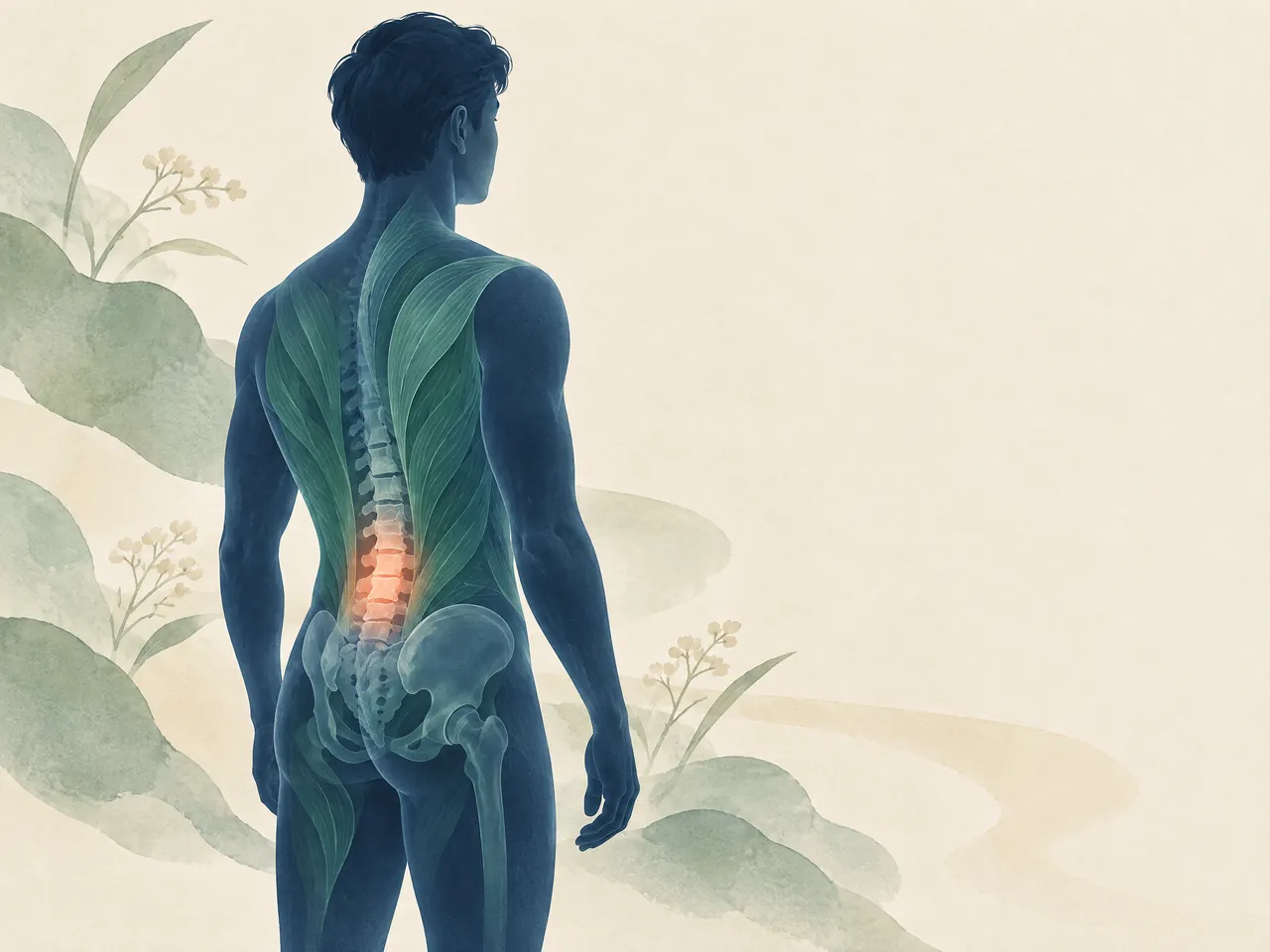
The short answer
For a recent minor strain, swelling, or a hot and irritated feeling, try a wrapped cold pack first if it is comfortable. For ongoing stiffness, muscle tightness, or spasm without those features, gentle heat may be the more comfortable option. Use a cloth barrier and brief applications, and stop if pain or skin symptoms worsen. New weakness, numbness, altered bladder or bowel control, fever, chest pain, or major trauma need prompt medical assessment rather than heat or cold.
Transparent pricing
See the fees.
Choose your care.
Explore our complete official price list, including first-trial prices, regular prices, packages and branch-specific options.
Opening WhatsApp prepares an enquiry; it does not send a message, take payment or confirm an appointment. Suitability and individual arrangements are confirmed during consultation.
Pain care
All prices in HKDExtracorporeal shockwave treatment
Shockwave treatment for deep-tissue and fascial care. The Kwun Tong clinic offers the multi-area options shown below.
Priced by branch
Branch-specific pricing
Prince Edward: HK$250 per area
Kwun Tong: HK$250 for 1 area / HK$450 for 2 areas / HK$600 for 3 areas
Pain care (manual therapy)
Includes Chinese medicine musculoskeletal assessment, manual joint techniques and tui na.
HK$580 (single session)
Chinese medicine musculoskeletal assessment
Pain care (acupuncture and manual therapy)
Combines acupuncture and manual therapy.
HK$680 (single session)
Combined care
Hair and scalp
All prices in HKDScalp health and hair-loss management
Includes AI scalp analysis, deep scalp and follicle cleansing, and scalp oil-control care.
HK$380 (first trial)
Regular price: HK$680
- 6 sessions: HK$3,480 (HK$580 per session)
- 12 sessions: HK$5,760 (HK$480 per session)
- 20 sessions: HK$8,600 (HK$430 per session)
- 30 sessions: HK$11,400 (HK$380 per session)
Hair acupuncture and Chinese herbal medicine package
Includes scalp acupuncture and 3 days of Chinese herbal medicine that does not require decoction.
HK$580 (single session)
Registered Chinese Medicine Practitioner consultation
- 6 sessions: HK$3,180 (HK$530 per session)
- 12 sessions: HK$5,760 (HK$480 per session)
- 20 sessions: HK$8,600 (HK$430 per session)
- 30 sessions: HK$11,400 (HK$380 per session)
Combined hair and scalp treatment
Combines acupuncture and Chinese herbal medicine with salon-level scalp and follicle care. Packages include complimentary hair-care shampoo and serum.
HK$1,260 (single session)
Combined treatment
- 8 sessions: HK$8,640 (HK$1,080 per session)
- 16 sessions: HK$15,680 (HK$980 per session)
- 20 sessions: HK$18,600 (HK$930 per session)
- 30 sessions: HK$26,400 (HK$880 per session)
Weight management
All prices in HKDFull-body acupoint embedding for weight management
Includes full-body acupoint embedding. Packages include complimentary Chinese herbal medicine for weight management, with the number of included days scaled to the package. Embedding material and the individual treatment arrangement are confirmed during consultation; this is not a cosmetic thread lift.
HK$980 (single session)
No trial session
- 10 sessions: HK$7,800 (HK$780 per session)
- 20 sessions: HK$14,600 (HK$730 per session)
- 30 sessions: HK$20,400 (HK$680 per session)
Facial acupuncture
All prices in HKDFacial acupuncture (basic)
Includes facial acupuncture and meridian-based facial care, including care for facial puffiness.
HK$480 (first trial)
Regular price: HK$680
- 10 sessions: HK$5,200 (HK$520 per session)
- 20 sessions: HK$9,600 (HK$480 per session)
- 30 sessions: HK$13,500 (HK$450 per session)
Facial acupuncture (advanced)
Includes enhanced facial acupuncture with a specially formulated moisturising mask and serum.
HK$780 (first trial)
Regular price: HK$1,180
- 10 sessions: HK$9,000 (HK$900 per session)
- 20 sessions: HK$16,600 (HK$830 per session)
- 30 sessions: HK$23,400 (HK$780 per session)
Chinese medicine
All prices in HKDAcupuncture and Chinese herbal medicine package
Includes a Chinese medicine consultation with pulse assessment, body acupuncture and 3 days of Chinese herbal granules that do not require decoction.
HK$580 (single session)
Chinese medicine consultation with pulse assessment
heat therapy for back pain; heat or cold for low back pain; Is heat or cold better for back pain?: Match Heat or Cold to Your Symptoms
Start with the pattern, not the product in the cupboard. Consider when discomfort began, whether there was a recent lift, twist, journey, or workout, and whether the area looks or feels swollen. Notice whether it is sharply and newly sore, or dull and tight after sitting. Heat and cold are short-term comfort measures; they do not prove whether a muscle, disc, joint, or nerve is involved. If pain is unfamiliar, severe, or changing quickly, do not let a pack delay assessment. For a broader comparison, see heat or ice for lower back pain.
The answer can change during one episode. Someone may prefer cold after a minor strain, then find gentle warmth more pleasant when ordinary movement is the main challenge. If a warm shower or heating pad makes the area more irritated, remove it and try another low-risk comfort measure. A short walk, supported position, or workstation adjustment may help more than another application. NHS advice includes staying active and avoiding long periods in bed for ordinary back pain. [1]
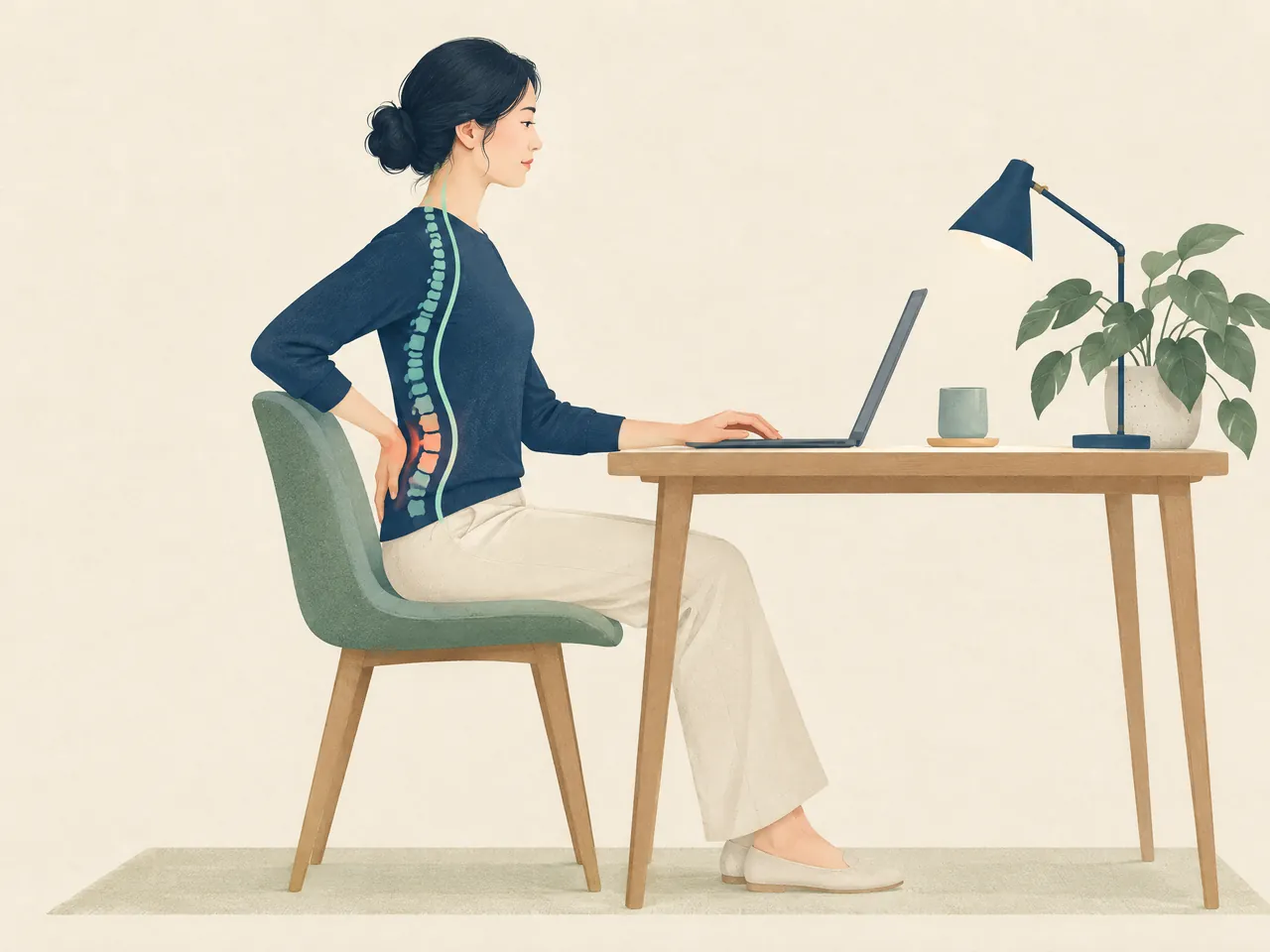
heat therapy for back pain; heat or cold for low back pain; Is heat or cold better for back pain?: When Cold May Suit a Sudden Injury or Swelling
Cold may be worth trying after a recent minor knock, awkward lift, twist, or workout when the area feels freshly sore or swollen. An ice pack does not repair injury, but a cold pack wrapped in cloth can reduce pain and swelling for some people. [1] Position it without sitting or lying directly on the pack. Keep the session brief and check the skin. If it becomes painful, unusually pale, or numb, remove the pack. Cold is not a test of toughness; a pack that makes you tense is not helping.
For example, a person who feels a pull moving a suitcase may prefer a cool pack through a towel that evening. Pain shooting down a leg, persistent pins and needles, or new loss of strength is not a cue to keep icing; it may need clinical attention. If onset was abrupt, see sudden low back pain for why accompanying symptoms matter. Do not sleep with a cold pack or apply ice directly to bare skin. [2]
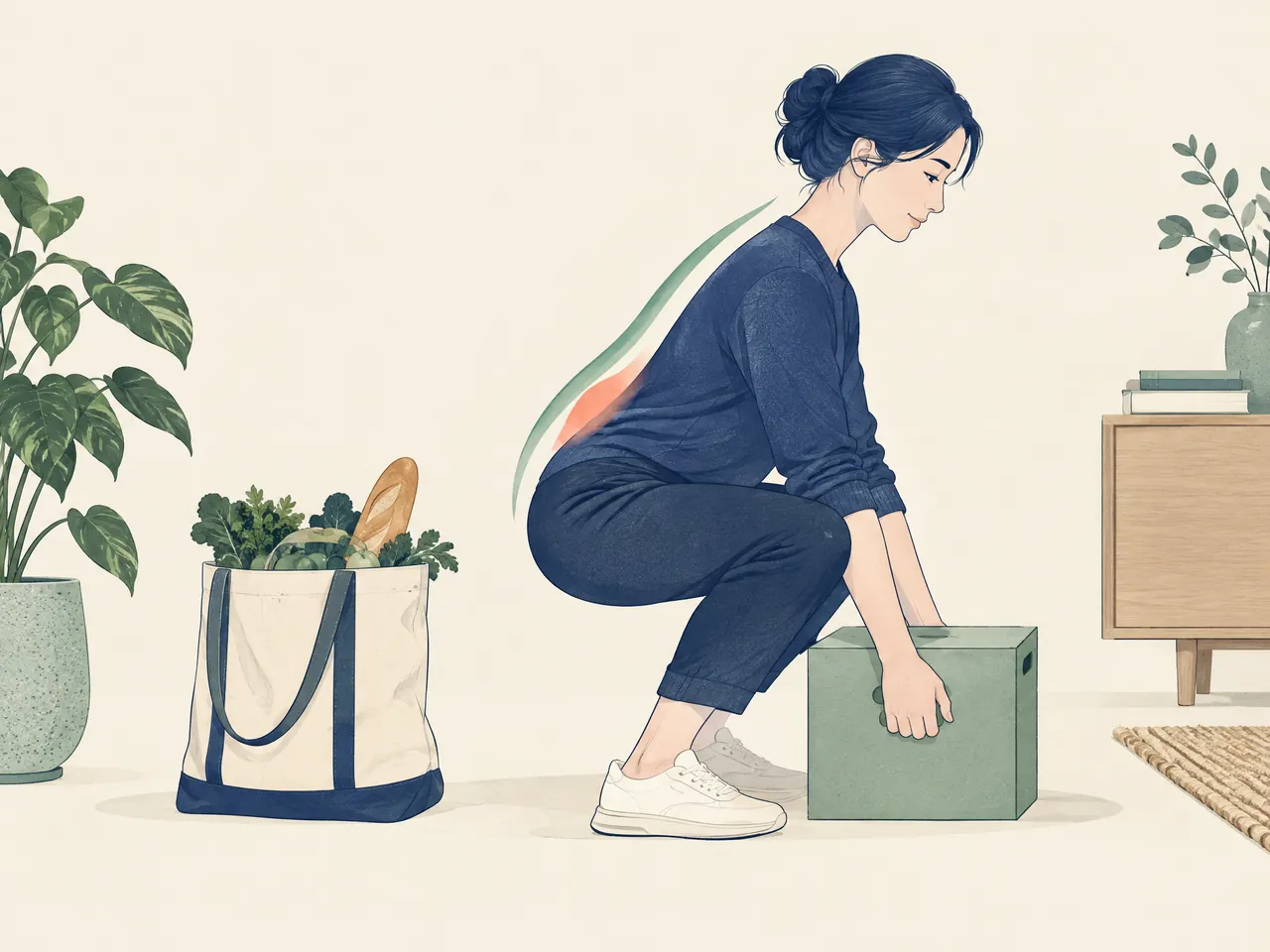
heat therapy for back pain; heat or cold for low back pain; Is heat or cold better for back pain?: When Heat May Ease Stiffness, Tightness or Spasm
Heat therapy for back pain often suits stiffness after waking, tightness after prolonged sitting, or a muscle-spasm sensation. A warm shower, warm pack, or hot water bottle can make movement easier briefly. NHS lists a heat pack or hot water bottle wrapped in a tea towel for joint stiffness or muscle spasms. [1] Aim for pleasantly warm, not hot. If you cannot comfortably rest your hand on the pack, it is too hot for prolonged skin contact.
Use warmth as a bridge to gentle activity, not a reason to stay still. After computer work, for example, use a warm pack briefly, walk a little, then reset chair height or screen position. Do not force a stretch or work through sharp pain. Keep movement tolerable and stop exercises that worsen symptoms. Our guide to hot or cold pack for back pain compares pack types, but your symptoms and skin response remain decisive.
Compare your options
| What you notice | Option that may feel more suitable | Safer next step |
|---|---|---|
| Recent minor strain with local soreness or swelling | Wrapped cold pack | Use a cloth barrier, keep the session brief, and remove it if skin becomes painful, pale, or numb. |
| Morning stiffness, desk-related tightness, or muscle spasm | Gentle warm pack or warm shower | Use comfortable warmth, not high heat; move gently afterward rather than staying still. |
| One method makes pain, skin discomfort, or irritation worse | Neither for now | Stop, let the skin recover, change position, and consider professional advice if symptoms persist. |
| New weakness, numbness in both legs, saddle-area sensation change, or bladder/bowel change | No home pack as the main response | Seek urgent or emergency medical help. [1] |
On smaller screens, scroll the table sideways to compare all columns.
heat therapy for back pain; heat or cold for low back pain; Is heat or cold better for back pain?: Practical Safety for Home Use
The safest pack is one you can monitor. Choose a position where it is easy to remove, use a cloth layer, and check how it feels. It is tempting to watch a programme or fall asleep with an electric pad, but prolonged contact can injure skin gradually. HealthLink BC advises 15 to 20 minutes at a time for heat and cautions against falling asleep with an electric heating pad; it also advises against sleeping with ice on the skin. [2] Follow product instructions, especially for electric devices.
Do not judge safety only by immediate pain. Skin can become irritated after repeated exposure even if a pack initially feels pleasant. Look before and after each session, and avoid broken, inflamed, or infected-looking skin. Do not trap a hot water bottle under your weight, which concentrates heat. Check refillable bottles for leaks and keep electric pads dry with intact cords. This applies whether discomfort is central or on one side of the lower back.
heat therapy for back pain; heat or cold for low back pain; Is heat or cold better for back pain?: Protect Your Skin and Limit Each Application
Use a simple routine. Wrap the pack in a towel, choose low or medium warmth, and set a timer. Remove it before checking the skin; do not extend a session simply because it feels good at first. HealthLink BC describes 15 to 20 minutes for heat and says cold should not be applied longer than 15 to 20 minutes. [2] Let the area return to normal between applications so you can notice delayed discomfort rather than masking it with continual exposure.
If a cold pack is awkward for the lower back, do not strap it tightly enough to restrict breathing or movement. If heat feels heavy, use a lighter option or a warm shower. Never use a damaged electric pad, microwave an item unless instructed, or use boiling water in a bottle intended for warmth. Seek advice for blistering, persistent skin colour change, marked swelling, or clearly escalating pain. For pacing and position changes, read back pain self-care.
heat therapy for back pain; heat or cold for low back pain; Is heat or cold better for back pain?: Extra Care with Diabetes or Reduced Sensation
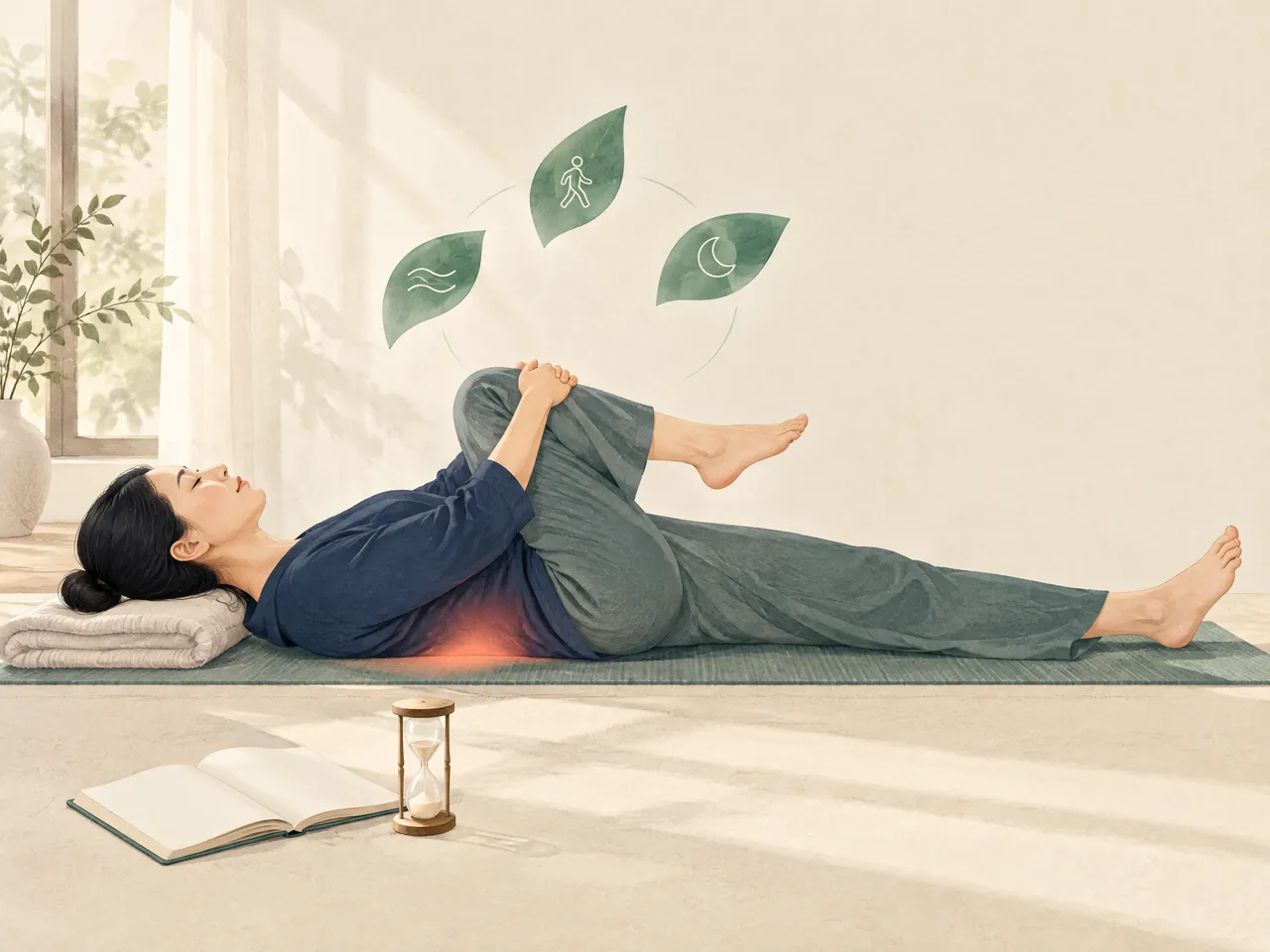
Take extra precautions with diabetes, known nerve problems, reduced sensation, poor circulation, a history of skin injury, or difficulty judging temperature. You may not notice a pack is too hot or cold. Do not rely on a comfortable feeling alone: ask a clinician whether temperature therapy is appropriate, use a more moderate temperature, and check the skin visually. Another person can help with a first application if you cannot see or reach the area. Never use a pack over reduced sensation simply because it seems harmless.
Alcohol, fatigue, sedating medicines, or illness can make it easier to fall asleep with a pad or miss a warning sensation. Remove a pack before a nap, and choose a slow indoor walk or position change if you are too tired to supervise it. Children and older adults who need help positioning a pack also need help checking its temperature and timing. When unsure, choose less heat or cold, not more. Careful setup matters more than a stronger pack.
heat therapy for back pain; heat or cold for low back pain; Is heat or cold better for back pain?: When Self-Care Is Not Enough
Most back pain is not an emergency, but a home pack should not make you ignore a changed pattern. Arrange medical assessment if pain stops usual activities, is not improving after a few weeks of home care, is worse at night or after rest, or worries you. [1] Assessment can consider injury, nerve irritation, work demands, and whether exercise or other care is suitable. NICE recommends tailored self-management and continuation of normal activities for low back pain with or without sciatica. [3]
Before an appointment, note when the episode began, what you were doing, where pain travels, and what changes it. Record fever, unexplained weight change, serious recent accident, cancer history, or new sensation changes. This is more useful to a clinician than the brand of pack used. Bring a list of medicines and supplements, especially if you are considering pain medicine or complementary care.
heat therapy for back pain; heat or cold for low back pain; Is heat or cold better for back pain?: Red Flags That Need Urgent Medical Help
Seek emergency help instead of continuing self-care if pain comes with pain, tingling, weakness, or numbness in both legs; loss of feeling around the genitals or anus; or new bladder or bowel changes. Chest pain and back pain after a serious accident also require emergency assessment. [1] Seek urgent medical advice for severe pain that starts suddenly or worsens quickly, especially if you feel hot, cold, shivery, or generally unwell. [1] In Hong Kong, use the appropriate urgent or emergency service; do not drive yourself if unsafe.
A clear loss of function also matters: for example, a leg giving way, a new inability to walk normally, or pain progressing rather than settling. A pack may briefly change sensation without treating the cause. New symptoms after significant trauma, or symptoms with fever or feeling unwell, need prompt assessment. If uncertain, seek professional advice. The issue is not a few minutes of relief but whether the overall pattern needs urgent care.

heat therapy for back pain; heat or cold for low back pain; Is heat or cold better for back pain?: What a Chinese Medicine Consultation Can Explore
After urgent causes have been ruled out, a Chinese medicine consultation can start with a careful account of the problem, not a promise that one technique fits every back. A Registered Chinese Medicine Practitioner may ask about onset, location, quality, aggravating and easing factors, sleep, energy, digestion, past conditions, and current medicines. They may observe movement and use the traditional four examinations: looking, listening and smelling, asking, and palpation. In Hong Kong, Chinese medicine is within a statutory regulatory system overseen by the Chinese Medicine Council of Hong Kong. [4] Traditional pattern descriptions are not modern medical diagnoses, so disclose investigations and changed symptoms.
Discuss what you have tried, including cold, warmth, rest, activity changes, physiotherapy, medicines, and any response or side effect. This can make home-care advice more realistic for issues related to commuting, childcare, standing, or lifting. Acupuncture may be discussed as a complementary option after assessment, but it is not a guaranteed cure. NICE states not to offer acupuncture for low back pain with or without sciatica. [3] A consultation should support informed choices and referral where indicated.
To ask about an assessment for persistent back discomfort, contact TCM Lab on WhatsApp at +852 6940 5663 after checking the warning signs above. Enquire about availability at the Kwun Tong Chinese medicine clinic or Chinese medicine clinic Prince Edward; arrangements depend on practitioner availability. See the Chinese medicine clinic price list Hong Kong before enquiring. Describe symptoms, relevant history, and language needs so the clinic can advise on a suitable next step.
Care and health guide
Low back discomfort: care information
This directory brings together services, reading, and visit information related to low back discomfort, to help you prepare questions for a consultation.
When low back discomfort affects your day, noting when it occurs, its relation to activity, and what you have already tried can help prepare a consultation; acupuncture for low back pain is a relevant service or reading entry point.
Individual circumstances differ, and acupuncture Hong Kong offers related information to help you understand options and prepare questions.


Your questions, answered
Frequently asked questions
How long should I use heat or ice for low back pain?
Use a brief, supervised application rather than leaving a pack on continuously. HealthLink BC describes 15 to 20 minutes for heat and advises not applying ice longer than 15 to 20 minutes; keep a cloth between the pack and skin and do not sleep with it on. [2] Follow the individual product instructions as well.
Can I alternate heat and cold for back pain?
You can try them at different times if each feels comfortable and your skin is normal. HealthLink BC describes using heat and then ice a few hours later as an option. [2] There is no need to alternate if one option clearly aggravates symptoms or if you are unable to monitor the temperature safely.
Is a heating pad safe to use in bed?
Do not fall asleep with an electric heating pad on. Use a low or medium setting, a timer, and a towel layer where appropriate, then remove the pad before sleeping. [2] If you have reduced sensation, diabetes, poor circulation, or cannot check the area easily, ask a health professional about safe use first.
When should I seek urgent help for back pain?
Seek emergency help for back pain with weakness, tingling, numbness, or pain in both legs; altered feeling around the genitals or anus; bladder or bowel changes; chest pain; or pain after a serious accident. Seek urgent advice for severe sudden or rapidly worsening pain, especially with feeling unwell or shivery. [1]
Sources and further information
- [1] NHS — Back pain
Referenced for: Supports self-care language on ice and heat packs, staying active, and escalation for urgent neurological, systemic, chest-pain, and trauma symptoms.
- [2] HealthLink BC — Use Heat or Ice to Relieve Low Back Pain
Referenced for: Supports safe heat and cold application details, including the 15-to-20-minute range, cloth barriers, and avoiding sleep with a pack.
- [3] NICE NG59 — Low back pain and sciatica in over 16s: assessment and management
Referenced for: Supports tailored self-management, continuation of normal activities, consideration of serious alternative diagnoses, and the NICE recommendation not to offer acupuncture.
- [4] Chinese Medicine Council of Hong Kong — Main Page
Referenced for: Supports the statement that Chinese medicine in Hong Kong is subject to a statutory regulatory system.