
TCM Lab · Health reading
Chinese Medicine Cupping: A Practical TCM Overview
Published Updated
Chinese medicine cupping is often searched for when a tight shoulder, a sore back after desk work, or a sense of muscular heaviness has become hard to ignore. It is not a one-size-fits-all answer. In a Traditional Chinese Medicine (TCM) setting, a practitioner considers the person’s main concern, symptom pattern, health history, medicines, skin condition and present state before deciding whether an external method is appropriate. This guide explains what a thoughtful conversation about cupping can cover, what visible marks may mean, and which questions help turn a general interest in cupping into a safer, more informed next step.
Appointments are confirmed through WhatsApp. If you have language requirements, please mention them in your enquiry.
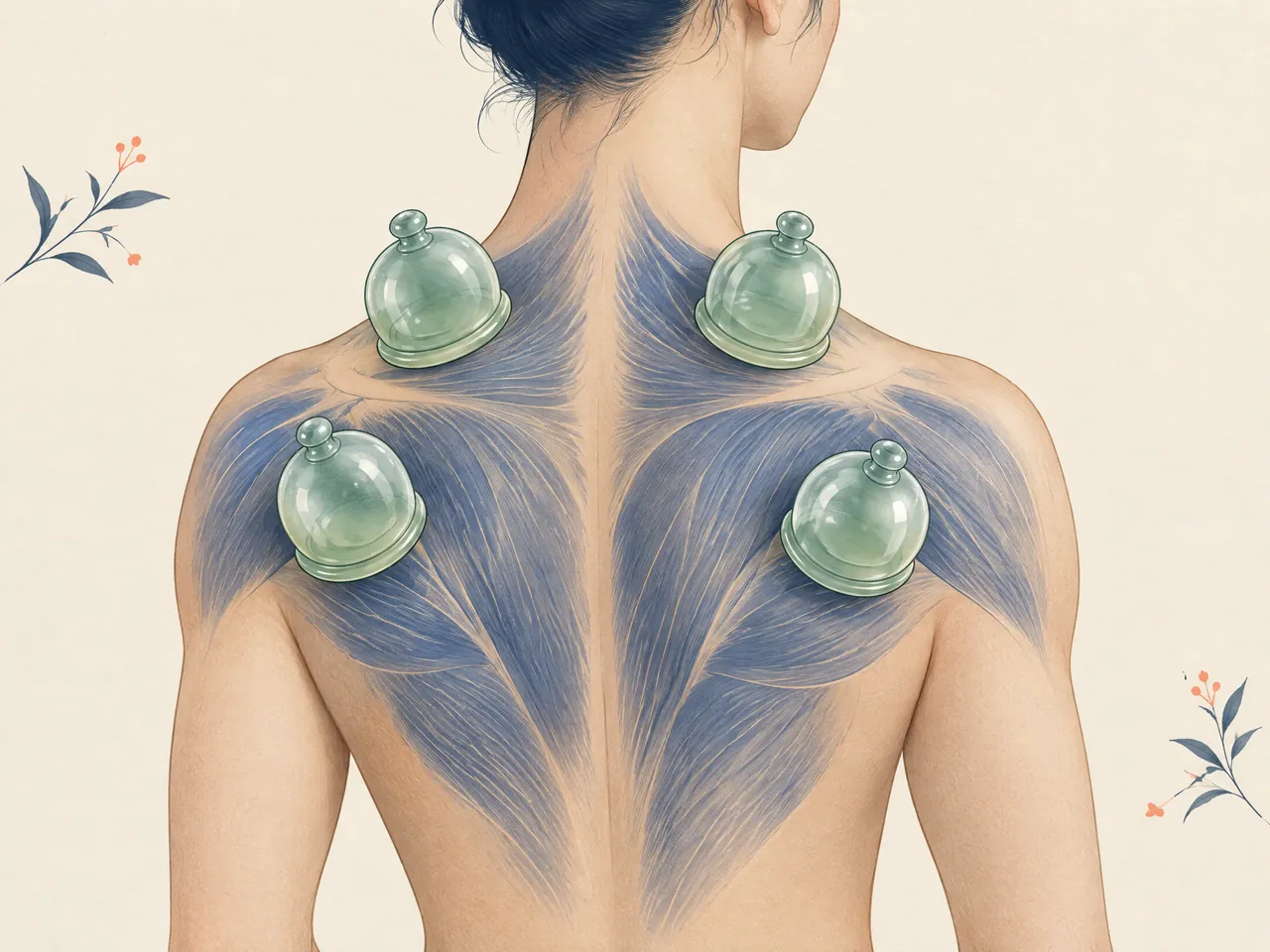
The short answer
Chinese medicine cupping is an external traditional practice that uses suction on the skin. A registered Chinese medicine practitioner should first consider your symptoms, medical history, medicines, skin and current health before deciding whether it fits your situation. Temporary circular marks can occur, and cupping is not a guaranteed treatment or a replacement for assessment of urgent, severe, unexplained or worsening symptoms. Bring clear health information and ask how the proposed approach relates to your own concern.
Transparent pricing
See the fees.
Choose your care.
Explore our complete official price list, including first-trial prices, regular prices, packages and branch-specific options.
Opening WhatsApp prepares an enquiry; it does not send a message, take payment or confirm an appointment. Suitability and individual arrangements are confirmed during consultation.
Chinese medicine
All prices in HKDAcupuncture and Chinese herbal medicine package
Includes a Chinese medicine consultation with pulse assessment, body acupuncture and 3 days of Chinese herbal granules that do not require decoction.
HK$580 (single session)
Chinese medicine consultation with pulse assessment
Hair and scalp
All prices in HKDScalp health and hair-loss management
Includes AI scalp analysis, deep scalp and follicle cleansing, and scalp oil-control care.
HK$380 (first trial)
Regular price: HK$680
- 6 sessions: HK$3,480 (HK$580 per session)
- 12 sessions: HK$5,760 (HK$480 per session)
- 20 sessions: HK$8,600 (HK$430 per session)
- 30 sessions: HK$11,400 (HK$380 per session)
Hair acupuncture and Chinese herbal medicine package
Includes scalp acupuncture and 3 days of Chinese herbal medicine that does not require decoction.
HK$580 (single session)
Registered Chinese Medicine Practitioner consultation
- 6 sessions: HK$3,180 (HK$530 per session)
- 12 sessions: HK$5,760 (HK$480 per session)
- 20 sessions: HK$8,600 (HK$430 per session)
- 30 sessions: HK$11,400 (HK$380 per session)
Combined hair and scalp treatment
Combines acupuncture and Chinese herbal medicine with salon-level scalp and follicle care. Packages include complimentary hair-care shampoo and serum.
HK$1,260 (single session)
Combined treatment
- 8 sessions: HK$8,640 (HK$1,080 per session)
- 16 sessions: HK$15,680 (HK$980 per session)
- 20 sessions: HK$18,600 (HK$930 per session)
- 30 sessions: HK$26,400 (HK$880 per session)
Weight management
All prices in HKDFull-body acupoint embedding for weight management
Includes full-body acupoint embedding. Packages include complimentary Chinese herbal medicine for weight management, with the number of included days scaled to the package. Embedding material and the individual treatment arrangement are confirmed during consultation; this is not a cosmetic thread lift.
HK$980 (single session)
No trial session
- 10 sessions: HK$7,800 (HK$780 per session)
- 20 sessions: HK$14,600 (HK$730 per session)
- 30 sessions: HK$20,400 (HK$680 per session)
Facial acupuncture
All prices in HKDFacial acupuncture (basic)
Includes facial acupuncture and meridian-based facial care, including care for facial puffiness.
HK$480 (first trial)
Regular price: HK$680
- 10 sessions: HK$5,200 (HK$520 per session)
- 20 sessions: HK$9,600 (HK$480 per session)
- 30 sessions: HK$13,500 (HK$450 per session)
Facial acupuncture (advanced)
Includes enhanced facial acupuncture with a specially formulated moisturising mask and serum.
HK$780 (first trial)
Regular price: HK$1,180
- 10 sessions: HK$9,000 (HK$900 per session)
- 20 sessions: HK$16,600 (HK$830 per session)
- 30 sessions: HK$23,400 (HK$780 per session)
Pain care
All prices in HKDExtracorporeal shockwave treatment
Shockwave treatment for deep-tissue and fascial care. The Kwun Tong clinic offers the multi-area options shown below.
Priced by branch
Branch-specific pricing
Prince Edward: HK$250 per area
Kwun Tong: HK$250 for 1 area / HK$450 for 2 areas / HK$600 for 3 areas
Pain care (manual therapy)
Includes Chinese medicine musculoskeletal assessment, manual joint techniques and tui na.
HK$580 (single session)
Chinese medicine musculoskeletal assessment
Pain care (acupuncture and manual therapy)
Combines acupuncture and manual therapy.
HK$680 (single session)
Combined care
Chinese medicine cupping: what the approach involves
Cupping is an external practice in which a cup is used to create suction on the skin. Cups may be made from materials such as glass, ceramic, bamboo or plastic, and a vacuum can be created by heat or a suction device. The National Center for Complementary and Integrative Health distinguishes dry cupping, where the skin is not pierced, from wet cupping, where the skin is pierced; these are materially different procedures and should never be assumed to be interchangeable [1]. When someone says they are interested in cupping, the useful first question is not simply “where can I get it?” but “what method is being discussed, and why might it be considered for me?”
It is also important to separate a traditional explanation from a promise of a medical outcome. Research on cupping exists, but the NCCIH says that much of it is low quality, that evidence for pain reduction is not very strong, and that high-quality research is insufficient to draw conclusions for other conditions [1]. This is a reason to discuss a specific goal carefully, not to delay a needed diagnosis or to treat an online description as a personal treatment plan. A good consultation leaves room for medical assessment, rehabilitation, rest, movement changes or another route when those better fit the problem.

How Chinese medicine cupping fits a TCM assessment
An assessment begins with the story behind the symptom. It helps to describe the exact location, quality and pattern: is the discomfort dull, sharp, spreading, constant or brought on by one movement? Does it appear after waking, after commuting, after training, or only late in the working day? Saying “my neck is tight” is a helpful starting point, but details about numbness, weakness, headache, fever, recent trauma or a change in function can change what a careful next step looks like. TCM assessment may include observation and questions about broader health patterns, while recognising that some presentations need conventional medical evaluation first.
The plan should be explained in terms that make sense to the person, including why a particular area is being considered and what the immediate aim is. Cupping may be discussed as one external option alongside other non-drug measures or other elements of TCM care, but it need not be selected just because someone has seen it online. For an overview of how an appointment may be framed locally, the cupping therapy Hong Kong page is a useful companion. It cannot decide suitability in place of an in-person history and examination.
What to discuss before Chinese medicine cupping
Before any hands-on care, mention health information that might otherwise seem unrelated. This includes medicines and supplements, especially anything that affects bleeding or clotting; prior fainting with procedures; pregnancy or the possibility of pregnancy; anaemia or a history of excessive bleeding; implanted medical devices; cardiovascular disease; seizures; and known skin conditions. Also point out open wounds, rashes, active irritation, eczema, psoriasis, sunburn or a suspected skin infection in the proposed area. A practitioner needs this information to judge whether care should be modified, deferred or avoided. It is safer to over-share relevant information than to assume it does not matter.
Ask directly about the proposed type of cupping, the body areas under consideration, how the equipment is handled and what sensations are normal during and after the session. Dry cupping and procedures that pierce the skin carry different considerations. The NCCIH notes that contaminated equipment can transmit bloodborne disease if it is used on more than one person without sterilisation, which makes hygiene and single-use or appropriate sterilisation practices legitimate questions [1]. If an explanation feels rushed or you do not understand the plan, pause and ask before proceeding.
Compare your options
| Before the conversation | Details to share or ask | Why it changes the next step |
|---|---|---|
| Your symptom pattern | Location, onset, triggers, severity, effect on sleep or movement, and any numbness, weakness or fever | Helps distinguish a routine concern from symptoms needing medical assessment first |
| Medicines and health history | All prescriptions, over-the-counter medicines, supplements, allergies, bleeding concerns and previous reactions to procedures | Supports an individual safety discussion rather than a generic recommendation |
| Skin and procedure details | Rashes, wounds, eczema, psoriasis, infection concerns, the proposed method, equipment handling and expected marks | Helps determine whether the skin and method need extra caution, deferral or a different plan |
| Follow-up plan | What to expect, skin-care advice, activity questions and warning signs that need medical attention | Makes it easier to recognise an unexpected reaction and decide what to do next |
On smaller screens, scroll the table sideways to compare all columns.
Chinese medicine cupping: preparation, process and expectations
During a discussion of the process, expect the practitioner to clarify the purpose and whether the approach is suitable that day. With suction-based cupping, a pulling or tight sensation may be felt. Circular marks can follow. They may look alarming if unexpected, so it is sensible to ask how your skin may respond and whether the treatment area will be visible at work, in sport or at an upcoming social event. The marks should not be presented as a measure of “toxins”, disease severity or how successful the session was. Individual skin response is not a diagnostic score.
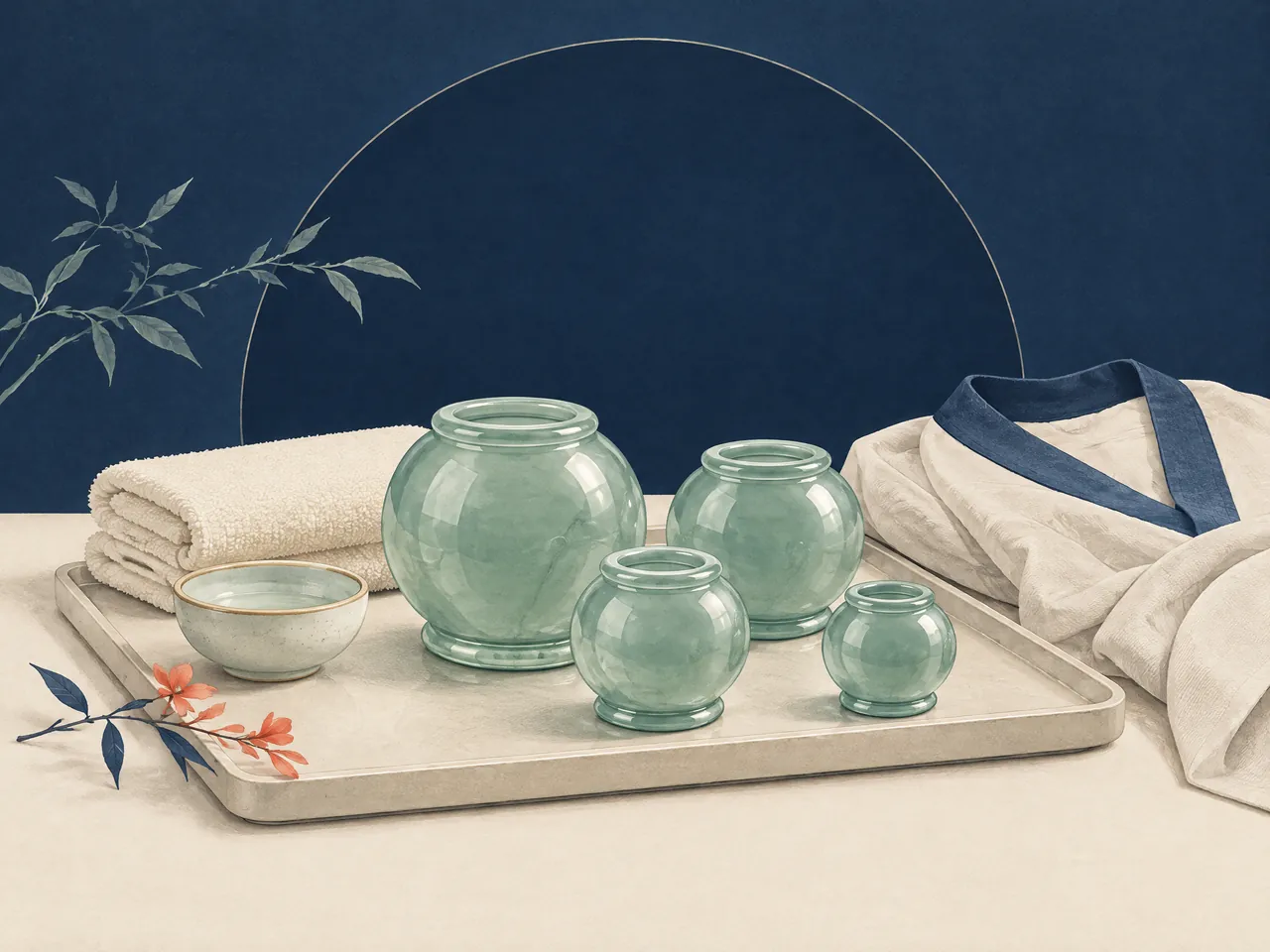
Aftercare starts with paying attention rather than searching for a universal rule online. Follow the specific advice you have been given about the treated skin, exercise or other activities. Seek prompt medical advice for a burn, severe or increasing pain, fever, or signs of skin infection such as increasing redness, tenderness or yellow discharge; these are warning signs highlighted in a clinical consumer guide from Cleveland Clinic [2]. Tell any healthcare professional who sees the marks that you have had cupping so they are not mistaken for another cause of skin discolouration, as NCCIH also advises [1].

Preparing for Chinese medicine cupping at a first visit
A first visit is easier when you prepare a short note on your phone. Include the date symptoms started, a few examples of what a typical difficult day looks like, recent changes in work, training or sleep, and the effects of rest, heat, stretching or medication. Include previous diagnoses and procedures. This is not paperwork for its own sake: a pattern that follows a new exercise routine calls for a different discussion from pain after a fall, symptoms that wake you at night, or discomfort accompanied by breathlessness. If you are unsure whether a report is relevant, bring it or mention it.
Try not to treat the visit as a test you must pass to receive a particular method. A meaningful consultation can end with a decision to postpone cupping, to clarify symptoms with another clinician, or to consider a different approach. That is useful information, especially when there are new warning signs or an unexplained change in health. If travel and access affect your choice, you can read about the Chinese medicine clinic Prince Edward location or the Kwun Tong Chinese medicine clinic location, then explain your preferred location when you enquire.
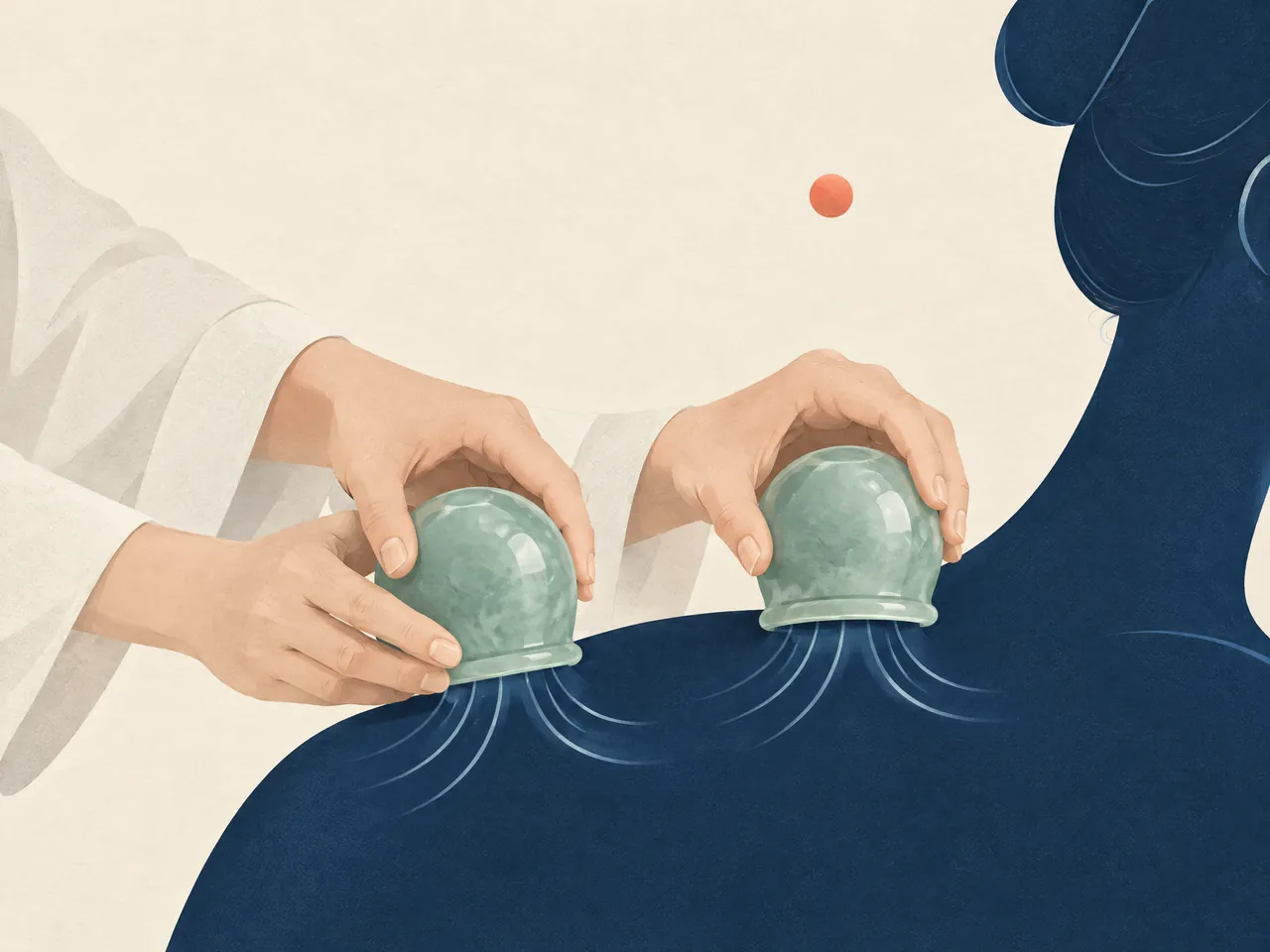
Questions to ask about Chinese medicine cupping
Clear questions protect against mismatched expectations. You might ask: What are you assessing in my case? What type of cupping are you proposing? Why this area? What will I feel? What marks or short-term effects should I expect? What would make you advise against proceeding today? How should I look after the skin, and when should I seek medical advice? These questions are not confrontational. They help you understand the rationale, consent to what is proposed and recognise a reaction that needs attention.
It is reasonable to ask how cupping fits with your existing care. For example, someone already seeing a doctor or physiotherapist for a shoulder injury should say so and share any instructions that affect activity or skin care. Someone taking regular medicines should provide the names rather than saying only “a blood thinner” or “a supplement”. If cost is part of your planning, ask what a consultation involves and look at the Chinese medicine clinic price list Hong Kong rather than assuming a treatment course or a fixed outcome. A discussion of fees should stay separate from claims about likely results.
Chinese medicine cupping: suitability, limits and next steps
Be cautious about language that guarantees relief, promises to “detox” the body, or treats darker marks as proof that treatment is needed or effective. Those claims can make a visible skin response seem more meaningful than it is. The evidence summary from NCCIH supports a more measured view: cupping may be a topic to discuss for pain, but current research does not justify broad conclusions for other conditions [1]. Your priorities may include comfort, function, safety or understanding the cause. State them openly so that options can be considered without turning a procedure into a promise.
If you are seeking a Chinese medicine consultation in Hong Kong, an enquiry can begin with your main concern, relevant health history, current medicines and preferred location. TCM Lab can be contacted by WhatsApp at +852 6940 5663 to ask about an appointment arrangement. The most helpful enquiry describes what you need to discuss rather than requesting a pre-decided procedure. For a wider service overview, visit the Chinese medicine clinic Hong Kong page; urgent symptoms should be directed to appropriate emergency or medical services instead of waiting for a non-urgent consultation.
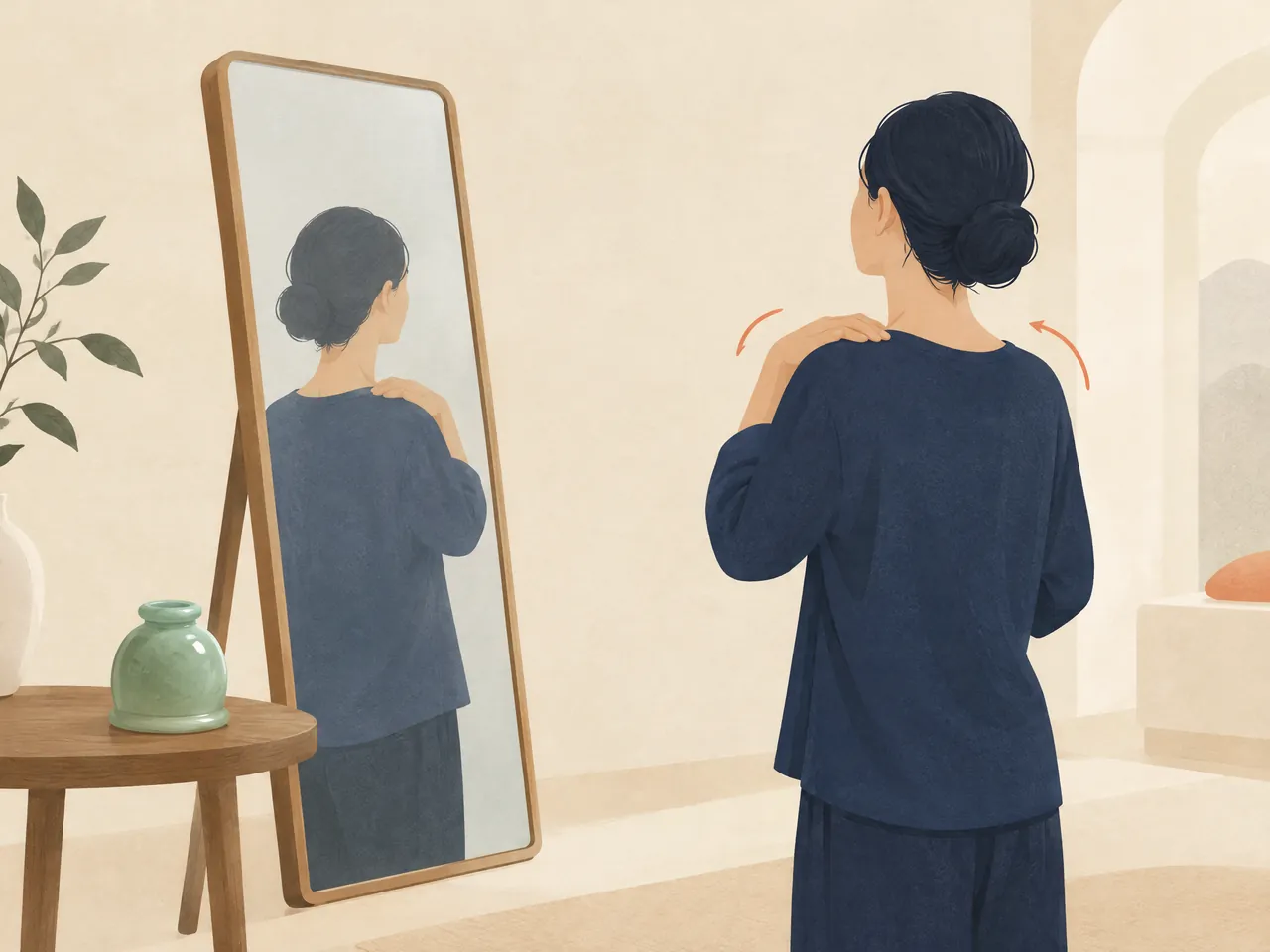
When Chinese medicine cupping needs careful assessment
Careful assessment is particularly important when skin is broken, inflamed or infected; when a person bruises or bleeds easily; or when there is a relevant chronic condition or complex medical history. Pregnancy also deserves an explicit conversation rather than an assumption. Cleveland Clinic lists pregnancy, anaemia, bleeding disorders or clotting problems, cardiovascular disease, seizures and certain skin conditions among circumstances in which people should avoid cupping or seek medical advice before considering it [2]. This is consumer guidance, not a replacement for an individual clinical decision, but it shows why a full history matters.
Do not use cupping as a detour around new or potentially serious symptoms. Sudden weakness, loss of sensation, severe headache, chest pain, shortness of breath, high fever, an injury with deformity, or rapidly worsening pain needs timely medical evaluation. So do unexplained weight loss, persistent night pain, or a problem that has changed sharply from its usual pattern. Mention recent accidents, operations and hospital care. An honest account gives the practitioner the chance to recommend an appropriate next step, including medical assessment, rather than continuing with an approach that does not address the immediate concern.

Choosing a safe next step after Chinese medicine cupping
A safe next step is specific and reviewable. Agree on what you will watch for: whether comfort, movement or daily function changes; whether the skin settles as expected; and what would prompt you to contact a clinician. Avoid using a single session or the colour of a mark as a verdict on your health. If you continue other care, keep each provider informed of significant changes and bring updated medicine lists to future visits. This helps prevent advice from being followed in isolation when your wider care plan has changed.
Care and health guide
Health service information
This directory brings together services, reading, and visit information related to health services, to help you prepare questions for a consultation.
If you are organising health questions, Chinese medicine clinic Hong Kong is a starting point for learning about related services and preparing for a consultation.
People have different needs; acupuncture Hong Kong provides further reading to help you understand options in your own context.


Your questions, answered
Frequently asked questions
What is Chinese medicine cupping used for?
People commonly ask about cupping when they have pain, tightness or a sense of heaviness. Whether it is appropriate depends on the cause and pattern of symptoms, current health, skin condition, medicines and other risks. It should be discussed as one possible external approach, not as a guaranteed answer for a named condition.
How long do cupping marks last?
Circular marks can appear after suction, but their appearance and duration vary with the person, skin and technique. Ask the practitioner what they expect in your case and tell them about unusual or persistent changes. Seek medical advice promptly if there is a burn, severe pain, fever or signs of infection.
Can I have Chinese medicine cupping if I take regular medication?
Do not decide from general advice. Bring the names or photographs of all prescription medicines, over-the-counter medicines and supplements. A practitioner needs to consider them alongside your diagnoses and bleeding, skin or other risk factors before discussing whether cupping is appropriate.
Is Chinese medicine cupping suitable during pregnancy?
Pregnancy should be raised before any procedure is discussed. Because evidence and safety considerations are not the same for every person or method, do not assume that cupping is appropriate. Discuss your pregnancy and wider medical care with an appropriate clinician first.
Sources and further information
- [1] [1] National Center for Complementary and Integrative Health — Cupping
Referenced for: Supports the description of suction-based cupping, the distinction between dry and wet cupping, evidence limitations, temporary marks, and safety concerns including infection control.
- [2] [2] Cleveland Clinic — Cupping Therapy
Referenced for: Supports consumer information on potential short-term effects, selected health and skin considerations, and symptoms that warrant prompt medical advice after a procedure.