
TCM Lab · Services and individual assessment
shockwave therapy Kwun Tong and shockwave therapy Prince Edward at a shockwave therapy clinic Hong Kong clients can contact
Published Updated
If persistent heel, tendon, shoulder, or other soft-tissue discomfort is making commuting, training, standing, or sleep harder, an enquiry about shockwave therapy in Kwun Tong or Prince Edward can begin with a conversation rather than an assumption that a device is the answer. TCM Lab can discuss the exact area, how the problem started, what movements aggravate it, previous care, and relevant health history before considering whether ESWT belongs in an individual care plan. Shockwave therapy is not a diagnosis and it is not suitable for every painful problem. A useful first message gives the practitioner enough context to plan the right kind of assessment, at the location that is more practical for you.
Appointments are confirmed through WhatsApp. If you have language requirements, please mention them in your enquiry.
The short answer
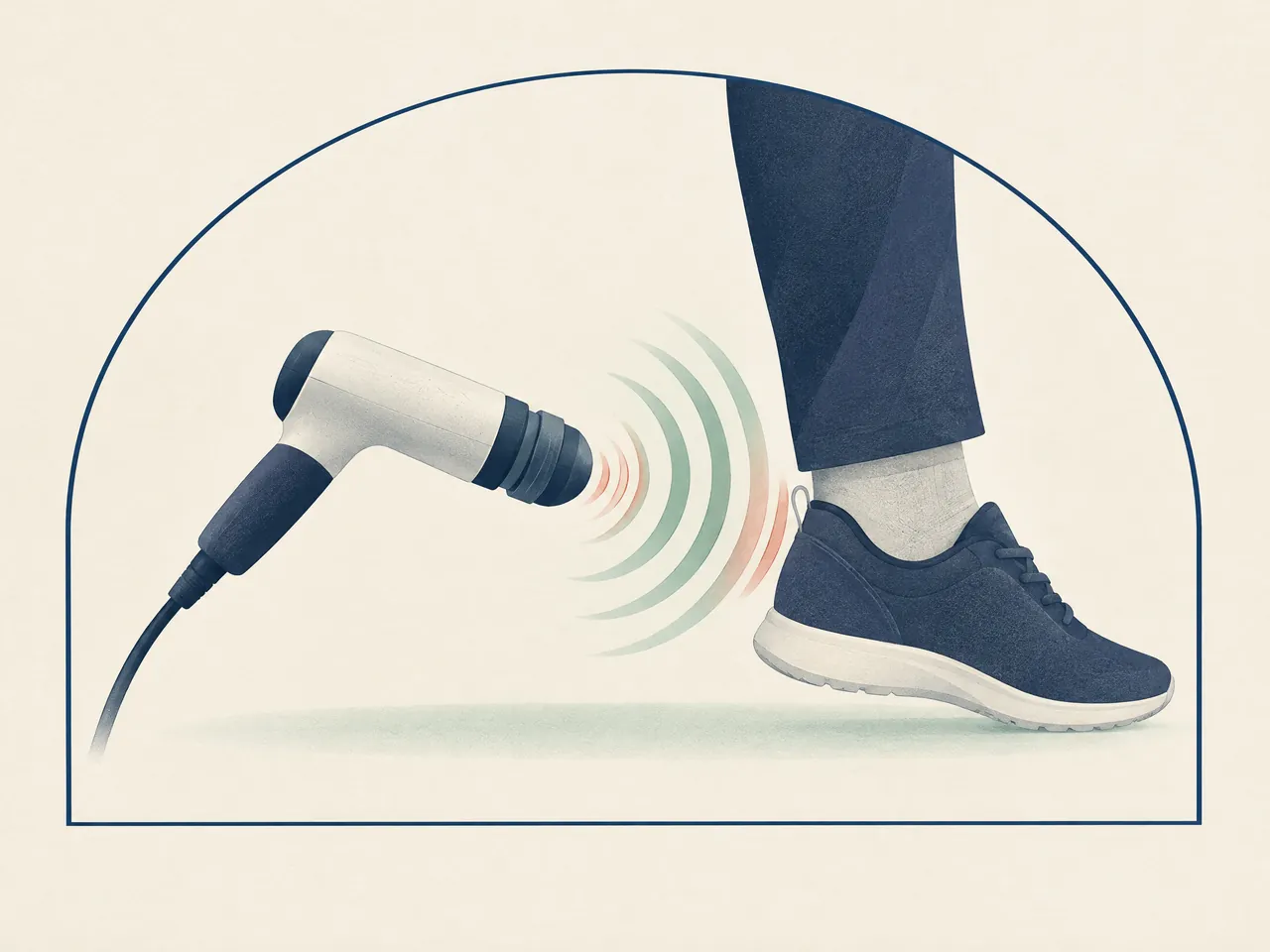
Shockwave therapy is a common name for extracorporeal shockwave therapy (ESWT), an approach discussed for some persistent musculoskeletal concerns. At TCM Lab, a Kwun Tong or Prince Edward enquiry starts by clarifying your symptoms, daily demands, previous care, and relevant health information. That assessment helps determine whether shockwave therapy should be considered, what questions need answering first, and which of the two clinic locations is more convenient to discuss.
Transparent pricing
See the fees.
Choose your care.
Explore our complete official price list, including first-trial prices, regular prices, packages and branch-specific options.
Opening WhatsApp prepares an enquiry; it does not send a message, take payment or confirm an appointment. Suitability and individual arrangements are confirmed during consultation.
Pain care
All prices in HKDExtracorporeal shockwave treatment
Shockwave treatment for deep-tissue and fascial care. The Kwun Tong clinic offers the multi-area options shown below.
Priced by branch
Branch-specific pricing
Prince Edward: HK$250 per area
Kwun Tong: HK$250 for 1 area / HK$450 for 2 areas / HK$600 for 3 areas
Pain care (manual therapy)
Includes Chinese medicine musculoskeletal assessment, manual joint techniques and tui na.
HK$580 (single session)
Chinese medicine musculoskeletal assessment
Pain care (acupuncture and manual therapy)
Combines acupuncture and manual therapy.
HK$680 (single session)
Combined care
Hair and scalp
All prices in HKDScalp health and hair-loss management
Includes AI scalp analysis, deep scalp and follicle cleansing, and scalp oil-control care.
HK$380 (first trial)
Regular price: HK$680
- 6 sessions: HK$3,480 (HK$580 per session)
- 12 sessions: HK$5,760 (HK$480 per session)
- 20 sessions: HK$8,600 (HK$430 per session)
- 30 sessions: HK$11,400 (HK$380 per session)
Hair acupuncture and Chinese herbal medicine package
Includes scalp acupuncture and 3 days of Chinese herbal medicine that does not require decoction.
HK$580 (single session)
Registered Chinese Medicine Practitioner consultation
- 6 sessions: HK$3,180 (HK$530 per session)
- 12 sessions: HK$5,760 (HK$480 per session)
- 20 sessions: HK$8,600 (HK$430 per session)
- 30 sessions: HK$11,400 (HK$380 per session)
Combined hair and scalp treatment
Combines acupuncture and Chinese herbal medicine with salon-level scalp and follicle care. Packages include complimentary hair-care shampoo and serum.
HK$1,260 (single session)
Combined treatment
- 8 sessions: HK$8,640 (HK$1,080 per session)
- 16 sessions: HK$15,680 (HK$980 per session)
- 20 sessions: HK$18,600 (HK$930 per session)
- 30 sessions: HK$26,400 (HK$880 per session)
Weight management
All prices in HKDFull-body acupoint embedding for weight management
Includes full-body acupoint embedding. Packages include complimentary Chinese herbal medicine for weight management, with the number of included days scaled to the package. Embedding material and the individual treatment arrangement are confirmed during consultation; this is not a cosmetic thread lift.
HK$980 (single session)
No trial session
- 10 sessions: HK$7,800 (HK$780 per session)
- 20 sessions: HK$14,600 (HK$730 per session)
- 30 sessions: HK$20,400 (HK$680 per session)
Facial acupuncture
All prices in HKDFacial acupuncture (basic)
Includes facial acupuncture and meridian-based facial care, including care for facial puffiness.
HK$480 (first trial)
Regular price: HK$680
- 10 sessions: HK$5,200 (HK$520 per session)
- 20 sessions: HK$9,600 (HK$480 per session)
- 30 sessions: HK$13,500 (HK$450 per session)
Facial acupuncture (advanced)
Includes enhanced facial acupuncture with a specially formulated moisturising mask and serum.
HK$780 (first trial)
Regular price: HK$1,180
- 10 sessions: HK$9,000 (HK$900 per session)
- 20 sessions: HK$16,600 (HK$830 per session)
- 30 sessions: HK$23,400 (HK$780 per session)
Chinese medicine
All prices in HKDAcupuncture and Chinese herbal medicine package
Includes a Chinese medicine consultation with pulse assessment, body acupuncture and 3 days of Chinese herbal granules that do not require decoction.
HK$580 (single session)
Chinese medicine consultation with pulse assessment
From enquiry to individual assessment
Start with an enquiry
Tell us your main concern, preferred clinic and possible times. Ask about fees and any language requirements.
Discuss your assessment
Bring your medical history, current medicines and questions. The practitioner assesses which options may be suitable.
Agree on the next step
Discuss the proposed care, fees, risks and follow-up. Arrangements depend on the assessment and appointment confirmation.
What to expect from shockwave therapy Kwun Tong, shockwave therapy Prince Edward and a shockwave therapy clinic Hong Kong visit
A visit for a persistent musculoskeletal concern should begin with the story behind the painful area. You may describe the first few steps after getting out of bed, a pull when reaching overhead, pain after a long shift on your feet, or a tendon that reacts when you return to running. The useful details are not limited to a pain score. Note the location you can point to, whether the feeling is sharp, aching, stiff, or burning, whether it travels, and whether it changes with rest, stairs, grip, shoes, desk work, or sport. This helps distinguish a general enquiry from a meaningful assessment discussion.
It is also reasonable to ask what the appointment is intended to establish. The practitioner can discuss your symptoms and relevant history, consider whether the pattern needs further medical assessment, and explain whether shockwave therapy is an option to explore rather than a promised result. For a broader introduction before contacting the clinic, read shockwave therapy Hong Kong. If pain followed a significant injury, is rapidly worsening, comes with marked swelling, heat, fever, loss of feeling, or a major loss of function, seek timely medical assessment rather than relying on a treatment enquiry alone.
How shockwave therapy Kwun Tong, shockwave therapy Prince Edward and a shockwave therapy clinic Hong Kong assessment begins
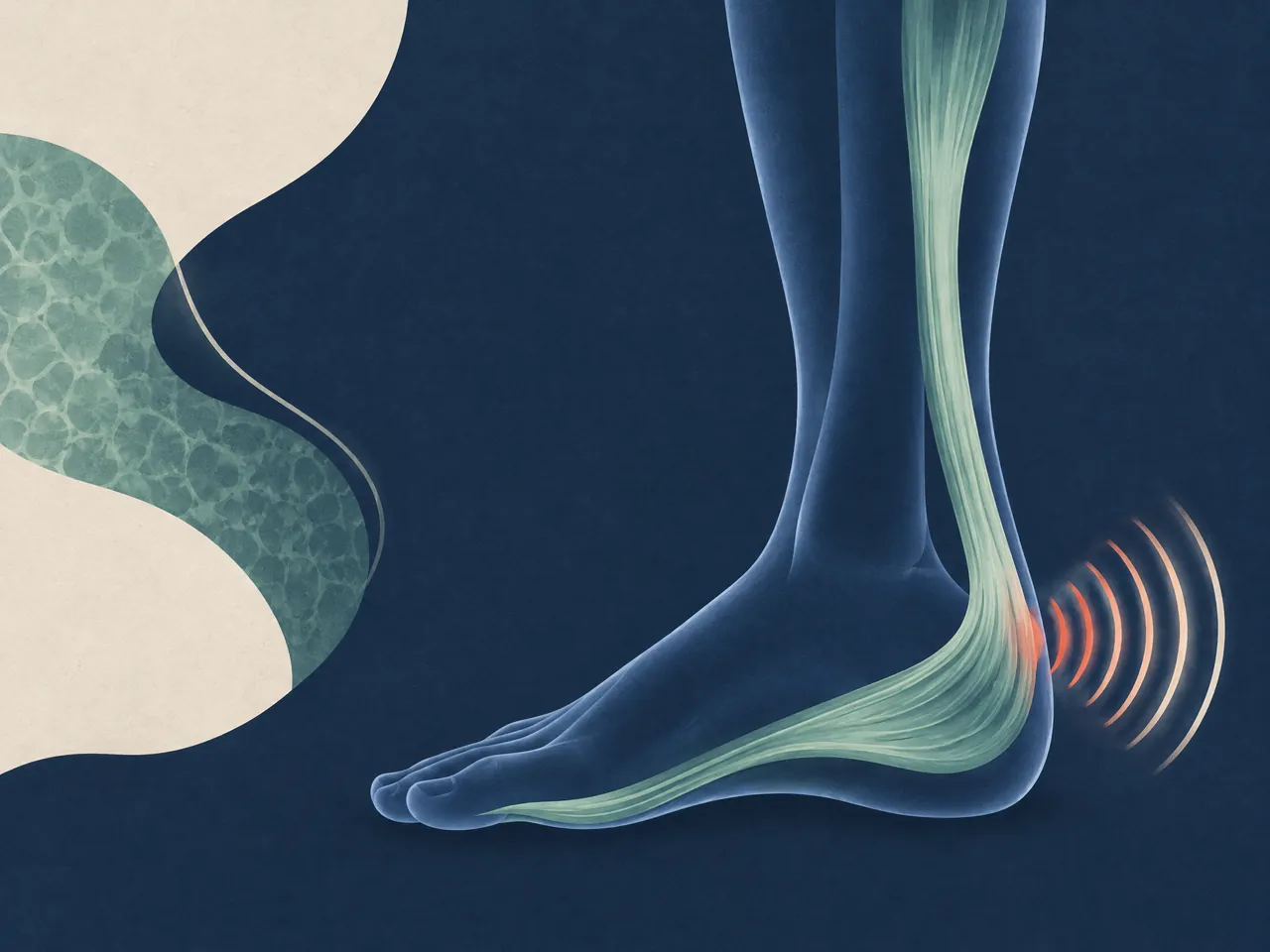
An assessment is a chance to connect the symptom to real life. Bring or describe relevant scan reports, referral letters, and notes of previous treatment if you have them, but do not assume an image alone explains today’s problem. Explain when symptoms started, whether they appeared gradually or after a particular event, and what you have already adjusted. A delivery driver who has been climbing stairs, an office worker with a new gym routine, and a badminton player who increased sessions may all say “heel pain” or “shoulder pain,” yet the day-to-day loading and questions to explore can be different.
You should also share medicines, allergies, pregnancy or plans for pregnancy, implanted devices, bleeding or clotting issues, recent injections near the area, infections, cancer history, and any loss of sensation where relevant. These details are not an unnecessary formality. A Royal National Orthopaedic Hospital ESWT guide lists health and treatment factors that can make the procedure inappropriate or require discussion, which is why suitability cannot be decided from a location search alone [1]. Be direct if you are unsure; the purpose is to make a safer, better-informed next step.
Where shockwave therapy Kwun Tong, shockwave therapy Prince Edward and a shockwave therapy clinic Hong Kong consultation fits your needs
The consultation fits best when it helps you make a specific decision: whether the pain pattern warrants a shockwave discussion, whether another form of assessment comes first, or how the approach could sit alongside movement, activity modification, or other care already being considered. ESWT does not remove the need to understand the diagnosis, the load placed on the area, or goals that matter to you, such as walking to the MTR comfortably, returning to a chosen exercise, or managing a workday without repeatedly provoking symptoms.
Ask how the proposed plan will be reviewed and what you should report between visits. Pain can fluctuate, so an honest account of function is valuable: for example, whether you can tolerate a usual walk, lift a shopping bag, or complete a shift. The hospital patient guide describes assessment before treatment and review of its effect as part of its own service pathway [1]. TCM Lab will discuss its individual plan with you; no online description can decide in advance what is appropriate for a particular body area or person.
Compare your options
| Decision point | Information to have ready | Why it helps the discussion |
|---|---|---|
| Symptom pattern | Body area and side, when it began, and movements or times of day that aggravate it. | It gives the practitioner a clearer starting point than a treatment name alone. |
| Daily loading | Work tasks, commuting, standing, training, footwear, or a recent change in activity. | It connects the painful area with the demands you need to manage. |
| Previous care | Relevant reports, diagnoses, treatments, exercises, injections, or advice already received. | It helps avoid repeating an incomplete history and identifies questions for assessment. |
| Health and medicines | Important conditions, pregnancy status or plans, implanted devices, bleeding or clotting issues, infections, and current medicines. | These details may affect whether ESWT should be considered or needs further discussion first. |
| Location and timing | Whether Kwun Tong or Prince Edward is preferable and any mobility or scheduling constraints. | The team can discuss an appointment route that is practical rather than assumed. |
On smaller screens, scroll the table sideways to compare all columns.
Understanding shockwave therapy Kwun Tong, shockwave therapy Prince Edward and shockwave therapy clinic Hong Kong terminology
The terms can sound more dramatic than the practical conversation they describe. Extracorporeal means outside the body. In an NHS explanation of radial ESWT, mechanical, low-energy sound waves are passed through the skin to an affected area using a device; they are not electrical shocks [1]. During a procedure of this kind, a practitioner may use contact gel and position a probe at the relevant area. The exact setup, settings, sensations, and whether any treatment is offered depend on the assessment and the clinic’s professional judgement. It is sensible to ask what term is being used and what it means in your own proposed plan.

You may see the full phrase, “extracorporeal shockwave therapy,” its abbreviation “ESWT,” or the shorter “shockwave therapy.” CUHK uses the formal ESWT term in announcing a physiotherapy service for chronic musculoskeletal conditions in Hong Kong [2]. Familiar terminology can help you search, but it cannot tell you whether a particular condition, stage of recovery, or health history makes the approach suitable. For terminology used in a Hong Kong service context, see extracorporeal shockwave therapy Hong Kong; use it as a starting point for questions, not as a substitute for an assessment.

Shockwave therapy Kwun Tong, shockwave therapy Prince Edward and shockwave therapy clinic Hong Kong: ESWT explained
ESWT is a category name, not a guarantee that every device, protocol, or person will have the same experience. Research and clinical materials can distinguish forms of shockwave delivery and examine different musculoskeletal problems. A 2023 narrative review discusses ESWT across a range of musculoskeletal pain contexts, while the evidence and treatment questions vary by condition [3]. That variation is a good reason to avoid comparing one person’s shoulder story with another person’s heel story, or treating a course described online as a fixed recipe for yourself.
A practical question is whether the pain seems linked to a tendon, fascia, muscle, joint, nerve, or another source, and whether it has become persistent despite sensible adjustments. The answer may be uncertain at first. State what you know without trying to diagnose yourself: “pain under the heel on first steps,” “pain at the outside of the elbow when gripping,” or “tenderness at the back of the ankle after longer walks” is clearer than a label copied from social media. You can also review the wording used on ESWT Hong Kong before preparing your questions.

Conditions discussed during shockwave therapy Kwun Tong, shockwave therapy Prince Edward and a shockwave therapy clinic Hong Kong consultation
People often enquire after symptoms have become repetitive: a heel that complains when leaving bed, an Achilles region that reacts after hills, a shoulder that hurts through reaching, or an elbow that objects to lifting and gripping. These examples describe symptom patterns, not diagnoses. A consultation can consider duration, site, range of movement, tenderness, training changes, footwear or workstation demands, and prior care. It may also identify reasons not to proceed until another clinician has assessed the concern. That is a useful outcome, because it prevents a treatment label from narrowing the conversation too early.
For persistent pain, the wider care plan may include discussing the way everyday activity is loading the area. That may mean looking at a sudden jump in walking, repeated lifting, a new exercise class, prolonged standing, or the way a person has been protecting one painful side. Chinese medicine pain management explains the wider pain-focused service context. Tell the practitioner what has changed, what you have stopped doing, and what you need to get back to; those priorities help make the discussion practical without implying that any single modality will solve every cause of pain.
Planning shockwave therapy Kwun Tong, shockwave therapy Prince Edward or a shockwave therapy clinic Hong Kong enquiry
A well-prepared enquiry saves time and lets the clinic guide you more accurately. Before messaging, write a short timeline: when it began, whether there was an injury, how it has changed, what causes a flare, what eases it, and what treatment or advice you have already tried. Include the body area and side, any diagnosis you have been given, and the appointment location you prefer. You do not need to write a long medical history in the first message. The goal is to give enough information for the team to advise on the next conversation and to flag anything that must be discussed before an appointment is arranged.
Keep location choice practical. TCM Lab’s Kwun Tong location is Room 03, 21/F, 50 Hoi Yuen Road, Kwun Tong, and its Prince Edward location is 1/F, 27 Ki Lung Street, Prince Edward. The clinic has these two physical locations; do not assume a branch exists in another district. If you want a location page while deciding, use Kwun Tong Chinese medicine clinic or Chinese medicine clinic Prince Edward. For other areas, you may ask whether a home-visit enquiry is possible rather than treating it as a confirmed clinic location.

Choosing between shockwave therapy Kwun Tong, shockwave therapy Prince Edward and a shockwave therapy clinic Hong Kong location
Choose the site that makes it realistic to attend the discussion and follow any agreed plan. Consider your commute from work or home, stairs or walking tolerance on a sore day, whether you need to travel after an appointment, and what time is least likely to clash with your responsibilities. General clinic hours are 11:00–21:00, while practitioner appointments are arranged individually. A location is convenient only if the journey itself is manageable, so mention mobility concerns when you contact the team instead of forcing yourself into a schedule that repeatedly aggravates the area.
Convenience should not be the only deciding factor. First ask whether your symptom description calls for a shockwave assessment at all and whether you need to share information from another healthcare professional. If the same pain has led you to stop normal activities, the conversation can focus on your functional goal as well as the preferred district. It is fine to say that you are comparing Kwun Tong and Prince Edward because one is closer to work and the other is easier at weekends. The team can confirm appointment possibilities rather than leaving you to infer availability from a generic calendar.

What to ask before arranging shockwave therapy Kwun Tong, shockwave therapy Prince Edward or shockwave therapy clinic Hong Kong care
Useful questions are specific: What information should I bring? What will be assessed before any treatment is considered? Are there health conditions, medicines, recent procedures, or changes in symptoms that I should mention first? How will the plan relate to my normal walking, work, sport, or exercise? What changes should prompt me to contact another healthcare professional? These questions encourage an individual explanation. They are more useful than asking for a promise that a certain number of visits, a particular machine setting, or a single treatment will produce a particular outcome.
You may also want to understand fees before committing to an appointment. Rather than assuming that a price applies to every body area or care plan, ask what is included and what the assessment is intended to cover. The page how is shockwave therapy priced per body area can help you frame that discussion. To enquire, WhatsApp TCM Lab at +852 6940 5663 with your symptom summary, preferred location, and language needs if relevant. The team can then discuss an appointment enquiry; a message is not an automatic booking or a confirmation that shockwave therapy is appropriate.
Care and health guide
Pain-care information
This directory brings together services, reading, and visit information related to pain care, to help you prepare questions for a consultation.
When pain care affects your day, noting when it occurs, its relation to activity, and what you have already tried can help prepare a consultation; Chinese medicine pain management Hong Kong is a relevant service or reading entry point.
Individual circumstances differ, and acupuncture Hong Kong offers related information to help you understand options and prepare questions.


Your questions, answered
Frequently asked questions
What is shockwave therapy or ESWT?
Shockwave therapy is commonly used for extracorporeal shockwave therapy (ESWT). An NHS patient guide describes radial ESWT as mechanical, low-energy sound waves delivered through the skin to an affected area with a device [1]. The term alone does not determine whether it is suitable for a particular symptom.
Can I arrange shockwave therapy without an assessment?
An enquiry should begin with an individual discussion of symptoms, relevant health history, previous care, and what you need help with. The practitioner can then explain whether shockwave therapy is appropriate to consider, whether another assessment should come first, and how any plan would be approached.
Which TCM Lab location can I contact for a shockwave therapy enquiry?
TCM Lab has a Kwun Tong clinic at Room 03, 21/F, 50 Hoi Yuen Road, Kwun Tong, and a Prince Edward clinic at 1/F, 27 Ki Lung Street, Prince Edward. You can WhatsApp +852 6940 5663 to state your preferred location and discuss an appointment enquiry.
What should I mention before asking about ESWT?
Mention the affected body area, how long the problem has been present, what brings it on, relevant previous assessment or treatment, and important health conditions or medicines. It is especially important to share factors such as pregnancy, bleeding or clotting concerns, implants, infection, and recent treatment near the area, because they may affect suitability [1].
Sources and further information
- [1] [1] Royal National Orthopaedic Hospital NHS Trust — A Patient's guide to Radial Extracorporeal Shockwave Therapy (ESWT)
Referenced for: Definition of radial ESWT, assessment and procedure context, and health factors that can affect suitability; not a statement of TCM Lab protocol.
- [2] [2] CUHK UMSO — Physiotherapy New Service: Extracorporeal Shock Wave Therapy (ESWT)
Referenced for: Official Hong Kong university use of the ESWT term in a chronic musculoskeletal service context.
- [3] [3] De la Corte-Rodríguez et al. — Extracorporeal Shock Wave Therapy for the Treatment of Musculoskeletal Pain: A Narrative Review
Referenced for: Background review of ESWT across musculoskeletal pain contexts; not evidence of an individual outcome or a fixed treatment protocol.