
TCM Lab · Health reading
Perimenopause Sleep Problems: Hot Flashes and Night Sweats Affecting Sleep and Insomnia During Menopausal Transition
Published Updated
Sleep can become fragmented during perimenopause, but it is worth asking what is waking you rather than assuming there is one cause. A sudden heat surge, damp sleepwear, racing thoughts, pain, irregular routines, medicines or another sleep condition can each leave a different pattern. Hot flashes and night sweats affecting sleep commonly occur during the menopausal transition, yet a useful plan also considers daytime function, mood and medical history. Chinese medicine may be one supportive option after an individual assessment; it does not replace investigation of persistent, severe or unusual insomnia during menopausal transition.
Appointments are confirmed through WhatsApp. If you have language requirements, please mention them in your enquiry.
The short answer
Perimenopause sleep problems may involve trouble falling asleep, repeated waking, early waking or unrefreshing sleep. Hot flashes and night sweats affecting sleep can be part of the picture, and mood changes, stress, pain, medication effects or another sleep condition may also matter. Start with cooling and regular sleep habits, record the pattern, and seek family doctor or gynaecology review when sleep loss persists, affects safety or comes with concerning symptoms. Chinese medicine can be discussed as complementary, individualised support.
Transparent pricing
See the fees.
Choose your care.
Explore our complete official price list, including first-trial prices, regular prices, packages and branch-specific options.
Opening WhatsApp prepares an enquiry; it does not send a message, take payment or confirm an appointment. Suitability and individual arrangements are confirmed during consultation.
Chinese medicine
All prices in HKDAcupuncture and Chinese herbal medicine package
Includes a Chinese medicine consultation with pulse assessment, body acupuncture and 3 days of Chinese herbal granules that do not require decoction.
HK$580 (single session)
Chinese medicine consultation with pulse assessment
Hair and scalp
All prices in HKDScalp health and hair-loss management
Includes AI scalp analysis, deep scalp and follicle cleansing, and scalp oil-control care.
HK$380 (first trial)
Regular price: HK$680
- 6 sessions: HK$3,480 (HK$580 per session)
- 12 sessions: HK$5,760 (HK$480 per session)
- 20 sessions: HK$8,600 (HK$430 per session)
- 30 sessions: HK$11,400 (HK$380 per session)
Hair acupuncture and Chinese herbal medicine package
Includes scalp acupuncture and 3 days of Chinese herbal medicine that does not require decoction.
HK$580 (single session)
Registered Chinese Medicine Practitioner consultation
- 6 sessions: HK$3,180 (HK$530 per session)
- 12 sessions: HK$5,760 (HK$480 per session)
- 20 sessions: HK$8,600 (HK$430 per session)
- 30 sessions: HK$11,400 (HK$380 per session)
Combined hair and scalp treatment
Combines acupuncture and Chinese herbal medicine with salon-level scalp and follicle care. Packages include complimentary hair-care shampoo and serum.
HK$1,260 (single session)
Combined treatment
- 8 sessions: HK$8,640 (HK$1,080 per session)
- 16 sessions: HK$15,680 (HK$980 per session)
- 20 sessions: HK$18,600 (HK$930 per session)
- 30 sessions: HK$26,400 (HK$880 per session)
Weight management
All prices in HKDFull-body acupoint embedding for weight management
Includes full-body acupoint embedding. Packages include complimentary Chinese herbal medicine for weight management, with the number of included days scaled to the package. Embedding material and the individual treatment arrangement are confirmed during consultation; this is not a cosmetic thread lift.
HK$980 (single session)
No trial session
- 10 sessions: HK$7,800 (HK$780 per session)
- 20 sessions: HK$14,600 (HK$730 per session)
- 30 sessions: HK$20,400 (HK$680 per session)
Facial acupuncture
All prices in HKDFacial acupuncture (basic)
Includes facial acupuncture and meridian-based facial care, including care for facial puffiness.
HK$480 (first trial)
Regular price: HK$680
- 10 sessions: HK$5,200 (HK$520 per session)
- 20 sessions: HK$9,600 (HK$480 per session)
- 30 sessions: HK$13,500 (HK$450 per session)
Facial acupuncture (advanced)
Includes enhanced facial acupuncture with a specially formulated moisturising mask and serum.
HK$780 (first trial)
Regular price: HK$1,180
- 10 sessions: HK$9,000 (HK$900 per session)
- 20 sessions: HK$16,600 (HK$830 per session)
- 30 sessions: HK$23,400 (HK$780 per session)
Pain care
All prices in HKDExtracorporeal shockwave treatment
Shockwave treatment for deep-tissue and fascial care. The Kwun Tong clinic offers the multi-area options shown below.
Priced by branch
Branch-specific pricing
Prince Edward: HK$250 per area
Kwun Tong: HK$250 for 1 area / HK$450 for 2 areas / HK$600 for 3 areas
Pain care (manual therapy)
Includes Chinese medicine musculoskeletal assessment, manual joint techniques and tui na.
HK$580 (single session)
Chinese medicine musculoskeletal assessment
Pain care (acupuncture and manual therapy)
Combines acupuncture and manual therapy.
HK$680 (single session)
Combined care
Perimenopause Sleep Problems: Hot Flashes and Night Sweats Affecting Sleep and Insomnia During Menopausal Transition — Common Patterns
Perimenopause is the transition before menopause, and experiences vary widely. One person may first notice a changing period pattern and an occasional hot flush; another may mainly notice that sleep no longer feels dependable. The detail matters because waking overheated calls for a different first adjustment from lying awake with an active mind.
A disrupted night can be more than an inconvenience. It can become tempting to compensate by spending much longer in bed, napping late, drinking alcohol to feel sleepy, or relying on a new supplement without checking it. Instead, notice the sequence: when you settled, what woke you, and whether you felt hot, uncomfortable or worried afterwards.
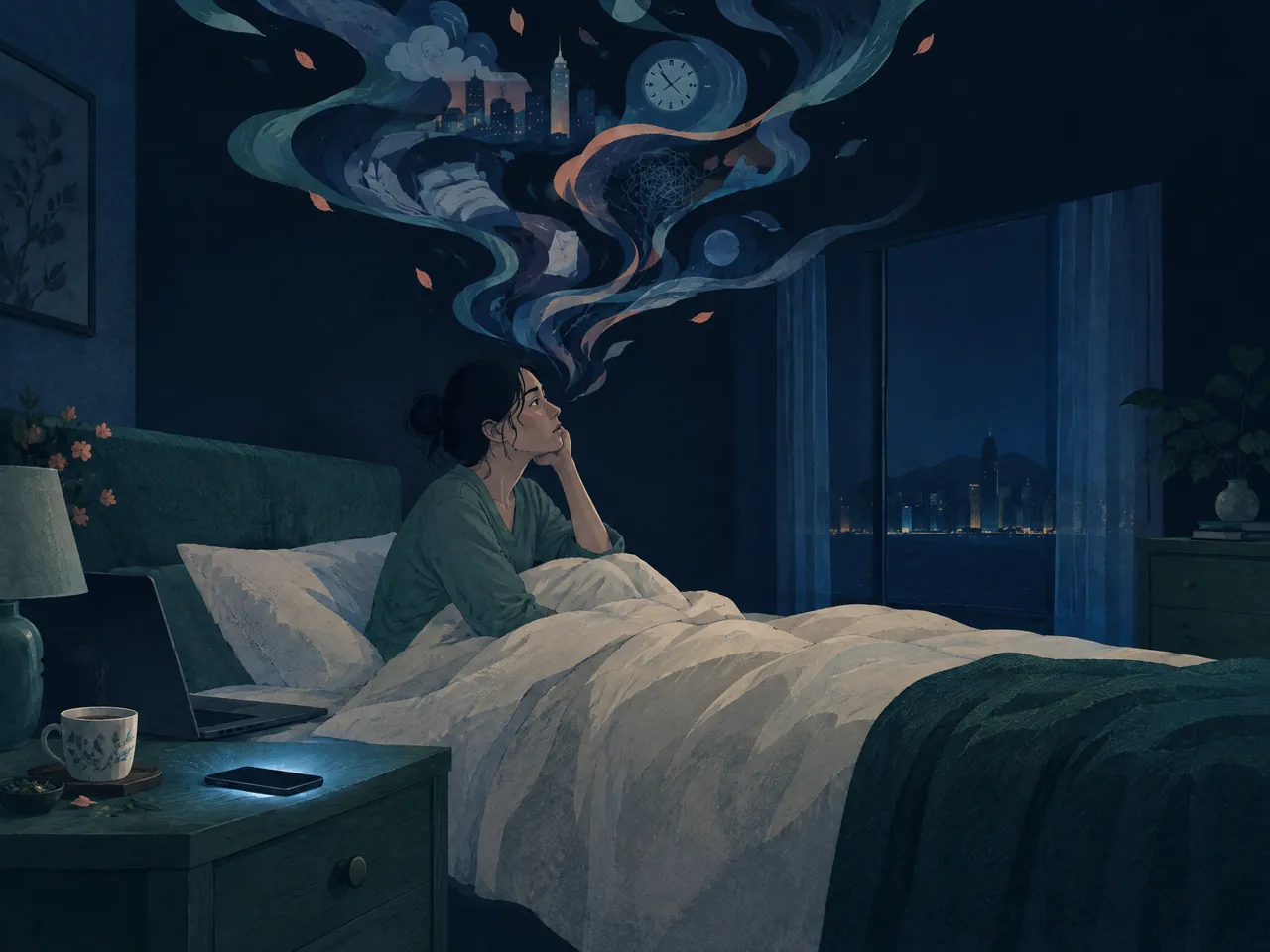
It is also sensible not to place every wake-up under the label of menopause. A partner may notice loud snoring, gasping or pauses in breathing; a painful hip or neck may make turning in bed difficult; a medicine change may coincide with insomnia. A broad first conversation leaves room for more than one contributor. For a wider introduction to the overlap between hormonal transition and sleep, see menopause insomnia.
Perimenopause Sleep Problems: Hot Flashes and Night Sweats Affecting Sleep and Insomnia During Menopausal Transition — What You May Notice
A hot flash at night can feel like a rapid wave of heat in the face, neck or chest, sometimes followed by sweating, a faster heartbeat or a sense of unease. You might throw off covers, change clothes or move to a cooler room, then feel chilled once the episode passes. The interruption itself can make it hard to return to sleep. The NHS describes hot flushes and night sweats as occurring by day or night and notes that they can come with sweating, palpitations, anxiety or dizziness [2]. Not every warm awakening is a hot flash, but recording what you feel can make a clinical discussion more precise.
Insomnia during menopausal transition does not always look like sweating. Some people are tired but cannot settle at the start of the night. Others fall asleep readily yet wake at 3 a.m. and remain awake, or wake before the alarm and feel unable to doze again. Daytime clues are just as important: unplanned dozing, irritability, poor memory, relying on caffeine, or concern about staying alert on public transport or while driving all show the practical burden. If sleep is adequate in duration but not restorative, note that too rather than focusing only on hours in bed.

Perimenopause Sleep Problems: Hot Flashes and Night Sweats Affecting Sleep and Insomnia During Menopausal Transition — Possible Contributors
Heat and sweating are only part of the picture. The National Institute on Aging notes that hot flashes, especially night sweats, and mood changes can contribute to poor sleep during the menopausal transition [1]. Work pressure, caring responsibilities and worry can keep the mind active when the lights go out. Pain, reflux, needing to pass urine, an uncomfortable room, late caffeine or alcohol can then add further interruptions. A useful assessment asks which factor appeared first and which ones now keep the cycle going.
Some patterns should prompt medical consideration rather than self-treatment alone. Loud habitual snoring, witnessed pauses in breathing, choking or gasping in sleep, frequent waking with marked daytime sleepiness, or morning headaches can occur with sleep apnoea and deserve a family doctor assessment [4]. Changes in bleeding, palpitations, low mood, anxiety or medication use also belong in the conversation. Sleep symptoms can sit beside menopause without being caused by it. This is why a person-centred history is more useful than trying to diagnose from a single symptom or a wearable sleep score.
Compare your options
| Night-time pattern | Useful observations to record | A sensible next step |
|---|---|---|
| Wake suddenly hot or sweaty | Time, room temperature, damp bedding, palpitations, how long it takes to resettle | Prepare cooling layers and discuss repeated episodes with a family doctor or gynaecologist; consider complementary support only as part of an individual plan. |
| Tired but unable to fall asleep | Evening screens, caffeine, alcohol, stressful thoughts, naps and usual wake time | Build a consistent routine and discuss persistent insomnia, including CBT-I, with an appropriate health professional. |
| Wakes with snoring, choking or gasping | Witnessed breathing pauses, loud snoring, morning headache and daytime sleepiness | Ask a family doctor about assessment for sleep apnoea; do not assume menopause is the only cause. |
| Wakes because of pain or discomfort | Body area, position, injury history, movement limits and whether heat is also present | Discuss the pain pattern with a suitable clinician and adapt sleep comfort without masking new or severe symptoms. |
On smaller screens, scroll the table sideways to compare all columns.
Perimenopause Sleep Problems: Hot Flashes and Night Sweats Affecting Sleep and Insomnia During Menopausal Transition — A Chinese Medicine Assessment
A Chinese medicine consultation starts by understanding the person’s experience rather than treating the word “menopause” as a fixed diagnosis. The practitioner may ask about the first difficult sleep, the time and reason for each waking, heat sensations, sweating, thirst, palpitations, mood, digestion, pain, menstrual changes and the following day. They may also ask about usual routines, shift work, coffee, alcohol, exercise, caregiving and every medicine or supplement currently used. The aim is to identify practical influences and a pattern-based way to guide supportive care.
Traditional Chinese medicine uses the four examinations—observation, listening and smelling, questioning, and palpation—as an approach for an individual assessment. Terms such as yin deficiency or disharmony between heart and kidney belong to that traditional approach; they are not laboratory findings and do not establish hormone levels, thyroid disease or a sleep disorder. It should also recognise when conventional examination, blood tests, medication review or sleep assessment are needed.
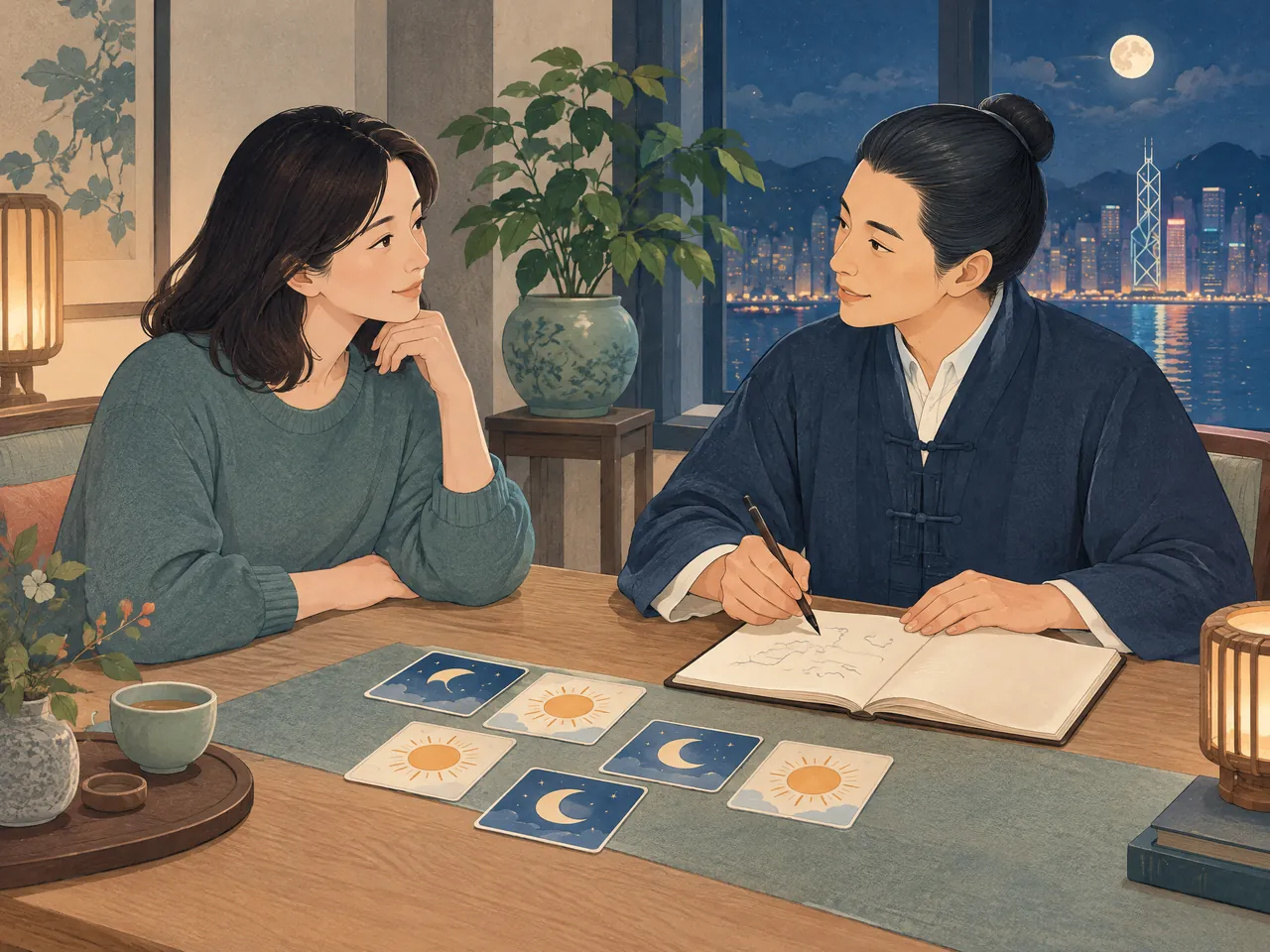
The result should be a conversation about choices, not a promise to “balance hormones” or cure insomnia. Some people want help creating a calmer evening routine; some are already seeing a GP or gynaecologist and want complementary support; some need onward medical review before considering any adjunctive care. Read more about the broader, individual approach to Chinese medicine for menopause symptoms before deciding what questions to ask at a consultation.
Perimenopause Sleep Problems: Hot Flashes and Night Sweats Affecting Sleep and Insomnia During Menopausal Transition — Questions at Consultation
Preparation makes a consultation more useful. For one or two weeks, write down approximate bedtime, time to fall asleep, awakenings, final waking time and whether a heat episode, sweating, pain, toilet trip, noise or worry was involved. Include any late meals, alcohol, tea, coffee, nicotine, exercise and new medicines. Bring questions about what can be reasonably expected, how progress will be reviewed and when medical referral is appropriate.
Be especially open about prescribed sleeping tablets, antidepressants, hormone treatment, blood thinners and products bought without a prescription. “Natural” does not automatically mean suitable with every medicine. NCCIH cautions that dietary supplements may have side effects or drug interactions, and says that evidence for herbs and supplements relieving menopause symptoms is not clear [3]. A practitioner needs the full list before discussing Chinese herbal medicine. Do not stop, reduce or add a prescribed medicine because of a web page or an informal recommendation; the prescriber should manage medication changes.

Perimenopause Sleep Problems: Hot Flashes and Night Sweats Affecting Sleep and Insomnia During Menopausal Transition — Supportive Options
Depending on assessment, a Registered Chinese Medicine Practitioner may discuss acupuncture, Chinese herbal medicine, dietary or routine adjustments, or referral back to a medical clinician. These options should be matched to symptoms, medical history and the person’s priorities. For example, a plan may concentrate on reducing an overheated, disrupted bedtime environment and keeping a symptom record rather than adding several changes at once. Complementary care is best viewed as an adjunct to, not a substitute for, diagnosis and evidence-based management of sleep disorders or menopause symptoms.
Acupuncture can be considered, but it should be described accurately. NCCIH reports that acupuncture has not been shown to outperform simulated acupuncture for relief of hot flashes, although studies versus no treatment have reported reductions; it also notes that properly performed acupuncture using sterile needles is generally considered safe [3]. That means a course cannot promise fewer hot flashes, deeper sleep or a fixed response time. If acupuncture is of interest, ask about the treatment rationale, hygiene, possible effects, your medications and how to decide whether the approach remains worthwhile for you.
Perimenopause Sleep Problems: Hot Flashes and Night Sweats Affecting Sleep and Insomnia During Menopausal Transition — Practical and Medical Support
Small environmental adjustments can reduce the extra work of a night sweat without pretending to solve every cause of insomnia. Keep water, a spare layer and a dry sleep top within easy reach; choose breathable bedding; and make the room comfortably cool, dark and quiet. The aim is to make a heat episode less disruptive and resettling easier. Change one or two things and observe whether they fit your real routine.
Regularity often matters more than a complicated bedtime ritual. The National Institute on Aging recommends a regular sleep schedule, a comfortable quiet bedroom, avoiding late caffeine, avoiding alcohol as a sleep aid, and keeping screens out of the bedroom [1]. Choose a realistic wake time and use the hour before bed for lower-stimulation activities where possible. Avoid checking work messages or clocks repeatedly after a wake-up.
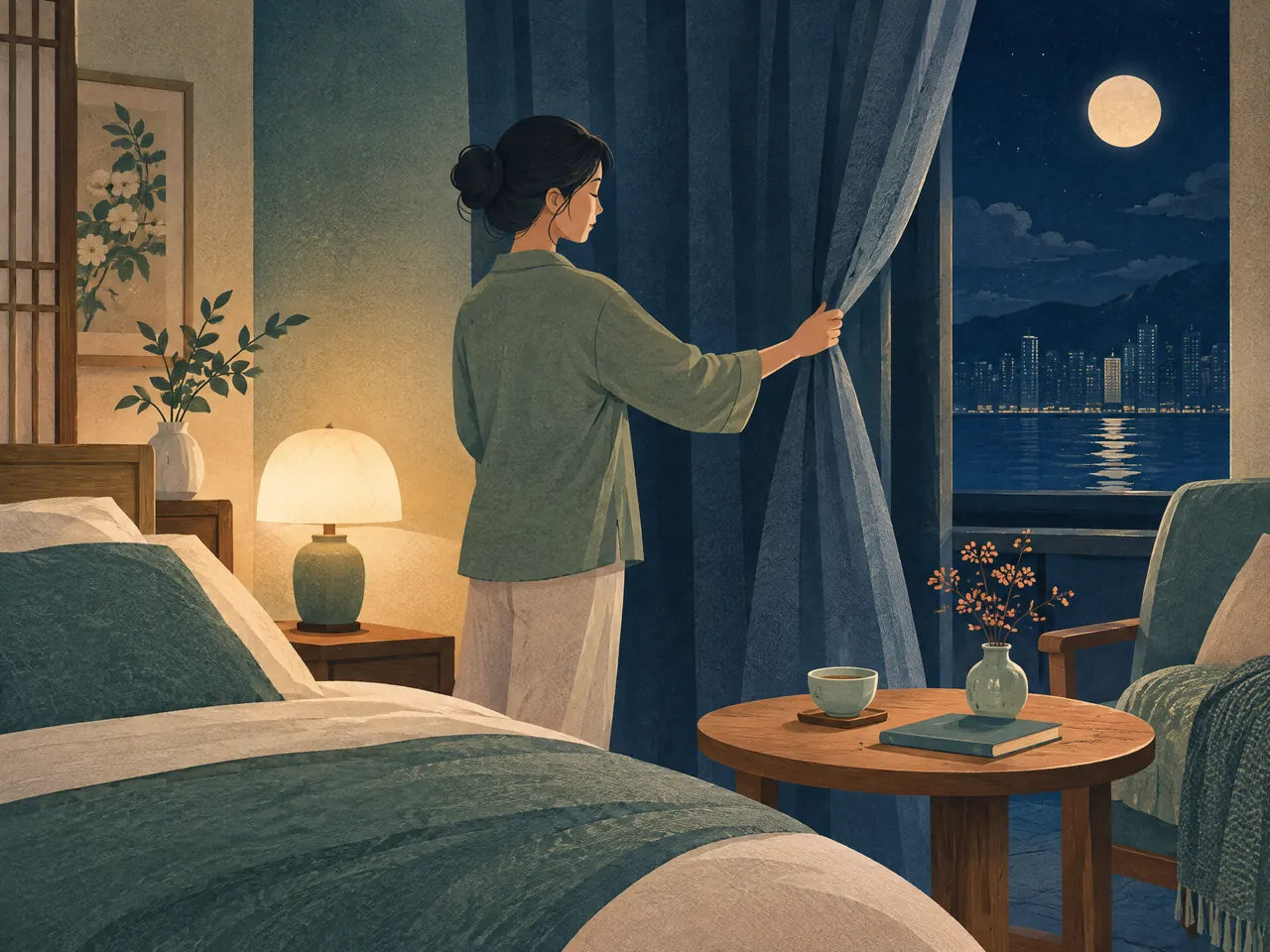
Practical support works best alongside appropriate medical care. A family doctor or gynaecologist can review menopause symptoms, bleeding changes, mental health, medicines and whether treatments such as hormone therapy or non-hormonal options may be appropriate for an individual. They can also investigate other causes when the story suggests them. For persistent insomnia, a trained professional can discuss cognitive behavioural therapy for insomnia; the NIA notes it has been shown to improve sleep in women with menopausal symptoms [1].
Perimenopause Sleep Problems: Hot Flashes and Night Sweats Affecting Sleep and Insomnia During Menopausal Transition — Sleep Habits
Use a gentle, repeatable plan rather than chasing a perfect eight-hour night. Set a consistent getting-up time most days, get daylight and ordinary movement during the day, and reserve the bed mainly for sleep and intimacy. If night sweats are a major trigger, prepare easy layers instead of fighting with heavy bedding at 2 a.m. Check whether a late cup of tea, chocolate, alcohol, a large meal or scrolling in bed is making the pattern harder. A focused page on menopause sleep hygiene can help you choose a few sustainable changes rather than trying everything at once.
Physical discomfort can quietly become part of a sleep problem. Side-sleeping may be difficult with hip pain, and turning your head to find a comfortable position may be difficult with a stiff neck. If that describes your night, it may help to track discomfort separately from heat episodes and mention it during assessment. Related reading includes hip pain affecting sleep or daily activities and stiff neck after sleeping. Neither article replaces a clinical examination when pain is severe, follows injury, or is accompanied by weakness or other concerning symptoms.

Perimenopause Sleep Problems: Hot Flashes and Night Sweats Affecting Sleep and Insomnia During Menopausal Transition — When to Seek Further Review
Arrange family doctor or gynaecology review when poor sleep continues despite practical changes, is affecting work, relationships, mood, concentration or safe driving, or when you want to discuss medical treatment options. Do not wait to mention newly heavy or changing bleeding, palpitations, or vaginal bleeding after menopause. The NHS advises contacting a GP about menopause symptoms and options, and specifically advises review for changed or heavier bleeding and for any bleeding after 12 months without a period [2]. These concerns need medical assessment rather than an assumption that they are routine sleep disruption.
Seek prompt medical advice for symptoms suggesting sleep apnoea, including observed pauses in breathing, gasping, choking, loud snoring or persistent excessive daytime tiredness [4]. Emotional strain also deserves care: tell a doctor if anxiety, low mood or distress is becoming hard to manage. If you would like to discuss Chinese medicine as part of a coordinated plan, you can enquire at the Kwun Tong Chinese medicine clinic or Chinese medicine clinic Prince Edward. Bring your symptom record and medical information, and continue to keep your other clinicians informed.
Care and health guide
Health service information
This directory brings together services, reading, and visit information related to health services, to help you prepare questions for a consultation.
If you are organising health questions, Chinese medicine clinic Hong Kong is a starting point for learning about related services and preparing for a consultation.
People have different needs; acupuncture Hong Kong provides further reading to help you understand options in your own context.


Your questions, answered
Frequently asked questions
How long does Chinese medicine take to help with perimenopause sleep problems?
There is no reliable fixed number of visits or guaranteed timeframe. Response can depend on whether heat episodes, worry, pain, routines, medicines or another sleep condition are contributing. Set realistic review points with the practitioner, track sleep and symptoms, and seek medical review if disruption is persistent or worsening.
Can Chinese medicine balance menopause hormones?
Traditional Chinese medicine descriptions of yin, yang and qi are pattern-based concepts; they are not the same as a modern endocrine diagnosis or hormone measurement. Care should not be presented as balancing hormones or curing menopause. A gynaecologist or family doctor can advise on medical assessment and treatment options.
Can acupuncture help sleep disrupted by hot flashes?
Acupuncture may be discussed as supportive care after an individual assessment, but it cannot promise relief of hot flashes or insomnia. NCCIH says acupuncture has not been shown to be more effective than simulated acupuncture for hot flashes [3]. If you choose it, use a qualified practitioner, disclose medicines and keep medical review in place for ongoing symptoms.
Can I take Chinese herbs if I use prescribed sleeping medication or hormone treatment?
Do not add herbs without telling both the prescribing clinician and the Chinese medicine practitioner about every medicine, supplement and treatment you use. Products can have side effects or interactions. Do not stop or adjust prescribed sleeping medication or hormone treatment yourself; the prescriber should guide any change.
Sources and further information
- [1] [1] National Institute on Aging — Sleep Problems and Menopause: What Can I Do?
Referenced for: Supports menopause-related sleep disruption, bedtime habits and discussion of CBT-I; it does not support a guaranteed outcome from any treatment.
- [2] [2] NHS — Symptoms of menopause and perimenopause
Referenced for: Supports symptom descriptions, including hot flushes, night sweats, sleep problems and advice to seek review for bleeding changes.
- [3] [3] National Center for Complementary and Integrative Health — Menopausal Symptoms: In Depth
Referenced for: Supports cautious discussion of acupuncture evidence, sterile technique and potential supplement interactions; it is not evidence of a specific benefit for this clinic.
- [4] [4] NHS — Sleep apnoea
Referenced for: Supports the listed sleep-apnoea symptoms and the need for medical assessment when these symptoms are present.