
TCM Lab · Health reading
Lower Back Pain: Low Back Pain Acupuncture and Non-Specific Low Back Pain Explained
Published Updated
Lower back pain is a description, not a diagnosis. It may begin while lifting a child, after a long taxi ride, during a desk-heavy week, or without one memorable event. Start with how it began and what has changed: bending, sitting, walking, coughing, sleep, work tasks, or a change of position. Note whether discomfort stays around the low back and buttock or travels down a leg. That distinction helps decide between self-care discussion and prompt medical assessment. Low back pain acupuncture may be discussed after an individual assessment; it should never delay care for warning signs or new neurological changes.
Appointments are confirmed through WhatsApp. If you have language requirements, please mention them in your enquiry.
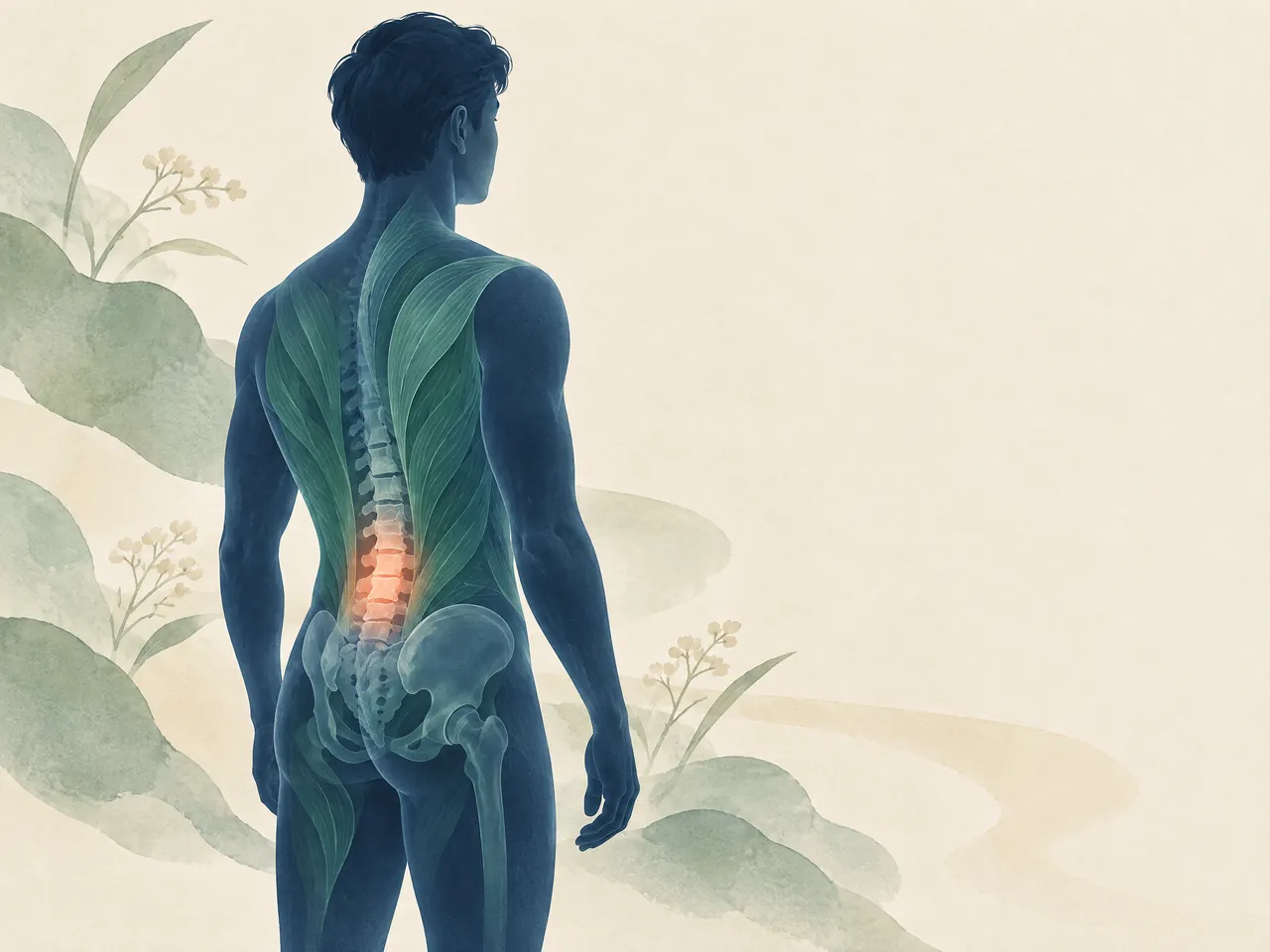
The short answer
For lower back pain, write down the onset, any fall or lifting event, movement limits, leg symptoms, medicines and previous scans before seeking advice. Non-specific low back pain means that no single disease or structural explanation has been confidently identified; it does not mean that the pain is imagined. Low back pain acupuncture may be considered within an individual care plan after red flags, nerve symptoms and relevant medical history have been checked.
Transparent pricing
See the fees.
Choose your care.
Explore our complete official price list, including first-trial prices, regular prices, packages and branch-specific options.
Opening WhatsApp prepares an enquiry; it does not send a message, take payment or confirm an appointment. Suitability and individual arrangements are confirmed during consultation.
Pain care
All prices in HKDExtracorporeal shockwave treatment
Shockwave treatment for deep-tissue and fascial care. The Kwun Tong clinic offers the multi-area options shown below.
Priced by branch
Branch-specific pricing
Prince Edward: HK$250 per area
Kwun Tong: HK$250 for 1 area / HK$450 for 2 areas / HK$600 for 3 areas
Pain care (manual therapy)
Includes Chinese medicine musculoskeletal assessment, manual joint techniques and tui na.
HK$580 (single session)
Chinese medicine musculoskeletal assessment
Pain care (acupuncture and manual therapy)
Combines acupuncture and manual therapy.
HK$680 (single session)
Combined care
Hair and scalp
All prices in HKDScalp health and hair-loss management
Includes AI scalp analysis, deep scalp and follicle cleansing, and scalp oil-control care.
HK$380 (first trial)
Regular price: HK$680
- 6 sessions: HK$3,480 (HK$580 per session)
- 12 sessions: HK$5,760 (HK$480 per session)
- 20 sessions: HK$8,600 (HK$430 per session)
- 30 sessions: HK$11,400 (HK$380 per session)
Hair acupuncture and Chinese herbal medicine package
Includes scalp acupuncture and 3 days of Chinese herbal medicine that does not require decoction.
HK$580 (single session)
Registered Chinese Medicine Practitioner consultation
- 6 sessions: HK$3,180 (HK$530 per session)
- 12 sessions: HK$5,760 (HK$480 per session)
- 20 sessions: HK$8,600 (HK$430 per session)
- 30 sessions: HK$11,400 (HK$380 per session)
Combined hair and scalp treatment
Combines acupuncture and Chinese herbal medicine with salon-level scalp and follicle care. Packages include complimentary hair-care shampoo and serum.
HK$1,260 (single session)
Combined treatment
- 8 sessions: HK$8,640 (HK$1,080 per session)
- 16 sessions: HK$15,680 (HK$980 per session)
- 20 sessions: HK$18,600 (HK$930 per session)
- 30 sessions: HK$26,400 (HK$880 per session)
Weight management
All prices in HKDFull-body acupoint embedding for weight management
Includes full-body acupoint embedding. Packages include complimentary Chinese herbal medicine for weight management, with the number of included days scaled to the package. Embedding material and the individual treatment arrangement are confirmed during consultation; this is not a cosmetic thread lift.
HK$980 (single session)
No trial session
- 10 sessions: HK$7,800 (HK$780 per session)
- 20 sessions: HK$14,600 (HK$730 per session)
- 30 sessions: HK$20,400 (HK$680 per session)
Facial acupuncture
All prices in HKDFacial acupuncture (basic)
Includes facial acupuncture and meridian-based facial care, including care for facial puffiness.
HK$480 (first trial)
Regular price: HK$680
- 10 sessions: HK$5,200 (HK$520 per session)
- 20 sessions: HK$9,600 (HK$480 per session)
- 30 sessions: HK$13,500 (HK$450 per session)
Facial acupuncture (advanced)
Includes enhanced facial acupuncture with a specially formulated moisturising mask and serum.
HK$780 (first trial)
Regular price: HK$1,180
- 10 sessions: HK$9,000 (HK$900 per session)
- 20 sessions: HK$16,600 (HK$830 per session)
- 30 sessions: HK$23,400 (HK$780 per session)
Chinese medicine
All prices in HKDAcupuncture and Chinese herbal medicine package
Includes a Chinese medicine consultation with pulse assessment, body acupuncture and 3 days of Chinese herbal granules that do not require decoction.
HK$580 (single session)
Chinese medicine consultation with pulse assessment
Lower Back Pain, Low Back Pain Acupuncture and Non-Specific Low Back Pain: Start with the Pattern
People use lower back pain for discomfort between the lower ribs and the buttocks. It may feel stiff, sore, sharp, catching or tired, and the same episode can feel different on different days. Make a short timeline instead of trying to name the cause from one sensation. Record the date it started, whether it followed a fall, lift, new training session, prolonged seated shift or gradual build-up, and whether it is improving, stable or more limiting. This pattern gives a practitioner information that a pain score alone cannot. WHO describes low back pain as a symptom that may be acute, subacute or chronic, and supports assessment tailored to the person. [1]
Be concrete about function. Note whether you can put on shoes, turn in bed, sit through a meeting, stand in an MTR carriage, carry groceries, climb stairs or walk at your normal pace. Say which movement is limited and what happens: local pulling, a sharp catch, leg pain, tingling or a feeling that the leg is unreliable. Include positions that ease the pain and how long an activity is tolerated before symptoms rise. A phone note with these details is more useful than reconstructing a difficult week in the consultation room. For a wider checklist, see back pain symptoms.
Non-specific low back pain means that assessment has not identified one particular disease or structural problem that confidently explains the pain. It does not mean the pain is imagined or that there is no plan. Muscles, joints, nerves, sleep, stress, work demands and confidence in movement can all influence function. A conversation may therefore cover daily load and recovery as well as the precise painful spot. For a stable episode without warning signs, the low back pain topic centre can help you prepare questions for an appropriate assessment.

Lower Back Pain, Low Back Pain Acupuncture and Non-Specific Low Back Pain: Record Onset and Movement Limits
Make the record specific enough to distinguish a new episode from a flare of an older one. Write whether pain began immediately while lifting, later that evening, after a cough or over several days. Mention a prior back operation, osteoporosis, cancer history, steroid use or a significant injury, because these can change the questions a clinician needs to ask. Bring a list or photos of medicines and supplements. If you have imaging, include the report date and body part scanned, but do not assume its wording tells the whole story.
Movement limits are most useful when compared with your normal life. A cyclist may be concerned about mounting a bike; a carer about lifting a child; an office worker about sitting through a meeting. Describe the task, direction of movement, point at which symptoms begin and how long they last after stopping. Note sleep disruption and whether coughing or sneezing changes pain. This detail supports an individual conversation about load, pacing and whether medical, rehabilitation or other assessment should come first.
Lower Back Pain, Low Back Pain Acupuncture and Non-Specific Low Back Pain: Note Leg Symptoms
Pain spreading from the back into a buttock or leg deserves a more precise description than “sciatica.” Mark the route: buttock, back of thigh, side of calf, foot or another area. Explain whether it is pain, pins and needles, numbness, cramping, heaviness or weakness, and whether it is on one side or both. Low back pain can radiate into the legs, and spine-related leg pain may include tingling, numbness or weakness. [1] The pattern matters more than selecting a label online.
Changes in power or control should not be treated as routine soreness. Tell a clinician promptly if a foot starts catching, stairs suddenly feel unsafe, standing from a chair is unexpectedly difficult, or numbness is spreading. If pain, tingling, weakness or numbness affects both legs, there is loss of sensation around the genitals or anus, or bladder or bowel control changes, seek emergency assessment rather than booking a complementary treatment. [2] A diary can help, but must not become a reason to wait.
Compare your options
| What you notice | Details worth recording | Why it helps guide the next step |
|---|---|---|
| Onset and trigger | First day, any lift, fall, sudden twist, long journey or gradual build-up | Helps distinguish a new event from a recurring or changing pattern. |
| Movement limits | Sitting, walking, bending, dressing, sleep, work or caring tasks affected | Shows the functional impact and makes activity advice more individual. |
| Leg symptoms | Side, route, numbness, tingling, pain, heaviness or weakness | Helps identify when a neurological assessment may be important. |
| Urgent changes | Both-leg symptoms, saddle numbness, bladder or bowel change, fever, chest pain or serious injury | Signals a need for urgent or emergency medical assessment, not a routine treatment appointment. |
| Previous care | Medicine list, scans with dates, prior treatment and response | Allows a clinician to interpret history and avoid assumptions from one report or one label. |
On smaller screens, scroll the table sideways to compare all columns.
Lower Back Pain, Low Back Pain Acupuncture and Non-Specific Low Back Pain: Understand Possible Sources
A lower-back episode can have more than one contributor. An awkward lift may strain tissues, but prolonged fixed posture, repeated vibration, reduced conditioning, poor sleep, stress about movement and a return to demanding work can all influence function. The Hospital Authority notes that history and clinical examination commonly guide assessment, with X-ray, MRI or CT used in selected circumstances to assess structures such as discs, joints and nerves. [3] The aim is to identify whether a specific condition needs targeted medical care or a broader plan for non-specific low back pain is appropriate.
It is understandable to focus on a scan report, especially when it mentions degeneration, protrusion or narrowing. Yet imaging is one piece of information, not a personal forecast. A report must be read beside symptoms, examination, age, previous episodes and change over time. A scan may be important when a clinician suspects fracture, serious disease or nerve involvement, but it cannot alone prove the source of every painful movement. Ask what finding, if any, matches your symptoms. Avoid escalating treatment just because a report sounds alarming without clinical context.

When people ask about low back pain acupuncture, the safer starting point is assessment rather than a prediction. A registered Chinese medicine practitioner may ask about onset, pain behaviour, sleep, medicines, bleeding risk, previous care and leg symptoms before discussing whether acupuncture has a role alongside medical or rehabilitation care. Needling is not a substitute for urgent assessment, neurological examination when indicated, or treatment of a serious cause. Ask what a session is intended to support, what should make you stop, and how daily function will be reviewed.

In Hong Kong, plan the care conversation you need before choosing a service. The overview on Hong Kong low back pain care explains questions for comparing assessment and self-directed symptom management. If pain is focused at the base of the spine after prolonged sitting or a fall, it may be more relevant to read about tailbone pain causes than to assume every seated pain is lumbar. Location matters, but does not replace assessment when symptoms are severe or changing.
Lower Back Pain, Low Back Pain Acupuncture and Non-Specific Low Back Pain: Why Scans Need Context
Ask three practical questions when reviewing imaging: Why was it ordered? Which reported finding matches my current symptoms and examination? What decision would change because of it? If a report describes disc or joint changes but there are no matching neurological symptoms, the plan may still focus on supported movement, activity and rehabilitation. Conversely, new weakness, progressive numbness or bladder or bowel changes are not reassured away by an old scan. WHO recommends comprehensive clinical and psychosocial assessment at the onset of low back pain. [1]

Lower Back Pain, Low Back Pain Acupuncture and Non-Specific Low Back Pain: Keep Activity Individualised
Individualised activity does not mean pushing through sharp worsening pain or avoiding every bend. Start with essential, tolerable movement: changing sitting positions, a short level walk, light tasks broken into stages, or exercises already prescribed by a qualified clinician. Increase one element at a time, such as duration, distance or load. At a desk, alternate sitting with standing or a brief walk rather than seeking one perfect posture. For lifting, plan the route, keep the object close, avoid twisting under load and ask for help when needed. [3]
Lower Back Pain, Low Back Pain Acupuncture and Non-Specific Low Back Pain: Know When to Seek Help
Most low-back episodes are not emergencies, but important exceptions should be recognised early. Seek urgent medical advice for severe pain that starts suddenly or worsens quickly, especially if you feel feverish, shivery or generally unwell. Review is also sensible when pain is not improving after a few weeks of self-care, stops everyday activity, is worse at night or at rest, follows unexplained weight loss, or leaves you struggling to cope. [2] These signs call for clarification, not certainty that a serious condition is present.
Emergency assessment is needed after a serious accident, with chest pain, new loss of feeling around the genitals or anus, new bladder or bowel changes, or numbness or weakness in both legs. [2] The Hospital Authority also identifies progressive weakness, persistent numbness, urinary retention or loss of bowel control as important in possible nerve compression. [3] Do not mask these changes with heat, stretching, massage or acupuncture while waiting to see whether they pass. If unsure, describe the change to an emergency service or medical professional rather than relying on a web checklist.

A safe consultation is a shared sorting process, not a test of endurance. Say what you need to return to: sleeping, commuting, caring, standing at work or exercise. Then give the timeline, leg symptoms, past episodes, relevant conditions, medicine list and reports. If you are considering Chinese medicine, ask how the practitioner will respond if examination suggests medical or physiotherapy assessment. For a non-urgent enquiry, see the Kwun Tong Chinese medicine clinic and Chinese medicine clinic Prince Edward pages. State language needs through WhatsApp before confirming arrangements.
Lower Back Pain, Low Back Pain Acupuncture and Non-Specific Low Back Pain: Recognise Urgent Warning Signs
Seek emergency assessment for saddle-area numbness; new trouble passing urine, urinary retention, or loss of urine or stool control; or new pain, tingling, numbness or weakness in both legs. A serious accident and chest pain also require emergency help rather than a routine back-pain appointment. [2] These symptoms can have different causes, but may signal conditions requiring prompt assessment. If helping someone else, note when the change began and take their medicine list if possible, but do not delay travel for a detailed diary.
Arrange prompt medical review for fever, feeling unwell, rapid worsening, unexplained weight loss, a back lump or shape change, or pain that is persistently worse at night or does not respond as expected. [2] Pain after a fall may need a different level of assessment depending on the force of injury, age and health history. Give the details rather than minimising it as “just a backache.” Assessment should come before deciding whether supportive options, including low back pain acupuncture, are appropriate.

Lower Back Pain, Low Back Pain Acupuncture and Non-Specific Low Back Pain: Plan a Safe Consultation
Before the visit, prepare a one-page summary: onset and trigger; pain location and spread; activities you cannot do; numbness, tingling or weakness; medicines, anticoagulants and supplements; important conditions; and dates and results of relevant scans. Add what you have tried, including exercise, heat, cold, medication, massage, physiotherapy, acupuncture or Chinese herbal products, and how each affected symptoms. This helps a practitioner recognise treatments that may matter to the plan.
Ask what the working explanation is, what warning signs would change the plan, what activity is reasonable this week, and when progress should be reviewed. If acupuncture is discussed, ask about its intended role alongside medical or rehabilitation advice. Contact TCM Lab on WhatsApp at +852 6940 5663 to describe lower back pain, leg symptoms and your preferred location. If you report warning signs, seek medical help first rather than waiting for a reply.
Care and health guide
Low back discomfort: care information
This directory brings together services, reading, and visit information related to low back discomfort, to help you prepare questions for a consultation.
When low back discomfort affects your day, noting when it occurs, its relation to activity, and what you have already tried can help prepare a consultation; acupuncture for low back pain is a relevant service or reading entry point.
Individual circumstances differ, and acupuncture Hong Kong offers related information to help you understand options and prepare questions.


Your questions, answered
Frequently asked questions
Is sudden lower back pain always a muscle strain?
No. A strain is one possible explanation, but a back episode can also relate to joints, discs, nerve involvement, a fracture after injury, referred pain or other conditions. Record the trigger and symptoms, and seek urgent assessment for warning signs such as bilateral weakness or numbness, saddle numbness, bladder or bowel change, chest pain, fever with feeling unwell, or serious trauma.
What does non-specific low back pain mean?
It means that assessment has not identified a single disease or structural problem that confidently explains the pain. It does not mean that the pain is unreal or that nothing can be done. Care can focus on function, gradual activity, relevant rehabilitation and review of changes, while remaining alert to symptoms that call for further assessment.
Should I get a scan for low back pain?
A clinician can decide whether imaging is useful after taking the history and examining you. Scans can help investigate selected concerns, but degeneration or a disc finding must be interpreted with your symptoms and examination. Seek urgent medical help for new neurological or bladder/bowel warning signs rather than waiting for a routine scan discussion.
Is low back pain acupuncture suitable for everyone?
Not necessarily. A discussion should take account of the pain pattern, medicines, health history, bleeding risk, current medical care and any neurological symptoms. Acupuncture should not replace urgent assessment, investigation or rehabilitation when those are needed. Ask the practitioner how it would fit into your wider care plan and what change should prompt a medical review.
Sources and further information
- [1] [1] World Health Organization — Low back pain
Referenced for: Definitions of low back pain and non-specific low back pain, leg symptoms, comprehensive assessment, rehabilitation and self-care framing.
- [2] [2] NHS — Back pain
Referenced for: Urgent and emergency warning signs, activity and bed-rest advice, and heat/ice self-care context.
- [3] [3] Hong Kong Hospital Authority Smart Patient — Low Back Pain
Referenced for: Hong Kong patient guidance on symptom language, assessment and selective imaging context, load management, and nerve or bladder/bowel warning signs.