
TCM Lab · Health reading
TCM for indigestion: Chinese medicine for bloating and acupuncture for bloating
Published Updated
Indigestion and bloating are not always the same experience. One person may feel uncomfortably full after a modest meal, another may notice repeated belching after eating quickly, and another may feel abdominal pressure that changes with constipation or diarrhoea. For stomach bloating, start by noting the timing, foods, portion size, bowel pattern and any burning or pain. TCM for indigestion can be discussed as a personalised, supportive approach after assessment; Chinese medicine for bloating and acupuncture for bloating are not substitutes for finding the cause. Arrange medical assessment promptly for severe pain, trouble swallowing, repeated vomiting, vomiting blood, black or bloody stools, or unintentional weight loss [3].
Appointments are confirmed through WhatsApp. If you have language requirements, please mention them in your enquiry.
The short answer
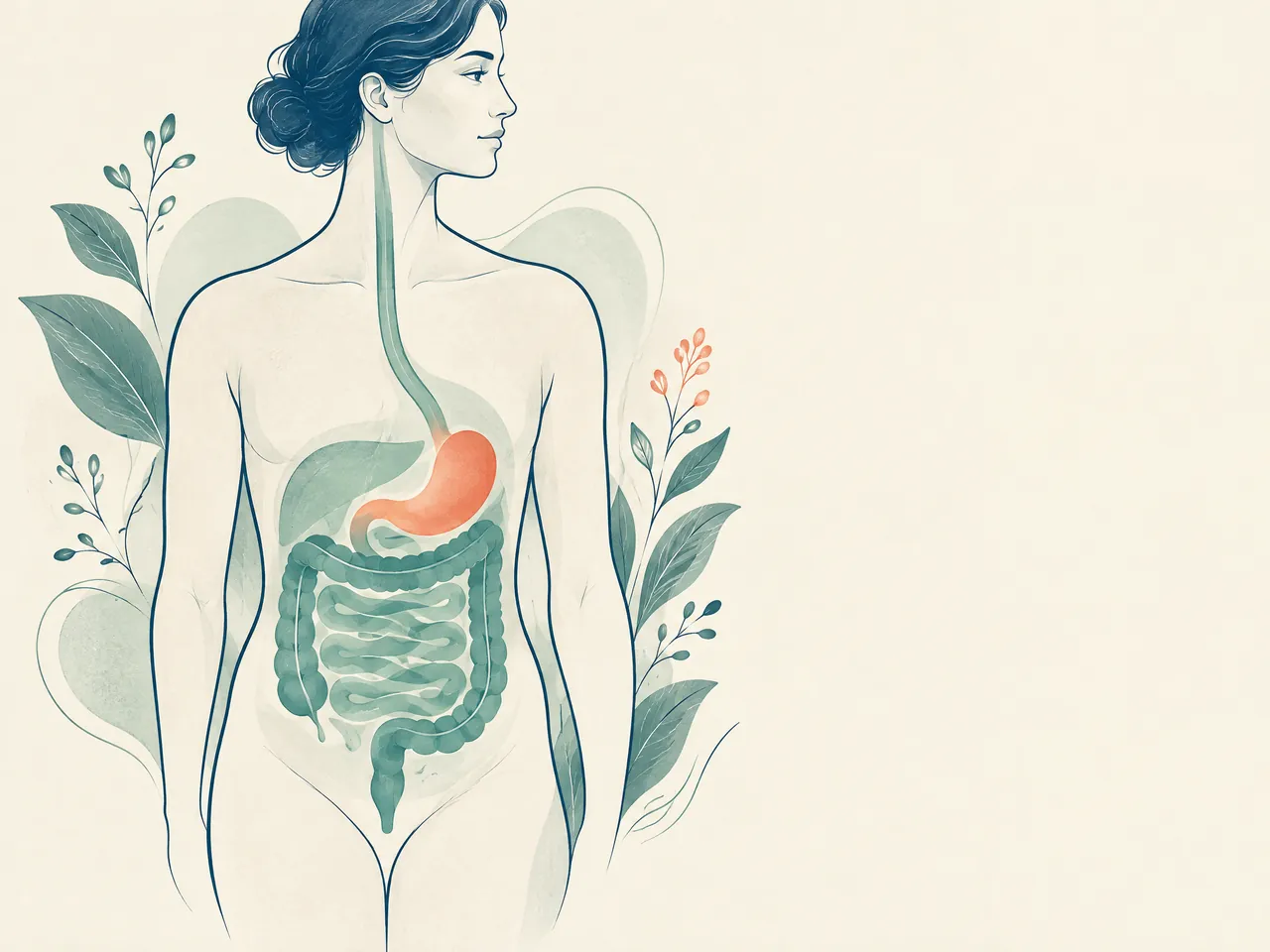
Bloating and indigestion can be linked to meals, swallowed air, constipation, bowel changes, reflux-type symptoms or another health issue. A short food-and-symptom record helps show what happens before and after symptoms. TCM for indigestion, Chinese medicine for bloating and acupuncture for bloating may be discussed as individual supportive options after assessment, while persistent or alarming symptoms need medical evaluation.
Transparent pricing
See the fees.
Choose your care.
Explore our complete official price list, including first-trial prices, regular prices, packages and branch-specific options.
Opening WhatsApp prepares an enquiry; it does not send a message, take payment or confirm an appointment. Suitability and individual arrangements are confirmed during consultation.
Chinese medicine
All prices in HKDAcupuncture and Chinese herbal medicine package
Includes a Chinese medicine consultation with pulse assessment, body acupuncture and 3 days of Chinese herbal granules that do not require decoction.
HK$580 (single session)
Chinese medicine consultation with pulse assessment
Hair and scalp
All prices in HKDScalp health and hair-loss management
Includes AI scalp analysis, deep scalp and follicle cleansing, and scalp oil-control care.
HK$380 (first trial)
Regular price: HK$680
- 6 sessions: HK$3,480 (HK$580 per session)
- 12 sessions: HK$5,760 (HK$480 per session)
- 20 sessions: HK$8,600 (HK$430 per session)
- 30 sessions: HK$11,400 (HK$380 per session)
Hair acupuncture and Chinese herbal medicine package
Includes scalp acupuncture and 3 days of Chinese herbal medicine that does not require decoction.
HK$580 (single session)
Registered Chinese Medicine Practitioner consultation
- 6 sessions: HK$3,180 (HK$530 per session)
- 12 sessions: HK$5,760 (HK$480 per session)
- 20 sessions: HK$8,600 (HK$430 per session)
- 30 sessions: HK$11,400 (HK$380 per session)
Combined hair and scalp treatment
Combines acupuncture and Chinese herbal medicine with salon-level scalp and follicle care. Packages include complimentary hair-care shampoo and serum.
HK$1,260 (single session)
Combined treatment
- 8 sessions: HK$8,640 (HK$1,080 per session)
- 16 sessions: HK$15,680 (HK$980 per session)
- 20 sessions: HK$18,600 (HK$930 per session)
- 30 sessions: HK$26,400 (HK$880 per session)
Weight management
All prices in HKDFull-body acupoint embedding for weight management
Includes full-body acupoint embedding. Packages include complimentary Chinese herbal medicine for weight management, with the number of included days scaled to the package. Embedding material and the individual treatment arrangement are confirmed during consultation; this is not a cosmetic thread lift.
HK$980 (single session)
No trial session
- 10 sessions: HK$7,800 (HK$780 per session)
- 20 sessions: HK$14,600 (HK$730 per session)
- 30 sessions: HK$20,400 (HK$680 per session)
Facial acupuncture
All prices in HKDFacial acupuncture (basic)
Includes facial acupuncture and meridian-based facial care, including care for facial puffiness.
HK$480 (first trial)
Regular price: HK$680
- 10 sessions: HK$5,200 (HK$520 per session)
- 20 sessions: HK$9,600 (HK$480 per session)
- 30 sessions: HK$13,500 (HK$450 per session)
Facial acupuncture (advanced)
Includes enhanced facial acupuncture with a specially formulated moisturising mask and serum.
HK$780 (first trial)
Regular price: HK$1,180
- 10 sessions: HK$9,000 (HK$900 per session)
- 20 sessions: HK$16,600 (HK$830 per session)
- 30 sessions: HK$23,400 (HK$780 per session)
Pain care
All prices in HKDExtracorporeal shockwave treatment
Shockwave treatment for deep-tissue and fascial care. The Kwun Tong clinic offers the multi-area options shown below.
Priced by branch
Branch-specific pricing
Prince Edward: HK$250 per area
Kwun Tong: HK$250 for 1 area / HK$450 for 2 areas / HK$600 for 3 areas
Pain care (manual therapy)
Includes Chinese medicine musculoskeletal assessment, manual joint techniques and tui na.
HK$580 (single session)
Chinese medicine musculoskeletal assessment
Pain care (acupuncture and manual therapy)
Combines acupuncture and manual therapy.
HK$680 (single session)
Combined care
TCM for indigestion, Chinese medicine for bloating and acupuncture for bloating: recognise the pattern
Indigestion, also called dyspepsia, is a cluster of upper-digestive symptoms rather than one single diagnosis. It can include upper-abdominal discomfort or burning, becoming full too soon, uncomfortable fullness after eating, bloating, nausea and belching [1]. That description is useful because it separates a meal-related fullness from a general sense of abdominal expansion. Notice the location as well as the feeling: pressure high under the ribs, a burning sensation behind the breastbone, and lower-abdominal distension can point the conversation in different directions.
Patterns matter more than one uncomfortable meal. Ask whether the symptom occurs during a meal, immediately afterwards, later in the day, or mainly when you have not opened your bowels. Also note whether it is occasional, recurring, or steadily changing. This is not a way to diagnose yourself. It is a practical way to give a doctor or practitioner a sequence of events, including what makes the day unusual. If the main concern is ongoing fullness after food, the related guide to postprandial fullness can help you describe that specific sensation clearly.
TCM for indigestion, Chinese medicine for bloating and acupuncture for bloating after meals
For symptoms that follow meals, begin with ordinary details rather than labels. Record the meal time, how hungry you were beforehand, the rough portion, drinks, and whether you rushed, talked while chewing or ate while working. Then record when fullness, pressure, belching, nausea or burning began and how long it lasted. A meal that seems harmless to one person may still be relevant if the amount, eating speed, late timing or combination of foods changes. A repeated pattern is more informative than a single reaction after a celebratory dinner.
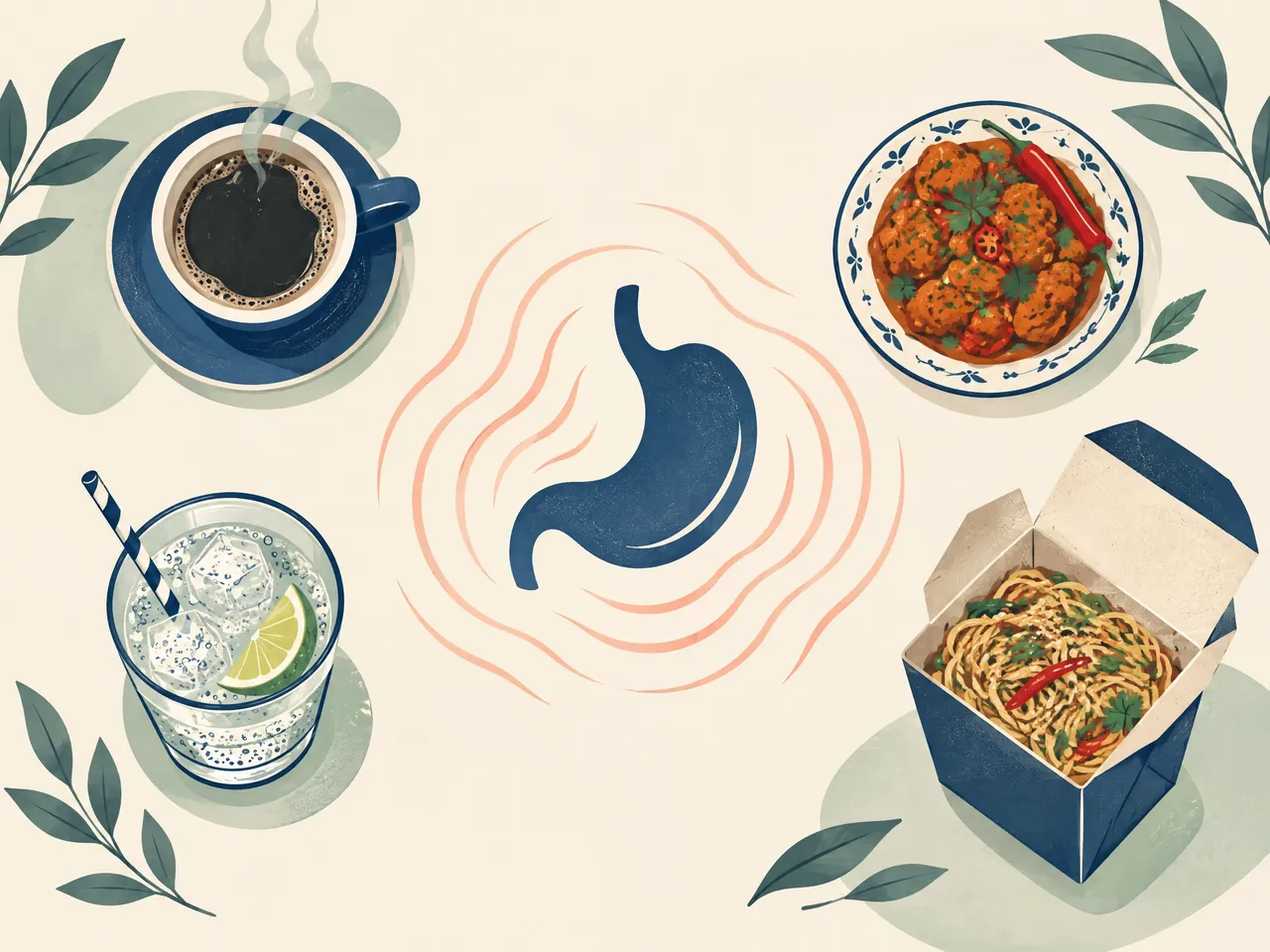
A simple first adjustment can be to sit down for meals, eat at a comfortable pace, and avoid deliberately overfilling the stomach. Rather than imposing a long list of forbidden foods, test one realistic change while keeping the rest of the record consistent. Carbonated drinks, rich or fatty foods, and coffee are examples some people identify as aggravating indigestion, but a personal record and clinical advice are more useful than copying someone else’s avoidance list [1] [3]. For a closer look at the timing of bloating after eating, describe whether the abdomen feels distended, whether you belch, and whether relief follows passing gas or opening the bowels.

TCM for indigestion, Chinese medicine for bloating and acupuncture for bloating with bowel changes
When bloating is accompanied by constipation, diarrhoea, urgency or a change in stool frequency, do not assume it is only a stomach problem. Irritable bowel syndrome is one condition in which repeated abdominal pain occurs with changes in bowel movements, which may involve constipation, diarrhoea, or both [2]. That does not mean every bowel change is IBS. It means the relationship between the discomfort and bowel movements is relevant information for a medical assessment and for a traditional consultation.
Include bowel movements in the same diary as meals: write down the date, general stool consistency, effort or urgency, and whether the pressure improves, worsens or remains unchanged afterwards. Avoid trying to force a result with abrupt, multiple diet changes at once. If burning in the chest, sour fluid, or symptoms when lying down are the main issue, that is a different symptom story from lower-bowel pressure; see Chinese medicine for acid reflux for a focused discussion, while seeking medical advice for persistent reflux-type symptoms.
Compare your options
| What you notice | What to write down | Why the detail helps the discussion |
|---|---|---|
| Fullness soon after starting a meal | Meal time, appetite beforehand, rough portion, when the fullness begins and whether it limits eating | Distinguishes early fullness from discomfort that develops later after a larger meal |
| Bloating or belching after eating | Foods and drinks, eating pace, talking while eating, gum or fizzy drinks, and onset time | Helps identify repeatable meal or air-swallowing contexts without assuming one cause |
| Pressure that changes with bowel movements | Frequency, constipation or loose stools, urgency, effort, and whether symptoms change afterwards | Shows whether bowel changes should be part of the medical and traditional assessment |
| Burning, nausea or symptoms at night | Location of the sensation, relation to lying down, medicines taken, vomiting and sleep disruption | Clarifies whether reflux-type symptoms or another upper-digestive concern needs separate attention |
On smaller screens, scroll the table sideways to compare all columns.
TCM for indigestion, Chinese medicine for bloating and acupuncture for bloating: review daily factors
Daily factors can make a digestive pattern easier or harder to see. A food record does not have to be perfect or restrictive. Its job is to capture a representative week: workday lunches, late meals, snacks, drinks, busy commutes and quieter days. Write facts before interpretations. “Noodles at 1 pm; tight upper abdomen at 2 pm; improved by evening” is more useful than “noodles are bad.” It gives a clinician something concrete to ask about and reduces the temptation to remove large food groups without a clear reason.
Use the record to look for repeatable combinations rather than blaming one ingredient. For example, a symptom may appear after large evening meals, after fizzy drinks when meals are rushed, or during periods when bowel movements are less regular. It may also occur without an obvious food trigger. Each finding changes the next question. The comparison below shows what to record for common presentations and why it is useful; it does not assign a diagnosis or prescribe a treatment.

TCM for indigestion, Chinese medicine for bloating and acupuncture for bloating through a food diary
Keep the diary short enough to use. Alongside meal and symptom times, add the amount in plain terms, such as light, usual or larger than usual. Note drinks, gum or mints, and whether you were eating on the move. Include symptoms that seem separate, such as early fullness, belching, nausea, chest burning, lower-abdominal cramping, constipation or loose stools. Bring the list of medicines and supplements too. Some medicines can contribute to indigestion, and this context may affect what a doctor chooses to assess [1].
A diary is evidence for a conversation, not proof of a food intolerance and not a challenge to “catch” a trigger. If a suspected item keeps appearing, discuss that observation with an appropriate healthcare professional before making a restrictive long-term diet. People with recurrent symptoms may need different next steps depending on their age, history, examination and associated signs. The useful outcome is a clear question: “Does the symptom follow this meal pattern, and what should I investigate next?”

TCM for indigestion, Chinese medicine for bloating and acupuncture for bloating alongside lifestyle habits
Lifestyle review is about the conditions around eating, not about blaming stress or willpower. Consider meal timing, how quickly you eat, alcohol or caffeinated drinks, smoking, sleep, physical activity, and the pressure of work or caregiving. Anxiety can change eating pace and increase air swallowing for some people, while a late heavy meal may make another person notice symptoms on lying down. Note the situation as well as the food. That makes it easier to choose one manageable experiment, such as a calmer lunch break or avoiding a known late-night trigger.
Gentle movement, regular fluids and a predictable opportunity to use the toilet may be practical parts of a routine when constipation is a concern, but they do not replace medical advice for new or worsening symptoms. Do not stop prescribed acid-reducing or bowel medicines because a lifestyle change seems promising. If reflux is part of the picture, the guide to acid reflux treatment Hong Kong explains why symptom details and professional assessment still matter. The goal is a manageable routine and a better account of what is happening, not a promise that one habit will solve every form of bloating.
TCM for indigestion, Chinese medicine for bloating and acupuncture for bloating: discuss suitable support
A traditional Chinese medicine consultation starts with listening to the particular symptom pattern and its context. A registered Chinese medicine practitioner may ask about appetite, meal timing, fullness, pain, belching, nausea, bowel habits, sleep, energy, mood, temperature preferences, past health and current treatment. Traditional pattern terms may be used to organise that discussion. They are part of a traditional assessment and are not the same as a modern medical diagnosis. Bring your food diary, medication list and any relevant medical findings so the discussion is based on the whole situation.
After assessment, Chinese medicine for bloating may include a conversation about individualised herbal medicine, dietary habits or acupuncture for bloating. Suitability cannot be decided from a web page, and no fixed number of treatments or outcome can be promised. Research and safety information should be read with care: acupuncture involves insertion of fine needles, and complications can occur when it is delivered improperly [4]. Complementary care should not delay assessment of a symptom that might need conventional investigation. A shared plan is safer when every provider knows what medicines, supplements and treatments are being used.

TCM for indigestion, Chinese medicine for bloating and acupuncture for bloating in a traditional assessment
Prepare a concise account for the first consultation. Start with the main concern in your own words: “I am full after a few bites,” “I bloat after lunch,” or “The pressure improves only after a bowel movement.” Then explain when it began, whether it is changing, what you have tried, and what you want clarified. Mention previous diagnoses, operations, pregnancy or breastfeeding where relevant, allergies and family history if a doctor has raised a digestive concern. Clear information helps the practitioner decide what questions to ask rather than treating a search term as a diagnosis.
It is reasonable to ask what approach is being considered, what it is intended to support, what information would make the practitioner recommend medical review, and how progress would be reviewed. If herbal medicine is discussed, do not assume a formula that helped a friend suits you. If acupuncture is discussed, tell the practitioner about all conditions and medicines, and ask any practical safety questions you have. The decision can remain open: an assessment may lead to monitoring, lifestyle support, a complementary option, referral, or a combination of these rather than a pre-set course.

TCM for indigestion, Chinese medicine for bloating and acupuncture for bloating with medical safety in mind
Seek prompt medical care instead of waiting for a complementary consultation if you have severe pain, difficulty swallowing, persistent vomiting, vomit that contains blood, black or bloody stools, marked unintentional weight loss, or a new lump-like sensation in the abdomen [3]. Recurrent indigestion also deserves medical advice, especially when the pattern is new, worsening or disrupting eating. Depending on the symptoms, a doctor may use history, examination and selected tests such as testing for <em>H. pylori</em>, imaging or upper endoscopy to investigate the cause [1].
Medication safety is part of every discussion. Give the practitioner the names or photos of all prescribed medicines, over-the-counter remedies, herbs and supplements. Do not stop, lower or replace prescribed treatment by yourself. Tell your prescribing doctor if you begin a complementary approach, particularly when symptoms are ongoing or medicines are being adjusted. To enquire about an assessment, you may contact TCM Lab and state whether a Kwun Tong Chinese medicine clinic or a Chinese medicine clinic Prince Edward is more convenient. Share the symptom pattern and any language needs so the appointment arrangement can be confirmed.
Care and health guide
Health service information
This directory brings together services, reading, and visit information related to health services, to help you prepare questions for a consultation.
If you are organising health questions, Chinese medicine clinic Hong Kong is a starting point for learning about related services and preparing for a consultation.
People have different needs; acupuncture Hong Kong provides further reading to help you understand options in your own context.


Your questions, answered
Frequently asked questions
How long does it take to notice a change after discussing TCM for indigestion?
There is no reliable fixed timetable. The next step depends on the symptom pattern, possible contributors, other care and what is found during assessment. Keep a short record so changes can be reviewed honestly. If symptoms persist, worsen or affect eating, seek medical advice rather than waiting for a promised number of sessions.
Can Chinese medicine permanently cure long-term bloating?
A permanent cure cannot be promised. Long-term bloating can have different contributors, including meal-related symptoms, constipation, bowel changes, reflux-type symptoms or another medical condition. A traditional consultation may discuss supportive options, but continuing or changing symptoms deserve appropriate medical assessment.
Can I have acupuncture for bloating while taking stomach medicine?
Discuss it with both the practitioner and the clinician who prescribed your medicine. Bring a complete list of medicines, supplements and herbal products, and do not stop or change prescribed treatment yourself. The decision should take account of your diagnosis, symptoms and current care.
What should I bring to a consultation about post-meal fullness or bloating?
Bring a brief food-and-symptom diary, a list of medicines and supplements, relevant medical results if you have them, and notes about bowel changes, vomiting, weight change or swallowing difficulty. State the main concern in plain language and mention any red-flag symptom immediately.
Sources and further information
- [1] NIDDK — Indigestion (Dyspepsia)
Referenced for: Supports the definition, symptom range, possible assessment and investigation context for indigestion.
- [2] NIDDK — Irritable Bowel Syndrome
Referenced for: Supports the description of IBS as abdominal pain with bowel-movement changes and the need for clinical assessment.
- [3] NHS — Indigestion
Referenced for: Supports common indigestion symptoms, self-care context and signs requiring medical review.
- [4] NCCIH — Acupuncture: Effectiveness and Safety
Referenced for: Supports the description of acupuncture and the safety statement that improper delivery can cause complications.