Mark which part of the reference you actually want
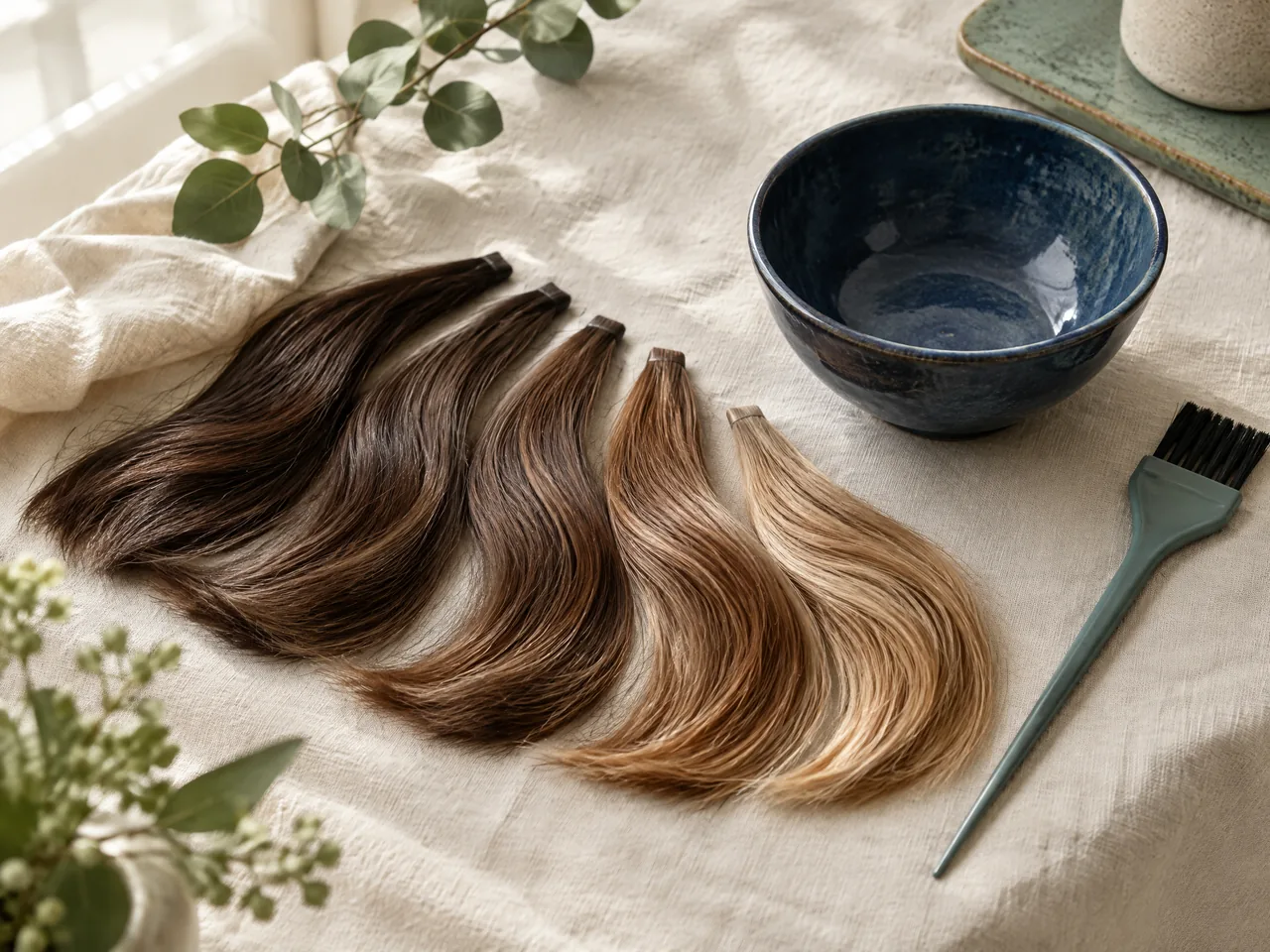
Before saving another shade, mark three areas on a copy of your favourite photograph: the crown, a shaded length and the brightest reflection. Write a separate description beside each. A picture might contain a deep neutral crown, golden lengths and a pale highlight, even though its caption gives the whole look one brown name. Decide which area represents the brown you would like to see most often, rather than requesting every visible colour at once.
Keep an uncropped copy so the darker spaces remain visible. Then ask whether your chosen impression should run throughout the hair or appear only in selected pieces. For a consultation, bring a second reference with less brightness and explain which feature you are willing to change. The existing Vit So depth resource recommends comparing shaded areas and clarifying whether the proposed work changes roots, lengths or includes separate lightening. [3] Use those questions to describe the request; neither image establishes the process your hair can tolerate.
Use a physical sample to clarify the reflection
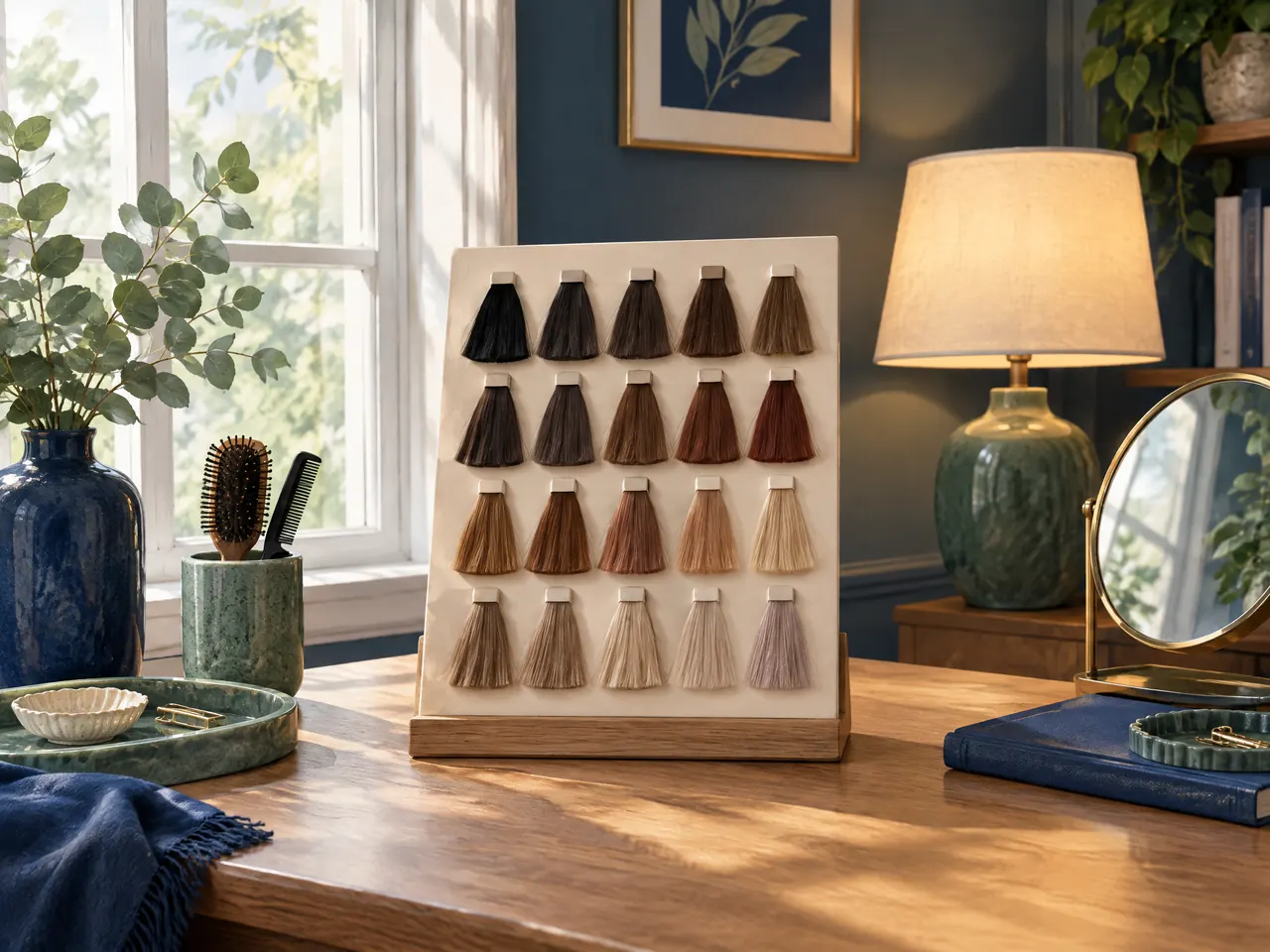
If a stylist has physical brown samples available, ask to compare two of similar depth against the same plain background. Move the same pair from indirect window light to a familiar indoor lamp, keeping their position and direction consistent. This extends the two-light exercise beyond photographs: OpenStax explains that illumination affects the appearance of an object. [1] Describe what you see in the actual samples instead of treating a screen image as the deciding reference.
Look at the samples hanging straight before turning them together. Record whether you prefer the quieter shaded brown or the brighter reflection when they face the light. Ask which sample features are intended to illustrate depth and which illustrate tone. A sample helps communicate a preference, but it is not a preview of dye on your roots or previously treated ends. Keep that distinction in the conversation if the sample looks appealing but its overall brightness is more change than you want.
Ask what the care routine is meant to preserve
Turn the later-look preference into a product question: are you trying to keep a golden reflection, retain a muted impression or simply avoid an unwanted cast? Bring the names of your usual shampoo and conditioner rather than asking for a generic colour-care routine. Ask whether any proposed product is intended to clean, condition or alter the visible tone, and how its instructions fit the brown you deliberately chose.
When recording a later appearance change, note any new product alongside the date and your usual-light photographs. Keep the washing and drying context in your notes so a freshly styled view is not confused with a different shade. This is a record for discussion, not proof that a product caused the change. If the brown still feels comfortable in your normal outfits, ask whether any refresh is necessary before adding an extra corrective step.