
TCM Lab · Services and individual assessment
Chinese medicine for hair loss; TCM for hair loss; traditional Chinese medicine for hair loss: A Whole-Person Approach to Hair Loss Care
Published Updated
Hair loss can be gradual, suddenly noticeable after a change in health or routine, or limited to particular areas of the scalp. Chinese medicine for hair loss at TCM Lab begins with a consultation rather than a one-size-fits-all hair-growth promise. A registered Chinese medicine practitioner can ask about the pattern of shedding or thinning, scalp comfort, general health, medicines, sleep, stress and daily habits, then explain whether Chinese herbal medicine, acupuncture or another approach is appropriate to discuss. Conventional medical assessment remains important when the cause is unclear, the change is rapid or there are concerning scalp symptoms. Care is individual, and neither regrowth nor a fixed treatment duration can be guaranteed.
Appointments are confirmed through WhatsApp. If you have language requirements, please mention them in your enquiry.
The short answer
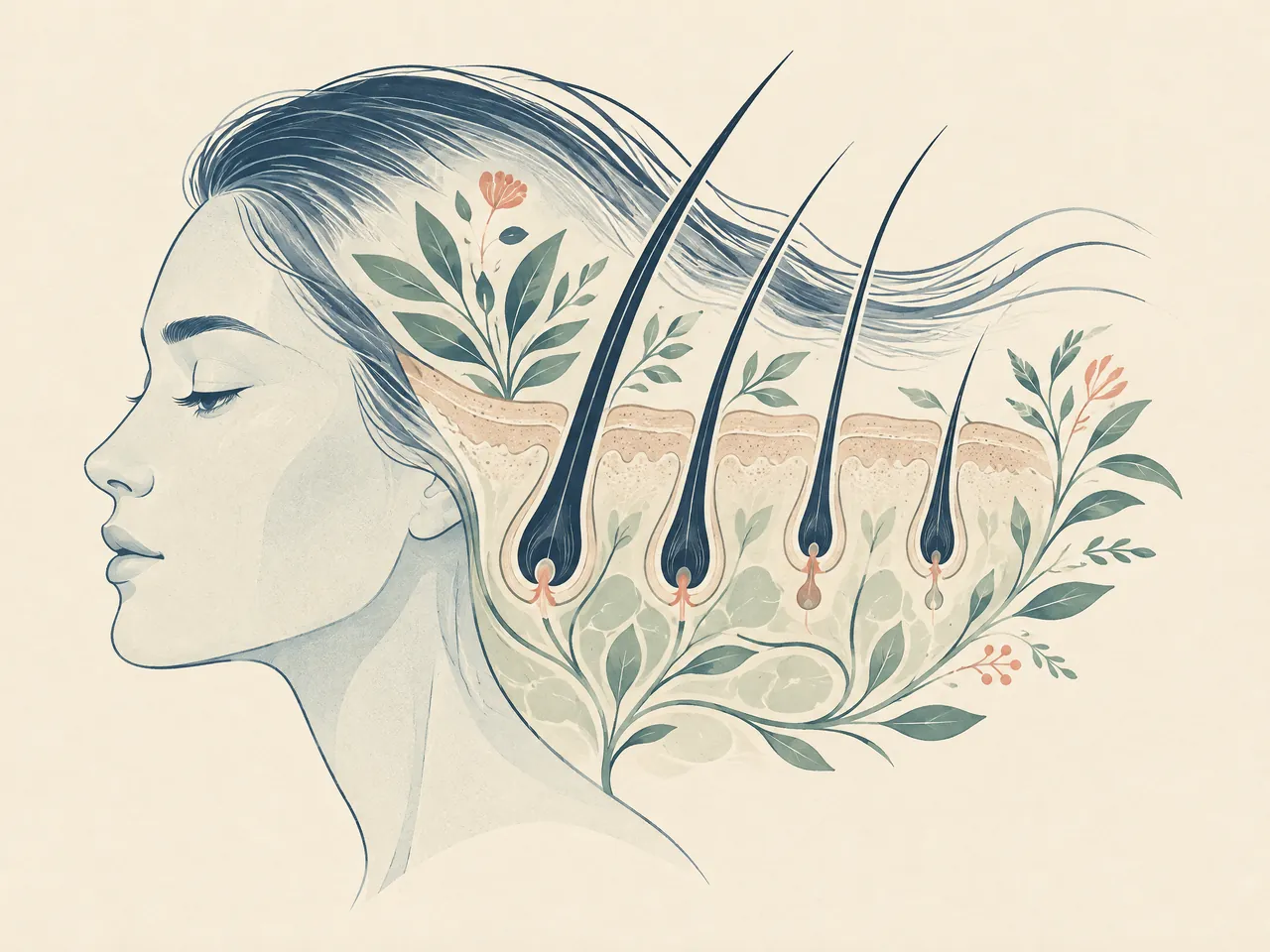
TCM for hair loss starts with understanding the type and timing of the change, the scalp and your wider health context. A registered Chinese medicine practitioner may use traditional pattern assessment and discuss options such as herbal medicine or acupuncture where suitable. It is not a guaranteed regrowth programme. Sudden, patchy, painful or otherwise worrying hair loss should be assessed promptly by a qualified medical professional while you consider any complementary care.
Transparent pricing
See the fees.
Choose your care.
Explore our complete official price list, including first-trial prices, regular prices, packages and branch-specific options.
Opening WhatsApp prepares an enquiry; it does not send a message, take payment or confirm an appointment. Suitability and individual arrangements are confirmed during consultation.
Hair and scalp
All prices in HKDScalp health and hair-loss management
Includes AI scalp analysis, deep scalp and follicle cleansing, and scalp oil-control care.
HK$380 (first trial)
Regular price: HK$680
- 6 sessions: HK$3,480 (HK$580 per session)
- 12 sessions: HK$5,760 (HK$480 per session)
- 20 sessions: HK$8,600 (HK$430 per session)
- 30 sessions: HK$11,400 (HK$380 per session)
Hair acupuncture and Chinese herbal medicine package
Includes scalp acupuncture and 3 days of Chinese herbal medicine that does not require decoction.
HK$580 (single session)
Registered Chinese Medicine Practitioner consultation
- 6 sessions: HK$3,180 (HK$530 per session)
- 12 sessions: HK$5,760 (HK$480 per session)
- 20 sessions: HK$8,600 (HK$430 per session)
- 30 sessions: HK$11,400 (HK$380 per session)
Combined hair and scalp treatment
Combines acupuncture and Chinese herbal medicine with salon-level scalp and follicle care. Packages include complimentary hair-care shampoo and serum.
HK$1,260 (single session)
Combined treatment
- 8 sessions: HK$8,640 (HK$1,080 per session)
- 16 sessions: HK$15,680 (HK$980 per session)
- 20 sessions: HK$18,600 (HK$930 per session)
- 30 sessions: HK$26,400 (HK$880 per session)
Weight management
All prices in HKDFull-body acupoint embedding for weight management
Includes full-body acupoint embedding. Packages include complimentary Chinese herbal medicine for weight management, with the number of included days scaled to the package. Embedding material and the individual treatment arrangement are confirmed during consultation; this is not a cosmetic thread lift.
HK$980 (single session)
No trial session
- 10 sessions: HK$7,800 (HK$780 per session)
- 20 sessions: HK$14,600 (HK$730 per session)
- 30 sessions: HK$20,400 (HK$680 per session)
Facial acupuncture
All prices in HKDFacial acupuncture (basic)
Includes facial acupuncture and meridian-based facial care, including care for facial puffiness.
HK$480 (first trial)
Regular price: HK$680
- 10 sessions: HK$5,200 (HK$520 per session)
- 20 sessions: HK$9,600 (HK$480 per session)
- 30 sessions: HK$13,500 (HK$450 per session)
Facial acupuncture (advanced)
Includes enhanced facial acupuncture with a specially formulated moisturising mask and serum.
HK$780 (first trial)
Regular price: HK$1,180
- 10 sessions: HK$9,000 (HK$900 per session)
- 20 sessions: HK$16,600 (HK$830 per session)
- 30 sessions: HK$23,400 (HK$780 per session)
Pain care
All prices in HKDExtracorporeal shockwave treatment
Shockwave treatment for deep-tissue and fascial care. The Kwun Tong clinic offers the multi-area options shown below.
Priced by branch
Branch-specific pricing
Prince Edward: HK$250 per area
Kwun Tong: HK$250 for 1 area / HK$450 for 2 areas / HK$600 for 3 areas
Pain care (manual therapy)
Includes Chinese medicine musculoskeletal assessment, manual joint techniques and tui na.
HK$580 (single session)
Chinese medicine musculoskeletal assessment
Pain care (acupuncture and manual therapy)
Combines acupuncture and manual therapy.
HK$680 (single session)
Combined care
Chinese medicine
All prices in HKDAcupuncture and Chinese herbal medicine package
Includes a Chinese medicine consultation with pulse assessment, body acupuncture and 3 days of Chinese herbal granules that do not require decoction.
HK$580 (single session)
Chinese medicine consultation with pulse assessment
From enquiry to individual assessment
Start with an enquiry
Tell us your main concern, preferred clinic and possible times. Ask about fees and any language requirements.
Discuss your assessment
Bring your medical history, current medicines and questions. The practitioner assesses which options may be suitable.
Agree on the next step
Discuss the proposed care, fees, risks and follow-up. Arrangements depend on the assessment and appointment confirmation.
Chinese medicine for hair loss; TCM for hair loss; traditional Chinese medicine for hair loss: Understanding Assessment Before Care
People use the phrase hair loss for several experiences: extra shedding in the shower, a widening part, a receding hairline, breakage, or a defined bare area. These differences matter. The NHS notes that family-pattern hair loss, illness, stress, weight loss and iron deficiency are among the possible contexts for hair loss, while some hair loss is temporary and some is not [1]. A useful first conversation does not assume that every change has the same explanation or needs the same next step.
An assessment also gives you a chance to describe what is most troubling. It may be visible scalp, more hair on a pillow, itch, scaling, tenderness, or worry about a family pattern. Note whether the change began quickly or gradually and whether it followed illness, a major life event, a change in eating pattern, new medicine or a new styling practice. For a broader guide to possibilities, read what causes hair loss before your consultation, but avoid self-diagnosing from a single sign.
Chinese medicine for hair loss; TCM for hair loss; traditional Chinese medicine for hair loss and the Possible Patterns Behind Hair Changes
In a Chinese medicine consultation, the practitioner may use traditional pattern language to organise a whole-person discussion. The Chinese source tradition often relates hair to Blood and to the Liver and Kidney systems. These terms belong to a traditional clinical approach; they are not the same as a laboratory diagnosis of an organ disease. The practitioner considers the hair concern alongside sleep, digestion, energy, temperature preference, menstrual or other personal health history where relevant, emotional strain and the appearance or feel of the scalp.
A pattern-based discussion can make room for differences that a scalp-only conversation may miss, but it should not delay appropriate medical care. For example, a small, round patch of loss, persistent shedding, abnormal-looking scalp skin or rapidly advancing thinning warrants medical advice. Hong Kong's Centre for Health Protection advises seeking a dermatologist's opinion or medical advice to identify underlying causes before starting treatment, and describes small, round patches as a feature of alopecia areata [3]. Learn more about alopecia areata symptoms if that description is familiar.
Chinese medicine for hair loss; TCM for hair loss; traditional Chinese medicine for hair loss: What a Consultation May Consider
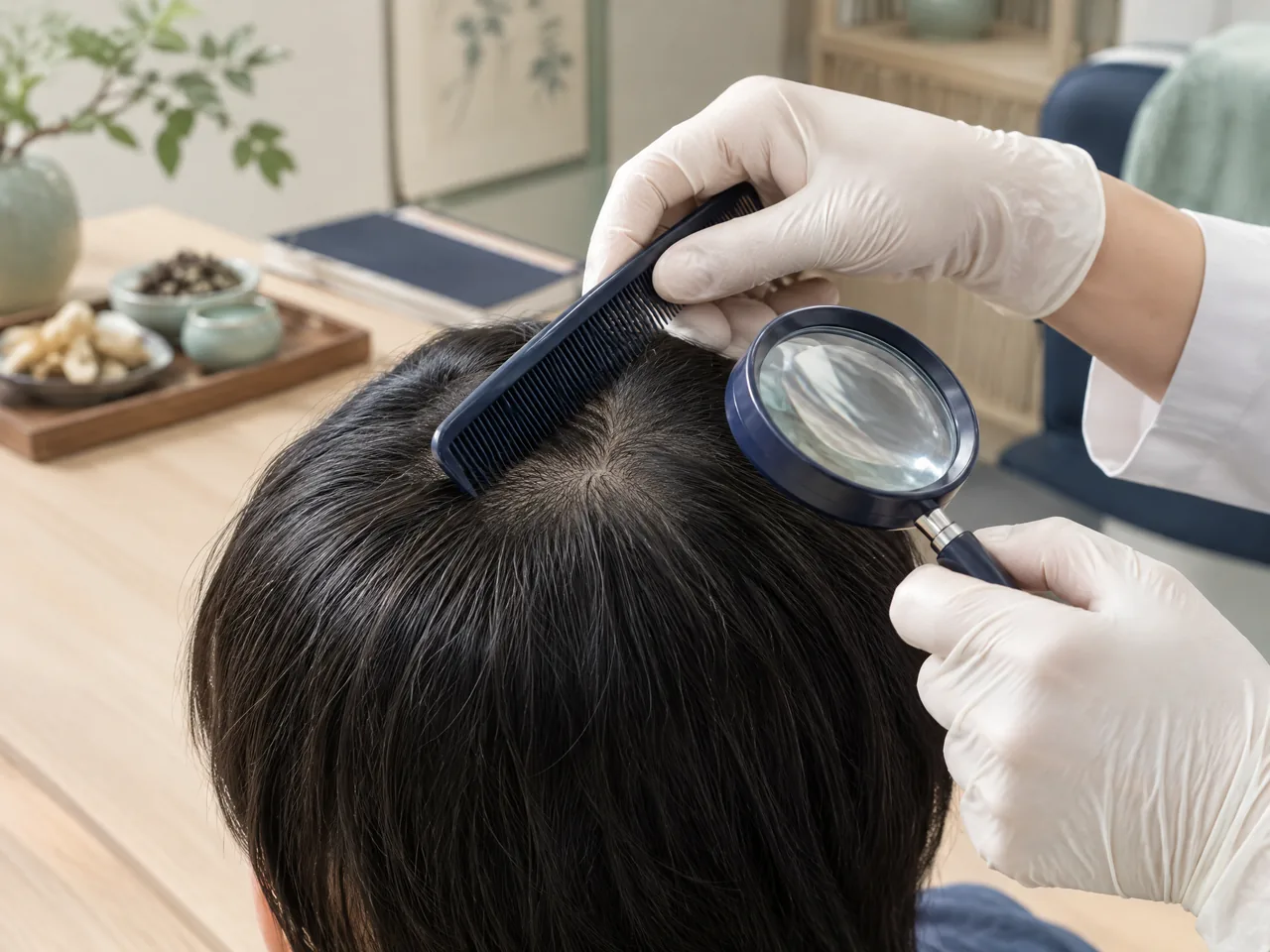
Bring a simple timeline rather than trying to decide the cause in advance. Include when you first noticed the change, where it is most obvious, whether hairs seem to shed from the root or break, and any scalp sensations. It is also helpful to list prescribed medicines, over-the-counter products, supplements, allergies, prior hair or scalp diagnoses, family history and relevant blood tests. Photos taken at similar angles and lighting can be useful for your own comparisons over time, provided they do not replace clinical assessment.
A practitioner may ask about recent illness, shifts in body weight, menstrual changes, pregnancy or postpartum changes where relevant, stress, sleep and food intake. This is not an interrogation; it helps separate details that may need referral from details that may shape supportive care. The American Academy of Dermatology similarly describes diagnosis as beginning with the timing of loss and close examination of the scalp and other affected areas; tests may be considered when a disease, deficiency, hormone imbalance or infection is suspected [2].
Compare your options
| What to note before the visit | Why it is useful | What may be discussed next |
|---|---|---|
| Timing and pattern: gradual thinning, increased shedding, breakage or a defined patch | Helps distinguish the experience you are having and identifies changes that may need medical assessment | Whether further medical advice should come first and what information to monitor |
| Scalp changes: itch, scale, tenderness, redness, sores or a change in the skin | Scalp symptoms can affect the urgency and the type of assessment needed | Appropriate referral, scalp-care discussion or a Chinese medicine consultation if suitable |
| Health and treatment history: illnesses, medicines, supplements, allergies and relevant tests | Allows a safer conversation about interactions, risks and possible contributors | Whether herbal medicine or acupuncture is appropriate to discuss alongside existing care |
| Daily context: food routine, sleep, stress, styling practices and family history | Provides a fuller picture without assuming that one habit is the cause | Realistic routine adjustments, questions for a medical clinician and goals for review |
On smaller screens, scroll the table sideways to compare all columns.
Chinese medicine for hair loss; TCM for hair loss; traditional Chinese medicine for hair loss: Care Options Discussed After Consultation
After the consultation, the most appropriate outcome may be a Chinese medicine plan, a recommendation to obtain medical assessment first, or both in parallel. Chinese medicine is not presented here as a substitute for diagnosing infection, nutritional deficiency, hormonal concerns or other conditions. The point of discussing care after assessment is to match it to the information available, your current treatment, practical capacity and your preferences instead of treating a keyword search as a diagnosis.
The options described below are conversation starters, not a menu of guaranteed results. If an option is being considered, ask what it is intended to address in the overall plan, what information the practitioner needs before recommending it, how medicines and supplements will be checked, and what change would prompt reassessment. That keeps the focus on safe, informed choices rather than promises based on photographs, social-media claims or a standard package.
Chinese medicine for hair loss; TCM for hair loss; traditional Chinese medicine for hair loss with Herbal Medicine, Acupuncture or Related Approaches
Chinese herbal medicine may be discussed when the practitioner considers it suitable for the individual presentation. A prescription, if offered, should follow an in-person assessment and a review of relevant health conditions, prescribed medicines, over-the-counter products and supplements. Tell the practitioner about pregnancy, breastfeeding, allergy history, liver or kidney conditions and any side effects from past herbs or medicines. Do not start, stop or replace prescribed treatment without discussing it with the clinician who manages it.
Acupuncture may also be discussed as part of a Chinese medicine consultation. What happens, how often review is useful and whether acupuncture is suitable depend on the presentation and the person's comfort, medical history and concurrent care. It should not be described as a certain way to regrow hair. If you are considering any needle-based treatment, ask about the proposed purpose, what you may feel, aftercare and when to contact the clinic about an unexpected reaction. Other approaches should likewise be explained before you decide.
Chinese medicine for hair loss; TCM for hair loss; traditional Chinese medicine for hair loss: Matching Care to Your Presentation and Needs
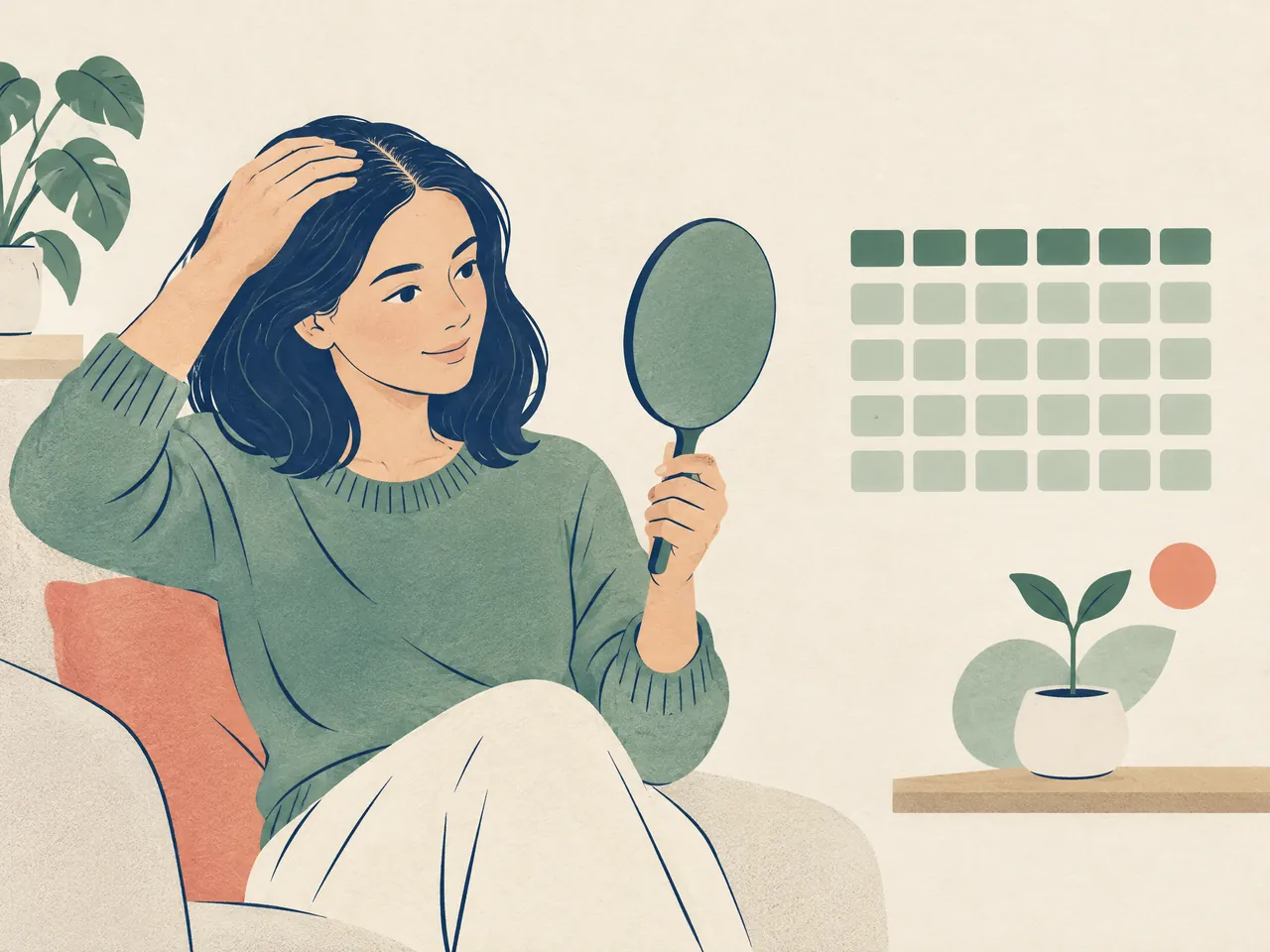
Matching care means looking beyond the mirror. Someone with a slowly widening part and a strong family history may have different questions from someone whose shedding began after illness, or someone with a new smooth patch. The practical priority also differs: one person may need a medical opinion about the cause; another may want support with routine, scalp comfort or the stress of visible change. A practitioner can explain where Chinese medicine fits within that wider picture and where it does not.
Review is more useful when it is specific. Agree on what you will observe, such as shedding pattern, scalp discomfort, breakage, photographs taken consistently or changes to the routine, rather than expecting a day-to-day verdict. Report new medicines, health changes or unwanted effects promptly. A sudden change deserves special attention; our guide to sudden patchy hair loss explains why a prompt medical review can matter. If conventional treatment is underway, bring that information so complementary care can be discussed responsibly.
Chinese medicine for hair loss; TCM for hair loss; traditional Chinese medicine for hair loss: Practical Expectations and When to Seek Further Advice
Hair changes can affect confidence, daily grooming and social comfort, so it is understandable to want a quick answer. Yet a responsible plan starts with realistic expectations. The NHS states that no hair-loss treatment is 100% effective [1], and the American Academy of Dermatology notes that different causes and individuals may require different approaches [2]. A consultation can help you make a clearer decision about next steps; it cannot promise that every person will regain density or prevent all future loss.
Keep decisions manageable. Start by recording the concern and booking an appropriate assessment, rather than changing many supplements, shampoos and treatments at once. This makes it easier to describe what changed and when. Be cautious about products marketed as universal solutions, especially where the diagnosis, ingredients, interactions or realistic benefit are not made clear. Your wellbeing matters too: tell a qualified professional if hair loss is causing substantial distress, anxiety or avoidance.
Chinese medicine for hair loss; TCM for hair loss; traditional Chinese medicine for hair loss: Everyday Hair and Lifestyle Considerations
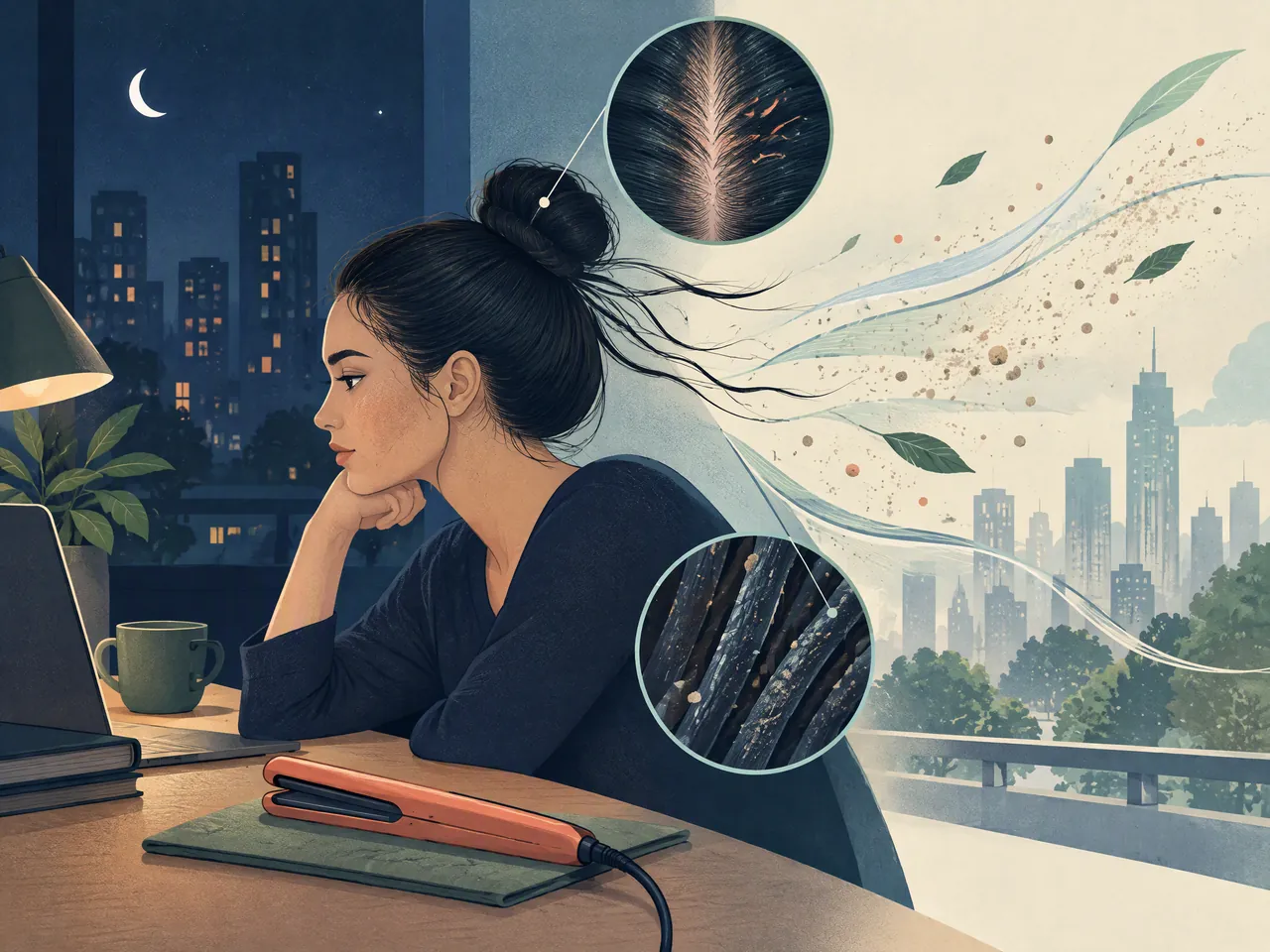
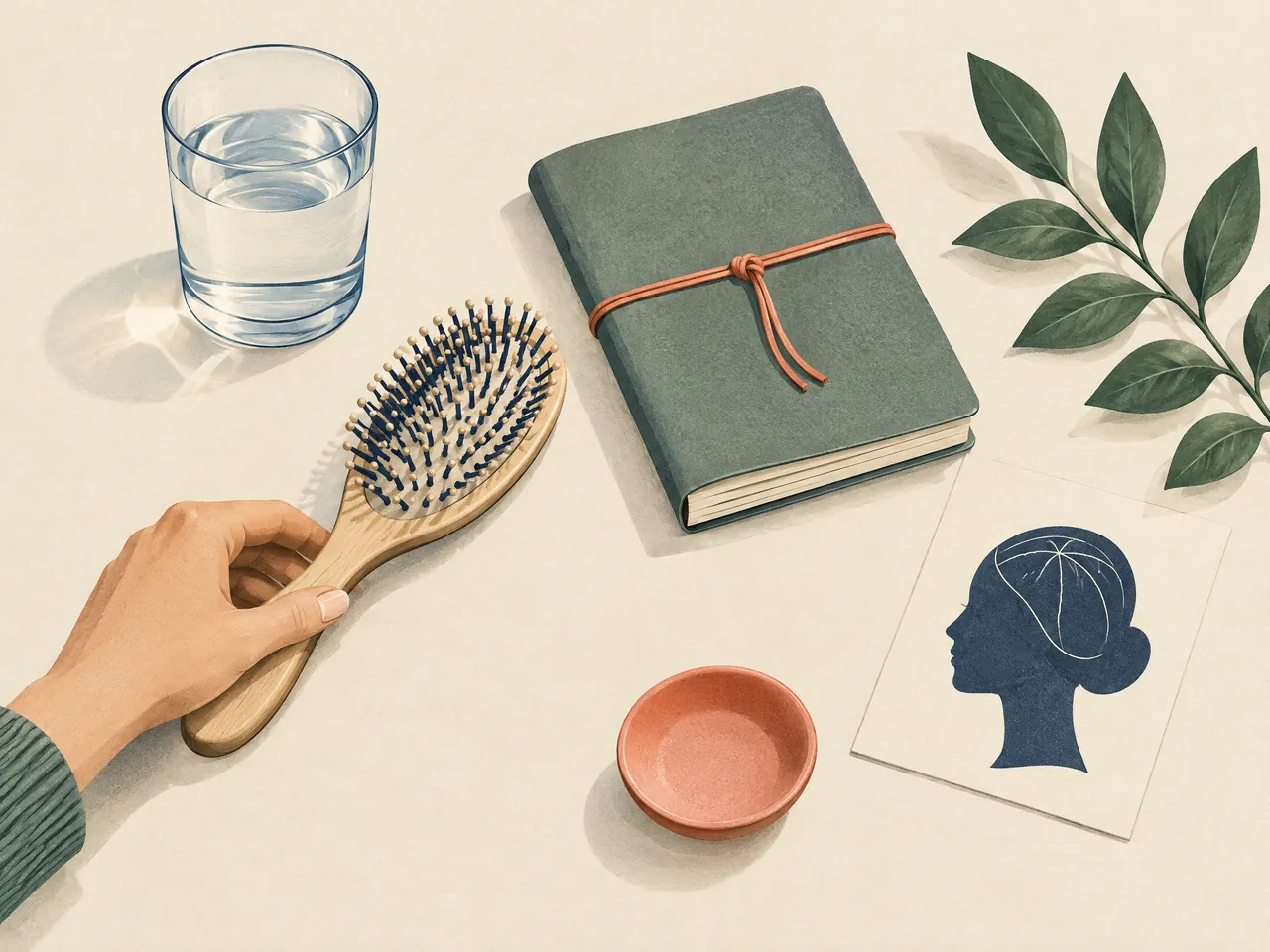
Everyday care should be gentle and practical. Avoid routines that cause pain, persistent pulling or obvious breakage, and choose cleansing and styling practices that suit your scalp rather than copying a trend. The American Academy of Dermatology notes that some hairstyles and hair-care habits can damage hair and contribute to hair loss [2]. If you notice a clear relationship between a new product, tight style or heat practice and your symptoms, include that detail in your consultation rather than assuming it explains everything.
Food, rest and stress are often worth discussing because they shape daily wellbeing, but a restrictive diet or a single supplement is not a reliable self-treatment for all hair loss. Aim for regular meals and adequate rest that fit your health needs, and ask the relevant clinician before adding nutrients or changing a prescribed medicine. A Chinese medicine practitioner may talk through routines in a traditional whole-person context. That advice works best alongside, not instead of, medical investigation when signs point to an underlying condition.

Chinese medicine for hair loss; TCM for hair loss; traditional Chinese medicine for hair loss: Monitoring Changes and Seeking Medical Advice
Seek qualified medical advice promptly if hair loss is sudden, occurs in distinct patches, continues to worsen, follows a concerning medication change, or comes with pain, inflammation, scaling, sores or skin changes. Do not wait for a complementary-care response if you feel unwell or have other worrying symptoms. The Centre for Health Protection advises consulting a doctor when hair fails to grow normally, continual loss is suspected or the skin beneath the involved area is abnormal [3]. For more detail on timing, see when should I see a doctor about hair loss.
At follow-up, compare the same concerns you recorded at the start and raise anything new. A plan may need to change when medical findings emerge, when a product causes irritation, or when the original working explanation no longer fits. This is a strength of review, not a failure. TCM Lab can discuss Chinese medicine for hair loss in a consultation, while medical or dermatology assessment remains the appropriate route for diagnosis and urgent concerns. Keeping both perspectives clear supports safer, more useful choices.
Care and health guide
Hair and scalp care information
This directory brings together services, reading, and visit information related to hair and scalp care, to help you prepare questions for a consultation.
For questions about hair or scalp care, noting the everyday concerns and service questions you want to discuss can help prepare a consultation; hair loss treatment Hong Kong is a relevant service or reading entry point.
People may have different priorities, and acupuncture Hong Kong offers related information to help you understand options and prepare questions.

Your questions, answered
Frequently asked questions
Is Chinese medicine suitable for every person with hair loss?
Not necessarily. Suitability depends on the pattern of hair change, scalp symptoms, health history, current medicines, pregnancy or breastfeeding where relevant, risks and expectations. A registered Chinese medicine practitioner should assess your situation before discussing options. Sudden, patchy, painful or rapidly worsening hair loss needs prompt qualified medical advice.
What should I prepare for a Chinese medicine hair loss consultation?
Prepare a short timeline of when the change began, the areas affected and any scalp symptoms. Bring or list medicines, supplements, allergies, relevant diagnoses, recent health or weight changes, family history and any available test results. Consistently taken photographs may help you describe change, but they do not replace a scalp examination or medical assessment.
Can TCM for hair loss guarantee regrowth or a fixed number of visits?
No. Hair loss has different causes and responses vary between individuals. Hair growth and shedding also change over time. Consultation and follow-up can review your presentation and adjust discussion where appropriate, but TCM Lab does not promise a fixed number of sessions, guaranteed regrowth or permanent improvement.
Can I use Chinese herbal medicine while taking other medicines or supplements?
Do not assume that a natural product is automatically suitable with your current treatment. Tell the practitioner and your prescribing clinician about all medicines, supplements and health conditions before using herbs. This is especially important if you are pregnant, breastfeeding, managing a long-term condition, preparing for a procedure or have experienced previous reactions.
When should I seek medical help rather than wait for a hair loss consultation?
Seek qualified medical advice promptly for sudden or round patchy loss, worsening shedding, scalp pain, marked redness, sores, scale, abnormal skin changes or symptoms that make you feel unwell. You should also seek medical advice if you are worried about hair loss or suspect a new medicine or health condition may be involved.
Sources and further information
- [1] NHS: Hair loss
Referenced for: Possible contexts for hair loss, advice to identify the cause before a commercial clinic, and the limits of treatment effectiveness.
- [2] American Academy of Dermatology: Hair loss diagnosis and treatment
Referenced for: History-taking, scalp examination, potential tests, different causes and hair-care considerations.
- [3] Hong Kong Centre for Health Protection: Men's Health Line - Alopecia
Referenced for: Hong Kong public-health information on possible causes, round patchy hair loss and when medical advice is appropriate.