
TCM Lab · Health reading
Heat or Cold for Hip Pain: Should I use ice or heat for hip pain? When should I stop using heat or ice for hip pain?
Published Updated
A sore hip after a long walk, a gym session, or a day on your feet can make a simple question feel urgent: should the next step be a cold pack or warmth? There is no universal winner. If there has not been a serious injury and there are no warning signs, use the option that feels more comfortable: cold can be a reasonable choice when soreness or swelling follows activity, while gentle warmth may feel more comfortable when stiffness or muscle tightness is the main problem. Both are short-term comfort measures, not a way to identify the cause. Protect the skin with a towel, keep each session to no more than 20 minutes, and leave a few hours before repeating it. NHS Inform advises stopping if redness increases, the skin changes colour, or blisters appear. [1]
Appointments are confirmed through WhatsApp. If you have language requirements, please mention them in your enquiry.
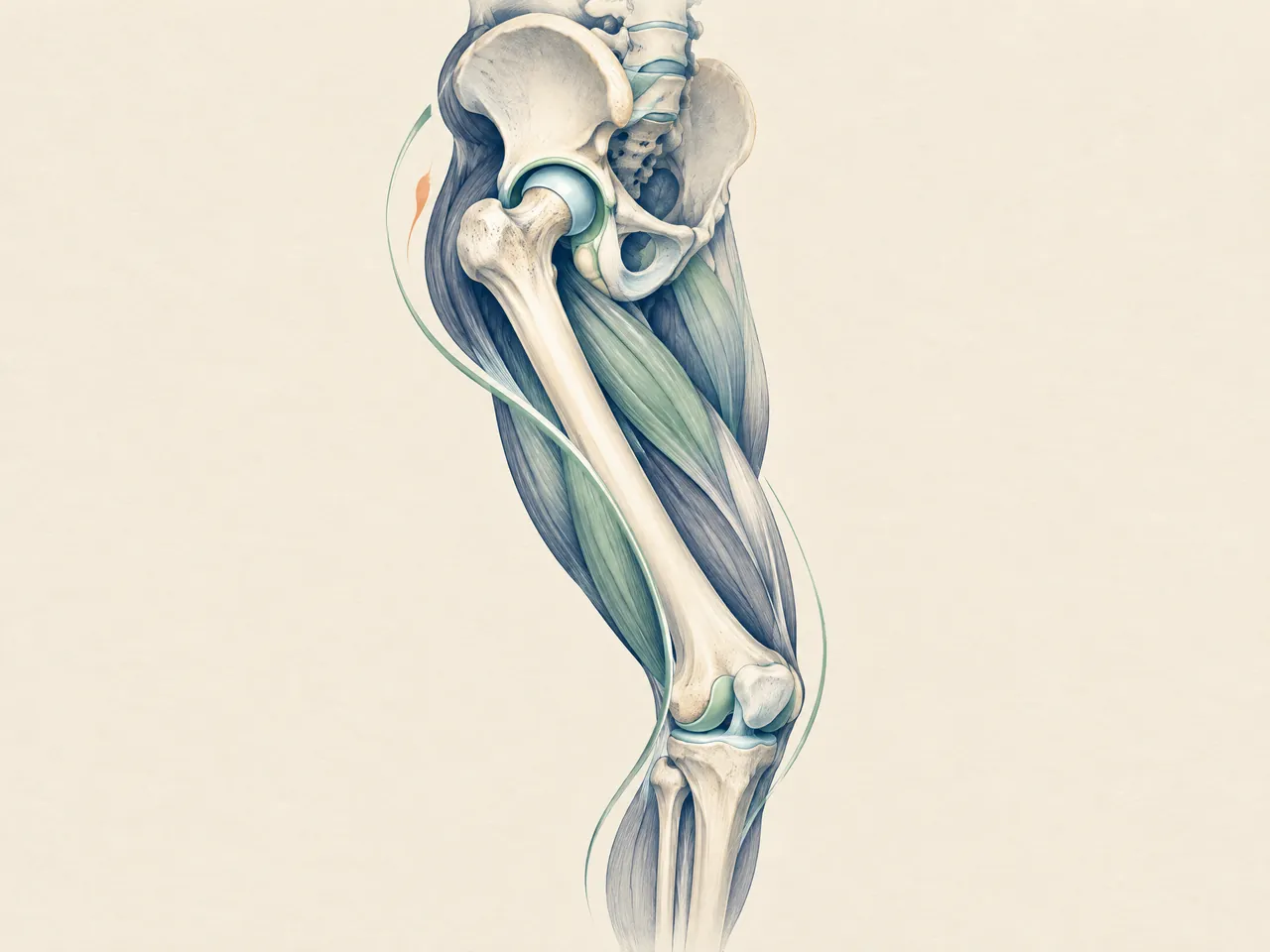
The short answer
For hip pain without urgent warning signs, choose a wrapped cold pack or gentle heat according to which feels more comfortable. Cold may suit soreness or swelling after activity; warmth may feel better for stiffness. Put a towel between the pack and skin, use it for no more than 20 minutes, and leave a few hours before another session. Stop for worsening pain or skin changes. Do not use either method yourself if you have impaired sensation or circulation. [1]
Transparent pricing
See the fees.
Choose your care.
Explore our complete official price list, including first-trial prices, regular prices, packages and branch-specific options.
Opening WhatsApp prepares an enquiry; it does not send a message, take payment or confirm an appointment. Suitability and individual arrangements are confirmed during consultation.
Pain care
All prices in HKDExtracorporeal shockwave treatment
Shockwave treatment for deep-tissue and fascial care. The Kwun Tong clinic offers the multi-area options shown below.
Priced by branch
Branch-specific pricing
Prince Edward: HK$250 per area
Kwun Tong: HK$250 for 1 area / HK$450 for 2 areas / HK$600 for 3 areas
Pain care (manual therapy)
Includes Chinese medicine musculoskeletal assessment, manual joint techniques and tui na.
HK$580 (single session)
Chinese medicine musculoskeletal assessment
Pain care (acupuncture and manual therapy)
Combines acupuncture and manual therapy.
HK$680 (single session)
Combined care
Hair and scalp
All prices in HKDScalp health and hair-loss management
Includes AI scalp analysis, deep scalp and follicle cleansing, and scalp oil-control care.
HK$380 (first trial)
Regular price: HK$680
- 6 sessions: HK$3,480 (HK$580 per session)
- 12 sessions: HK$5,760 (HK$480 per session)
- 20 sessions: HK$8,600 (HK$430 per session)
- 30 sessions: HK$11,400 (HK$380 per session)
Hair acupuncture and Chinese herbal medicine package
Includes scalp acupuncture and 3 days of Chinese herbal medicine that does not require decoction.
HK$580 (single session)
Registered Chinese Medicine Practitioner consultation
- 6 sessions: HK$3,180 (HK$530 per session)
- 12 sessions: HK$5,760 (HK$480 per session)
- 20 sessions: HK$8,600 (HK$430 per session)
- 30 sessions: HK$11,400 (HK$380 per session)
Combined hair and scalp treatment
Combines acupuncture and Chinese herbal medicine with salon-level scalp and follicle care. Packages include complimentary hair-care shampoo and serum.
HK$1,260 (single session)
Combined treatment
- 8 sessions: HK$8,640 (HK$1,080 per session)
- 16 sessions: HK$15,680 (HK$980 per session)
- 20 sessions: HK$18,600 (HK$930 per session)
- 30 sessions: HK$26,400 (HK$880 per session)
Weight management
All prices in HKDFull-body acupoint embedding for weight management
Includes full-body acupoint embedding. Packages include complimentary Chinese herbal medicine for weight management, with the number of included days scaled to the package. Embedding material and the individual treatment arrangement are confirmed during consultation; this is not a cosmetic thread lift.
HK$980 (single session)
No trial session
- 10 sessions: HK$7,800 (HK$780 per session)
- 20 sessions: HK$14,600 (HK$730 per session)
- 30 sessions: HK$20,400 (HK$680 per session)
Facial acupuncture
All prices in HKDFacial acupuncture (basic)
Includes facial acupuncture and meridian-based facial care, including care for facial puffiness.
HK$480 (first trial)
Regular price: HK$680
- 10 sessions: HK$5,200 (HK$520 per session)
- 20 sessions: HK$9,600 (HK$480 per session)
- 30 sessions: HK$13,500 (HK$450 per session)
Facial acupuncture (advanced)
Includes enhanced facial acupuncture with a specially formulated moisturising mask and serum.
HK$780 (first trial)
Regular price: HK$1,180
- 10 sessions: HK$9,000 (HK$900 per session)
- 20 sessions: HK$16,600 (HK$830 per session)
- 30 sessions: HK$23,400 (HK$780 per session)
Chinese medicine
All prices in HKDAcupuncture and Chinese herbal medicine package
Includes a Chinese medicine consultation with pulse assessment, body acupuncture and 3 days of Chinese herbal granules that do not require decoction.
HK$580 (single session)
Chinese medicine consultation with pulse assessment
heat or cold for hip pain | Should I use ice or heat for hip pain? | When should I stop using heat or ice for hip pain? — Choosing a comfortable option after activity
Start by separating a manageable flare-up from a situation that needs assessment. Hip pain can be felt at the side of the hip, in the groin, buttock, thigh, or even near the knee, and the same sensation can have different causes. A cold or warm pack cannot tell which cause is present. For a minor ache after an unfamiliar walk, gardening, climbing stairs, or exercise, the safer question is not “which treatment fixes it?” but “which option lets me rest or move gently with more comfort?” If cold feels soothing, use cold; if gentle warmth eases a stiff, tight feeling, use warmth. There is no need to force an alternating hot-and-cold routine. The NHS Inform hip guidance specifically allows people to use whichever feels most helpful, while continuing gentle movement as symptoms allow. [1] Think about the timing as well as the feeling. A hip that is comfortable while resting but protests after a longer walk may call for a calmer activity plan that day, not repeated packs every hour. A stiff feeling after getting out of a chair may settle with a little gentle movement before deciding whether warmth adds comfort. In both situations, stop the activity that clearly increases the pain rather than using heat or cold to make an unsuitable load seem tolerable.
heat or cold for hip pain | Should I use ice or heat for hip pain? | When should I stop using heat or ice for hip pain? — Practical comfort and safety limits
Cold is often the more intuitive option when a hip feels sore after activity or when there is a sense of local swelling. Wrap a cold pack in a towel rather than putting it on bare skin, settle in a stable position, and treat the session as a pause rather than a test of endurance. Heat can be the more comfortable option when getting up after sitting feels stiff, the surrounding muscles feel guarded, or cold simply feels unpleasant. Choose gentle warmth, not intense heat, and do not lie on a heat source or make the pack tighter in an attempt to get a stronger effect. In either case, 20 minutes is a ceiling, not a target to reach. Leave a few hours between sessions, check how the skin feels, and stop sooner if comfort turns to burning, stinging, numbness, or increasing pain. [1] A broader guide to hip pain ice or heat can help readers compare these comfort choices without treating their response as a diagnosis.

heat or cold for hip pain | Should I use ice or heat for hip pain? | When should I stop using heat or ice for hip pain? — Warning signs that need prompt care
Do not spend time deciding between heat and ice when the history itself is concerning. Severe pain after a fall or injury, being unable to walk or put weight through the leg, or tingling or loss of feeling after an injury requires emergency assessment rather than home treatment. [2] A hip that becomes hot, swollen, or discoloured, especially with fever or feeling generally unwell, also needs urgent medical advice. [2] Sudden severe pain without a fall deserves prompt assessment too. These signs do not confirm one particular diagnosis, but they are reasons not to mask symptoms with a pack and wait. If a recent operation, a diagnosed hip condition, or an individual rehabilitation plan applies, follow the treating clinician’s instructions instead of general online advice. For everyday but persistent discomfort, reducing heavy lifting and long periods on the feet while staying gently mobile may be more useful than repeatedly applying a pack. [1]
Compare your options
| What you notice | Comfort option to consider | Safe limit and next step |
|---|---|---|
| Soreness or a mildly swollen feeling after activity, with no red flags | Try a wrapped cold pack if it feels more comfortable | Towel barrier; no more than 20 minutes; leave a few hours before another session [1] |
| Stiffness or tight surrounding muscles | Try gentle warmth if it feels more comfortable | Towel barrier; no more than 20 minutes; stop earlier if uncomfortable [1] |
| Increasing redness, discolouration, blistering, or rising pain | Use neither until the skin and symptoms are assessed | Remove the pack immediately; seek advice if the reaction persists [1] |
| Severe pain after injury, inability to bear weight, or altered feeling after injury | Do not use a pack as a substitute for assessment | Seek emergency assessment [2] |
| Hot or swollen hip with fever, feeling unwell, or sudden severe uninjured pain | Do not delay for home heat or cold | Seek urgent medical advice [2] |
On smaller screens, scroll the table sideways to compare all columns.
heat or cold for hip pain | Should I use ice or heat for hip pain? | When should I stop using heat or ice for hip pain? — Safe application with a towel barrier
A towel barrier is a safety measure, not an optional extra. It reduces the chance that very cold or hot material will injure the skin before the deeper ache feels different. Choose a clean, dry towel that fully covers the pack, then position the pack over the painful area without strapping it tightly or sitting directly on it. If you are unsure where the discomfort is coming from, avoid chasing pain around the groin, low back, thigh, and buttock with repeated applications. Make one careful choice, see how it feels during and after the session, and return to ordinary gentle movement as tolerated. If the main issue is post-activity soreness, the related hip pain cold pack page explains how cold can fit within a simple, cautious home-care routine.
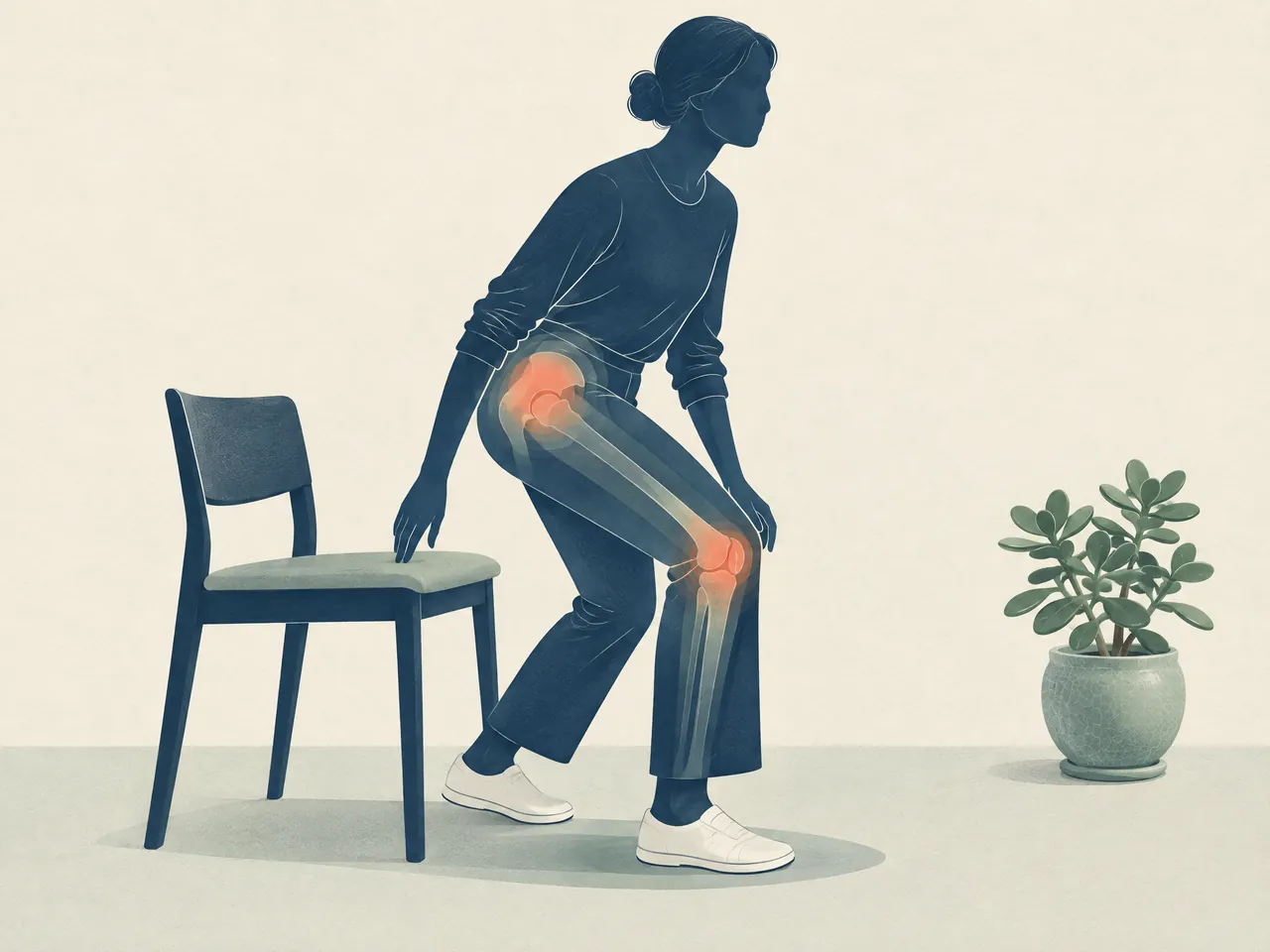
heat or cold for hip pain | Should I use ice or heat for hip pain? | When should I stop using heat or ice for hip pain? — Skin checks and when to remove the pack
Check the skin before starting and again during the session. Remove heat or cold immediately if the area becomes increasingly red, changes colour, blisters, hurts more, or otherwise feels wrong. NHS Inform gives increased redness, discolouration, and blistering as explicit reasons to stop. [1] Do not try to “get used to” these signs or cool down an overheated area by switching straight to ice. Let the skin return to normal and seek medical advice if the reaction does not settle. People with altered sensation may not receive a reliable warning that the pack is too hot or too cold, and circulation problems may increase the risk of skin injury. For that reason, NHS Inform says not to use heat or ice as self-treatment for hip pain when there are issues with circulation or sensation. [1] A pack should also stay away from broken or irritated skin unless a healthcare professional has advised otherwise.
heat or cold for hip pain | Should I use ice or heat for hip pain? | When should I stop using heat or ice for hip pain? — What to record after using heat or cold
The useful result is not just whether the hip felt briefly numb or warm. Make a short note of the trigger, the location of pain, whether you used cold or warmth, how the skin looked afterward, and what happened when you stood, walked, used stairs, or went to bed. Note whether pain was in the groin, side of the hip, buttock, thigh, or knee rather than assuming all of it comes from the joint. This kind of record can make a consultation clearer and can reveal whether a certain load, chair height, or movement repeatedly worsens symptoms. It cannot diagnose arthritis, bursitis, a tendon problem, or a fracture. For practical day-to-day adjustments, read hip pain self-care alongside this page. Keep the goal modest: identify what helps you stay safely active, not what temporarily conceals pain before a demanding task.
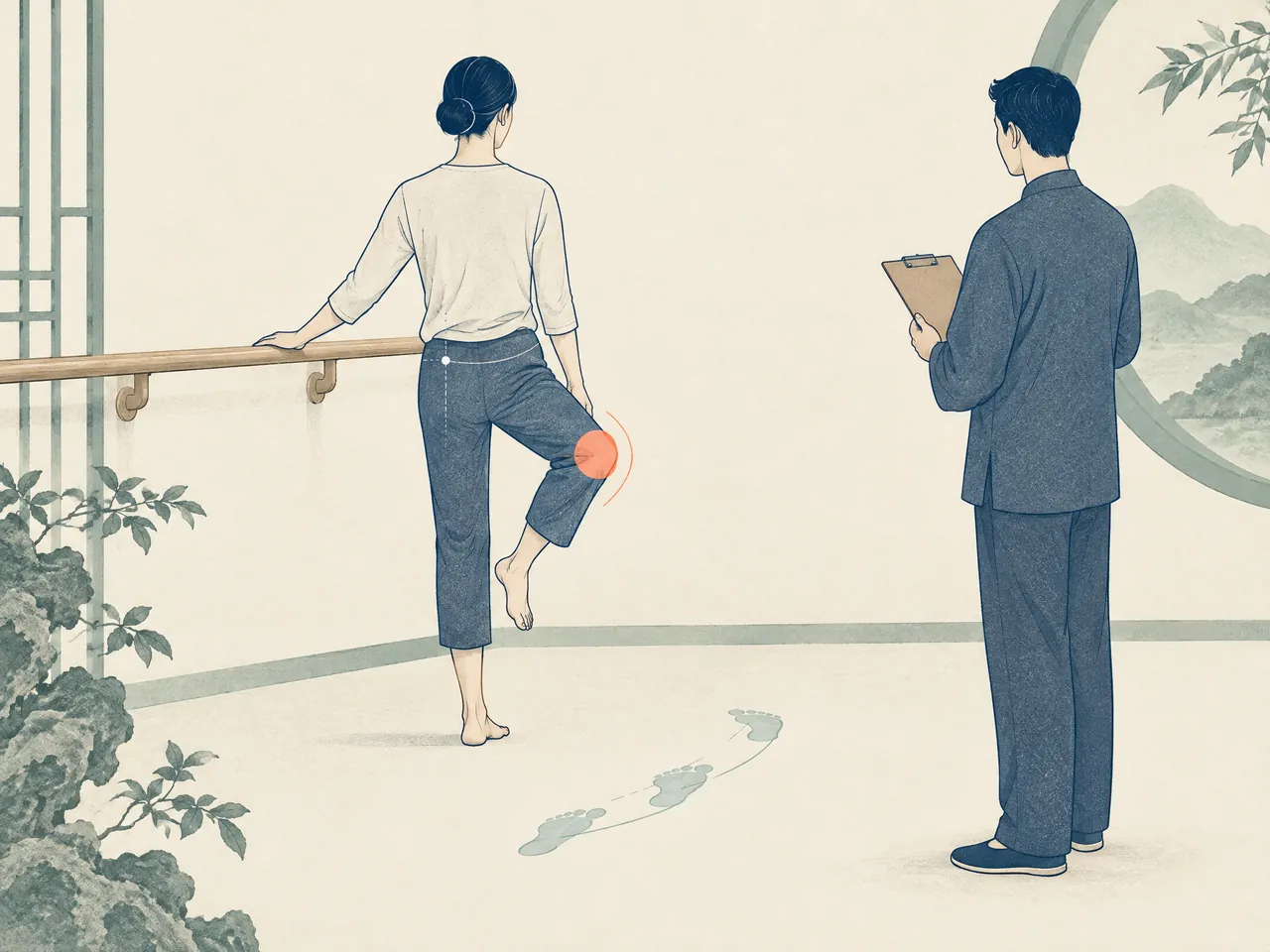
heat or cold for hip pain | Should I use ice or heat for hip pain? | When should I stop using heat or ice for hip pain? — When ongoing pain needs assessment
Heat and cold have a narrow job: they may make a period of hip pain more tolerable. They do not repair every injury, replace an examination, or make it safe to resume heavy lifting, running, deep twisting, or a long shift when those actions clearly aggravate symptoms. Keep moving within an acceptable range rather than remaining completely still for days, but scale activity down when it causes a clear flare. NHS Inform recommends reducing activity while moving as symptoms allow early on, then gradually returning to normal activity; it also advises avoiding sports and heavy lifting until discomfort is lower and movement is good. [1] Arrange a non-emergency assessment if pain is worsening, keeps returning, disrupts sleep or usual activities, or has not improved after two weeks of home care, as advised by NHS guidance. [2]
heat or cold for hip pain | Should I use ice or heat for hip pain? | When should I stop using heat or ice for hip pain? — Urgent symptoms that should not wait
A decision guide can be useful, but it must never delay care for urgent symptoms. Seek emergency help after a fall or injury if hip pain is severe, you cannot walk or bear weight, or there is tingling or loss of sensation in the hip or leg. [2] Seek urgent medical advice for a hot, swollen hip, skin colour change around the hip, sudden severe pain without an injury, or hip pain together with fever, chills, or feeling unwell. [2] These features need clinical assessment because the problem may not be suitable for self-care. Even without an emergency sign, pain that prevents normal work, sleep, dressing, or safe walking warrants a proper conversation with a healthcare professional. Bring your simple symptom-and-activity record and say exactly what changed after rest, movement, heat, or cold. Clear details are more useful than trying to name the condition yourself.

heat or cold for hip pain | Should I use ice or heat for hip pain? | When should I stop using heat or ice for hip pain? — A clear home-care summary
For a non-urgent flare-up, choose cold for a sore or mildly swollen feeling after activity if that is more comfortable, or choose gentle warmth if stiffness and tightness are more noticeable. Use one option at a time with a towel barrier, for no more than 20 minutes, and wait a few hours before trying again. Stop when pain rises or the skin becomes redder, discoloured, or blistered. [1] Pair the pack with a calmer day rather than with total inactivity: avoid heavy loads, use a handrail on stairs if needed, and take brief gentle movement breaks instead of one long, painful effort. If you would like to ask about an in-person Chinese medicine consultation for ongoing hip discomfort, hip pain acupuncture treatment outlines the enquiry topic without promising a particular outcome. TCM Lab enquiries can be directed to the Kwun Tong Chinese medicine clinic or the Chinese medicine clinic Prince Edward; the Chinese medicine clinic price list Hong Kong page is available for current published fees.
Care and health guide
Pain-care information
This directory brings together services, reading, and visit information related to pain care, to help you prepare questions for a consultation.
When pain care affects your day, noting when it occurs, its relation to activity, and what you have already tried can help prepare a consultation; Chinese medicine pain management Hong Kong is a relevant service or reading entry point.
Individual circumstances differ, and acupuncture Hong Kong offers related information to help you understand options and prepare questions.


Your questions, answered
Frequently asked questions
Should I use ice or heat for hip pain?
Neither is always right. If there are no urgent symptoms, use wrapped cold or gentle warmth according to which feels more comfortable. Cold may suit soreness or mild swelling after activity, while warmth may feel better for stiffness. The response does not identify the cause of the pain. [1]
When should I stop using heat or ice for hip pain?
Stop immediately if the pain increases or the skin becomes increasingly red, discoloured, or blistered. Remove the pack whenever it feels uncomfortable. Do not continue treatment in the hope that the skin will adapt, and seek advice if a reaction persists. [1]
How long can I apply heat or cold to my hip?
Use a towel barrier and keep one application to no more than 20 minutes, leaving a few hours before another treatment. Twenty minutes is a maximum rather than a goal. Never put ice or heat directly on the skin. [1]
Can I use heat or ice if my leg feels numb or I have circulation problems?
No. If you have problems with sensation or circulation, do not self-treat hip pain with heat or ice. Reduced feeling can make it harder to detect an unsafe temperature, so ask a healthcare professional for individual advice. [1]
When does hip pain need urgent medical help?
Seek emergency assessment for severe pain after a fall or injury, inability to walk or bear weight, or tingling or loss of feeling after an injury. A hot or swollen hip, colour change, fever or feeling unwell, and sudden severe pain without injury also need urgent medical advice. [2]
Sources and further information
- [1] NHS Inform — Hip problems
Referenced for: Supports choosing whichever of heat or ice feels helpful, the towel barrier, 20-minute maximum, spacing sessions by a few hours, skin-stop signs, circulation and sensation precautions, movement advice, and when to seek help.
- [2] NHS — Hip pain in adults
Referenced for: Supports the urgent and emergency warning signs, home-care follow-up threshold, and activity-related self-care points used on this page.
- [3] MyHealth Alberta — Hip Arthritis: Care Instructions
Referenced for: Provides additional public-health wording for heat or cold packs and using a cloth between ice and skin; it is not used to diagnose a hip condition.