
TCM Lab · Health reading
Does Chinese medicine help allergic rhinitis? How long does acupuncture take to work for allergic rhinitis? Can I use Chinese medicine with a steroid nasal spray?
Published Updated
Frequent sneezing before a meeting, a blocked nose at bedtime, or itchy eyes after cleaning can prompt questions about Chinese medicine. It may be discussed as complementary care after the cause of symptoms is considered; it does not replace diagnosis or prescribed treatment. This guide separates allergy from similar nasal complaints, explains what an acupuncture discussion can realistically cover, and sets out how to keep a steroid nasal spray safely in view.
Appointments are confirmed through WhatsApp. If you have language requirements, please mention them in your enquiry.
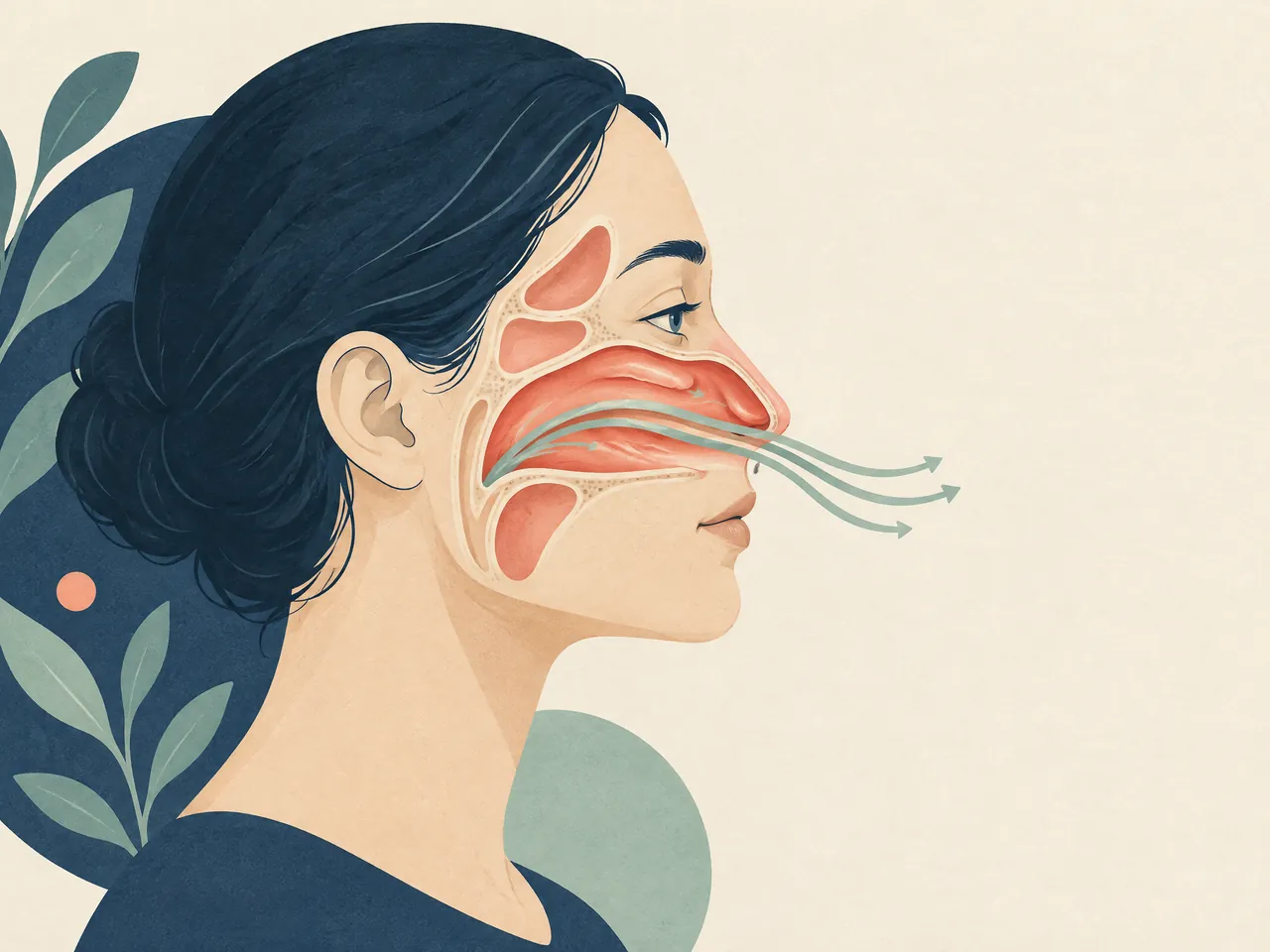
The short answer
Chinese medicine may be considered as a complementary option for allergic rhinitis after an appropriate assessment, alongside trigger control and conventional care rather than instead of them. Acupuncture does not have a reliable fixed timetable: response, if any, varies, and studies use different treatment schedules. If you use a prescribed steroid nasal spray, tell both practitioners and do not stop, reduce or replace it yourself; medication changes belong with the prescriber.
Transparent pricing
See the fees.
Choose your care.
Explore our complete official price list, including first-trial prices, regular prices, packages and branch-specific options.
Opening WhatsApp prepares an enquiry; it does not send a message, take payment or confirm an appointment. Suitability and individual arrangements are confirmed during consultation.
Chinese medicine
All prices in HKDAcupuncture and Chinese herbal medicine package
Includes a Chinese medicine consultation with pulse assessment, body acupuncture and 3 days of Chinese herbal granules that do not require decoction.
HK$580 (single session)
Chinese medicine consultation with pulse assessment
Hair and scalp
All prices in HKDScalp health and hair-loss management
Includes AI scalp analysis, deep scalp and follicle cleansing, and scalp oil-control care.
HK$380 (first trial)
Regular price: HK$680
- 6 sessions: HK$3,480 (HK$580 per session)
- 12 sessions: HK$5,760 (HK$480 per session)
- 20 sessions: HK$8,600 (HK$430 per session)
- 30 sessions: HK$11,400 (HK$380 per session)
Hair acupuncture and Chinese herbal medicine package
Includes scalp acupuncture and 3 days of Chinese herbal medicine that does not require decoction.
HK$580 (single session)
Registered Chinese Medicine Practitioner consultation
- 6 sessions: HK$3,180 (HK$530 per session)
- 12 sessions: HK$5,760 (HK$480 per session)
- 20 sessions: HK$8,600 (HK$430 per session)
- 30 sessions: HK$11,400 (HK$380 per session)
Combined hair and scalp treatment
Combines acupuncture and Chinese herbal medicine with salon-level scalp and follicle care. Packages include complimentary hair-care shampoo and serum.
HK$1,260 (single session)
Combined treatment
- 8 sessions: HK$8,640 (HK$1,080 per session)
- 16 sessions: HK$15,680 (HK$980 per session)
- 20 sessions: HK$18,600 (HK$930 per session)
- 30 sessions: HK$26,400 (HK$880 per session)
Weight management
All prices in HKDFull-body acupoint embedding for weight management
Includes full-body acupoint embedding. Packages include complimentary Chinese herbal medicine for weight management, with the number of included days scaled to the package. Embedding material and the individual treatment arrangement are confirmed during consultation; this is not a cosmetic thread lift.
HK$980 (single session)
No trial session
- 10 sessions: HK$7,800 (HK$780 per session)
- 20 sessions: HK$14,600 (HK$730 per session)
- 30 sessions: HK$20,400 (HK$680 per session)
Facial acupuncture
All prices in HKDFacial acupuncture (basic)
Includes facial acupuncture and meridian-based facial care, including care for facial puffiness.
HK$480 (first trial)
Regular price: HK$680
- 10 sessions: HK$5,200 (HK$520 per session)
- 20 sessions: HK$9,600 (HK$480 per session)
- 30 sessions: HK$13,500 (HK$450 per session)
Facial acupuncture (advanced)
Includes enhanced facial acupuncture with a specially formulated moisturising mask and serum.
HK$780 (first trial)
Regular price: HK$1,180
- 10 sessions: HK$9,000 (HK$900 per session)
- 20 sessions: HK$16,600 (HK$830 per session)
- 30 sessions: HK$23,400 (HK$780 per session)
Pain care
All prices in HKDExtracorporeal shockwave treatment
Shockwave treatment for deep-tissue and fascial care. The Kwun Tong clinic offers the multi-area options shown below.
Priced by branch
Branch-specific pricing
Prince Edward: HK$250 per area
Kwun Tong: HK$250 for 1 area / HK$450 for 2 areas / HK$600 for 3 areas
Pain care (manual therapy)
Includes Chinese medicine musculoskeletal assessment, manual joint techniques and tui na.
HK$580 (single session)
Chinese medicine musculoskeletal assessment
Pain care (acupuncture and manual therapy)
Combines acupuncture and manual therapy.
HK$680 (single session)
Combined care
Does Chinese medicine help allergic rhinitis? How long does acupuncture take to work for allergic rhinitis? Can I use Chinese medicine with a steroid nasal spray? — Start with the right question
The useful first question is not simply whether one treatment can solve every blocked nose. It is whether the pattern is likely to be allergic rhinitis, what repeatedly brings it on, and how much it is disrupting sleep, work, exercise or concentration. Allergic rhinitis commonly involves sneezing, itchiness, a clear runny or blocked nose, and itchy or watery eyes. Symptoms can appear soon after contact with an allergen. Pollen, house dust mites, animal dander and mould are among common triggers described by the NHS [1]. Knowing this context helps keep a complementary-care conversation focused on the right problem.
Does Chinese medicine help allergic rhinitis? How long does acupuncture take to work for allergic rhinitis? Can I use Chinese medicine with a steroid nasal spray? — Allergy, cold or non-allergic symptoms
A cold and allergic rhinitis can both produce a runny or blocked nose, which is why self-labelling can be misleading. An allergy pattern often centres on repeated sneezing, nose or eye itch and clear discharge around an exposure. A viral cold may come with feeling unwell, sore throat, fever or body aches and then settles over time. This comparison is a guide, not a diagnosis. For a fuller symptom-by-symptom discussion, see allergic rhinitis vs common cold before deciding that a recurring nasal problem is simply seasonal allergy.
Non-allergic rhinitis deserves the same care. It can cause blockage and discharge without the classic allergic itch, and may be aggravated by temperature or humidity changes, strong smells, smoke or some medicines. The NHS specifically distinguishes it from allergy because it can be caused by factors such as colds, hot or cold temperatures and humidity [1]. If the story does not fit a recognisable allergen pattern, explore non-allergic rhinitis with a clinician rather than assuming acupuncture or herbs should be the next step. The medical cause guides sensible management.
A persistent one-sided blocked nostril, blood-stained discharge, facial pain, a reduced sense of smell that does not recover, or symptoms that are new and unusual are reasons not to make an online conclusion. Medical assessment is also important when symptoms are worsening, pharmacy treatment has not helped, or asthma is becoming less controlled. The NHS advises seeking medical care when allergic-rhinitis symptoms affect sleep or everyday life, when the cause is unclear, or when asthma worsens [1]. Breathing difficulty, wheeze or acute illness needs prompt conventional medical attention rather than a routine complementary-care appointment.

Does Chinese medicine help allergic rhinitis? How long does acupuncture take to work for allergic rhinitis? Can I use Chinese medicine with a steroid nasal spray? — Triggers worth recording
In Hong Kong, an indoor record can be especially revealing. The Department of Health lists dust mite, pollen, fungus, animal hair or fur, air pollution and sudden weather changes among factors that can induce or worsen symptoms [2]. That does not mean every person reacts to every item, or that an episode proves an allergy. It means that a note such as ‘blocked nose on waking after changing bedding’ is more useful than ‘nose bad again’. Pair it with location, cleaning activity and whether windows, air conditioning or a dehumidifier were in use.
Choose low-risk environmental steps that match a known or plausible trigger. Keeping damp rooms ventilated, addressing mould, cleaning air-conditioner filters and reducing dust accumulation can be relevant where they are linked with symptoms. The Department of Health also recommends avoiding smoking around an affected person and being mindful of sudden temperature changes [2]. Avoid turning food restrictions, a new supplement, or a complex cleaning programme into a personal treatment experiment without a clear reason. A diary lets you test ordinary changes carefully and report what actually happened.
Compare your options
| Situation or question | Useful details to record or bring | Sensible next step |
|---|---|---|
| Repeated sneeze-and-itch episodes | Time, place, eye symptoms, possible pollen, dust, pet or mould exposure | Discuss whether the pattern is likely allergic rhinitis and which trigger steps are realistic |
| Blocked nose without clear itch | Temperature, humidity, strong odours, smoke, medication changes and one-sided symptoms | Consider medical assessment for non-allergic or other nasal causes |
| Considering acupuncture | Your goal, symptom diary, current treatment and relevant health history | Discuss suitability and review points; do not expect a guaranteed session count |
| Using a steroid nasal spray | Product name, directions, actual use, benefit and side effects | Keep the prescriber involved and do not alter prescribed treatment yourself |
| Asthma, breathing symptoms or severe flare | Wheeze, breathlessness, medicines used and how quickly symptoms changed | Seek appropriate medical care promptly rather than relying on a routine complementary consultation |
On smaller screens, scroll the table sideways to compare all columns.
Does Chinese medicine help allergic rhinitis? How long does acupuncture take to work for allergic rhinitis? Can I use Chinese medicine with a steroid nasal spray? — Combining informed care
Chinese medicine can be part of an informed conversation, but the role should be accurate. A consultation may explore the quality and timing of nasal symptoms alongside sleep, appetite, energy, bowel habits, stress, past illnesses and current medicines through a traditional assessment. Traditional pattern identification is an approach used in Chinese medicine; it does not confirm an IgE allergy, identify a dust-mite trigger or replace examination and medical testing when those are needed. The broad overview on Chinese medicine for allergic rhinitis can help you frame questions for an in-person assessment.
Use the appointment to discuss goals that are observable and relevant to you: perhaps fewer wake-ups from blockage, less disruption while commuting, or a better understanding of when symptoms flare. Be wary of a promise to cure the condition, eliminate all triggers or produce a fixed response by a fixed visit. Allergic rhinitis is commonly managed through trigger avoidance and symptom treatment; Hong Kong Department of Health guidance describes allergen avoidance, antihistamines and steroid nasal sprays as first-line treatment [2]. Complementary care should not obscure that foundation.

Does Chinese medicine help allergic rhinitis? How long does acupuncture take to work for allergic rhinitis? Can I use Chinese medicine with a steroid nasal spray? — What a traditional assessment explores
Expect questions rather than an instant formula. The practitioner may ask when symptoms began, whether they are all year or linked to a season or place, whether discharge is clear or coloured, how nasal blockage affects sleep, and whether there are eye, cough or asthma symptoms. They should also ask about pregnancies, allergies, medical conditions and every prescribed or non-prescribed product. Answer plainly even if a detail feels unrelated. A complete account helps the discussion stay safe, and it may reveal that medical review should come before any Chinese medicine option.
Prepare three questions of your own: what is the working explanation for the symptoms; what conventional care should remain in place; and how will we decide whether the plan is worth continuing? These questions make an assessment more useful than asking for a generic ‘immune boost’. If a suspected trigger has never been medically assessed, ask whether a family doctor or allergy clinician should be involved. CUHK’s Integrative Medical Centre describes an approach in which allergy assessment may be considered after specialist assessment, illustrating why traditional and conventional assessment can have distinct roles [4].
For children, the decision needs additional caution. The child’s ability to tolerate an appointment, the impact on school and sleep, current medication and any asthma history all matter. A parent should not assume that adult research answers a child’s question. In a systematic review, evidence on acupuncture for children with allergic rhinitis remained unclear because few studies assessed children [3]. Discuss paediatric symptoms with the appropriate medical professional and ask a Chinese medicine practitioner what an assessment would practically involve before agreeing to any procedure.

Does Chinese medicine help allergic rhinitis? How long does acupuncture take to work for allergic rhinitis? Can I use Chinese medicine with a steroid nasal spray? — Acupuncture and herbal options
Acupuncture may be raised as one complementary option after assessment. It should be discussed as an intervention with a purpose, practical commitments and limits—not as a replacement for diagnosis, trigger control or a prescribed spray. A systematic review found that acupuncture may improve nasal symptoms and quality of life for adults compared with no intervention or sham acupuncture, but it also called for additional trials [3]. The review found substantial variation in techniques, points, treatment frequency and duration, from 7 days to 12 weeks [3]. That variation is exactly why no honest fixed timetable can be promised.
If you are considering it, ask what is being proposed, whether there are reasons it may not suit you, what to do if symptoms worsen, and what outcome will be reviewed. A practical measure could be the diary’s count of nights affected by blockage or the need for rescue treatment, not a vague feeling that you should continue indefinitely. Read the evidence-focused page on acupuncture for allergic rhinitis to understand why adult findings cannot be treated as a guarantee for every person or a prediction of response time.
Herbal medicine also requires an individual consultation, a full medication list and a clear plan for follow-up. Do not use an article as a substitute for a formula, dose or product choice. Bring labels or photos of herbs, teas, powders and supplements already used, including products bought outside Hong Kong. This supports a safer conversation about possible overlap with conventional treatment. If you develop a reaction, new symptoms or worsening nasal or breathing symptoms after starting any product, stop relying on general online advice and seek appropriate medical or pharmacy guidance promptly.
Does Chinese medicine help allergic rhinitis? How long does acupuncture take to work for allergic rhinitis? Can I use Chinese medicine with a steroid nasal spray? — Safety and next steps
The answer to whether Chinese medicine can be used with a steroid nasal spray begins with communication, not substitution. Tell the prescribing clinician if you are considering acupuncture or herbs, and tell the Chinese medicine practitioner the spray’s name, dose and how often you use it. Also share antihistamines, decongestants, eye drops, asthma medicines, supplements and any previous side effects. A practitioner who knows the complete picture can recognise when the priority is continued prescribed care, a pharmacy question, medical review or a separately discussed complementary option.

A steroid nasal spray is generally used to help reduce nasal inflammation, while antihistamines may ease itch, sneezing and runny nose; their role and instructions come from the clinician or pharmacist managing them [1] [2]. Do not reduce, stop or exchange a prescribed spray because symptoms have a better day or because you have begun another treatment. The same applies to starting an over-the-counter decongestant without advice: the NHS cautions that decongestant sprays used longer than five days can worsen blockage [1]. Keep medication questions with a pharmacist or prescriber.

Does Chinese medicine help allergic rhinitis? How long does acupuncture take to work for allergic rhinitis? Can I use Chinese medicine with a steroid nasal spray? — Keep prescribed treatment in view
Use a one-page medication list for every appointment. Include the product name, reason for use, directions on the label, how often you actually take or use it, and anything that made you stop before. Add herbal products and supplements rather than treating them as separate from the list. This simple preparation reduces the risk that an important treatment is omitted from the conversation. It also makes it easier to ask a prescriber a precise question, such as whether a persistent blocked nose means technique, diagnosis or treatment needs review.
Do not judge care by the promise of a quick cure. A sensible review asks whether the original concern has changed, whether sleep and daytime function are better, whether triggers are better understood, and whether any adverse effects or new symptoms have appeared. If nothing useful is changing, revisit the underlying diagnosis and conventional management instead of simply adding more interventions. You can use this page’s comparison table to prepare a focused consultation conversation, then ask about practical arrangements at the Kwun Tong Chinese medicine clinic or Chinese medicine clinic Prince Edward.

Does Chinese medicine help allergic rhinitis? How long does acupuncture take to work for allergic rhinitis? Can I use Chinese medicine with a steroid nasal spray? — When to seek medical assessment
Arrange medical assessment when the cause of symptoms is uncertain, usual measures are not helping, sleep or daily activities are being affected, or symptoms and asthma are worsening. Seek urgent care for difficulty breathing, severe wheeze, facial swelling or any rapidly escalating allergic reaction. Do not delay urgent treatment for breathing problems or a severe reaction.
Also seek medical advice for recurrent nosebleeds, persistent one-sided symptoms, significant facial pain, fever with a worsening illness, or discharge that feels unlike your typical allergy pattern. These features can have explanations other than allergic rhinitis and need assessment on their own terms. If your symptoms seem linked to a workplace exposure, a new medicine or a structural nasal problem, tell the medical clinician rather than trying to solve it by avoiding random foods or adding unverified products. Good complementary care begins by respecting those diagnostic boundaries.
Care and health guide
Health service information
This directory brings together services, reading, and visit information related to health services, to help you prepare questions for a consultation.
If you are organising health questions, Chinese medicine clinic Hong Kong is a starting point for learning about related services and preparing for a consultation.
People have different needs; acupuncture Hong Kong provides further reading to help you understand options in your own context.


Your questions, answered
Frequently asked questions
Does Chinese medicine help allergic rhinitis?
It may be considered as complementary care after the symptoms and likely cause are assessed. It should not replace trigger management, a modern medical diagnosis or prescribed treatment. Acupuncture and herbal options need an individual discussion, and neither is a guaranteed cure.
How long does acupuncture take to work for allergic rhinitis?
There is no reliable fixed timetable. Published studies have used different acupuncture techniques and treatment durations, and individual symptoms and triggers differ. Agree on a meaningful outcome to review, such as sleep disruption or diary-recorded symptoms, rather than relying on a promised number of sessions.
Can I use Chinese medicine with a steroid nasal spray?
Tell every practitioner about the spray and all other medicines, supplements and herbs. Do not stop, reduce or replace a prescribed steroid nasal spray on your own. The prescribing clinician should guide any medication change so allergic-rhinitis symptoms remain appropriately managed.
Can acupuncture replace antihistamines or a nasal spray?
Do not make that substitution without the prescriber’s advice. Antihistamines and steroid nasal sprays have established roles in conventional allergic-rhinitis care. If you are considering acupuncture, frame it as a separate complementary option and review any medication questions with the clinician or pharmacist who manages your treatment.
What should I take to a Chinese medicine assessment for nasal allergies?
Bring a short symptom and trigger diary, names or photos of all medicines and products, any known allergies, relevant test results, and details of asthma or other health conditions. This helps the practitioner decide whether a Chinese medicine discussion is appropriate and whether medical review should come first.
Sources and further information
- [1] NHS: Allergic rhinitis
Referenced for: Symptoms, common allergens, conventional management and circumstances for medical assessment.
- [2] Hong Kong Department of Health Student Health Service: Allergic Rhinitis
Referenced for: Hong Kong-local trigger, prevention and general management information.
- [3] European Journal of Medical Research: Acupuncture for allergic rhinitis systematic review and meta-analysis
Referenced for: Adult acupuncture findings, uncertainty for children and variation in trial protocols.
- [4] CUHK Integrative Medical Centre: Integrative Medicine Treatment in Asthma and Allergic Rhinitis
Referenced for: Example of distinct specialist and Chinese medicine roles, including assessment context.