
TCM Lab · Health reading
Hip pain in adults: Is groin pain a sign of hip arthritis? When should I see a doctor for hip pain?
Published Updated
Hip pain in adults is not always felt exactly at the side of the hip. It may be noticed in the groin, front thigh, outer hip, buttock or even near the knee. Is groin pain a sign of hip arthritis? It can be a useful clue, particularly with stiffness and pain on walking, but it cannot diagnose arthritis by itself. When should I see a doctor for hip pain? Seek prompt assessment after an injury or when walking, sleep, normal activity, sensation, swelling or general health is affected. [1]
Appointments are confirmed through WhatsApp. If you have language requirements, please mention them in your enquiry.
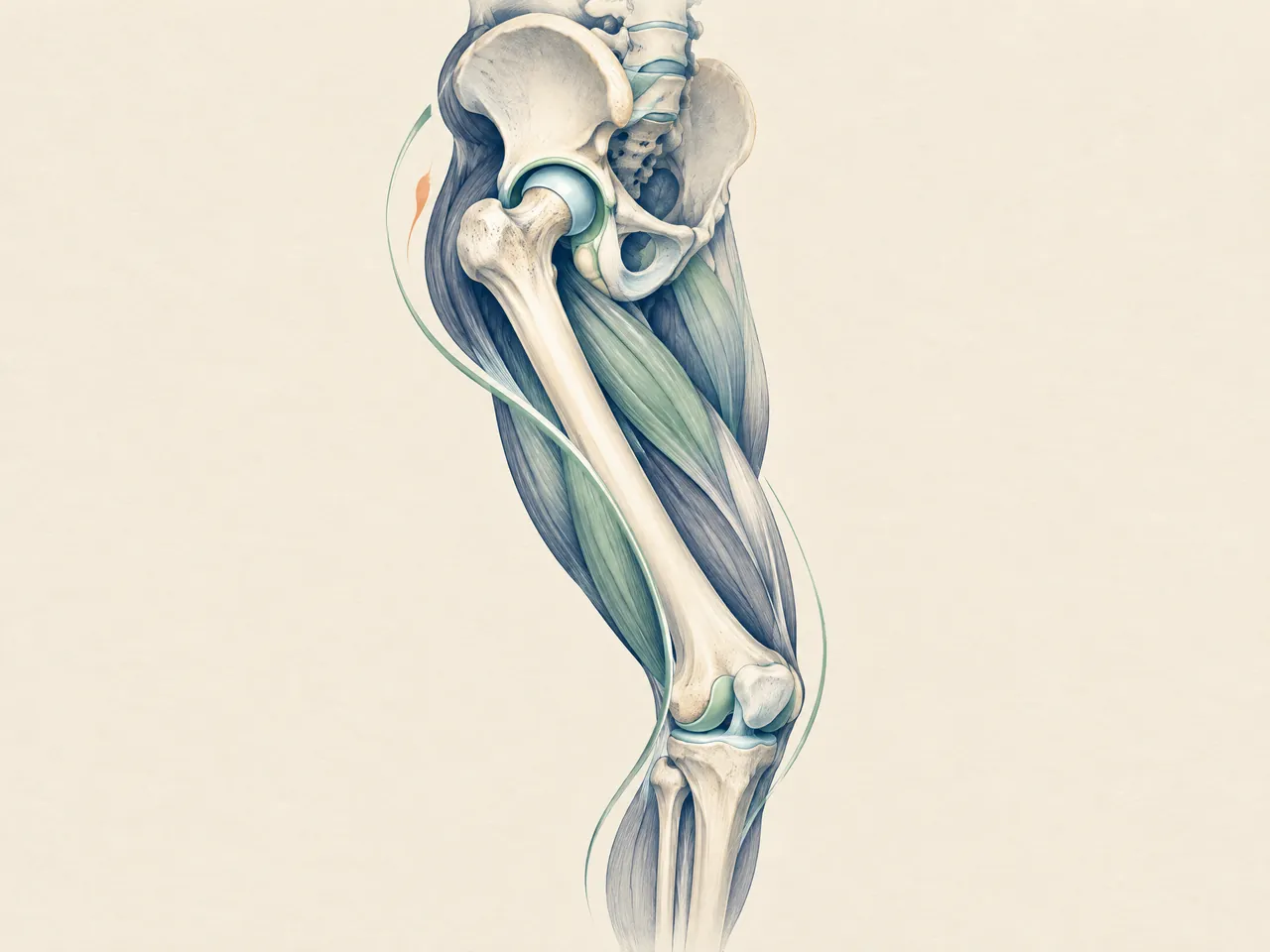
The short answer
Hip pain in adults can come from the joint, surrounding muscles, tendons or bursae, or from the lower back. Groin pain may occur with hip arthritis, but it is not proof of arthritis and needs to be considered with movement, stiffness, injury and examination findings. Arrange a medical assessment for persistent, worsening or function-limiting pain. After an injury, severe pain, inability to bear weight, or tingling or loss of feeling needs urgent emergency assessment. [1]
Transparent pricing
See the fees.
Choose your care.
Explore our complete official price list, including first-trial prices, regular prices, packages and branch-specific options.
Opening WhatsApp prepares an enquiry; it does not send a message, take payment or confirm an appointment. Suitability and individual arrangements are confirmed during consultation.
Pain care
All prices in HKDExtracorporeal shockwave treatment
Shockwave treatment for deep-tissue and fascial care. The Kwun Tong clinic offers the multi-area options shown below.
Priced by branch
Branch-specific pricing
Prince Edward: HK$250 per area
Kwun Tong: HK$250 for 1 area / HK$450 for 2 areas / HK$600 for 3 areas
Pain care (manual therapy)
Includes Chinese medicine musculoskeletal assessment, manual joint techniques and tui na.
HK$580 (single session)
Chinese medicine musculoskeletal assessment
Pain care (acupuncture and manual therapy)
Combines acupuncture and manual therapy.
HK$680 (single session)
Combined care
Hair and scalp
All prices in HKDScalp health and hair-loss management
Includes AI scalp analysis, deep scalp and follicle cleansing, and scalp oil-control care.
HK$380 (first trial)
Regular price: HK$680
- 6 sessions: HK$3,480 (HK$580 per session)
- 12 sessions: HK$5,760 (HK$480 per session)
- 20 sessions: HK$8,600 (HK$430 per session)
- 30 sessions: HK$11,400 (HK$380 per session)
Hair acupuncture and Chinese herbal medicine package
Includes scalp acupuncture and 3 days of Chinese herbal medicine that does not require decoction.
HK$580 (single session)
Registered Chinese Medicine Practitioner consultation
- 6 sessions: HK$3,180 (HK$530 per session)
- 12 sessions: HK$5,760 (HK$480 per session)
- 20 sessions: HK$8,600 (HK$430 per session)
- 30 sessions: HK$11,400 (HK$380 per session)
Combined hair and scalp treatment
Combines acupuncture and Chinese herbal medicine with salon-level scalp and follicle care. Packages include complimentary hair-care shampoo and serum.
HK$1,260 (single session)
Combined treatment
- 8 sessions: HK$8,640 (HK$1,080 per session)
- 16 sessions: HK$15,680 (HK$980 per session)
- 20 sessions: HK$18,600 (HK$930 per session)
- 30 sessions: HK$26,400 (HK$880 per session)
Weight management
All prices in HKDFull-body acupoint embedding for weight management
Includes full-body acupoint embedding. Packages include complimentary Chinese herbal medicine for weight management, with the number of included days scaled to the package. Embedding material and the individual treatment arrangement are confirmed during consultation; this is not a cosmetic thread lift.
HK$980 (single session)
No trial session
- 10 sessions: HK$7,800 (HK$780 per session)
- 20 sessions: HK$14,600 (HK$730 per session)
- 30 sessions: HK$20,400 (HK$680 per session)
Facial acupuncture
All prices in HKDFacial acupuncture (basic)
Includes facial acupuncture and meridian-based facial care, including care for facial puffiness.
HK$480 (first trial)
Regular price: HK$680
- 10 sessions: HK$5,200 (HK$520 per session)
- 20 sessions: HK$9,600 (HK$480 per session)
- 30 sessions: HK$13,500 (HK$450 per session)
Facial acupuncture (advanced)
Includes enhanced facial acupuncture with a specially formulated moisturising mask and serum.
HK$780 (first trial)
Regular price: HK$1,180
- 10 sessions: HK$9,000 (HK$900 per session)
- 20 sessions: HK$16,600 (HK$830 per session)
- 30 sessions: HK$23,400 (HK$780 per session)
Chinese medicine
All prices in HKDAcupuncture and Chinese herbal medicine package
Includes a Chinese medicine consultation with pulse assessment, body acupuncture and 3 days of Chinese herbal granules that do not require decoction.
HK$580 (single session)
Chinese medicine consultation with pulse assessment
Hip pain in adults: Is groin pain a sign of hip arthritis? When should I see a doctor for hip pain? — Pain locations and possible clues
The word “hip” can mean different places in everyday conversation. Someone may point to the deep crease at the front of the pelvis, the bony outside of the upper thigh, the buttock, or the lower back. That difference is worth describing clearly rather than trying to label the cause at home. A useful starting point is to notice whether the discomfort feels deep or superficial, stays in one spot or travels, and appears during a particular movement. Our guide to hip pain causes gives related background, but a new, severe or unclear pattern still deserves individual assessment.
Pain location can narrow the questions that a clinician asks, but it does not offer a shortcut to a diagnosis. Joint cartilage, muscles, tendons, bursae and the lower spine can all contribute to symptoms around this region. A person can also have more than one source of pain. Looking at the site together with onset, injury, walking tolerance, stiffness, weakness and any fever or swelling is safer than assuming that every adult hip ache is “wear and tear.” [1] [2]
Hip pain in adults: Is groin pain a sign of hip arthritis? When should I see a doctor for hip pain? — Groin, thigh and knee symptoms
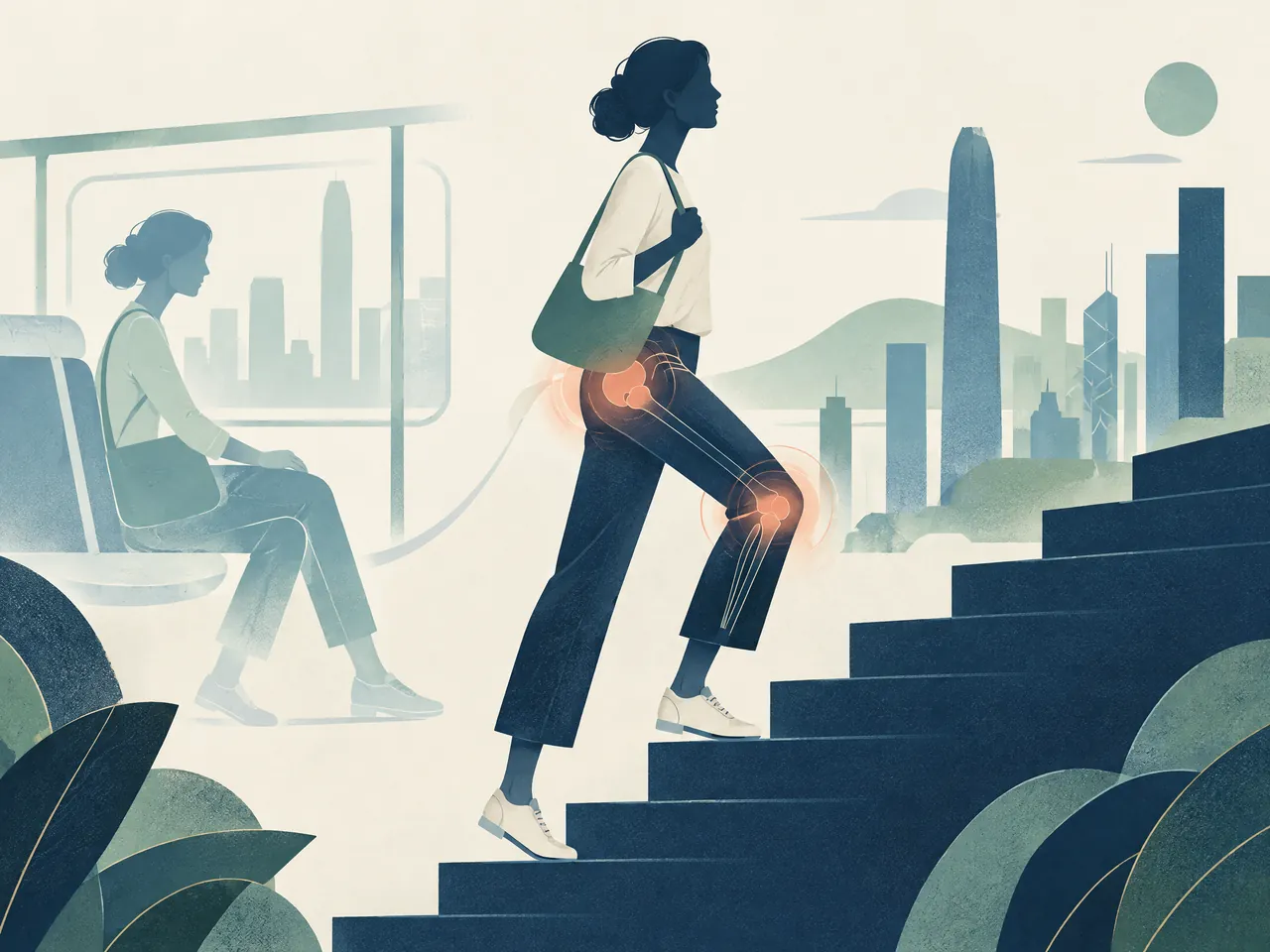
Groin or front-of-hip pain is often the pattern that makes people ask, “Is groin pain a sign of hip arthritis?” Hip osteoarthritis can cause pain and stiffness in the front of the hip, groin and thigh. A labral problem and other conditions may also cause front hip or groin symptoms. Therefore, the more helpful description is not simply “I have groin pain,” but “this is where it is, this is what brings it on, and this is what it stops me doing.” [2] For a closer look at the overlap, see hip pain and groin pain.
Walking uphill, rising from a low chair, putting on socks, getting into a car or turning while carrying shopping may expose a pattern because the hip moves and bears load in different ways. Note whether the pain begins at the first few steps, builds during a walk, follows a longer activity, or settles only after rest. Thigh or knee discomfort should be mentioned too, even when the hip itself seems quiet. That information can help a clinician examine the relevant areas rather than focusing only on the point that hurts most. [3]
Hip pain in adults: Is groin pain a sign of hip arthritis? When should I see a doctor for hip pain? — Outer hip, buttock and referred pain
Pain over the outer bony side of the hip has a different set of possible explanations. It may be more noticeable when lying on that side, climbing stairs, standing on one leg or moving the leg sideways. Bursae and the muscles or tendons around the outside of the hip are among the structures that can be involved. These are possibilities rather than a home diagnosis: tenderness, range of movement, gait and the story of how symptoms began all matter. [1] [2] A location map in hip pain location may help you put your own description into words.
Buttock pain, pain travelling down the leg, burning, pins and needles or numbness may lead a clinician to consider the lower back and nerves as well as the hip. HSS notes that pain felt in the back of the hip or buttock is often related to the spine rather than the hip joint itself. [2] This does not mean every buttock symptom is a back condition. It means that describing the path of the pain, changes in sensation and any weakness is important, especially after an injury or if symptoms are progressing.
Compare your options
| What you notice | Useful detail to record | Why it can help the discussion |
|---|---|---|
| Pain location | Groin, front thigh, outer hip, buttock, knee or lower back; one side or both | Different locations can suggest different structures to examine, but do not diagnose the cause alone. |
| Walking and load | First steps, distance walked, stairs, chair transfers, limping and ability to bear weight | Shows the practical effect of symptoms and whether loading changes them. |
| Time pattern | Sudden or gradual onset, morning stiffness, night waking, recurrent episodes and duration | Helps distinguish a transient pattern from one needing further assessment. |
| Associated changes | Fall or injury, swelling, warmth, skin colour change, fever, numbness or weakness | Identifies details that may change the urgency or direction of medical assessment. |
On smaller screens, scroll the table sideways to compare all columns.
Hip pain in adults: Is groin pain a sign of hip arthritis? When should I see a doctor for hip pain? — Movement, function and symptom tracking
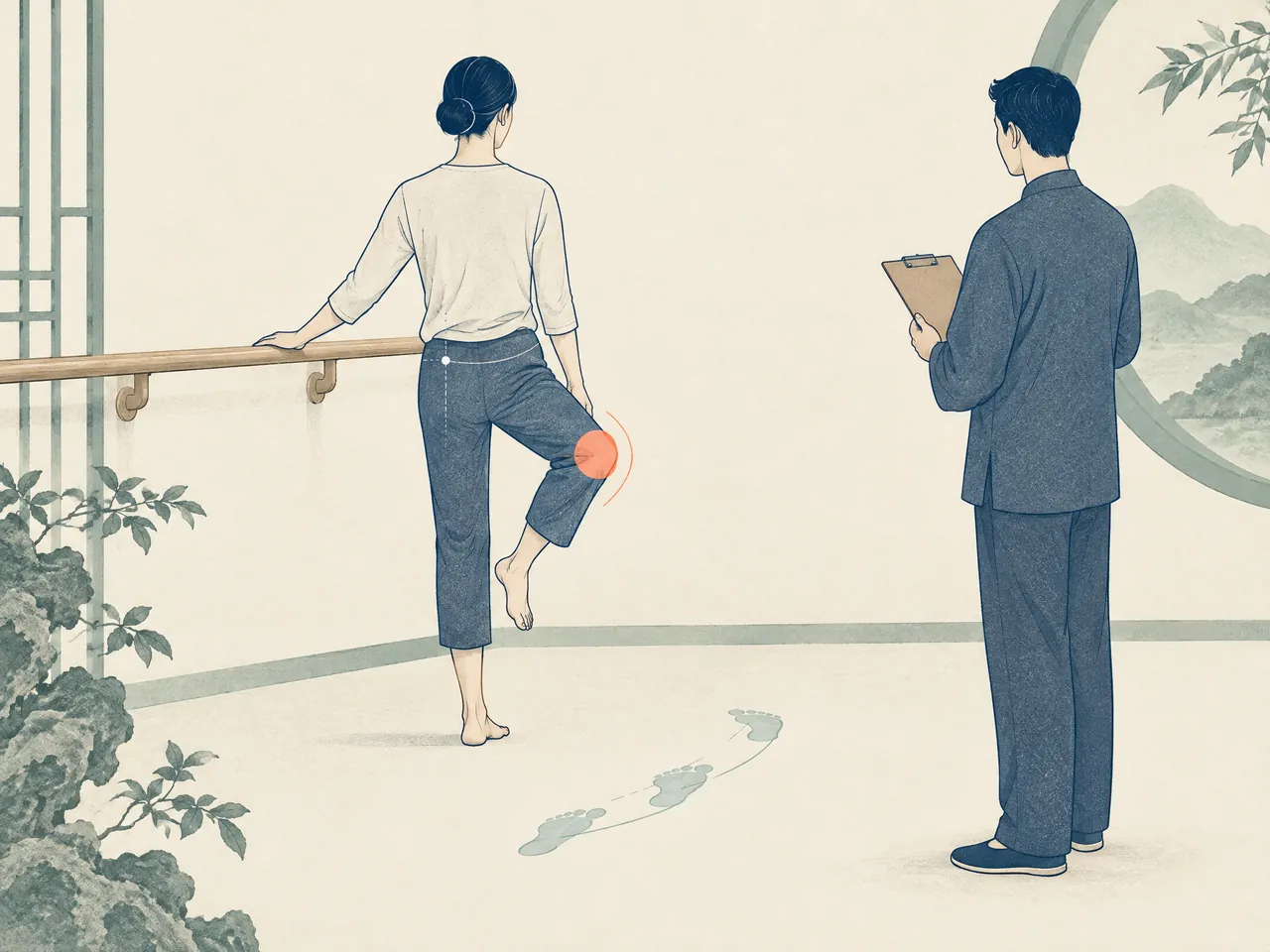
A short symptom record is not a test and should not replace examination. It can, however, make an appointment much more productive. Instead of trying to reproduce pain with deep squats, forceful stretches or repeated twisting, write down ordinary activities that naturally show the pattern. Include the first day you noticed it, whether there was a fall, a sudden turn, a new exercise routine or a gradual onset. Also note whether the issue is pain, stiffness, catching, instability, altered sensation, or a mixture of these.
Function is often more informative than a single pain score. Can you walk across the MTR station without changing your pace? Does standing to cook, reaching the bathroom at night, getting out of a taxi, or side-lying affect you? The Hong Kong College of Orthopaedic Surgeons lists walking, bending, chair transfers and putting on shoes and socks among everyday tasks that hip stiffness can make difficult. [3] These examples help turn “my hip hurts” into practical information for an assessment.
Hip pain in adults: Is groin pain a sign of hip arthritis? When should I see a doctor for hip pain? — Walking, stiffness and weight-bearing
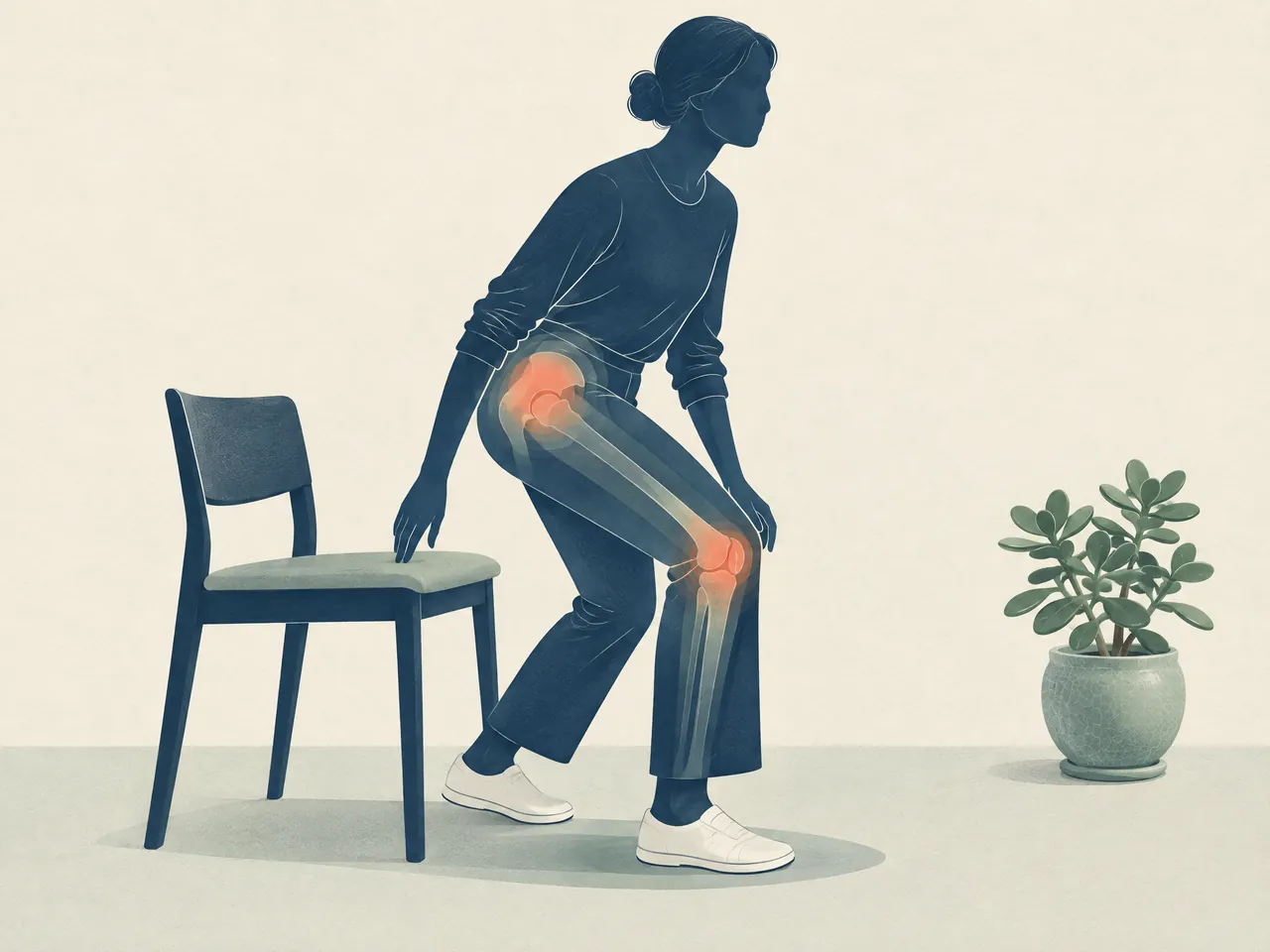
Pay attention to weight-bearing, but do not use it to push through severe pain. Record whether you can place weight through the leg, whether you limp, and whether pain is worse with the first steps, after a certain distance, on stairs or when rising after sitting. For people aged 45 or over, activity-related joint pain together with no morning stiffness or stiffness lasting no longer than 30 minutes is one clinical pattern used when considering osteoarthritis. It is still a clinician’s diagnosis, not a checklist for self-diagnosis. [4]
Morning symptoms deserve detail. “Stiff” can mean a brief sense of tightness that eases once moving, or prolonged restriction that makes basic tasks difficult. Say how long it lasts, whether other joints are swollen or painful, and whether the hip wakes you at night. Pain that affects sleep, normal activities, or keeps worsening or returning is a reason to arrange medical advice rather than indefinitely changing your routine around it. [1] If walking has become awkward, the related article Why does my hip hurt? can help organise questions before that visit.
Hip pain in adults: Is groin pain a sign of hip arthritis? When should I see a doctor for hip pain? — Recording triggers, injury and daily impact
Use a simple note for several days: where the pain starts; whether it is sharp, dull, burning or aching; what happened immediately before it; what made it better or worse; and the effect on work, sleep and walking. Record a fall, direct blow, sudden pivot, increase in training, long journey, or a recent illness. It is equally useful to say what you can still do comfortably. Avoid declaring that a particular activity “proves” a torn tendon, bursitis or arthritis, because several conditions can share the same trigger.
Bring a list of regular medicines, supplements, previous injuries, operations and relevant reports. If you have already tried a change such as temporarily reducing a painful activity, note the result rather than repeatedly testing the painful movement. For a mild, non-injury-related ache, the NHS advises keeping moving within tolerance rather than overloading the hip; its guidance also describes wrapping an ice pack in a towel for short periods. [1] Advice should be adapted for the person’s health conditions and current treatment, so ask a clinician or pharmacist before starting or changing medicine.
Hip pain in adults: Is groin pain a sign of hip arthritis? When should I see a doctor for hip pain? — Seeking care and discussing assessment
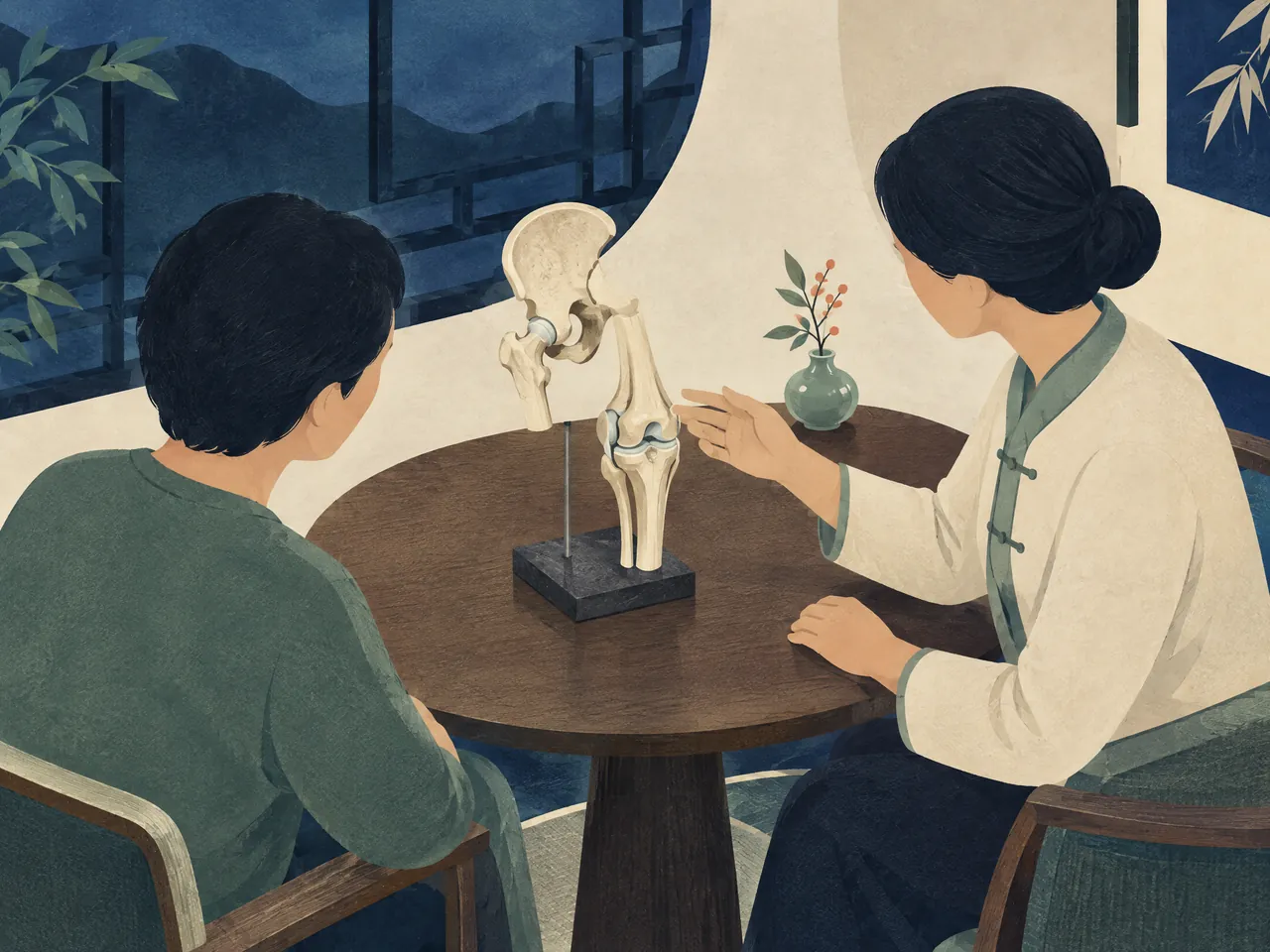
When should I see a doctor for hip pain? The answer is based on urgency and function, not on whether a pain site sounds like arthritis. A routine consultation is sensible when symptoms persist, recur, worsen, affect work or household tasks, disturb sleep, or leave you uncertain about safe activity. In an assessment, a clinician may ask about the onset and general health, observe walking, examine movement and strength, and decide whether imaging or other tests are useful. [3] Imaging is not routinely needed to diagnose a typical osteoarthritis presentation, although atypical features can change that decision. [4]
If you also want to discuss Chinese medicine as a complementary option, first make sure emergency and conventional medical needs are not delayed. A Registered Chinese Medicine Practitioner can take a detailed history and should know about current diagnoses, medicines, investigations and planned care. Traditional pattern descriptions are not interchangeable with an orthopaedic or neurological diagnosis. Clear communication across providers is particularly important after a fall, around surgery, or when there are signs of infection, progressive weakness or major loss of function.

Hip pain in adults: Is groin pain a sign of hip arthritis? When should I see a doctor for hip pain? — Urgent signs that need prompt medical care
Do not wait for a complementary consultation if you have severe hip pain after a fall or injury, cannot walk or put weight through the leg, or have tingling or loss of feeling after an injury. The NHS advises emergency assessment for these situations. [1] A visibly deformed joint, sudden severe pain, or an inability to move the hip also needs urgent medical attention. Getting help promptly matters because a fracture, dislocation or nerve problem cannot be safely sorted out by a webpage or by monitoring pain at home. [1] [5]
A hot, swollen hip; skin colour change around the area; fever; chills; or feeling generally unwell alongside hip pain warrants urgent medical assessment. [1] These features can have causes that need timely examination. Likewise, rapidly worsening symptoms, a new deformity, or severe pain without a clear injury should not be assumed to be ordinary arthritis. If you are unsure how urgent a symptom is in Hong Kong, use an appropriate urgent-care or emergency service rather than waiting for a routine appointment.

Hip pain in adults: Is groin pain a sign of hip arthritis? When should I see a doctor for hip pain? — What to discuss during a clinical assessment
Start with a concise timeline: the exact area, when it began, whether it followed an injury, and the activities it changes. Mention groin, thigh, knee, outer-hip, buttock or back symptoms separately rather than calling them all “hip pain.” Say whether pain spreads below the knee, whether you have numbness or weakness, and whether there is swelling, warmth, fever, prolonged morning stiffness or night pain. This helps the clinician decide whether the hip, nearby soft tissues, back, nerves or another problem needs closer attention. [1] [2]
It can also help to ask what the working possibilities are, what warning changes should prompt earlier review, and whether activity modification, rehabilitation, medication review or tests are appropriate. You may bring your symptom notes to TCM Lab when enquiring about a non-urgent discussion at the Kwun Tong Chinese medicine clinic or Chinese medicine clinic Prince Edward. For practical planning, consult the Chinese medicine clinic price list Hong Kong and contact the clinic to confirm a suitable appointment; this does not replace medical triage for red-flag symptoms.
Care and health guide
Pain-care information
This directory brings together services, reading, and visit information related to pain care, to help you prepare questions for a consultation.
When pain care affects your day, noting when it occurs, its relation to activity, and what you have already tried can help prepare a consultation; Chinese medicine pain management Hong Kong is a relevant service or reading entry point.
Individual circumstances differ, and acupuncture Hong Kong offers related information to help you understand options and prepare questions.


Your questions, answered
Frequently asked questions
Is groin pain a sign of hip arthritis?
When should I see a doctor for hip pain if I can still walk?
Arrange assessment if the pain is worsening, keeps returning, affects normal activity or sleep, or has not improved after a short period of sensible self-care. You do not need to wait until you cannot walk. [1]
Does pain on the outer hip mean bursitis?
No. Outer-hip pain may involve a bursa or nearby muscles and tendons, but location and pain when side-lying are only clues. Examination is needed to identify the source and rule out other contributors. [2]
Why does my hip pain travel down my leg?
Some hip conditions can be felt in the thigh, while pain from the lower spine can travel to the hip and down the leg. Burning, pins and needles, numbness or weakness are important details to report, especially if they follow an injury or progress. [2]
Sources and further information
- [1] NHS — Hip pain in adults
Referenced for: Adult hip-pain symptom patterns, self-care context and routine, urgent and emergency warning signs.
- [2] Hospital for Special Surgery — Hip Pain Causes, Conditions and Treatments
Referenced for: Location-related patterns involving the groin, outer hip, buttock, thigh and lower spine.
- [3] Hong Kong College of Orthopaedic Surgeons — Hip Pain and Loss of Hip Mobility
Referenced for: Hong Kong orthopaedic information on functional impact and elements of clinical assessment.
- [4] NICE — Osteoarthritis in over 16s: diagnosis and management
Referenced for: Clinical osteoarthritis diagnosis, routine imaging and atypical features.
- [5] Hospital for Special Surgery — Should You See a Doctor for That Hip Pain?
Referenced for: General warning signs and reasons to seek medical assessment for hip pain.