
TCM Lab · Services and individual assessment
Tui Na massage Hong Kong, acupuncture for back pain and Chinese medicine for pain
Published Updated
Pain that changes how you sit at a desk, carry a child, sleep, exercise or commute deserves more than a generic treatment choice. Tui Na massage, acupuncture for back pain and Chinese medicine for pain are options that may be discussed after an individual assessment, not automatic answers to every sore neck, shoulder, knee or back. At TCM Lab Hong Kong, the conversation starts with where the pain is, how it began, what makes it better or worse, how movement has changed and whether any warning signs point to another form of care. The result should be a practical next step: an appropriate Chinese medicine discussion, a self-management focus, or timely referral when that is safer.
Appointments are confirmed through WhatsApp. If you have language requirements, please mention them in your enquiry.
The short answer
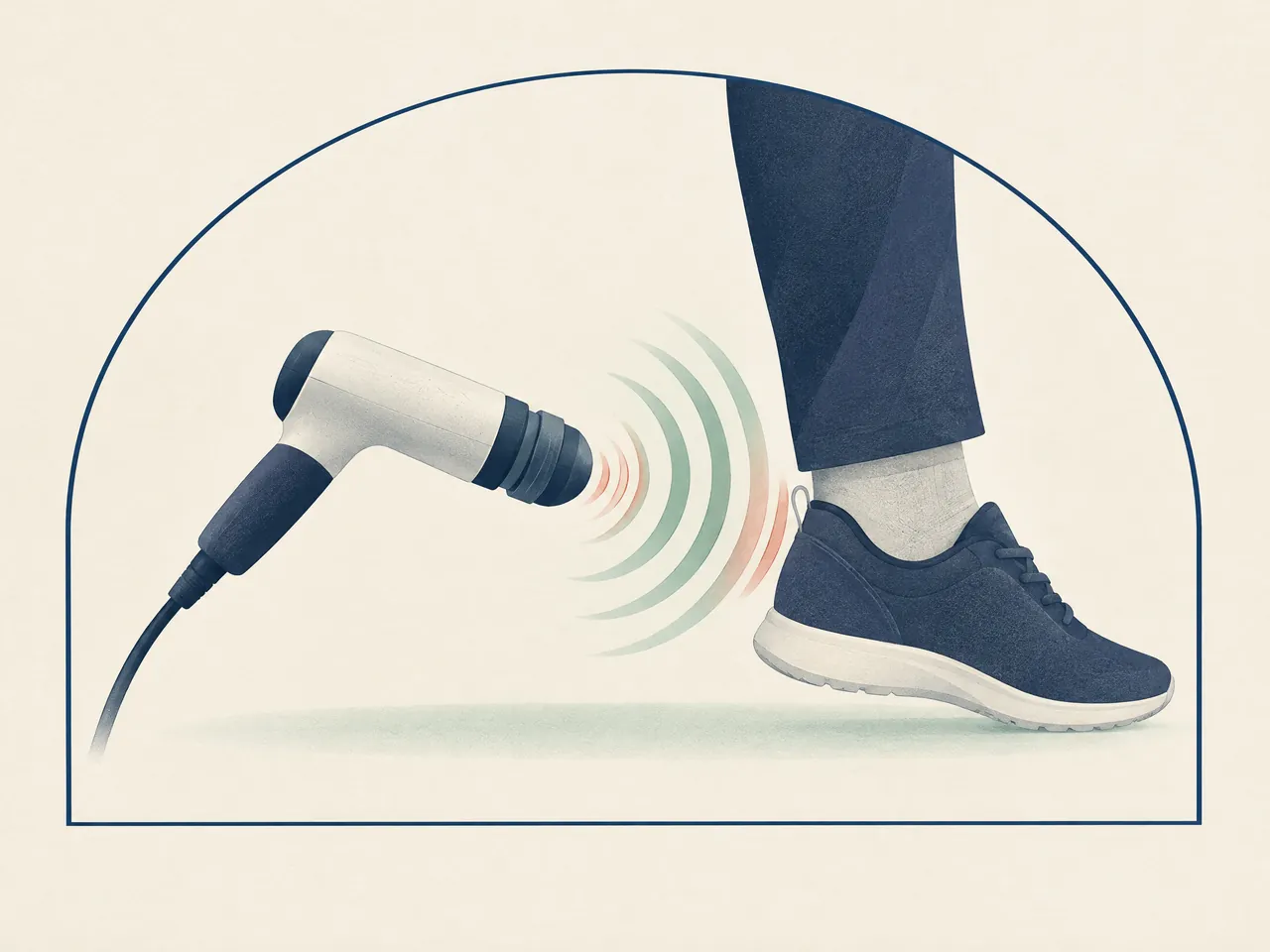
Tui Na massage Hong Kong, acupuncture for back pain and Chinese medicine for pain should begin with assessment rather than a preset course. A practitioner considers the painful area, onset, triggers, activity limits, health history and warning signs before discussing suitable options, including referral where needed. TCM Lab can discuss pain-assessment appointments at Prince Edward or Kwun Tong, but a consultation does not guarantee that a particular treatment or outcome will be appropriate.
Transparent pricing
See the fees.
Choose your care.
Explore our complete official price list, including first-trial prices, regular prices, packages and branch-specific options.
Opening WhatsApp prepares an enquiry; it does not send a message, take payment or confirm an appointment. Suitability and individual arrangements are confirmed during consultation.
Chinese medicine
All prices in HKDAcupuncture and Chinese herbal medicine package
Includes a Chinese medicine consultation with pulse assessment, body acupuncture and 3 days of Chinese herbal granules that do not require decoction.
HK$580 (single session)
Chinese medicine consultation with pulse assessment
Hair and scalp
All prices in HKDScalp health and hair-loss management
Includes AI scalp analysis, deep scalp and follicle cleansing, and scalp oil-control care.
HK$380 (first trial)
Regular price: HK$680
- 6 sessions: HK$3,480 (HK$580 per session)
- 12 sessions: HK$5,760 (HK$480 per session)
- 20 sessions: HK$8,600 (HK$430 per session)
- 30 sessions: HK$11,400 (HK$380 per session)
Hair acupuncture and Chinese herbal medicine package
Includes scalp acupuncture and 3 days of Chinese herbal medicine that does not require decoction.
HK$580 (single session)
Registered Chinese Medicine Practitioner consultation
- 6 sessions: HK$3,180 (HK$530 per session)
- 12 sessions: HK$5,760 (HK$480 per session)
- 20 sessions: HK$8,600 (HK$430 per session)
- 30 sessions: HK$11,400 (HK$380 per session)
Combined hair and scalp treatment
Combines acupuncture and Chinese herbal medicine with salon-level scalp and follicle care. Packages include complimentary hair-care shampoo and serum.
HK$1,260 (single session)
Combined treatment
- 8 sessions: HK$8,640 (HK$1,080 per session)
- 16 sessions: HK$15,680 (HK$980 per session)
- 20 sessions: HK$18,600 (HK$930 per session)
- 30 sessions: HK$26,400 (HK$880 per session)
Weight management
All prices in HKDFull-body acupoint embedding for weight management
Includes full-body acupoint embedding. Packages include complimentary Chinese herbal medicine for weight management, with the number of included days scaled to the package. Embedding material and the individual treatment arrangement are confirmed during consultation; this is not a cosmetic thread lift.
HK$980 (single session)
No trial session
- 10 sessions: HK$7,800 (HK$780 per session)
- 20 sessions: HK$14,600 (HK$730 per session)
- 30 sessions: HK$20,400 (HK$680 per session)
Facial acupuncture
All prices in HKDFacial acupuncture (basic)
Includes facial acupuncture and meridian-based facial care, including care for facial puffiness.
HK$480 (first trial)
Regular price: HK$680
- 10 sessions: HK$5,200 (HK$520 per session)
- 20 sessions: HK$9,600 (HK$480 per session)
- 30 sessions: HK$13,500 (HK$450 per session)
Facial acupuncture (advanced)
Includes enhanced facial acupuncture with a specially formulated moisturising mask and serum.
HK$780 (first trial)
Regular price: HK$1,180
- 10 sessions: HK$9,000 (HK$900 per session)
- 20 sessions: HK$16,600 (HK$830 per session)
- 30 sessions: HK$23,400 (HK$780 per session)
Pain care
All prices in HKDExtracorporeal shockwave treatment
Shockwave treatment for deep-tissue and fascial care. The Kwun Tong clinic offers the multi-area options shown below.
Priced by branch
Branch-specific pricing
Prince Edward: HK$250 per area
Kwun Tong: HK$250 for 1 area / HK$450 for 2 areas / HK$600 for 3 areas
Pain care (manual therapy)
Includes Chinese medicine musculoskeletal assessment, manual joint techniques and tui na.
HK$580 (single session)
Chinese medicine musculoskeletal assessment
Pain care (acupuncture and manual therapy)
Combines acupuncture and manual therapy.
HK$680 (single session)
Combined care
From enquiry to individual assessment
Start with an enquiry
Tell us your main concern, preferred clinic and possible times. Ask about fees and any language requirements.
Discuss your assessment
Bring your medical history, current medicines and questions. The practitioner assesses which options may be suitable.
Agree on the next step
Discuss the proposed care, fees, risks and follow-up. Arrangements depend on the assessment and appointment confirmation.
Tui Na massage Hong Kong, acupuncture for back pain and Chinese medicine for pain: what assessment covers
A pain assessment is a structured conversation and observation, not simply a search for the most tender point. It usually starts with the location and character of the discomfort: aching, stiffness, pulling, burning, tingling or a pain that travels. The practitioner may ask whether it followed a fall, a new gym routine, a long period at a screen, lifting, a change in shoes, or no clear event at all. They also need to know whether symptoms are new, recurrent or gradually changing. This wider view matters because pain can affect walking, turning the head, reaching a shelf, grip, sleep and confidence with ordinary tasks in different ways.
Health history gives the movement findings context. Previous operations or injuries, long-term conditions, current medicines, recent illness and earlier tests may alter what is sensible to discuss. For a back complaint, it also helps to distinguish a local ache from pain that runs into a leg, and to note whether coughing, sitting, bending or a particular position changes it. Hong Kong’s Primary Healthcare Commission treats low back pain within its reference material on common musculoskeletal problems, a useful reminder that pain care needs a considered primary-care approach rather than a one-size-fits-all label [4]. If you would like a closer look at the visit itself, what happens at a pain assessment? explains the practical questions people can prepare for.
Tui Na massage Hong Kong, acupuncture for back pain and Chinese medicine for pain: mapping symptoms and movement limits
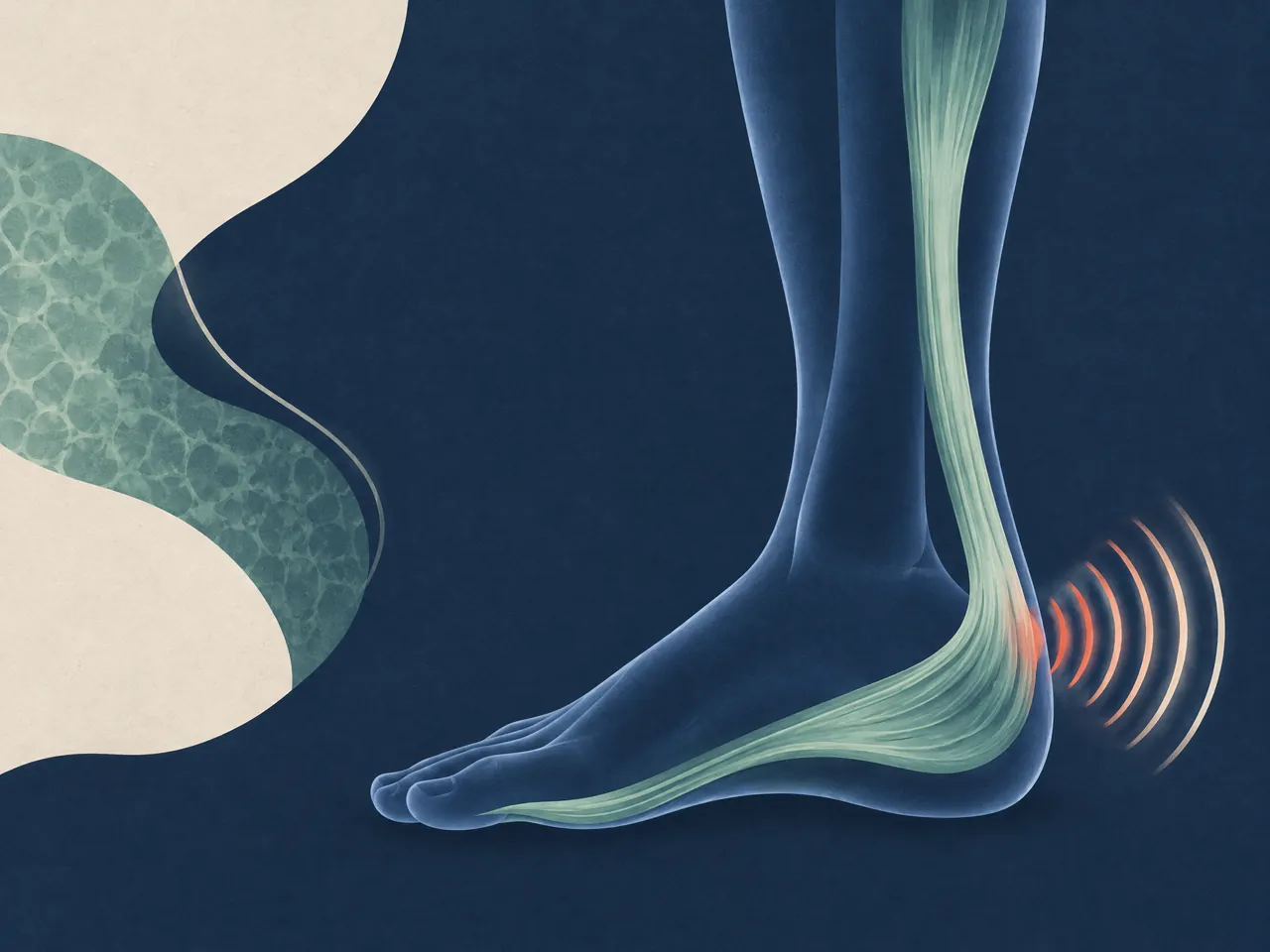
Mapping symptoms means describing the pattern in everyday terms before making assumptions. A person who can stand comfortably but struggles after a long taxi ride has a different functional pattern from someone whose discomfort appears only when reaching overhead. It can help to identify a usual day and a bad day, then name the actions that have become slower, avoided or impossible. Gentle observation of range of motion, posture or a relevant movement may be part of the assessment, within individual comfort and clinical judgement. The purpose is not to force a painful test or prove a diagnosis in one visit. It is to build a clearer picture of what is limited and what needs further attention.
Tui Na massage Hong Kong, acupuncture for back pain and Chinese medicine for pain: recognising when referral may be needed
Some patterns should change the plan from routine pain care to medical assessment without delay. Severe pain that begins suddenly or worsens quickly, feeling unwell with back pain, or pain after a serious accident needs urgent attention. For back pain, the NHS also flags chest pain, weakness, tingling or numbness in both legs, loss of feeling around the genitals or anus, and new bladder or bowel changes as reasons for emergency help [2]. This is not a checklist for self-diagnosis; it is a reason to describe all associated symptoms clearly. A registered practitioner may advise referral rather than proceed with Tui Na, acupuncture or Chinese medicine when the history or examination suggests that is the safer route.
Compare your options
| What you notice | Why it matters in assessment | A sensible next conversation |
|---|---|---|
| A new ache linked to a particular movement, work task or activity | The trigger and movement limit may help describe the pattern more clearly. | Explain when it began, what changes it and which task has become difficult. |
| Persistent or recurring neck, shoulder, knee or back discomfort | Duration, previous episodes and daily impact guide a more individual discussion. | Ask whether Tui Na, acupuncture, Chinese medicine advice, self-management or another route should be considered. |
| Concern about needles, manual pressure, medicines or a past reaction | Personal precautions and preferences can affect what is appropriate to discuss. | Share the concern before treatment choices are made; do not assume a modality is required. |
| Sudden severe pain, rapid worsening, serious injury or neurological symptoms | These may need urgent medical assessment rather than routine pain care. | Seek urgent or emergency medical help according to the symptoms, then provide the history to the treating clinician. |
On smaller screens, scroll the table sideways to compare all columns.
Tui Na massage Hong Kong, acupuncture for back pain and Chinese medicine for pain: choosing an approach
Once urgency and key history have been considered, the discussion can become more specific. Tui Na is a traditional Chinese manual approach that may involve techniques chosen for the area and presentation; people sometimes use the English phrase massage, but the right approach is not defined by pressure alone. A plan may also include advice about pacing an activity, changing a work setup, gentle movement or asking another healthcare professional to assess the problem. Explore the wider service context through Chinese medicine pain management, while keeping in mind that an individual visit is where suitability is decided.

Acupuncture involves inserting fine needles into the skin [1]. It is often searched for alongside back or neck pain, but a search term cannot decide its place in someone’s care. The National Center for Complementary and Integrative Health notes research suggesting acupuncture may help several pain conditions, including back or neck pain, while also explaining that study comparisons with no treatment and sham acupuncture can differ [1]. That evidence is condition-specific and does not establish a result for every type of pain, every cause or every individual. A good conversation therefore connects the proposed option to the person’s symptoms, priorities, relevant precautions and next review point.

Tui Na massage Hong Kong, acupuncture for back pain and Chinese medicine for pain: how Tui Na may be discussed
When considering Tui Na, useful questions are practical: Which area will be addressed? What degree of pressure is comfortable? Could a flare, bruise, skin issue, recent injury or another health concern change the approach? Manual work may be considered where it fits the assessment, but it should not be framed as a way to push through acute pain or replace investigation of concerning symptoms. Explain if a previous massage left you more sore, if touch is uncomfortable, or if a position such as lying face down is difficult. The practitioner can then decide whether a manual technique, a lighter approach, another modality or referral makes more sense for that day.

Tui Na massage Hong Kong, acupuncture for back pain and Chinese medicine for pain: where acupuncture or shockwave fits
Acupuncture and shockwave are distinct modalities, and neither should be selected just because a friend had a similar symptom. With acupuncture, tell the practitioner about medicines, bleeding concerns, pregnancy, needle anxiety, past fainting and any relevant medical history so that safety can be discussed properly. NCCIH notes that complications are uncommon but can occur with nonsterile needles or improper delivery; it describes sterile, single-use needles as an important safety standard [1]. Shockwave is a separate discussion that may arise for some musculoskeletal presentations, subject to assessment and suitability. If that is your question, read how is shockwave therapy priced per body area before asking about the body area and proposed approach.
Tui Na massage Hong Kong, acupuncture for back pain and Chinese medicine for pain: planning practical care
A useful care plan gives you something observable to work with rather than promising a universal number of sessions. That may mean identifying one daily task to monitor, such as getting out of a chair, turning to reverse a car, climbing stairs or completing a work shift. It may mean modifying a heavy or repetitive activity for a period, then reviewing what changed. General back-pain guidance encourages people to stay active where possible and avoid long periods in bed, while stopping exercises that worsen pain and seeking advice [2]. These are broad principles, not a substitute for individual instructions after an assessment.
Chinese medicine for pain can also include discussion of herbal medicine, but no formula should be presumed from a webpage or borrowed from another person. A practitioner needs to consider the full presentation and relevant medicines or health conditions before discussing whether it is appropriate. The Chinese Medicine Hospital of Hong Kong describes systematic assessment and pattern identification in its low-back-pain programme, alongside potential modalities such as Chinese medicines, acupuncture and tui-na [3]. That is an example of local clinical terminology, not a claim that every option is needed or offered in every case. If you are comparing charges ahead of an enquiry, the Chinese medicine clinic price list Hong Kong gives the current service information to check.

Tui Na massage Hong Kong, acupuncture for back pain and Chinese medicine for pain: safety and realistic expectations
Realistic expectations start with uncertainty: the same body area can be affected by different problems, and response to care varies. It is reasonable to ask what the proposed option is intended to address, what sensations or short-term reactions should be reported, what activities to modify, and when the plan will be reconsidered. It is not reasonable to expect an online page to confirm a diagnosis, guarantee relief or set a fixed course before meeting you. Keep a short note of symptom changes between visits, including new numbness, weakness, fever, injury or a change in bladder or bowel function. For a direct guide to escalation, when should I seek urgent care for pain? is a useful starting point, but urgent symptoms require prompt medical help rather than a routine appointment.

Tui Na massage Hong Kong, acupuncture for back pain and Chinese medicine for pain: finding a TCM Lab location
TCM Lab can be contacted on WhatsApp at +852 6940 5663 to ask about a pain assessment and appointment availability. State the painful area, how long it has been present, whether an injury or red-flag symptom is involved, and which location is easier for you; this helps the team explain the next administrative step without pre-judging treatment. You can also review practical location details for the Chinese medicine clinic Prince Edward or the Kwun Tong Chinese medicine clinic. Actual practitioner availability, service suitability and appointment timing should be confirmed directly. If symptoms are severe, sudden or accompanied by the warning signs above, seek the appropriate urgent medical service instead of waiting for a clinic reply.
Care and health guide
Low back discomfort: care information
This directory brings together services, reading, and visit information related to low back discomfort, to help you prepare questions for a consultation.
When low back discomfort affects your day, noting when it occurs, its relation to activity, and what you have already tried can help prepare a consultation; acupuncture for low back pain is a relevant service or reading entry point.
Individual circumstances differ, and acupuncture Hong Kong offers related information to help you understand options and prepare questions.


Your questions, answered
Frequently asked questions
Is every kind of pain suitable for Tui Na, acupuncture or Chinese medicine?
No. Pain can have different causes and levels of urgency. The painful area, onset, movement limits, health history and associated symptoms should be considered first. A practitioner may discuss one or more options, self-management or referral, depending on what is appropriate for the individual situation.
How many sessions will I need for back pain or another pain problem?
There is no reliable fixed number for everyone. Any next step depends on the assessment, the goal of care, response over time and safety considerations. A plan should be reviewed as your symptoms and function change rather than promised in advance as a guaranteed course.
What should I wear or bring to a pain assessment?
Wear clothing that allows comfortable movement and lets you describe the painful area without strain. Bring relevant reports if you have them, plus a list of regular medicines and a brief note of when symptoms began, what aggravates or eases them, and any previous injury or treatment.
When should I seek urgent medical care instead of booking a routine pain appointment?
Seek urgent help after serious trauma or for severe pain that starts suddenly or gets worse quickly. Emergency assessment is important for back pain with chest pain, new bladder or bowel changes, loss of feeling around the genitals or anus, or weakness, tingling or numbness in both legs. Online information cannot assess your individual risk.
Sources and further information
- [1] NCCIH — Acupuncture: Effectiveness and Safety
Referenced for: Supports the procedural description of acupuncture, condition-specific discussion of pain evidence, and safety wording on sterile single-use needles; it does not establish a treatment outcome for an individual.
- [2] NHS — Back pain
Referenced for: Supports general back-pain activity guidance and escalation wording for urgent and emergency symptoms; it is not a substitute for local emergency advice or individual assessment.
- [3] Chinese Medicine Hospital of Hong Kong — Low Back Pain Care Programme
Referenced for: Supports local terminology around Chinese medicine assessment, acupuncture, tui-na and Chinese medicines in a low-back-pain programme; it does not establish TCM Lab service availability or results.
- [4] Hong Kong Primary Healthcare Commission — Common Musculoskeletal Problems
Referenced for: Supports Hong Kong primary-care terminology for common musculoskeletal problems and low back pain only.