
TCM Lab · Services and individual assessment
Chinese medicine pain management, TCM pain management and Chinese medicine pain management Hong Kong
Published Updated
Pain is not one problem with one answer. A stiff neck after laptop work, a knee that hurts on stairs, and low-back pain that disrupts sleep can each need a different starting point. Chinese medicine pain management at TCM Lab Hong Kong begins by clarifying where the pain is, when it began, what brings it on, how it changes movement, and whether anything suggests that routine clinic care is not the right next step. After that assessment, acupuncture, Tui Na, acupressure, or shockwave therapy may be discussed as appropriate. The aim is a considered plan for comfort and function, not a promise that one method suits every cause of pain.
Appointments are confirmed through WhatsApp. If you have language requirements, please mention them in your enquiry.
The short answer
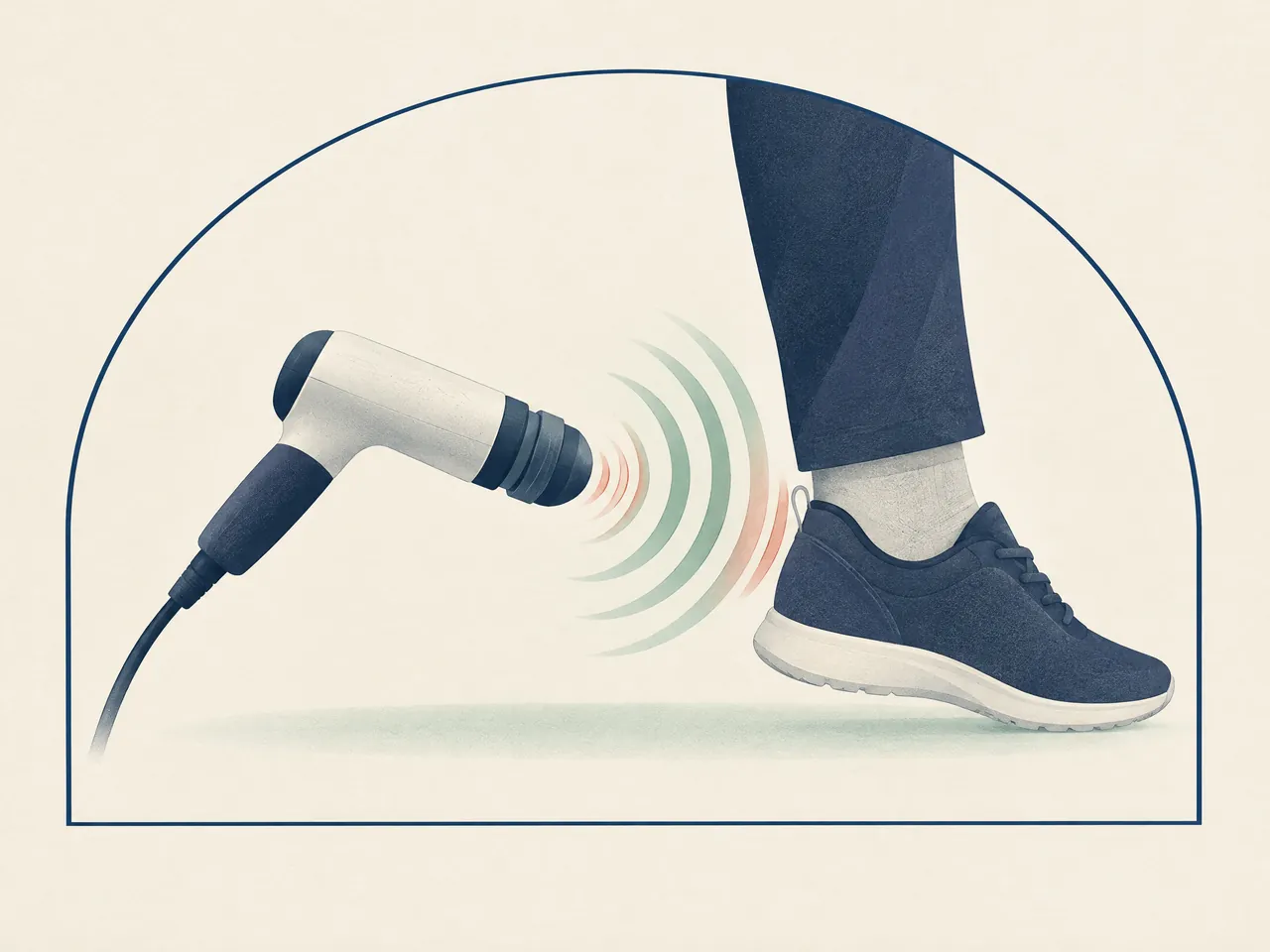
Chinese medicine pain management in Hong Kong should start with an individual assessment of the painful area, movement limits, symptom pattern, health history, and warning signs. At TCM Lab Hong Kong, acupuncture, Tui Na, acupressure, or shockwave therapy may be discussed after that review. The right option depends on the likely problem and your circumstances; it is not automatic, and urgent or unexplained symptoms may need medical assessment elsewhere first.
Transparent pricing
See the fees.
Choose your care.
Explore our complete official price list, including first-trial prices, regular prices, packages and branch-specific options.
Opening WhatsApp prepares an enquiry; it does not send a message, take payment or confirm an appointment. Suitability and individual arrangements are confirmed during consultation.
Pain care
All prices in HKDExtracorporeal shockwave treatment
Shockwave treatment for deep-tissue and fascial care. The Kwun Tong clinic offers the multi-area options shown below.
Priced by branch
Branch-specific pricing
Prince Edward: HK$250 per area
Kwun Tong: HK$250 for 1 area / HK$450 for 2 areas / HK$600 for 3 areas
Pain care (manual therapy)
Includes Chinese medicine musculoskeletal assessment, manual joint techniques and tui na.
HK$580 (single session)
Chinese medicine musculoskeletal assessment
Pain care (acupuncture and manual therapy)
Combines acupuncture and manual therapy.
HK$680 (single session)
Combined care
Hair and scalp
All prices in HKDScalp health and hair-loss management
Includes AI scalp analysis, deep scalp and follicle cleansing, and scalp oil-control care.
HK$380 (first trial)
Regular price: HK$680
- 6 sessions: HK$3,480 (HK$580 per session)
- 12 sessions: HK$5,760 (HK$480 per session)
- 20 sessions: HK$8,600 (HK$430 per session)
- 30 sessions: HK$11,400 (HK$380 per session)
Hair acupuncture and Chinese herbal medicine package
Includes scalp acupuncture and 3 days of Chinese herbal medicine that does not require decoction.
HK$580 (single session)
Registered Chinese Medicine Practitioner consultation
- 6 sessions: HK$3,180 (HK$530 per session)
- 12 sessions: HK$5,760 (HK$480 per session)
- 20 sessions: HK$8,600 (HK$430 per session)
- 30 sessions: HK$11,400 (HK$380 per session)
Combined hair and scalp treatment
Combines acupuncture and Chinese herbal medicine with salon-level scalp and follicle care. Packages include complimentary hair-care shampoo and serum.
HK$1,260 (single session)
Combined treatment
- 8 sessions: HK$8,640 (HK$1,080 per session)
- 16 sessions: HK$15,680 (HK$980 per session)
- 20 sessions: HK$18,600 (HK$930 per session)
- 30 sessions: HK$26,400 (HK$880 per session)
Weight management
All prices in HKDFull-body acupoint embedding for weight management
Includes full-body acupoint embedding. Packages include complimentary Chinese herbal medicine for weight management, with the number of included days scaled to the package. Embedding material and the individual treatment arrangement are confirmed during consultation; this is not a cosmetic thread lift.
HK$980 (single session)
No trial session
- 10 sessions: HK$7,800 (HK$780 per session)
- 20 sessions: HK$14,600 (HK$730 per session)
- 30 sessions: HK$20,400 (HK$680 per session)
Facial acupuncture
All prices in HKDFacial acupuncture (basic)
Includes facial acupuncture and meridian-based facial care, including care for facial puffiness.
HK$480 (first trial)
Regular price: HK$680
- 10 sessions: HK$5,200 (HK$520 per session)
- 20 sessions: HK$9,600 (HK$480 per session)
- 30 sessions: HK$13,500 (HK$450 per session)
Facial acupuncture (advanced)
Includes enhanced facial acupuncture with a specially formulated moisturising mask and serum.
HK$780 (first trial)
Regular price: HK$1,180
- 10 sessions: HK$9,000 (HK$900 per session)
- 20 sessions: HK$16,600 (HK$830 per session)
- 30 sessions: HK$23,400 (HK$780 per session)
Chinese medicine
All prices in HKDAcupuncture and Chinese herbal medicine package
Includes a Chinese medicine consultation with pulse assessment, body acupuncture and 3 days of Chinese herbal granules that do not require decoction.
HK$580 (single session)
Chinese medicine consultation with pulse assessment
From enquiry to individual assessment
Start with an enquiry
Tell us your main concern, preferred clinic and possible times. Ask about fees and any language requirements.
Discuss your assessment
Bring your medical history, current medicines and questions. The practitioner assesses which options may be suitable.
Agree on the next step
Discuss the proposed care, fees, risks and follow-up. Arrangements depend on the assessment and appointment confirmation.
Chinese medicine pain management, TCM pain management and Chinese medicine pain management Hong Kong: what an assessment covers
A useful pain assessment is more than locating a sore spot. It connects the symptom to the task that is difficult: turning to reverse a car, carrying a child, standing through a shift, getting up from a chair, or returning to a familiar exercise. A practitioner may ask whether pain is sharp, aching, burning, tingling, constant, or linked to a movement. They will also ask how it began, whether it followed a fall or repeated load, whether it interrupts sleep, and what you have tried. In Hong Kong primary-care material, common musculoskeletal problems include dedicated sections on low back pain and knee osteoarthritis, a reminder that the body area alone does not provide a diagnosis [3]. Bring relevant reports, a list of medicines and supplements, and the daily task you want to regain. For a step-by-step preview, read what happens at a pain assessment?.
Chinese medicine pain management, TCM pain management and Chinese medicine pain management Hong Kong for pain location and movement limits
Location is useful, but the way pain behaves often tells more. Neck discomfort may be worst when looking over one shoulder, while an elbow problem may show up while gripping a kettle or using a mouse. Low-back symptoms can change with sitting, bending, coughing, or getting out of bed; knee pain may be tolerable on level ground but limit stairs or squatting. Describing those differences focuses the conversation on function rather than treating a body diagram. During an in-person review, comfortable movement may be observed and the practitioner can ask which direction, load, or duration brings symptoms on.
Separate pain from loss of ability. Someone with modest pain may still avoid lifting, sleep poorly, or fear a sudden catch in a joint. Say whether symptoms travel into an arm or leg, whether pins and needles occur, and whether there is swelling, warmth, or a change in balance. Do not force a painful movement to demonstrate it. This information supports a safer choice between a clinic discussion, a modified activity plan, or referral. It also gives a practical review point: whether a specified daily movement becomes easier, rather than whether discomfort vanishes immediately.
Chinese medicine pain management, TCM pain management and Chinese medicine pain management Hong Kong with history and red-flag screening
History matters because the same symptom can have different implications in different people. Tell the practitioner about serious injury, surgery, pregnancy, cancer treatment, osteoporosis, bleeding issues, infection, fever, unexplained weight loss, allergies, long-term conditions, and medicines. Mention blood-thinning medication and any previous reaction to needle-based treatment. This safety conversation may change what is offered or whether care should pause. A registered Chinese medicine practitioner may recommend that another clinician assess the problem first, especially when the cause is uncertain or symptoms are changing.
Some symptoms should not wait for a routine pain appointment. Seek urgent medical help for chest pain, breathing difficulty, severe pain that starts suddenly or worsens quickly, or symptoms after a serious accident. For back pain, the NHS advises immediate emergency assessment for pain, tingling, weakness, or numbness in both legs; loss of sensation around the genitals or anus; or new bladder or bowel changes [2]. Sudden weakness, a new loss of coordination, or feeling seriously unwell also needs prompt assessment. Online descriptions cannot rule out serious causes.
Compare your options
| Option | What to clarify before it is considered | Practical discussion point |
|---|---|---|
| Acupuncture | The pain pattern, relevant health history, medicines, comfort with needles, and whether a needle-based approach is appropriate. | Ask what the session is intended to address and what changes or concerns should be reported. |
| Tui Na or acupressure | The painful movement, current tenderness, comfort with hands-on work, and areas that should be avoided or adapted. | Explain the work, sport, or daily task that is difficult so pressure and movement can be considered in context. |
| Shockwave therapy | The proposed body area, likely presentation, symptom history, relevant health factors, and whether referral is needed first. | Ask why ESWT is being discussed, what activity advice applies, and how the service is priced for the area considered. |
| Referral or medical assessment | Red flags, serious injury, neurological symptoms, systemic illness, uncertain diagnosis, or symptoms that do not follow an expected course. | Ask which service is most appropriate and take previous reports, medication details, and a timeline of symptoms. |
On smaller screens, scroll the table sideways to compare all columns.
Chinese medicine pain management, TCM pain management and Chinese medicine pain management Hong Kong: treatment options
After the assessment, the conversation should be about fit, not a predetermined package. The likely type of pain, tissue sensitivity, movement goal, health history, preference about touch or needles, and other current care all matter. TCM pain management may include acupuncture, Tui Na, or acupressure; shockwave therapy is a separate modality that may be considered in selected musculoskeletal presentations. Clear questions—what is being considered, why it fits the findings, what sensations are expected, and when to reassess—make the decision more useful. The NCCIH says acupuncture may be helpful for several pain conditions, including back or neck pain and knee pain associated with osteoarthritis, but evidence and comparison methods vary by condition [1]. For needle-based acupuncture, the NCCIH describes fine needles inserted into the skin and notes sterile, single-use needles as an important safety practice [1].

Chinese medicine pain management, TCM pain management and Chinese medicine pain management Hong Kong through acupuncture and Tui Na
Acupuncture and Tui Na are different experiences. Acupuncture involves insertion of fine needles; Tui Na is hands-on work that may involve pressure and movement techniques. The assessment should clarify whether you are comfortable with either approach, whether an area is very tender, and whether there are reasons to avoid or adapt a technique. Tui Na should not be confused with choosing a generic relaxing massage when the concern is pain with a particular movement. A pain-focused discussion begins with the symptom pattern, current sensitivity, and functional goal. Mention relevant health history and medicines before any needle-based approach is considered.
A thoughtful session has a follow-through conversation. Instead of promising a preset number of visits, agree on what to monitor: comfort after sitting, range of a daily turn, ability to use stairs, sleep disruption, or response to a light home movement. Symptoms may fluctuate with workload and recovery, so a short-term change should be read in context. Ask what temporary soreness might feel like and which reaction means you should contact a clinician. Keep other healthcare providers informed, especially if you are receiving physiotherapy, taking prescribed medicines, or managing a long-term condition.

Chinese medicine pain management, TCM pain management and Chinese medicine pain management Hong Kong and when shockwave therapy may be discussed
Shockwave therapy, often called extracorporeal shockwave therapy or ESWT, may arise in a discussion about some musculoskeletal pain presentations. It should be considered only after the practitioner understands the painful area, symptom duration, load pattern, and relevant health history. It is not interchangeable with acupuncture or Tui Na simply because all may be mentioned on a pain-management page. Ask what body area is proposed, what role it has in the overall plan, whether there are reasons it may not suit you, and how activity should be modified afterwards. Referral takes priority if another diagnosis or investigation is needed.
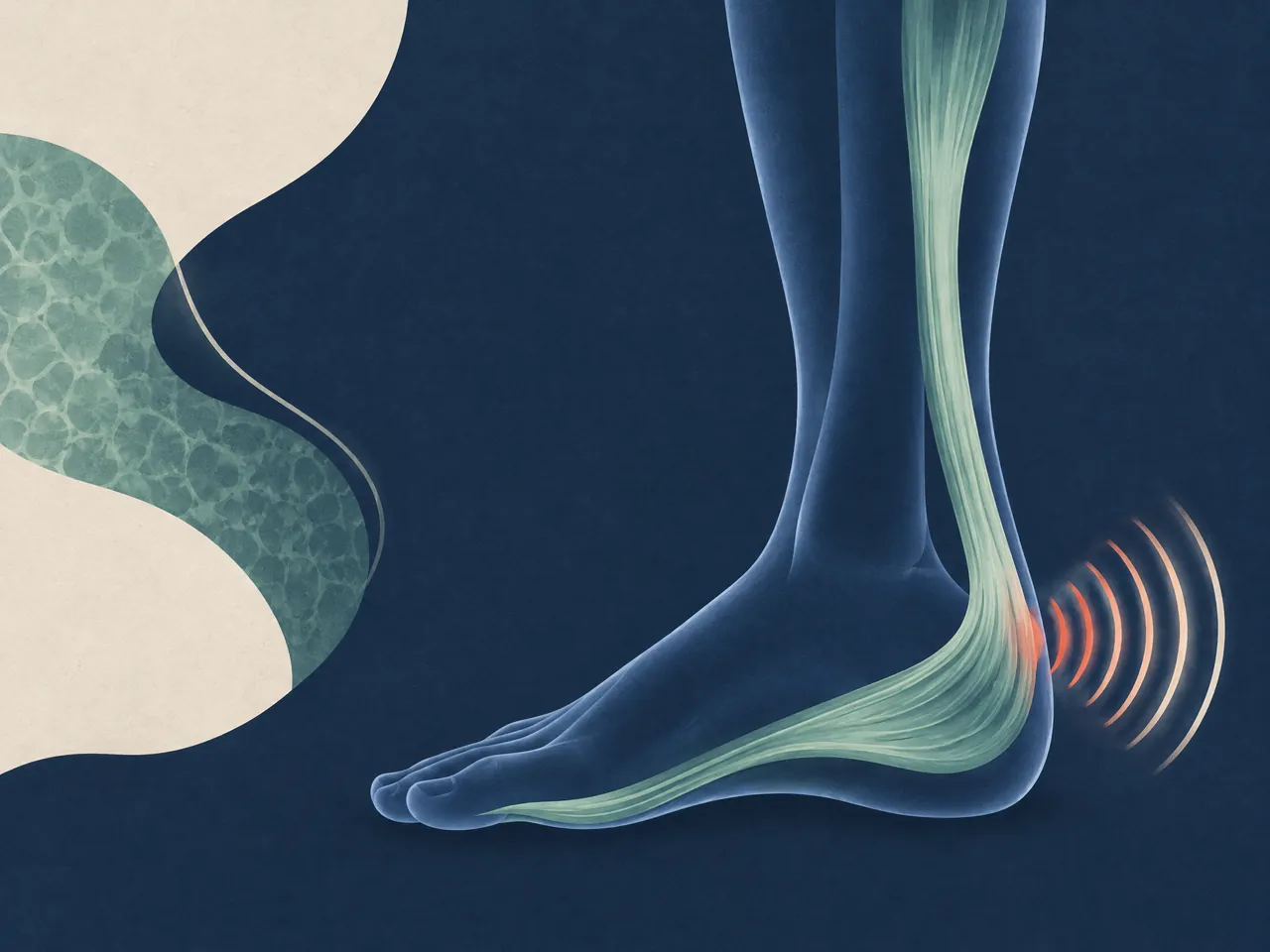
Practical questions matter as much as modality names. Ask whether you need to expose a particular area, whether you can work or train afterwards, and what you should report between appointments. Do not book shockwave because a friend had a similar-sounding condition; the same heel, shoulder, or elbow label can describe different problems. If Kwun Tong is more convenient, shockwave therapy Kwun Tong provides a focused starting point. The clinician still needs to confirm appropriateness, availability, and the details of any proposed service.

Chinese medicine pain management, TCM pain management and Chinese medicine pain management Hong Kong: practical next steps
The next useful step is usually small and specific: protect sleep, reduce an aggravating load, keep a gentle daily movement where comfortable, or arrange an assessment rather than collecting more treatment ideas online. For many uncomplicated back-pain episodes, the NHS advises staying active and continuing daily activities where possible, rather than remaining in bed for long periods. It also notes that a wrapped ice pack may help pain and swelling, while a wrapped heat pack may help joint stiffness or muscle spasm [2]. These are general measures, not instructions to push through severe pain or ignore warning signs. Stop an exercise or stretch if it clearly worsens symptoms. When contacting TCM Lab, describe the body area, timing, any injury, and any urgent symptom. You can enquire at the Kwun Tong Chinese medicine clinic or Chinese medicine clinic Prince Edward.

Chinese medicine pain management, TCM pain management and Chinese medicine pain management Hong Kong for everyday self-care
Everyday self-care works best when it addresses a real trigger. For a desk-related neck or upper-back complaint, that may mean changing position regularly, keeping frequently used items within easy reach, and taking brief movement breaks. For a flare after a new exercise routine, it may mean temporarily reducing load or range and returning gradually as symptoms settle. For knee or back discomfort, notice whether stairs, low seats, carrying bags, or standing on one leg are the relevant challenge. Write down what happens over several days so an assessment is based on a pattern rather than one unusual afternoon.
Avoid turning self-care into a test of toughness. Heat or ice should be wrapped rather than applied directly to skin, and you should stop if it feels uncomfortable or irritates the skin. Keep walking or gentle movement within a tolerable range only when it does not cause concerning symptoms. Medication choices need separate advice from a pharmacist or doctor because medical history and interactions matter. A practitioner can help translate a broad aim—such as swimming, lifting a child, or sitting through a meeting—into manageable activity changes that fit the actual source of load.

Chinese medicine pain management, TCM pain management and Chinese medicine pain management Hong Kong, referrals and urgent symptoms
Referral is not a failure of Chinese medicine pain management. It may be the right response when symptoms suggest a need for medical diagnosis, imaging, emergency care, physiotherapy, or another specialist service. New symptoms that are severe, rapidly worsening, unexplained, or accompanied by fever, marked illness, serious injury, chest symptoms, major weakness, or bladder or bowel change are a medical priority. For symptoms that are not an emergency but persist, return, disturb sleep, or stop normal activity, arrange a qualified assessment rather than repeatedly trying the same self-treatment. Bring any referral letter, scan report, or medication list.
For a routine enquiry, contact TCM Lab on WhatsApp at +852 6940 5663 and describe the pain concern without assuming a treatment can be confirmed by message. The clinic can clarify whether an appointment is appropriate, what information to bring, and whether another service should be involved first. There is no universal session count: a plan should be reviewed against symptoms, function, response, and risks. If cost is part of the decision, consult the Chinese medicine clinic price list Hong Kong and confirm the proposed visit directly.
Care and health guide
Pain-care information
This directory brings together services, reading, and visit information related to pain care, to help you prepare questions for a consultation.
When pain care affects your day, noting when it occurs, its relation to activity, and what you have already tried can help prepare a consultation; acupuncture for low back pain is a relevant service or reading entry point.
Individual circumstances differ, and acupuncture Hong Kong offers related information to help you understand options and prepare questions.


Your questions, answered
Frequently asked questions
Is every type of pain suitable for Chinese medicine pain management?
No. Suitability depends on the likely cause, severity, function, medical history, current treatment, and warning signs. A registered Chinese medicine practitioner may discuss a clinic assessment, adapt the approach, or recommend another healthcare professional when the presentation needs investigation or urgent attention.
How many sessions will I need for TCM pain management?
There is no fixed session number that is appropriate for everyone. The plan should depend on the assessment, your functional goals, how symptoms change, and any relevant risks. It is more useful to review a defined daily activity than to assume a standard course will fit every painful condition.
Can I choose acupuncture, Tui Na, or shockwave therapy before an assessment?
You can state a preference or ask about an option, but it should not replace assessment. The practitioner needs to understand the pain pattern, movement limits, health history, and possible red flags before deciding whether a modality is appropriate or whether referral should come first.
When should I seek urgent help rather than wait for a pain appointment?
Seek urgent medical help for chest pain, breathing difficulty, serious trauma, severe sudden or rapidly worsening pain, or feeling seriously unwell. For back pain, emergency symptoms include weakness, tingling, pain, or numbness in both legs, loss of sensation around the genitals or anus, and new bladder or bowel changes [2].
Sources and further information
- [1] [1] National Center for Complementary and Integrative Health — Acupuncture: Effectiveness and Safety
Referenced for: Acupuncture definition, safety information, and condition-specific evidence context for pain.
- [2] [2] NHS — Back pain
Referenced for: Back-pain red flags, urgent escalation, activity, heat, and ice self-care information.
- [3] [3] Hong Kong Primary Healthcare Commission — Common Musculoskeletal Problems
Referenced for: Hong Kong terminology and primary-care approach covering common musculoskeletal problems, low back pain, and knee osteoarthritis.
- [4] [4] Yau Tsim Mong District Health Centre — Pain Management Program
Referenced for: Hong Kong pain-management service terminology, including initial assessment and musculoskeletal problem scope.