
TCM Lab · Health reading
Weather-Triggered Nasal Symptoms: Can Weather Changes Cause Nasal Congestion, and Can Chinese Medicine Help with Weather-Related Rhinitis?
Published Updated
A blocked or dripping nose that starts when the weather turns can be frustrating, especially when a short walk from humid outdoor air into strong air conditioning seems enough to set it off. Yes, weather changes can contribute to nasal congestion, but they are not proof of an allergy. Temperature, humidity, air quality, smells, household allergens and an infection can overlap. Looking at the timing and the full symptom pattern gives a useful starting point before assuming every flare is the same condition.
Appointments are confirmed through WhatsApp. If you have language requirements, please mention them in your enquiry.
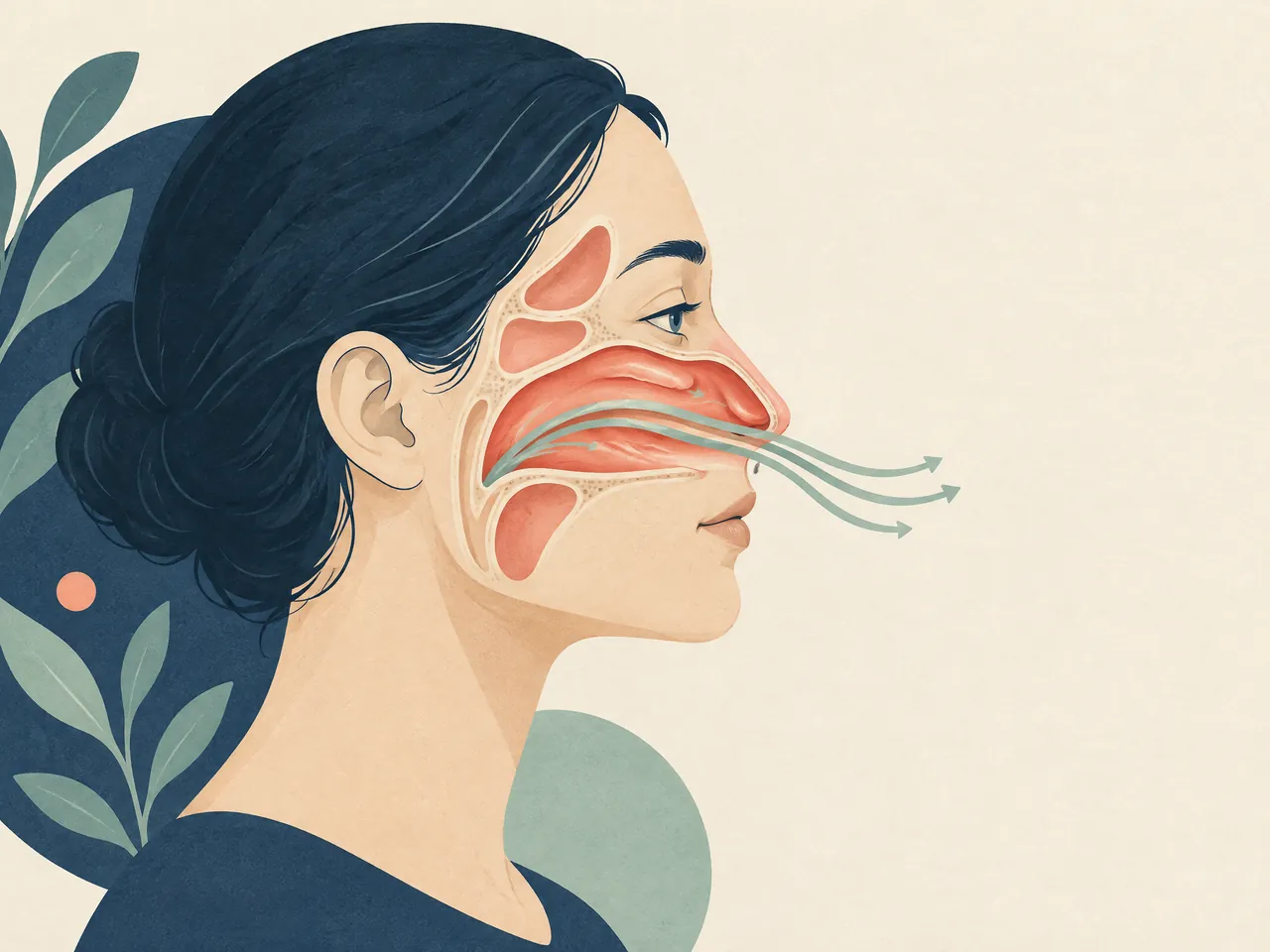
The short answer
Sudden changes in temperature or humidity can trigger congestion or a runny nose in some people, including people with nonallergic rhinitis; allergens and infections can produce similar symptoms. Chinese medicine can be discussed as a supportive option after an individual assessment, not as a substitute for diagnosis or prescribed care. A short diary of weather, indoor exposure, symptoms and medicines helps make that discussion safer and more specific.
Transparent pricing
See the fees.
Choose your care.
Explore our complete official price list, including first-trial prices, regular prices, packages and branch-specific options.
Opening WhatsApp prepares an enquiry; it does not send a message, take payment or confirm an appointment. Suitability and individual arrangements are confirmed during consultation.
Chinese medicine
All prices in HKDAcupuncture and Chinese herbal medicine package
Includes a Chinese medicine consultation with pulse assessment, body acupuncture and 3 days of Chinese herbal granules that do not require decoction.
HK$580 (single session)
Chinese medicine consultation with pulse assessment
Hair and scalp
All prices in HKDScalp health and hair-loss management
Includes AI scalp analysis, deep scalp and follicle cleansing, and scalp oil-control care.
HK$380 (first trial)
Regular price: HK$680
- 6 sessions: HK$3,480 (HK$580 per session)
- 12 sessions: HK$5,760 (HK$480 per session)
- 20 sessions: HK$8,600 (HK$430 per session)
- 30 sessions: HK$11,400 (HK$380 per session)
Hair acupuncture and Chinese herbal medicine package
Includes scalp acupuncture and 3 days of Chinese herbal medicine that does not require decoction.
HK$580 (single session)
Registered Chinese Medicine Practitioner consultation
- 6 sessions: HK$3,180 (HK$530 per session)
- 12 sessions: HK$5,760 (HK$480 per session)
- 20 sessions: HK$8,600 (HK$430 per session)
- 30 sessions: HK$11,400 (HK$380 per session)
Combined hair and scalp treatment
Combines acupuncture and Chinese herbal medicine with salon-level scalp and follicle care. Packages include complimentary hair-care shampoo and serum.
HK$1,260 (single session)
Combined treatment
- 8 sessions: HK$8,640 (HK$1,080 per session)
- 16 sessions: HK$15,680 (HK$980 per session)
- 20 sessions: HK$18,600 (HK$930 per session)
- 30 sessions: HK$26,400 (HK$880 per session)
Weight management
All prices in HKDFull-body acupoint embedding for weight management
Includes full-body acupoint embedding. Packages include complimentary Chinese herbal medicine for weight management, with the number of included days scaled to the package. Embedding material and the individual treatment arrangement are confirmed during consultation; this is not a cosmetic thread lift.
HK$980 (single session)
No trial session
- 10 sessions: HK$7,800 (HK$780 per session)
- 20 sessions: HK$14,600 (HK$730 per session)
- 30 sessions: HK$20,400 (HK$680 per session)
Facial acupuncture
All prices in HKDFacial acupuncture (basic)
Includes facial acupuncture and meridian-based facial care, including care for facial puffiness.
HK$480 (first trial)
Regular price: HK$680
- 10 sessions: HK$5,200 (HK$520 per session)
- 20 sessions: HK$9,600 (HK$480 per session)
- 30 sessions: HK$13,500 (HK$450 per session)
Facial acupuncture (advanced)
Includes enhanced facial acupuncture with a specially formulated moisturising mask and serum.
HK$780 (first trial)
Regular price: HK$1,180
- 10 sessions: HK$9,000 (HK$900 per session)
- 20 sessions: HK$16,600 (HK$830 per session)
- 30 sessions: HK$23,400 (HK$780 per session)
Pain care
All prices in HKDExtracorporeal shockwave treatment
Shockwave treatment for deep-tissue and fascial care. The Kwun Tong clinic offers the multi-area options shown below.
Priced by branch
Branch-specific pricing
Prince Edward: HK$250 per area
Kwun Tong: HK$250 for 1 area / HK$450 for 2 areas / HK$600 for 3 areas
Pain care (manual therapy)
Includes Chinese medicine musculoskeletal assessment, manual joint techniques and tui na.
HK$580 (single session)
Chinese medicine musculoskeletal assessment
Pain care (acupuncture and manual therapy)
Combines acupuncture and manual therapy.
HK$680 (single session)
Combined care
Weather-Triggered Nasal Symptoms: Can Weather Changes Cause Nasal Congestion, and Can Chinese Medicine Help with Weather-Related Rhinitis? — Understanding the Pattern
Weather-triggered nasal symptoms describe a pattern, not a diagnosis. A person may wake with sneezing on a cool morning, feel congested after leaving the MTR for a humid street, or develop a watery nose after several hours under a ceiling vent. The nose normally warms, moistens and filters inspired air. In a sensitive nasal lining, a rapid environmental shift may be followed by swelling or extra discharge. Hong Kong health guidance identifies sudden weather change and air pollution as factors that can induce or aggravate allergic-rhinitis symptoms [1]. That does not mean weather itself is always the only cause.
Start by describing what actually happens rather than labelling it. Is the discharge clear or coloured? Is there itch, repeated sneezing, eye symptoms, reduced smell, cough, throat mucus or facial pressure? Does the problem improve when you leave a particular room, or recur in the same season? This detail makes it easier to compare your experience with a runny nose when the weather changes and to explain the pattern clearly at a consultation. It also helps avoid changing several products or medicines at once without knowing what has helped.
The table is a practical way to turn a vague flare into observations that can guide next steps. These signals are not self-diagnoses. They are prompts for a clinician to consider the history, examine the nose when appropriate and decide whether allergy assessment, conventional treatment or another route is relevant.

Weather-Triggered Nasal Symptoms: Can Weather Changes Cause Nasal Congestion, and Can Chinese Medicine Help with Weather-Related Rhinitis? — Weather, Humidity and Air Conditioning
A change in weather often comes with a change in exposure. During a wet spell, damp corners, bedding or an air-conditioner filter may matter as much as the outdoor humidity. During a hot day, cold dry air from a vent can be followed by a warm humid commute. The Hong Kong Department of Health lists dust mite, pollen, fungus, animal materials, chemicals, air pollution and sudden weather change among possible triggers or aggravators [1]. Looking at the setting stops the question from becoming simply “Is it the weather?” and makes prevention more realistic.
For some people, the key clue is the speed of the temperature shift: symptoms begin in a very cold office, cinema or bus and ease after warming up. Others notice more difficulty in rooms that smell musty, are dusty, or have a strong perfume or cleaning-product scent. Read more about can air conditioning trigger a runny nose if the vent is a repeated setting, and about humidity and nasal congestion if damp or very dry conditions stand out. Ventilation, cleaning an appliance according to its instructions and avoiding known irritants may be sensible practical steps; they do not replace assessment when symptoms persist.
Weather-Triggered Nasal Symptoms: Can Weather Changes Cause Nasal Congestion, and Can Chinese Medicine Help with Weather-Related Rhinitis? — What to Record in a Symptom Diary
A diary does not need specialist equipment. On each day, note the time symptoms start; whether the day became hotter, cooler, wetter or windier; and how long you spent indoors with air conditioning. Add potential exposures, such as cleaning products, incense, perfume, smoke, a dusty storeroom, pets or visible dampness. Then record the nose symptoms separately: blockage on one or both sides, sneezing, itch, watery discharge, thicker discharge, smell change and sleep disruption. A simple 0-to-10 symptom rating can make a recurring pattern easier to spot without pretending to be a test result.
Also write down what you used that day, including antihistamines, prescribed nasal sprays, saline products and over-the-counter decongestant sprays. Bring medication packaging or a clear list rather than relying on memory. Repeated use of some decongestant sprays can itself worsen congestion after the effect wears off, a pattern recognised in clinical guidance [2]. Keep the diary long enough to cover more than one weather change, but seek advice sooner rather than waiting if symptoms are severe, affecting breathing or accompanied by concerning features.
Compare your options
| What you notice | Possible context to discuss | What to record or do next |
|---|---|---|
| Symptoms begin after moving into cold air conditioning | Rapid temperature shift, dry air, dust or a poorly maintained vent may be relevant | Note the room, vent position, duration, whether others are affected and how quickly symptoms ease |
| Sneezing, nasal itch and watery eyes recur in a similar setting or season | Allergic rhinitis and a specific allergen may need consideration | Record possible allergen contact and discuss with a GP or appropriate clinician |
| Stuffy or runny nose follows perfume, smoke, fumes or a weather shift without itch | Nonallergic rhinitis or irritant exposure may be relevant | Avoid the identifiable irritant where practical and bring the pattern to assessment |
| One-sided blockage, persistent blood-stained discharge or severe facial pain | This is not a pattern to self-manage as ordinary weather sensitivity | Seek timely medical assessment; urgent care is needed for severe breathing difficulty |
On smaller screens, scroll the table sideways to compare all columns.
Weather-Triggered Nasal Symptoms: Can Weather Changes Cause Nasal Congestion, and Can Chinese Medicine Help with Weather-Related Rhinitis? — Distinguishing Possible Causes
The same blocked feeling can arise through different pathways. Allergic rhinitis involves a response to a particular allergen and commonly includes sneezing, runny or blocked nose and nasal itch; itchy, red or watery eyes can occur too [1]. In contrast, nonallergic rhinitis can be triggered by irritants, weather changes, hot or spicy foods, infections or some medicines. Mayo Clinic notes that itch of the nose, eyes or throat is more typical of allergy than nonallergic rhinitis [2]. The distinction matters because an exposure history and treatment plan may differ.
There can be overlap. Someone with an established dust-mite allergy may feel worse when a rainy period changes time spent indoors or when a neglected filter adds dust. Someone without a known allergy may develop a stuffy, drippy nose when moving between temperatures or encountering a strong odour. A cold may begin around the same time as a weather change by coincidence. For this reason, a diary is evidence to discuss, not proof of a single trigger. Further context on nonallergic rhinitis may help where symptoms seem weather- or irritant-led.

The comparison below helps prepare a focused history. It deliberately uses “may” because a diagnosis requires more than a web checklist. If symptoms repeatedly disturb sleep, work, study or daily activity, a family doctor or appropriate clinician can help decide whether allergy tests, nasal examination or other assessment is useful.
Weather-Triggered Nasal Symptoms: Can Weather Changes Cause Nasal Congestion, and Can Chinese Medicine Help with Weather-Related Rhinitis? — Allergy and Nonallergic Rhinitis
A useful question is whether symptoms reliably follow exposure to the same likely allergen, such as handling a pet, entering a dusty room or being around mould. Seasonal timing can be another clue, but it is not conclusive by itself. The Department of Health describes seasonal allergic rhinitis in relation to pollen and perennial rhinitis in relation to substances such as dust, fungus or hair/fur [1]. If sneezing and itch appear with watery eyes, say so in the diary. If there is no itch but a sharp response to temperature, humidity, fumes or perfume, that is worth recording too.
Do not assume that avoiding every outdoor activity or keeping the home sealed is the answer. Focus on the exposures that repeatedly precede symptoms. General measures may include keeping living areas clean, reducing smoke exposure and addressing dampness or mould. Hong Kong hospital guidance also advises regular attention to bedding and to air conditioners or heaters that can gather dust [3]. When a clinician has recommended an antihistamine or nasal spray, use it as advised. Do not stop prescribed treatment simply because a symptom seems weather-related.
Weather-Triggered Nasal Symptoms: Can Weather Changes Cause Nasal Congestion, and Can Chinese Medicine Help with Weather-Related Rhinitis? — When Further Medical Assessment Matters
Arrange medical assessment when symptoms are serious, are not relieved by reasonable home measures or appropriate medicines, or keep returning without a clear explanation [2]. Assessment is also important when nasal blockage is persistently one-sided, discharge is bloody or repeatedly foul-smelling, there is significant facial pain, a new marked reduction in smell, fever with feeling unwell, wheeze or other breathing difficulty. These features should not be explained away as an ordinary response to a rainy or cool day.
Persistent unilateral obstruction with particular types of discharge and severe facial pain are among the red flags discussed in primary-care ENT guidance [5]. Children, people with asthma symptoms, and people whose sleep is regularly disrupted also benefit from a tailored clinical conversation. Seek urgent care for severe trouble breathing or other acute emergency symptoms. Chinese medicine supportive care, if chosen, should sit alongside—not delay—this kind of evaluation. A complete medication list, previous allergy tests and the symptom diary make coordinated care easier.
Weather-Triggered Nasal Symptoms: Can Weather Changes Cause Nasal Congestion, and Can Chinese Medicine Help with Weather-Related Rhinitis? — Discussing Supportive Options
Support begins with the options that match the suspected trigger. For allergic rhinitis, Hong Kong Department of Health guidance identifies allergen avoidance, antihistamines and steroid nasal sprays as first-line treatment, with a doctor or family doctor advising on proper medication [1]. Those measures remain relevant even if you also want a Chinese medicine perspective. An appointment is most useful when you can say what has already been tried, whether it was tolerated, and what outcome matters most—for example, less night-time blockage, fewer morning sneezes or being able to work in air-conditioned surroundings.
Chinese medicine is best discussed as an individualised supportive option rather than a universal remedy for “weather allergy.” The practitioner may ask about the timing and character of nasal symptoms, sensitivity to cold or damp, sleep, appetite, bowel habits, energy, relevant medical history and current medicines. In traditional Chinese medicine, these details inform a pattern assessment. That traditional assessment is not the same as an allergy diagnosis, and it should not be used to infer that a person has or does not have an allergen sensitivity.

If you would like to discuss an in-person assessment, TCM Lab can be contacted on WhatsApp at +852 6940 5663. Choose the most convenient setting to ask about arrangements at the Kwun Tong Chinese medicine clinic or the Chinese medicine clinic Prince Edward. A message can include your preferred language, the main symptom and any current medicine; availability and appointment details should be confirmed directly.

Weather-Triggered Nasal Symptoms: Can Weather Changes Cause Nasal Congestion, and Can Chinese Medicine Help with Weather-Related Rhinitis? — Traditional Pattern Assessment
A registered Chinese medicine practitioner generally builds a picture from observation, questions and traditional methods of assessment. For weather-related nasal symptoms, useful questions include whether blockage is worse on waking, whether discharge is watery or sticky, whether symptoms follow cold air or damp days, and whether there are concurrent eye, throat, cough or digestive symptoms. The answers guide a traditional pattern discussion; they should be shared alongside any diagnosis already made by a GP, allergist or ENT specialist. Bring reports if you have them.
An honest medication and supplement list is especially important. It should include nasal sprays, tablets bought without prescription, inhalers, herbs, vitamins and treatments from other practitioners. Do not independently reduce or stop an antihistamine, steroid nasal spray or any prescribed medicine when starting Chinese medicine. If herbal medicine is being considered, the practitioner needs the full context to assess suitability and possible coordination needs. A website cannot determine a personalised herbal formula, dose or course of treatment safely.

Weather-Triggered Nasal Symptoms: Can Weather Changes Cause Nasal Congestion, and Can Chinese Medicine Help with Weather-Related Rhinitis? — Acupuncture, Herbal Medicine and Coordinated Care
Acupuncture or herbal medicine may be topics for discussion after assessment, with environmental measures and conventional care still part of the plan. A 2022 systematic review found that acupuncture may improve nasal symptoms and quality of life in adults with allergic rhinitis in some comparisons, but its trial-sequential analysis did not confirm the pooled findings; evidence for children and adolescents was insufficient, and many included studies had bias concerns [4]. This is why acupuncture should be framed as a possible supportive choice, not a guaranteed response and not a replacement for allergy or ENT assessment.
Coordinated care means each clinician knows what the other is doing. Keep using the symptom diary to note changes and adverse effects, and tell the prescribing doctor or pharmacist about any complementary treatment you are considering. If you are comparing consultation costs before deciding whether to ask about supportive options, see the Chinese medicine clinic price list Hong Kong. The useful next step is a shared plan: reduce identifiable exposures, use conventional medicines as directed, review any warning signs promptly and reassess rather than persisting with an approach that is not helping.
Care and health guide
Health service information
This directory brings together services, reading, and visit information related to health services, to help you prepare questions for a consultation.
If you are organising health questions, Chinese medicine clinic Hong Kong is a starting point for learning about related services and preparing for a consultation.
People have different needs; acupuncture Hong Kong provides further reading to help you understand options in your own context.


Your questions, answered
Frequently asked questions
Why does my nose block up when I go from outdoor heat into air conditioning?
A rapid temperature change can be a trigger for a sensitive nasal lining, and dry air, dust or irritants in the indoor environment may contribute. Record whether symptoms start by a particular vent, how fast they settle outside the room, and whether you also have itch or eye symptoms. That detail helps distinguish a possible weather or irritant pattern from an allergic one.
Can Chinese medicine cure weather-related rhinitis?
Chinese medicine may be discussed as a personalised supportive option, but it cannot promise a cure or a fixed response time. Persistent symptoms still need appropriate medical assessment, and prescribed medicines should not be stopped or changed without the prescribing doctor or pharmacist.
Should I use an antihistamine or a nasal spray before discussing acupuncture or herbs?
If a doctor or pharmacist has recommended treatment, follow that advice and disclose every medicine or spray at a Chinese medicine consultation. Do not use decongestant sprays longer or more often than directed; repeated use can worsen congestion after the medicine wears off [2]. A practitioner can only discuss complementary options safely when they know what you already take.
When is a weather-related blocked nose not something to watch at home?
Seek medical advice when symptoms are serious, fail to improve with reasonable measures, repeatedly disrupt sleep or have no clear explanation. Timely assessment is important for persistent one-sided blockage, bloody or foul discharge, severe facial pain, pronounced smell loss, fever with feeling unwell, wheeze or breathing difficulty. Seek urgent care for severe trouble breathing.
Sources and further information
- [1] [1] Hong Kong Department of Health, Student Health Service — Allergic Rhinitis
Referenced for: Symptoms, allergens and irritants, sudden weather changes, environmental measures and first-line allergic-rhinitis management.
- [2] [2] Mayo Clinic — Nonallergic rhinitis: Symptoms and causes
Referenced for: Weather and humidity triggers, distinction from allergy, decongestant rebound congestion and indications for clinical review.
- [3] [3] Hong Kong Adventist Hospital — Allergic Rhinitis
Referenced for: Local terminology for symptoms, temperature and humidity shifts, household allergens and environmental care.
- [4] [4] He et al. — Acupuncture for allergic rhinitis: a systematic review and meta-analysis
Referenced for: Cautious evidence context for acupuncture in adults with allergic rhinitis and study limitations.
- [5] [5] Mohamed, Emmanuel and Foden — Nasal obstruction: a common presentation in primary care
Referenced for: Assessment context and red flags for unilateral obstruction, abnormal discharge and severe facial pain.