
TCM Lab · Health reading
What Causes Hair Loss, What Happens at a Hair Loss Consultation, and Can Acupuncture Help with Hair Loss?
Published Updated
Seeing more hair on your pillow, brush, shower drain, or clothing can be worrying when there is no obvious explanation. Hair loss may relate to a family pattern, recent illness, stress, weight change, iron deficiency, medicines, a scalp problem, or another health issue; more than one influence can be present. A consultation maps the pattern rather than guessing from one symptom. At TCM Lab, a Registered Chinese Medicine Practitioner can discuss your timeline, scalp concerns, health history and routines, while helping you recognise when medical assessment should come first.
Appointments are confirmed through WhatsApp. If you have language requirements, please mention them in your enquiry.
The short answer
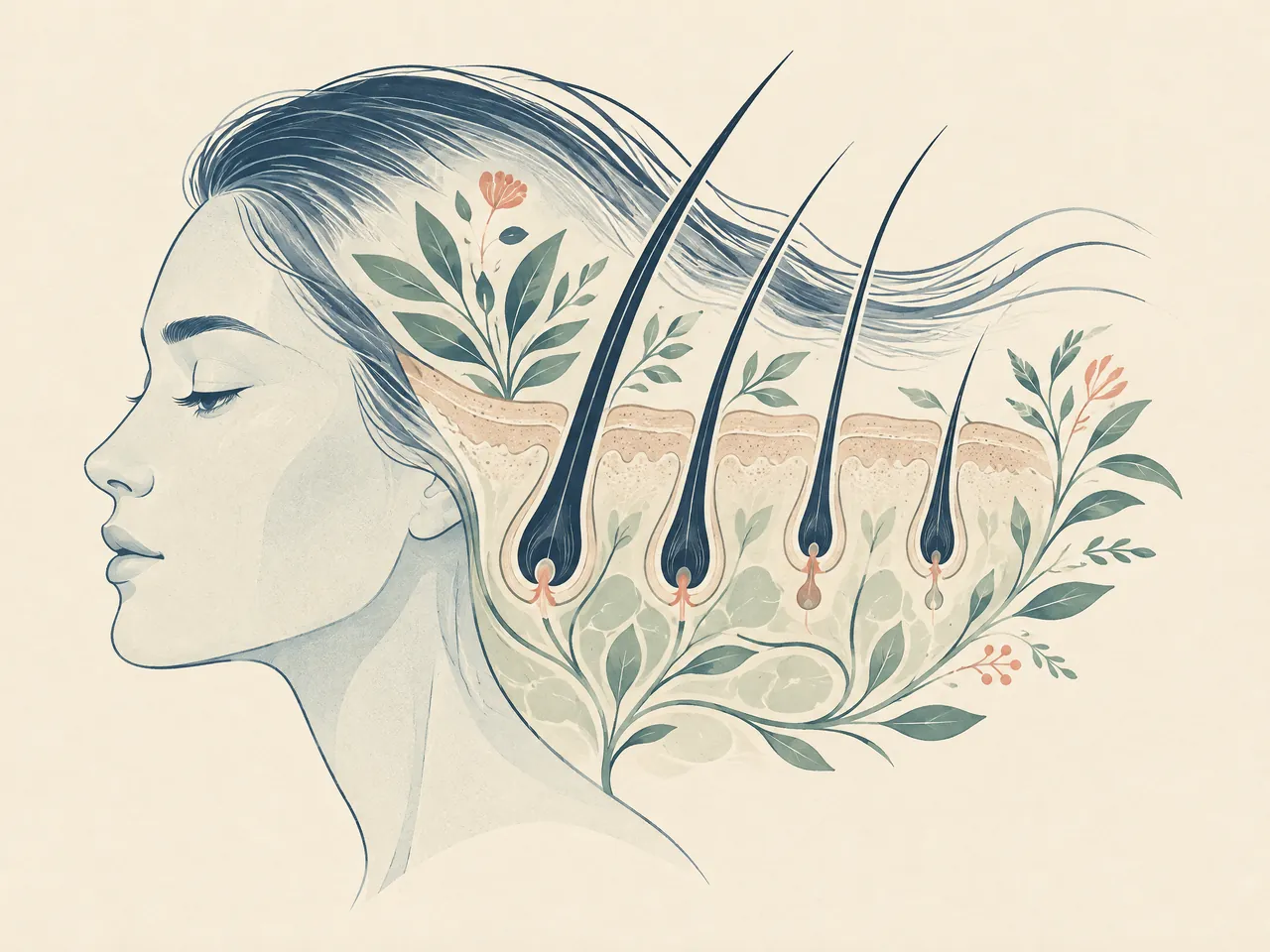
What causes hair loss differs from person to person and can include a family pattern, temporary shedding after a physical or emotional stressor, health conditions, nutritional issues, medicines, or scalp and autoimmune conditions. A hair loss consultation reviews the pattern, timeline, scalp symptoms, health history and current care before any options are discussed. Acupuncture may be considered within Chinese medicine after an individual assessment, but it is not a proven guarantee of regrowth and should not delay medical evaluation.
Transparent pricing
See the fees.
Choose your care.
Explore our complete official price list, including first-trial prices, regular prices, packages and branch-specific options.
Opening WhatsApp prepares an enquiry; it does not send a message, take payment or confirm an appointment. Suitability and individual arrangements are confirmed during consultation.
Hair and scalp
All prices in HKDScalp health and hair-loss management
Includes AI scalp analysis, deep scalp and follicle cleansing, and scalp oil-control care.
HK$380 (first trial)
Regular price: HK$680
- 6 sessions: HK$3,480 (HK$580 per session)
- 12 sessions: HK$5,760 (HK$480 per session)
- 20 sessions: HK$8,600 (HK$430 per session)
- 30 sessions: HK$11,400 (HK$380 per session)
Hair acupuncture and Chinese herbal medicine package
Includes scalp acupuncture and 3 days of Chinese herbal medicine that does not require decoction.
HK$580 (single session)
Registered Chinese Medicine Practitioner consultation
- 6 sessions: HK$3,180 (HK$530 per session)
- 12 sessions: HK$5,760 (HK$480 per session)
- 20 sessions: HK$8,600 (HK$430 per session)
- 30 sessions: HK$11,400 (HK$380 per session)
Combined hair and scalp treatment
Combines acupuncture and Chinese herbal medicine with salon-level scalp and follicle care. Packages include complimentary hair-care shampoo and serum.
HK$1,260 (single session)
Combined treatment
- 8 sessions: HK$8,640 (HK$1,080 per session)
- 16 sessions: HK$15,680 (HK$980 per session)
- 20 sessions: HK$18,600 (HK$930 per session)
- 30 sessions: HK$26,400 (HK$880 per session)
Weight management
All prices in HKDFull-body acupoint embedding for weight management
Includes full-body acupoint embedding. Packages include complimentary Chinese herbal medicine for weight management, with the number of included days scaled to the package. Embedding material and the individual treatment arrangement are confirmed during consultation; this is not a cosmetic thread lift.
HK$980 (single session)
No trial session
- 10 sessions: HK$7,800 (HK$780 per session)
- 20 sessions: HK$14,600 (HK$730 per session)
- 30 sessions: HK$20,400 (HK$680 per session)
Facial acupuncture
All prices in HKDFacial acupuncture (basic)
Includes facial acupuncture and meridian-based facial care, including care for facial puffiness.
HK$480 (first trial)
Regular price: HK$680
- 10 sessions: HK$5,200 (HK$520 per session)
- 20 sessions: HK$9,600 (HK$480 per session)
- 30 sessions: HK$13,500 (HK$450 per session)
Facial acupuncture (advanced)
Includes enhanced facial acupuncture with a specially formulated moisturising mask and serum.
HK$780 (first trial)
Regular price: HK$1,180
- 10 sessions: HK$9,000 (HK$900 per session)
- 20 sessions: HK$16,600 (HK$830 per session)
- 30 sessions: HK$23,400 (HK$780 per session)
Pain care
All prices in HKDExtracorporeal shockwave treatment
Shockwave treatment for deep-tissue and fascial care. The Kwun Tong clinic offers the multi-area options shown below.
Priced by branch
Branch-specific pricing
Prince Edward: HK$250 per area
Kwun Tong: HK$250 for 1 area / HK$450 for 2 areas / HK$600 for 3 areas
Pain care (manual therapy)
Includes Chinese medicine musculoskeletal assessment, manual joint techniques and tui na.
HK$580 (single session)
Chinese medicine musculoskeletal assessment
Pain care (acupuncture and manual therapy)
Combines acupuncture and manual therapy.
HK$680 (single session)
Combined care
Chinese medicine
All prices in HKDAcupuncture and Chinese herbal medicine package
Includes a Chinese medicine consultation with pulse assessment, body acupuncture and 3 days of Chinese herbal granules that do not require decoction.
HK$580 (single session)
Chinese medicine consultation with pulse assessment
What causes hair loss explained, what happens at a hair loss consultation outlined, and can acupuncture help with hair loss considered
Hair loss is a broad description, not a single diagnosis. Some people notice gradual thinning at the parting, crown or hairline; others report increased shedding after washing or a sudden round area with much less hair. The pattern, speed and accompanying symptoms matter. The NHS notes that hereditary male- and female-pattern baldness can run in families, while illness, stress, cancer treatment, weight loss and iron deficiency can be associated with temporary hair loss [1]. A useful conversation therefore begins with timing and observation, not an assumed cause or promised treatment.
A Chinese medicine consultation can add a whole-person discussion, but it does not replace medical diagnosis. The practitioner may ask about sleep, appetite, energy, work pressure, diet, hair products and scalp comfort. In Chinese medicine, observations about the person’s presentation may inform a traditional pattern-based discussion. They should be understood alongside medical assessment when symptoms point to a medical or dermatological cause. The overview of Chinese medicine for hair loss explains the kind of individualised discussion that may follow assessment.

What causes hair loss factors, what happens at a hair loss consultation expectations, and can acupuncture help with hair loss discussed
Start by distinguishing shedding from a change in visible density. A person may see loose hairs without a wider part, while another first notices more scalp in photographs. Describe whether the issue is diffuse, concentrated at the temples or crown, or limited to patches, and mention eyebrow, beard or body-hair changes. Report itch, scale, tenderness, burning, redness, broken hairs, or a new product reaction. These details do not diagnose the cause, but they help decide which questions need attention and whether another clinician should examine the scalp.
Look back over recent months rather than blaming the last stressful day. Record a fever or illness, surgery, restrictive eating, notable weight change, new medication, changes in contraception, or family thinning. A consultation can also review supplements, medicated shampoos, topical products and complementary therapies. Bring product names or label photographs if possible. This gives the practitioner a safer basis for discussing Chinese medicine options or recommending that you speak with a doctor, pharmacist or dermatologist first.
What causes hair loss overview, what happens at a hair loss consultation timeline, and can acupuncture help with hair loss questions
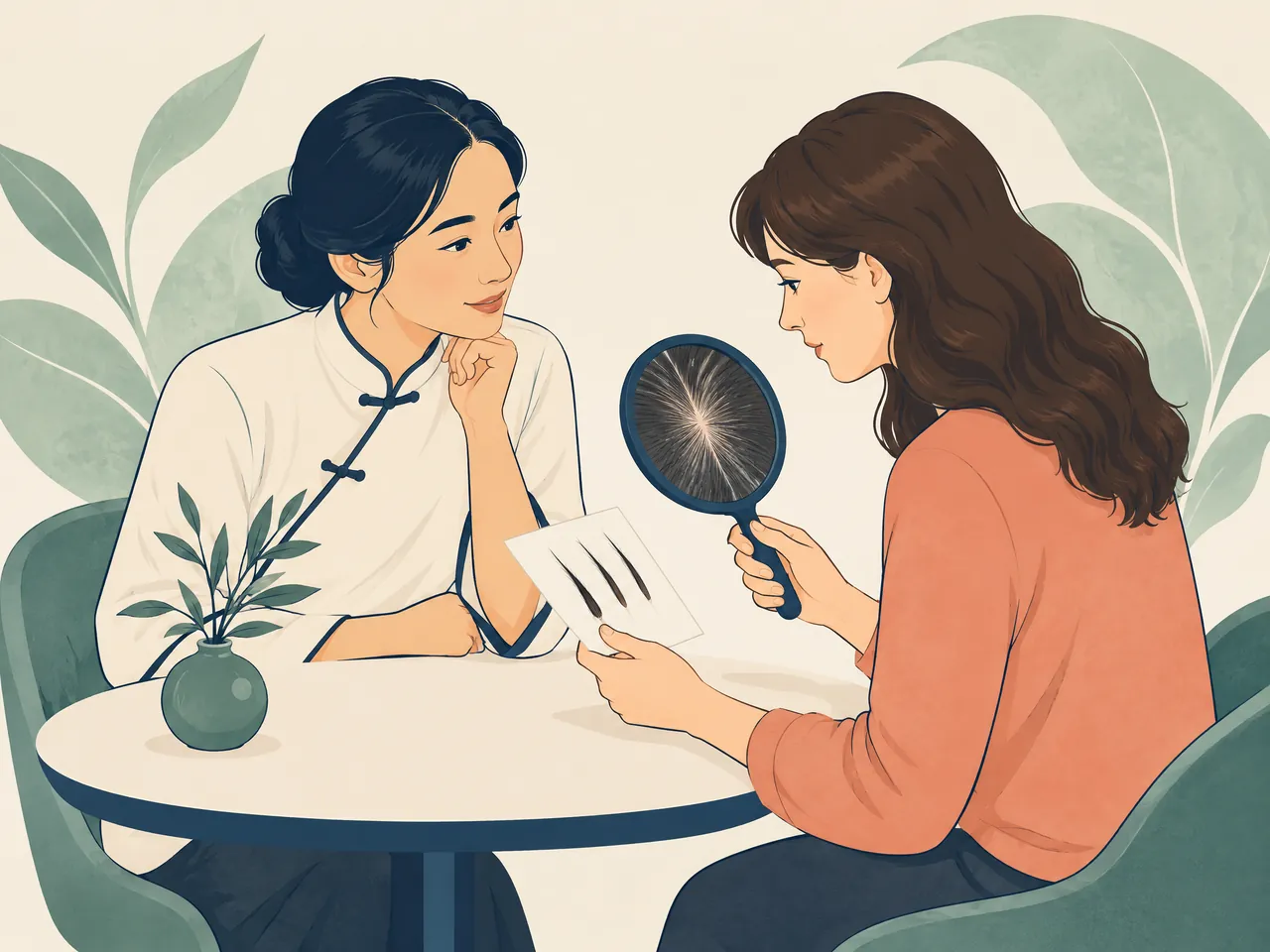
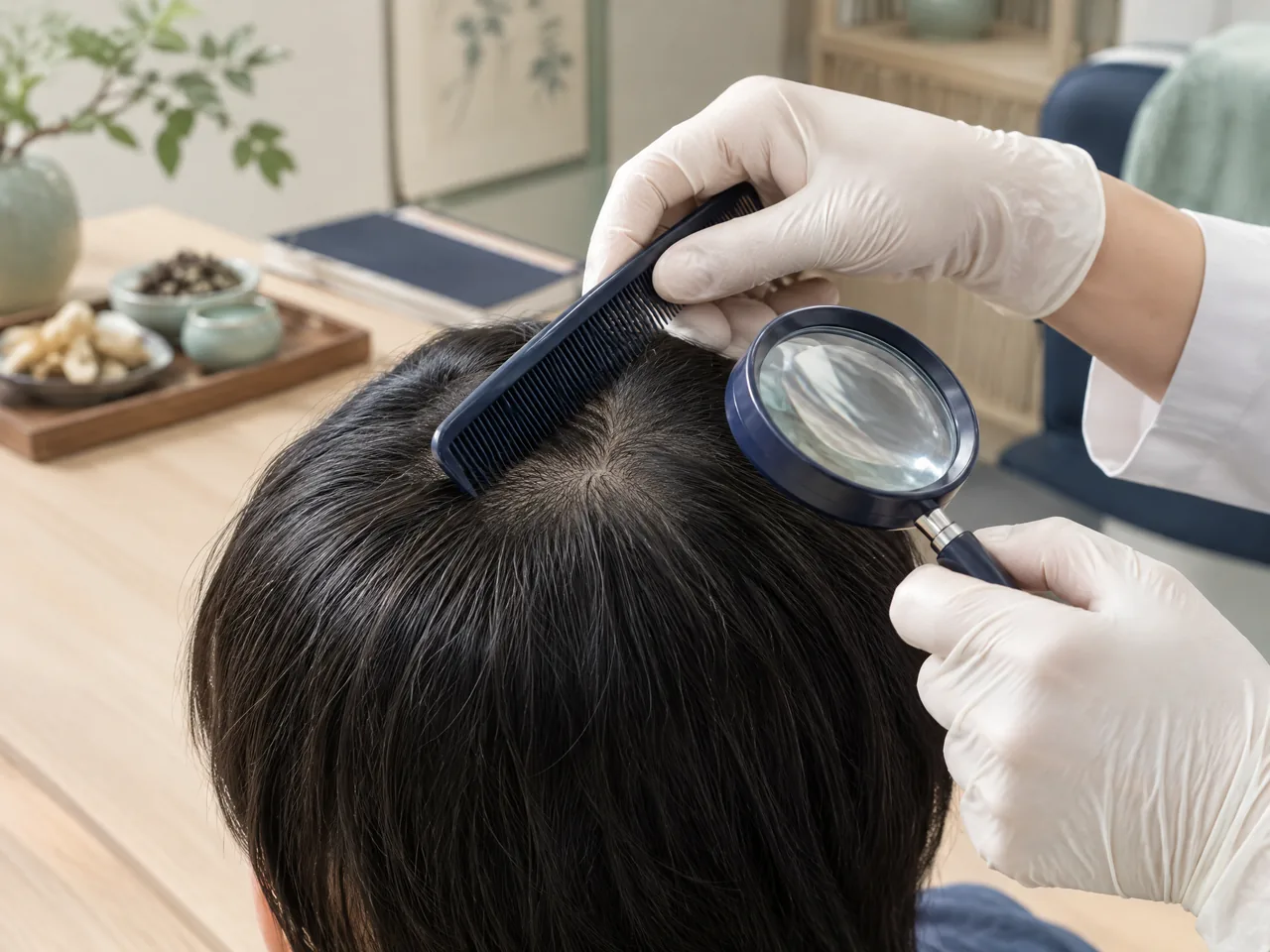
The first part of a hair loss consultation is a careful story. Expect questions about onset, whether it was abrupt or slow, areas involved, and health or life changes around that time. The practitioner may look at scalp and hair distribution and ask about diagnoses, family history, medicines and previous investigations. Take blood-work results, a prescription list, referral letter, or photographs in consistent lighting if you have them. The aim is to avoid treating an unclear pattern as though it already had one known explanation.
Ask questions that help you decide: What features make medical assessment important? What is the purpose of a Chinese medicine recommendation? What should I monitor? When should I seek other care? Our hair loss assessment guide helps you organise the symptom history and materials to bring. A clear answer may be that further diagnosis should precede any complementary approach; that is useful guidance, not a failed consultation.
Compare your options
| What to prepare | Examples to note | How it supports the discussion |
|---|---|---|
| Pattern and timeline | Gradual thinning, increased shedding, local patches, date first noticed | Helps distinguish the questions that need medical assessment from those that can be monitored |
| Scalp and hair symptoms | Itch, scale, soreness, redness, broken hairs, product reaction | Shows whether scalp examination or another clinician’s input may be important |
| Health and treatment history | Recent illness, family pattern, diagnoses, medicines, supplements, test results | Lets the practitioner discuss options without overlooking current care or possible interactions |
| Your goals and practical limits | What worries you most, preferred location, ability to attend follow-up | Keeps expectations and next steps realistic rather than assuming one fixed course |
On smaller screens, scroll the table sideways to compare all columns.
What causes hair loss varies by person, what happens at a hair loss consultation focuses on history, and can acupuncture help with hair loss is evaluated
It is understandable to look for one explanation, especially if the change affects confidence or daily routines. Yet similar-looking thinning can arise in different contexts. Family-pattern changes, temporary shedding, inflammation or infection of the scalp, traction from hairstyles, medication effects and autoimmune conditions need different conversations. Note where loss is visible, the approximate period of change, whether it is continuing, and any scalp or nail changes. The practitioner can then consider the history as a whole and identify gaps that need mainstream medical care.
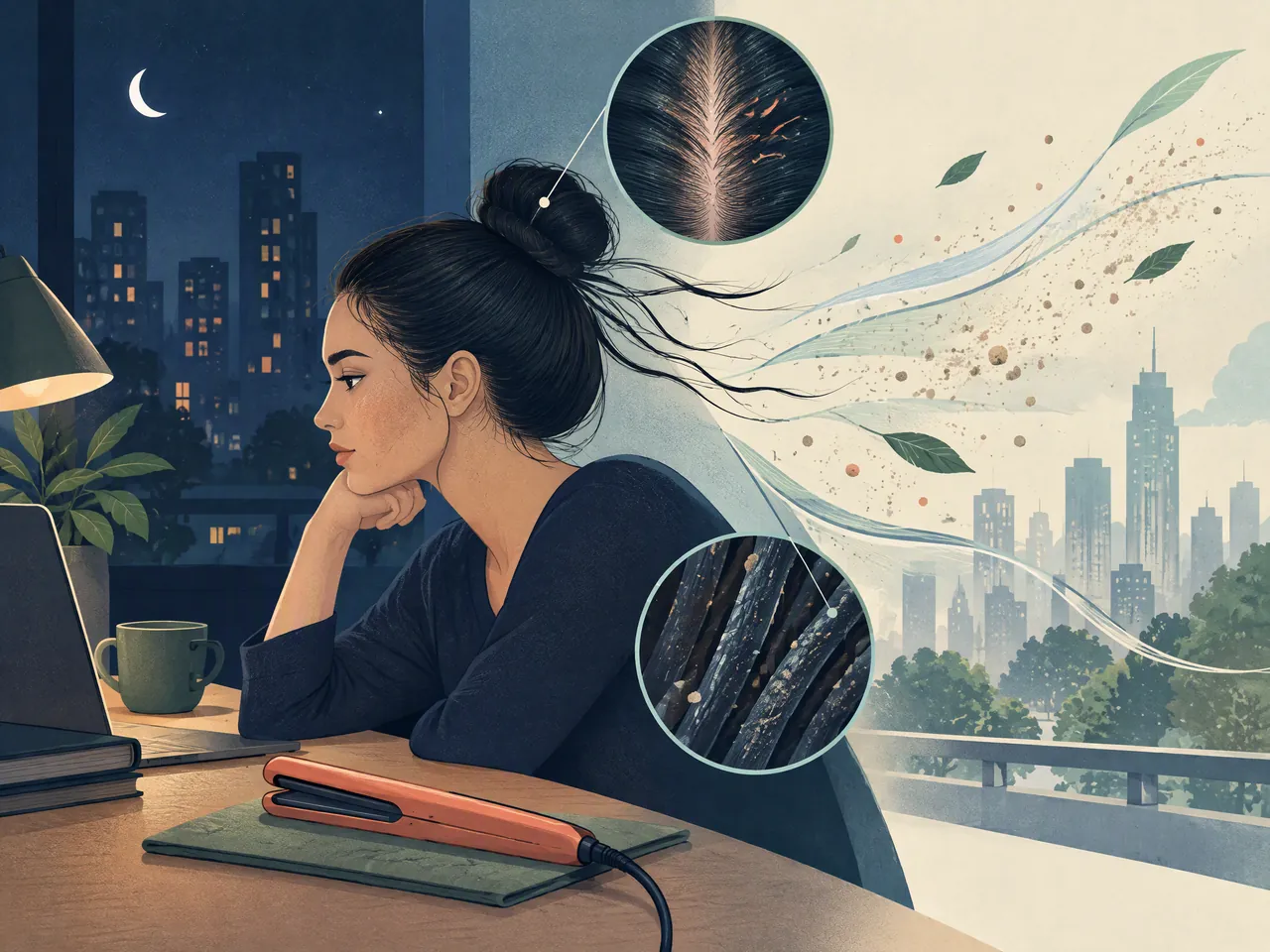
A medical appointment may be right even if you also want a Chinese medicine perspective. The NHS advises seeing a GP if you are worried about hair loss and getting an idea of the cause before turning to a commercial hair clinic [1]. For Hong Kong readers, this means seeking appropriate medical advice when the presentation is new, troubling or unclear rather than using a supplement, needle treatment or salon service as a substitute for diagnosis.
What causes hair loss in context, what happens at a hair loss consultation intake, and can acupuncture help with hair loss options
At intake, be direct about impact as well as appearance. Perhaps you are avoiding photographs, spending longer styling a thinning area, finding loose hair upsetting, or worrying because a relative has a similar pattern. Explain whether sleep disruption, diet changes, anxiety, a recent health event or hair styling coincided with the concern, but do not assume that correlation settles the cause. Mention prescription medicines, over-the-counter products and herbal or nutritional supplements. This helps the practitioner recognise when a recommendation needs coordination.
If acupuncture is raised, it should be an option after assessment, not a shortcut to regrowth. Acupuncture involves insertion of fine needles into the skin. The U.S. National Center for Complementary and Integrative Health explains that improper delivery can cause serious adverse effects, including infection and injury, and advises people not to postpone consulting a health-care provider [3]. Its cited evidence is not a guarantee for hair loss. Share bleeding concerns, medicines affecting bleeding, pregnancy, implanted devices, skin infection or other relevant health information before an option is considered.
What causes hair loss red flags, what happens at a hair loss consultation referrals, and can acupuncture help with hair loss caveats
Do not wait for a routine complementary consultation when hair loss is sudden, rapidly spreading, patchy, associated with pain, marked redness, scaling, pus, scarring, or significant illness. New loss of eyebrows, eyelashes or body hair also deserves medical attention. One possible cause of round or oval bare patches is alopecia areata, an autoimmune disease in which the immune system attacks hair follicles; the National Institute of Arthritis and Musculoskeletal and Skin Diseases describes its course as variable and notes that hair loss can be more extensive in some people [2]. It is not possible to confirm that condition from an online description.
The guide on alopecia areata symptoms can help you put observations into words for a clinician, but it is not a self-diagnosis tool. Similarly, ask when should I see a doctor about hair loss early when the pattern is unusual, the scalp is inflamed, or the change is causing distress. A referral or recommendation for medical assessment is good care: it reduces the chance of missing a condition that needs different investigation or treatment.
What causes hair loss from a holistic view, what happens at a hair loss consultation with a practitioner, and can acupuncture help with hair loss within realistic expectations
A holistic conversation means taking the scalp seriously without treating it in isolation. Daily workload, sleep, food choices, hair-care practices, recovery from illness and emotional strain can shape the experience. It does not mean every hair concern is caused by stress or that a wellness routine will correct a medical condition. The useful plan separates what you can observe and support day to day from what needs professional assessment. It may include practical grooming adjustments, consistent meals and rest, care with new products, medical follow-up where needed, and review of any Chinese medicine option in the context of your full history.
Set expectations around information, safety and review rather than a fixed result. Hair grows in cycles and visible changes may be hard to judge from memory, so photographs in similar light and a dated symptom note can support follow-up. Ask what will be reviewed, what might prompt a change of plan, and when medical input is needed again. No clinician can ethically promise that a set number of acupuncture sessions, herbs or scalp treatments will stop loss permanently or produce a particular density.
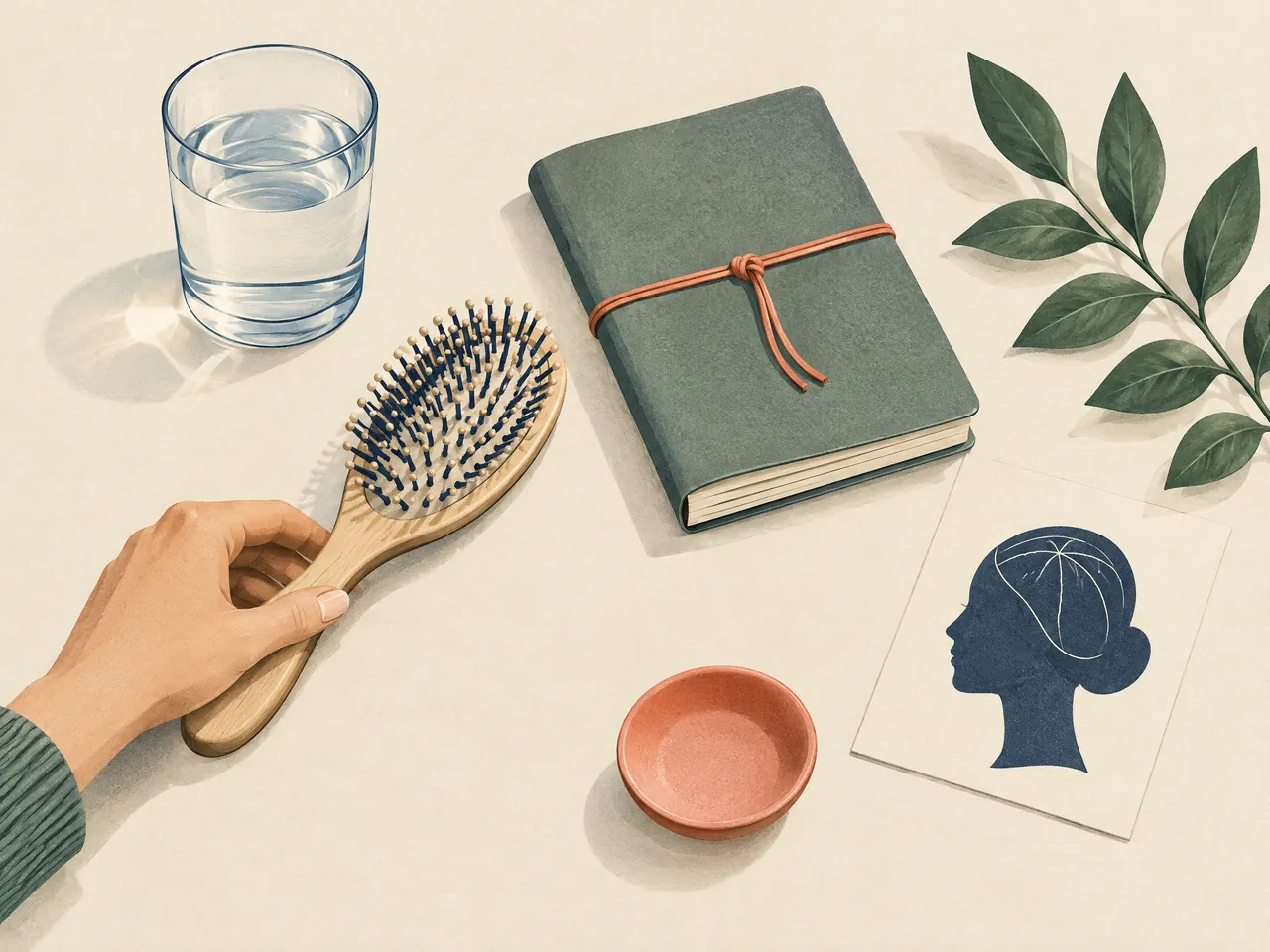
What causes hair loss and lifestyle, what happens at a hair loss consultation discussion, and can acupuncture help with hair loss without guarantees
Daily habits are worth discussing because they may affect comfort, adherence and the quality of information available, not because they offer a universal cure. Describe heated tools, chemical treatments, tight styles, hats or hair fibres, and whether washing or brushing is painful. Explain your usual eating and sleeping patterns, whether you have cut out food groups, and what changed before the concern began. Chinese medicine lifestyle guidance should not displace prescribed treatment or medical advice about a suspected deficiency, endocrine issue or scalp disease.
If you explore acupuncture, define the question clearly. Ask whether it is being considered for a particular symptom or as part of a broader Chinese medicine plan, its limits, and how you should report discomfort or a new symptom. You can pause and seek another opinion. Suitability depends on the person, presentation and information available. There is no reliable way to predict online that acupuncture will help a particular individual’s hair loss, and it is not a replacement for necessary diagnosis, dermatology care or prescribed medicines.

What causes hair loss and scalp health, what happens at a hair loss consultation follow-up, and can acupuncture help with hair loss next steps
For follow-up, bring an updated timeline instead of relying only on your impression in a difficult week. Note whether shedding seems different, whether the visible area has changed, and whether itch, scale, soreness or tenderness has appeared or settled. Keep relevant medical appointments and report new diagnoses, test results or prescriptions. This helps decide whether a Chinese medicine plan needs review, whether scalp care and medical investigation are the priority, or whether no further complementary treatment is sensible. It also avoids treating a natural fluctuation as proof that one action worked or failed.
When ready to enquire, choose the location that makes attendance practical and use WhatsApp to confirm arrangements. The Kwun Tong Chinese medicine clinic and Chinese medicine clinic Prince Edward pages provide location information. If cost matters, review the Chinese medicine clinic price list Hong Kong and ask what can be confirmed before the visit versus after an individual consultation. State the main pattern, how long it has been present, relevant medical care and your preferred clinic.
Care and health guide
Hair and scalp care information
This directory brings together services, reading, and visit information related to hair and scalp care, to help you prepare questions for a consultation.
For questions about hair or scalp care, noting the everyday concerns and service questions you want to discuss can help prepare a consultation; Chinese medicine for hair loss is a relevant service or reading entry point.
People may have different priorities, and acupuncture Hong Kong offers related information to help you understand options and prepare questions.

Your questions, answered
Frequently asked questions
What causes hair loss most often?
There is no single most likely cause for every person. Family-pattern baldness is common, and temporary shedding may follow illness, stress, weight loss or iron deficiency. Medicines, scalp conditions and autoimmune causes can also matter. The pattern, timeline and accompanying symptoms guide the next step, so a clinician should assess a new or worrying change rather than relying on a generic list.
What happens at a hair loss consultation at TCM Lab Hong Kong?
A Registered Chinese Medicine Practitioner discusses when the change began, where it is occurring, scalp symptoms, health and family history, sleep, diet, stress, medicines and any existing test results. The conversation may include a Chinese medicine pattern-based perspective and whether acupuncture, herbal discussion, lifestyle guidance, medical review or referral is appropriate. The consultation does not guarantee that a particular treatment will be advised or successful.
Can acupuncture help with hair loss?
Acupuncture may be considered as an individual Chinese medicine option after assessment, but it cannot be promised to regrow hair or permanently stop loss. It should not delay assessment of patchy, sudden, inflamed or rapidly worsening hair loss. Tell the practitioner about health conditions, medicines and factors that may affect safety before acupuncture is considered.
When should I seek medical advice rather than wait?
Seek medical advice promptly for sudden or spreading patches, scalp pain, marked redness, scaling, discharge, scarring, new loss of eyebrows or eyelashes, or hair loss with significant illness. It is also appropriate to see a doctor whenever the change worries you. Medical assessment can clarify whether tests, dermatology review or a specific treatment is needed.
Sources and further information
- [1] NHS — Hair loss
Referenced for: Supports general causes, advice to seek medical assessment when worried, and the limits of treatment claims.
- [2] NIH National Institute of Arthritis and Musculoskeletal and Skin Diseases — Alopecia Areata
Referenced for: Supports the description of alopecia areata as an autoimmune cause of patchy hair loss and its variable course.
- [3] NCCIH — Acupuncture: Effectiveness and Safety
Referenced for: Supports general acupuncture safety cautions and the need not to postpone health-care evaluation.