
TCM Lab · Health reading
Tennis Elbow Ice Pack, Tennis Elbow Cold Pack, and How long should I ice tennis elbow?
Published Updated
Outer-elbow pain can make a coffee mug, a suitcase handle, a mouse, or a backhand feel unexpectedly demanding. A tennis elbow ice pack or tennis elbow cold pack is usually a short comfort measure after an activity that has stirred up the area, especially if it feels warm or mildly puffy. How long should I ice tennis elbow? Use a wrapped pack for 10 to 20 minutes at a time, then remove it and reassess instead of extending the session. Heat may feel more comfortable before gentle movement when the forearm feels stiff. [1] [3]
Appointments are confirmed through WhatsApp. If you have language requirements, please mention them in your enquiry.
The short answer
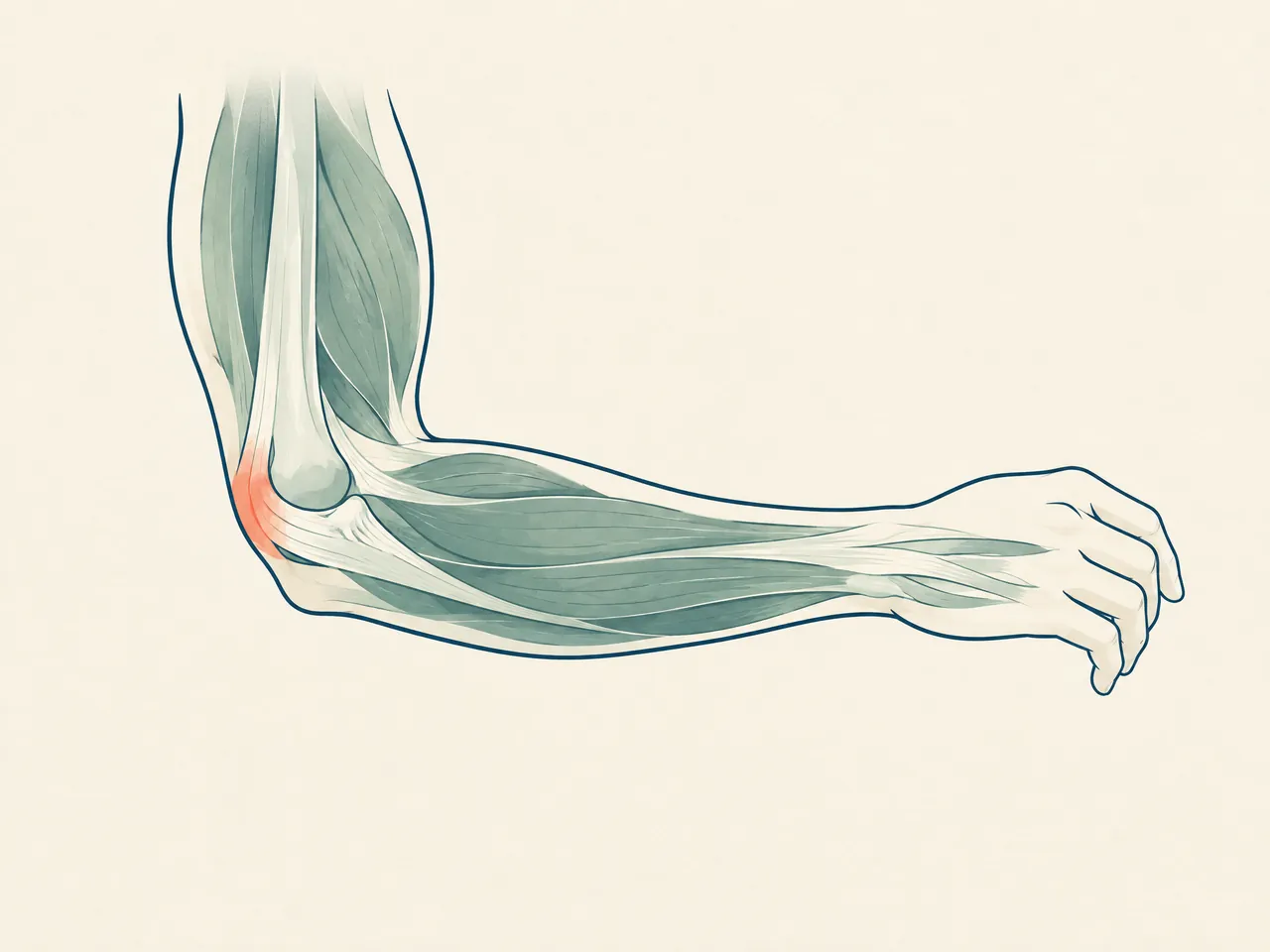
How long should I ice tennis elbow? A tennis elbow ice pack or tennis elbow cold pack can usually be applied for 10 to 20 minutes at a time, with a thin cloth between the pack and your skin. It may be most comfortable after gripping, lifting, sport, or another aggravating activity. Stop rather than pushing through worsening pain, unusual redness, tingling, numbness, or skin colour changes. [1]
Transparent pricing
See the fees.
Choose your care.
Explore our complete official price list, including first-trial prices, regular prices, packages and branch-specific options.
Opening WhatsApp prepares an enquiry; it does not send a message, take payment or confirm an appointment. Suitability and individual arrangements are confirmed during consultation.
Pain care
All prices in HKDExtracorporeal shockwave treatment
Shockwave treatment for deep-tissue and fascial care. The Kwun Tong clinic offers the multi-area options shown below.
Priced by branch
Branch-specific pricing
Prince Edward: HK$250 per area
Kwun Tong: HK$250 for 1 area / HK$450 for 2 areas / HK$600 for 3 areas
Pain care (manual therapy)
Includes Chinese medicine musculoskeletal assessment, manual joint techniques and tui na.
HK$580 (single session)
Chinese medicine musculoskeletal assessment
Pain care (acupuncture and manual therapy)
Combines acupuncture and manual therapy.
HK$680 (single session)
Combined care
Hair and scalp
All prices in HKDScalp health and hair-loss management
Includes AI scalp analysis, deep scalp and follicle cleansing, and scalp oil-control care.
HK$380 (first trial)
Regular price: HK$680
- 6 sessions: HK$3,480 (HK$580 per session)
- 12 sessions: HK$5,760 (HK$480 per session)
- 20 sessions: HK$8,600 (HK$430 per session)
- 30 sessions: HK$11,400 (HK$380 per session)
Hair acupuncture and Chinese herbal medicine package
Includes scalp acupuncture and 3 days of Chinese herbal medicine that does not require decoction.
HK$580 (single session)
Registered Chinese Medicine Practitioner consultation
- 6 sessions: HK$3,180 (HK$530 per session)
- 12 sessions: HK$5,760 (HK$480 per session)
- 20 sessions: HK$8,600 (HK$430 per session)
- 30 sessions: HK$11,400 (HK$380 per session)
Combined hair and scalp treatment
Combines acupuncture and Chinese herbal medicine with salon-level scalp and follicle care. Packages include complimentary hair-care shampoo and serum.
HK$1,260 (single session)
Combined treatment
- 8 sessions: HK$8,640 (HK$1,080 per session)
- 16 sessions: HK$15,680 (HK$980 per session)
- 20 sessions: HK$18,600 (HK$930 per session)
- 30 sessions: HK$26,400 (HK$880 per session)
Weight management
All prices in HKDFull-body acupoint embedding for weight management
Includes full-body acupoint embedding. Packages include complimentary Chinese herbal medicine for weight management, with the number of included days scaled to the package. Embedding material and the individual treatment arrangement are confirmed during consultation; this is not a cosmetic thread lift.
HK$980 (single session)
No trial session
- 10 sessions: HK$7,800 (HK$780 per session)
- 20 sessions: HK$14,600 (HK$730 per session)
- 30 sessions: HK$20,400 (HK$680 per session)
Facial acupuncture
All prices in HKDFacial acupuncture (basic)
Includes facial acupuncture and meridian-based facial care, including care for facial puffiness.
HK$480 (first trial)
Regular price: HK$680
- 10 sessions: HK$5,200 (HK$520 per session)
- 20 sessions: HK$9,600 (HK$480 per session)
- 30 sessions: HK$13,500 (HK$450 per session)
Facial acupuncture (advanced)
Includes enhanced facial acupuncture with a specially formulated moisturising mask and serum.
HK$780 (first trial)
Regular price: HK$1,180
- 10 sessions: HK$9,000 (HK$900 per session)
- 20 sessions: HK$16,600 (HK$830 per session)
- 30 sessions: HK$23,400 (HK$780 per session)
Chinese medicine
All prices in HKDAcupuncture and Chinese herbal medicine package
Includes a Chinese medicine consultation with pulse assessment, body acupuncture and 3 days of Chinese herbal granules that do not require decoction.
HK$580 (single session)
Chinese medicine consultation with pulse assessment
Tennis Elbow Ice Pack or Tennis Elbow Cold Pack: How long should I ice tennis elbow? Choose by symptoms
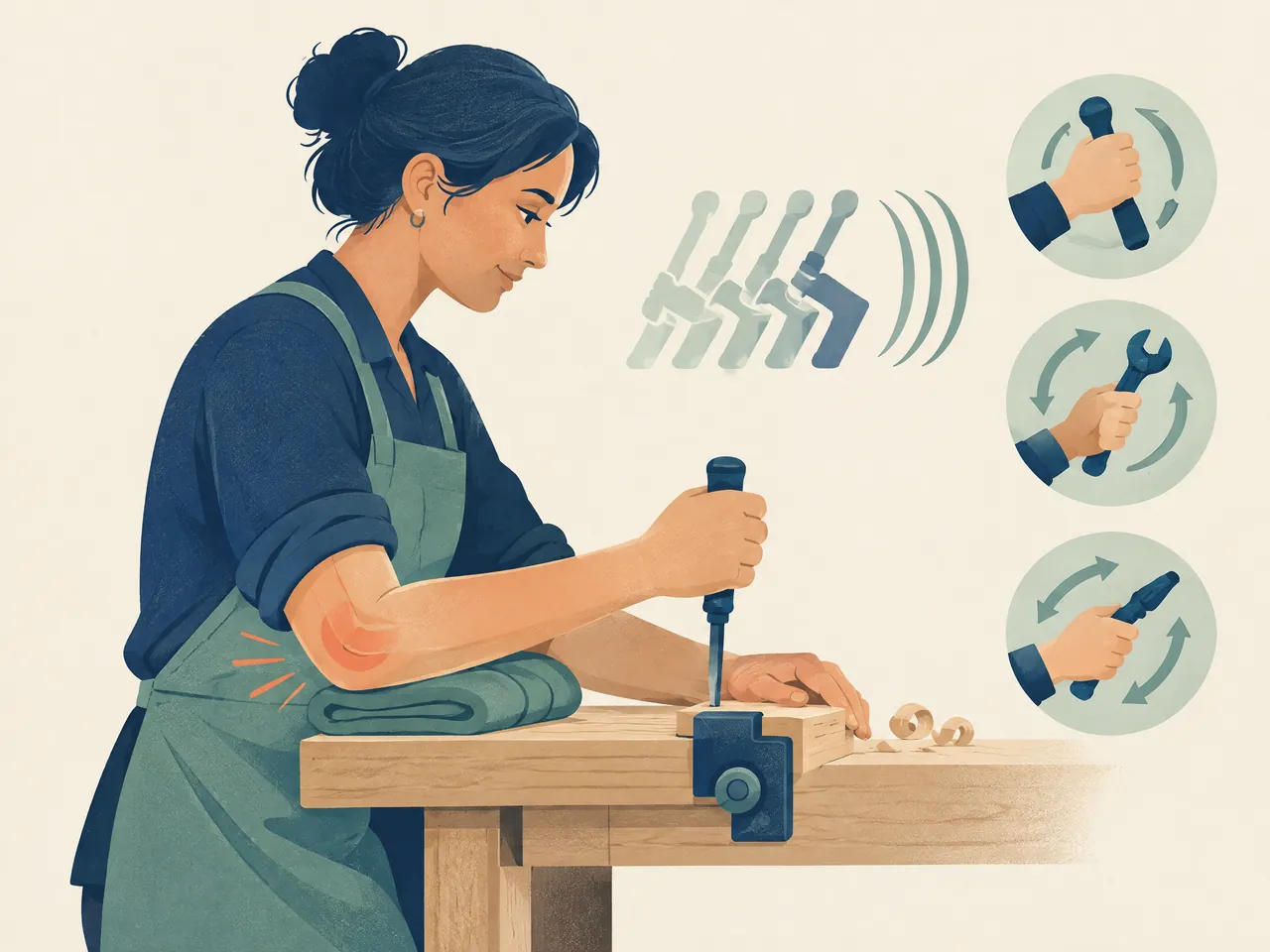
A tennis elbow ice pack is not a test of toughness and it is not a way to make a painful task safe to repeat. Tennis elbow describes pain around the outside of the elbow, often made worse by gripping, lifting, moving the wrist, or twisting the forearm. The involved tendons connect with muscles that lift the wrist and hand, which helps explain why a jar lid, screwdriver, racquet, or shopping bag can trigger symptoms. [2] [3] A cold pack is one short-term comfort option while you address the activity provoking the pain.
Start with what has just happened, not only the diagnostic label. An elbow that feels more uncomfortable after prolonged mouse work, gardening, lifting, racket sport, or repeated tool use may feel better with a brief cold application. A local sense of warmth or slight swelling after activity can point in the same direction. This is a practical comfort choice, not a promise that cold changes the underlying tendon problem. If a wrapped pack makes the area more painful or unpleasant, remove it. For a wider comparison, see tennis elbow heat or ice.
The label on the product matters less than control. A gel sleeve, cold pack, or bag of frozen peas can become too cold on bare skin. Choose one that can be wrapped in a thin towel, placed without a tight strap, and removed easily. Avoid treating a cooling session as permission to keep working through the same painful grip. The useful question is whether you can make a sensible adjustment to the task afterward.
Tennis Elbow Ice Pack and Tennis Elbow Cold Pack: How long should I ice tennis elbow? After activity
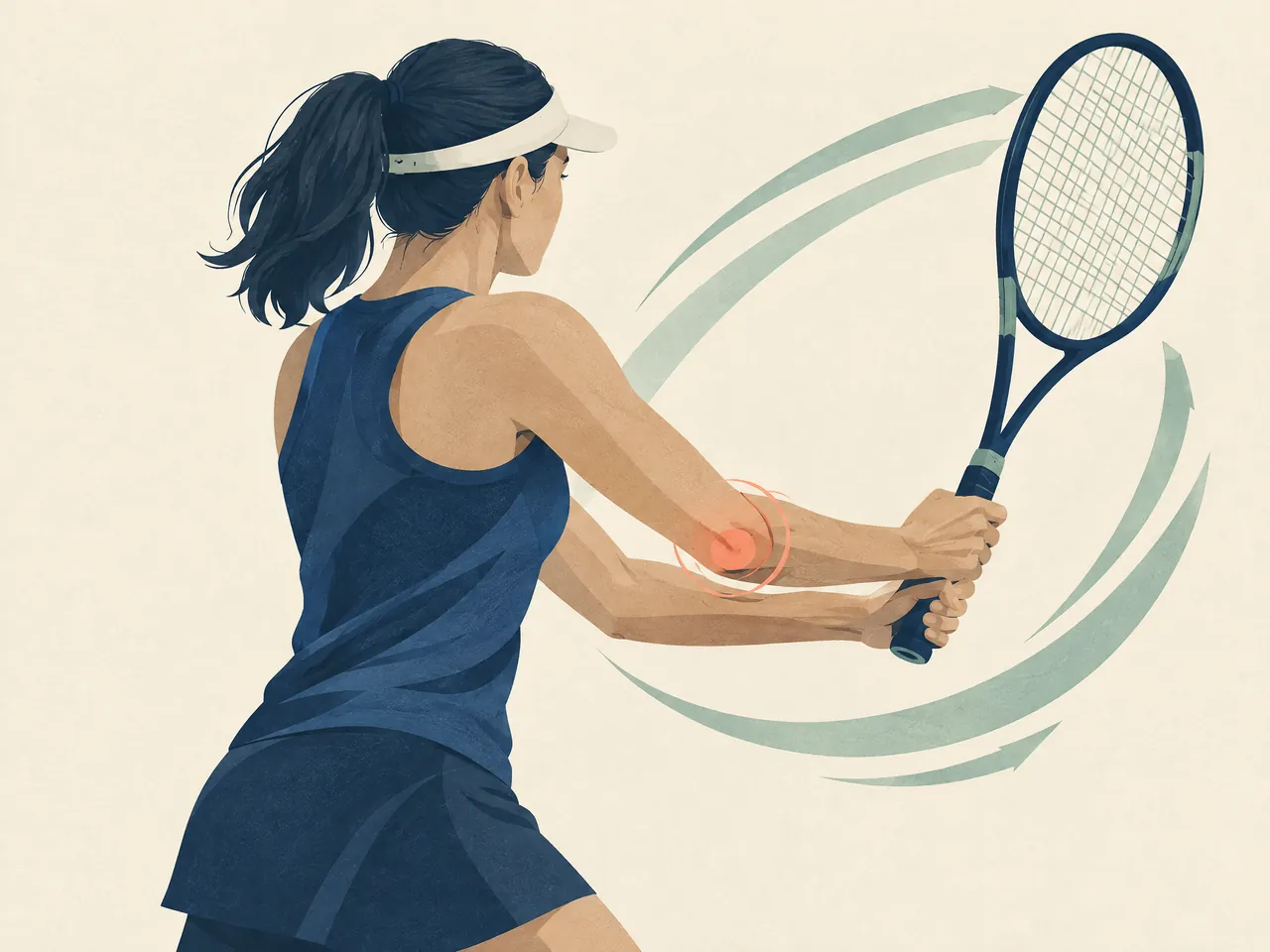
After an aggravating activity, begin with a short reset. Put a thin cloth between the tennis elbow cold pack and skin, settle the arm in a supported position, and set a timer for 10 to 20 minutes. Alberta’s public care guidance gives that range and specifies a thin cloth barrier. [1] You do not need to force the elbow straight or press the pack down. The aim is controlled cooling, followed by a check of how the skin and elbow feel once the pack is off.
This can fit real Hong Kong routines: after carrying a laptop bag on public transport, evening badminton, food preparation, or a shift involving repeated wrist work. First stop or reduce the task that increased pain. Then use the wrapped pack if it feels soothing. If the elbow is only mildly noticeable but not warm or irritated, you may not need cold. Note whether the next grip, lift, or wrist movement feels easier, the same, or worse. A cold pack can be part of tennis elbow self-care, alongside reducing the load that keeps irritating the forearm. [1] [2]
Tennis Elbow Ice Pack versus Tennis Elbow Cold Pack: How long should I ice tennis elbow? Before activity
Before activity, temperature should match the problem you are trying to solve. If the forearm feels stiff after rest and you are preparing for gentle movement, mild heat may feel more comfortable than cold. Alberta’s guidance says heat, or alternating heat and ice, can be tried after the first three days. [1] That does not make heat mandatory or mean everyone should alternate. Begin with easy arm, wrist, and finger movement rather than relying on any pack alone.
If a task reliably causes sharp outer-elbow pain, modify the task first. Loosen an over-tight grip, keep a load closer to your body, take a pause, or postpone a heavy lift. Tennis elbow is associated with repeated wrist and forearm use, and the Hong Kong College of Orthopaedic Surgeons advises avoiding repetitive or overuse activities that aggravate symptoms. [2] A cold pack before activity should not override pain during demanding work or sport. The lateral elbow pain heat or ice guide offers another symptom-led comparison.
Compare your options
| Situation | A cautious comfort option | What to check next |
|---|---|---|
| Outer elbow feels more sore, warm, or mildly puffy after gripping, lifting, sport, or repeated wrist work | Use a tennis elbow ice pack or tennis elbow cold pack for 10–20 minutes with a thin cloth barrier. [1] | Remove it when the timer ends; reduce the activity that provoked the pain. |
| Forearm feels stiff before gentle movement, without a clear post-activity flare | Mild heat may feel more comfortable; begin with easy arm, wrist, and finger movement. [1] | If symptoms rise during warm-up, lower the demand instead of pushing on. |
| Cooling causes burning, increasing pain, skin changes, tingling, or numbness | Stop using the pack immediately. | Do not lengthen the session; seek clinical advice if symptoms are concerning or persist. |
| Pain persists despite rest and self-care, or everyday gripping and lifting remain difficult | Arrange assessment rather than relying on repeated temperature treatment. | Describe triggers, timing, loss of function, and any hand or arm symptoms. [1] [3] |
On smaller screens, scroll the table sideways to compare all columns.
Tennis Elbow Ice Pack, Tennis Elbow Cold Pack, and How long should I ice tennis elbow? Safe timing
The direct answer remains 10 to 20 minutes at a time, not an open-ended session. Both Alberta’s guidance and the NHS describe a wrapped cold pack for up to 20 minutes, and the NHS specifies a towel barrier. [1] [3] A timer matters because a pack can feel comfortable at first and become excessively cold as the skin loses sensation. Longer is not a stronger version of the same treatment. When the timer ends, remove the pack, let skin return to normal temperature, and decide whether the next step is rest, a lighter task, or professional advice.
There is no need to turn temperature care into a complicated calculation. The NHS suggests a wrapped hot or cold pack for up to 20 minutes every two to three hours, while Alberta gives more frequent cooling in the first three days when awake or until swelling settles. [1] [3] These are public-care examples, not a personalised prescription. Avoid back-to-back sessions simply because a pack is nearby. Let symptom response, skin condition, and the day’s overall activity load guide a cautious plan.
Use the comparison below to prepare a safer session. It does not replace an examination when pain is severe, unusual, or persistent. If you are unsure how your skin or symptoms will react, choose the conservative option: a cloth barrier, a limited session, and a reduction in the movement that triggered the discomfort.
Tennis Elbow Ice Pack and Tennis Elbow Cold Pack: How long should I ice tennis elbow? Protect your skin
Never place ice, a frozen gel sleeve, or a frozen food bag straight on the elbow. Wrap it in a thin, dry cloth so the cold is buffered and spread more evenly. [1] The cloth should cover the whole area that will meet the skin; a folded tea towel is often easier to manage than a loose corner. Keep the arm uncovered enough to observe it. A very tight sleeve, a hard pack pressing into the bony outer elbow, or a pack held on while asleep is not a careful set-up.
Check in during the session rather than waiting for the alarm. Mild coolness is expected, but sharp burning, increasing pain, blotchy colour, marked redness, or numbness is a reason to remove the pack. People with reduced skin sensation, circulation concerns, or difficulty judging temperature should ask a healthcare professional before using hot or cold therapy. Do not apply it over broken or irritated skin. The same skin-protection habits apply to an ice pack, cold pack, or cold sleeve.
Tennis Elbow Ice Pack or Tennis Elbow Cold Pack: How long should I ice tennis elbow? Know when to stop
Stop immediately if cooling increases pain, produces tingling or numbness, or causes concerning skin changes. Stop as well if the pack feels intolerably cold, if you cannot judge the sensation accurately, or if the elbow feels worse each time you use it. The NHS includes wrapped hot or cold packs among self-care options, but a pack is not a reason to ignore a poor response. [3] Note the trigger—a long meeting, drill, heavy suitcase, or gym movement—so the next decision addresses the load as well as the temperature.
Seek prompt medical advice for worsening pain, an elbow you cannot bend normally, or a hand or arm that becomes cool, pale, or changes colour. Tingling, weakness, or numbness in the hand and fingers are also warning signs in Alberta’s care instructions. [1] These features deserve assessment rather than more icing. If ordinary self-care and rest have not helped after about two weeks, the NHS advises seeing a GP; local readers can ask an appropriate clinician or physiotherapist about assessment. [3]
Tennis Elbow Ice Pack or Tennis Elbow Cold Pack: How long should I ice tennis elbow? Next steps
A tennis elbow ice pack can help you make a pause, but the next step is usually a change in load. The goal is not to avoid every arm movement. It is to reduce the particular repetition, force, posture, or duration that keeps flaring the outside of the elbow. Public guidance encourages reducing pain-provoking activity and returning to usual activity slowly. [1] This could mean shorter keyboard blocks, a lighter grocery bag, a different tool handle, fewer practice strokes, or a rest day between demanding sessions.
Use your response after activity as feedback. If a task causes mild discomfort that settles with a sensible break and does not build through the week, a gradual return may be reasonable. If pain grows during the task, affects sleep, makes gripping unreliable, or appears with smaller loads, step back and seek assessment. The Hong Kong College of Orthopaedic Surgeons discusses stretching and physiotherapy among non-surgical approaches and avoiding aggravating overuse. [2] A professional can tailor progression to your work, sport, and daily demands.

Some people want to discuss Chinese medicine as an adjunct to a wider care plan. A Registered Chinese Medicine Practitioner can take a history of the location, quality, and triggers of pain within a traditional assessment. This is not a replacement for medical diagnosis, rehabilitation advice, or urgent assessment when warning signs are present. Tell any practitioner about current treatment, numbness, previous injury, and the activities aggravating the elbow so care can be coordinated sensibly.
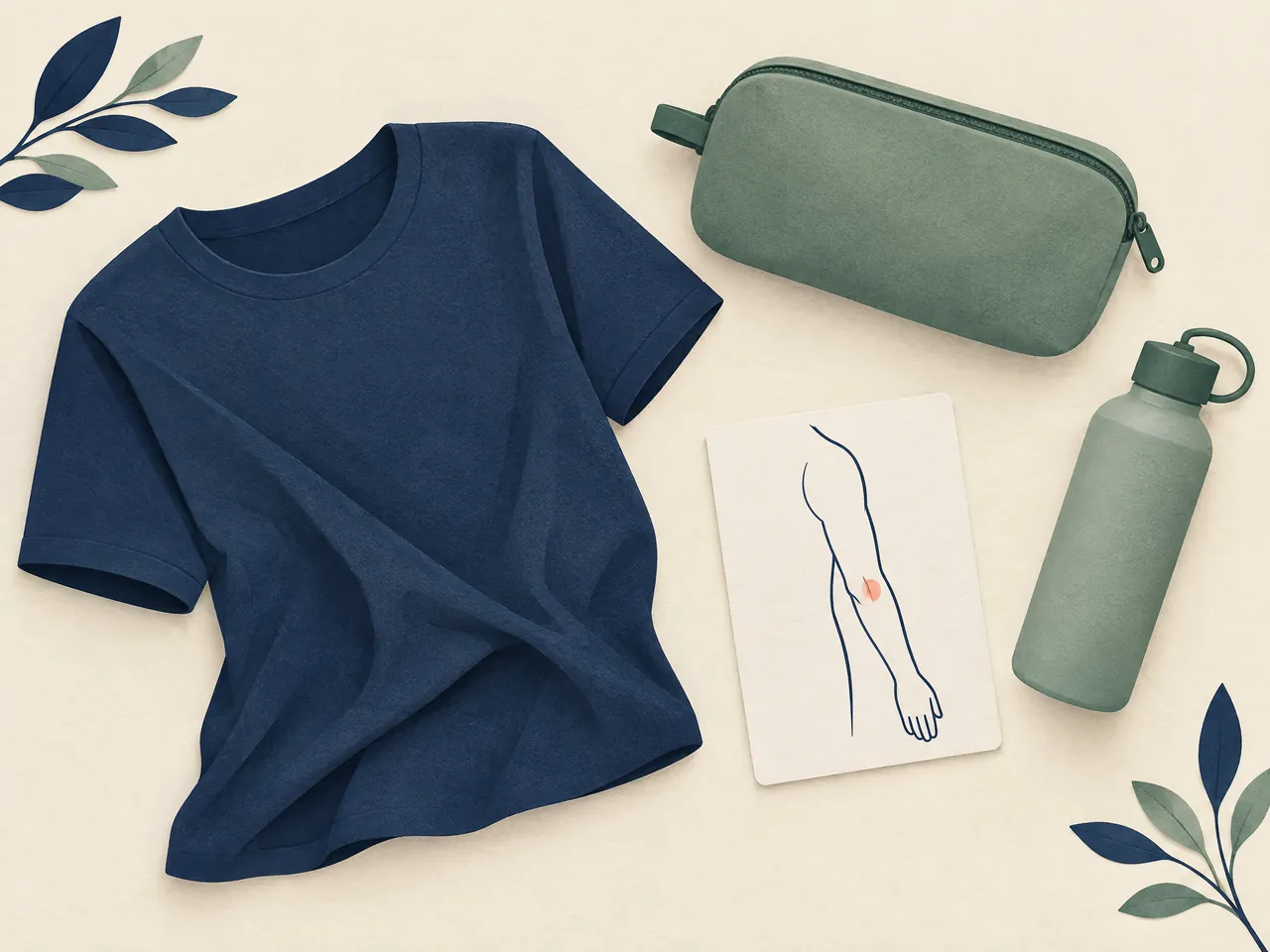
Tennis Elbow Ice Pack, Tennis Elbow Cold Pack, and How long should I ice tennis elbow? Adjust activity
Make one or two specific adjustments before changing everything. For computer work, relax the mouse grip, avoid holding the wrist up for long periods, and take movement breaks before pain builds. For household work, divide chopping, scrubbing, lifting, and wringing across the day; use two hands for a heavier pan when possible. For racquet sport or gym training, reduce volume and avoid the stroke, grip, or lift that clearly reproduces outer-elbow pain until you have advice on a gradual return. The point is less repeated aggravation, not a promise that a cold pack will solve the problem.
If exercises have been recommended by a doctor or physiotherapist, perform them as instructed and note whether they cause a brief effort feeling or a clear pain flare. The College advises regular stretching of the wrist and fingers together with avoiding overuse of the muscles that lift the wrist and hand. [2] A cold pack may be used afterwards for comfort when appropriate, but do not use it to push through a programme that repeatedly worsens symptoms. Read What can I do for tennis elbow besides heat and ice? for more ideas beyond temperature care.

Tennis Elbow Ice Pack versus Tennis Elbow Cold Pack: How long should I ice tennis elbow? Seek assessment
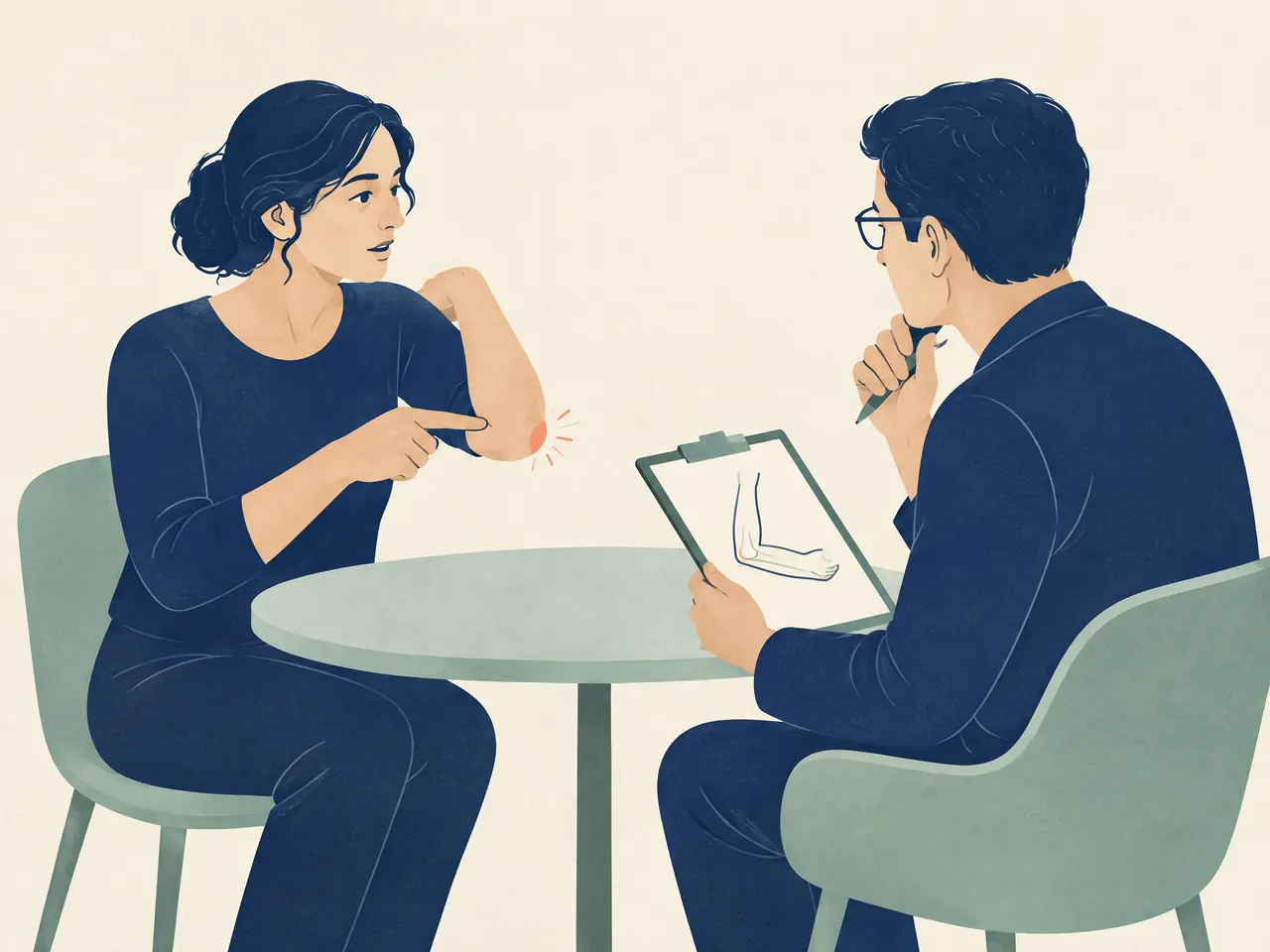
Arrange an assessment when outer-elbow pain keeps returning, limits essential work or daily tasks, or is not improving with reduced aggravating activity and basic self-care. A history and physical examination can identify where pain is felt and which wrist or elbow movements reproduce it. [2] Assessment is particularly worthwhile when you have lost grip confidence, cannot fully straighten the arm, have pain at rest or at night, or are unsure whether discomfort is actually coming from the elbow. The appropriate next step depends on the clinical picture.
For an appointment enquiry with TCM Lab, say you are seeking advice about persistent outer-elbow discomfort and describe the activities that trigger it. Ask about a Kwun Tong Chinese medicine clinic or a Chinese medicine clinic Prince Edward when discussing location options, and review the Chinese medicine clinic price list Hong Kong if cost information would help. Bring medicines, prior injuries, and current treatments to assessment. A tennis elbow ice pack is short, wrapped, and symptom-led—usually 10 to 20 minutes—not an all-day solution. [1]
Care and health guide
Health service information
This directory brings together services, reading, and visit information related to health services, to help you prepare questions for a consultation.
If you are organising health questions, Chinese medicine clinic Hong Kong is a starting point for learning about related services and preparing for a consultation.
People have different needs; acupuncture Hong Kong provides further reading to help you understand options in your own context.


Your questions, answered
Frequently asked questions
How long should I ice tennis elbow with a tennis elbow ice pack?
Use a wrapped tennis elbow ice pack for about 10 to 20 minutes at a time. Place a thin cloth between the pack and skin, use a timer, and remove it if the elbow becomes more painful, numb, or unusually red. [1]
When is a tennis elbow cold pack most useful?
Should I use heat instead of a tennis elbow ice pack?
If the forearm feels stiff before gentle movement, mild heat may be more comfortable. Cold commonly suits a warm or irritated feeling after activity. Neither choice should make symptoms worse; stop and reassess if it does. [1]
When should I get help instead of icing tennis elbow?
Sources and further information
- [1] [1] MyHealth.Alberta.ca Network — Tennis Elbow: Care Instructions
Referenced for: Official public care guidance for cold-pack timing, cloth barrier, heat or alternating heat and ice, activity reduction, and warning symptoms.
- [2] [2] The Hong Kong College of Orthopaedic Surgeons — Tennis Elbow
Referenced for: Hong Kong orthopaedic information on outer-elbow symptoms, provoking gripping and wrist activity, assessment, stretching, physiotherapy, and avoiding aggravating overuse.
- [3] [3] NHS — Tennis elbow
Referenced for: Public guidance for typical symptoms, wrapped hot or cold packs, self-care, and when to seek assessment.