
TCM Lab · Health reading
De Quervain disease acupuncture: De Quervain's tenosynovitis treatment options and thumb-side wrist pain acupuncture
Published Updated
Pain along the thumb side of the wrist can make lifting a baby, opening a jar, scrolling on a phone or holding a heavy bag unexpectedly difficult. This pattern can fit De Quervain’s tenosynovitis, but assessment should distinguish it from other hand and wrist problems. De Quervain disease acupuncture may be discussed as part of symptom management after appropriate assessment; it does not repair a narrowed tendon sheath or replace care for a serious structural problem. This guide explains how it can fit alongside activity changes, splinting, rehabilitation and medical review.
Appointments are confirmed through WhatsApp. If you have language requirements, please mention them in your enquiry.
The short answer
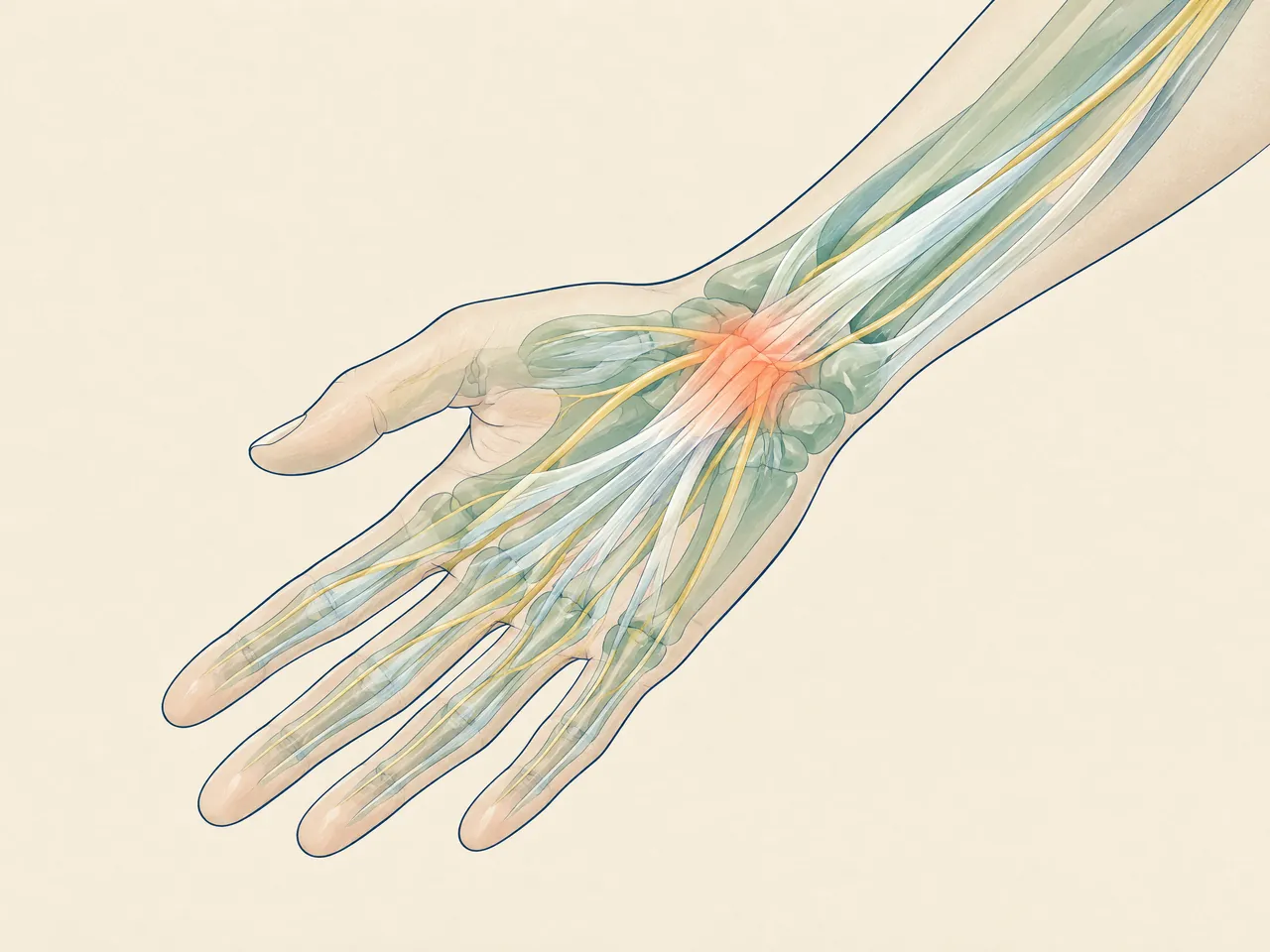
De Quervain disease acupuncture can be considered as part of symptom management after an individual assessment, but it cannot repair the structural tendon-sheath problem behind De Quervain’s tenosynovitis. Persistent or severe thumb-side wrist pain needs proper evaluation, particularly after injury or when there is marked swelling, weakness, numbness or loss of function. Discuss acupuncture alongside practical De Quervain’s tenosynovitis treatment options such as changing painful hand use, a clinician-advised splint, rehabilitation or medical treatment.
Transparent pricing
See the fees.
Choose your care.
Explore our complete official price list, including first-trial prices, regular prices, packages and branch-specific options.
Opening WhatsApp prepares an enquiry; it does not send a message, take payment or confirm an appointment. Suitability and individual arrangements are confirmed during consultation.
Pain care
All prices in HKDExtracorporeal shockwave treatment
Shockwave treatment for deep-tissue and fascial care. The Kwun Tong clinic offers the multi-area options shown below.
Priced by branch
Branch-specific pricing
Prince Edward: HK$250 per area
Kwun Tong: HK$250 for 1 area / HK$450 for 2 areas / HK$600 for 3 areas
Pain care (manual therapy)
Includes Chinese medicine musculoskeletal assessment, manual joint techniques and tui na.
HK$580 (single session)
Chinese medicine musculoskeletal assessment
Pain care (acupuncture and manual therapy)
Combines acupuncture and manual therapy.
HK$680 (single session)
Combined care
Hair and scalp
All prices in HKDScalp health and hair-loss management
Includes AI scalp analysis, deep scalp and follicle cleansing, and scalp oil-control care.
HK$380 (first trial)
Regular price: HK$680
- 6 sessions: HK$3,480 (HK$580 per session)
- 12 sessions: HK$5,760 (HK$480 per session)
- 20 sessions: HK$8,600 (HK$430 per session)
- 30 sessions: HK$11,400 (HK$380 per session)
Hair acupuncture and Chinese herbal medicine package
Includes scalp acupuncture and 3 days of Chinese herbal medicine that does not require decoction.
HK$580 (single session)
Registered Chinese Medicine Practitioner consultation
- 6 sessions: HK$3,180 (HK$530 per session)
- 12 sessions: HK$5,760 (HK$480 per session)
- 20 sessions: HK$8,600 (HK$430 per session)
- 30 sessions: HK$11,400 (HK$380 per session)
Combined hair and scalp treatment
Combines acupuncture and Chinese herbal medicine with salon-level scalp and follicle care. Packages include complimentary hair-care shampoo and serum.
HK$1,260 (single session)
Combined treatment
- 8 sessions: HK$8,640 (HK$1,080 per session)
- 16 sessions: HK$15,680 (HK$980 per session)
- 20 sessions: HK$18,600 (HK$930 per session)
- 30 sessions: HK$26,400 (HK$880 per session)
Weight management
All prices in HKDFull-body acupoint embedding for weight management
Includes full-body acupoint embedding. Packages include complimentary Chinese herbal medicine for weight management, with the number of included days scaled to the package. Embedding material and the individual treatment arrangement are confirmed during consultation; this is not a cosmetic thread lift.
HK$980 (single session)
No trial session
- 10 sessions: HK$7,800 (HK$780 per session)
- 20 sessions: HK$14,600 (HK$730 per session)
- 30 sessions: HK$20,400 (HK$680 per session)
Facial acupuncture
All prices in HKDFacial acupuncture (basic)
Includes facial acupuncture and meridian-based facial care, including care for facial puffiness.
HK$480 (first trial)
Regular price: HK$680
- 10 sessions: HK$5,200 (HK$520 per session)
- 20 sessions: HK$9,600 (HK$480 per session)
- 30 sessions: HK$13,500 (HK$450 per session)
Facial acupuncture (advanced)
Includes enhanced facial acupuncture with a specially formulated moisturising mask and serum.
HK$780 (first trial)
Regular price: HK$1,180
- 10 sessions: HK$9,000 (HK$900 per session)
- 20 sessions: HK$16,600 (HK$830 per session)
- 30 sessions: HK$23,400 (HK$780 per session)
Chinese medicine
All prices in HKDAcupuncture and Chinese herbal medicine package
Includes a Chinese medicine consultation with pulse assessment, body acupuncture and 3 days of Chinese herbal granules that do not require decoction.
HK$580 (single session)
Chinese medicine consultation with pulse assessment
De Quervain disease acupuncture: what thumb-side wrist pain acupuncture can and cannot address within De Quervain's tenosynovitis treatment options
De Quervain disease is commonly used for stenosing tenosynovitis involving the first extensor compartment at the wrist. The Hong Kong College of Orthopaedic Surgeons describes dorsolateral wrist pain that may run toward the thumb or outer forearm, with possible swelling, weakness and difficulty using the thumb and wrist [1]. Thumb-side pain alone does not establish the diagnosis, so assessment should consider the story, movement pattern and other possible causes.
For someone exploring thumb-side wrist pain acupuncture, the useful question is whether it is appropriate within a wider plan that reduces avoidable irritation and makes daily use more manageable. Local and possibly distal points may be selected according to clinical judgement. Acupuncture should not be presented as a way to rebuild an injured structure, force tendons through a tight space, or postpone medical review when the presentation is concerning. See acupuncture for De Quervain's tenosynovitis for a broader overview.
De Quervain disease acupuncture and the causes of thumb-side wrist pain acupuncture in De Quervain's tenosynovitis treatment options
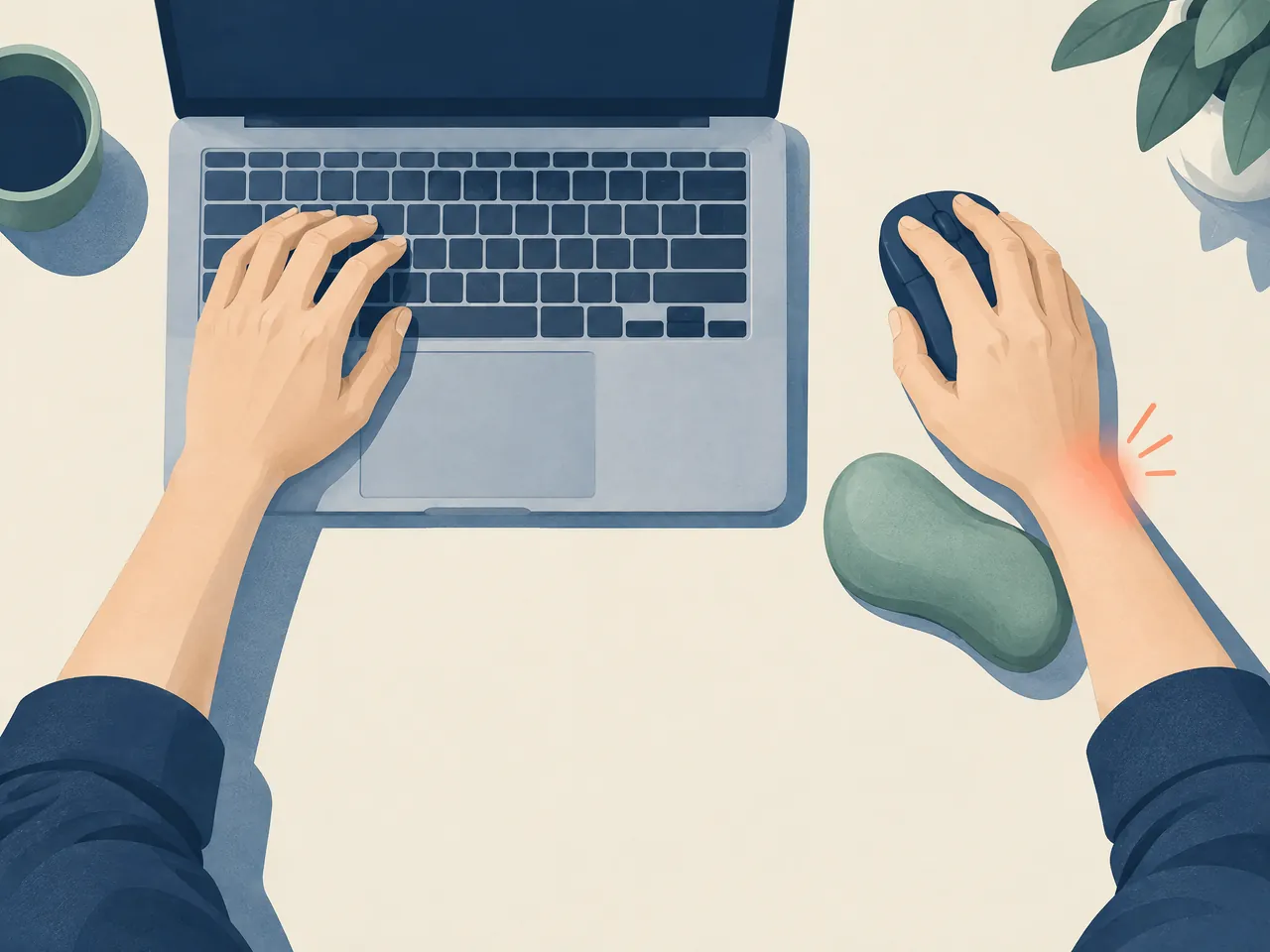
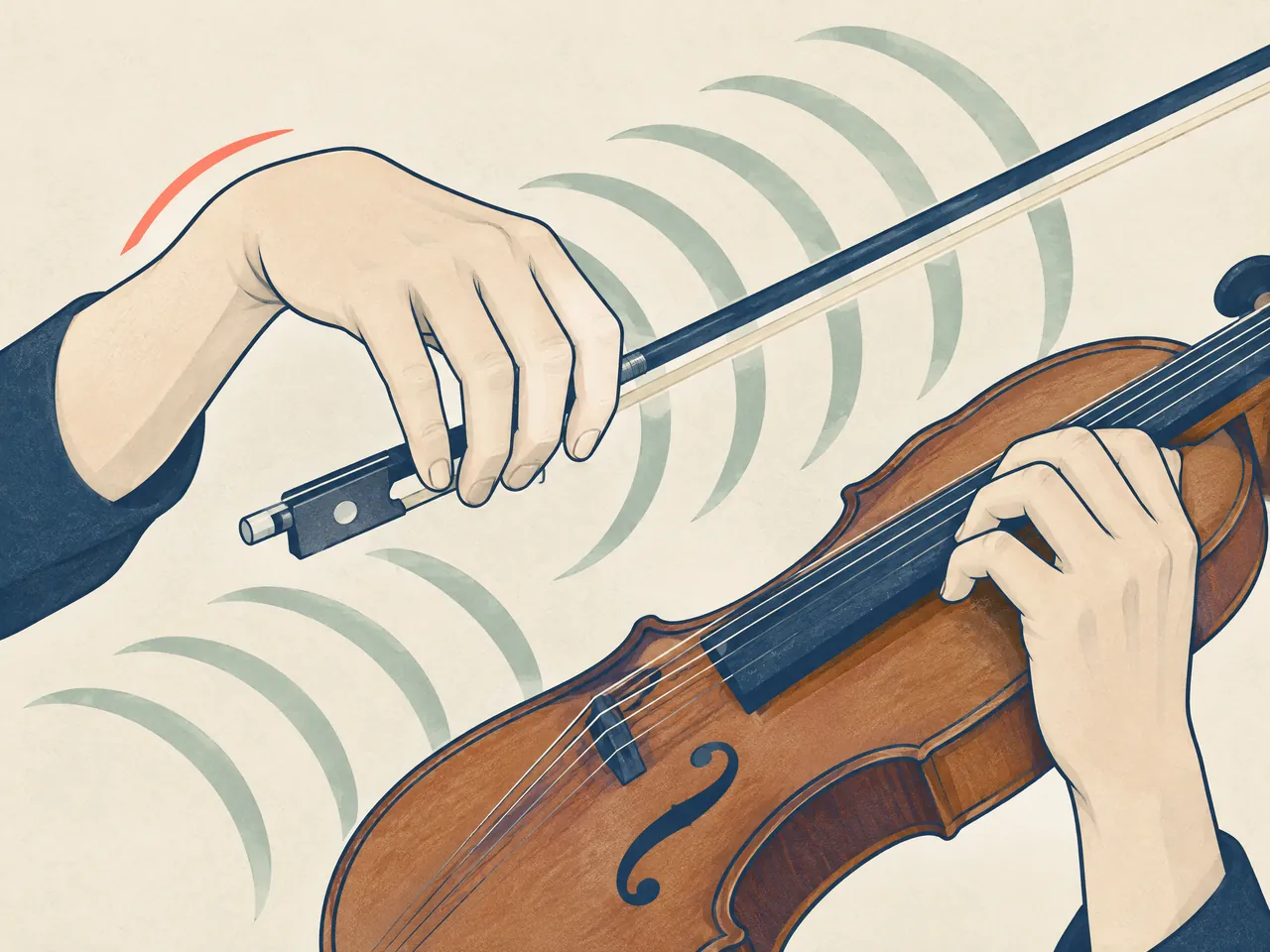
Repeated or unfamiliar use of the thumb and hand can be relevant, but it is not a verdict on how a person caused their pain. Local orthopaedic guidance notes that repetitive, unaccustomed hand and thumb activity can be associated with De Quervain disease, and repeated lifting or carrying of a newborn is a familiar postpartum context [1]. Phone grip, repeated lifting, wringing cloths, gardening, sport, instrument practice and pinch-heavy work may also be relevant. Identify the movement, position or load that provokes symptoms rather than blaming caregiving or work.
A pain diary can turn a vague complaint into useful information. Record whether discomfort begins at the thumb base, wrist or forearm; whether it is sharp, sore or swollen; and whether gripping, lifting or side-to-side wrist movement brings it on. Note a fall, twist or direct blow separately. This detail helps determine whether the pattern resembles De Quervain's tenosynovitis symptoms or another examination route is more suitable. It also gives a practitioner a safer basis for discussing acupuncture.
De Quervain disease acupuncture: when thumb-side wrist pain acupuncture should be considered alongside De Quervain's tenosynovitis treatment options
Ask about acupuncture when discomfort persists despite thoughtful changes to aggravating tasks, or when you want to know whether it could sit alongside clinician-directed care. Share the duration, diagnosis already made, work and caregiving demands, previous treatment, pregnancy or postpartum status, and current medicines. The conversation should cover the intended purpose, limits and hand-use changes between visits. A recommendation, if made, is an individual clinical decision rather than a standard number of sessions for everyone with this label.
Medical assessment should take priority after a significant injury, when pain is severe or escalating, or when there is marked redness, heat, swelling, fever, numbness, weakness, altered colour, or a sudden inability to move or use the thumb and wrist. These features may not be explained by simple overuse. Likewise, pain that continues despite avoiding triggers deserves review rather than endless self-treatment. The page When should I see a doctor for thumb-side wrist pain? sets out a practical way to think about that decision.
Compare your options
| Option or step | What it is intended to address | Useful question to ask |
|---|---|---|
| Assessment and diagnosis | Clarifies the pain pattern, function, injury history and whether another wrist or thumb condition needs consideration. | What findings support De Quervain’s tenosynovitis, and do I need medical examination or imaging? |
| Activity modification | Reduces repeated movements, grips or positions that provoke pain while practical alternatives are considered. | Which specific task, load or wrist position should I change first? |
| Thumb-and-wrist support or rehabilitation | A clinician may use a splint and therapy-led movement or strength guidance to protect function and reduce strain. | What is this support or exercise plan meant to do, and how should I use it safely? |
| De Quervain disease acupuncture | May be discussed as individual symptom management; it does not repair the tendon sheath or replace needed medical care. | What is the aim in my case, what safety information matters, and how does it fit with other care? |
| Medical treatment or referral | A clinician may discuss medicines, injection, specialist review or surgery according to the diagnosis and response to conservative care. | What change in symptoms or function means I should seek reassessment now? |
On smaller screens, scroll the table sideways to compare all columns.
De Quervain disease acupuncture assessment: comparing thumb-side wrist pain acupuncture with De Quervain's tenosynovitis treatment options
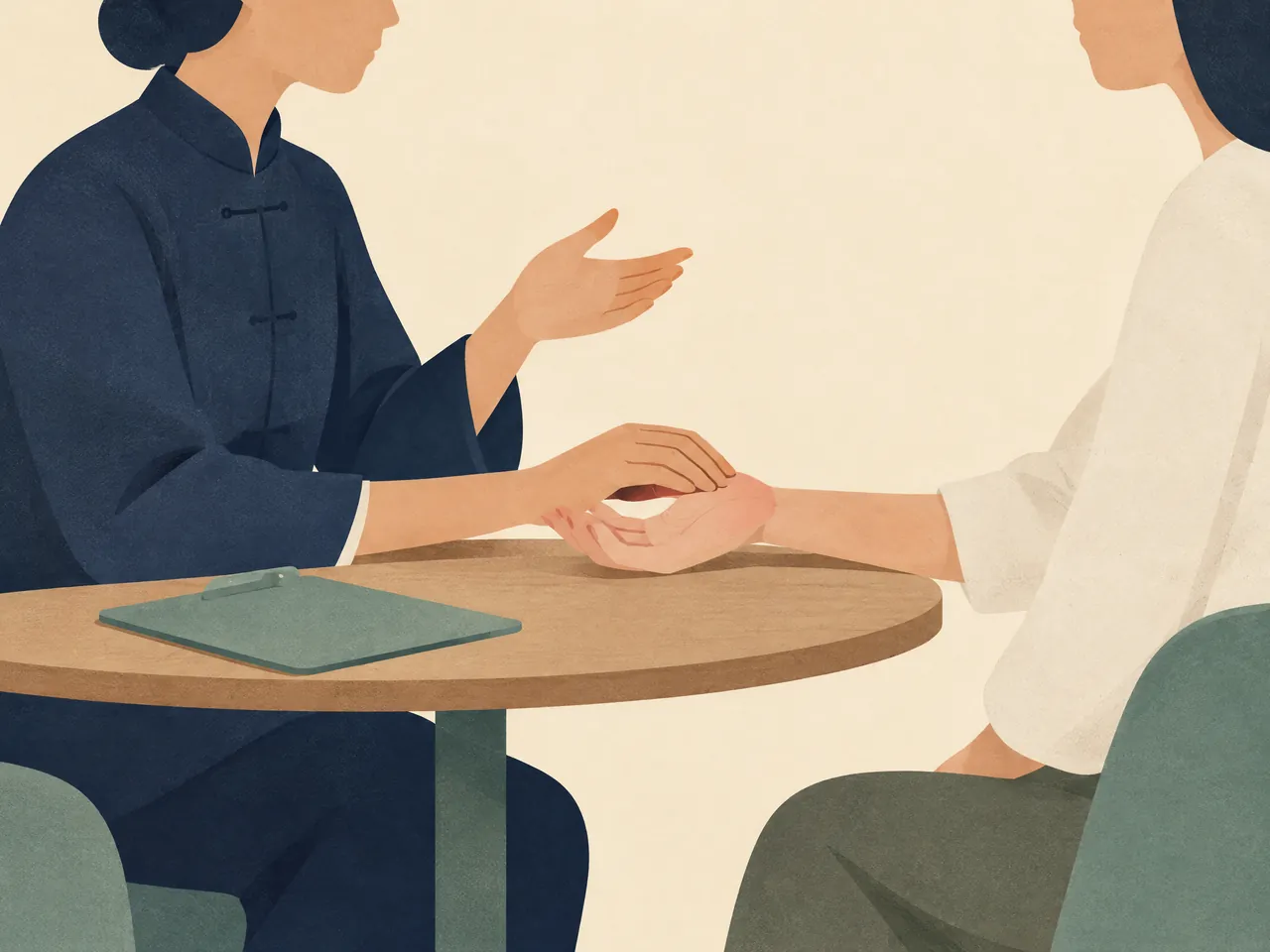
A useful assessment begins with function rather than an assumed treatment. Explain which action fails first: lifting a child, holding a phone, fastening buttons, typing, turning a key or using a mouse. Describe whether pain is present at rest, only with motion, or later after activity. Bring details of medicines, previous injections, braces, physiotherapy or hand therapy, and any imaging or medical reports. This makes comparison between acupuncture and other De Quervain’s tenosynovitis treatment options more meaningful.
The comparison is not a contest between “natural” and medical care. A thumb-and-wrist splint aims to rest the affected area; activity modification reduces particular strain; a therapist may assess movement and guide exercises; and a clinician may discuss medicine, injection or surgery. The Hong Kong College of Orthopaedic Surgeons lists activity modification and a custom thumb splint among conservative approaches, with injection or surgery considered in selected circumstances [1]. Acupuncture, where suitable, is complementary symptom management rather than a substitute for a needed referral.
De Quervain disease acupuncture assessment for thumb-side wrist pain acupuncture and questions about De Quervain's tenosynovitis treatment options
Before an appointment, ask what diagnosis has been made or remains uncertain. Ask whether symptoms need medical examination first, whether a splint or referral has been advised, and how acupuncture would relate to any therapy plan. It is sensible to ask which body areas might be treated, what sensations may occur, what response should be reported and what home-use changes will be discussed. An assessment should make room for a person who dislikes needles, feels faint with them or is unsure whether trying them is worthwhile.
Safety belongs in the assessment. Tell the practitioner about pregnancy, a bleeding disorder, medicines that affect bleeding, fainting, a skin infection or rash near a proposed treatment area, and significant health conditions or recent procedures. The U.S. National Center for Complementary and Integrative Health warns that nonsterile needles and improper delivery can cause complications, and notes that acupuncture needles regulated in the United States are required to be sterile and labelled for single use [3]. Ask about sterile, single-use needles and what to do if you feel unwell.
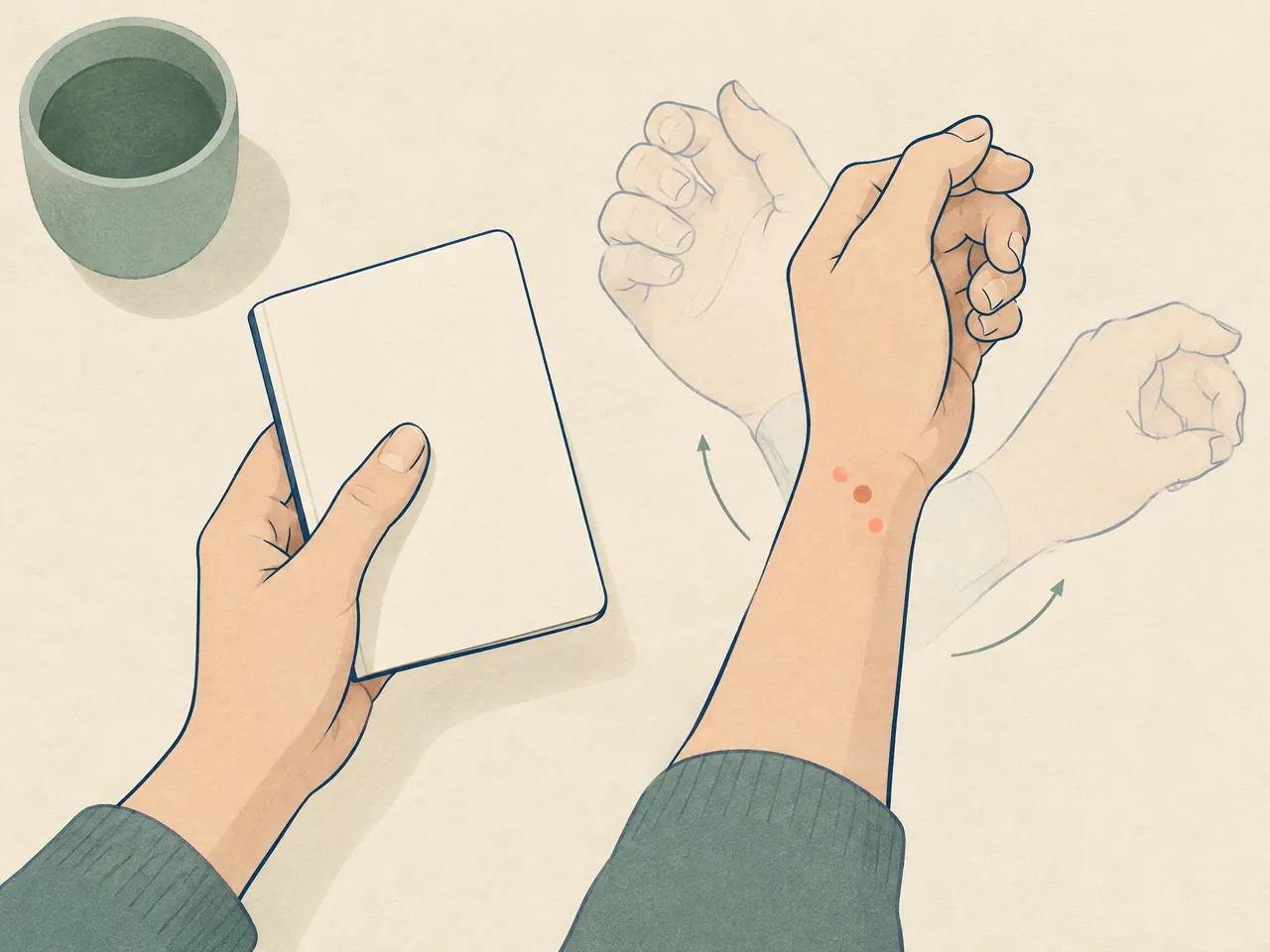
De Quervain disease acupuncture planning: how thumb-side wrist pain acupuncture fits with De Quervain's tenosynovitis treatment options
Planning should include the day between appointments. Change one or two high-load activities first rather than trying to immobilise the whole hand indefinitely. A parent may bring a baby closer to the body before lifting; a desk worker may review mouse position, keyboard reach and phone use; a cook may avoid repeated heavy twisting. These examples are not universal prescriptions. The right change depends on the task, affected hand, symptoms and advice from the clinicians involved.
A brace or splint is not simply an accessory; its type, fit and wearing schedule should be guided by an appropriate clinician. The Mayo Clinic describes a splint or brace to keep the thumb and wrist straight, reducing repetitive thumb movement, painful pinch and grip, and triggering activity as part of typical treatment [2]. Ask what movement the support is meant to limit, when to wear it, and how it fits with washing, work, sleep and exercise. Do not keep using a device that increases pain, tingling or skin irritation without advice.
De Quervain disease acupuncture care: practical thumb-side wrist pain acupuncture guidance and De Quervain's tenosynovitis treatment options
If acupuncture is chosen after assessment, the session should be understandable before it starts. The practitioner may explain the treatment aim, select points after considering the wrist problem and health information, and use disposable sterile needles. Local and distal points may be considered; point selection is not a fixed recipe. During needling, report aching, heaviness, tingling or any uncomfortable sensation immediately. The Chinese source notes retention is often around 20 to 30 minutes, but timing and approach should be individual.
Plan the rest of the day realistically. Do not turn an appointment into a reason to test the painful movement repeatedly or resume the task aggravating the wrist. Ask what normal activities are reasonable, whether a support should still be used, and which changes need prompt healthcare advice. The useful measure is whether a session forms part of safe, sensible management of symptoms and function. Readers can compare does acupuncture help wrist pain with the specific assessment issues here.
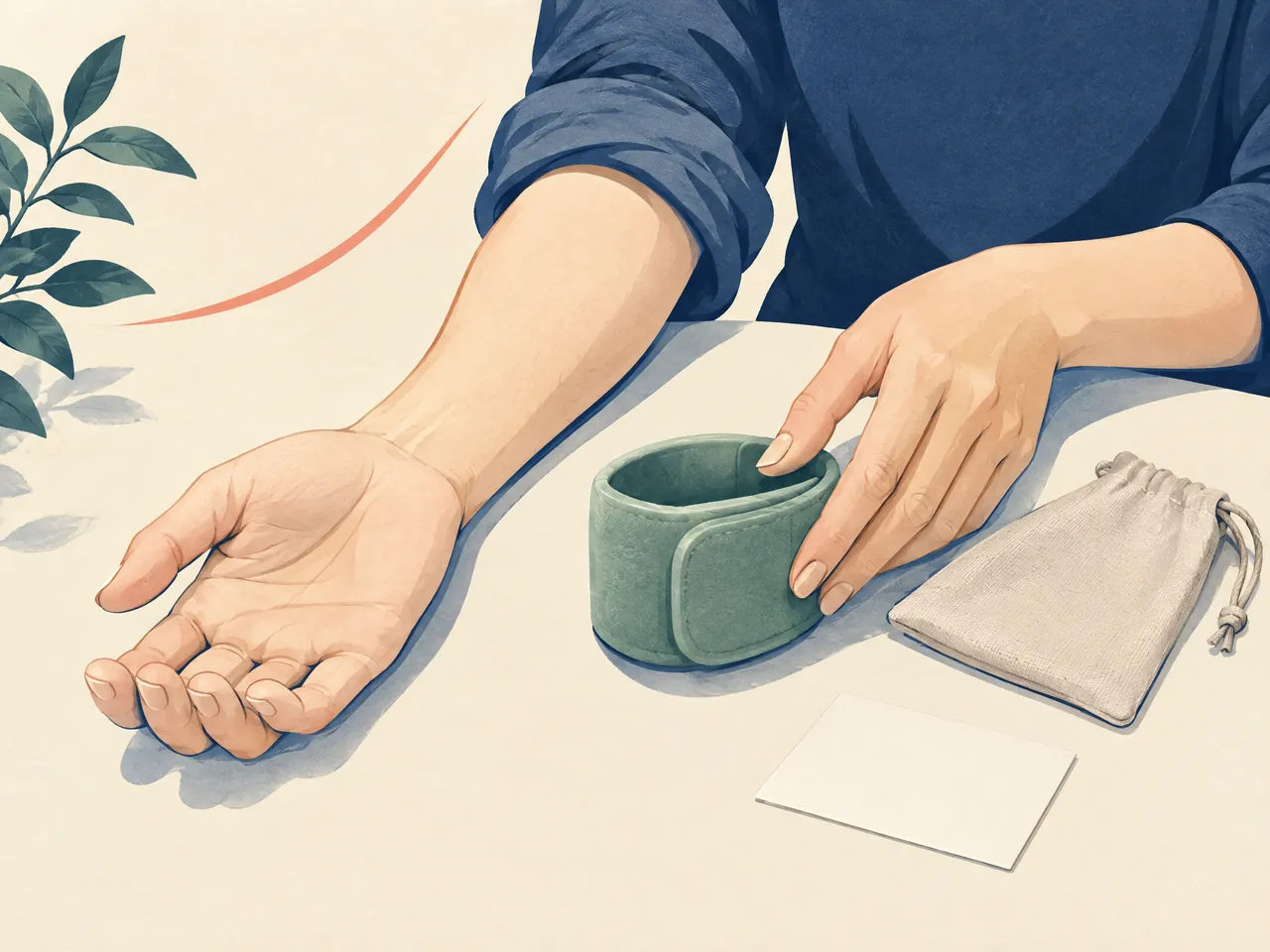
De Quervain disease acupuncture sessions, sensations and thumb-side wrist pain acupuncture safety within De Quervain's tenosynovitis treatment options
Before the first needle is placed, confirm the main area of pain, recent changes, medical care already received and any safety concern you want revisited. You can ask how the practitioner will respond if the needling is painful, if you become light-headed, or if the wrist feels worse afterwards. It is fine to pause, ask for an explanation or decline treatment. A careful session is collaborative: your feedback about pressure, pain, posture and comfort is relevant clinical information, not an interruption. Never assume that a strong sensation is required or that more intense treatment is automatically more useful.
Short-lived local discomfort, bruising or light-headedness are practical topics to discuss in advance, particularly if you take medicines that affect bleeding or have fainted around needles before. More importantly, do not dismiss new severe wrist symptoms as a normal reaction. Increasing swelling, heat, severe pain, new numbness, weakness, fever or loss of function warrants medical advice. NCCIH advises people not to use acupuncture to postpone seeing a healthcare provider about a health problem [3]. That principle is especially relevant when the initial diagnosis has not been confirmed or the symptoms are changing.
For clinic planning in Hong Kong, TCM Lab can discuss assessment arrangements at its two locations. The location pages for Chinese medicine clinic Prince Edward and Kwun Tong Chinese medicine clinic can help you decide which journey is more practical. A location preference does not replace clinical screening or confirm that acupuncture is appropriate; share the wrist concern and any medical advice already received when you enquire.

De Quervain disease acupuncture limits, self-care and thumb-side wrist pain acupuncture alternatives among De Quervain's tenosynovitis treatment options
The limit is straightforward: acupuncture cannot correct every structural cause of wrist pain or guarantee recovery. De Quervain’s tenosynovitis treatment options may include reducing provoking activity, a clinician-advised thumb support, rehabilitation, medicines or injection, and surgery for cases that remain resistant to conservative care. The order and combination depend on diagnosis, severity, duration, individual health factors and response to care. A trustworthy discussion makes these alternatives visible instead of suggesting that a single approach works for everyone. It also respects a person’s decision to start with medical or rehabilitation assessment rather than acupuncture.
Self-care is most useful when it is specific and reviewed. Notice the grip, lift or wrist angle that starts the pain; reduce repeated exposure while seeking advice on substitutes; and keep notes on changes in swelling, strength and sensation. Do not use this as a reason to ignore a worsening condition or to make abrupt changes to prescribed treatment. The local HKSH health-information page also lists De Quervain’s tenosynovitis under Orthopaedics and Sports Medicine and provides its information article as a PDF [4]. A medical or hand-therapy assessment is often the better next conversation when symptoms are persistent, unclear or functionally limiting.
To enquire at TCM Lab, WhatsApp +852 6940 5663 with a short description of the thumb-side wrist problem, how long it has been present, important medical information and whether Prince Edward or Kwun Tong is more convenient. The team can explain current consultation arrangements; a message is not an automatic booking, a diagnosis or a treatment promise. If your symptoms are acute or alarming, seek prompt medical attention instead of waiting for a routine enquiry.
Care and health guide
Pain-care information
This directory brings together services, reading, and visit information related to pain care, to help you prepare questions for a consultation.
When pain care affects your day, noting when it occurs, its relation to activity, and what you have already tried can help prepare a consultation; Chinese medicine pain management Hong Kong is a relevant service or reading entry point.
Individual circumstances differ, and acupuncture Hong Kong offers related information to help you understand options and prepare questions.


Your questions, answered
Frequently asked questions
Can De Quervain disease acupuncture cure a structural tendon-sheath problem?
No. Acupuncture may be considered for symptom management after assessment, but it does not repair a narrowed or structurally irritated tendon sheath. Depending on the diagnosis, a plan may also involve activity changes, a thumb support, rehabilitation or medical treatment.
What should I tell a practitioner before thumb-side wrist pain acupuncture?
Explain when the pain began, which tasks trigger it, any injury, swelling, numbness or weakness, current medicines and previous care. Also mention pregnancy, bleeding-related conditions or medicines, skin problems near the area, fainting with needles and any medical assessment already arranged.
What can happen during an acupuncture session for this wrist problem?
A practitioner assesses the individual situation, selects appropriate local and possibly distal points, and uses disposable sterile needles. You may notice aching, heaviness, tingling or another sensation and should report discomfort immediately. Point choice, technique and retention time are individual; the Chinese source notes that retention is often around 20 to 30 minutes.
When should I seek medical care rather than wait for an acupuncture enquiry?
Seek prompt medical assessment after significant injury or with severe or worsening pain, marked redness, heat, swelling, fever, new numbness, weakness, altered colour, or inability to use the thumb or wrist. Persistent pain that does not improve after avoiding provoking activity also deserves review.
Sources and further information
- [1] Hong Kong College of Orthopaedic Surgeons — De Quervain Disease
Referenced for: Hong Kong orthopaedic information on the condition, symptoms, diagnosis and conservative or surgical treatment context.
- [2] Mayo Clinic — De Quervain tenosynovitis: Diagnosis and treatment
Referenced for: Medical information on examination, Finkelstein testing, splints, activity modification, therapy and surgery considerations.
- [3] NCCIH — Acupuncture: Effectiveness and Safety
Referenced for: U.S. government information on acupuncture safety, sterile single-use needles and the importance of not postponing healthcare evaluation.
- [4] HKSH Health Info — De Quervain’s Tenosynovitis
Referenced for: Hong Kong hospital health-information listing for De Quervain’s tenosynovitis in Orthopaedics and Sports Medicine.