
TCM Lab · Health reading
Patchy Hair Loss, Sudden Hair Loss and Abnormal Hair Loss: Changes to Notice
Published Updated
Finding more hair on a brush can be unsettling, but the useful question is not simply how many strands have fallen. It is whether the change is new for you, how quickly it is moving, where it is happening, and what the scalp looks and feels like. Patchy hair loss, sudden hair loss and abnormal hair loss deserve medical advice when they appear quickly, continue to spread, or arrive with scalp discomfort or visible skin change. This guide helps you describe the pattern clearly and decide when not to wait.
Appointments are confirmed through WhatsApp. If you have language requirements, please mention them in your enquiry.
The short answer
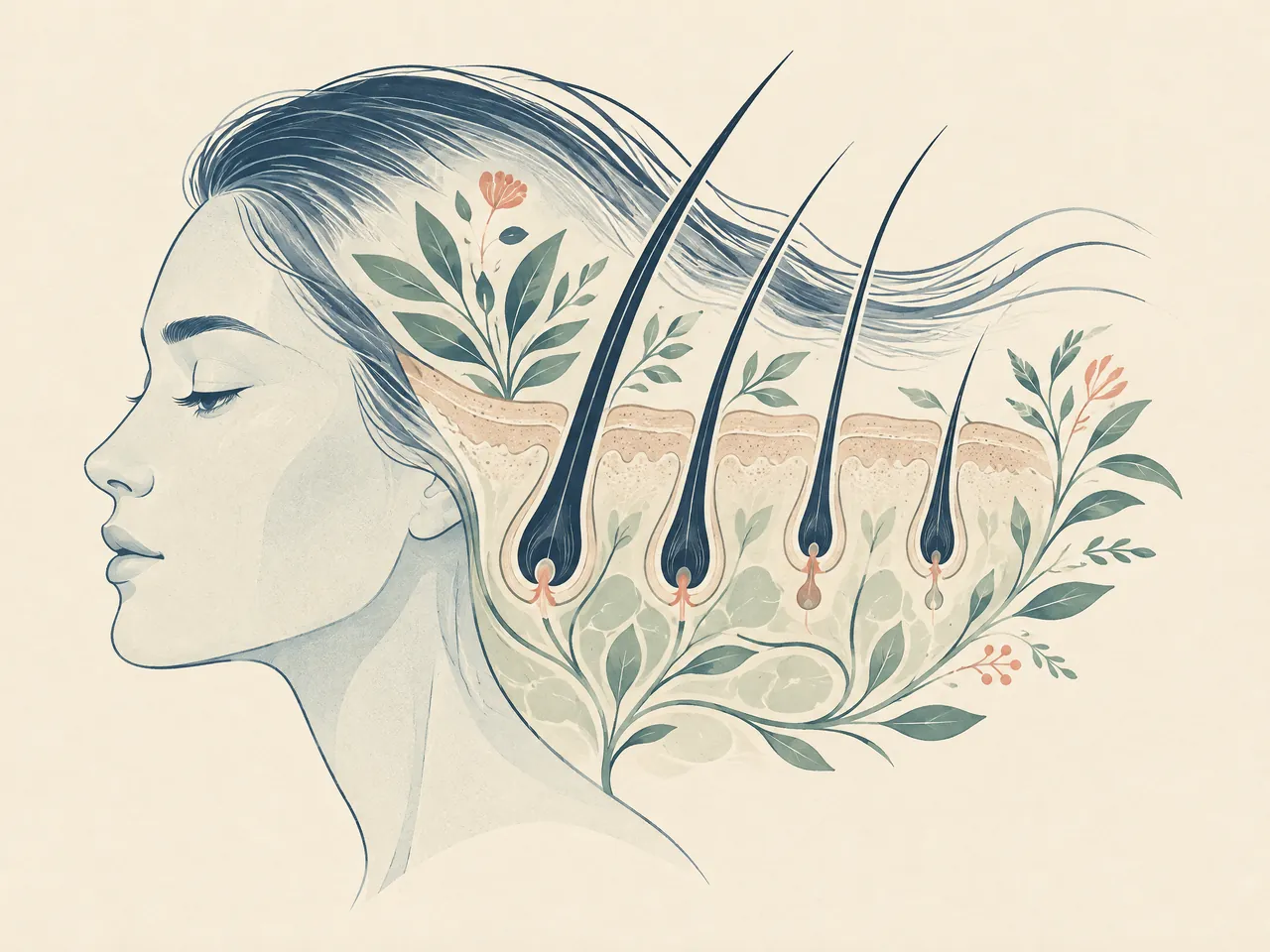
Arrange medical advice for patchy hair loss, sudden hair loss or abnormal hair loss that develops quickly, keeps worsening, forms smooth round areas, or occurs with redness, pain, burning, scaling, crusting or discharge. Gradual thinning is not always urgent, but it is still reasonable to discuss if it persists, differs from your usual pattern or affects your wellbeing. Photos and a short timeline can make the assessment more useful.
Transparent pricing
See the fees.
Choose your care.
Explore our complete official price list, including first-trial prices, regular prices, packages and branch-specific options.
Opening WhatsApp prepares an enquiry; it does not send a message, take payment or confirm an appointment. Suitability and individual arrangements are confirmed during consultation.
Hair and scalp
All prices in HKDScalp health and hair-loss management
Includes AI scalp analysis, deep scalp and follicle cleansing, and scalp oil-control care.
HK$380 (first trial)
Regular price: HK$680
- 6 sessions: HK$3,480 (HK$580 per session)
- 12 sessions: HK$5,760 (HK$480 per session)
- 20 sessions: HK$8,600 (HK$430 per session)
- 30 sessions: HK$11,400 (HK$380 per session)
Hair acupuncture and Chinese herbal medicine package
Includes scalp acupuncture and 3 days of Chinese herbal medicine that does not require decoction.
HK$580 (single session)
Registered Chinese Medicine Practitioner consultation
- 6 sessions: HK$3,180 (HK$530 per session)
- 12 sessions: HK$5,760 (HK$480 per session)
- 20 sessions: HK$8,600 (HK$430 per session)
- 30 sessions: HK$11,400 (HK$380 per session)
Combined hair and scalp treatment
Combines acupuncture and Chinese herbal medicine with salon-level scalp and follicle care. Packages include complimentary hair-care shampoo and serum.
HK$1,260 (single session)
Combined treatment
- 8 sessions: HK$8,640 (HK$1,080 per session)
- 16 sessions: HK$15,680 (HK$980 per session)
- 20 sessions: HK$18,600 (HK$930 per session)
- 30 sessions: HK$26,400 (HK$880 per session)
Weight management
All prices in HKDFull-body acupoint embedding for weight management
Includes full-body acupoint embedding. Packages include complimentary Chinese herbal medicine for weight management, with the number of included days scaled to the package. Embedding material and the individual treatment arrangement are confirmed during consultation; this is not a cosmetic thread lift.
HK$980 (single session)
No trial session
- 10 sessions: HK$7,800 (HK$780 per session)
- 20 sessions: HK$14,600 (HK$730 per session)
- 30 sessions: HK$20,400 (HK$680 per session)
Facial acupuncture
All prices in HKDFacial acupuncture (basic)
Includes facial acupuncture and meridian-based facial care, including care for facial puffiness.
HK$480 (first trial)
Regular price: HK$680
- 10 sessions: HK$5,200 (HK$520 per session)
- 20 sessions: HK$9,600 (HK$480 per session)
- 30 sessions: HK$13,500 (HK$450 per session)
Facial acupuncture (advanced)
Includes enhanced facial acupuncture with a specially formulated moisturising mask and serum.
HK$780 (first trial)
Regular price: HK$1,180
- 10 sessions: HK$9,000 (HK$900 per session)
- 20 sessions: HK$16,600 (HK$830 per session)
- 30 sessions: HK$23,400 (HK$780 per session)
Pain care
All prices in HKDExtracorporeal shockwave treatment
Shockwave treatment for deep-tissue and fascial care. The Kwun Tong clinic offers the multi-area options shown below.
Priced by branch
Branch-specific pricing
Prince Edward: HK$250 per area
Kwun Tong: HK$250 for 1 area / HK$450 for 2 areas / HK$600 for 3 areas
Pain care (manual therapy)
Includes Chinese medicine musculoskeletal assessment, manual joint techniques and tui na.
HK$580 (single session)
Chinese medicine musculoskeletal assessment
Pain care (acupuncture and manual therapy)
Combines acupuncture and manual therapy.
HK$680 (single session)
Combined care
Chinese medicine
All prices in HKDAcupuncture and Chinese herbal medicine package
Includes a Chinese medicine consultation with pulse assessment, body acupuncture and 3 days of Chinese herbal granules that do not require decoction.
HK$580 (single session)
Chinese medicine consultation with pulse assessment
Patchy Hair Loss, Sudden Hair Loss and Abnormal Hair Loss: Compare the Pattern
Hair shedding and hair loss are not interchangeable descriptions. A person can notice loose strands after washing yet have stable overall coverage, while another person may see little shedding but gradually notice a wider part, reduced density at the crown or a changing hairline. The pattern over time gives more useful information than a single count on the shower floor. For background on everyday shedding, see how much hair loss is normal; a new, persistent departure from that personal baseline is the point to note.
Start by separating a slow change from a fast one. Gradual thinning may be most visible in bright light, in photographs, at the parting or where the hair is styled in the same direction every day. Sudden hair loss may be noticed as much more hair than usual when washing or combing, a quickly exposed area of scalp, or a distinct patch that was not there recently. Mayo Clinic describes gradual top thinning, circular or patchy bald areas and sudden loosening as different presentations, which is why one description cannot establish one cause [1].

Location helps describe the problem. Thinning at the temples, hairline, top or parting can differ from an isolated bare area or broken hairs in one zone. Family pattern, illness, major stress, weight change, medicine changes and tight styles are clues, not a home diagnosis. For a slow pattern, male pattern hair loss causes suggests questions to raise in a consultation.
Patchy Hair Loss, Sudden Hair Loss and Abnormal Hair Loss: Gradual Thinning
Gradual thinning often asks for patience in observation rather than panic. Compare like with like: use the same parting, dry hair, lighting and camera position when taking occasional photographs. Look for a part that appears broader, a crown that shows more scalp, a receding hairline, or a ponytail that feels less full. A trend across several observations is more informative than a photograph taken after a particularly oily, wet or tightly styled day.
Even when the change is slow, it can be worth arranging non-urgent medical advice if it continues, is clearly different from your previous density, or is upsetting. The NHS notes that hair loss can have different causes and advises seeing a GP if you are worried [2]. Bring the practical context: whether similar thinning runs in the family, when you first noticed it, and whether the change followed illness, childbirth, a dietary shift, significant stress, medication changes or a new hair routine. Do not assume that one of these details proves the explanation; it simply helps frame the conversation.

Patchy Hair Loss, Sudden Hair Loss and Abnormal Hair Loss: Localised Areas
A localised area deserves a more precise description. Is it round, oval, irregular or linear? Is the skin smooth, is there stubble or are there short broken hairs? Has the patch remained the same size or has a second area appeared? A sudden smooth round or oval patch can occur with alopecia areata, but that visual pattern alone does not confirm it. The Hong Kong Centre for Health Protection notes that small round patches can be seen with alopecia areata and recommends medical advice when continuing loss or abnormal skin is noticed [3].
Check other hair-bearing areas without repeatedly pulling or scraping at the skin. New loss affecting eyebrows, eyelashes or beard hair is useful information to report. So is a patch around a hairline where tight braids, extensions, rollers or other tension have been used. Avoid covering the area with increasingly tight styles while you wait for advice. Concealers or a gentler styling choice may help you feel more comfortable, but they should not prevent you from noticing whether the outline, hair breakage or scalp symptoms are changing.
Compare your options
| What you notice | Useful details to record | Appropriate next step |
|---|---|---|
| Gradual thinning at the part, crown or hairline | When it became visible, family pattern, changes in density and recent health or styling changes | Arrange non-urgent advice if it persists, changes from your usual pattern or concerns you |
| New round, oval or irregular localised area | Date it appeared, size changes, broken hairs or smooth skin, and any brow, lash or beard involvement | Arrange medical assessment rather than relying on appearance alone |
| Sudden increase in hair when washing or combing | When it began, whether shedding is widespread, recent illness, stress, surgery, childbirth, weight change or medication changes | Discuss promptly, especially if the change continues or coverage changes quickly |
| Hair loss with redness, pain, scale, crusting or discharge | Location, onset, spread, tenderness, itch, products used and any fever or feeling unwell | Seek timely medical assessment; avoid repeatedly trying new scalp products |
| Hair breakage near areas of tension or chemical processing | Hairstyles, extensions, heat, dyes, relaxers and when breakage began | Reduce traction or damaging practices and discuss the pattern if loss or scalp symptoms persist |
On smaller screens, scroll the table sideways to compare all columns.
Patchy Hair Loss, Sudden Hair Loss and Abnormal Hair Loss: Warning Signs
Urgency is guided by the combination of speed, appearance and symptoms. A new patch or burst of shedding is not automatically an emergency, but it should not be dismissed if it is rapidly enlarging or paired with an inflamed-looking scalp. Redness, swelling, tenderness, burning, itch, scale, crusts, blisters or discharge shift the concern from hair coverage alone to the condition of the skin and hair follicles. Spreading scaly patches can occur with scalp ringworm and may be accompanied by broken hairs, redness, swelling or oozing [1].
Seek timely medical assessment for pain, marked inflammation, oozing, fever or feeling unwell, and when skin looks shiny, scar-like or without visible follicle openings. These signs cannot be sorted by a product review or close-up photograph. Repeatedly changing shampoos or using unprescribed medicines may irritate the scalp and obscure the original pattern. Explain what you applied.

Mention recent fever or illness, surgery, childbirth, major stress, rapid weight change, restrictive eating, new supplements or changed medicine. Also report persistent fatigue, feeling unusually cold, menstrual or muscle changes, rashes or nail changes. None points to one diagnosis alone; together, they help a clinician decide which questions and examination may be relevant.
Patchy Hair Loss, Sudden Hair Loss and Abnormal Hair Loss: Scalp Symptoms
Treat the scalp as part of the story, not simply the surface beneath the hair. Note whether itch is mild or intense, whether pain occurs only when touching the scalp, and whether flakes are loose and dry, greasy, firmly attached or associated with crusting. Describe where the symptoms started and whether they move beyond the thinning area. The dedicated guide to hair loss with flaky scalp may help you record those observations, but it cannot replace an examination when the scalp is red, painful, weeping or visibly changing.
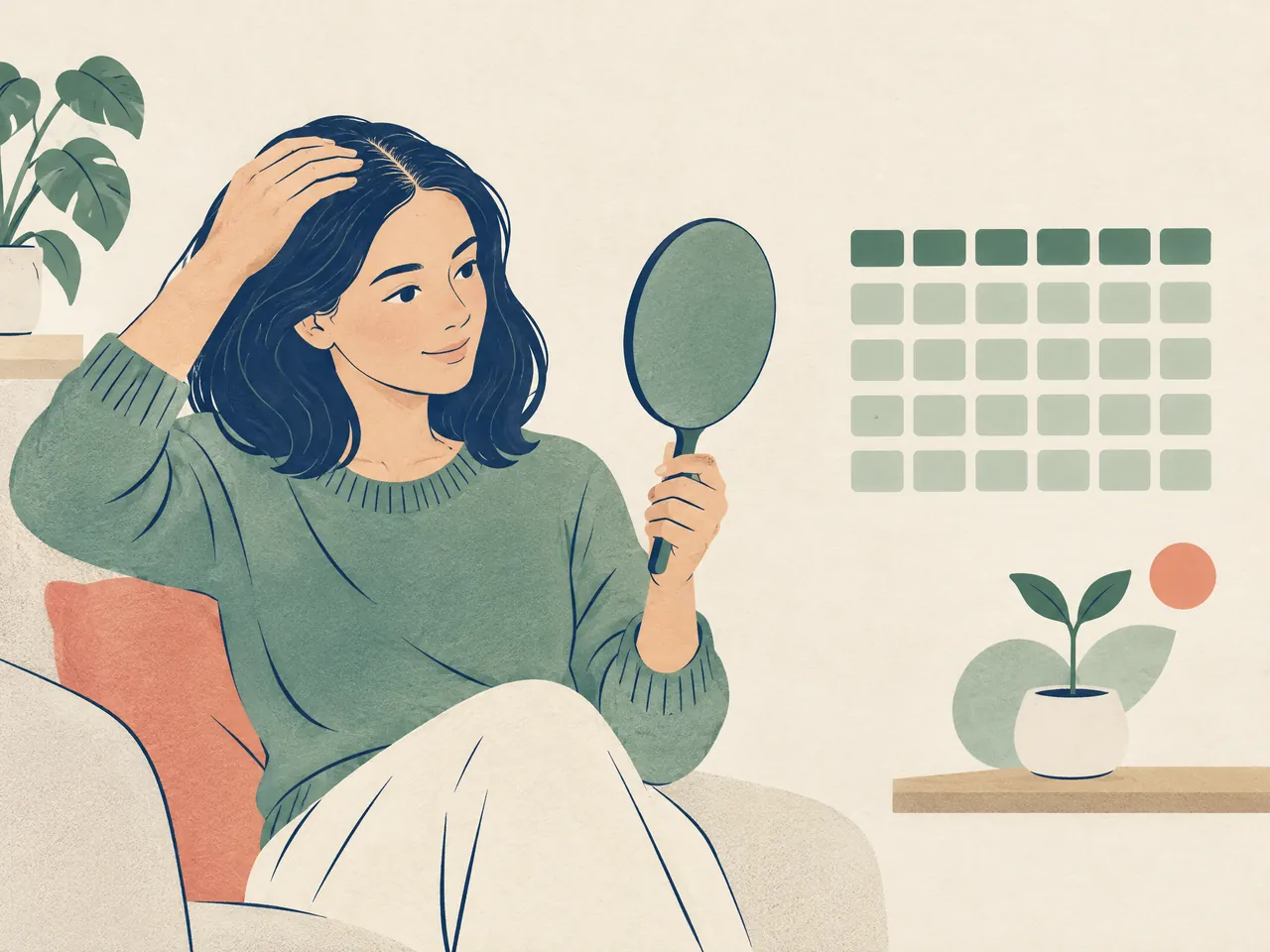
Try not to scratch or pick at crusts to see what lies underneath. This can cause bleeding, breakage and further irritation, and it makes later comparison harder. Instead, take a clear photo in natural light before applying a new product, record the date, and make a simple note of symptoms. If the scalp is hot, swollen, tender or producing discharge, contact a doctor promptly. The aim is not to label the condition yourself; it is to communicate why the change needs attention.
Patchy Hair Loss, Sudden Hair Loss and Abnormal Hair Loss: Wider Changes
Diffuse shedding after a physical or emotional event may have a different rhythm from a neat bare patch, but both merit context. The term telogen effluvium is often searched when shedding seems widespread after a trigger. It is not a label to assign from timing alone. Tell the clinician when the event occurred, when the shedding began, whether density is changing, and whether the scalp itself is normal or symptomatic. A calm, dated timeline is much more useful than trying to remember details while in the consultation room.
Hair loss can also matter because of how it affects daily life. Perhaps you are avoiding photos, changing how you part your hair, checking the drain repeatedly, or feeling anxious before washing it. Say so. The NHS recognises that hair loss can be upsetting and that wellbeing is relevant to the appointment conversation [2]. This is not vanity, and it does not mean every hair change is dangerous. It means the practical and emotional impact belongs alongside the physical pattern when you discuss options and next steps.
Patchy Hair Loss, Sudden Hair Loss and Abnormal Hair Loss: Preparing for Advice
You do not need a perfect record before seeking help. A few accurate notes can prevent the consultation from becoming a vague discussion of 'more hair than usual.' Write down when you first noticed the change, whether it was sudden or gradual, where it began and what has changed since. Add scalp symptoms, hair breakage versus full-length hairs, and any loss elsewhere. If you have photos, use only a small set taken in comparable conditions; an image shows appearance at one moment, not the cause.
Assessment commonly starts with questions and a careful look at the scalp, hair, nails and other affected areas. The American Academy of Dermatology explains that clinicians may ask how long loss has been present and whether it came on quickly, examine the scalp and other areas, and assess hair fragility or shedding. Blood tests or a scalp biopsy may be considered when the history and examination suggest a possible disease, deficiency, hormone issue or infection [4]. This is why a blanket request for every test is less helpful than a clear pattern history.

Keep your immediate goal modest: get the right problem described and understand what professional advice is appropriate. If warning signs are present, medical assessment comes first. For non-urgent hair and scalp concerns, TCM Lab can receive an enquiry about a consultation; tell the team the pattern you have noticed and any language needs, rather than expecting an automatic diagnosis by message. Location information is available for the Chinese medicine clinic Prince Edward and Kwun Tong Chinese medicine clinic.
Patchy Hair Loss, Sudden Hair Loss and Abnormal Hair Loss: What to Record
A useful one-page note has four parts. First, state the pattern: patch, diffuse shedding, thinning at the part, receding line, breakage, or a combination. Second, give the timeline: first noticed, speed of change and dates when it seemed to accelerate. Third, describe the scalp: normal, itchy, painful, red, scaly, crusted or oozing. Finally, list relevant changes around that period, including illness, surgery, childbirth, stress, weight change, diet changes, regular medicines, supplements and hair practices involving chemicals, heat or traction.
Bring products only if a clinician asks or if you can list them accurately. Product names, start dates and how often they were used can be more useful than a bag of unlabelled bottles. Include dyes, bleaching, straightening, extensions, hair fibres, oils and over-the-counter scalp treatments. Note whether hair falls with a bulb-like root, breaks along the shaft, or both, but do not pull extra hairs to test it. The goal is a faithful record of what you have seen, not a self-administered examination.

Patchy Hair Loss, Sudden Hair Loss and Abnormal Hair Loss: What Assessment May Consider
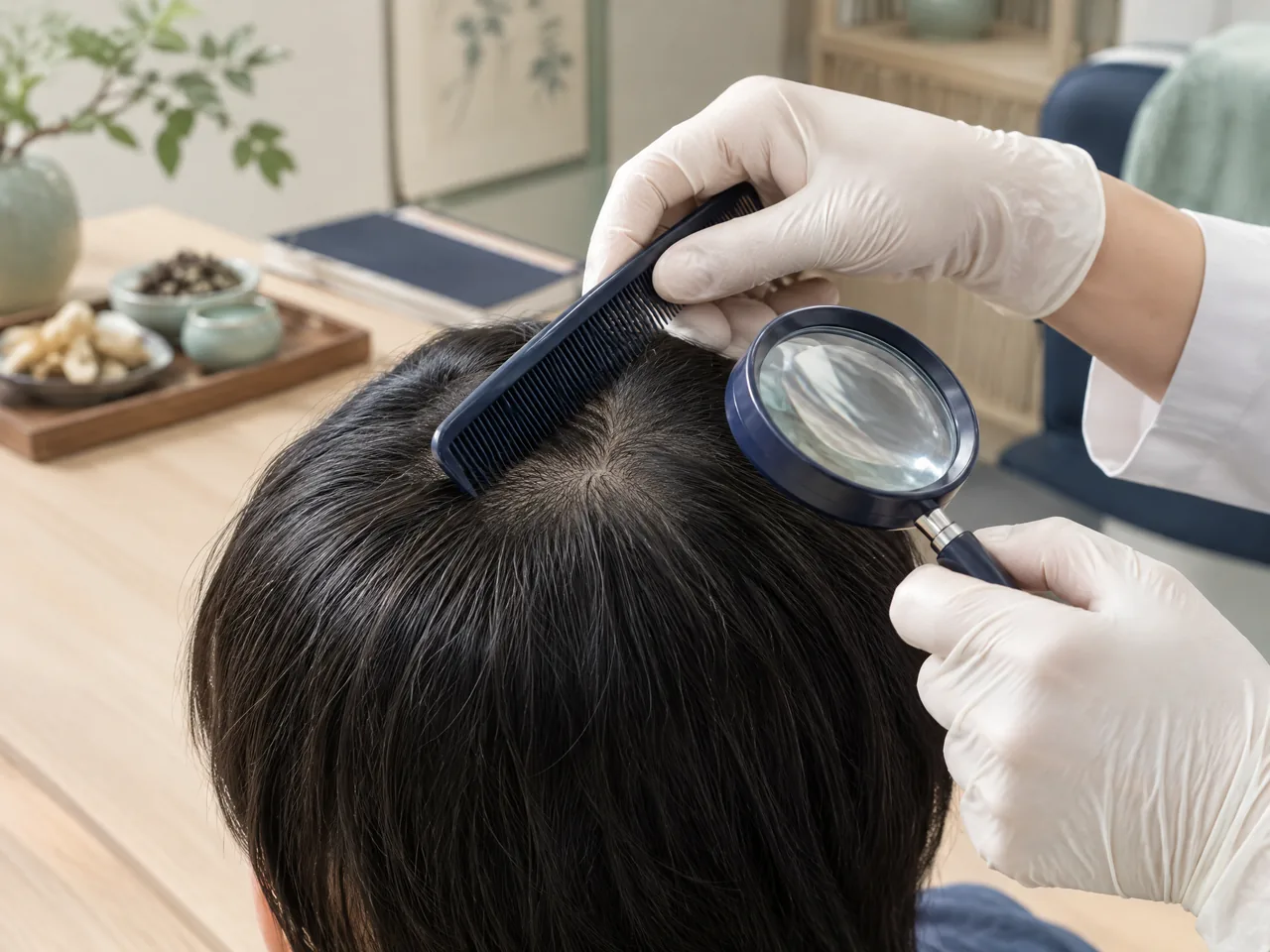
During an assessment, the clinician may ask about family pattern, general health, recent events, medicines and styling. They may inspect the distribution of loss and the scalp surface, look for breakage, and examine nails or other body hair when relevant. The Hong Kong Centre for Health Protection notes that investigation can include examination of a hair sample and, depending on the cause being considered, blood tests or tissue sampling [3]. Not having a test at the first visit does not mean the concern is ignored; the next step depends on the findings.
Ask clear questions before you leave: What pattern is being considered? Which warning signs should prompt earlier review? Should I stop a particular hair practice or product now? Is there a reason to involve a GP, dermatologist or another service? If treatment is discussed, ask what it aims to address, when follow-up is appropriate and what side effects or limitations need attention. This approach keeps the focus on an informed decision rather than an unverified promise that one product, supplement or procedure suits every type of hair loss.
Care and health guide
Hair and scalp care information
This directory brings together services, reading, and visit information related to hair and scalp care, to help you prepare questions for a consultation.
For questions about hair or scalp care, noting the everyday concerns and service questions you want to discuss can help prepare a consultation; Chinese medicine for hair loss is a relevant service or reading entry point.
People may have different priorities, and acupuncture Hong Kong offers related information to help you understand options and prepare questions.

Your questions, answered
Frequently asked questions
Does gradual thinning always need urgent medical attention?
Not usually. Gradual thinning may not be urgent, but it is reasonable to arrange advice when it continues, differs from your usual coverage or causes distress. Bring a simple timeline, family history and notes about recent health, medication or hair-care changes so the pattern can be assessed in context.
What could a sudden smooth, round bald patch mean?
A smooth round or oval patch can be seen with conditions such as alopecia areata, but appearance alone cannot confirm a diagnosis. Arrange medical advice, particularly if the patch is new, enlarging, multiplying or accompanied by loss of eyebrow, eyelash or beard hair.
Should I just change shampoo if my scalp is itchy or flaky?
Do not rely only on changing products when hair loss occurs with redness, pain, burning, scaling, crusting or discharge. These changes may involve inflammation, infection or another scalp problem that needs assessment. Record what you used and when the symptoms began, then seek timely advice.
Will I definitely need blood tests or a scalp biopsy?
No. The initial history and examination guide the next step. A clinician may inspect the scalp and hair first, then decide whether a blood test, hair examination, sample testing or biopsy is relevant to the pattern and any wider symptoms. Different types of hair loss do not require one fixed set of investigations.
Sources and further information
- [1] Mayo Clinic — Hair loss: Symptoms and causes
Referenced for: Supports the distinction between gradual thinning, patchy bald areas, sudden shedding and scalp symptoms, plus advice to discuss sudden or patchy loss.
- [2] NHS — Hair loss
Referenced for: Supports general causes, the advice to see a GP when worried, and recognition that hair loss can affect wellbeing.
- [3] Hong Kong Centre for Health Protection — Men's Health Line: Alopecia
Referenced for: Supports local public-health terminology for round patchy loss, seeking medical advice for continuing loss or abnormal skin, and possible investigations according to cause.
- [4] American Academy of Dermatology — Hair loss: Diagnosis and treatment
Referenced for: Supports the history, scalp and hair assessment approach and the conditional use of blood tests or scalp biopsy to clarify the cause.