
TCM Lab · Health reading
What causes knee pain? Can acupuncture help with knee pain? Can knee pain get better with self-care?
Published Updated
Knee pain is a symptom, not a verdict: it can begin after a twist on the MTR stairs, build up after a change in running or work duties, or accompany a joint condition. The safest first question is not whether it is ‘wear and tear’, but how the knee is behaving. Location, timing, swelling and what you can do on it help decide whether careful self-care is reasonable, whether a clinician should assess it, and where acupuncture may fit as an optional supportive discussion.
Appointments are confirmed through WhatsApp. If you have language requirements, please mention them in your enquiry.
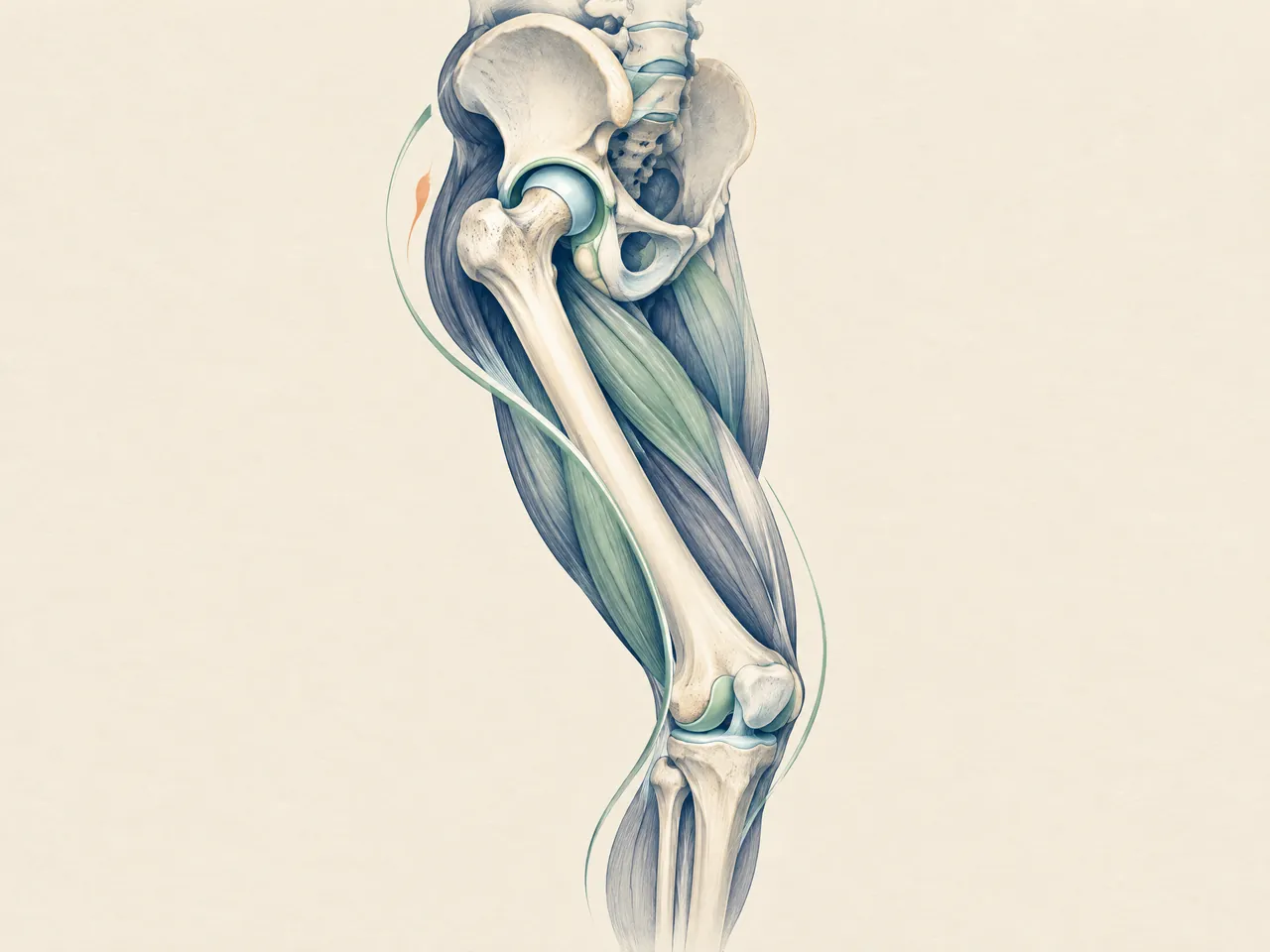
The short answer
Knee pain may result from an injury, repeated loading, irritation of tissues around the joint, osteoarthritis, gout or an infection. Walking, stairs, swelling, heat, locking and the ability to bear weight give useful clues but do not diagnose the cause. Acupuncture can be discussed as complementary care for some non-urgent problems, especially after assessment, but evidence and guideline recommendations for knee osteoarthritis differ. Gentle load changes may help when serious injury and infection have been ruled out.
Transparent pricing
See the fees.
Choose your care.
Explore our complete official price list, including first-trial prices, regular prices, packages and branch-specific options.
Opening WhatsApp prepares an enquiry; it does not send a message, take payment or confirm an appointment. Suitability and individual arrangements are confirmed during consultation.
Pain care
All prices in HKDExtracorporeal shockwave treatment
Shockwave treatment for deep-tissue and fascial care. The Kwun Tong clinic offers the multi-area options shown below.
Priced by branch
Branch-specific pricing
Prince Edward: HK$250 per area
Kwun Tong: HK$250 for 1 area / HK$450 for 2 areas / HK$600 for 3 areas
Pain care (manual therapy)
Includes Chinese medicine musculoskeletal assessment, manual joint techniques and tui na.
HK$580 (single session)
Chinese medicine musculoskeletal assessment
Pain care (acupuncture and manual therapy)
Combines acupuncture and manual therapy.
HK$680 (single session)
Combined care
Hair and scalp
All prices in HKDScalp health and hair-loss management
Includes AI scalp analysis, deep scalp and follicle cleansing, and scalp oil-control care.
HK$380 (first trial)
Regular price: HK$680
- 6 sessions: HK$3,480 (HK$580 per session)
- 12 sessions: HK$5,760 (HK$480 per session)
- 20 sessions: HK$8,600 (HK$430 per session)
- 30 sessions: HK$11,400 (HK$380 per session)
Hair acupuncture and Chinese herbal medicine package
Includes scalp acupuncture and 3 days of Chinese herbal medicine that does not require decoction.
HK$580 (single session)
Registered Chinese Medicine Practitioner consultation
- 6 sessions: HK$3,180 (HK$530 per session)
- 12 sessions: HK$5,760 (HK$480 per session)
- 20 sessions: HK$8,600 (HK$430 per session)
- 30 sessions: HK$11,400 (HK$380 per session)
Combined hair and scalp treatment
Combines acupuncture and Chinese herbal medicine with salon-level scalp and follicle care. Packages include complimentary hair-care shampoo and serum.
HK$1,260 (single session)
Combined treatment
- 8 sessions: HK$8,640 (HK$1,080 per session)
- 16 sessions: HK$15,680 (HK$980 per session)
- 20 sessions: HK$18,600 (HK$930 per session)
- 30 sessions: HK$26,400 (HK$880 per session)
Weight management
All prices in HKDFull-body acupoint embedding for weight management
Includes full-body acupoint embedding. Packages include complimentary Chinese herbal medicine for weight management, with the number of included days scaled to the package. Embedding material and the individual treatment arrangement are confirmed during consultation; this is not a cosmetic thread lift.
HK$980 (single session)
No trial session
- 10 sessions: HK$7,800 (HK$780 per session)
- 20 sessions: HK$14,600 (HK$730 per session)
- 30 sessions: HK$20,400 (HK$680 per session)
Facial acupuncture
All prices in HKDFacial acupuncture (basic)
Includes facial acupuncture and meridian-based facial care, including care for facial puffiness.
HK$480 (first trial)
Regular price: HK$680
- 10 sessions: HK$5,200 (HK$520 per session)
- 20 sessions: HK$9,600 (HK$480 per session)
- 30 sessions: HK$13,500 (HK$450 per session)
Facial acupuncture (advanced)
Includes enhanced facial acupuncture with a specially formulated moisturising mask and serum.
HK$780 (first trial)
Regular price: HK$1,180
- 10 sessions: HK$9,000 (HK$900 per session)
- 20 sessions: HK$16,600 (HK$830 per session)
- 30 sessions: HK$23,400 (HK$780 per session)
Chinese medicine
All prices in HKDAcupuncture and Chinese herbal medicine package
Includes a Chinese medicine consultation with pulse assessment, body acupuncture and 3 days of Chinese herbal granules that do not require decoction.
HK$580 (single session)
Chinese medicine consultation with pulse assessment
What causes knee pain? Can acupuncture help with knee pain? Can knee pain get better with self-care? — Start with symptoms
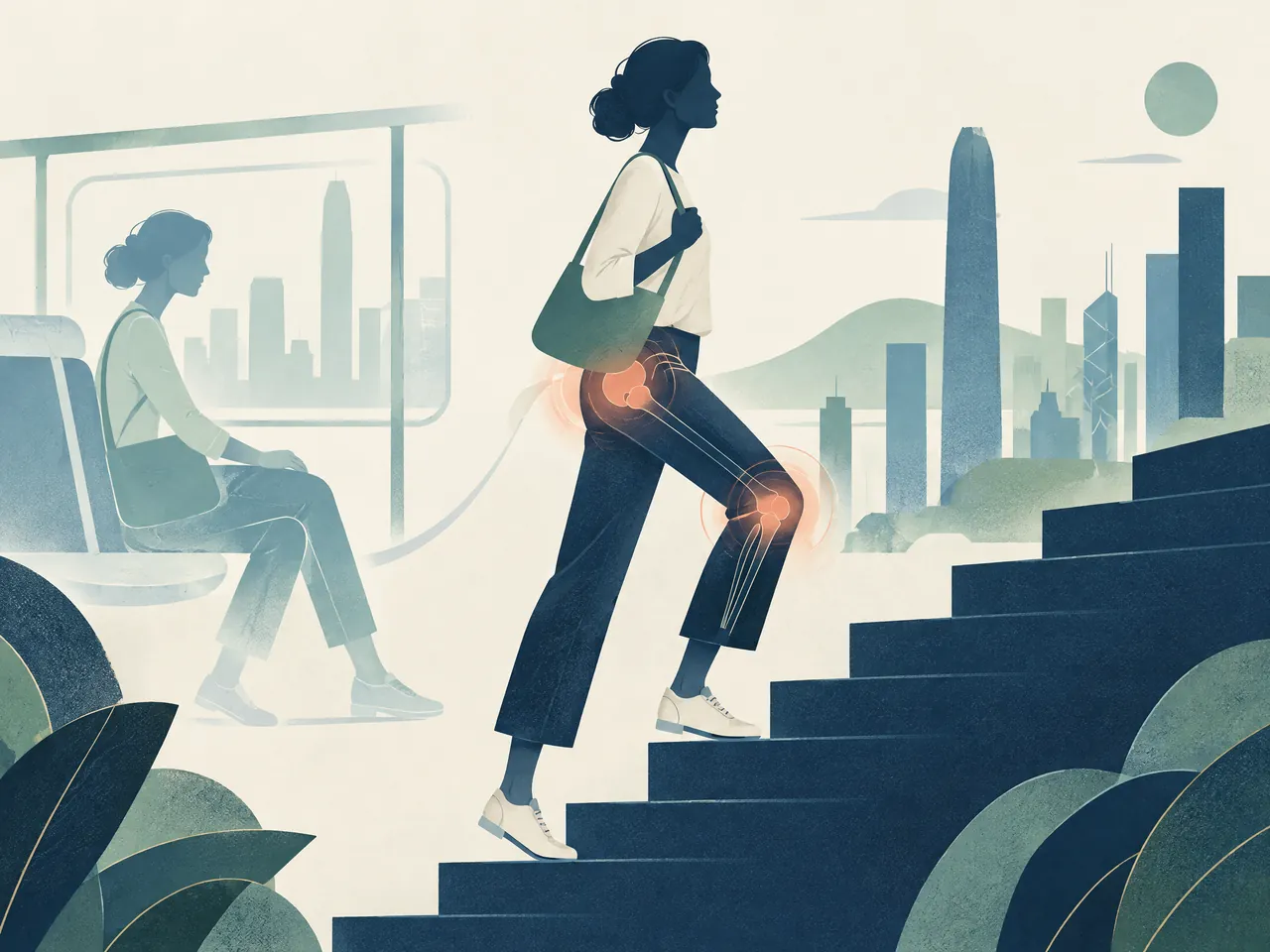
A useful knee-pain story starts with function. Think through a normal day in Hong Kong: stepping off a bus, climbing to a walk-up flat, rising from a low chair, kneeling to reach a cupboard, or turning while carrying shopping. Is pain present only during one of those tasks, afterwards, or at rest? Can you put your usual weight through the leg? These observations do not name the injured structure, but they make the next step more sensible than simply treating every ache as degeneration. The NHS notes that knee pain has many possible causes and specifically advises against self-diagnosis when you are worried. [1]
Also record when the change began. A clear collision, fall, pivot or sudden ‘pop’ deserves a different level of attention from a gradual ache after increasing hill walks or resuming badminton. Compare the affected knee with the other one for visible swelling, new shape, bruising, redness or heat. Write down whether symptoms ease after rest, return as activity increases, disturb sleep, or are linked to a particular movement.
What causes knee pain? Can acupuncture help with knee pain? Can knee pain get better with self-care? — Track walking and stairs
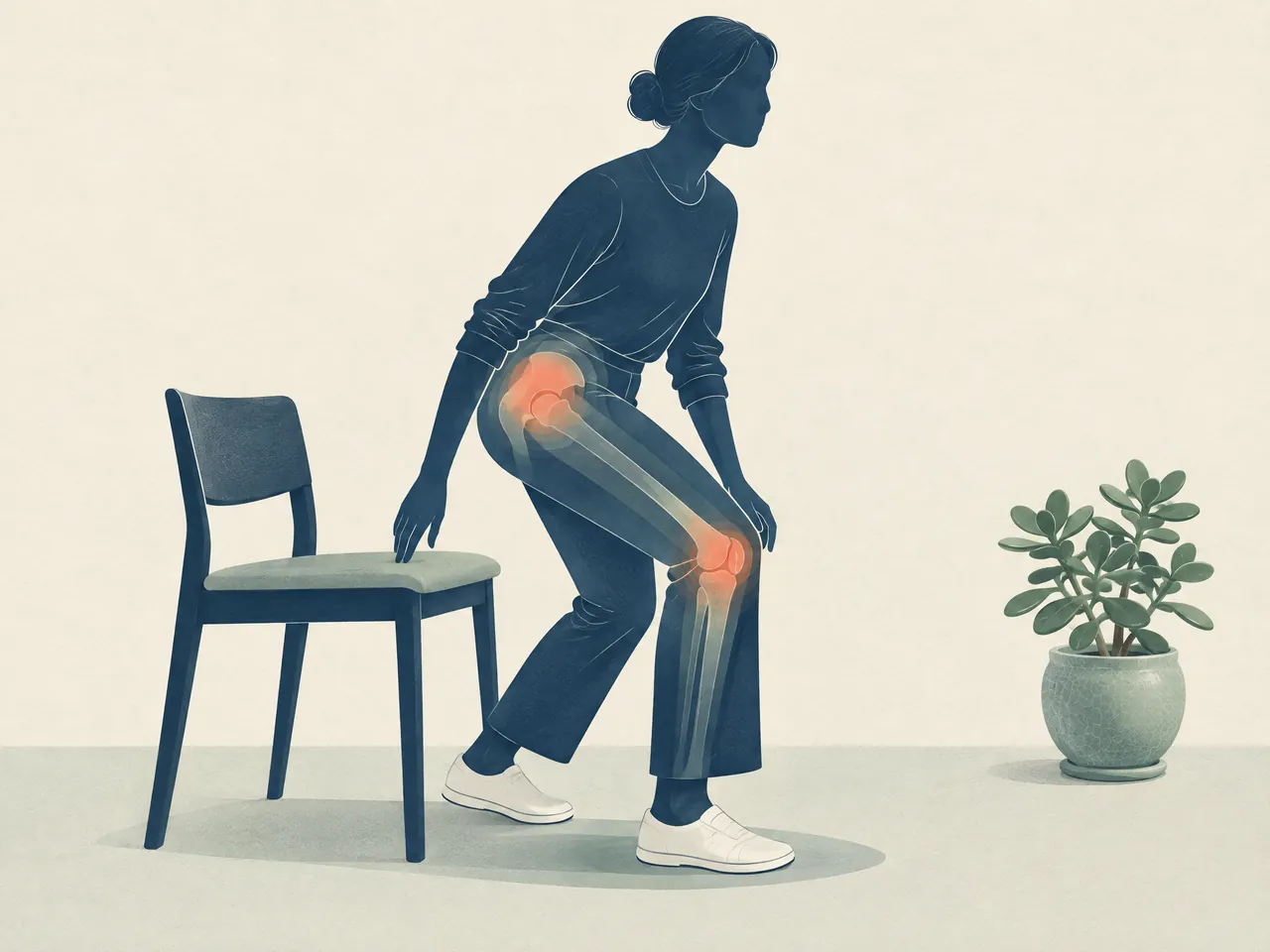
Walking and stairs load the knee differently, so the pattern is worth describing rather than rating pain only from zero to ten. Pain at the front during repeated stair climbing, squatting or getting up from a chair may point the discussion toward the kneecap area and how the leg is being loaded. Pain after a longer walk may reflect a recent jump in distance, pace, terrain or standing time. Pain on the inside, outside, behind or below the kneecap can be relevant too, but no single location confirms a cause. The broader knee pain topic can help you organise questions rather than label yourself.
Try to capture the dose of activity: how long you walked before symptoms started, whether downhill or stairs were harder, and whether the knee felt reliable when turning. A person who can walk on level ground but avoids stairs may need a gradual plan that separates essential journeys from exercise, instead of stopping all movement indefinitely. If hip discomfort changes your stride, that may be part of the picture; the practical guide to walking with hip pain explains why it is useful to consider the whole lower-limb movement pattern. If pain is escalating from one short walk to the next, pause the provoking activity and seek individual advice rather than pushing through uncertainty.
What causes knee pain? Can acupuncture help with knee pain? Can knee pain get better with self-care? — Notice swelling and locking
Swelling is not all the same. A knee can feel mildly puffy after unfamiliar activity, while rapid, marked swelling after trauma is more concerning. Redness and warmth with severe pain are not details to explain away as ordinary stiffness. Fever, feeling unwell, or a hot red knee need prompt medical assessment because infection is one possibility. The NHS similarly lists a very high temperature or feeling hot, cold or shivery together with redness or heat around the knee among reasons to get urgent advice. [1]
‘Locking’ also needs plain-language clarification. Some people mean a brief painful catch; others mean the knee truly will not bend or straighten. Giving way can mean pain makes the leg feel unreliable, or it can follow an injury with genuine instability. Both descriptions matter, especially after a twist. The comparison below is a prompt for deciding what to report, not a home test. A knee that cannot move, cannot bear weight, is badly swollen, has changed shape, locks or repeatedly gives way warrants urgent assessment rather than needling, massage or a wait-and-see approach. [1]
Compare your options
| What you notice | What to record or change | Safer next step |
|---|---|---|
| A mild ache after a recent increase in walking, stairs or exercise, without injury or red flags | Activity dose, surfaces, shoes, next-day response and which movement aggravates it | Temporarily reduce the provoking load and build back gradually; seek advice if it persists or worsens. |
| Pain with stairs, squatting or standing from a chair | Front, inside, outside or back of knee; one step or repeated loading; ability to walk on level ground | Use the pattern to guide assessment and a suitable movement plan; location alone is not a diagnosis. |
| Swelling, catching, loss of full bend or straightening, or repeated giving way after a twist | When it began, whether there was a pop, rapid swelling, instability or inability to bear weight | Prompt medical assessment is appropriate; avoid treating it as a routine overuse ache. |
| Hot, red, very painful knee with fever or feeling unwell | Temperature symptoms, timing, redness, warmth and any recent illness or wound | Seek urgent medical assessment rather than self-treating, massage or acupuncture. |
On smaller screens, scroll the table sideways to compare all columns.
What causes knee pain? Can acupuncture help with knee pain? Can knee pain get better with self-care? — Understand possible causes
The knee includes the joint itself and surrounding ligaments, tendons and bursae, so the same word—pain—covers several types of problem. An overstretch, twist or repeated overload can irritate soft tissues. A meniscus or ligament injury may follow a specific incident and can be associated with swelling, trouble straightening, catching or a sense that the knee gives way. Tendon-related pain may be linked with repeated running or jumping. Bursitis, gout, osteoarthritis and infection are other recognised possibilities. [1] [2] This range is why a confident online diagnosis from one symptom is unsafe.
Osteoarthritis is one possibility, not the automatic explanation for a painful knee in midlife or later life. It can involve activity-related pain, stiffness and changes in function, but clinicians consider the overall history and examination. NICE says that management should be guided by symptoms and physical function, and that therapeutic exercise plus weight management where appropriate are core treatments for osteoarthritis. [4] If you are looking at a specific pattern of stiffness and activity pain, read knee osteoarthritis symptoms alongside a professional assessment, rather than assuming every crackle or ache means the joint is deteriorating.
What causes knee pain? Can acupuncture help with knee pain? Can knee pain get better with self-care? — Injury, overload and joint conditions
Recent history helps sort the possibilities into useful groups. After a forceful impact, fall, sudden direction change or audible pop, a clinician may need to consider a significant injury. With no memorable incident, it is still possible for a change in training volume, a new job with more standing, repeated squatting, steep stairs or a long period of inactivity followed by an ambitious restart to exceed what the knee currently tolerates. The aim is not to blame the activity. It is to identify a manageable starting point and avoid alternating between total rest and another abrupt spike in load.
A hot, red knee with sudden intense pain has a different urgency from a familiar ache after walking. Gout and septic arthritis are among the possible causes listed in NHS guidance, while Mayo Clinic also lists gout, bursitis, osteoarthritis, tendinitis, sprains and torn meniscus among causes associated with knee pain. [1] [2] Existing health conditions, medicines and recent illness can matter, so mention them to the clinician assessing you. Do not assume that a traditional pattern description, a scan result, age or one tender spot can by itself settle the medical cause.
What causes knee pain? Can acupuncture help with knee pain? Can knee pain get better with self-care? — Why one symptom is not a diagnosis
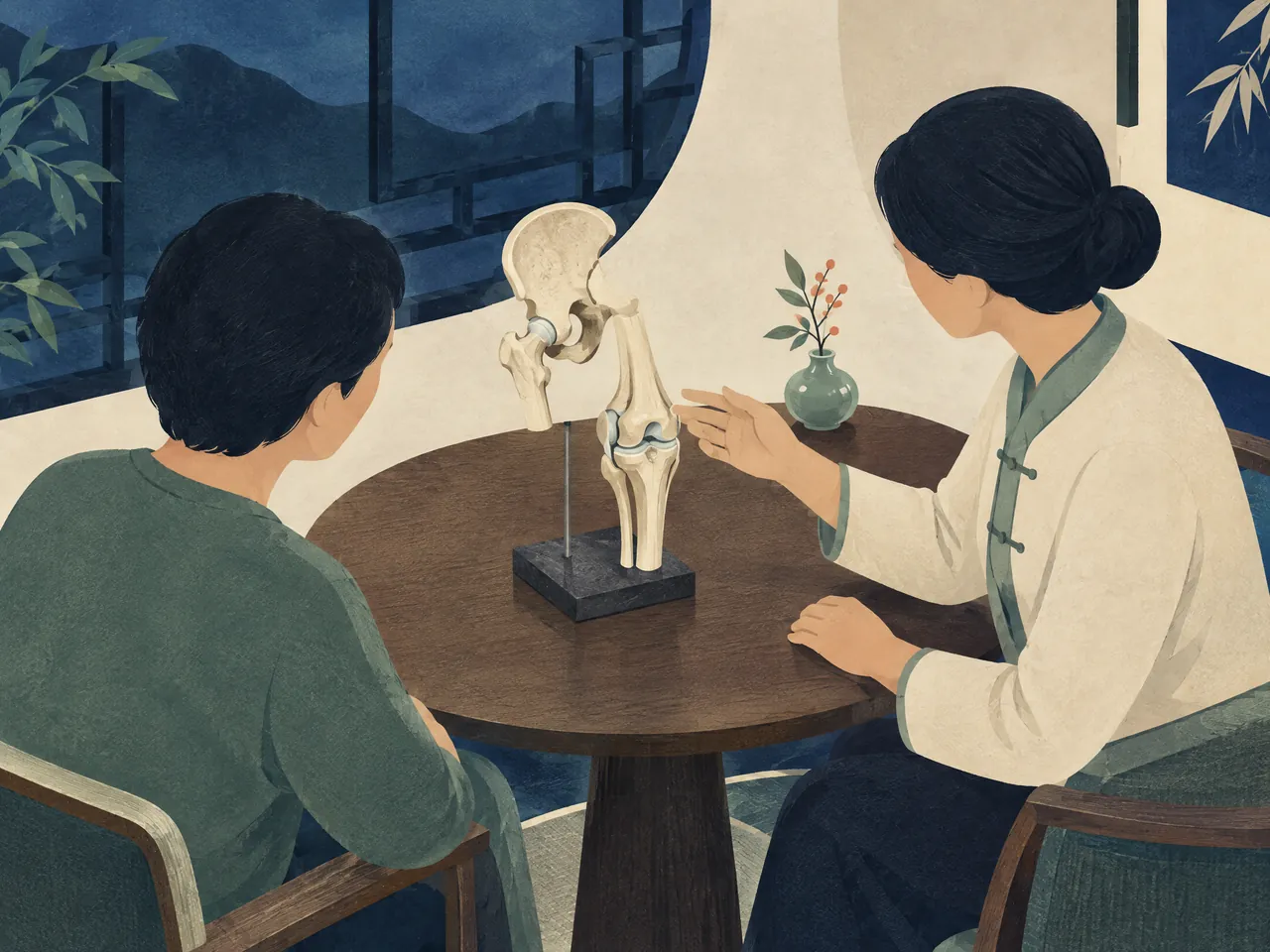
Pain when going downstairs may make a kneecap-area problem worth considering, but it does not rule out other tissue or joint causes. Stiffness after sitting may occur with osteoarthritis, yet a prolonged or unusual pattern can need further evaluation. A clicking sound can be harmless in some settings, but painful clicking after injury is different from painless noise. What matters is the combination: onset, function, swelling, tenderness, range of movement, general symptoms and examination findings. When needed, a clinician decides whether imaging or another investigation is useful; it should not be self-ordered as proof of a diagnosis.
This uncertainty also changes how to interpret a treatment response. Feeling easier after a quiet week, a warm shower, acupuncture or a new brace does not reliably identify the underlying cause, because load and symptoms often fluctuate together. It is reasonable to ask what the treatment is intended to support, what you should continue doing, and what would mean you need reassessment. Keep medical, rehabilitation and any complementary-care providers informed about the same knee history. That approach is safer than abandoning a prescribed exercise, medicine or follow-up plan because one intervention gave temporary relief.
What causes knee pain? Can acupuncture help with knee pain? Can knee pain get better with self-care? — Choose safer next steps
For a mild, non-traumatic flare when you can still manage daily activities, the first step is often to reduce the specific load that clearly aggravates symptoms without becoming completely inactive. That might mean shorter, flatter walks, fewer repeated stair trips, a temporary break from jumping, or sitting for part of a standing task. The NHS suggests putting as little weight as possible through a painful knee and avoiding standing for a long time; it also describes a wrapped ice pack for short periods. [1] If you are deciding between temperature approaches, the practical knee pain heat or ice article explains comfort and skin-safety considerations.
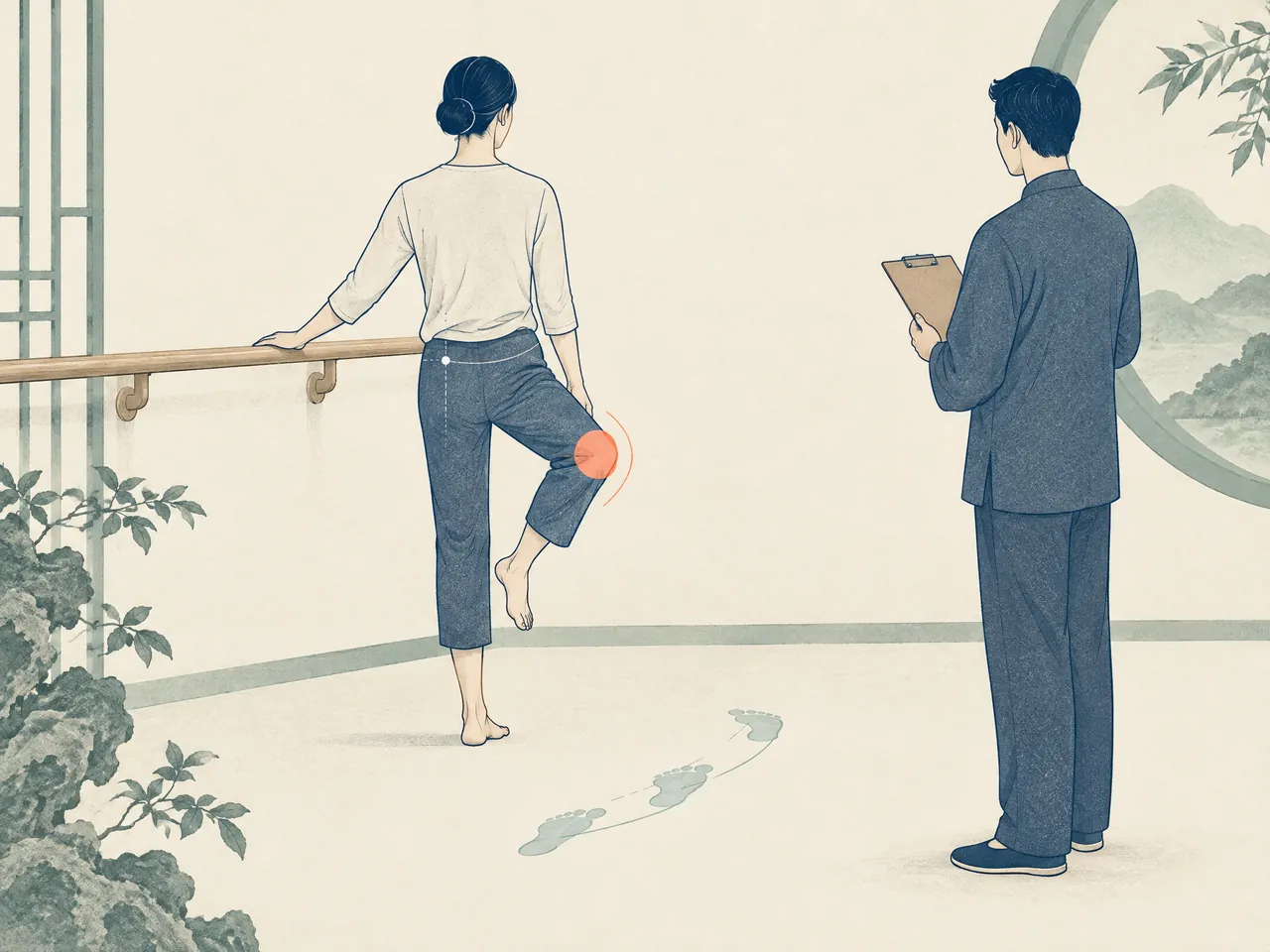
As symptoms settle, return to suitable movement gradually rather than judging recovery by one good day. Gentle range-of-motion work or a clinician-designed strengthening and aerobic plan may be more useful than repeatedly testing deep squats or a long hike. For knee osteoarthritis, NICE recommends therapeutic exercise tailored to the person, such as local muscle strengthening or general aerobic fitness, and notes that symptoms can initially increase when exercise begins. [4] Discuss any plan that causes a sharp increase in pain, new swelling, buckling or loss of movement. Self-care is a bridge to sensible activity, not a reason to ignore a changing knee.
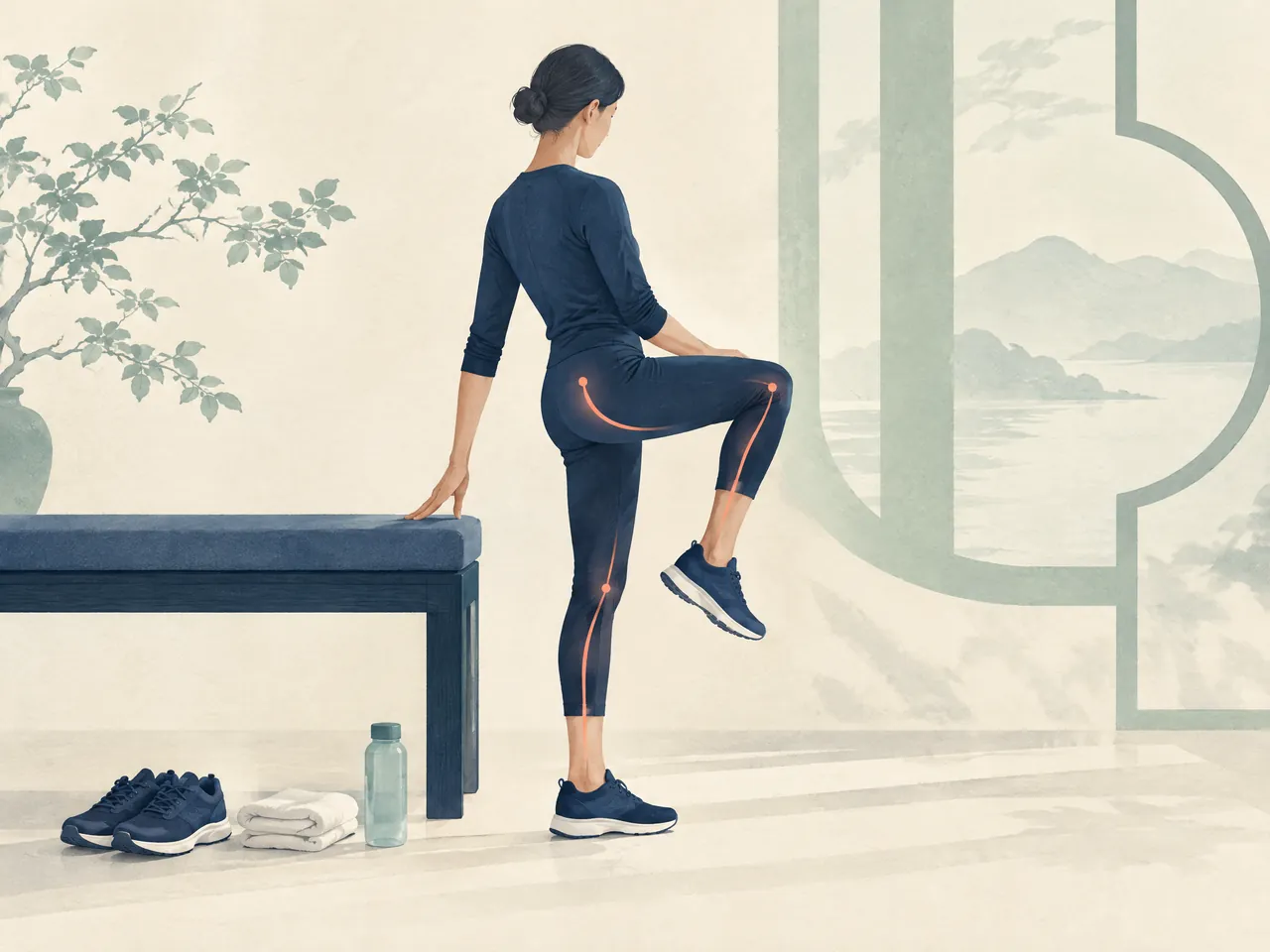
What causes knee pain? Can acupuncture help with knee pain? Can knee pain get better with self-care? — Load management and supportive care
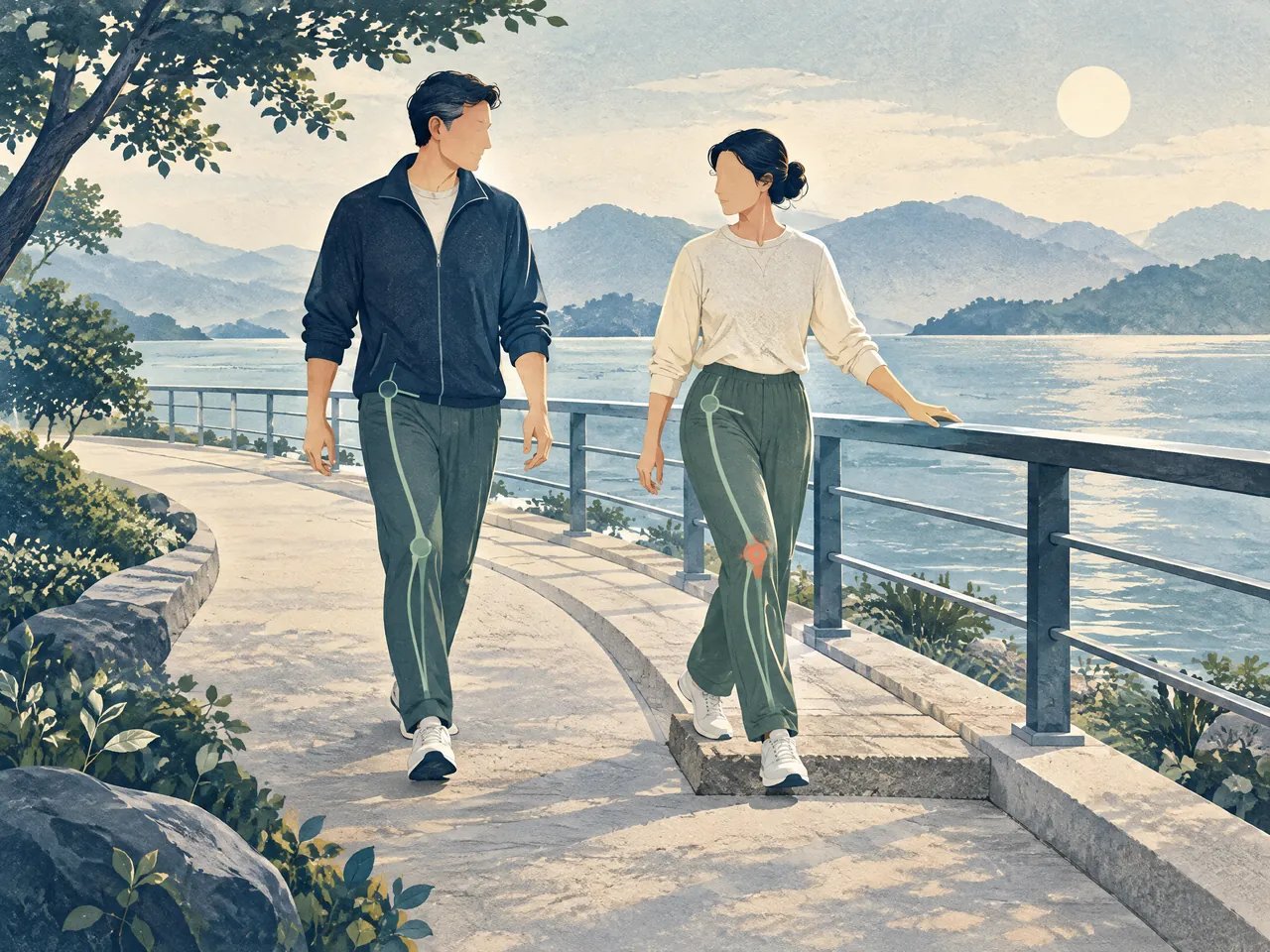
Can acupuncture help with knee pain? It can be discussed as complementary, symptom-focused care after the cause, safety issues and goals have been considered. The evidence does not support a blanket promise. NCCIH says acupuncture may help relieve osteoarthritis pain, while also noting that studies have produced mixed comparisons with simulated acupuncture; NICE advises not offering acupuncture or dry needling to manage osteoarthritis. [3] [4] Those differing positions are a reason for an open, individual conversation, not evidence that acupuncture can repair every injured structure or replace rehabilitation.
If you decide to discuss acupuncture, share the onset of pain, any injury, swelling, fever, medications, bleeding concerns, medical diagnoses, current exercises and other treatments. Ask how the proposed care sits alongside medical assessment and progressive activity. For a new injury, locked knee, severe swelling or suspected infection, the answer is not to begin complementary care first. For a stable, assessed problem, it is still useful to track a practical goal—such as a more comfortable short walk or standing task—while retaining the broader plan. You can enquire at the Kwun Tong Chinese medicine clinic or Chinese medicine clinic Prince Edward about an appointment, then confirm whether the situation is appropriate to discuss.
What causes knee pain? Can acupuncture help with knee pain? Can knee pain get better with self-care? — When to seek medical assessment
Seek urgent medical assessment after a major injury, particularly if the knee looks deformed, swells suddenly, cannot bear weight or cannot move normally. The same applies to a knee that locks, repeatedly gives way, or becomes hot, red and very painful with fever or feeling unwell. Mayo Clinic advises urgent attention for a bent or deformed joint, inability to bear weight, intense pain or sudden swelling after a major injury, and medical review for marked swelling, redness, warmth and tenderness. [2] Sudden swelling of the lower leg or breathing difficulty also should not be handled as an ordinary knee-pain problem.
Arrange non-urgent assessment if knee pain persists, worsens, interferes with sleep or everyday tasks, or has not improved after a few weeks of simple measures. [1] Bring your symptom notes and a list of what you have already tried; this makes it easier to decide whether medical review, physiotherapy, medication discussion or another pathway is needed. If you want to ask about the practical cost of a Chinese medicine consultation after appropriate assessment, see the Chinese medicine clinic price list Hong Kong. The important decision is the next safe step, not finding a single treatment that claims to fit every cause of knee pain.
Care and health guide
Knee discomfort: care information
This directory brings together services, reading, and visit information related to knee discomfort, to help you prepare questions for a consultation.
When knee discomfort affects your day, noting when it occurs, its relation to activity, and what you have already tried can help prepare a consultation; Chinese medicine pain management Hong Kong is a relevant service or reading entry point.
Individual circumstances differ, and acupuncture Hong Kong offers related information to help you understand options and prepare questions.


Your questions, answered
Frequently asked questions
What are common causes of knee pain?
Common possibilities include sprains or strains, tendon problems, ligament or meniscus injury, osteoarthritis, bursitis and gout. Infection is another possibility, especially when a knee is hot, red and painful with fever or feeling unwell. A clinician uses the history, examination and sometimes further tests to determine the cause.
Can acupuncture help with knee pain?
It may be discussed as complementary care for some assessed, non-urgent knee problems. For knee osteoarthritis, sources and guidelines do not all reach the same conclusion: NCCIH says acupuncture may help relieve pain, while NICE advises against offering acupuncture to manage osteoarthritis. It should not replace rehabilitation, prescribed treatment or urgent assessment.
Can knee pain get better with self-care?
Some mild, non-traumatic knee pain can settle with temporary load changes and a gradual return to suitable activity. A wrapped cold pack may be useful for recent swelling if comfortable. Seek assessment if symptoms persist for weeks, worsen, disrupt everyday life, or follow an injury; do not self-manage red flags such as inability to bear weight, locking or a hot red knee with fever.
Should I use heat or ice for knee pain?
For a recent injury or swelling, a wrapped cold pack is often used for short periods. Heat may feel more comfortable for stiffness when there is no new redness or heat. Protect the skin, stop if symptoms worsen, and obtain clinical advice for reduced sensation, skin problems, significant swelling or uncertain symptoms.
Sources and further information
- [1] NHS — Knee pain
Referenced for: Supports common causes, self-care wording, and escalation for inability to bear weight, locking, giving way, swelling, deformity, heat, redness and fever.
- [2] Mayo Clinic — Knee pain: Symptom
Referenced for: Supports the range of joint and surrounding soft-tissue causes, low-impact self-care context, and assessment signs after major injury.
- [3] National Center for Complementary and Integrative Health — Osteoarthritis: In Depth
Referenced for: Supports cautious wording that acupuncture may help osteoarthritis pain, mixed study findings, and the need not to postpone health-care assessment.
- [4] NICE NG226 — Osteoarthritis in over 16s: diagnosis and management
Referenced for: Supports therapeutic exercise and weight management as core osteoarthritis care and NICE’s recommendation not to offer acupuncture or dry needling for osteoarthritis.