
TCM Lab · Health reading
When to See a Doctor for Hip Pain: When to Seek Medical Help for Hip Pain and When Should I Go to the Emergency Room for Hip Pain?
Published Updated
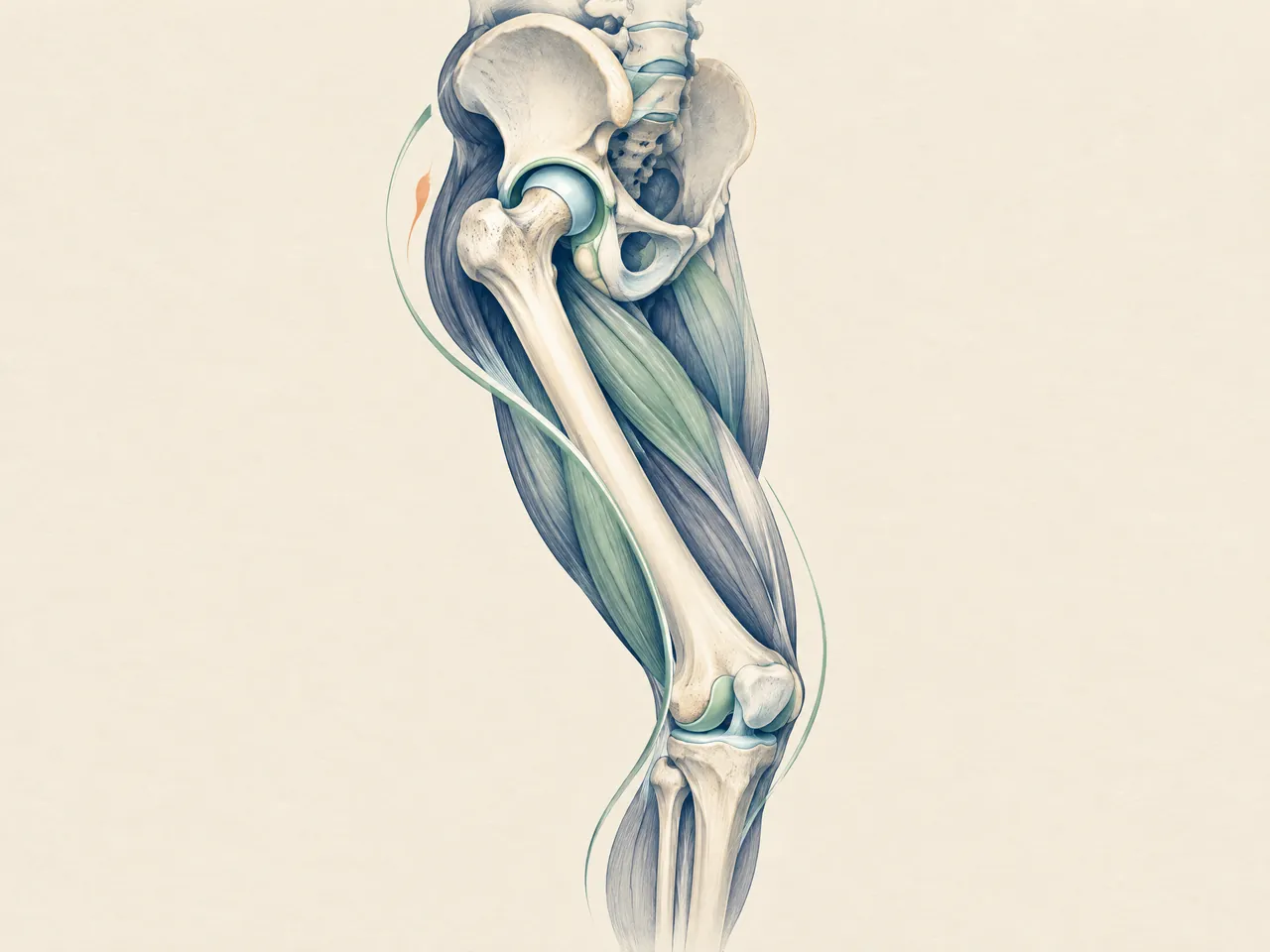
Hip pain does not always need emergency care, but certain patterns should not be watched at home. After a fall or other injury, severe pain, an inability to walk or put weight through the leg, or tingling or loss of feeling are reasons to go to an emergency department. Without an injury, sudden severe pain, a hot or swollen hip, skin colour change, fever, chills or feeling generally unwell need urgent assessment. Pain that persists, returns, worsens, interrupts sleep or limits everyday activity deserves an outpatient medical review.
Appointments are confirmed through WhatsApp. If you have language requirements, please mention them in your enquiry.
The short answer
When should I go to the emergency room for hip pain? Go after an injury if pain is severe, you cannot walk or bear weight, or you have tingling or loss of feeling in the hip or leg. Seek urgent same-day assessment for sudden severe pain without injury, a hot swollen or discoloured hip, or fever and feeling unwell. Arrange an outpatient appointment for pain that affects sleep or daily life, worsens, recurs, or has not improved after two weeks of sensible self-care. [1]
Transparent pricing
See the fees.
Choose your care.
Explore our complete official price list, including first-trial prices, regular prices, packages and branch-specific options.
Opening WhatsApp prepares an enquiry; it does not send a message, take payment or confirm an appointment. Suitability and individual arrangements are confirmed during consultation.
Pain care
All prices in HKDExtracorporeal shockwave treatment
Shockwave treatment for deep-tissue and fascial care. The Kwun Tong clinic offers the multi-area options shown below.
Priced by branch
Branch-specific pricing
Prince Edward: HK$250 per area
Kwun Tong: HK$250 for 1 area / HK$450 for 2 areas / HK$600 for 3 areas
Pain care (manual therapy)
Includes Chinese medicine musculoskeletal assessment, manual joint techniques and tui na.
HK$580 (single session)
Chinese medicine musculoskeletal assessment
Pain care (acupuncture and manual therapy)
Combines acupuncture and manual therapy.
HK$680 (single session)
Combined care
Hair and scalp
All prices in HKDScalp health and hair-loss management
Includes AI scalp analysis, deep scalp and follicle cleansing, and scalp oil-control care.
HK$380 (first trial)
Regular price: HK$680
- 6 sessions: HK$3,480 (HK$580 per session)
- 12 sessions: HK$5,760 (HK$480 per session)
- 20 sessions: HK$8,600 (HK$430 per session)
- 30 sessions: HK$11,400 (HK$380 per session)
Hair acupuncture and Chinese herbal medicine package
Includes scalp acupuncture and 3 days of Chinese herbal medicine that does not require decoction.
HK$580 (single session)
Registered Chinese Medicine Practitioner consultation
- 6 sessions: HK$3,180 (HK$530 per session)
- 12 sessions: HK$5,760 (HK$480 per session)
- 20 sessions: HK$8,600 (HK$430 per session)
- 30 sessions: HK$11,400 (HK$380 per session)
Combined hair and scalp treatment
Combines acupuncture and Chinese herbal medicine with salon-level scalp and follicle care. Packages include complimentary hair-care shampoo and serum.
HK$1,260 (single session)
Combined treatment
- 8 sessions: HK$8,640 (HK$1,080 per session)
- 16 sessions: HK$15,680 (HK$980 per session)
- 20 sessions: HK$18,600 (HK$930 per session)
- 30 sessions: HK$26,400 (HK$880 per session)
Weight management
All prices in HKDFull-body acupoint embedding for weight management
Includes full-body acupoint embedding. Packages include complimentary Chinese herbal medicine for weight management, with the number of included days scaled to the package. Embedding material and the individual treatment arrangement are confirmed during consultation; this is not a cosmetic thread lift.
HK$980 (single session)
No trial session
- 10 sessions: HK$7,800 (HK$780 per session)
- 20 sessions: HK$14,600 (HK$730 per session)
- 30 sessions: HK$20,400 (HK$680 per session)
Facial acupuncture
All prices in HKDFacial acupuncture (basic)
Includes facial acupuncture and meridian-based facial care, including care for facial puffiness.
HK$480 (first trial)
Regular price: HK$680
- 10 sessions: HK$5,200 (HK$520 per session)
- 20 sessions: HK$9,600 (HK$480 per session)
- 30 sessions: HK$13,500 (HK$450 per session)
Facial acupuncture (advanced)
Includes enhanced facial acupuncture with a specially formulated moisturising mask and serum.
HK$780 (first trial)
Regular price: HK$1,180
- 10 sessions: HK$9,000 (HK$900 per session)
- 20 sessions: HK$16,600 (HK$830 per session)
- 30 sessions: HK$23,400 (HK$780 per session)
Chinese medicine
All prices in HKDAcupuncture and Chinese herbal medicine package
Includes a Chinese medicine consultation with pulse assessment, body acupuncture and 3 days of Chinese herbal granules that do not require decoction.
HK$580 (single session)
Chinese medicine consultation with pulse assessment
When to See a Doctor for Hip Pain: When to Seek Medical Help for Hip Pain — When Should I Go to the Emergency Room for Hip Pain? After an Injury
A fall can be memorable, but do not use how dramatic it looked as the test for how seriously to take hip pain. A slip in the bathroom, a misstep on stairs, a collision during sport or a direct blow can all be followed by pain that deserves assessment. The key immediate questions are practical: can the person stand safely, take steps and put weight through the leg, and has normal feeling been retained? Severe pain after a fall or injury is an emergency sign rather than a reason to keep trying to walk it off. [1]
Keep the person in a safe position and avoid deep bending, stretching, squatting or asking them to demonstrate a range of movement. These actions cannot rule out injury and may worsen pain. If moving them is unsafe or symptoms are severe, seek emergency help. Avoid driving yourself if pain or mobility is substantially affected.

Pain may be felt in the groin, outer hip, buttock, thigh or even toward the knee, so the location alone cannot identify the cause. A clinician uses the story of the incident, ability to function, examination and, when relevant, tests to decide what needs attention. An X-ray, scan or other test is not automatic for every painful hip, but imaging and laboratory tests can be part of assessment when the presentation calls for them. [3] Write down what happened before the appointment while it is fresh: the direction of the fall, the first symptom, whether pain has changed and which movements are impossible.
When to See a Doctor for Hip Pain: When to Seek Medical Help for Hip Pain — When Should I Go to the Emergency Room for Hip Pain? After a Fall
After a fall, go to an emergency department for severe hip pain. This is particularly important if the leg seems unusually positioned, the joint looks deformed, pain is rapidly escalating, or a person cannot be moved safely. A fracture is one possible concern, but it is not something a person can confidently exclude by touching the area or taking a few painful steps. The NHS specifically lists severe hip pain after a fall or injury as a reason for immediate action. [1]
Even if the pain settles briefly while sitting still, reassess function before deciding it can wait. A new limp, pain when transferring from bed to chair, or reluctance to stand may matter more than the size of a visible bruise. Do not let an ice pack or pain medicine become a test that the problem is harmless; they may ease discomfort without explaining it. For less urgent questions about temporary measures after a safe assessment, see How long should I use an ice pack for hip pain?.
When to See a Doctor for Hip Pain: When to Seek Medical Help for Hip Pain — When Should I Go to the Emergency Room for Hip Pain? If You Cannot Bear Weight
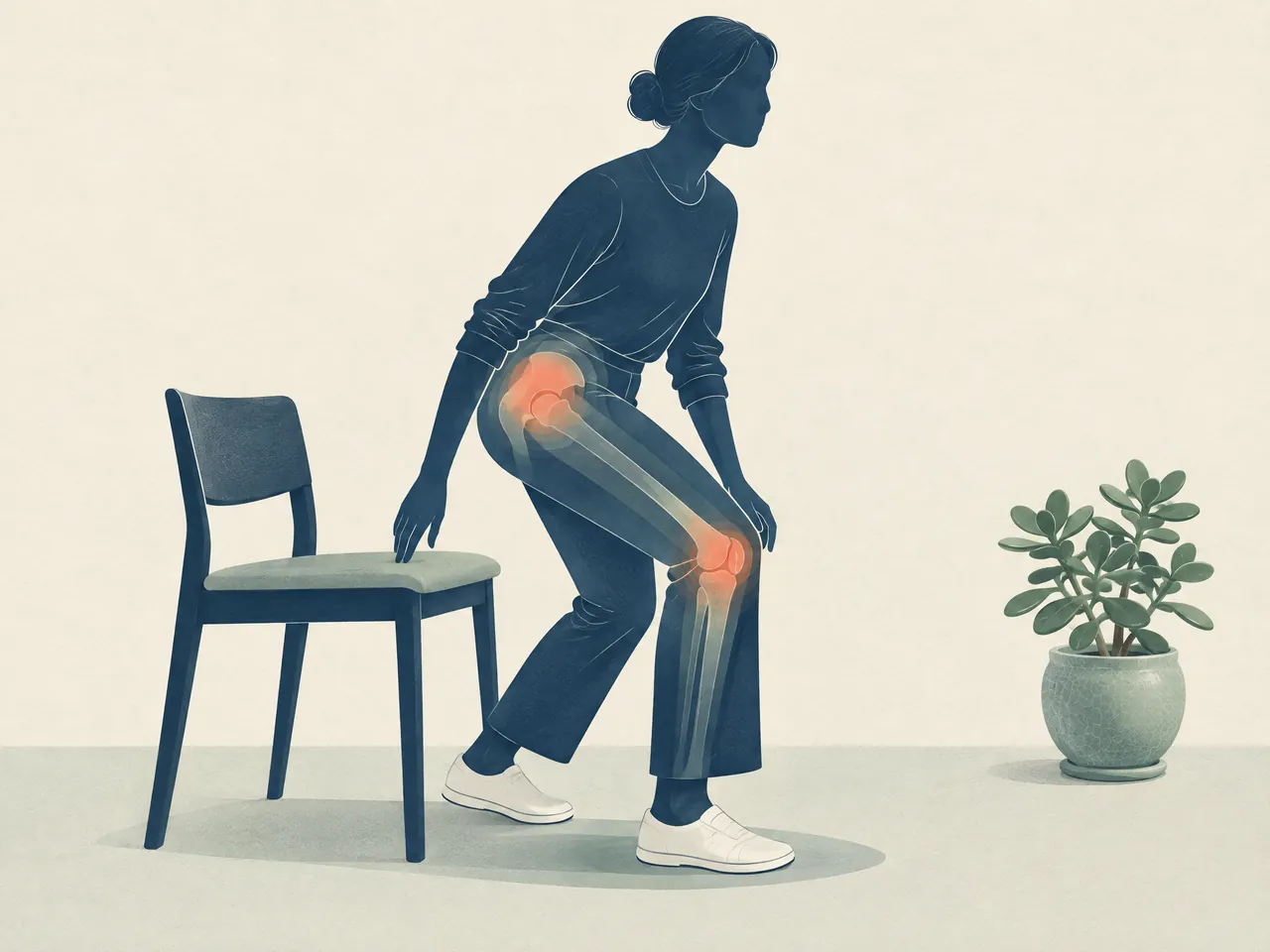
Not being able to bear weight means more than finding stairs uncomfortable. It can mean the leg gives way, placing a foot down causes severe pain, or the person cannot take normal steps with support. After an injury, inability to walk or put weight on the leg is an emergency warning sign. [1] Do not keep attempting a longer walk to see whether it loosens up, and do not ask another person to pull or twist the leg into position.
Tingling, numbness or loss of feeling in the hip or leg after injury also changes the urgency. These symptoms need immediate assessment alongside the injury, even when there is no obvious wound. Tell the emergency team when the sensation began and whether it is spreading or changing. A clear account of symptoms is useful, but it does not replace a physical assessment. For a broader reminder of symptoms that should change a home-care plan, read hip pain warning signs.
Compare your options
| Pattern | Appropriate next step | What to do while arranging help |
|---|---|---|
| Severe pain after a fall or injury; unable to walk or bear weight; tingling or loss of feeling after injury | Emergency department or emergency assistance | Keep movement to a minimum. Do not force a walk, stretch or squat to test the hip. |
| Sudden severe pain without injury; hot swollen hip; skin colour change; fever, chills or feeling unwell | Urgent same-day medical assessment; emergency care if symptoms are severe or safe access is not possible | Do not wait for massage, heat or a routine appointment to see whether symptoms settle. |
| Pain worsening, recurring, affecting sleep or daily activity; no improvement after two weeks of home care; morning stiffness lasting more than 30 minutes | Outpatient medical appointment | Keep a timeline of symptoms and functional changes; reduce activities that clearly aggravate pain. |
| Mild pain, no injury-related or systemic warning signs, and safe ability to move | Short period of sensible self-care and observation, with review if the pattern changes | Avoid excessive strain, keep gently mobile if safe, and escalate immediately if a warning sign develops. |
On smaller screens, scroll the table sideways to compare all columns.
When to See a Doctor for Hip Pain: When to Seek Medical Help for Hip Pain — When Should I Go to the Emergency Room for Hip Pain? Without an Injury
No fall does not automatically mean no urgency. Hip pain can appear without a clear injury, and the next step should be guided by the pace and associated symptoms rather than by guessing a diagnosis. Sudden severe pain without an injury warrants urgent medical assessment. [1] The person may have woken with it, felt it while rising from a chair, or noticed it while walking; none of those details proves a muscle strain. Avoid assuming that a new severe pain is simply a consequence of age, exercise or sitting at work.
A hot, swollen or discoloured hip needs prompt attention, especially when it occurs with a high temperature, chills, feeling hot or cold, or a general sense of being unwell. [1] Heat or redness alone cannot tell you why it is happening, and a normal-looking hip cannot rule out every cause. What matters for triage is the combination of a new symptom, severity, change over time and whole-body symptoms. Seek same-day medical help rather than using massage, strenuous stretching or repeated heat treatment as a way to wait it out.
The practical distinction is not about self-diagnosing arthritis, bursitis, tendon problems or infection from an online list. Hip pain can arise from the joint, nearby muscles and tendons, or structures in the back and pelvis; the feeling may also travel into the thigh. [3] A medical examination considers the pattern and how it affects movement. This is why a sudden, severe or systemically unwell presentation should be assessed urgently before considering a supportive complementary consultation.
When to See a Doctor for Hip Pain: When to Seek Medical Help for Hip Pain — When Should I Go to the Emergency Room for Hip Pain? Sudden Severe Symptoms
Sudden means a noticeable change over a short time, not merely pain that has become annoying after a long week. Severe pain may make it hard to move the hip, get dressed, rise from a seat or sleep. The NHS advises urgent help for severe hip pain that starts suddenly without a fall or injury. [1] If pain is severe enough that safe travel is difficult, or if it is combined with an injury-related emergency sign, use emergency services rather than waiting for a standard appointment.
A new locked, fixed or visibly misshapen joint deserves prompt medical attention. Hospital for Special Surgery also identifies sudden onset, inability to move or bear weight, and a joint that looks deformed as reasons to see a doctor right away. [2] Describe the onset precisely: the exact time, what you were doing, whether it came in waves or was constant, and which positions make it worse. Avoid deliberately repeating a movement that produces sharp pain simply to collect more information.

When to See a Doctor for Hip Pain: When to Seek Medical Help for Hip Pain — When Should I Go to the Emergency Room for Hip Pain? Heat, Swelling, Fever or Discolouration
A hip that feels hot and swollen is not a symptom to monitor casually when it is new or worsening. The same is true of skin that changes colour around the hip, or hip pain with fever, shivering, chills or a generally unwell feeling. The NHS groups these signs under urgent advice because they may need assessment that day. [1] Do not try to decide the cause from the colour of the skin, and do not delay assessment to see whether topical products or a warm bath change it.
Tell the clinician about any recent illness, procedure, skin problem, injection, injury or new medication, as well as the hip symptoms. This is context for assessment, not evidence of a cause. Take the temperature reading if one was measured, but do not delay because you have not measured it. Our separate guide, Can hip pain with fever be serious?, explains why the pairing of pain and systemic symptoms moves the decision away from routine self-care.
When to See a Doctor for Hip Pain: When to Seek Medical Help for Hip Pain — When Should I Go to the Emergency Room for Hip Pain? For Ongoing Symptoms
An outpatient appointment is the right next step for many people whose hip pain is not an emergency but is no longer a small, passing nuisance. Arrange a review if it interferes with normal activities or sleep, is getting worse, keeps coming back, or has not improved after two weeks of home care. Morning stiffness lasting more than 30 minutes is also worth raising. [1] These are prompts for assessment, not a way to label yourself with a particular condition.
Make the decision based on function, not just pain intensity. Perhaps you now avoid the MTR stairs, need a handrail to rise from a chair, have stopped exercising, or wake when you roll onto one side. These changes give a clinician more useful information than a single number on a pain scale. Note whether discomfort starts in the groin, outer hip or buttock and whether it spreads into the thigh or knee. Also note what happens with walking, standing, sitting, climbing stairs and lying down.

For mild symptoms without red flags, reduce the specific activity that aggravates the hip without becoming completely inactive if you can move safely. The NHS advises avoiding excessive strain while keeping moving where possible, and advises against heavy carrying and very low chairs. [1] This is a short-term, common-sense approach rather than a diagnosis or a fixed treatment plan. If symptoms worsen, warning signs appear, or safe movement becomes difficult, change course promptly instead of waiting for the two-week mark.
When to See a Doctor for Hip Pain: When to Seek Medical Help for Hip Pain — When Should I Go to the Emergency Room for Hip Pain? Activity and Sleep Changes
Pain that repeatedly interrupts sleep or changes ordinary activity is worth discussing even if you are still able to walk. Night-time pain can be particularly useful information for a clinician, as can a new limp or pain with movement. [2] Rather than pushing through a long walk, a gym session or household lifting to prove resilience, adjust the activity and book a review if the pattern persists. The goal is to understand why the hip is limiting function and to choose an appropriate next step.
Once urgent causes have been assessed or excluded, people who want supportive care can discuss their situation with a Registered Chinese Medicine Practitioner. A TCM consultation may ask about the character and site of pain, aggravating factors, sleep, digestion, energy and medicines within a traditional pattern-identification approach. That approach is not the same as a modern medical diagnosis and should not replace medical assessment for red-flag symptoms. For ideas that are only appropriate when emergency signs are absent, see hip pain home treatment.

When to See a Doctor for Hip Pain: When to Seek Medical Help for Hip Pain — When Should I Go to the Emergency Room for Hip Pain? Preparing for an Appointment
Prepare a short timeline: when the problem began, whether there was a fall or change in activity, whether it is improving or worsening, and what you can no longer do comfortably. Include the exact site of pain, any spread into the thigh or knee, the ability to bear weight, morning stiffness, numbness, heat, swelling, fever and night waking. Bring a list of regular medicines and any previous hip or back imaging, operation records or reports. This helps the clinician decide whether medical, rehabilitation, orthopaedic, neurological or other follow-up is appropriate.
If you are enquiring with TCM Lab after medical triage, explain your symptoms and the assessment you have already had. You can enquire about a consultation at the Kwun Tong Chinese medicine clinic or Chinese medicine clinic Prince Edward, and state any language needs when contacting the clinic. Appointments are arranged individually; a message is an enquiry rather than an automatic booking. For practical cost information before asking about a non-urgent consultation, consult the Chinese medicine clinic price list Hong Kong.
Care and health guide
Pain-care information
This directory brings together services, reading, and visit information related to pain care, to help you prepare questions for a consultation.
When pain care affects your day, noting when it occurs, its relation to activity, and what you have already tried can help prepare a consultation; Chinese medicine pain management Hong Kong is a relevant service or reading entry point.
Individual circumstances differ, and acupuncture Hong Kong offers related information to help you understand options and prepare questions.


Your questions, answered
Frequently asked questions
Should I go to the emergency room after falling and hurting my hip?
Go to an emergency department if hip pain is severe after a fall or injury. Inability to walk or put weight through the leg, or tingling or loss of feeling in the hip or leg after injury, also needs emergency assessment. Do not force walking, stretching or squatting while deciding. [1]
Can sudden hip pain without an injury wait for a routine appointment?
Sudden severe hip pain without a fall or injury should receive urgent medical assessment. A hot or swollen hip, skin colour change, fever, chills or feeling generally unwell makes same-day assessment especially important. If symptoms are severe or you cannot obtain urgent help safely, use emergency care. [1]
When should ongoing hip pain be checked in an outpatient appointment?
Arrange a review when hip pain affects normal activity or sleep, gets worse, returns repeatedly, has not improved after two weeks of home care, or is accompanied by morning stiffness lasting more than 30 minutes. Do not wait for a routine appointment if an emergency or urgent warning sign develops. [1]
What information should I bring to a hip-pain consultation?
Bring a short timeline of onset and any injury, the exact pain location, activities that change it, whether you can bear weight, and symptoms such as numbness, heat, swelling, fever or night waking. Include current medicines and prior reports or imaging where available. This information helps guide assessment but does not diagnose the cause by itself.
Sources and further information
- [1] [1] NHS — Hip pain in adults
Referenced for: Official guidance for emergency, urgent and non-urgent adult hip-pain triage, self-care boundaries and functional warning signs.
- [2] [2] Hospital for Special Surgery — Should You See a Doctor for That Hip Pain?
Referenced for: Specialist hospital guidance on sudden pain, fever or chills, night pain, inability to move or bear weight, skin discolouration and deformity.
- [3] [3] Mount Elizabeth Hospitals — When should I See a Doctor for Hip Pain?
Referenced for: Hospital overview of hip-pain locations, clinical assessment and possible diagnostic testing.