
TCM Lab · Health reading
Tennis Elbow Stretches: Do tennis elbow stretches hurt? How often should I do tennis elbow stretches?
Published Updated
Outer-elbow pain can make a coffee cup, mouse, suitcase handle or towel twist unexpectedly difficult. Tennis elbow stretches can be useful when they are gentle and paired with changes to the activities that keep irritating the forearm. They should not be a test of how much pain you can tolerate. A mild pulling feeling through the forearm can be acceptable; a sharp, catching or increasingly painful response is a reason to reduce the movement or stop. This guide explains how to judge that response, choose a manageable routine and recognise when an assessment is more useful than doing more repetitions.
Appointments are confirmed through WhatsApp. If you have language requirements, please mention them in your enquiry.
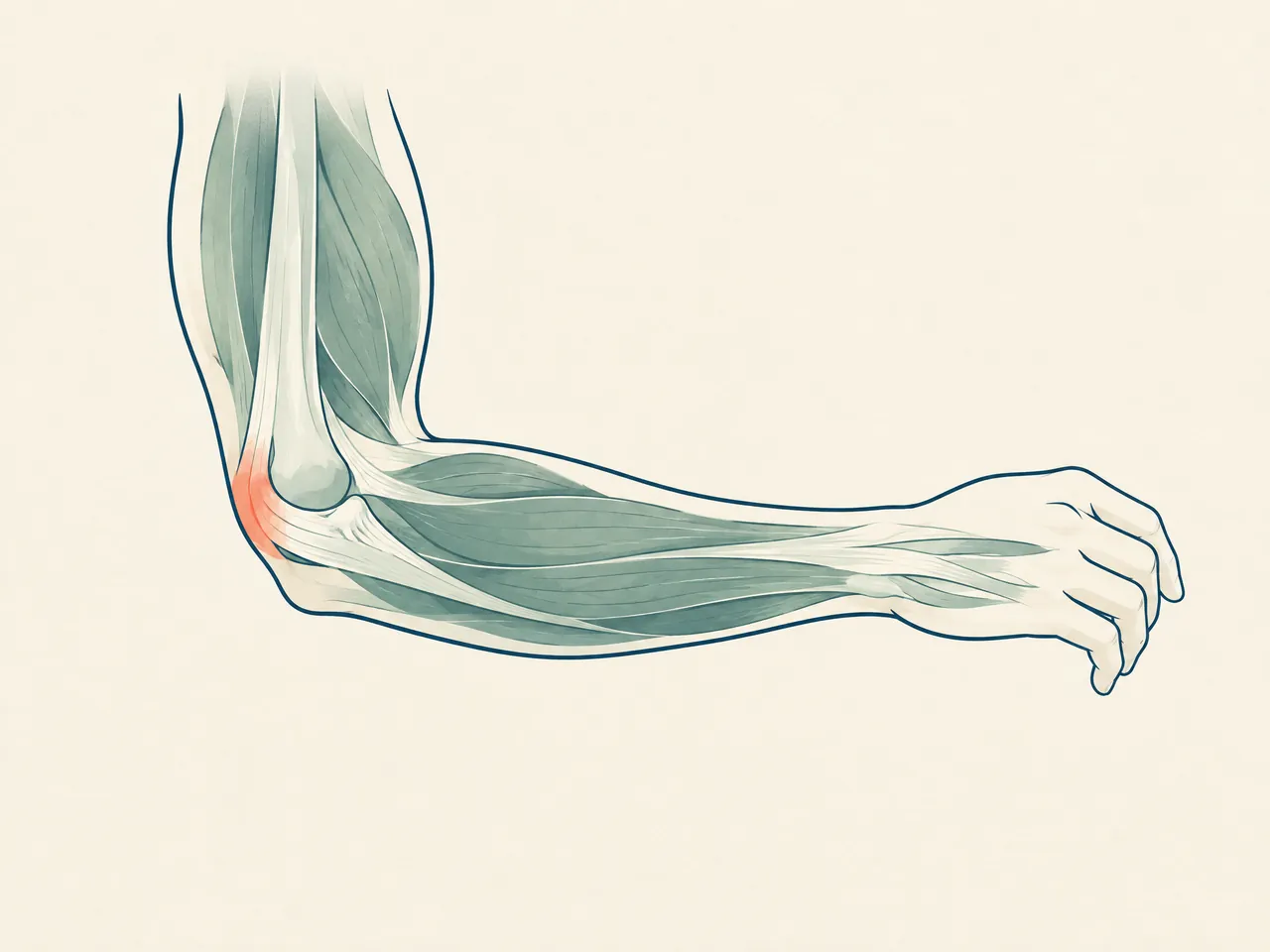
The short answer
Tennis elbow stretches should create a gentle forearm pull, not sharp pain or steadily worse pain. Begin slowly in a comfortable range and adjust the amount according to your response during and after the movement. There is no single frequency for everyone: a short, tolerable routine may be more useful than forcing daily stretches. Reduce aggravating gripping or twisting, add strengthening gradually when appropriate, and seek assessment if symptoms persist, worsen or include numbness, marked weakness, swelling or injury-related deformity.
Transparent pricing
See the fees.
Choose your care.
Explore our complete official price list, including first-trial prices, regular prices, packages and branch-specific options.
Opening WhatsApp prepares an enquiry; it does not send a message, take payment or confirm an appointment. Suitability and individual arrangements are confirmed during consultation.
Pain care
All prices in HKDExtracorporeal shockwave treatment
Shockwave treatment for deep-tissue and fascial care. The Kwun Tong clinic offers the multi-area options shown below.
Priced by branch
Branch-specific pricing
Prince Edward: HK$250 per area
Kwun Tong: HK$250 for 1 area / HK$450 for 2 areas / HK$600 for 3 areas
Pain care (manual therapy)
Includes Chinese medicine musculoskeletal assessment, manual joint techniques and tui na.
HK$580 (single session)
Chinese medicine musculoskeletal assessment
Pain care (acupuncture and manual therapy)
Combines acupuncture and manual therapy.
HK$680 (single session)
Combined care
Hair and scalp
All prices in HKDScalp health and hair-loss management
Includes AI scalp analysis, deep scalp and follicle cleansing, and scalp oil-control care.
HK$380 (first trial)
Regular price: HK$680
- 6 sessions: HK$3,480 (HK$580 per session)
- 12 sessions: HK$5,760 (HK$480 per session)
- 20 sessions: HK$8,600 (HK$430 per session)
- 30 sessions: HK$11,400 (HK$380 per session)
Hair acupuncture and Chinese herbal medicine package
Includes scalp acupuncture and 3 days of Chinese herbal medicine that does not require decoction.
HK$580 (single session)
Registered Chinese Medicine Practitioner consultation
- 6 sessions: HK$3,180 (HK$530 per session)
- 12 sessions: HK$5,760 (HK$480 per session)
- 20 sessions: HK$8,600 (HK$430 per session)
- 30 sessions: HK$11,400 (HK$380 per session)
Combined hair and scalp treatment
Combines acupuncture and Chinese herbal medicine with salon-level scalp and follicle care. Packages include complimentary hair-care shampoo and serum.
HK$1,260 (single session)
Combined treatment
- 8 sessions: HK$8,640 (HK$1,080 per session)
- 16 sessions: HK$15,680 (HK$980 per session)
- 20 sessions: HK$18,600 (HK$930 per session)
- 30 sessions: HK$26,400 (HK$880 per session)
Weight management
All prices in HKDFull-body acupoint embedding for weight management
Includes full-body acupoint embedding. Packages include complimentary Chinese herbal medicine for weight management, with the number of included days scaled to the package. Embedding material and the individual treatment arrangement are confirmed during consultation; this is not a cosmetic thread lift.
HK$980 (single session)
No trial session
- 10 sessions: HK$7,800 (HK$780 per session)
- 20 sessions: HK$14,600 (HK$730 per session)
- 30 sessions: HK$20,400 (HK$680 per session)
Facial acupuncture
All prices in HKDFacial acupuncture (basic)
Includes facial acupuncture and meridian-based facial care, including care for facial puffiness.
HK$480 (first trial)
Regular price: HK$680
- 10 sessions: HK$5,200 (HK$520 per session)
- 20 sessions: HK$9,600 (HK$480 per session)
- 30 sessions: HK$13,500 (HK$450 per session)
Facial acupuncture (advanced)
Includes enhanced facial acupuncture with a specially formulated moisturising mask and serum.
HK$780 (first trial)
Regular price: HK$1,180
- 10 sessions: HK$9,000 (HK$900 per session)
- 20 sessions: HK$16,600 (HK$830 per session)
- 30 sessions: HK$23,400 (HK$780 per session)
Chinese medicine
All prices in HKDAcupuncture and Chinese herbal medicine package
Includes a Chinese medicine consultation with pulse assessment, body acupuncture and 3 days of Chinese herbal granules that do not require decoction.
HK$580 (single session)
Chinese medicine consultation with pulse assessment
Tennis elbow stretches: Do tennis elbow stretches hurt? Understand a safe starting point — How often should I do tennis elbow stretches?
The phrase tennis elbow usually refers to pain at the outer side of the elbow associated with the forearm muscles and tendons that help extend the wrist and fingers. Despite the name, it is not limited to racquet sports. Repeated mouse use, screwdriver work, carrying bags, sewing, food preparation and other frequent gripping or wrist-turning tasks may provoke a similar pattern. The Hong Kong College of Orthopaedic Surgeons describes discomfort with gripping, lifting and wringing a towel, while the American Academy of Orthopaedic Surgeons also notes pain or burning on the outer elbow and weaker grip as common features [1] [2].
A useful starting question is not simply whether a stretch hurts, but what kind of sensation it creates and what happens afterwards. A lengthening sensation in the forearm, perhaps with mild local discomfort, is different from a sudden jab, a catching feeling or pain that makes you tense the shoulder and hand. The latter responses are not a signal to push through. Return the wrist toward neutral, loosen the grip and make the movement smaller. If the discomfort settles quickly and ordinary tasks do not become more troublesome afterwards, that is a more manageable response than pain that lingers or escalates.
If the pain is clearly on the inner elbow rather than the outer elbow, started with a fall or direct blow, or travels from the neck with altered sensation in the arm, do not assume it is tennis elbow. The same caution applies when a swollen, hot joint, an enlarging lump or a marked loss of hand strength is present. These features call for an individual assessment rather than a self-directed stretching programme. An assessment can also help distinguish tendon-related pain from a nerve, joint or neck-related problem.
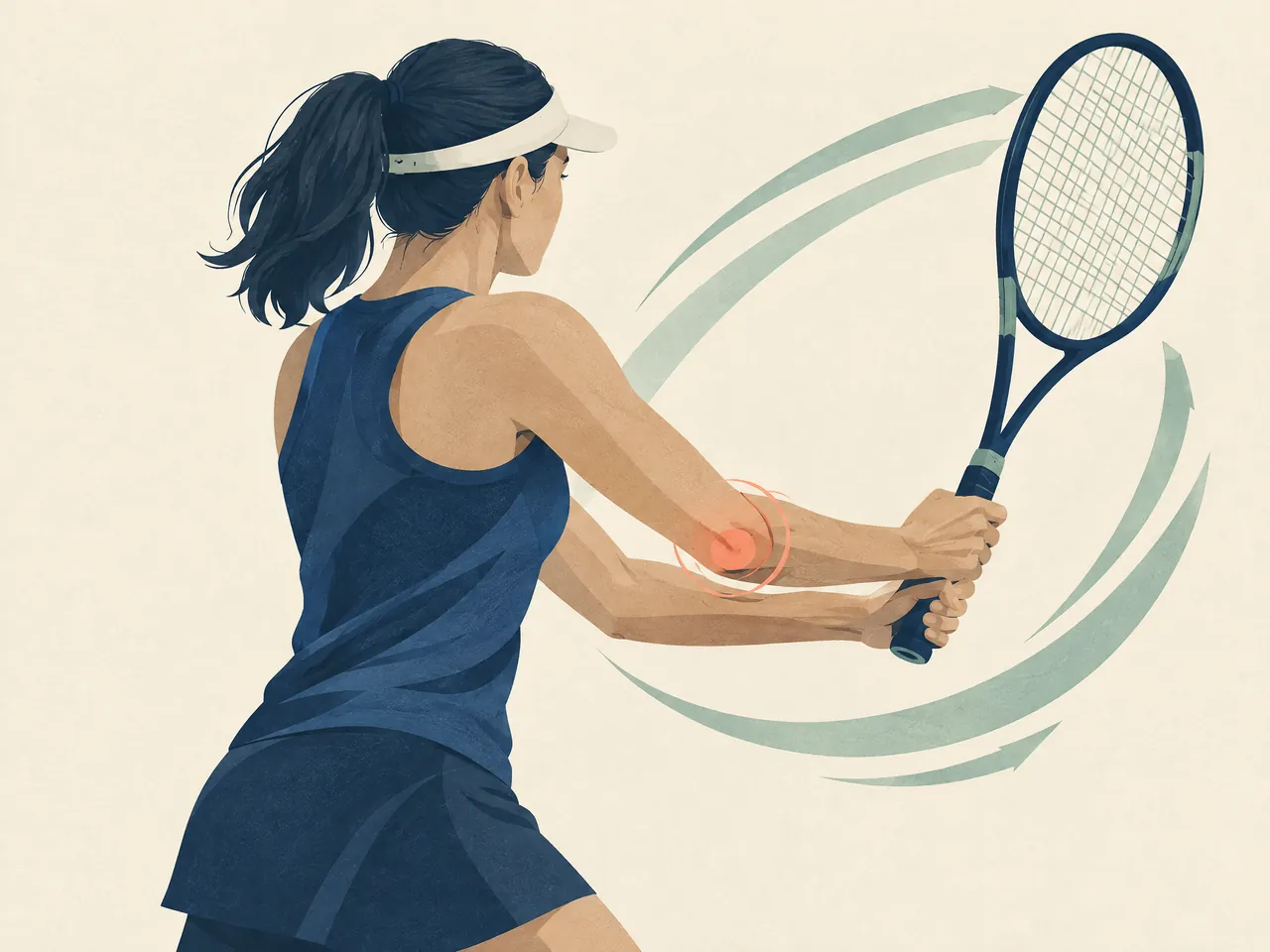
Tennis elbow stretches: Do tennis elbow stretches hurt? Recognise a gentle stretch — How often should I do tennis elbow stretches?
One commonly used position is a straight arm held comfortably in front of you with the palm facing down. Let the fingers point toward the floor, then use the other hand only lightly to guide the wrist until the upper forearm feels a mild pull. Keeping the elbow soft rather than locked may make the position easier to control. The goal is a calm, even sensation, not a maximum bend at the wrist. The MyHealth Alberta exercise handout similarly advises people to start slowly and ease off if an exercise brings pain [3].
Breathing and hand tension matter more than they may seem. A clenched fist can add load to the sore forearm while you are trying to lengthen it. Instead, keep the fingers loose, lower the shoulders and use the other hand as a guide rather than a lever. If you only feel the stretch when the elbow is completely straight, start with a slight bend and work within that range. A clinician or physiotherapist can check whether a particular position is suitable when the movement repeatedly triggers pain.
Tennis elbow stretches: How often should I do tennis elbow stretches? Begin with your symptoms — Do tennis elbow stretches hurt?
There is no universal daily schedule because the right amount depends on irritability, work demands, sport and the rest of the exercise plan. Instead of copying a high-volume routine, begin with an amount that leaves the elbow no worse during the movement and does not make the next everyday task distinctly harder. A person whose elbow is sore after a full day at a laptop may need a lighter start than someone whose symptoms are mild and settled. Consistency at a tolerable level is more useful than completing a target that causes a setback.
Use a simple response check: pay attention during the stretch, later that day and when you next grip or lift something ordinary. If each stage remains similar or settles, maintain the same small dose before changing it. If symptoms build across those stages, first reduce range, time under stretch or repetitions; then look at the broader load from work, hobbies and exercise. For related decisions about activity, see When should I stop exercising with tennis elbow?.
Compare your options
| What you notice | What it may mean for the next session | A sensible next step |
|---|---|---|
| A mild, even forearm pull that settles after releasing | The range may be tolerable at present | Keep the movement gentle and avoid increasing several variables at once. |
| Sharp outer-elbow pain, catching, or protective shoulder tension | The stretch is likely too forceful or poorly controlled for now | Return toward neutral, reduce the range, and seek guidance if it continues. |
| The elbow feels more painful later and gripping is harder the next day | The total exercise or activity load may have exceeded current tolerance | Reduce repetitions, range or aggravating tasks before trying again. |
| Pain with numbness, marked weakness, major swelling, deformity or recent trauma | The cause may need assessment rather than self-directed progression | Stop provocative exercises and seek timely medical assessment. |
| Stretching feels fine but work or sport repeatedly flares symptoms | Daily task exposure may be the main limiting factor | Modify grip, wrist position, duration or equipment and discuss a graded plan. |
On smaller screens, scroll the table sideways to compare all columns.
Tennis elbow stretches: How often should I do tennis elbow stretches? Build a gradual routine — Do tennis elbow stretches hurt?
A gradual routine has two jobs: it gives the forearm a tolerable movement practice and it makes daily loading more predictable. Start by choosing a quiet point in the day rather than stretching immediately after a task that has flared the elbow. Support the forearm on a table if holding the arm in the air causes you to grip or brace. A small, controlled position is enough at first. You do not need to match the uninjured side or chase a deeper stretch to make the session count.
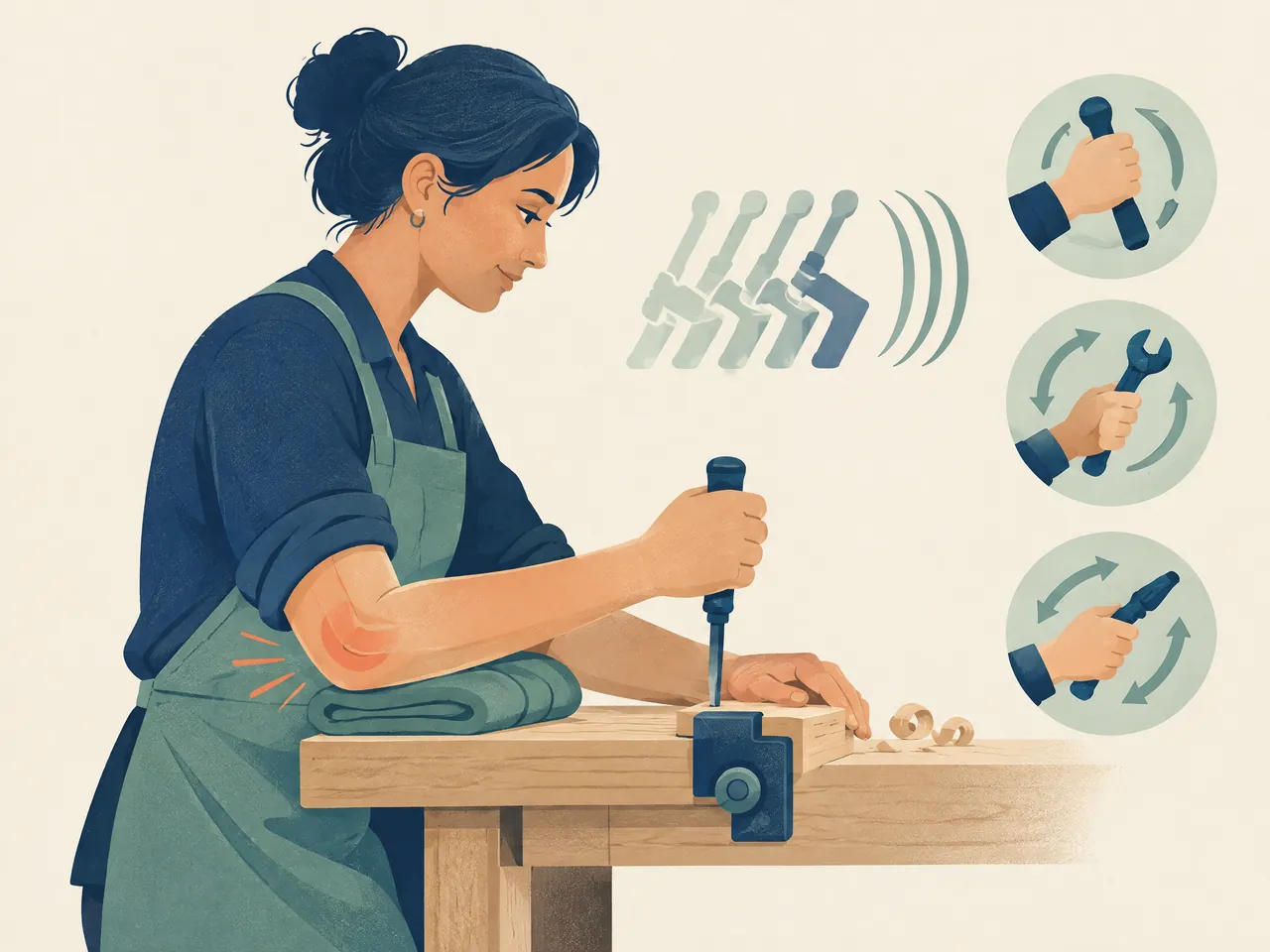
For a desk-based day in Hong Kong, consider the whole sequence rather than blaming one stretch. Bring the mouse closer, relax an extended reaching arm, take brief changes of position and avoid holding a heavy phone with the wrist bent for long periods. For manual work, see whether a heavier object can be held with two hands, whether the wrist can stay nearer neutral, or whether the task can be divided into shorter blocks. These are practical ways to reduce repeated strain without making the arm completely inactive.
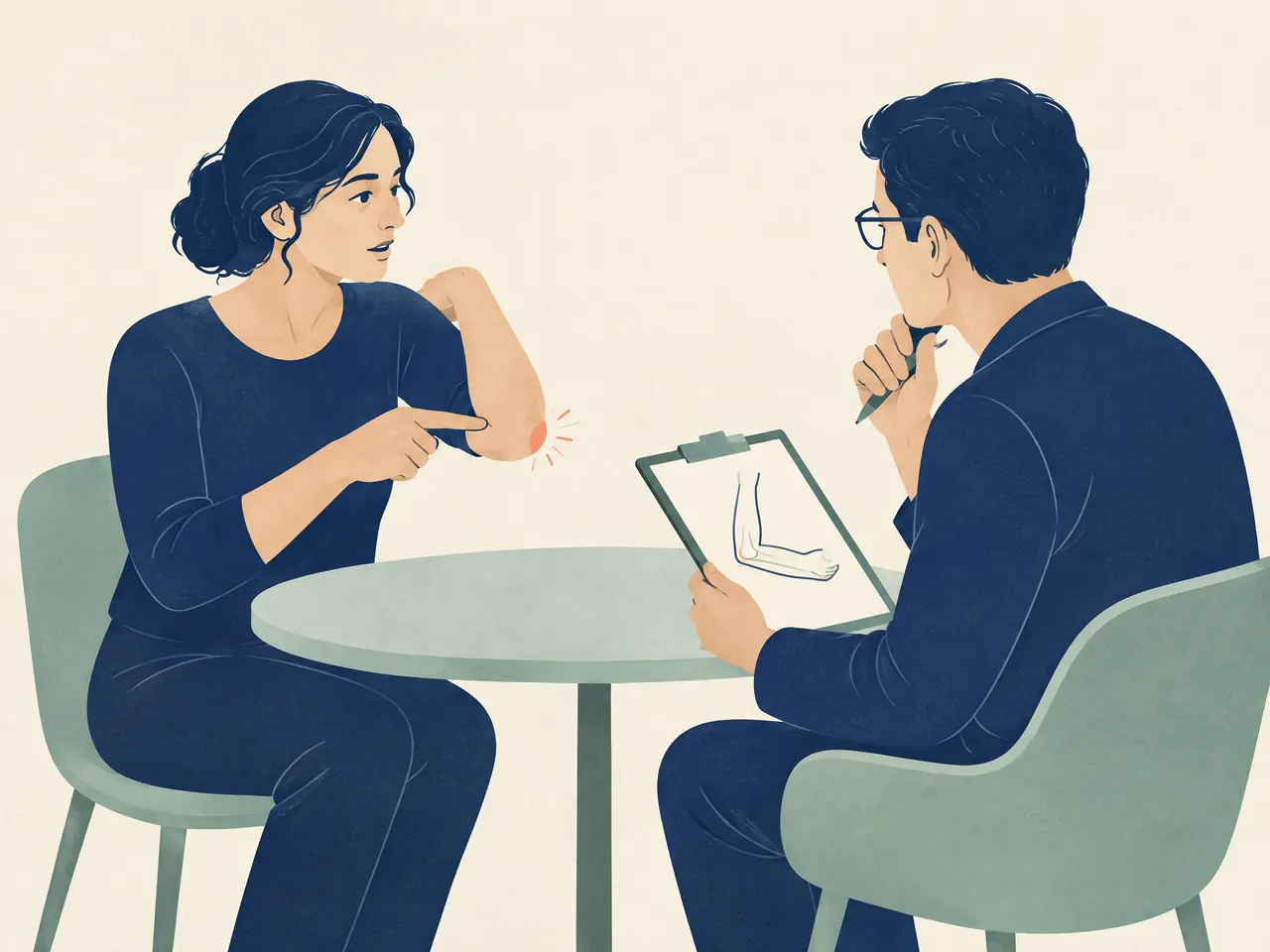
Tennis elbow stretches: Do tennis elbow stretches hurt? Balance stretching with strengthening — How often should I do tennis elbow stretches?
When stretching is comfortable but lifting, gripping or turning a handle remains difficult, the next conversation is often about gradual forearm strengthening rather than progressively harder stretching. Examples can include controlled wrist movements with very light resistance, but the starting load and form should match the person and the diagnosis. The Alberta handout illustrates both gentle stretches and resisted wrist movements, while stressing that people should ease off if pain begins [3]. That does not make its illustrated exercises a substitute for a personalised programme.
Keep the distinction clear: mild effort in a working muscle is not automatically a problem, while a sharp outer-elbow pain, compensatory shoulder movement or a worsening grip is useful feedback to stop and reassess. Rest days can be part of a strengthening plan, especially when work already supplies repeated forearm load. Readers looking for a fuller exercise discussion can read lateral epicondylitis exercises, then adapt any progression with appropriate professional guidance.

Tennis elbow stretches: How often should I do tennis elbow stretches? Adjust repetition and load — Do tennis elbow stretches hurt?
Think of frequency as an experiment with a clear response, not a rule to obey. Hold the range and repetitions steady long enough to observe how ordinary life feels, then make only a modest change if the elbow is coping. Increasing range, resistance, number of sessions and demanding work in the same week is a common way to overshoot. If symptoms rise, returning to the last manageable version gives useful information; it does not mean that all movement must stop.
A flare can also come from the total number of small grips rather than one dramatic exercise. Opening jars, carrying shopping, typing with a tense hand and lifting a kettle all add up. Identify the two or three tasks that reliably provoke symptoms and change those first. An elbow strap, brace, heat or cold may be comfort choices for some people, but they should not be used to mask pain so that a clearly aggravating task can continue at full volume. If a comfort measure itself makes symptoms worse or irritates the skin, stop using it.
Tennis elbow stretches: Do tennis elbow stretches hurt? Know when to seek assessment — How often should I do tennis elbow stretches?
Self-management is most useful when the pattern is settled. Arrange a medical or musculoskeletal assessment when outer-elbow pain persists despite reducing aggravating activity and trying gentle self-care, or when it is meaningfully affecting work, sleep or basic tasks. The NHS advises seeking non-urgent clinical advice if elbow pain remains after resting the elbow and trying self-care for at least two weeks [4]. The timing for an individual may be sooner when symptoms are severe or the cause is unclear.
Seek prompt care after a significant injury if the elbow looks deformed, you cannot use the arm normally, or swelling, redness and heat are pronounced. New or obvious numbness, tingling, hand weakness, rapidly worsening symptoms or pain that seems to travel from the neck also deserve assessment. These signs can suggest something other than an uncomplicated tendon-related problem. They are not issues to resolve by increasing the depth or frequency of a stretch.
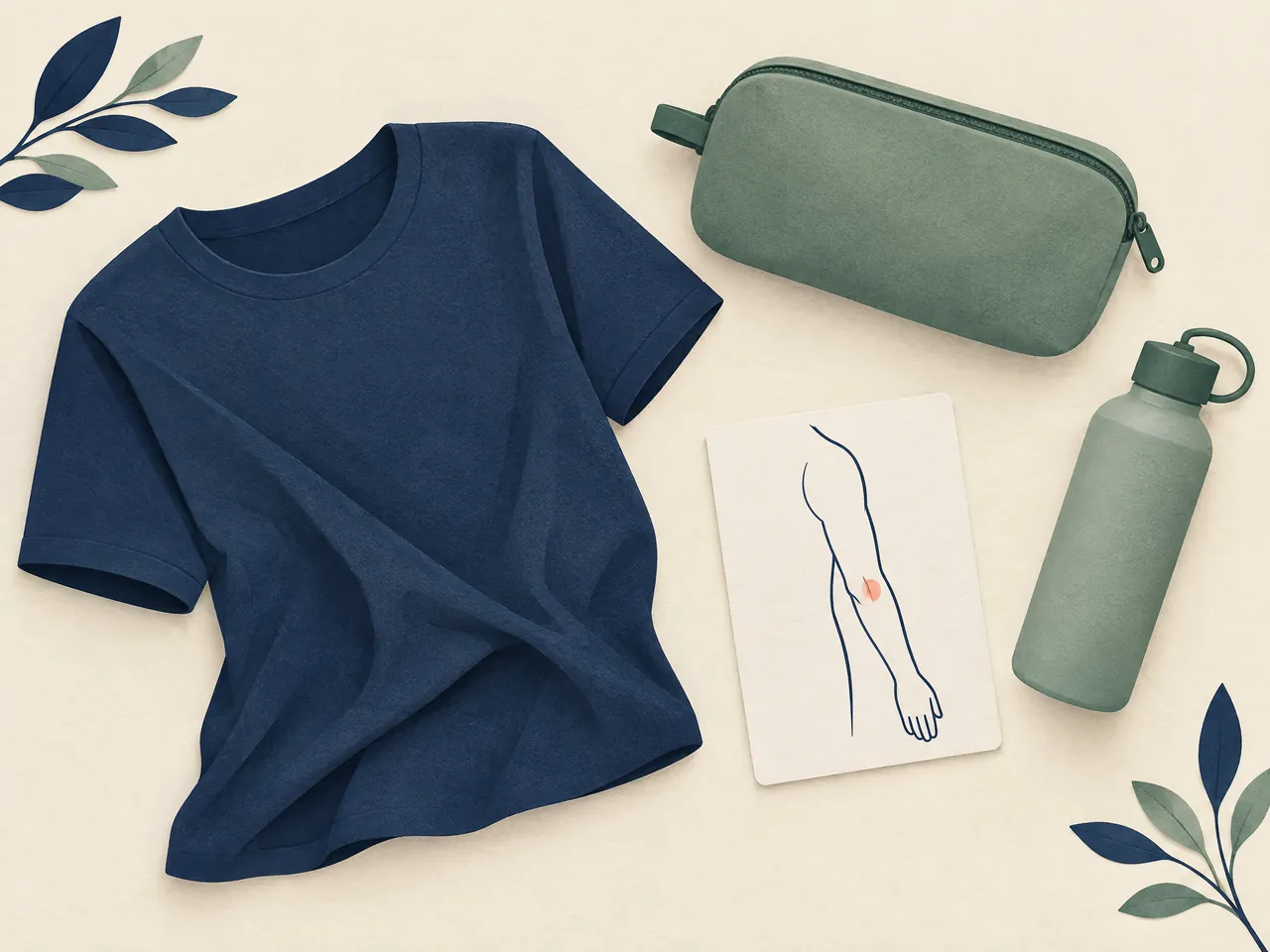
A clinician will usually ask how the symptoms began, which work or sports tasks trigger them and where the pain is felt. Examination can help assess tenderness, movement and whether wrist or finger resistance reproduces symptoms. Depending on the presentation, tests may be used to consider other sources of elbow or arm pain; the Hong Kong College notes that imaging can be used to exclude other causes in selected cases [1]. Bringing a brief record of aggravating activities and what happened after stretches can make that conversation more precise.
TCM Lab can discuss an individual presentation through a consultation with a Registered Chinese Medicine Practitioner. Traditional Chinese medicine assessment uses its own pattern-based approach and is not the same as a modern medical diagnosis. Acupuncture or other care should be discussed as possible adjunctive options, not as a guaranteed cure or a replacement for evaluation and rehabilitation. For background on that topic, read lateral epicondylitis acupuncture.

Tennis elbow stretches: How often should I do tennis elbow stretches? Review progress safely — Do tennis elbow stretches hurt?
Review progress by function, not only by the momentary feeling during a stretch. Is it easier to hold a mug, type without guarding the wrist, carry a light bag or complete a short work task? Are flares less frequent or less intense? Those observations are more informative than forcing the wrist farther on a single day. If a routine has plateaued, a qualified clinician can review the original diagnosis, technique, relevant workplace demands and whether strengthening or another approach should be adjusted.
Avoid measuring recovery against someone else’s timeline. Forearm load, sleep, competing injuries and the need to keep working all affect how a person progresses. The appropriate next step may be to maintain the current routine, reduce a provoking task or receive an in-person examination. More information about a consultation approach is available in TCM for elbow pain. Clear feedback from your elbow should guide the pace more than an arbitrary calendar target.
Tennis elbow stretches: Do tennis elbow stretches hurt? Identify symptoms needing prompt care — How often should I do tennis elbow stretches?
Do not stretch through symptoms that feel neurologic or structurally unusual. Tingling into the hand, loss of sensation, a new inability to grip, marked weakness, a visible change in elbow shape, feverish unwellness with a hot swollen joint, or a rapidly growing mass need medical attention. A painful elbow after a fall, collision or sudden heavy lift may require a different pathway from gradually developing overuse pain. In each situation, repeated self-tests can delay a clearer assessment.
If you would like to ask whether a consultation is appropriate, TCM Lab has locations at Kwun Tong Chinese medicine clinic and Chinese medicine clinic Prince Edward. You can also review the Chinese medicine clinic price list Hong Kong before making an enquiry. Tell the team if there has been trauma, persistent numbness or a major loss of function so that the concern can be directed appropriately.
Care and health guide
Health service information
This directory brings together services, reading, and visit information related to health services, to help you prepare questions for a consultation.
If you are organising health questions, Chinese medicine clinic Hong Kong is a starting point for learning about related services and preparing for a consultation.
People have different needs; acupuncture Hong Kong provides further reading to help you understand options in your own context.


Your questions, answered
Frequently asked questions
Do tennis elbow stretches hurt?
They should not create sharp or escalating pain. A gentle pull in the forearm can be acceptable, but ease off when the movement causes a jab at the outer elbow, makes you tense the hand or shoulder, or leaves the elbow more painful afterwards. Persistent pain deserves an individual review rather than more forceful stretching.
How often should I do tennis elbow stretches?
There is no single schedule that fits every elbow. Start with a small amount that is tolerable during the stretch and does not noticeably worsen ordinary gripping or lifting later. Keep the same manageable dose before increasing it, and reduce the amount if symptoms build. Professional advice can help tailor the routine to work, sport and the rest of your rehabilitation.
Should I stretch before or after using a computer or playing tennis?
Choose a time when the elbow is not already highly irritated and the movement can be performed gently. A stretch does not cancel out a long period of painful gripping or mouse use. For either computer work or tennis, make activity changes as well: reduce sustained gripping, take position changes and build exposure back gradually.
Can I use heat, ice or a brace instead of tennis elbow stretches?
Heat, cold or a brace may be comfort options for some people, but they do not identify the cause of pain or replace gradual activity management. Stop a measure that makes symptoms worse or irritates the skin. If pain continues to affect normal tasks, arrange an assessment rather than relying on temporary symptom relief alone.
Can acupuncture cure tennis elbow?
No treatment should be presented as a guaranteed cure. Acupuncture may be discussed with a qualified practitioner as one possible adjunct in an individual care plan, but it should not replace assessment of persistent, traumatic, numb or weak symptoms, or a gradual rehabilitation plan where appropriate.
Sources and further information
- [1] [1] Hong Kong College of Orthopaedic Surgeons — Tennis Elbow
Referenced for: Supports general descriptions of lateral elbow symptoms, gripping and wrist-related aggravation, activity modification, assessment and stretching within non-surgical management.
- [2] [2] American Academy of Orthopaedic Surgeons — Tennis Elbow (Lateral Epicondylitis)
Referenced for: Supports the description of outer-elbow pain, grip weakness, repetitive forearm activity and the role of assessment in considering other causes.
- [3] [3] MyHealth.Alberta.ca — Tennis Elbow: Exercises
Referenced for: Supports starting exercises slowly, easing off if pain develops, and examples of wrist flexor, wrist extensor and resisted wrist movements.
- [4] [4] NHS — Tennis elbow
Referenced for: Supports general symptom descriptions, reducing activities that worsen symptoms, and seeking non-urgent advice when pain persists after rest and self-care.