
TCM Lab · Health reading
Is My Foot Pain Plantar Fasciitis? Understanding Plantar Fasciitis vs Nerve Pain and Plantar Fasciitis vs Heel Pad Syndrome
Published Updated
Foot pain does not automatically mean plantar fasciitis. Pain under the heel or along the arch that is sharpest on the first steps after sleep or a long sit may fit a familiar plantar fasciitis pattern, but it is not a diagnosis by itself. Deep centre-heel pain may relate to cushioning load, while burning, tingling or numbness can point to a nerve-related issue. Map the precise location, sensation, timing and triggers before assuming a cause. That record can make professional assessment more useful and supports sensible self-care rather than pushing through an uncertain injury.
Appointments are confirmed through WhatsApp. If you have language requirements, please mention them in your enquiry.
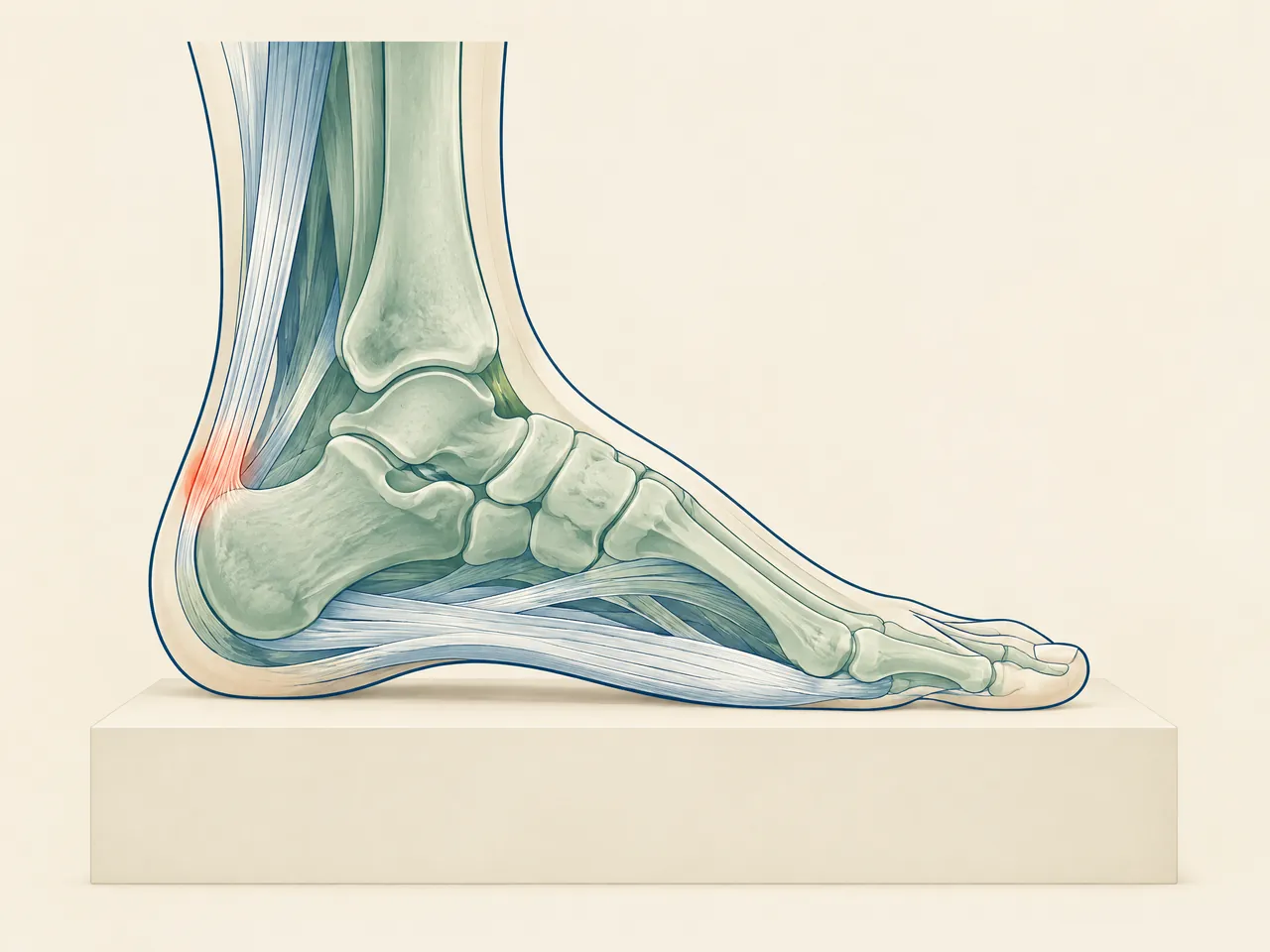
The short answer
Maybe. Plantar fasciitis commonly causes pain under the heel or into the arch that is strongest with the first steps after sleep or prolonged sitting, then may settle briefly as you move. Deep pain in the centre of the heel after long standing can fit a heel-pad problem, while burning, tingling or numbness needs assessment for a possible nerve issue. Foot pain alone cannot confirm the cause.
Transparent pricing
See the fees.
Choose your care.
Explore our complete official price list, including first-trial prices, regular prices, packages and branch-specific options.
Opening WhatsApp prepares an enquiry; it does not send a message, take payment or confirm an appointment. Suitability and individual arrangements are confirmed during consultation.
Pain care
All prices in HKDExtracorporeal shockwave treatment
Shockwave treatment for deep-tissue and fascial care. The Kwun Tong clinic offers the multi-area options shown below.
Priced by branch
Branch-specific pricing
Prince Edward: HK$250 per area
Kwun Tong: HK$250 for 1 area / HK$450 for 2 areas / HK$600 for 3 areas
Pain care (manual therapy)
Includes Chinese medicine musculoskeletal assessment, manual joint techniques and tui na.
HK$580 (single session)
Chinese medicine musculoskeletal assessment
Pain care (acupuncture and manual therapy)
Combines acupuncture and manual therapy.
HK$680 (single session)
Combined care
Hair and scalp
All prices in HKDScalp health and hair-loss management
Includes AI scalp analysis, deep scalp and follicle cleansing, and scalp oil-control care.
HK$380 (first trial)
Regular price: HK$680
- 6 sessions: HK$3,480 (HK$580 per session)
- 12 sessions: HK$5,760 (HK$480 per session)
- 20 sessions: HK$8,600 (HK$430 per session)
- 30 sessions: HK$11,400 (HK$380 per session)
Hair acupuncture and Chinese herbal medicine package
Includes scalp acupuncture and 3 days of Chinese herbal medicine that does not require decoction.
HK$580 (single session)
Registered Chinese Medicine Practitioner consultation
- 6 sessions: HK$3,180 (HK$530 per session)
- 12 sessions: HK$5,760 (HK$480 per session)
- 20 sessions: HK$8,600 (HK$430 per session)
- 30 sessions: HK$11,400 (HK$380 per session)
Combined hair and scalp treatment
Combines acupuncture and Chinese herbal medicine with salon-level scalp and follicle care. Packages include complimentary hair-care shampoo and serum.
HK$1,260 (single session)
Combined treatment
- 8 sessions: HK$8,640 (HK$1,080 per session)
- 16 sessions: HK$15,680 (HK$980 per session)
- 20 sessions: HK$18,600 (HK$930 per session)
- 30 sessions: HK$26,400 (HK$880 per session)
Weight management
All prices in HKDFull-body acupoint embedding for weight management
Includes full-body acupoint embedding. Packages include complimentary Chinese herbal medicine for weight management, with the number of included days scaled to the package. Embedding material and the individual treatment arrangement are confirmed during consultation; this is not a cosmetic thread lift.
HK$980 (single session)
No trial session
- 10 sessions: HK$7,800 (HK$780 per session)
- 20 sessions: HK$14,600 (HK$730 per session)
- 30 sessions: HK$20,400 (HK$680 per session)
Facial acupuncture
All prices in HKDFacial acupuncture (basic)
Includes facial acupuncture and meridian-based facial care, including care for facial puffiness.
HK$480 (first trial)
Regular price: HK$680
- 10 sessions: HK$5,200 (HK$520 per session)
- 20 sessions: HK$9,600 (HK$480 per session)
- 30 sessions: HK$13,500 (HK$450 per session)
Facial acupuncture (advanced)
Includes enhanced facial acupuncture with a specially formulated moisturising mask and serum.
HK$780 (first trial)
Regular price: HK$1,180
- 10 sessions: HK$9,000 (HK$900 per session)
- 20 sessions: HK$16,600 (HK$830 per session)
- 30 sessions: HK$23,400 (HK$780 per session)
Chinese medicine
All prices in HKDAcupuncture and Chinese herbal medicine package
Includes a Chinese medicine consultation with pulse assessment, body acupuncture and 3 days of Chinese herbal granules that do not require decoction.
HK$580 (single session)
Chinese medicine consultation with pulse assessment
Location and First-Step Pain Clues — is my foot pain plantar fasciitis | plantar fasciitis vs nerve pain | plantar fasciitis vs heel pad syndrome
Start with a map, not a label. Point with one finger to the most painful place after waking, after a work shift and after a walk. Plantar fasciitis often centres at the bottom of the heel, slightly toward the inner side, and may extend into the arch. The Hong Kong College of Orthopaedic Surgeons describes typical pain under the plantar heel that is worse with initial morning weight bearing or after prolonged sitting, may improve with walking, and can return after extended standing or walking [1]. This pattern is a useful clue, not a home test that confirms a diagnosis.
“First-step pain” describes timing, not severity. It may be a sharp jab on a tile floor after waking, or discomfort when rising after a long MTR journey, desk session or film. The NHS similarly notes pain that is worse when first walking after sleep or rest, improves briefly with movement, and may become worse after prolonged standing, walking or running [2]. Record whether that sequence really happens. Pain that is equally intense all day can still be important, but it gives an assessor a different starting point.
Location changes the questions worth asking. Centre-of-heel pain can differ from pain near the instep, along the arch, at the back of the heel or spreading into the toes. If your concern is pain in the arch of the foot, note whether the heel starts the episode, whether the arch itself is tender, and whether shoes, slopes or standing change it. A recent rise in running, court sport, hard-floor standing or walking may provide helpful context, but does not prove the cause.
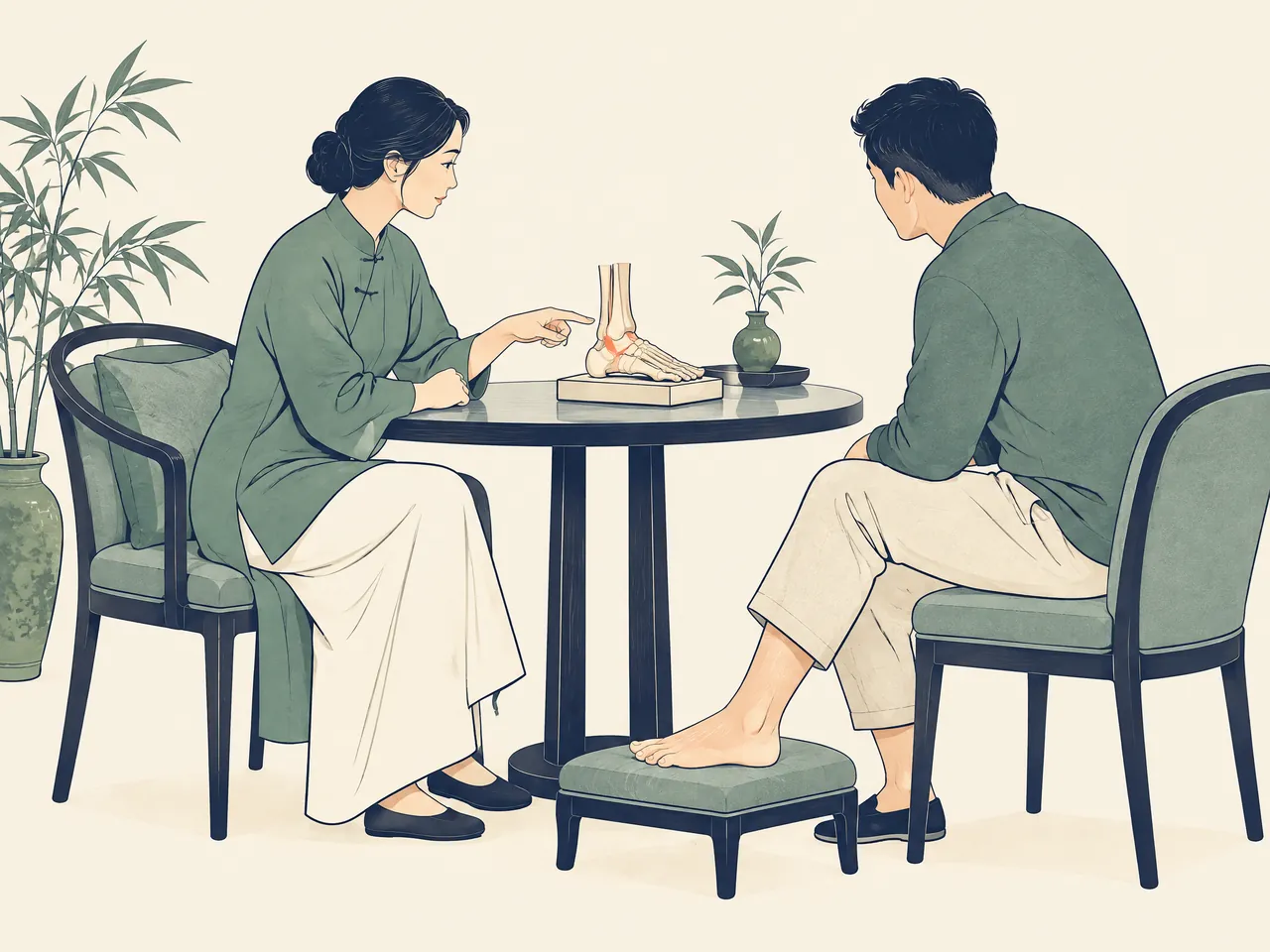
Heel and Arch Patterns — is my foot pain plantar fasciitis | plantar fasciitis vs nerve pain | plantar fasciitis vs heel pad syndrome
A plantar fascia pattern often feels close to the inner heel or the first part of the arch, especially when weight bearing resumes after rest. Lifting the toes or stretching the sole can create a pull in some people, but deliberately provoking pain cannot diagnose the condition. The more useful combination is a local heel or arch area, difficult first steps and a load-related return of symptoms. AAOS notes that assessment considers maximum tenderness and also checks for other causes, including heel stress injury and plantar nerve entrapment [5].
Start with practical basics rather than a dramatic explanation. Supportive, well-fitting shoes may feel better than thin, worn or backless footwear on hard surfaces. This guide to how do I know if I have plantar fasciitis can help organise observations without turning them into a self-diagnosis checklist. If pressure creates severe pain, symptoms are rapidly escalating, or normal steps are difficult, stop testing the foot and seek prompt clinical advice.
Why Pain After Rest Matters — is my foot pain plantar fasciitis | plantar fasciitis vs nerve pain | plantar fasciitis vs heel pad syndrome
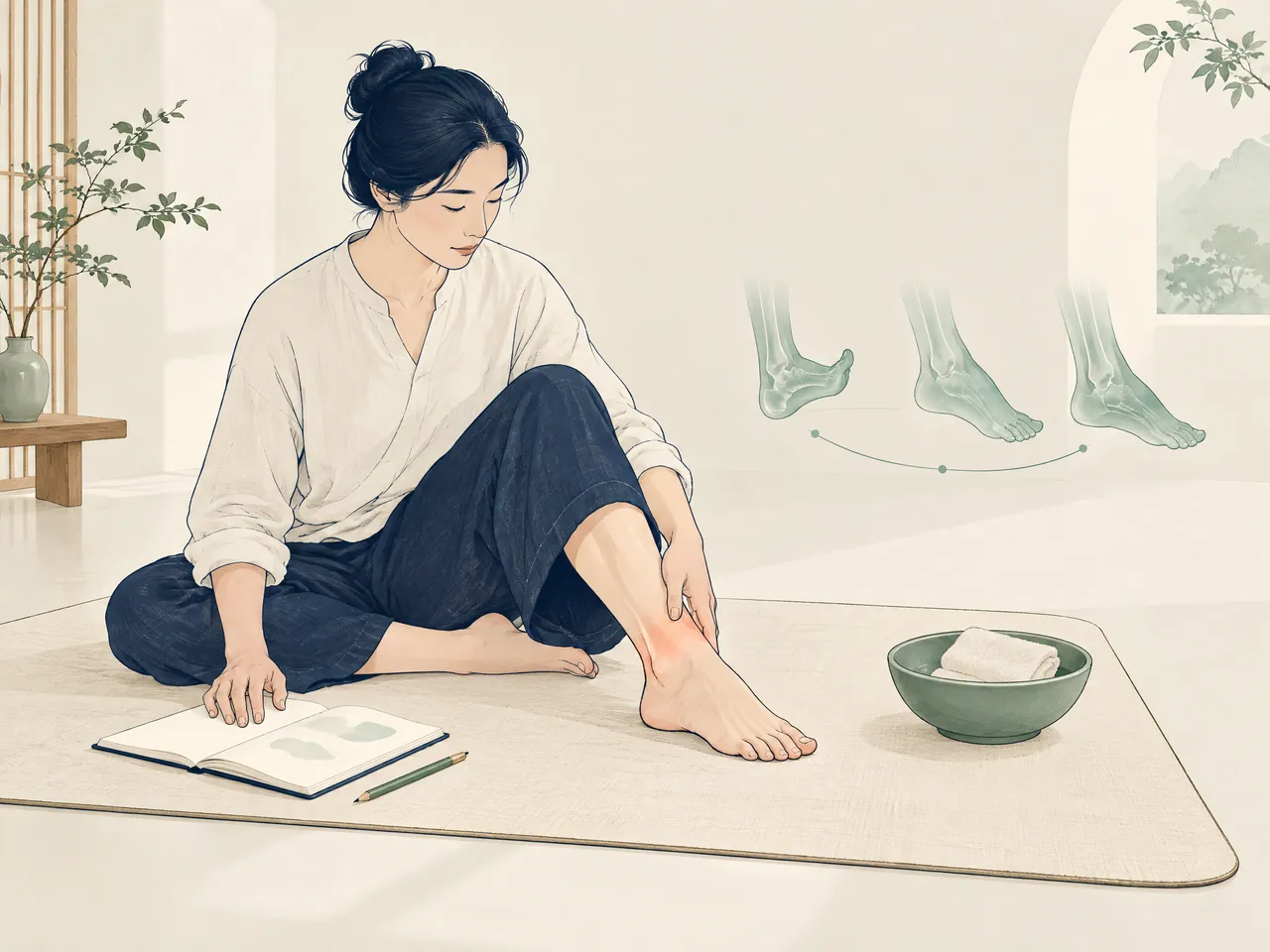
Pain after rest is useful because it is repeatable. Overnight, or during a long seated period, the foot is not doing its usual repeated loading. The first return to loading may therefore make a plantar fascia problem conspicuous. Record whether the first steps are sharper, how long any easing lasts and whether standing later brings symptoms back. A phone note over several days is enough; no special equipment is needed.
A temporary improvement with movement is not permission to overload the foot. A Hong Kong day may include stairs, platform changes, a standing shift and a walk home; the total load can matter more than one exercise session. Consider spacing demanding tasks, shortening a route if symptoms rise, and choosing lower-impact activity while the cause is assessed. The NHS advises avoiding long periods of walking or standing when plantar fasciitis is painful and lists gentle exercises and supportive footwear as self-care options [2].
Compare your options
| Pattern to notice | May fit plantar fasciitis more closely | May suggest another assessment focus | Helpful next step |
|---|---|---|---|
| Exact location | Under the inner heel or into the arch | Deep centre-of-heel pain may fit a heel-pad pattern; pain spreading toward toes or from inside ankle may need nerve assessment | Mark the one-finger most painful point and tell the clinician |
| After rest | Sharpest on the first steps after sleep or prolonged sitting, then briefly easier | No first-step pattern, or pain that is prominent at rest or night, needs wider consideration | Record what happens after waking and after sitting |
| Sensation | Local sharp, stabbing, pulling or sore heel/arch pain with loading | Burning, shooting pain, tingling or numbness can indicate a nerve-related issue | Seek assessment promptly for sensory loss or progressive symptoms |
| Standing and surfaces | Symptoms may return after prolonged standing, walking or running | Central bruise-like heel pain that worsens on hard surfaces or barefoot can fit heel-pad loading | Reduce provoking load and review footwear while arranging advice if needed |
| Activity history | Symptoms following a rise in impact activity or time on feet can be relevant | Sudden severe pain after injury, inability to bear weight or marked swelling requires urgent evaluation | Describe recent changes, injuries and medical conditions accurately |
On smaller screens, scroll the table sideways to compare all columns.
Compare Sensations and Triggers — is my foot pain plantar fasciitis | plantar fasciitis vs nerve pain | plantar fasciitis vs heel pad syndrome
When comparing plantar fasciitis vs nerve pain, consider sensation as well as location. Plantar fascia pain is often sharp, stabbing, pulling or sore with loading. Nerve-related symptoms can include burning, shooting, pins and needles, altered sensation or numbness. People use pain words differently, so no description can diagnose a nerve problem at home. Still, including “burning?” and “numb?” in a symptom diary can keep important clues from being lost in a broad description of heel pain.
Tarsal tunnel syndrome is one nerve-related example: the posterior tibial nerve is compressed near the inside ankle. Johns Hopkins Medicine lists shooting pain, tingling, numbness and burning in the foot among its possible symptoms [3]. This does not mean everyone with tingling has tarsal tunnel syndrome. Persistent sensory change deserves assessment rather than another stretch. Report whether symptoms travel into toes, occur at rest, wake you, or are joined by weakness or a changed walking pattern.
The comparison table is a conversation guide, not a diagnostic scorecard. Symptoms may not fall neatly into one column, and more than one problem can coexist. It turns the question “is my foot pain plantar fasciitis?” into useful observations: exact site, timing, sensation and loading context. These details help a clinician decide what needs examination and whether other causes need to be considered.
Burning, Tingling and Numbness — is my foot pain plantar fasciitis | plantar fasciitis vs nerve pain | plantar fasciitis vs heel pad syndrome
Burning or tingling should shift the focus from stretching harder to getting the whole picture. Notice whether it stays in one small sole area, crosses the arch, reaches the toes or begins near the inside ankle. Also note whether shoes, ankle position, swelling, an old ankle injury or a long period on your feet changes it. These are observations, not conclusions. Repeatedly squeezing or tapping a sensitive area to prove a theory may irritate it and make the pattern harder to read.
Urgency depends on the whole situation. The NHS advises medical assessment for foot pain with tingling or loss of feeling, and says people with diabetes and foot pain should seek advice because problems may be more serious [2]. Seek prompt medical care for an inability to bear weight, major swelling after injury, a hot or red foot with systemic illness, a wound, or suddenly worsening symptoms. These are safety signals, not proof of one diagnosis.
Activity Changes and Assessment — is my foot pain plantar fasciitis | plantar fasciitis vs nerve pain | plantar fasciitis vs heel pad syndrome
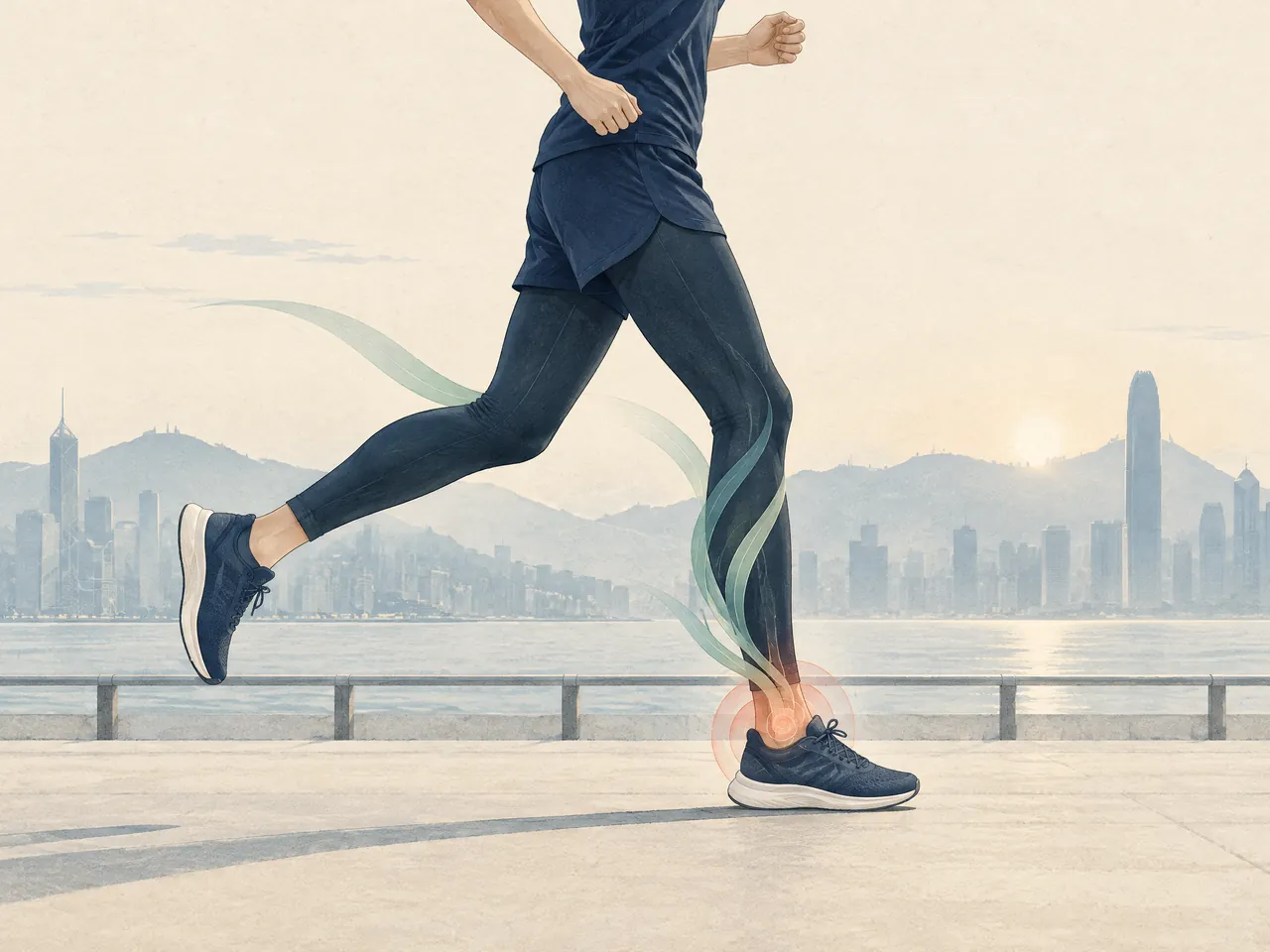
Before an appointment, ask four practical questions: What changed before pain began? Which activity brings it on? Does it fade after rest or occur at rest? What footwear or surface is involved? A runner may connect pain with a sudden mileage rise; a retail worker may notice extra standing; another person may link it to a change in shoes. AAOS lists new or increased activity, repetitive high-impact activity and prolonged standing on hard surfaces among factors associated with plantar fasciitis [5]. Associations frame a discussion; they do not decide a diagnosis.
Assessment commonly begins with the story and an examination of location, movement, tenderness, footwear and gait. Imaging is not automatic for every painful heel, but may be used when the history or examination points to another issue. Mention prior injury, diabetes, inflammatory conditions, medicines and past injections or surgery. A Registered Chinese Medicine Practitioner can discuss symptoms, activity and a traditional assessment alongside your goals, but this should not delay medical evaluation of numbness, trauma or other warning signs.
Heel Cushioning and Load Patterns — is my foot pain plantar fasciitis | plantar fasciitis vs nerve pain | plantar fasciitis vs heel pad syndrome
Plantar fasciitis vs heel pad syndrome can be considered as a fascia-load pattern versus a cushioning-load pattern. Heel fat pad syndrome involves the tissue that cushions the heel. Cleveland Clinic describes deep or bruise-like pain in the middle of the heel that can be reproduced by firm pressure and tends to worsen with long standing, walking, high-impact activity or barefoot walking on hard surfaces [4]. Plantar fasciitis pain is often nearer the inner heel or arch and is notable for first steps after rest. They can occur together, so this comparison is a prompt for assessment, not a rule-out test.
Surface and footwear can expose the difference. Central heel pain may be particularly noticeable on concrete, tiles or hard floors, whereas a first-step fascia pattern can be most apparent in the morning transition. Shoes with adequate cushioning and a stable fit may feel better than slippers, flip-flops or soles that are worn down. An insole or heel cup may be worth discussing with a qualified foot professional if a specific load pattern is identified. The most expensive insert is not automatically the right choice for every heel pain.
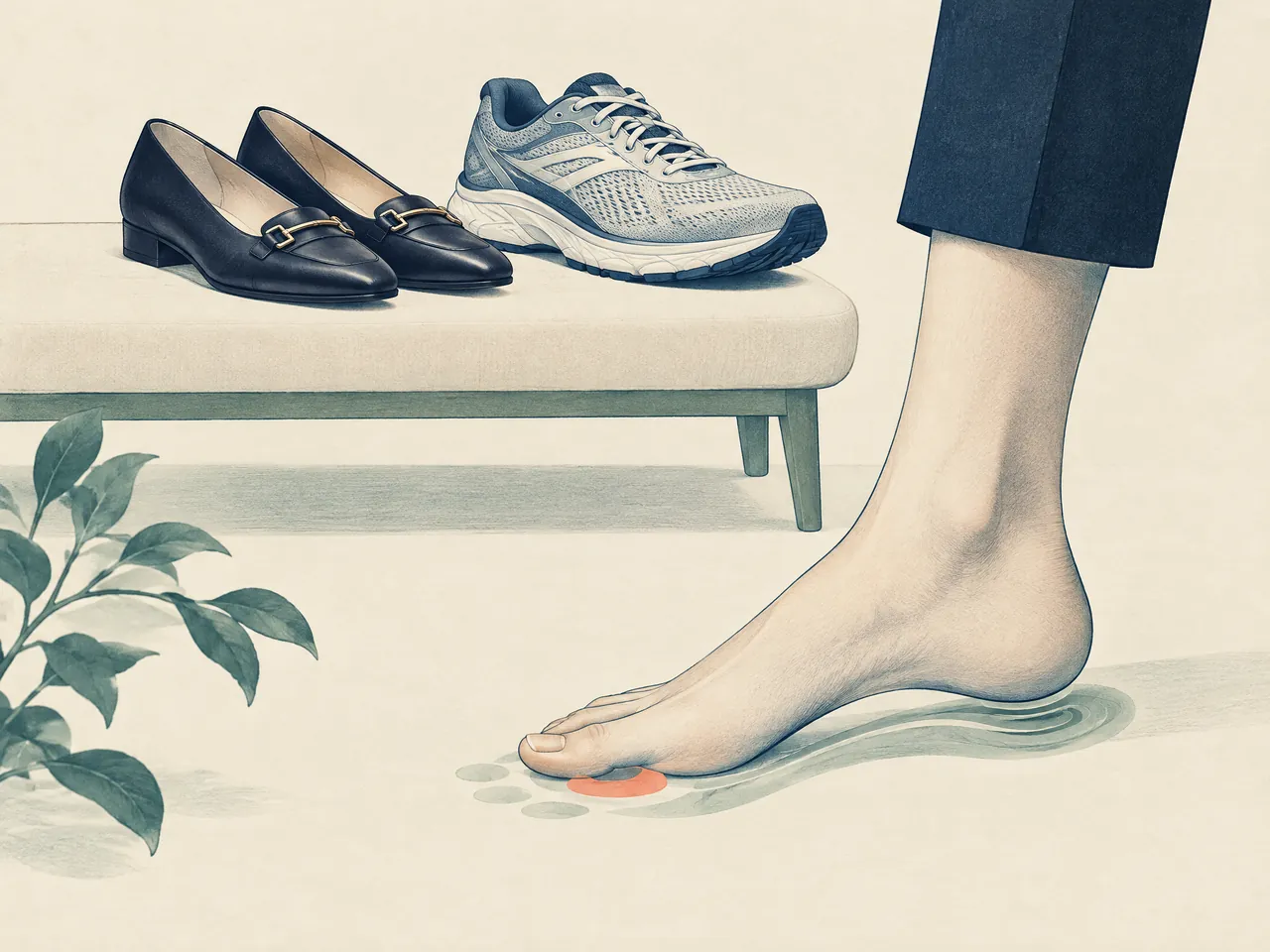
Use proportionate load adjustment rather than complete rest for weeks. Reduce the movement that reliably escalates pain, then keep general activity within a tolerable range where appropriate. A gradual return is easier to judge when you alter one factor at a time: route length, time standing, impact, surface or shoe. If a plantar fascia stretch feels sharp rather than gently lengthening, stop and seek advice about technique and suitability. The aim is not to “break up” pain but to avoid repeatedly exceeding the foot’s present capacity.
Standing and Walking Clues — is my foot pain plantar fasciitis | plantar fasciitis vs nerve pain | plantar fasciitis vs heel pad syndrome
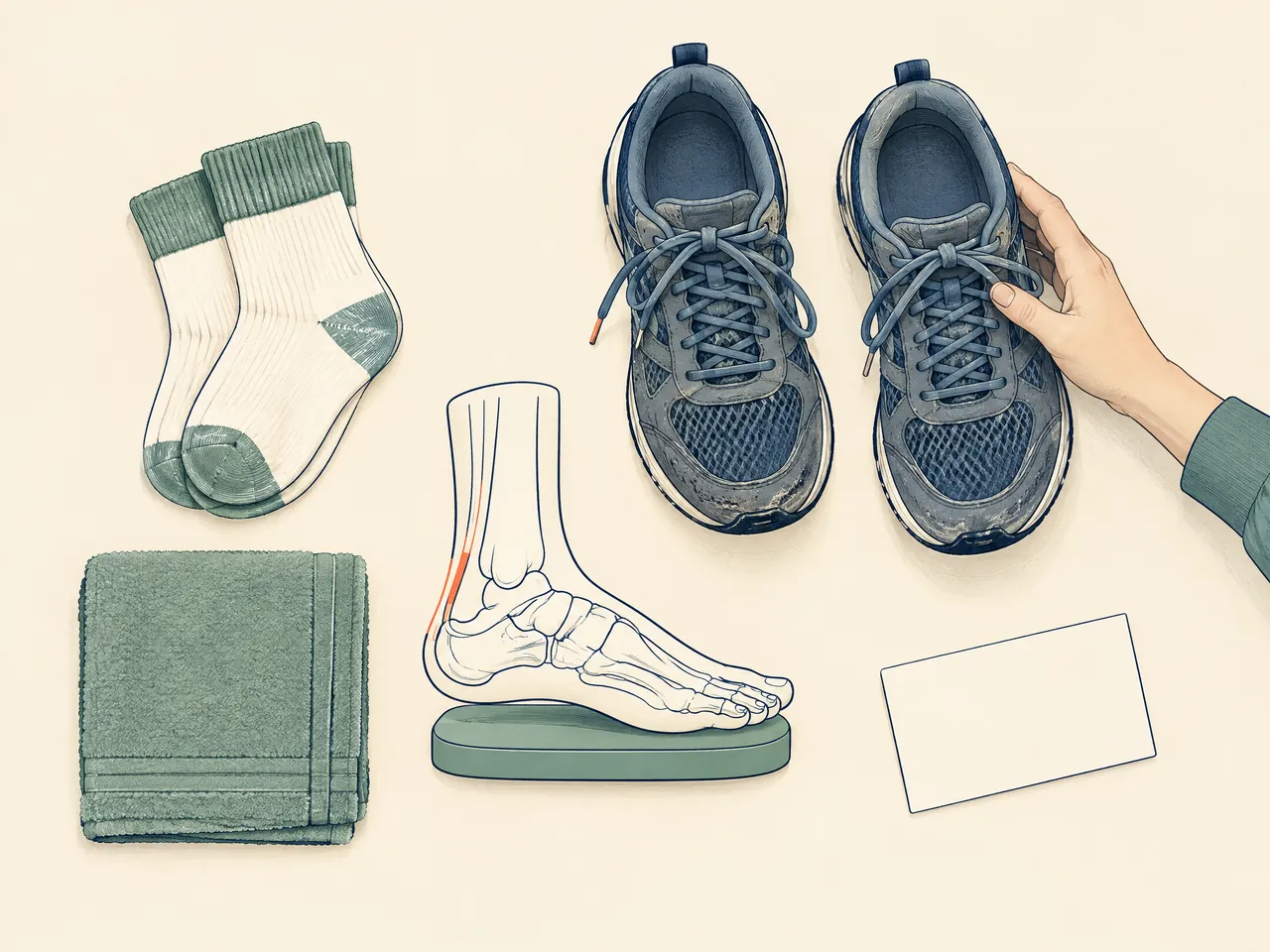
Observe the dose of standing and walking, not just whether you did either. Note the time before pain begins on a workday, whether a seated break changes it, whether stairs alter it, and whether pain rebounds that evening or next morning. Central heel pain that steadily builds during a long shift, especially barefoot or on hard ground, supports a heel-pad discussion. First-step pain that eases briefly but returns with accumulated loading is another pattern. A timeline is more useful than guessing from one painful day.
Small environmental changes can make the observation period easier. Avoid bare feet on hard surfaces if that is a clear trigger. Choose shoes that fit securely and provide enough sole protection for the day’s walking. Keep a supportive pair at work if you regularly change footwear, and plan recovery time after high-impact sport instead of adding extra sessions to test the heel. These steps do not promise a cure; they reduce avoidable provocation while you monitor symptoms and arrange assessment if needed.
Practical Care and When to Get Help — is my foot pain plantar fasciitis | plantar fasciitis vs nerve pain | plantar fasciitis vs heel pad syndrome
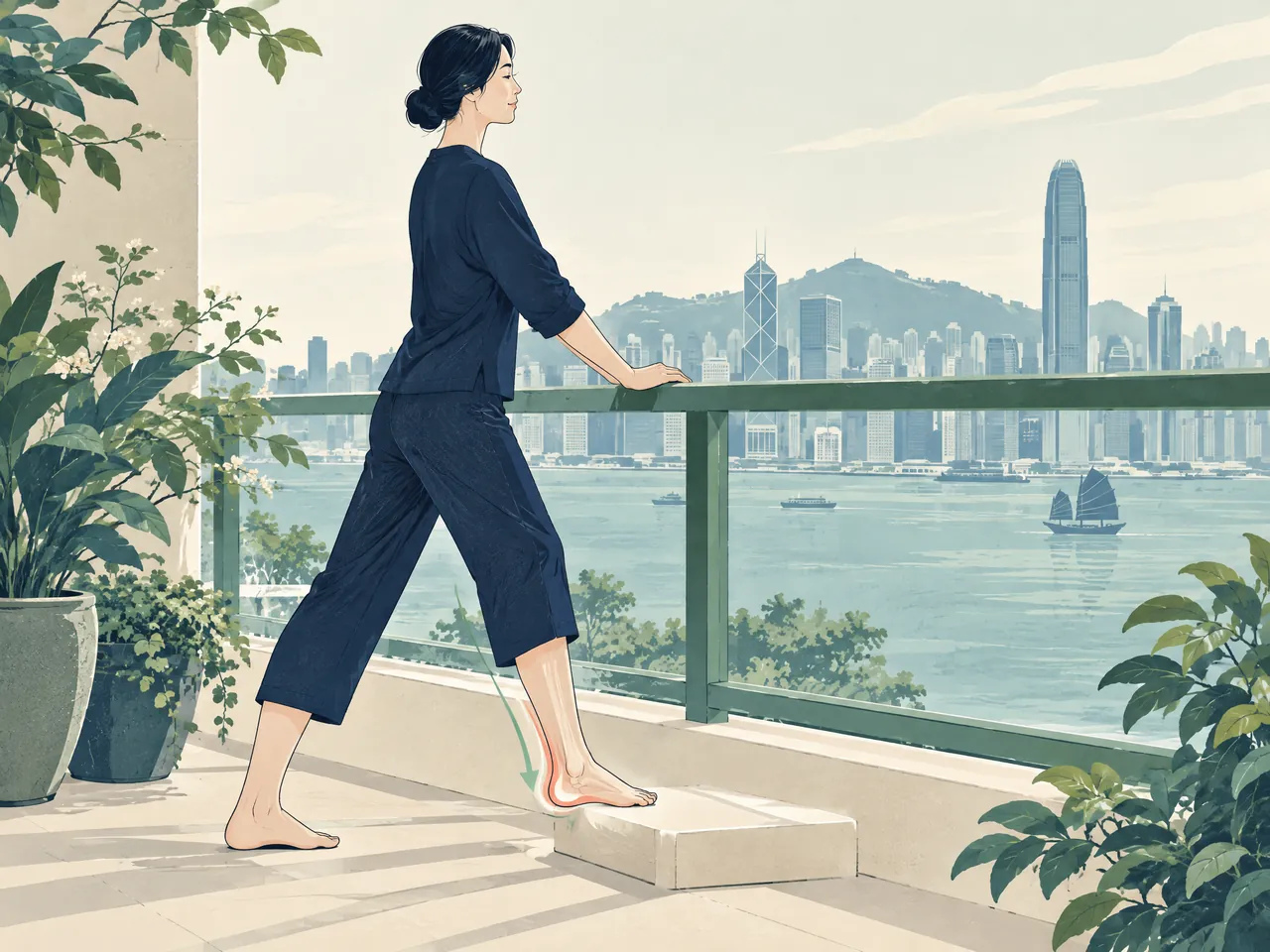
For a mild, familiar first-step pattern without warning signs, begin with a short, consistent plan: reduce the activity that spikes pain, avoid long unbroken standing where possible, use supportive shoes, and use gentle calf and sole mobility only if comfortable. Our guide to plantar fasciitis exercises can help you prepare questions about form and pacing. Judge the trend over days, not after one stretch. Seek medical, podiatry or physiotherapy assessment if pain is severe, stops ordinary activities, worsens, recurs, or does not improve with self-care [2].
To discuss Chinese medicine support after considering these safety points, WhatsApp TCM Lab on +852 6940 5663 with the location, first-step pattern, sensation and relevant diagnoses. Appointments can be arranged at the Chinese medicine clinic Prince Edward or Kwun Tong Chinese medicine clinic, subject to availability. Review the Chinese medicine clinic price list Hong Kong before enquiring. Ask about language needs when messaging so arrangements can be confirmed, and do not delay urgent medical care while waiting for an appointment.
Care and health guide
Foot discomfort: care information
This directory brings together services, reading, and visit information related to foot discomfort, to help you prepare questions for a consultation.
When foot discomfort affects your day, noting when it occurs, its relation to activity, and what you have already tried can help prepare a consultation; acupuncture for foot pain is a relevant service or reading entry point.
Individual circumstances differ, and acupuncture Hong Kong offers related information to help you understand options and prepare questions.


Your questions, answered
Frequently asked questions
Is my foot pain plantar fasciitis if it hurts most in the morning?
It may be, especially when pain is under the heel or extends into the arch and is sharpest with the first steps after sleeping or prolonged sitting. Morning pain is not diagnostic on its own. The exact tender spot, sensation, activity pattern, footwear, injury history and any numbness or tingling also need consideration.
How can I compare plantar fasciitis vs nerve pain?
Plantar fasciitis often follows a local heel or arch, first-step and load-related pattern. Nerve-related pain may be burning, shooting, tingling or numb, and may spread toward the toes or relate to the inside ankle. There is overlap, so persistent sensory changes, weakness or worsening symptoms should be assessed rather than treated as a home diagnosis.
What helps distinguish plantar fasciitis vs heel pad syndrome?
Plantar fasciitis is often closer to the inner heel or arch and is notable for first steps after rest. Heel-pad syndrome may feel like deep, bruise-like pain in the centre of the heel and can build with long standing, walking, impact or barefoot time on hard surfaces. Both patterns can occur together, so an examination may be needed.
Should I stretch or walk through heel pain?
Do not force a stretch or a long walk simply because the heel loosens briefly. Reduce the activity that predictably worsens pain, wear supportive shoes and use gentle movement only if it is comfortable. Seek assessment for severe pain, inability to bear weight, numbness, progressive symptoms, a wound, notable swelling or diabetes with foot pain.
Sources and further information
- [1] Hong Kong College of Orthopaedic Surgeons: Plantar Fasciitis
Referenced for: Supports the Hong Kong clinical description of plantar-heel location, first-step pain after morning or prolonged sitting, and conservative-care terms.
- [2] NHS: Plantar fasciitis
Referenced for: Supports symptom timing, sensible self-care, and advice on when to seek medical assessment.
- [3] Johns Hopkins Medicine: Tarsal Tunnel Syndrome
Referenced for: Supports the cautious description of shooting pain, burning, tingling and numbness as possible symptoms of tibial-nerve compression.
- [4] Cleveland Clinic: Heel Fat Pad Syndrome
Referenced for: Supports the comparison of central, deep heel-pad pain with prolonged standing, walking, impact and hard surfaces.
- [5] American Academy of Orthopaedic Surgeons: Plantar Fasciitis and Bone Spurs
Referenced for: Supports differential assessment considerations, activity-related factors, stretching and supportive-footwear discussion.