
TCM Lab · Health reading
Why do I get acne before my period? How can I prevent breakouts before my period? Should I pop an inflamed pimple before my period?
Published Updated
A spot that arrives just before your period can feel predictable, frustrating and impossible to hide. Cycle-related hormone changes can be part of the picture, but timing by itself does not diagnose a hormone condition. More oil, blocked pores, stress, disrupted sleep, hair or skin products, face touching and friction can overlap. The useful response is not aggressive scrubbing or squeezing: notice the pattern for several cycles, keep care gentle, and get medical advice promptly when lesions are deep, painful, widespread, persistent or beginning to scar.
Appointments are confirmed through WhatsApp. If you have language requirements, please mention them in your enquiry.
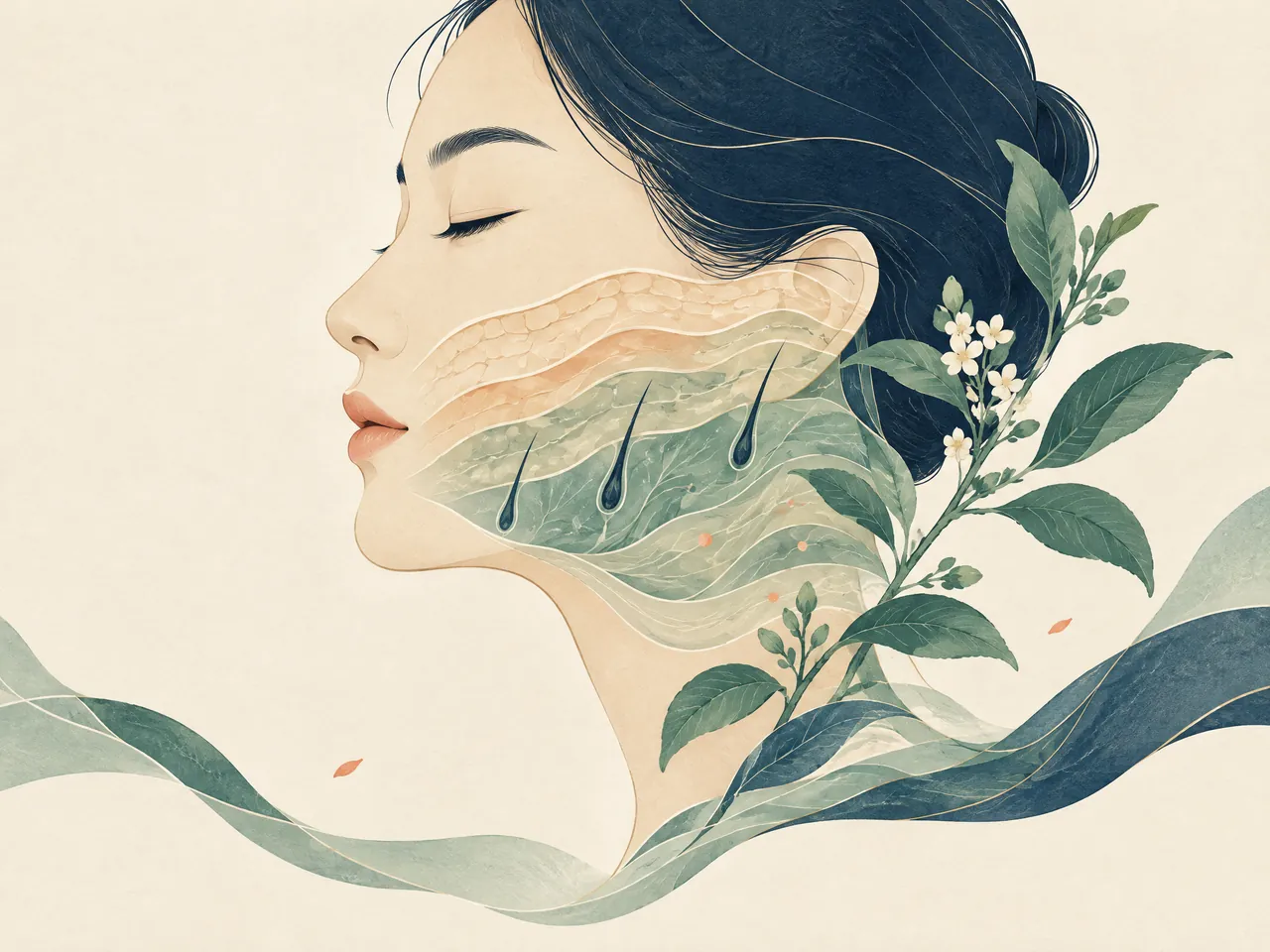
The short answer
Pre-period acne can occur when normal menstrual-cycle hormone changes affect oil production, while sleep, stress, friction and unsuitable products may add to the flare. Track when spots begin, where they occur and how they behave; use gentle, non-comedogenic care; and do not pop an inflamed pimple. A family doctor, dermatologist or gynaecology clinician can assess persistent, deep or scarring acne, especially when periods are very irregular or other symptoms are present.
Transparent pricing
See the fees.
Choose your care.
Explore our complete official price list, including first-trial prices, regular prices, packages and branch-specific options.
Opening WhatsApp prepares an enquiry; it does not send a message, take payment or confirm an appointment. Suitability and individual arrangements are confirmed during consultation.
Chinese medicine
All prices in HKDAcupuncture and Chinese herbal medicine package
Includes a Chinese medicine consultation with pulse assessment, body acupuncture and 3 days of Chinese herbal granules that do not require decoction.
HK$580 (single session)
Chinese medicine consultation with pulse assessment
Hair and scalp
All prices in HKDScalp health and hair-loss management
Includes AI scalp analysis, deep scalp and follicle cleansing, and scalp oil-control care.
HK$380 (first trial)
Regular price: HK$680
- 6 sessions: HK$3,480 (HK$580 per session)
- 12 sessions: HK$5,760 (HK$480 per session)
- 20 sessions: HK$8,600 (HK$430 per session)
- 30 sessions: HK$11,400 (HK$380 per session)
Hair acupuncture and Chinese herbal medicine package
Includes scalp acupuncture and 3 days of Chinese herbal medicine that does not require decoction.
HK$580 (single session)
Registered Chinese Medicine Practitioner consultation
- 6 sessions: HK$3,180 (HK$530 per session)
- 12 sessions: HK$5,760 (HK$480 per session)
- 20 sessions: HK$8,600 (HK$430 per session)
- 30 sessions: HK$11,400 (HK$380 per session)
Combined hair and scalp treatment
Combines acupuncture and Chinese herbal medicine with salon-level scalp and follicle care. Packages include complimentary hair-care shampoo and serum.
HK$1,260 (single session)
Combined treatment
- 8 sessions: HK$8,640 (HK$1,080 per session)
- 16 sessions: HK$15,680 (HK$980 per session)
- 20 sessions: HK$18,600 (HK$930 per session)
- 30 sessions: HK$26,400 (HK$880 per session)
Weight management
All prices in HKDFull-body acupoint embedding for weight management
Includes full-body acupoint embedding. Packages include complimentary Chinese herbal medicine for weight management, with the number of included days scaled to the package. Embedding material and the individual treatment arrangement are confirmed during consultation; this is not a cosmetic thread lift.
HK$980 (single session)
No trial session
- 10 sessions: HK$7,800 (HK$780 per session)
- 20 sessions: HK$14,600 (HK$730 per session)
- 30 sessions: HK$20,400 (HK$680 per session)
Facial acupuncture
All prices in HKDFacial acupuncture (basic)
Includes facial acupuncture and meridian-based facial care, including care for facial puffiness.
HK$480 (first trial)
Regular price: HK$680
- 10 sessions: HK$5,200 (HK$520 per session)
- 20 sessions: HK$9,600 (HK$480 per session)
- 30 sessions: HK$13,500 (HK$450 per session)
Facial acupuncture (advanced)
Includes enhanced facial acupuncture with a specially formulated moisturising mask and serum.
HK$780 (first trial)
Regular price: HK$1,180
- 10 sessions: HK$9,000 (HK$900 per session)
- 20 sessions: HK$16,600 (HK$830 per session)
- 30 sessions: HK$23,400 (HK$780 per session)
Pain care
All prices in HKDExtracorporeal shockwave treatment
Shockwave treatment for deep-tissue and fascial care. The Kwun Tong clinic offers the multi-area options shown below.
Priced by branch
Branch-specific pricing
Prince Edward: HK$250 per area
Kwun Tong: HK$250 for 1 area / HK$450 for 2 areas / HK$600 for 3 areas
Pain care (manual therapy)
Includes Chinese medicine musculoskeletal assessment, manual joint techniques and tui na.
HK$580 (single session)
Chinese medicine musculoskeletal assessment
Pain care (acupuncture and manual therapy)
Combines acupuncture and manual therapy.
HK$680 (single session)
Combined care
Why do I get acne before my period? How can I prevent breakouts before my period? Should I pop an inflamed pimple before my period? — Understanding the pattern
Why do I get acne before my period? For some people, the days leading up to bleeding are when tender papules, whiteheads or deeper bumps return. Hormones fluctuate throughout the menstrual cycle, and changes in sebum, the skin's oil, can contribute to acne formation. Cleveland Clinic notes that menstrual breakouts commonly appear on the lower face but can also occur on the cheeks, neck, shoulders or back; the timing and duration vary from person to person. [1] A repeated pre-period pattern is therefore a useful observation, not proof that every spot has one cause.
Acne begins with a mixture of processes inside the follicle: oil and dead skin can contribute to a blocked pore, and inflammation can make a lesion red, swollen or sore. Cycle timing may be one influence on that mixture. A flare can also coincide with a busy work week, a change in sleep, sweat under a mask or helmet, hair products touching the face, a new cosmetic, or repeatedly resting a hand on the jaw. Looking for overlap prevents the unhelpful conclusion that you have somehow caused a normal skin problem through one food or one missed night of rest.
The word hormonal is often used as shorthand for lower-face acne, but it is not a diagnosis. If you want a wider explanation of the language and pattern, read hormonal acne alongside your own record. A pattern that is genuinely cyclical tends to recur in a similar phase, but it may still look different each month. The aim of tracking is to describe what happens accurately enough for you and a clinician to decide what deserves attention.
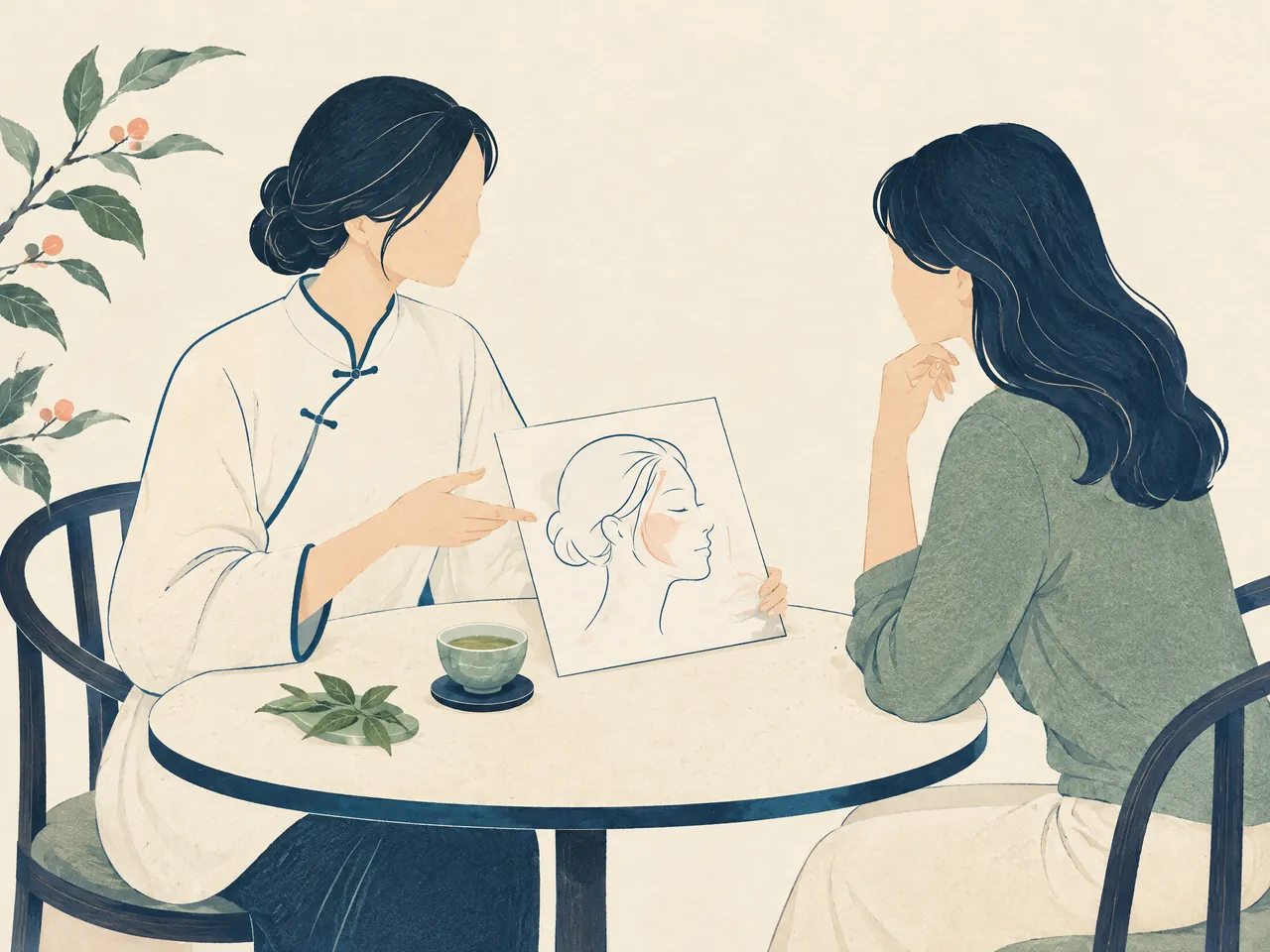
Why do I get acne before my period? How can I prevent breakouts before my period? Should I pop an inflamed pimple before my period? — Cycle-related changes and other triggers
Start by separating association from certainty. If lesions reliably begin before a period and ease afterwards, cycle-related changes may be contributing. If a breakout appears at random times as well, consider what else changed: a heavier fringe or hair oil on the cheeks, a tight chin strap, a new sunscreen, a richer makeup base, a stressful deadline, travel, or skipped cleansing after exercise. None of these observations replaces an assessment; they simply turn a vague complaint into a useful timeline.
The visible type matters too. Small surface bumps, blackheads, pustules and deep tender nodules do not call for the same assumptions. A hard, sore bump without a head is not an invitation to dig at the skin. Nor does a jawline spot automatically mean an endocrine disorder. The related question Is chin acne always hormonal? is worth asking because location, timing and symptoms must be considered together. Tell a clinician about markedly irregular periods, new excess facial or body hair, sudden severe acne or other changes that concern you.
Why do I get acne before my period? How can I prevent breakouts before my period? Should I pop an inflamed pimple before my period? — What to record each month
Use one notes page or calendar for at least several cycles. Mark the first and last day of bleeding, then add the day each flare begins, its main sites, and whether lesions are itchy, painful, red, pus-filled, deep or leaving a mark. A quick photo in the same lighting can be more useful than trying to remember severity later. Also note new medicines or contraceptive changes only as facts to discuss with the clinician who prescribed them; do not stop or start them solely because of a breakout.
Add ordinary-life details without turning the diary into a test of perfect behaviour. Note major sleep disruption, high stress, prolonged mask or helmet use, sweating, hair removal, and any new cleanser, moisturiser, sunscreen, makeup or hair product. Write down what you actually applied to a painful spot, including how often, because repeated exfoliation or several new actives at once can muddy the picture. This preparation is useful whether you pursue conventional dermatology care or ask for a TCM acne assessment.
Compare your options
| What you notice | What to record or do | Why it helps at an appointment |
|---|---|---|
| Spots appear before bleeding | Mark the first tender or raised day and the first day of bleeding | Shows whether timing repeats across cycles |
| A chin or jawline flare | Note exact sites, lesion type, pain and any mask, hair or hand contact | Avoids assuming location alone explains the cause |
| New product or routine | Write product name, date started and how often it was used | Makes irritation or congestion easier to discuss |
| Deep, painful or recurrent lesions | Do not squeeze; record duration, swelling and any marks or texture changes | Highlights when clinical assessment should be prioritised |
| Irregular cycles or other body changes | Record the change and raise it with an appropriate medical clinician | Supports a fuller review beyond skin-care choices |
On smaller screens, scroll the table sideways to compare all columns.
Why do I get acne before my period? How can I prevent breakouts before my period? Should I pop an inflamed pimple before my period? — Practical daily care
How can I prevent breakouts before my period? No routine can guarantee that a cycle-related flare will never occur, but a steady, low-irritation routine reduces avoidable variables. Think of the premenstrual week as a time to keep the basics consistent, not a time to launch five new products or scrub harder. Use products that suit your skin and follow directions on any acne medicine. If a product stings, peels or leaves the skin markedly dry, do not keep layering more products in an attempt to overpower the breakout.
A label such as non-comedogenic means the product is designed not to clog pores; it does not promise that every person's skin will react the same way. Cleveland Clinic includes non-comedogenic face, makeup and hair products among measures that may lower the risk of period breakouts. [1] Choose one change at a time where possible. That gives you a chance to notice whether a new product feels comfortable and whether it coincides with congestion or irritation, rather than guessing after changing an entire shelf.
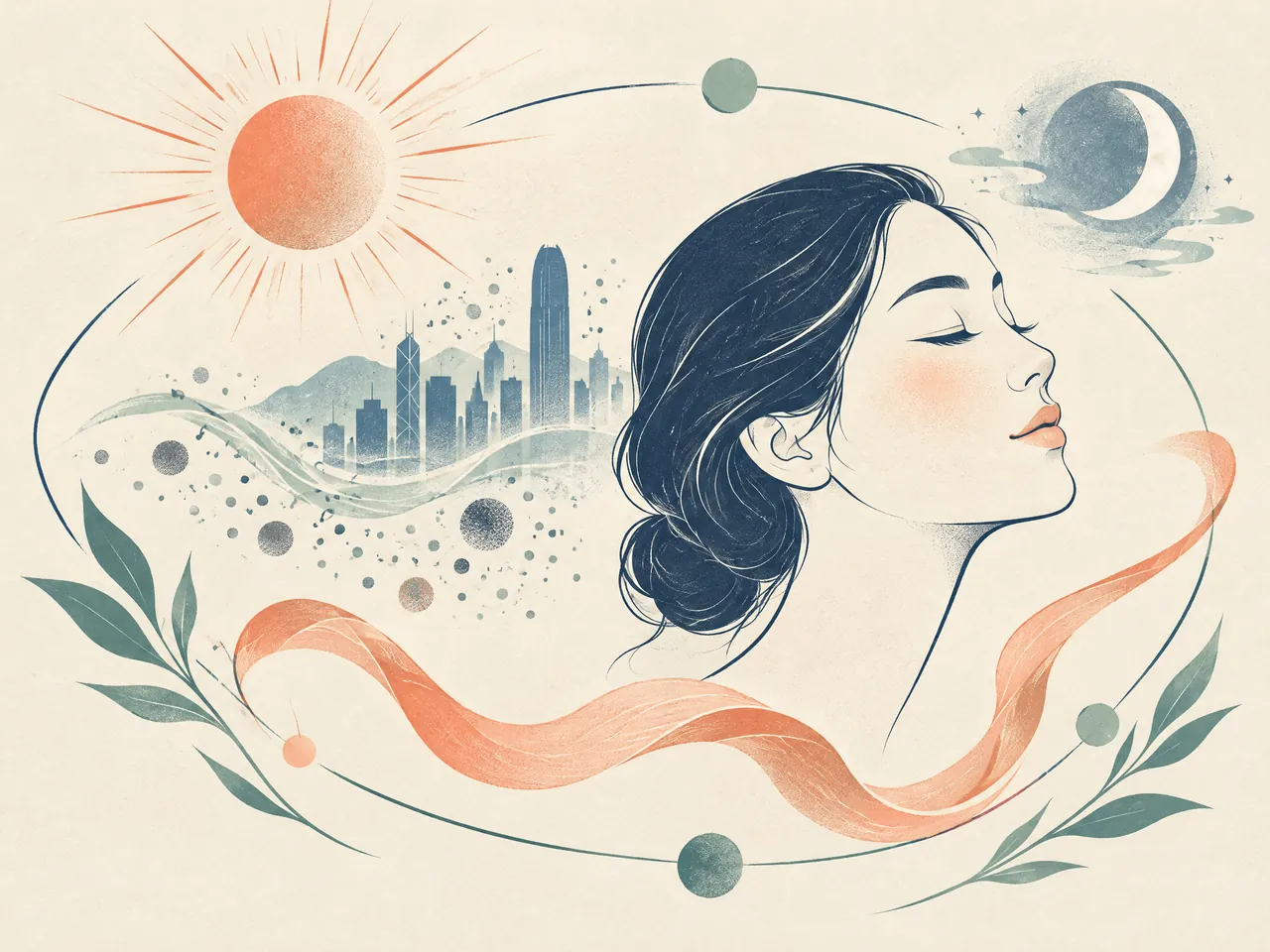
Should I pop an inflamed pimple before my period? The short answer is no. Squeezing can push contents deeper, increase inflammation and expose the area to bacteria from the hands. The American Academy of Dermatology warns that do-it-yourself popping can lead to more painful or noticeable acne, infection and permanent scars. [3] Hands away from the face, less friction and a calm routine are usually kinder to an angry lesion than trying to make it disappear overnight.

Why do I get acne before my period? How can I prevent breakouts before my period? Should I pop an inflamed pimple before my period? — Gentle cleansing and non-comedogenic products
Gentle does not mean doing nothing. Cleanse in a way that removes daily sunscreen, makeup and surface oil without abrasive cloths, harsh scrubs or repeated washing intended to make skin feel squeaky. Rinse, pat dry and apply products with clean hands. A lightweight moisturiser can still have a place in acne-prone care, especially if dryness makes you more likely to abandon a prescribed or over-the-counter routine. Keep hair products off the forehead, cheeks and pillowcases where practical, and avoid testing several strong actives in the same pre-period week.
For a single inflamed spot, resist pinching, pressing and picking at the mirror. Avoid using household tools or needles. If pain, swelling or a deep bump is troubling, a pharmacist or clinician can help you decide whether an over-the-counter approach is appropriate for you or whether examination is wiser. The goal is to prevent extra trauma. A pimple that is repeatedly squeezed may look like a stubborn acne problem partly because the skin is being repeatedly injured.
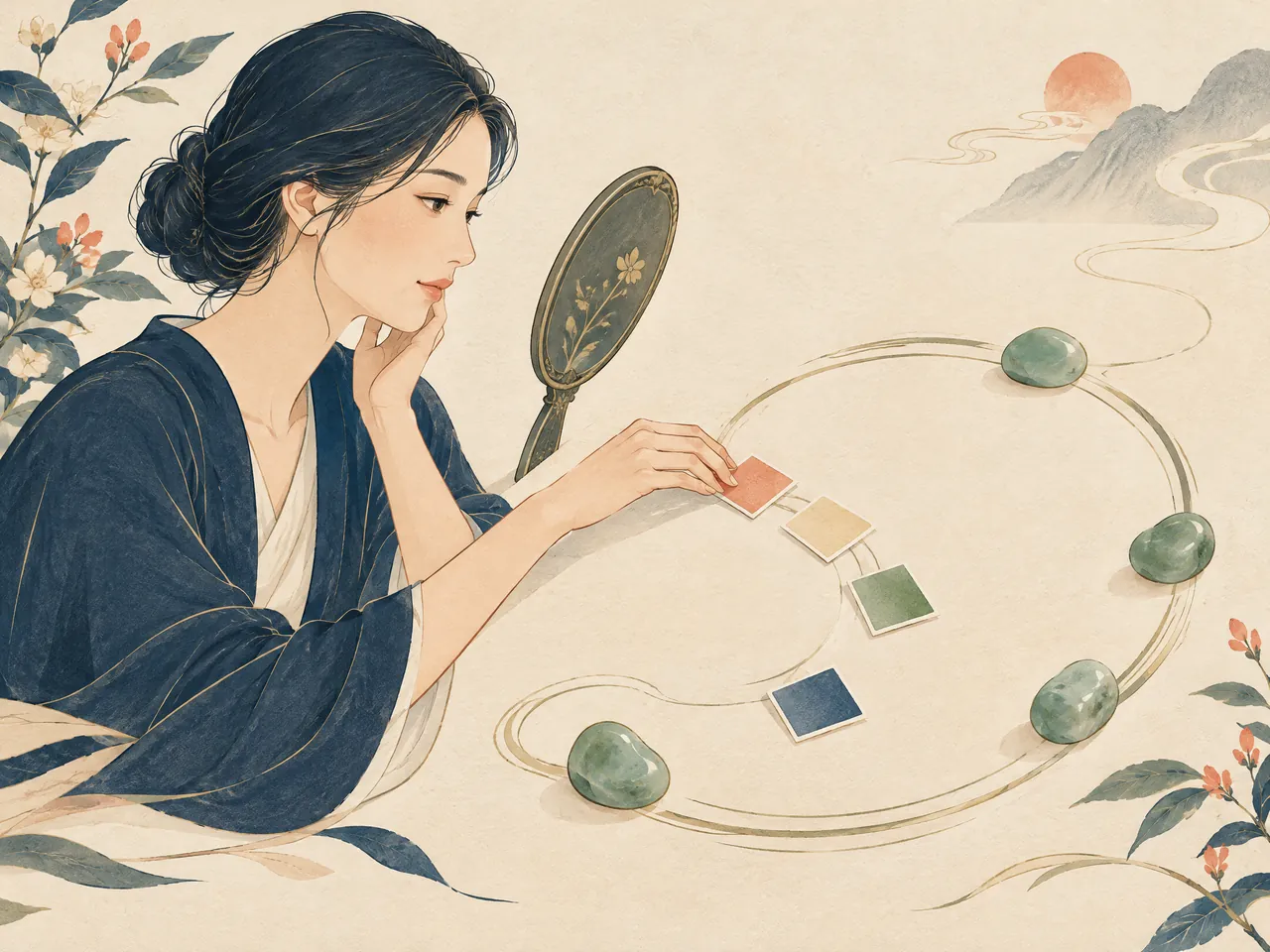
Why do I get acne before my period? How can I prevent breakouts before my period? Should I pop an inflamed pimple before my period? — Sleep, stress and food habits
Sleep and stress deserve attention because they affect daily life as well as the way a flare feels. Avoid promising yourself that a calm week will cure acne; that creates pressure without giving useful information. Instead, notice practical links. Did several late nights coincide with more touching of the face, less consistent cleansing, or more reliance on heavy concealer? Did a deadline make picking harder to resist? A short walk, a wind-down routine or planning product use before a busy week can make care easier to sustain.
Food is another area where broad restrictions can become more stressful than helpful. There is no need to declare every premenstrual spot a verdict on one meal. If you notice a repeatable personal pattern around high-sugar or highly processed foods, record it and discuss it in the context of your overall diet and health rather than starting a punishing elimination plan. Cleveland Clinic suggests a balanced diet and limiting sugar, processed foods and alcohol as general lifestyle measures, while also emphasising clinical options when needed. [1]
Why do I get acne before my period? How can I prevent breakouts before my period? Should I pop an inflamed pimple before my period? — Assessment and next steps
Assessment is appropriate when acne is painful, deep, widespread, persistent, leaving scars or affecting confidence and daily life. It is also important to discuss a flare with a family doctor, dermatologist or gynaecology clinician if it accompanies very irregular periods, a substantial new change in hair growth or other symptoms. A clinician can ask about your cycle, medicines, pregnancy plans where relevant, skin routine and medical history before discussing suitable options. Do not assume that a lower-face pattern alone tells the whole story.
At TCM Lab, a Registered Chinese Medicine Practitioner may ask about menstrual timing, digestion, sleep, emotional stress and the skin pattern as part of a traditional Chinese medicine consultation. This traditional assessment is not an endocrine diagnosis and does not replace medical investigation for suspected PCOS or another hormonal condition. It can be useful to take the same cycle record to all relevant appointments so that different practitioners are working from the clearest possible account.

If you are considering a consultation, prepare a short list: when the acne started, what you have tried, every current skin or oral treatment, allergies or sensitivities, medical conditions and the most bothersome lesions. You can enquire with the Kwun Tong Chinese medicine clinic or the Chinese medicine clinic Prince Edward about an appointment. Explain any language needs in your message so arrangements can be confirmed.
Why do I get acne before my period? How can I prevent breakouts before my period? Should I pop an inflamed pimple before my period? — Traditional Chinese medicine assessment in context
A traditional Chinese medicine consultation considers the person as well as the lesions. Questions may cover period timing and flow, digestion, sleep, emotional stress, appetite and the history of the flare. In traditional terminology, a practitioner may use pattern descriptions such as liver qi stagnation or spleen and stomach damp-heat. These are traditional medicine concepts, not modern laboratory labels, and they should not be presented as proof that hormones are balanced or unbalanced.
Be direct about what other care you are receiving. Bring photographs, the product list and the names of medicines or supplements. A good consultation is easier when you can say whether the concern is active inflamed acne, lingering red or brown marks, texture changes, cycle irregularity, or all of these. This also supports sensible coordination: deep cysts, suspected infection, significant scarring and possible endocrine symptoms need conventional medical assessment rather than being managed only through a wellness explanation.

Why do I get acne before my period? How can I prevent breakouts before my period? Should I pop an inflamed pimple before my period? — Active acne, marks and scarring
It helps to name what remains after a flare. Active acne is a current lesion that may be raised, sore, red or contain pus. A red or brown area after the bump settles can be a post-inflammatory colour change, while a scar is a structural change in the skin, such as a depression or raised area. DermNet distinguishes post-inflammatory erythema and hyperpigmentation from acne scarring, and notes that active acne should be treated before scar management begins. [2] The distinction matters because covering, picking and treating are not the same thing.
Do not wait for a lesion to be repeatedly squeezed before seeking help. DermNet notes that more inflamed acne lesions are more likely to scar and that picking active lesions can add injury that raises scar risk. [2] Seek prompt assessment for deep, painful cysts or nodules, rapidly worsening inflammation, signs that worry you, or scars and marks that are becoming a major concern. Early assessment is about protecting the skin, not assigning blame for a flare.
Care and health guide
Health service information
This directory brings together services, reading, and visit information related to health services, to help you prepare questions for a consultation.
If you are organising health questions, Chinese medicine clinic Hong Kong is a starting point for learning about related services and preparing for a consultation.
People have different needs; acupuncture Hong Kong provides further reading to help you understand options in your own context.


Your questions, answered
Frequently asked questions
Why do I get acne before my period?
Normal hormone fluctuations across the menstrual cycle can affect sebum production and contribute to clogged pores and inflammation. However, stress, sleep disruption, friction, product residue and ordinary acne can overlap. A repeating pattern is useful to record, but it does not by itself diagnose a hormonal disorder.
How can I prevent breakouts before my period?
Keep your routine gentle and consistent: cleanse without scrubbing, choose non-comedogenic products, avoid introducing several new products at once, and track your cycle and flare pattern. Notice practical triggers such as hair products, face touching or sleep disruption. See a clinician if acne remains persistent, painful or scarring.
Should I pop an inflamed pimple before my period?
No. Squeezing an inflamed pimple can increase inflammation, pain, infection risk and the chance of a lasting scar. Avoid picking or using tools at home. For a deep, painful or recurring lesion, ask a pharmacist or clinician about suitable next steps rather than trying to extract it yourself.
Can a traditional Chinese medicine assessment replace tests for PCOS or another hormone condition?
No. Traditional Chinese medicine pattern assessment is different from modern endocrine diagnosis. If your periods are very irregular or you have other symptoms that concern you, seek assessment from a family doctor, gynaecology clinician or dermatologist. Share your cycle and acne record with every clinician involved.
Sources and further information
- [1] [1] Cleveland Clinic — The Breakout Breakdown: Why You Get Acne Around Your Period
Referenced for: Cycle-related acne, sebum changes, common sites, non-comedogenic products, lifestyle context and when to discuss further care.
- [2] [2] DermNet — Acne scarring
Referenced for: Distinguishing post-inflammatory colour changes from scars, the risk of picking, and prioritising active acne care.
- [3] [3] American Academy of Dermatology — Pimple popping: Why only a dermatologist should do it
Referenced for: Risks of squeezing acne at home and reasons to seek dermatology care for persistent acne.