
TCM Lab · Services and individual assessment
gua sha treatment Hong Kong: gua sha Hong Kong and gua sha treatment guide
Published Updated
If you are looking for gua sha treatment Hong Kong, first separate the term from the many social-media uses of “gua sha”. In a treatment context, it usually means controlled strokes with a smooth-edged tool over selected body areas; facial gua sha is a different, lighter-pressure context. The useful questions are what area you want to discuss, whether the skin is healthy, what medicines or health conditions may matter, and where you would like to attend. TCM Lab can discuss enquiries for Prince Edward and Kwun Tong, as well as a possible home-visit enquiry for another district. Suitability and arrangements should be confirmed before an appointment.
Appointments are confirmed through WhatsApp. If you have language requirements, please mention them in your enquiry.
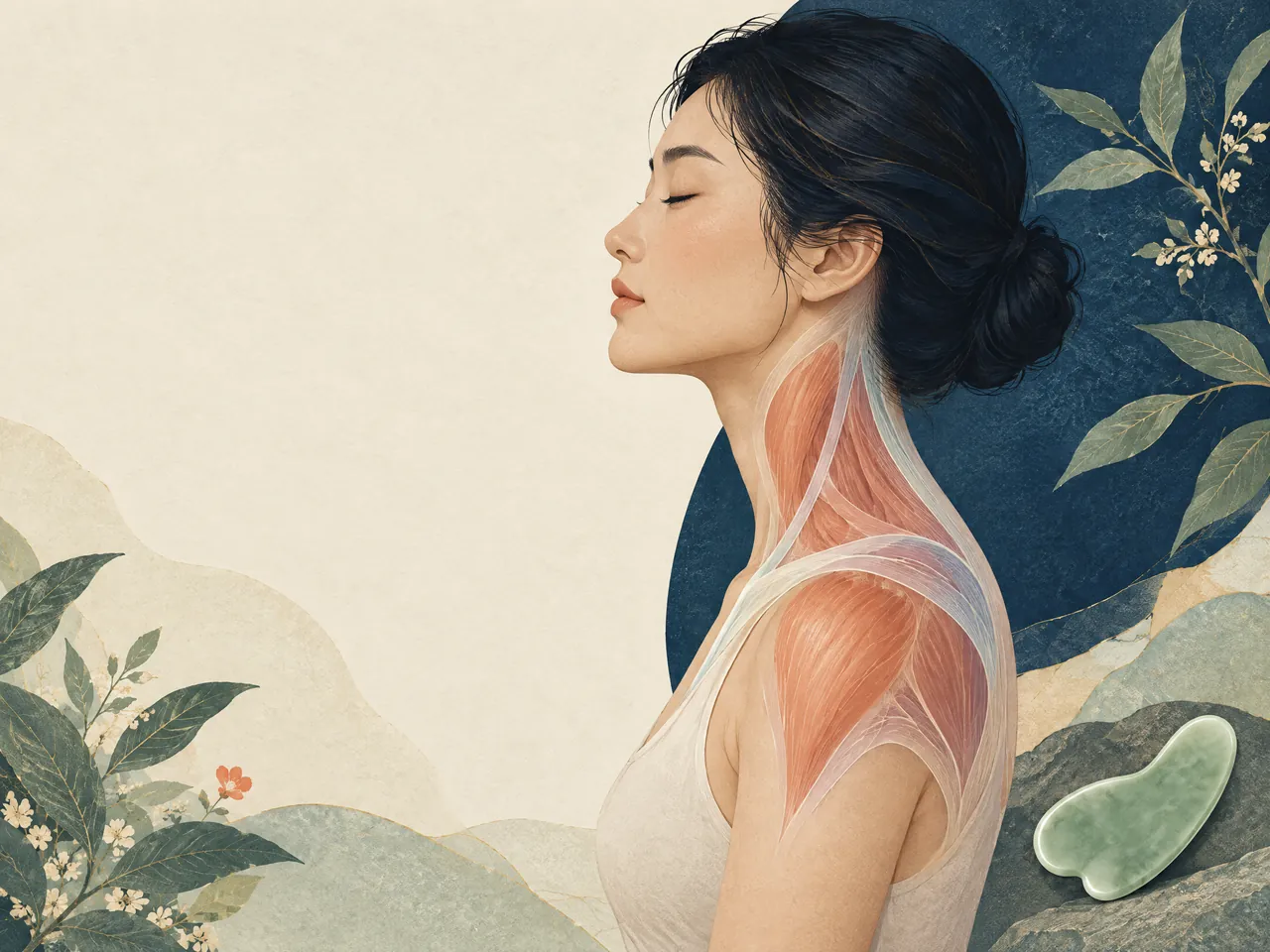
The short answer
Gua sha treatment commonly describes a traditional tool-assisted scraping or press-stroking practice performed over selected body areas; facial gua sha is usually discussed separately because pressure and goals differ. For gua sha treatment Hong Kong enquiries, tell TCM Lab which body or facial area you wish to discuss, any current skin issue, medication or relevant health concern, and your preferred location. Current arrangements can then be confirmed for Prince Edward, Kwun Tong, or a possible home-visit enquiry.
Transparent pricing
See the fees.
Choose your care.
Explore our complete official price list, including first-trial prices, regular prices, packages and branch-specific options.
Opening WhatsApp prepares an enquiry; it does not send a message, take payment or confirm an appointment. Suitability and individual arrangements are confirmed during consultation.
Chinese medicine
All prices in HKDAcupuncture and Chinese herbal medicine package
Includes a Chinese medicine consultation with pulse assessment, body acupuncture and 3 days of Chinese herbal granules that do not require decoction.
HK$580 (single session)
Chinese medicine consultation with pulse assessment
Hair and scalp
All prices in HKDScalp health and hair-loss management
Includes AI scalp analysis, deep scalp and follicle cleansing, and scalp oil-control care.
HK$380 (first trial)
Regular price: HK$680
- 6 sessions: HK$3,480 (HK$580 per session)
- 12 sessions: HK$5,760 (HK$480 per session)
- 20 sessions: HK$8,600 (HK$430 per session)
- 30 sessions: HK$11,400 (HK$380 per session)
Hair acupuncture and Chinese herbal medicine package
Includes scalp acupuncture and 3 days of Chinese herbal medicine that does not require decoction.
HK$580 (single session)
Registered Chinese Medicine Practitioner consultation
- 6 sessions: HK$3,180 (HK$530 per session)
- 12 sessions: HK$5,760 (HK$480 per session)
- 20 sessions: HK$8,600 (HK$430 per session)
- 30 sessions: HK$11,400 (HK$380 per session)
Combined hair and scalp treatment
Combines acupuncture and Chinese herbal medicine with salon-level scalp and follicle care. Packages include complimentary hair-care shampoo and serum.
HK$1,260 (single session)
Combined treatment
- 8 sessions: HK$8,640 (HK$1,080 per session)
- 16 sessions: HK$15,680 (HK$980 per session)
- 20 sessions: HK$18,600 (HK$930 per session)
- 30 sessions: HK$26,400 (HK$880 per session)
Weight management
All prices in HKDFull-body acupoint embedding for weight management
Includes full-body acupoint embedding. Packages include complimentary Chinese herbal medicine for weight management, with the number of included days scaled to the package. Embedding material and the individual treatment arrangement are confirmed during consultation; this is not a cosmetic thread lift.
HK$980 (single session)
No trial session
- 10 sessions: HK$7,800 (HK$780 per session)
- 20 sessions: HK$14,600 (HK$730 per session)
- 30 sessions: HK$20,400 (HK$680 per session)
Facial acupuncture
All prices in HKDFacial acupuncture (basic)
Includes facial acupuncture and meridian-based facial care, including care for facial puffiness.
HK$480 (first trial)
Regular price: HK$680
- 10 sessions: HK$5,200 (HK$520 per session)
- 20 sessions: HK$9,600 (HK$480 per session)
- 30 sessions: HK$13,500 (HK$450 per session)
Facial acupuncture (advanced)
Includes enhanced facial acupuncture with a specially formulated moisturising mask and serum.
HK$780 (first trial)
Regular price: HK$1,180
- 10 sessions: HK$9,000 (HK$900 per session)
- 20 sessions: HK$16,600 (HK$830 per session)
- 30 sessions: HK$23,400 (HK$780 per session)
Pain care
All prices in HKDExtracorporeal shockwave treatment
Shockwave treatment for deep-tissue and fascial care. The Kwun Tong clinic offers the multi-area options shown below.
Priced by branch
Branch-specific pricing
Prince Edward: HK$250 per area
Kwun Tong: HK$250 for 1 area / HK$450 for 2 areas / HK$600 for 3 areas
Pain care (manual therapy)
Includes Chinese medicine musculoskeletal assessment, manual joint techniques and tui na.
HK$580 (single session)
Chinese medicine musculoskeletal assessment
Pain care (acupuncture and manual therapy)
Combines acupuncture and manual therapy.
HK$680 (single session)
Combined care
From enquiry to individual assessment
Start with an enquiry
Tell us your main concern, preferred clinic and possible times. Ask about fees and any language requirements.
Discuss your assessment
Bring your medical history, current medicines and questions. The practitioner assesses which options may be suitable.
Agree on the next step
Discuss the proposed care, fees, risks and follow-up. Arrangements depend on the assessment and appointment confirmation.
gua sha treatment Hong Kong, gua sha Hong Kong and gua sha treatment explained
The words in a gua sha Hong Kong search can point to different needs. Someone with a desk-heavy week may be asking about a body area that feels tight after screen work. Someone preparing for photographs may have seen a facial tool online. Another person may simply want a plain-English explanation. Gua sha is generally described as a traditional practice using a smooth-edged tool over the skin. In body-focused contexts, it may be used over selected muscle or traditional meridian areas. Cleveland Clinic describes body pressure as adjustable and facial use as normally lighter [1]. The name alone does not establish what is appropriate for a particular person or area.
Do not equate a tool, a visible skin response or a wellness description with a diagnosis. A gua sha discussion can sit alongside questions about commuting with a bag on one shoulder, repetitive computer work, a training change or a desire for a calmer routine. It does not replace assessment of a new, severe or worrying symptom. If an issue followed an injury, is worsening or comes with concerning symptoms, seek appropriate medical assessment. For a closer explanation of the body-focused term, see gua sha scraping therapy. That background can help you describe your question without assuming an outcome.
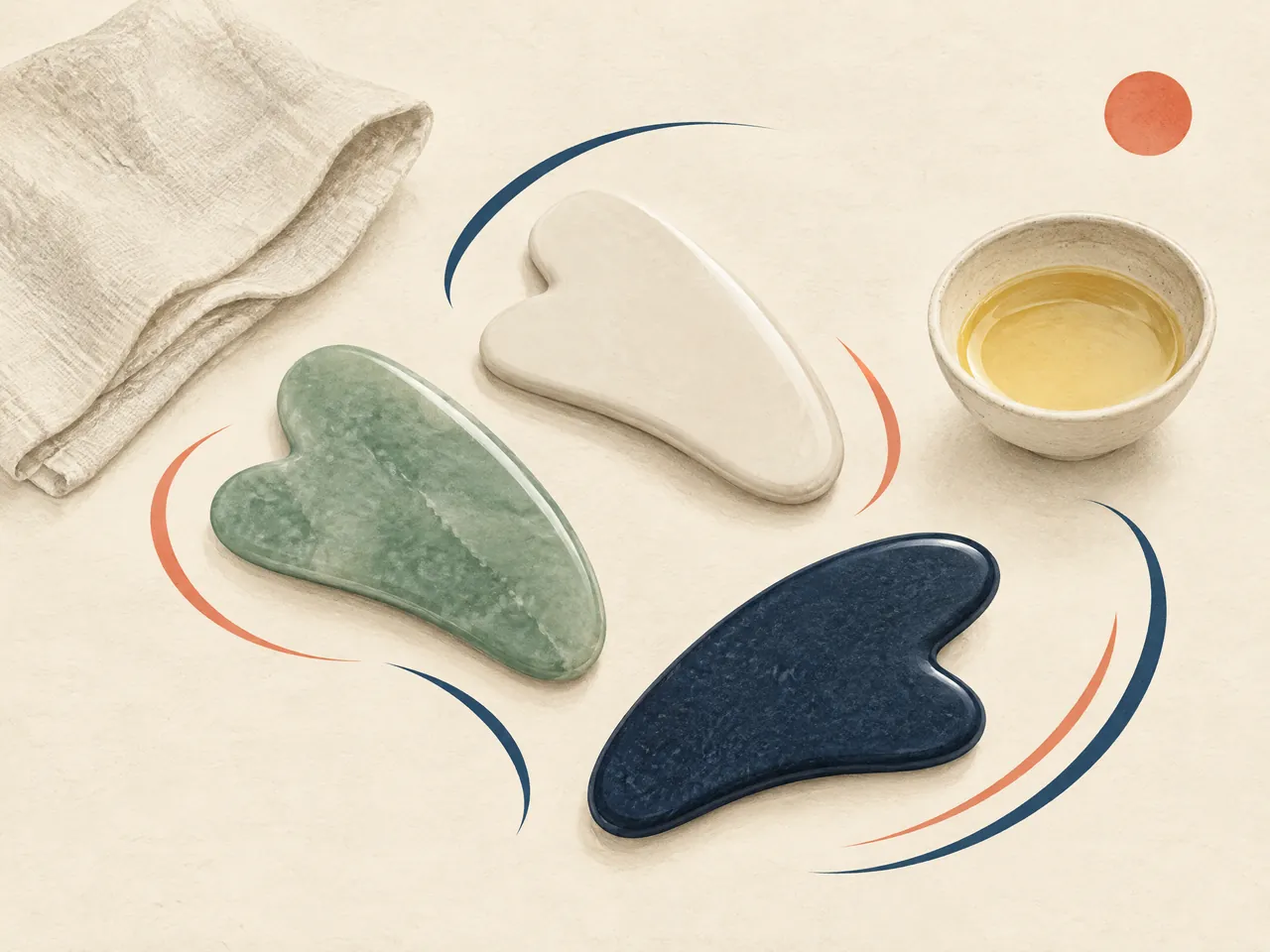
What gua sha treatment Hong Kong, gua sha Hong Kong and gua sha treatment usually describe
In a treatment setting, “scraping” does not necessarily mean harsh contact. It commonly refers to repeated, directed strokes with a smooth tool. Sensation can vary with the area, sensitivity and pressure being considered. The face, neck, shoulders, back and limbs are not interchangeable simply because the same term appears online. Facial gua sha is often presented as a gentle grooming or massage-style practice, while a body enquiry may concern areas loaded during daily movement. If your search is about body application, what is body gua sha is a useful terminology starting point.
The reddish or purplish marks sometimes linked with body gua sha deserve a clear explanation, not a promise or alarm. Cleveland Clinic notes that press-stroking can cause small reddish-purplish spots, and overly aggressive work can cause soreness, bruising or discolouration [1]. Ask whether marks may occur, how noticeable they could be and whether an exposed area is practical. Someone with a meeting, photos, sport or a skin-sensitive area may make a different scheduling choice. The appearance of marks should not be used as a measure of a session’s success.

How gua sha treatment Hong Kong, gua sha Hong Kong and gua sha treatment may be approached
A useful conversation starts with the reason for the enquiry, then narrows to an area, a skin check and comfort. A person noticing stiffness after laptop work can describe when it occurs, what movement feels limited and whether there has been strain. Someone interested in facial gua sha can mention active irritation or a recent procedure. This does not guarantee a recommendation; it gives the practitioner information to discuss suitability. During a body-focused approach, say if a stroke is painful, an area is tender, or you prefer to avoid a visible location. Gua sha should be collaborative, not a test of endurance.
Online claims range from modest comfort-oriented descriptions to broad health promises. The evidence should be read carefully. Cleveland Clinic says there is not enough high-quality research to declare definitive benefits, and the NIH’s NCCIH explains that a single study rarely provides a final answer [1] [3]. Ask what a session involves and how it fits your situation rather than relying on dramatic claims. Readers exploring tension-related questions may find gua sha for muscle tension useful for framing a discussion about daily load, movement and comfort.
Compare your options
| Enquiry situation | Useful details to share | Question to ask before arranging |
|---|---|---|
| Body area after a desk-heavy or active week | General area, timing, movement that feels difficult, recent strain or injury | Is this suitable to discuss as body-focused gua sha, and what pressure or skin response may be expected? |
| Facial gua sha interest | Skin sensitivity, active irritation, recent facial procedure, goal of the enquiry | How would a facial discussion differ from a body-focused approach? |
| Concern about visible skin change | Upcoming event, exposed area, tendency to bruise, relevant medicines | Could temporary redness, soreness or marks affect this area and timing? |
| Choosing a place to attend | Prince Edward or Kwun Tong preference, availability, or another-district home-visit request | What current appointment arrangement can be confirmed for my preferred option? |
On smaller screens, scroll the table sideways to compare all columns.
Choosing gua sha treatment Hong Kong, gua sha Hong Kong and gua sha treatment enquiries
Choosing where to enquire is about access and giving enough information for a responsible reply. A message such as “gua sha today?” leaves key questions unanswered. Name the area, say whether the enquiry is body-focused or facial, and mention broken, sunburned, inflamed or irritated skin, relevant health conditions or medicines. Cleveland Clinic advises against gua sha over irritated or inflamed skin and flags blood-thinning medicines, diabetes, circulation problems, chemotherapy and pregnancy for discussion [1]. This is not self-diagnosis; it is information that could change what is appropriate. If unsure whether something matters, disclose it rather than guess.
An enquiry is also a chance to ask who will be involved and what you should bring. In Hong Kong, the Chinese Medicine Regulatory Office says that registered Chinese medicine practitioners must pass the Chinese Medicine Council of Hong Kong Licensing Examination and meet its approved-training eligibility requirement [2]. Credentials do not remove the need for an individual conversation, but they are reasonable to ask about when care is described as Chinese medicine. You can also ask whether to bring a medicine list, a summary of a recent issue or questions about the skin area.

What to discuss before gua sha treatment Hong Kong, gua sha Hong Kong and gua sha treatment
Describe timing and setting in everyday language. “My upper back feels different after carrying samples all week” is more useful than trying to label yourself with a condition. Mention a fall, impact, sudden onset, fever, numbness, spreading redness or another change that may warrant medical attention first. Explain easy bruising, bleeding problems, blood-thinning medicine, diabetes, pregnancy, active skin conditions, recent surgery or treatment, and current infection. These factors can affect whether the practice should be discussed, postponed, modified or avoided. Do not press on a problem area at home to “test” it before asking.
Discuss practical boundaries as clearly as the body area. If visible change on the neck, arms or back would be a problem before a wedding, swimming lesson, performance or presentation, say so. For a facial enquiry, name sensitivity or recent skincare treatment. Ask what sensation is expected, how you can signal discomfort and whether aftercare considerations apply. does gua sha leave marks can help you prepare that question without presenting marks as inevitable or desirable. You can ask for an explanation, decline an approach or seek medical advice instead.
Where to enquire about gua sha treatment Hong Kong, gua sha Hong Kong and gua sha treatment
TCM Lab has two confirmed clinic locations: Prince Edward and Kwun Tong. Compare the visit route and appointment times you can realistically keep rather than choosing from a generic district search. The Chinese medicine clinic Prince Edward page gives the location at 1/F, 27 Ki Lung Street, Prince Edward. The Kwun Tong Chinese medicine clinic page gives the location at Room 03, 21/F, 50 Hoi Yuen Road, Kwun Tong. An address does not imply availability, so contact the clinic to confirm the current arrangement.
For another area, ask specifically about a possible home visit rather than assuming there is a local branch. Include your district, the general area you want to discuss and relevant information that should be known before an arrangement is considered. A home-visit enquiry may not be available in every situation and still requires confirmation. For either clinic or a possible home visit, WhatsApp TCM Lab at +852 6940 5663 with your preferred location and a concise description. If you have a language preference, mention it so arrangements can be checked rather than presumed.
Planning gua sha treatment Hong Kong, gua sha Hong Kong and gua sha treatment care
Planning is not about creating a fixed programme from a webpage. It means arriving with enough detail to make a sensible decision and enough flexibility to change plans after assessment. Think about the next day or two: an office presentation, uniform, gym session, beach day or medical appointment may affect whether a visible skin response would be inconvenient. Wear clothing that permits comfortable access to the general area without exposing more than necessary. Do not use a gua sha enquiry as an urgent substitute for medical care. Severe pain, serious injury, unexplained symptoms or rapidly changing skin problems deserve prompt medical attention.
There is no basis for promising a set number of sessions, a particular visible response or relief of a named condition here. Individual factors, the intended area and consultation information matter. The table distinguishes what you can settle before contacting the clinic from what needs a practitioner’s response. It also keeps body-focused and facial requests separate. If cost is your main concern, the Chinese medicine clinic price list Hong Kong page is the right place to review published information; confirm the current arrangement rather than assuming every service applies to gua sha.

Questions to ask about gua sha treatment Hong Kong, gua sha Hong Kong and gua sha treatment
Ask whether your enquiry is best understood as body-focused or facial, what general area would be discussed, and what information about skin, medicines or health history matters first. Ask how comfort will be checked and what temporary skin response may be possible. If you have an event, sport or work requirement, ask whether timing should be reconsidered. If you use a facial tool at home, ask whether active irritation or another skin concern is a reason to pause. Ask what to do if discomfort or unusual skin change occurs afterwards. These questions help you decide whether the explanation and arrangement are clear enough to proceed.
It is useful to challenge assumptions. “Will more pressure mean better results?” should be answered through suitability and feedback, not endurance. “Can this treat every kind of pain?” should distinguish a treatment enquiry from diagnosis and should not discourage medical evaluation. “Will it definitely leave marks?” calls for discussion of a possible skin response, not a scorecard. Evidence-aware decision-making balances personal experience with broad-claim limits. NCCIH advises readers to look beyond isolated studies and overly confident promotional messages when considering complementary approaches [3].

Next steps after reading about gua sha treatment Hong Kong, gua sha Hong Kong and gua sha treatment
The next step can be a two- or three-sentence message: say whether the question is body-focused or facial, the general area, how long it has been on your mind and your preferred location. Add any current skin issue, relevant medicine or health concern. For example: “I would like to ask about a body-focused gua sha discussion for my upper shoulder area after extended desk work. I prefer Kwun Tong and would like to know what information you need before an appointment.” A facial enquiry should say that it is facial and flag irritation or recent procedures.
Contact TCM Lab on WhatsApp at +852 6940 5663 to ask about current arrangements at Prince Edward or Kwun Tong, or whether a home visit in another district can be considered. Bring your questions and share relevant information again when you attend; new details can matter. If the conversation raises a concern outside a gua sha enquiry, choose the appropriate medical or skin-care route rather than forcing it into a session. The useful result of a gua sha Hong Kong search is an informed, individual conversation, not a generic promise.
Care and health guide
Health service information
This directory brings together services, reading, and visit information related to health services, to help you prepare questions for a consultation.
If you are organising health questions, acupuncture Hong Kong is a starting point for learning about related services and preparing for a consultation.
People have different needs; Chinese medicine pain management Hong Kong provides further reading to help you understand options in your own context.


Your questions, answered
Frequently asked questions
What is gua sha?
Gua sha is commonly described as a traditional practice in which a smooth-edged tool is stroked over selected skin areas. In a treatment context, it may be discussed for body areas or, separately, as a lighter facial practice. The exact approach should be based on an individual conversation rather than on the name alone.
Does gua sha always leave marks?
No single response should be assumed. Body gua sha can cause temporary reddish or purplish skin discolouration, and the likelihood or visibility can depend on the area and approach. Ask before arranging if marks would be inconvenient because of an event, work, sport or exposed clothing.
Who should mention health or skin concerns before a gua sha enquiry?
Anyone with irritated, inflamed, broken or sunburned skin should mention it. It is also important to disclose bleeding or bruising concerns, blood-thinning medicine, diabetes, circulation issues, pregnancy, chemotherapy, a recent procedure or another health concern. The clinic can then confirm whether further discussion is needed.
Where can I ask about gua sha treatment in Hong Kong?
TCM Lab can discuss arrangements for its Prince Edward and Kwun Tong clinics. For another district, ask about a possible home visit rather than assuming there is a local branch. Send a WhatsApp message to +852 6940 5663 with your preferred location and a concise description of your enquiry.
Sources and further information
- [1] [1] Cleveland Clinic — Gua Sha: What It Is and How To Do It
Referenced for: Definition, body and facial context, possible temporary skin effects, safety considerations and evidence limitations.
- [2] [2] Hong Kong Chinese Medicine Regulatory Office — Regulation of Chinese Medicine Practitioner
Referenced for: Hong Kong registration and licensing approach for registered Chinese medicine practitioners.
- [3] [3] NIH National Center for Complementary and Integrative Health — Know the Science of Complementary Health Approaches
Referenced for: How to interpret health research and why findings should be assessed across multiple studies.