
TCM Lab · Health reading
How long does a migraine last — How long does a migraine attack last? — What are the symptoms of a migraine? An essential overview
Published Updated
A migraine can take over far more than the hours in which the head pain is strongest. For many people, an attack means a gradual build-up of tiredness or food cravings, a period of throbbing pain with nausea or sensitivity to light, and then a drained, foggy recovery. Knowing what to time—and which symptoms are not safe to watch at home—makes it easier to describe the episode clearly when you seek care. This guide explains the usual migraine timeline, the symptoms that can travel with it, practical diary notes, and the warning signs that need urgent assessment.
Appointments are confirmed through WhatsApp. If you have language requirements, please mention them in your enquiry.
The short answer
A migraine attack usually lasts between 4 hours and 3 days, although the wider episode may include early symptoms before the pain and tiredness after it. Common symptoms include moderate to severe throbbing pain, nausea, vomiting, and sensitivity to light or sound; some people also have aura. A sudden, extremely painful headache, weakness, confusion, seizure, vision loss, or a headache that is distinctly different from usual needs urgent medical assessment. [1]
Transparent pricing
See the fees.
Choose your care.
Explore our complete official price list, including first-trial prices, regular prices, packages and branch-specific options.
Opening WhatsApp prepares an enquiry; it does not send a message, take payment or confirm an appointment. Suitability and individual arrangements are confirmed during consultation.
Pain care
All prices in HKDExtracorporeal shockwave treatment
Shockwave treatment for deep-tissue and fascial care. The Kwun Tong clinic offers the multi-area options shown below.
Priced by branch
Branch-specific pricing
Prince Edward: HK$250 per area
Kwun Tong: HK$250 for 1 area / HK$450 for 2 areas / HK$600 for 3 areas
Pain care (manual therapy)
Includes Chinese medicine musculoskeletal assessment, manual joint techniques and tui na.
HK$580 (single session)
Chinese medicine musculoskeletal assessment
Pain care (acupuncture and manual therapy)
Combines acupuncture and manual therapy.
HK$680 (single session)
Combined care
Hair and scalp
All prices in HKDScalp health and hair-loss management
Includes AI scalp analysis, deep scalp and follicle cleansing, and scalp oil-control care.
HK$380 (first trial)
Regular price: HK$680
- 6 sessions: HK$3,480 (HK$580 per session)
- 12 sessions: HK$5,760 (HK$480 per session)
- 20 sessions: HK$8,600 (HK$430 per session)
- 30 sessions: HK$11,400 (HK$380 per session)
Hair acupuncture and Chinese herbal medicine package
Includes scalp acupuncture and 3 days of Chinese herbal medicine that does not require decoction.
HK$580 (single session)
Registered Chinese Medicine Practitioner consultation
- 6 sessions: HK$3,180 (HK$530 per session)
- 12 sessions: HK$5,760 (HK$480 per session)
- 20 sessions: HK$8,600 (HK$430 per session)
- 30 sessions: HK$11,400 (HK$380 per session)
Combined hair and scalp treatment
Combines acupuncture and Chinese herbal medicine with salon-level scalp and follicle care. Packages include complimentary hair-care shampoo and serum.
HK$1,260 (single session)
Combined treatment
- 8 sessions: HK$8,640 (HK$1,080 per session)
- 16 sessions: HK$15,680 (HK$980 per session)
- 20 sessions: HK$18,600 (HK$930 per session)
- 30 sessions: HK$26,400 (HK$880 per session)
Weight management
All prices in HKDFull-body acupoint embedding for weight management
Includes full-body acupoint embedding. Packages include complimentary Chinese herbal medicine for weight management, with the number of included days scaled to the package. Embedding material and the individual treatment arrangement are confirmed during consultation; this is not a cosmetic thread lift.
HK$980 (single session)
No trial session
- 10 sessions: HK$7,800 (HK$780 per session)
- 20 sessions: HK$14,600 (HK$730 per session)
- 30 sessions: HK$20,400 (HK$680 per session)
Facial acupuncture
All prices in HKDFacial acupuncture (basic)
Includes facial acupuncture and meridian-based facial care, including care for facial puffiness.
HK$480 (first trial)
Regular price: HK$680
- 10 sessions: HK$5,200 (HK$520 per session)
- 20 sessions: HK$9,600 (HK$480 per session)
- 30 sessions: HK$13,500 (HK$450 per session)
Facial acupuncture (advanced)
Includes enhanced facial acupuncture with a specially formulated moisturising mask and serum.
HK$780 (first trial)
Regular price: HK$1,180
- 10 sessions: HK$9,000 (HK$900 per session)
- 20 sessions: HK$16,600 (HK$830 per session)
- 30 sessions: HK$23,400 (HK$780 per session)
Chinese medicine
All prices in HKDAcupuncture and Chinese herbal medicine package
Includes a Chinese medicine consultation with pulse assessment, body acupuncture and 3 days of Chinese herbal granules that do not require decoction.
HK$580 (single session)
Chinese medicine consultation with pulse assessment
How long does a migraine last; How long does a migraine attack last?; What are the symptoms of a migraine? Understanding typical duration and variability
For the direct question, how long does a migraine last: the usual range for a migraine attack is 4 hours to 3 days. That is a useful reference point, not a stopwatch-based diagnosis. One person may have an attack that settles after a morning in a dark room; another may have symptoms that affect work, family plans and sleep across several days. The timing also depends on what is being counted. The severe headache may be the most visible part, while fatigue, neck stiffness, mood change or food cravings can begin beforehand and low energy can linger after the pain eases. The NHS describes early symptoms beginning hours or up to two days before head pain and finishing after the headache has stopped. [1]
What are the symptoms of a migraine? A typical attack can bring moderate to severe throbbing or pulsating head pain, often worse with movement, alongside nausea, vomiting, and marked sensitivity to light and sounds. Some people want to lie still in a dark, quiet room because ordinary screens, travel noise or household activity feels overwhelming. The pain may be one-sided, but it does not have to be, and no single symptom proves the cause of a headache. The useful question is the whole pattern: onset, duration, what the pain feels like, whether activity worsens it, what comes with it, and how the episode differs from your ordinary headaches. A local Hong Kong hospital guide similarly describes migraine as potentially severe, pulsating pain with nausea, vomiting and light or sound sensitivity. [3]
How long does a migraine attack last? What are the symptoms of a migraine? how long does a migraine last — Timeline from onset to resolution
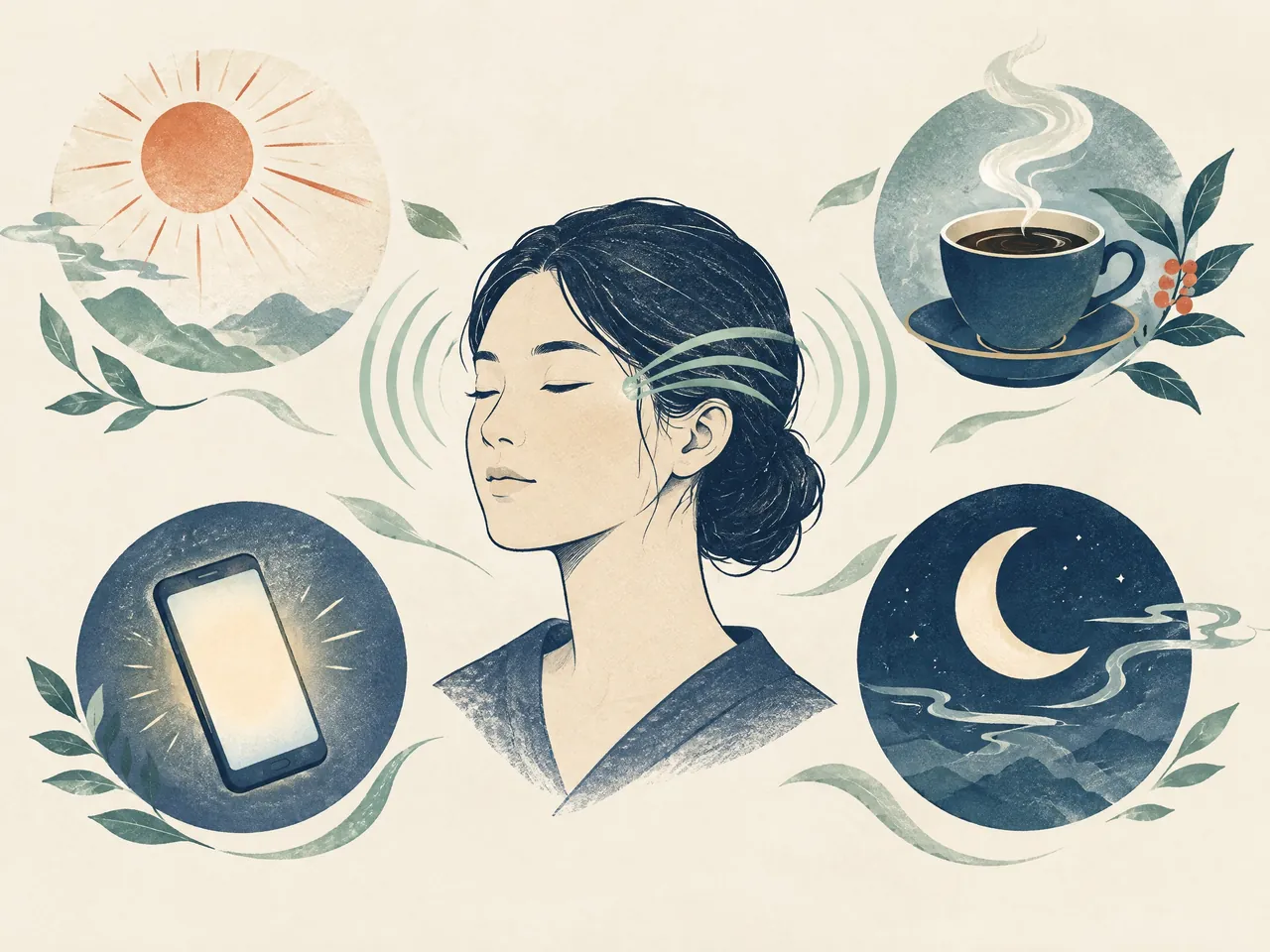
It helps to separate an episode into phases rather than treating every uncomfortable hour as the same thing. Before pain, a prodrome may include tiredness, repeated yawning, thirst, a stiff neck, mood changes or a need to urinate more often. Not everyone notices this stage. An aura, if it occurs, is usually temporary and may precede the headache or overlap with it. Head pain can then build gradually and be joined by nausea or sensitivity to light, sound or smells. Afterward, postdrome can feel like a mental and physical "hangover": exhaustion, dizziness, poor concentration or a changed mood. The National Institute of Neurological Disorders and Stroke notes that postdrome may last up to two days. [2] Recording the start and end of each phase avoids calling a two-day recovery a two-day severe headache.

What are the symptoms of a migraine? How long does a migraine attack last? how long does a migraine last — Light and sound sensitivity, nausea and related features
Sensitivity is not simply a dislike of bright light or loud places. During an attack, sunlight on the MTR, a phone notification, cooking smells or a conversation in a busy office may aggravate the experience. Nausea can reduce appetite and make it hard to keep to routine, while vomiting can make hydration and medicines difficult. Some people have visual symptoms such as zigzag lines, flashes or blind spots; others report tingling or trouble finding words. Read more about migraine with aura if these warning symptoms are part of your pattern. A separate discussion of throbbing headache and nausea may also help you describe the combination, but a new or unfamiliar pattern deserves medical assessment rather than self-labelling.
Compare your options
| Part of an episode | Possible features to record | Timing and action point |
|---|---|---|
| Prodrome | Tiredness, yawning, thirst, mood change, stiff neck, food craving or more frequent urination | May begin hours or up to two days before head pain; note the first change you recognise. [1] |
| Aura, for some people | Flashing lights, zigzags, blind spots, tingling, dizziness or difficulty speaking | Usually temporary; urgent medical advice is needed if aura lasts longer than one hour. [1] |
| Headache phase | Throbbing pain, nausea, vomiting, sensitivity to light or sound, symptoms worse with movement | Migraine attacks usually last 4 hours to 3 days; record pain start, peak and easing. [1] |
| Postdrome | Tiredness, poor concentration, dizziness or mood change | May continue after pain resolves; record recovery separately from the severe-pain period. [2] |
On smaller screens, scroll the table sideways to compare all columns.
What are the symptoms of a migraine? — How long does a migraine attack last? — how long does a migraine last During the phases of an attack
A migraine does not always unfold in a neat sequence. Some people have headache without aura. Others notice early changes only after they start keeping notes, and some can have visual or sensory symptoms with little or no head pain. This variability is why it is better to describe what actually happened than to force an episode into a familiar checklist. Note whether the pain started suddenly or built up, whether resting changed it, and whether nausea, light sensitivity, sound sensitivity, neck discomfort or concentration problems appeared before, during or after the pain. The broader overview of migraine symptoms can help with language for this conversation, but it cannot determine the cause for an individual.
Menstrual timing, skipped meals, changes in sleep, stress, caffeine, alcohol, bright lights, smells and weather changes are often discussed as possible triggers, but they are not universal rules. A trigger is most useful when it recurs in a personal record, not when it is guessed from one difficult day. For example, a late night followed by a missed breakfast and a long screen-heavy commute may cluster around an attack, yet that does not show which factor mattered. Look for patterns across several entries and bring them to a clinician. The aim is not to avoid every normal activity; it is to understand your own pattern well enough to make a realistic care plan. [1] [2]

How long does a migraine attack last? — What are the symptoms of a migraine? — how long does a migraine last Across prodrome, aura, headache and postdrome
The table gives a practical way to organise an episode. The timings are descriptions, not a way to confirm migraine by yourself. In particular, a first-ever visual change, speech difficulty, weakness, or a symptom that does not resolve as expected should not be dismissed because it resembles a remembered description of aura. The NHS advises urgent help when aura symptoms last longer than one hour, and says an attack lasting more than 72 hours should receive urgent assessment. [1] If the sequence keeps changing, becomes more frequent, or no longer responds as usual, arrange a medical review rather than just extending the diary.
What are the symptoms of a migraine? — how long does a migraine last — How long does a migraine attack last? Recognising red flags for prompt assessment
Urgent assessment is about safety, not about proving that a headache is or is not migraine. Seek emergency help for a headache that comes on suddenly and is extremely painful, or if there is one-sided face, arm or leg weakness, inability to move, confusion or drowsiness, a seizure, loss of vision, new blurred or double vision, speech or memory problems, very high temperature with meningitis symptoms, or a recent head injury. [1] These signs may have causes other than migraine and need timely evaluation. For a clearer checklist, see migraine red flags. A headache that is severe, steadily worsening, lasting longer than usual, or occurring more than once a week also warrants a non-emergency medical appointment. [1]
how long does a migraine last — What are the symptoms of a migraine? — How long does a migraine attack last? Keeping a helpful headache diary and when to get assessment
A concise headache diary turns a hard-to-recall experience into information a clinician can use. Start with the date and time you first felt different, then separately record when pain began, peaked and eased. Give the pain a plain-language description—throbbing, pressure-like, stabbing, one-sided, both-sided, around an eye—and say what made it better or worse. Add associated symptoms, including nausea, vomiting, sensitivity to light or sound, visual changes, tingling, dizziness, speech changes, sleep disruption and missed activities. If you use medicine, record the product, time taken and whether it helped, without changing doses on the basis of a website. Frequent painkiller use can itself make headaches harder to manage; the NHS advises not taking painkillers on more than two days a week for this reason. [1]
The diary should be short enough that you will actually keep it. A note on a phone or a paper calendar is fine. Add context such as meals, hydration, sleep, menstrual timing where relevant, stress, travel, exercise, caffeine and alcohol, but do not assume every entry contains a cause. Also make a note of any new medication, recent illness or injury. Take the record to a GP or another suitably qualified clinician if headaches are frequent, severe, changing, lasting longer than usual, difficult to control, or interrupting work and daily life. For a decision focused on emergency care, use When should I go to hospital for a migraine?—and use local emergency services immediately for the red flags above.

how long does a migraine last — How long does a migraine attack last? — What are the symptoms of a migraine? What to record in your diary for patterns and triggers
A useful entry might read: “Tuesday: unusually tired from 3 pm; flashing zigzags at 5 pm for about 20 minutes; right-sided throbbing pain began at 5:30 pm; nausea and sound sensitivity; lay in a dark room; pain eased overnight; foggy and tired next morning.” This is more helpful than simply writing “migraine all day,” because it distinguishes a possible aura from the headache and recovery. Add whether there was a similar attack before, how much usual activity was lost, and whether the symptom was typical for you. If a visual or neurological symptom is new, prolonged or different, seek medical advice rather than waiting to collect more entries. [1]

How long does a migraine attack last? — What are the symptoms of a migraine? — how long does a migraine last When a sudden or unusual headache needs urgent review
Do not use a diary as a reason to delay urgent care. It is for recurrent patterns that have already been assessed, not a home test for a dangerous headache. Call emergency services or attend emergency care for the immediate warning signs described above. For less urgent but concerning change—headaches becoming more severe, a different pattern, attacks beyond the usual duration, or frequent attacks that are hard to control—book a medical review. If you choose to discuss supportive Chinese medicine care, a Registered Chinese Medicine Practitioner should take a full history, including current medicines and previous assessment. Traditional pattern assessment is not the same as a neurological diagnosis. Acupuncture may be discussed as one preventive option in some care plans, but it is not a guaranteed acute treatment and does not replace prompt medical assessment. [1]
Care and health guide
Health service information
This directory brings together services, reading, and visit information related to health services, to help you prepare questions for a consultation.
If you are organising health questions, Chinese medicine clinic Hong Kong is a starting point for learning about related services and preparing for a consultation.
People have different needs; acupuncture Hong Kong provides further reading to help you understand options in your own context.


Your questions, answered
Frequently asked questions
How long does a migraine attack usually last?
Migraine attacks usually last between 4 hours and 3 days. The wider episode can feel longer because early symptoms may start before the headache and postdrome fatigue can continue afterward. An attack lasting more than 72 hours needs urgent medical assessment. [1]
What are the symptoms of a migraine?
Common symptoms include moderate to severe throbbing pain, nausea, vomiting, and sensitivity to light and sounds. Some people have aura, such as flashing lights, zigzags, blind spots, tingling, dizziness or difficulty speaking. Symptoms and head-pain location vary, so seek assessment for a new or different pattern. [1]
When is a migraine headache an emergency?
Seek emergency help for a sudden, extremely painful headache or a headache with one-sided weakness, inability to move, confusion, seizure, vision loss, new double vision, speech or memory problems, very high temperature with meningitis symptoms, or a recent head injury. [1]
What should I put in a migraine diary?
Record when early symptoms, aura, pain and recovery began and ended; pain quality and location; nausea, vomiting, sensory sensitivity or neurological symptoms; activity affected; possible context; and any medicine used and its effect. Bring recurring patterns to a clinician rather than using the diary to diagnose yourself.
Sources and further information
- [1] NHS: Migraine
Referenced for: Typical 4-hour-to-3-day attack duration, symptoms, aura timing, diary advice, painkiller caution and urgent warning signs.
- [2] National Institute of Neurological Disorders and Stroke: Migraine
Referenced for: Migraine phases, variable symptoms, aura and postdrome descriptions.
- [3] Hong Kong Adventist Hospital: Lifestyle Tips to Prevent Migraines and Headaches
Referenced for: Hong Kong hospital overview of migraine pain, nausea, sensory sensitivity, aura and hours-to-days duration.