
TCM Lab · Health reading
Period Pain Relief Options: Dysmenorrhea and Chinese Medicine and Primary and Secondary Dysmenorrhea
Published Updated
Period pain can be a familiar monthly disruption, but the timing, pattern and change over time matter. People often want period pain relief options that work today while also knowing when assessment is needed. This guide explains the difference between primary and secondary dysmenorrhea, how a careful cycle record makes a consultation more useful, and where Chinese medicine may be considered as supportive care. It does not ask you to choose between symptom relief and medical assessment: both can be part of a sensible plan. When pain is new, steadily worsening, unusually heavy, or accompanied by other pelvic symptoms, gynaecological review should take priority alongside any complementary-care discussion.
Appointments are confirmed through WhatsApp. If you have language requirements, please mention them in your enquiry.
The short answer
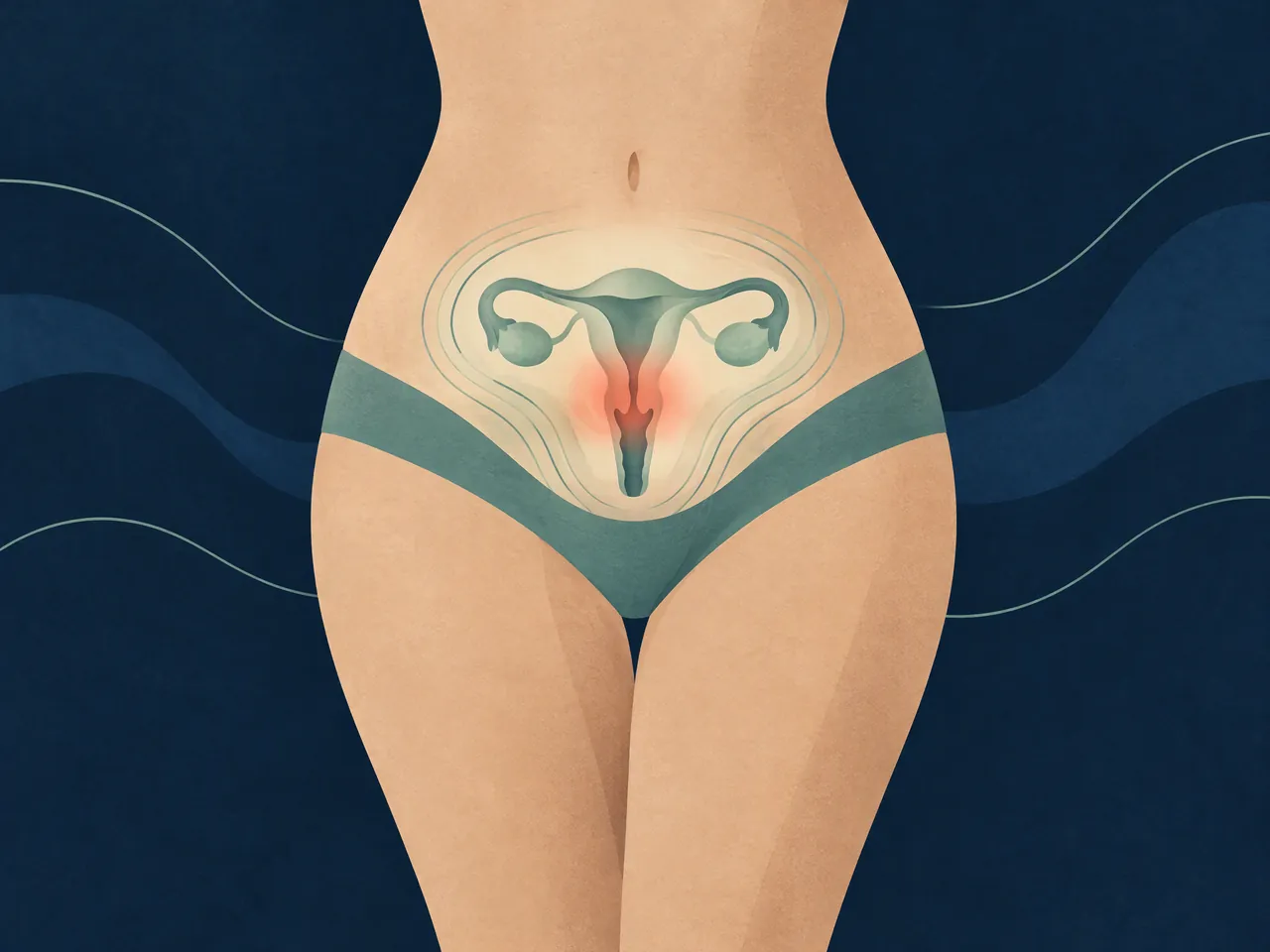
Chinese medicine may be discussed as a supportive option for period pain after an individual assessment, but it is not a substitute for investigating symptoms that could have a gynaecological cause. Primary dysmenorrhea usually follows a familiar cramping pattern around menstruation; secondary dysmenorrhea may reflect an underlying condition and can change or worsen over time. A simple cycle record, appropriate medical pain relief, and timely review of warning signs help make decisions safer and more useful.
Transparent pricing
See the fees.
Choose your care.
Explore our complete official price list, including first-trial prices, regular prices, packages and branch-specific options.
Opening WhatsApp prepares an enquiry; it does not send a message, take payment or confirm an appointment. Suitability and individual arrangements are confirmed during consultation.
Pain care
All prices in HKDExtracorporeal shockwave treatment
Shockwave treatment for deep-tissue and fascial care. The Kwun Tong clinic offers the multi-area options shown below.
Priced by branch
Branch-specific pricing
Prince Edward: HK$250 per area
Kwun Tong: HK$250 for 1 area / HK$450 for 2 areas / HK$600 for 3 areas
Pain care (manual therapy)
Includes Chinese medicine musculoskeletal assessment, manual joint techniques and tui na.
HK$580 (single session)
Chinese medicine musculoskeletal assessment
Pain care (acupuncture and manual therapy)
Combines acupuncture and manual therapy.
HK$680 (single session)
Combined care
Hair and scalp
All prices in HKDScalp health and hair-loss management
Includes AI scalp analysis, deep scalp and follicle cleansing, and scalp oil-control care.
HK$380 (first trial)
Regular price: HK$680
- 6 sessions: HK$3,480 (HK$580 per session)
- 12 sessions: HK$5,760 (HK$480 per session)
- 20 sessions: HK$8,600 (HK$430 per session)
- 30 sessions: HK$11,400 (HK$380 per session)
Hair acupuncture and Chinese herbal medicine package
Includes scalp acupuncture and 3 days of Chinese herbal medicine that does not require decoction.
HK$580 (single session)
Registered Chinese Medicine Practitioner consultation
- 6 sessions: HK$3,180 (HK$530 per session)
- 12 sessions: HK$5,760 (HK$480 per session)
- 20 sessions: HK$8,600 (HK$430 per session)
- 30 sessions: HK$11,400 (HK$380 per session)
Combined hair and scalp treatment
Combines acupuncture and Chinese herbal medicine with salon-level scalp and follicle care. Packages include complimentary hair-care shampoo and serum.
HK$1,260 (single session)
Combined treatment
- 8 sessions: HK$8,640 (HK$1,080 per session)
- 16 sessions: HK$15,680 (HK$980 per session)
- 20 sessions: HK$18,600 (HK$930 per session)
- 30 sessions: HK$26,400 (HK$880 per session)
Weight management
All prices in HKDFull-body acupoint embedding for weight management
Includes full-body acupoint embedding. Packages include complimentary Chinese herbal medicine for weight management, with the number of included days scaled to the package. Embedding material and the individual treatment arrangement are confirmed during consultation; this is not a cosmetic thread lift.
HK$980 (single session)
No trial session
- 10 sessions: HK$7,800 (HK$780 per session)
- 20 sessions: HK$14,600 (HK$730 per session)
- 30 sessions: HK$20,400 (HK$680 per session)
Facial acupuncture
All prices in HKDFacial acupuncture (basic)
Includes facial acupuncture and meridian-based facial care, including care for facial puffiness.
HK$480 (first trial)
Regular price: HK$680
- 10 sessions: HK$5,200 (HK$520 per session)
- 20 sessions: HK$9,600 (HK$480 per session)
- 30 sessions: HK$13,500 (HK$450 per session)
Facial acupuncture (advanced)
Includes enhanced facial acupuncture with a specially formulated moisturising mask and serum.
HK$780 (first trial)
Regular price: HK$1,180
- 10 sessions: HK$9,000 (HK$900 per session)
- 20 sessions: HK$16,600 (HK$830 per session)
- 30 sessions: HK$23,400 (HK$780 per session)
Chinese medicine
All prices in HKDAcupuncture and Chinese herbal medicine package
Includes a Chinese medicine consultation with pulse assessment, body acupuncture and 3 days of Chinese herbal granules that do not require decoction.
HK$580 (single session)
Chinese medicine consultation with pulse assessment
Period Pain Relief Options: Dysmenorrhea and Chinese Medicine and Primary and Secondary Dysmenorrhea Explained
Dysmenorrhea means pain associated with menstruation. Primary dysmenorrhea describes cramping that occurs without a known pelvic disease. It commonly begins around the start of periods and is linked to prostaglandins, natural chemicals in the uterine lining that make the uterus contract. As the lining is shed, prostaglandin levels fall, which helps explain why this familiar type of pain often eases after the first days of bleeding. Pain may spread to the back or thighs and occur with nausea, bowel changes, headache or tiredness. Even a familiar pattern can be disruptive. [1]
Secondary dysmenorrhea means painful periods caused by, or occurring with, another condition affecting the reproductive organs. Endometriosis, adenomyosis and fibroids are examples named in patient guidance, but a symptom pattern alone cannot confirm any of them. Compared with a long-standing, predictable cramp pattern, secondary pain may begin earlier in the cycle, last longer, become more intense over time, or continue after bleeding finishes. They are reasons to seek assessment, not to self-diagnose. Note what changed: pain, flow, timing or your ability to work, study, sleep and move normally. [1]

Period pain relief options therefore have two jobs. One is to ease current discomfort with heat, rest, movement or clinician-advised pain medicine. The other is to make sure a potentially important change is not covered up by a routine that no longer matches your symptoms. The NHS notes that a warm bath, heat, gentle activity and painkillers are among measures that may help; a pharmacist or clinician can advise on whether a medicine is suitable for you. Its guidance also flags pain that disrupts everyday activities as a reason to seek care. [2]
Period Pain Relief Options: Dysmenorrhea and Chinese Medicine and Primary and Secondary Dysmenorrhea in Context
Chinese medicine uses a traditional pattern-based way of discussing menstrual symptoms. A practitioner may ask about the pain quality, whether warmth or rest changes it, and cycle-related changes in sleep, digestion, mood, bowel habits or energy. These observations can guide a traditional Chinese medicine discussion, but they are not modern medical diagnoses and should not be used to label every painful period as one single problem. A useful consultation leaves room for both perspectives: the person’s lived pattern, current medical history and any gynaecological findings already available.
For someone wondering can Chinese medicine help with period pain, the safest answer is that it may be one part of supportive care, not a promise of a cure. Acupuncture, acupressure or Chinese herbal medicine may be topics for an individual discussion after the symptom pattern and medical background are understood. ACOG lists acupuncture and acupressure among alternative treatments that may be useful for painful periods, while complementary care should not delay appropriate evaluation. NCCIH also advises discussing complementary approaches with health-care providers. [3] [1] [3]

Period Pain Relief Options: Dysmenorrhea and Chinese Medicine and Primary and Secondary Dysmenorrhea Cycle Records
A cycle record is more helpful than a score written only on the worst day. Start with the first and last day of bleeding, then mark the first moment pain appears: before flow, at the start, mid-period or after it ends. Note pain location and intensity, including whether it moves to the back or thighs. Add flow changes such as unusually heavy bleeding, clots or spotting. Include nausea, vomiting, diarrhoea, dizziness, headache, fatigue, pain during sex, pain when passing urine or stool, and symptoms between periods if they occur.
Also record the practical consequences. Note missed class, work, exercise or sleep, what you tried and its effect. List medicines, supplements, hormonal contraception and complementary treatments. A record across several cycles can reveal whether pain is stable, improving or changing. It also helps distinguish a treatment that happened to coincide with a lighter month from a consistent pattern. If endometriosis is part of the question, our page on painful periods and endometriosis explains why symptom changes deserve proper clinical attention.
Compare your options
| What you notice | What to record or try | Why it matters | Next conversation |
|---|---|---|---|
| Familiar cramps around the first days of bleeding | Record timing, intensity, heat, rest and clinician-advised pain relief | Shows whether a repeatable self-care plan is helping | Discuss primary dysmenorrhea and supportive options |
| Pain starts earlier, lasts longer or becomes worse over time | Note the change and any pain outside bleeding days | May need assessment for secondary dysmenorrhea | Arrange family doctor or gynaecology review |
| Heavier, irregular or between-period bleeding | Record dates, flow changes and related symptoms | Bleeding changes add important context to pain | Seek medical advice rather than self-treating alone |
| Pain during sex, urination or bowel movements | Write down when it occurs and its relationship to the cycle | Associated pelvic symptoms can guide assessment | Raise it directly with a clinician |
| Interest in acupuncture or Chinese herbal medicine | Bring diagnosis, test results and a full medicine and supplement list | Supports safer, coordinated complementary care | Ask what role is appropriate for your situation |
On smaller screens, scroll the table sideways to compare all columns.
Period Pain Relief Options: Dysmenorrhea and Chinese Medicine and Primary and Secondary Dysmenorrhea Assessment
Assessment begins with a clear story, not with an assumption that the most painful cycle tells the whole story. A family doctor or gynaecologist may ask when pain began, whether it changed, relevant history, bleeding, bowel or bladder symptoms, sex-related pain, contraception and pregnancy plans. Depending on the findings, a pelvic examination, ultrasound or other investigation may be considered. ACOG says an ultrasound may be used when pain is not relieved with medication, while further assessment is guided by the clinical picture. [1]
Bring previous results and your current medication list to every consultation, including a Chinese medicine consultation. This is especially important with prescription pain medicines, hormonal treatment, blood-thinning medicines, herbs or supplements. Do not stop, start or change prescribed treatment because a complementary option is being explored. Each professional should know what you take, what you tried and which symptoms are new. That helps avoid conflicting advice and supports a clear review point.

Period Pain Relief Options: Dysmenorrhea and Chinese Medicine and Primary and Secondary Dysmenorrhea Consultation
A Chinese medicine consultation should make time for ordinary, specific questions. When did the cramps begin? Is the pain predictable? Is there heavy or irregular bleeding? What makes it better or worse? What does a normal day become impossible during the cycle? A practitioner may use observation, conversation and pulse or tongue assessment within a traditional approach. Ask what the approach aims to address, when it would be unsuitable and how progress will be reviewed. A responsible conversation does not present a traditional pattern label as proof that a gynaecological cause has been excluded.
If acupuncture is considered, ask about the expected role within the wider plan rather than expecting a fixed number of sessions or a guaranteed response. Acupuncture needles should be sterile and single-use; that is the standard safety point highlighted by NCCIH. [3] For Chinese herbal medicine, share every product and medicine you use, pregnancy plans, allergies and diagnoses. Individualised treatment cannot be safely reduced to a generic online formula. For a broader description of what may be discussed, read TCM for period pain, then use a consultation to address your own history.

Period Pain Relief Options: Dysmenorrhea and Chinese Medicine and Primary and Secondary Dysmenorrhea Supportive Care
Supportive care works best when it is matched to the day you are actually having. Heat can be useful if lower-abdominal or back cramping makes it hard to settle; a bath, shower, heat pad or wrapped hot-water bottle may be more manageable than trying to push through. Gentle walking, swimming, cycling or yoga can be reasonable for some people, while rest and sleep may be more realistic for others. ACOG also includes exercise, heat, sleep and relaxation practices among home strategies for coping with period pain. [1] The aim is safe, repeatable relief while tracking changes in the overall pattern.
Medication belongs in this conversation too. NSAIDs such as ibuprofen or naproxen are commonly used for menstrual cramps, but they are not appropriate for everyone. ACOG notes that people with certain conditions, including bleeding disorders, asthma, aspirin allergy, liver damage, stomach disorders or ulcers, should not take NSAIDs. [1] Follow label and pharmacist or prescriber advice; do not combine products or exceed doses. If medication, heat and rest are no longer enough to keep you functioning, that is useful information for a clinician. Complementary care should add to a safe plan, not conceal a need for review.
Period Pain Relief Options: Dysmenorrhea and Chinese Medicine and Primary and Secondary Dysmenorrhea Care Planning
A care plan for dysmenorrhea can be simple without being dismissive. Decide what needs prompt assessment and what you can try at home. Choose repeatable measures, such as heat, movement on less painful days, medication taken as advised and a phone cycle note. Decide how you will judge change. Better may mean fewer disrupted days, less intense pain, less need for rescue medication, or more predictable symptoms. It should not mean ignoring new bleeding or pushing through pain that is escalating.
The table below is a conversation aid rather than a diagnostic tool. It separates an established, familiar pattern from features that merit clinical attention and shows where supportive Chinese medicine may sit. A partial record can make a short appointment more focused. If you need location or practical appointment information after deciding to ask about supportive care, the Chinese medicine clinic Prince Edward and Kwun Tong Chinese medicine clinic pages provide the relevant clinic details.

Period Pain Relief Options: Dysmenorrhea and Chinese Medicine and Primary and Secondary Dysmenorrhea with Gynaecology
Gynaecology and Chinese medicine do not have to be competing routes. Medical assessment investigates a possible secondary cause and considers tests, referral and treatment options. Chinese medicine may be used, where appropriate, as supportive care centred on the person’s symptoms and preferences. Share reports, diagnoses and treatment plans with practitioners, and tell your doctor about complementary treatments you are considering. That simple exchange reduces the chance that important information is split between separate appointments.
Coordination is also valuable when the question is not only pain. Heavier bleeding, fertility concerns, contraception choices, bowel or bladder symptoms, and recurrent pelvic pain can alter the plan. A consultation should not make you choose one explanation before the evidence is available. It can clarify the next action: conservative measures, a considered supportive option, gynaecology review or an earlier return if symptoms change. If you are unsure about the threshold for assessment, see when to see a doctor for period pain for a focused guide to symptoms that deserve medical attention.

Period Pain Relief Options: Dysmenorrhea and Chinese Medicine and Primary and Secondary Dysmenorrhea Warning Signs
Arrange medical review if periods become more painful, heavier or irregular; if pain stops you doing usual activities; or if you have bleeding between periods, pain during sex, pain when urinating or passing stool, changes in bowel or bladder habits, abdominal swelling, loss of appetite or unintentional weight loss. These are NHS-listed reasons to see a doctor because they can accompany causes that need assessment. [2] Severe pain that is worse than usual and not helped by pain relief warrants urgent medical advice. If you feel acutely unwell or are concerned about an emergency, seek urgent local medical care rather than waiting for a complementary-health appointment.
Take a changing pattern seriously even if you have always had some cramps. A person may have primary dysmenorrhea and later develop a different problem, or may simply need their pain-management plan reassessed. No one approach can be promised to solve every cycle. Keep your record, describe the impact plainly, and ask for explanations you understand. Period pain relief options are most useful when they protect daily life while leaving room to identify and treat an underlying condition when one is present.
Care and health guide
Pain-care information
This directory brings together services, reading, and visit information related to pain care, to help you prepare questions for a consultation.
When pain care affects your day, noting when it occurs, its relation to activity, and what you have already tried can help prepare a consultation; Chinese medicine pain management Hong Kong is a relevant service or reading entry point.
Individual circumstances differ, and acupuncture Hong Kong offers related information to help you understand options and prepare questions.


Your questions, answered
Frequently asked questions
How do primary and secondary dysmenorrhea feel different?
There is overlap, so symptoms alone cannot diagnose the cause. Primary dysmenorrhea is often a familiar cramping pattern before or during bleeding that eases after the first days. Secondary dysmenorrhea may become progressively worse, begin earlier, last longer, persist after a period, or occur with bleeding changes or other pelvic symptoms. A changing pattern is a reason for medical review.
Can I use Chinese medicine while taking pain medication or hormonal contraception?
Do not stop prescribed medicines or contraception on your own. Tell the Chinese medicine practitioner, pharmacist and prescribing clinician about all medicines, herbs and supplements you use. They can consider your history, the reason for each treatment and any relevant safety issues before you make changes.
What should I bring to a period pain consultation?
Bring a cycle record, a list of all medicines and supplements, details of previous scans or diagnoses, and your main question. It also helps to say how pain affects work, study, sleep, exercise, bowel or bladder function, sex and mood. These details are more useful than trying to give a single average pain score.
When should I seek urgent help for period pain?
Seek urgent medical advice when pelvic or period pain is severe or worse than usual and pain relief has not helped. Do not wait for a complementary-care appointment if you feel acutely unwell or believe you may need emergency care. For non-urgent but important changes, arrange a doctor or gynaecology review promptly.
Sources and further information
- [1] American College of Obstetricians and Gynecologists — Dysmenorrhea: Painful Periods
Referenced for: Primary and secondary dysmenorrhea, associated symptoms, assessment, NSAID cautions, home measures and acupuncture context.
- [2] NHS — Period pain
Referenced for: Self-care measures, possible causes and symptoms that warrant medical assessment or urgent advice.
- [3] National Center for Complementary and Integrative Health — Acupuncture: What You Need To Know
Referenced for: Cautious complementary-care discussion, needle safety and the importance of not postponing health-care assessment.