
TCM Lab · Health reading
Alopecia Areata Symptoms and When to Seek Medical Advice
Published Updated
A smooth bald patch can be startling, especially when it seems to appear between haircuts or becomes obvious in a mirror or photograph. Alopecia areata symptoms often begin with one or more sudden round or oval areas of hair loss, usually on the scalp, although facial and other body hair may be involved. The pattern deserves attention, but it cannot diagnose itself: shedding, broken hairs, scalp inflammation and several other conditions can look different from one person to another. This page explains what to observe, which scalp changes should not be ignored, and how to prepare useful details for a clinician. If a patch is new, spreading or worrying you, arranging a medical assessment is a sensible next step rather than trying to identify the cause from photos alone.
Appointments are confirmed through WhatsApp. If you have language requirements, please mention them in your enquiry.
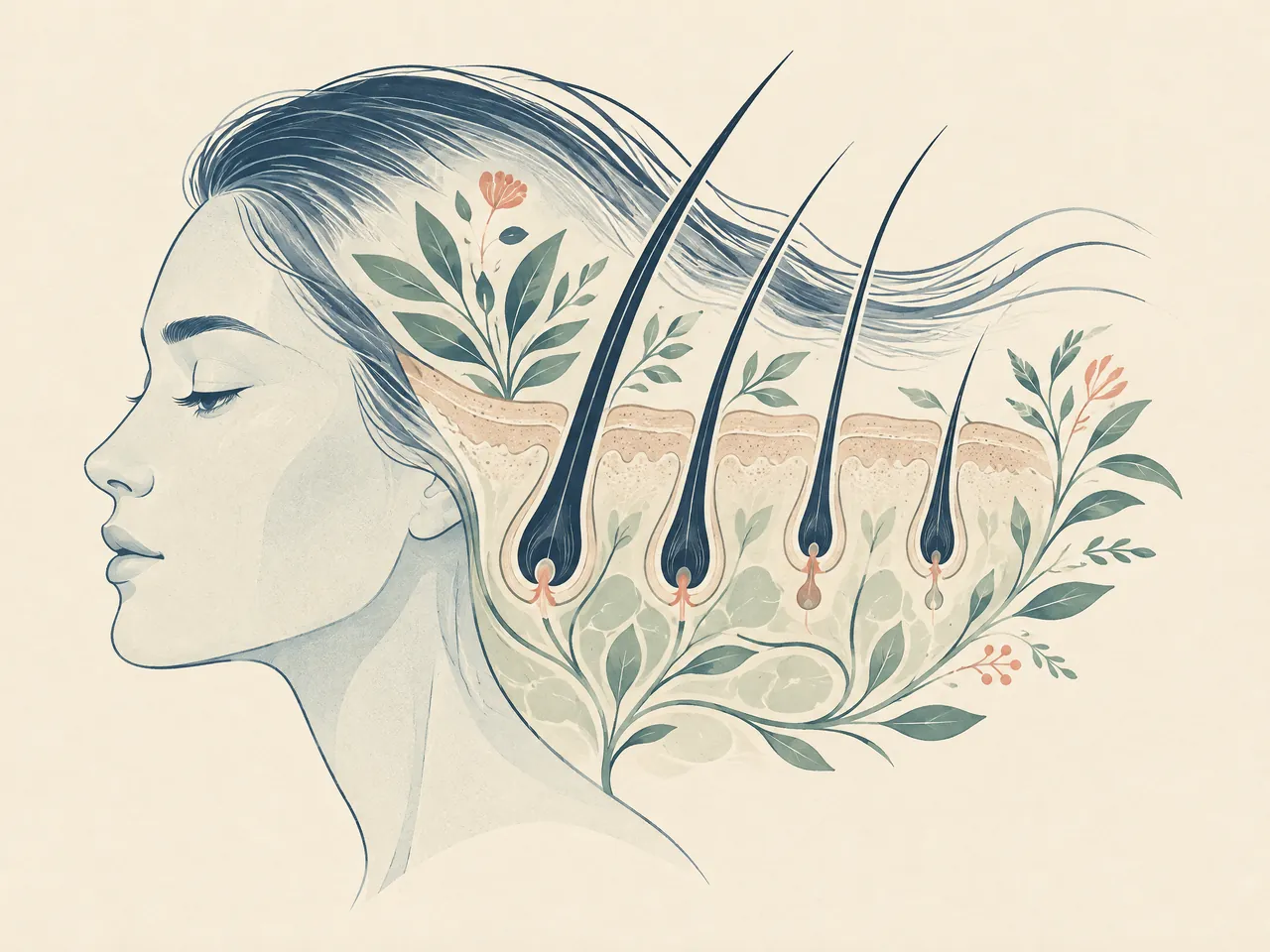
The short answer
Alopecia areata symptoms often include sudden, smooth round or oval patches of hair loss on the scalp. Patches may multiply or join, and eyebrows, eyelashes or beard hair can also be affected. Some people notice itching, tingling or burning, and nail changes can occur. New patchy loss needs a clinical assessment because appearance alone cannot confirm its cause. Seek prompt medical advice for redness, swelling, pain, scaling, crusting, fluid or skin that looks scarred.
Transparent pricing
See the fees.
Choose your care.
Explore our complete official price list, including first-trial prices, regular prices, packages and branch-specific options.
Opening WhatsApp prepares an enquiry; it does not send a message, take payment or confirm an appointment. Suitability and individual arrangements are confirmed during consultation.
Hair and scalp
All prices in HKDScalp health and hair-loss management
Includes AI scalp analysis, deep scalp and follicle cleansing, and scalp oil-control care.
HK$380 (first trial)
Regular price: HK$680
- 6 sessions: HK$3,480 (HK$580 per session)
- 12 sessions: HK$5,760 (HK$480 per session)
- 20 sessions: HK$8,600 (HK$430 per session)
- 30 sessions: HK$11,400 (HK$380 per session)
Hair acupuncture and Chinese herbal medicine package
Includes scalp acupuncture and 3 days of Chinese herbal medicine that does not require decoction.
HK$580 (single session)
Registered Chinese Medicine Practitioner consultation
- 6 sessions: HK$3,180 (HK$530 per session)
- 12 sessions: HK$5,760 (HK$480 per session)
- 20 sessions: HK$8,600 (HK$430 per session)
- 30 sessions: HK$11,400 (HK$380 per session)
Combined hair and scalp treatment
Combines acupuncture and Chinese herbal medicine with salon-level scalp and follicle care. Packages include complimentary hair-care shampoo and serum.
HK$1,260 (single session)
Combined treatment
- 8 sessions: HK$8,640 (HK$1,080 per session)
- 16 sessions: HK$15,680 (HK$980 per session)
- 20 sessions: HK$18,600 (HK$930 per session)
- 30 sessions: HK$26,400 (HK$880 per session)
Weight management
All prices in HKDFull-body acupoint embedding for weight management
Includes full-body acupoint embedding. Packages include complimentary Chinese herbal medicine for weight management, with the number of included days scaled to the package. Embedding material and the individual treatment arrangement are confirmed during consultation; this is not a cosmetic thread lift.
HK$980 (single session)
No trial session
- 10 sessions: HK$7,800 (HK$780 per session)
- 20 sessions: HK$14,600 (HK$730 per session)
- 30 sessions: HK$20,400 (HK$680 per session)
Facial acupuncture
All prices in HKDFacial acupuncture (basic)
Includes facial acupuncture and meridian-based facial care, including care for facial puffiness.
HK$480 (first trial)
Regular price: HK$680
- 10 sessions: HK$5,200 (HK$520 per session)
- 20 sessions: HK$9,600 (HK$480 per session)
- 30 sessions: HK$13,500 (HK$450 per session)
Facial acupuncture (advanced)
Includes enhanced facial acupuncture with a specially formulated moisturising mask and serum.
HK$780 (first trial)
Regular price: HK$1,180
- 10 sessions: HK$9,000 (HK$900 per session)
- 20 sessions: HK$16,600 (HK$830 per session)
- 30 sessions: HK$23,400 (HK$780 per session)
Pain care
All prices in HKDExtracorporeal shockwave treatment
Shockwave treatment for deep-tissue and fascial care. The Kwun Tong clinic offers the multi-area options shown below.
Priced by branch
Branch-specific pricing
Prince Edward: HK$250 per area
Kwun Tong: HK$250 for 1 area / HK$450 for 2 areas / HK$600 for 3 areas
Pain care (manual therapy)
Includes Chinese medicine musculoskeletal assessment, manual joint techniques and tui na.
HK$580 (single session)
Chinese medicine musculoskeletal assessment
Pain care (acupuncture and manual therapy)
Combines acupuncture and manual therapy.
HK$680 (single session)
Combined care
Chinese medicine
All prices in HKDAcupuncture and Chinese herbal medicine package
Includes a Chinese medicine consultation with pulse assessment, body acupuncture and 3 days of Chinese herbal granules that do not require decoction.
HK$580 (single session)
Chinese medicine consultation with pulse assessment
Alopecia Areata Symptoms: Notice the Pattern of Hair Loss
The first useful question is not simply “How much hair came out today?” but “What changed, where, and how quickly?” Alopecia areata commonly starts as a sharply noticed patch rather than a slowly widening parting. The National Institute of Arthritis and Musculoskeletal and Skin Diseases describes sudden round or oval scalp patches as a typical beginning, while hair loss can also occur elsewhere on the body. [1] In day-to-day terms, a person may first spot a coin-like gap while styling their hair, see scalp showing in a regular selfie, or find a barber or family member has noticed it. Note the date you first saw it, then compare like with like over the next days rather than repeatedly pulling or scratching the area to test it.
One patch does not tell you how the pattern will develop. It may remain limited, regrow, be joined by new patches, or merge with another area; outcomes vary from person to person. [1] This is why it is more helpful to describe the outline and location than to guess a cause. A clear description might be: “a smooth oval area behind the left ear, noticed last week, with another smaller gap today.” If the issue is sudden patchy hair loss, take the change seriously even if there is no discomfort. The Hong Kong Centre for Health Protection also advises medical advice when continual loss is suspected or the underlying skin looks abnormal. [3]
Alopecia areata is only one reason for hair loss. Illness, weight change, medicines, nutritional issues, traction from tight styles, infections, inflammatory scalp disorders and inherited pattern thinning may need to be considered in the wider history. [3] [4] Trying to decide from a shower drain or a single close-up can create unnecessary certainty in either direction. A clinician can put the visible pattern alongside the scalp condition, timing, personal history and any other symptoms. If you are trying to understand the broader question of what causes hair loss, keep the possibilities open until that assessment rather than beginning a product or supplement based on an assumption.

Alopecia Areata Symptoms in Smooth Round or Oval Patches
A classic patch is round or oval, smooth-looking and clearly different from the hair around it. The skin may appear normal in colour and there is often no visible swelling, redness or scarring on the bare patch. [1] Some people report itching, tingling or a burning feeling before or around the time hair falls out, but not everyone has these sensations. Short broken “exclamation point” hairs at the patch edge can be a clue seen on examination; they are not something to search for aggressively at home. Observe whether the edges are stable, whether another patch appears, and whether hairs look broken rather than shed. These details help a clinician distinguish possibilities, but they do not turn a home observation into a diagnosis.
Alopecia Areata Symptoms Compared with Gradual Thinning
Gradual thinning often has a different story. Someone may notice a parting that looks broader over months, reduced density at the crown or temples, or a ponytail that feels less full, without a sharply outlined bare patch. Pattern thinning can run in families and commonly follows a recognisable distribution, while sudden patch loss calls for a different description and assessment. [3] Both experiences can be distressing, and both can coexist with everyday shedding. The distinction is not about deciding which is more serious; it is about giving the clinician the most accurate starting point. Bring old photos if they show the same angle and lighting, but do not rely on lighting differences to judge whether a patch has grown.
Compare your options
| What you notice | Details worth recording | Why it is useful to mention |
|---|---|---|
| New smooth round or oval patch | First date seen, scalp or other body site, outline and whether another patch appears | This pattern can be consistent with alopecia areata but still needs clinical assessment. |
| Gradual diffuse thinning | Parting, crown or temples; how the change compares with older photographs | The distribution and time course may differ from a sudden patch. |
| Redness, pain, scale, crust or fluid | Whether the skin is warm, tender, itchy, burning, spreading or broken | Visible inflammation or possible infection may need prompt evaluation. |
| Eyebrow, eyelash, beard or nail changes | Which areas are affected, eye irritation, and new pits, ridges or splitting | Hair beyond the scalp and nail findings add context to the assessment. |
| Recent health or routine change | Illness, medicine or supplement changes, diet, stress, weight change and hair practices | A timeline helps the clinician consider relevant alternatives without assuming one cause. |
On smaller screens, scroll the table sideways to compare all columns.
Alopecia Areata Symptoms: Scalp Changes That Need Attention
Look at the skin as well as the missing hair. In alopecia areata, the bare patch is commonly smooth without a rash, obvious redness or scarring. [1] That makes a red, hot, swollen, tender, scaly, crusted, blistered or oozing area worth prompt medical attention, particularly if it is changing quickly. These signs do not confirm one particular cause; they signal that an inflammatory, infectious or other scalp condition needs consideration. The same applies if the skin looks shiny, sunken or scarred, or if follicle openings seem absent. Avoid covering an actively sore or draining scalp with repeated cosmetic products while waiting for advice, as this can make the condition harder to describe.
Itching alone has many possible explanations, from irritation to an inflammatory skin condition, and a brief sensation around a patch can occur with alopecia areata. [1] What matters is the whole picture: timing, location, visible skin change and severity. Pain that disrupts sleep, spreading swelling, discharge, fever or feeling generally unwell should be raised with a doctor promptly. In a less urgent but persistent situation, book an assessment rather than cycling through shampoos, hair tonics or strong home treatments. The NHS advises seeing a GP when you are worried about hair loss and recommends understanding the cause before turning to a commercial hair clinic. [4]
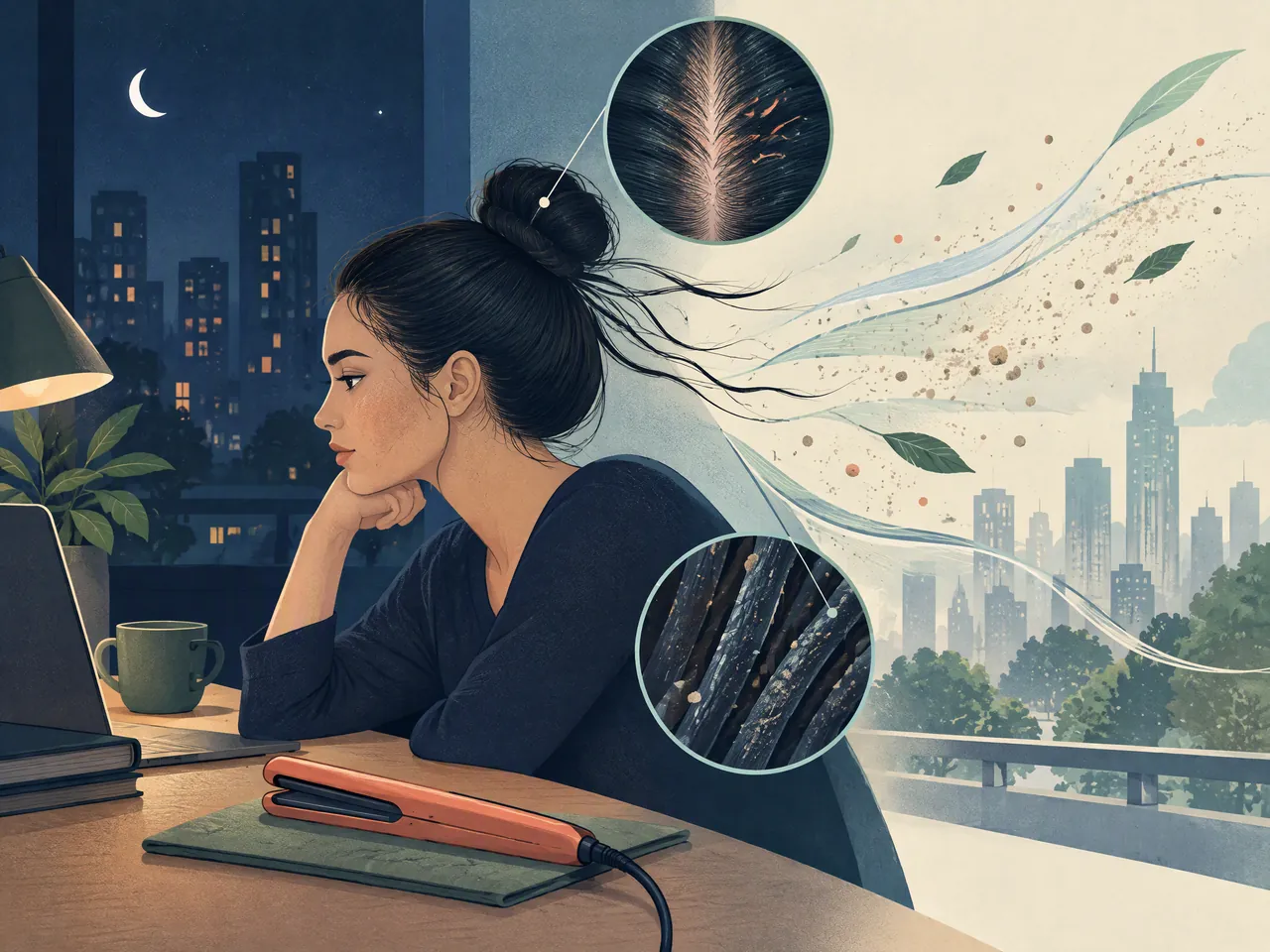
Needle-based procedures should never be used on skin that appears infected, inflamed or broken without appropriate clinical advice. If you are considering a procedure later, read about scalp acupuncture infection risk and discuss any current scalp symptoms openly with the practitioner. This is about safety and clear information, not a substitute for evaluating a new patch or a painful scalp.
Alopecia Areata Symptoms with Redness, Scaling or Pain
Redness, scaling or pain should not be casually labelled alopecia areata because the usual bare patch does not show visible irritation, redness or scarring. [1] A clinician may need to consider conditions such as scalp infection, dermatitis or another inflammatory process, and the next step depends on examination findings. Record whether the area is itchy, burning or tender; whether there are flakes, crusts or fluid; and whether the symptom began before or after hair loss. Do not scratch, pick at scale or share combs and hair tools when infection is a possibility. A short, factual note is more useful than trying to explain the cause: for example, “scaling began on Monday; painful when touched; patch enlarged by Friday.”
Alopecia Areata Symptoms Affecting Eyebrows, Eyelashes or Beard
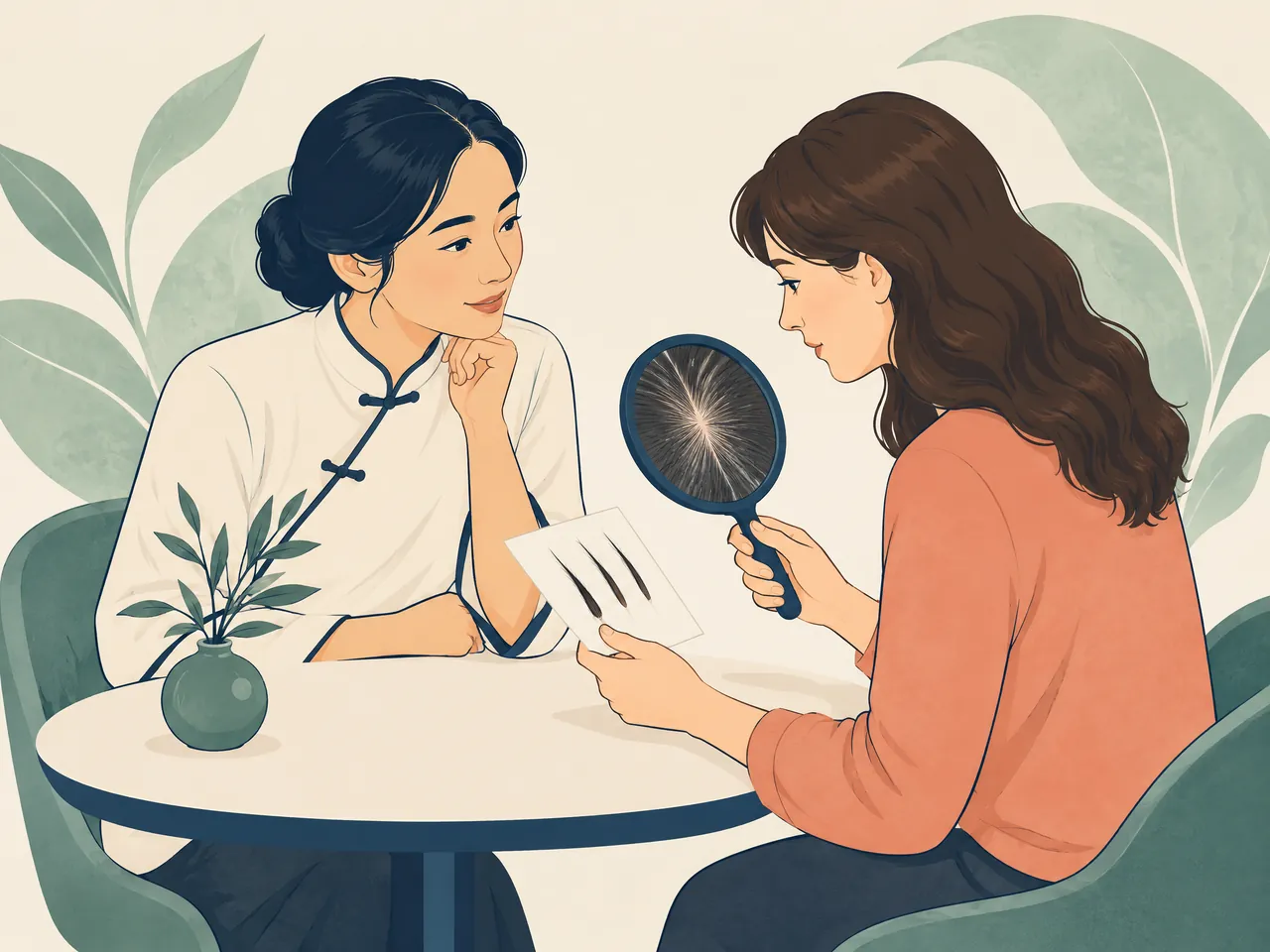
Alopecia areata can affect hair beyond the scalp, including the beard area, eyebrows and eyelashes. [1] [2] An eyebrow gap can be mistaken for over-plucking or makeup wear, while eyelash loss may be noticed as irritation from dust or light. Mention these changes even if the scalp patch seems small, and note whether loss is on one side or both. If eye discomfort accompanies lash loss, seek appropriate medical advice rather than relying on cosmetics or adhesive lashes. Facial hair change can feel highly personal, but a clinician needs a clear account of where it began, whether it is patchy or widespread, and whether there are associated skin or nail changes.
Alopecia Areata Symptoms: Preparing for a Medical Assessment
A useful appointment starts before you arrive. Write down when the first change appeared, whether it was sudden or gradual, and whether you found hair on a pillow, brush, shower floor or clothing. Record recent fever or illness, surgery, childbirth, major stress, weight change, a substantial dietary change, new medicines, stopped medicines and supplements. These events are context rather than proof of a cause. Add hair practices that may affect the scalp, such as bleaching, tight braids, extensions or heat styling, and mention family members with a similar pattern. A short timeline reduces the risk that important clues are forgotten in a stressful conversation.
Photographs can support that timeline if you take them consistently: similar angle, distance, lighting and hair parting, with the date retained. They cannot show texture, tenderness, follicle openings or every short broken hair, so they cannot replace an examination. Bring a list of questions, especially if the patch has spread or your wellbeing has been affected. It is reasonable to ask what features the clinician sees, what other causes are being considered, whether any test is needed and what changes should prompt earlier review. If you want to ask about a non-emergency consultation locally, you can contact a Kwun Tong Chinese medicine clinic or a Chinese medicine clinic Prince Edward; tell the team about red, painful, scaly or draining skin before arranging anything.
An assessment is not a promise that every person needs the same tests or that one explanation will be found immediately. It is a way to move from a vague concern to a considered plan. That is particularly valuable when hair loss changes quickly, is affecting eyebrows or lashes, or has become emotionally difficult to manage.

Alopecia Areata Symptoms and Useful History to Record
Keep the record practical. Note the first date, body site, approximate size and shape of each patch, and whether hairs seem to have fallen from the root or broken along the shaft. Include scalp sensations and visible changes, then check your fingernails for new tiny dents, ridges, roughness or splitting. Nail changes can occur in alopecia areata, although they are not diagnostic by themselves. [1] Also write down relevant personal or family health history and a complete medicine and supplement list. Avoid starting or stopping prescribed treatment simply to make the timeline look simpler. Your clinician can decide which details matter after examining you.

Alopecia Areata Symptoms and Possible Examination Steps
For suspected alopecia areata, clinicians commonly examine the areas of loss and the nails, look closely at hair and follicle openings with a handheld magnifying device, and ask about medical and family history. [2] If another condition could be causing a similar pattern, blood tests or a skin biopsy may be considered; these are not automatic for every person. [2] The Hong Kong Centre for Health Protection likewise notes that a doctor may examine a hair sample or use investigations such as blood tests or tissue sampling to clarify type and cause. [3] Knowing this in advance can make the appointment feel less mysterious and helps you give informed consent to any proposed next step.
Care and health guide
Health service information
This directory brings together services, reading, and visit information related to health services, to help you prepare questions for a consultation.
If you are organising health questions, Chinese medicine clinic Hong Kong is a starting point for learning about related services and preparing for a consultation.
People have different needs; acupuncture Hong Kong provides further reading to help you understand options in your own context.


Your questions, answered
Frequently asked questions
What are common alopecia areata symptoms on the scalp?
Alopecia areata commonly begins with sudden round or oval patches of hair loss. The patch is often smooth-looking and may have no obvious redness or scarring. Some people report itching, tingling or burning near the time hair loss begins. [1]
Can alopecia areata symptoms include eyebrow, eyelash or beard hair loss?
Should I seek medical advice for a smooth bald patch even when it does not hurt?
Will I automatically need blood tests or a scalp biopsy?
No. A clinician may first examine the hair-loss areas, scalp and nails, look closely with magnification, and ask about your medical and family history. Blood tests or a skin biopsy may be considered when another cause needs to be ruled out. [2]
Sources and further information
- [1] [1] National Institute of Arthritis and Musculoskeletal and Skin Diseases — Alopecia Areata: Symptoms and Causes
Referenced for: Authoritative US government information supporting the usual patch pattern, possible body-hair and nail changes, and the fact that visible redness or scarring is not usual on bare patches.
- [2] [2] National Institute of Arthritis and Musculoskeletal and Skin Diseases — Alopecia Areata: Diagnosis, Treatment, and Steps to Take
Referenced for: Authoritative US government information supporting examination of affected areas and nails, magnified examination, history-taking, and selective use of blood testing or skin biopsy.
- [3] [3] Hong Kong Centre for Health Protection — Men's Health Line: Alopecia
Referenced for: Hong Kong government health information supporting round patchy alopecia areata wording, medical advice for persistent loss or abnormal skin, and possible investigation selected by a doctor.
- [4] [4] NHS — Hair loss
Referenced for: UK public health information supporting medical assessment when hair loss is worrying and the importance of understanding the cause before commercial hair-clinic treatment.