
TCM Lab · Health reading
Migraine attack self-care: What can I do during a migraine attack at home? Does a hot pack help a migraine?
Published Updated
When a migraine attack stops your day, simplify the next few minutes rather than trying to push through. Move to a quieter, dimmer place, reduce screens and strong smells, take small sips of fluid, and use the acute medicine that your clinician or pharmacist has advised. A wrapped cold pack on the forehead or neck may feel soothing; gentle warmth may be more comfortable when the neck and shoulders are tight. Neither choice is a universal treatment. Use the one that feels better, protect your skin and stop if it makes you feel worse. A calm environment and temperature therapy are comfort measures alongside—not instead of—appropriate medical care [1].
Appointments are confirmed through WhatsApp. If you have language requirements, please mention them in your enquiry.
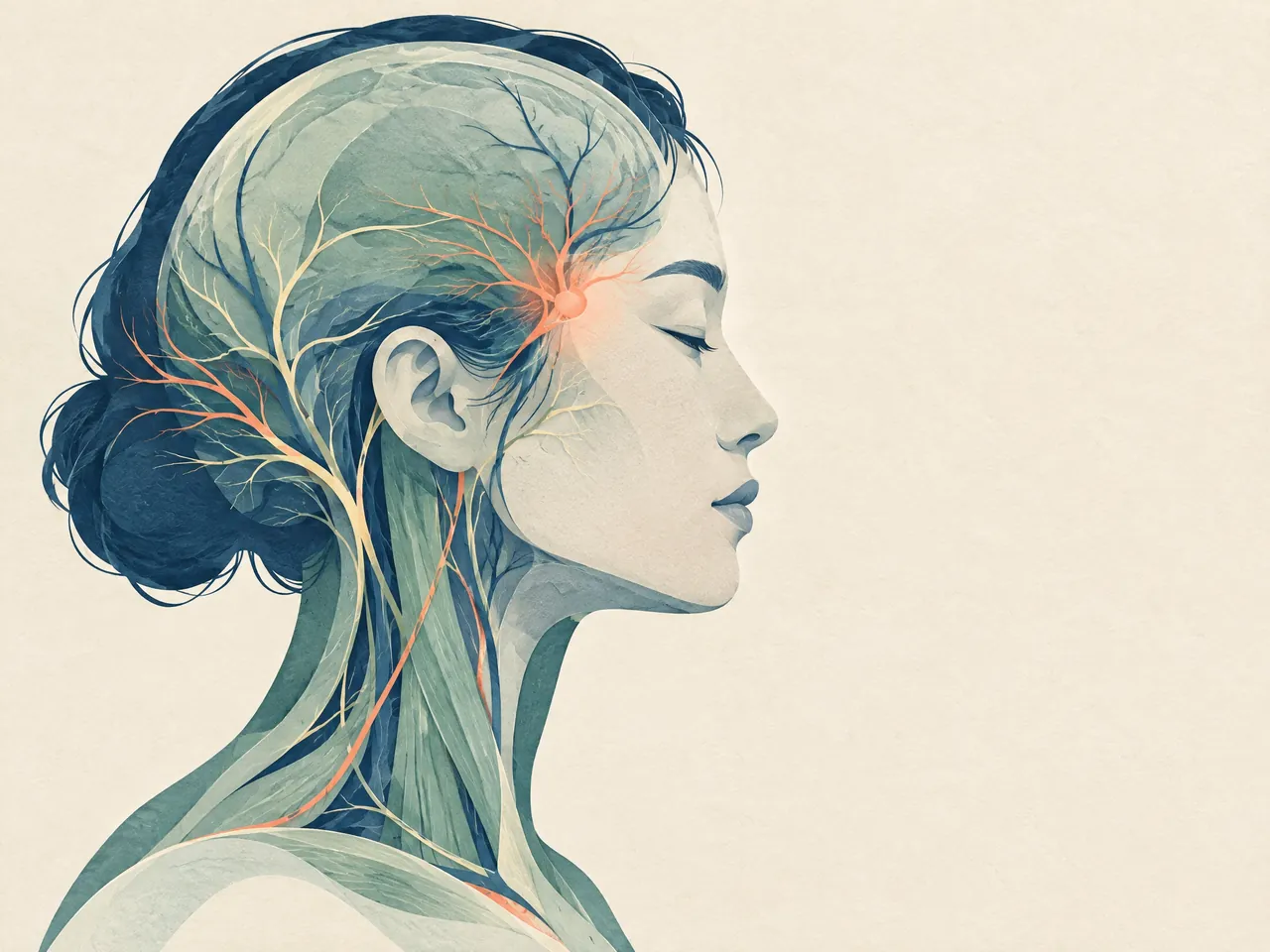
The short answer
During a migraine attack at home, lower light and noise, rest, take small sips of fluid, and follow your own medicine directions. A wrapped cold pack may soothe some people, while gentle warmth can feel better for tight neck and shoulder muscles. Choose comfort rather than a rigid rule, protect your skin, and stop if symptoms worsen. Seek urgent help for sudden severe pain or neurological symptoms.
Transparent pricing
See the fees.
Choose your care.
Explore our complete official price list, including first-trial prices, regular prices, packages and branch-specific options.
Opening WhatsApp prepares an enquiry; it does not send a message, take payment or confirm an appointment. Suitability and individual arrangements are confirmed during consultation.
Pain care
All prices in HKDExtracorporeal shockwave treatment
Shockwave treatment for deep-tissue and fascial care. The Kwun Tong clinic offers the multi-area options shown below.
Priced by branch
Branch-specific pricing
Prince Edward: HK$250 per area
Kwun Tong: HK$250 for 1 area / HK$450 for 2 areas / HK$600 for 3 areas
Pain care (manual therapy)
Includes Chinese medicine musculoskeletal assessment, manual joint techniques and tui na.
HK$580 (single session)
Chinese medicine musculoskeletal assessment
Pain care (acupuncture and manual therapy)
Combines acupuncture and manual therapy.
HK$680 (single session)
Combined care
Hair and scalp
All prices in HKDScalp health and hair-loss management
Includes AI scalp analysis, deep scalp and follicle cleansing, and scalp oil-control care.
HK$380 (first trial)
Regular price: HK$680
- 6 sessions: HK$3,480 (HK$580 per session)
- 12 sessions: HK$5,760 (HK$480 per session)
- 20 sessions: HK$8,600 (HK$430 per session)
- 30 sessions: HK$11,400 (HK$380 per session)
Hair acupuncture and Chinese herbal medicine package
Includes scalp acupuncture and 3 days of Chinese herbal medicine that does not require decoction.
HK$580 (single session)
Registered Chinese Medicine Practitioner consultation
- 6 sessions: HK$3,180 (HK$530 per session)
- 12 sessions: HK$5,760 (HK$480 per session)
- 20 sessions: HK$8,600 (HK$430 per session)
- 30 sessions: HK$11,400 (HK$380 per session)
Combined hair and scalp treatment
Combines acupuncture and Chinese herbal medicine with salon-level scalp and follicle care. Packages include complimentary hair-care shampoo and serum.
HK$1,260 (single session)
Combined treatment
- 8 sessions: HK$8,640 (HK$1,080 per session)
- 16 sessions: HK$15,680 (HK$980 per session)
- 20 sessions: HK$18,600 (HK$930 per session)
- 30 sessions: HK$26,400 (HK$880 per session)
Weight management
All prices in HKDFull-body acupoint embedding for weight management
Includes full-body acupoint embedding. Packages include complimentary Chinese herbal medicine for weight management, with the number of included days scaled to the package. Embedding material and the individual treatment arrangement are confirmed during consultation; this is not a cosmetic thread lift.
HK$980 (single session)
No trial session
- 10 sessions: HK$7,800 (HK$780 per session)
- 20 sessions: HK$14,600 (HK$730 per session)
- 30 sessions: HK$20,400 (HK$680 per session)
Facial acupuncture
All prices in HKDFacial acupuncture (basic)
Includes facial acupuncture and meridian-based facial care, including care for facial puffiness.
HK$480 (first trial)
Regular price: HK$680
- 10 sessions: HK$5,200 (HK$520 per session)
- 20 sessions: HK$9,600 (HK$480 per session)
- 30 sessions: HK$13,500 (HK$450 per session)
Facial acupuncture (advanced)
Includes enhanced facial acupuncture with a specially formulated moisturising mask and serum.
HK$780 (first trial)
Regular price: HK$1,180
- 10 sessions: HK$9,000 (HK$900 per session)
- 20 sessions: HK$16,600 (HK$830 per session)
- 30 sessions: HK$23,400 (HK$780 per session)
Chinese medicine
All prices in HKDAcupuncture and Chinese herbal medicine package
Includes a Chinese medicine consultation with pulse assessment, body acupuncture and 3 days of Chinese herbal granules that do not require decoction.
HK$580 (single session)
Chinese medicine consultation with pulse assessment
Migraine attack self-care: What can I do during a migraine attack at home? Does a hot pack help a migraine? — Start with comfort
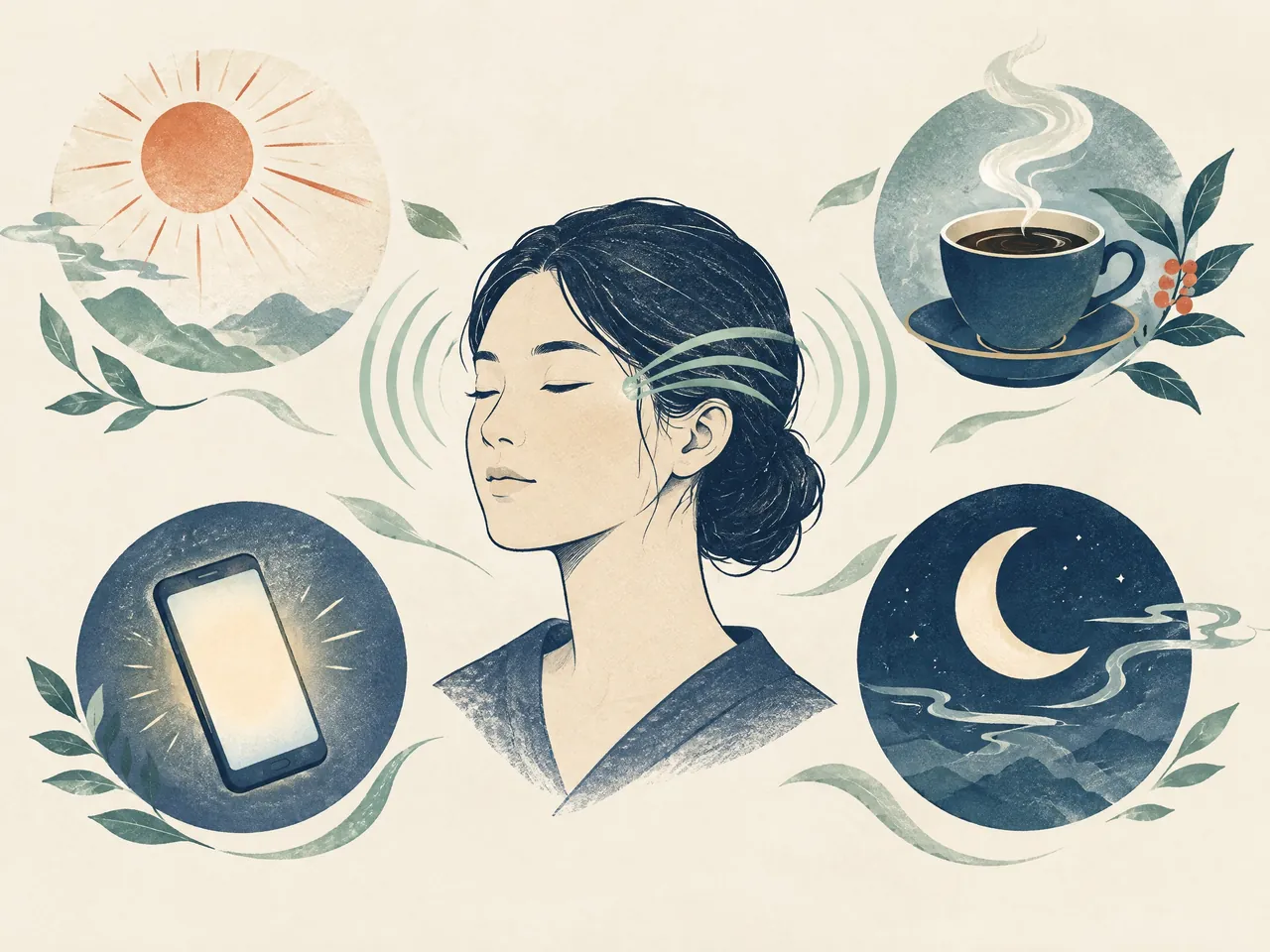
An attack can make ordinary tasks—messages, commuting, preparing food or office lighting—feel overwhelming. Start by lowering the load around you. If possible, pause in a dark or dim room, silence alerts, draw the curtains and ask someone else to deal with immediate practical demands. The aim is to make the episode manageable, not to work through it. Mayo Clinic advises a quiet, dark space and rest when a migraine begins because light and noise can worsen pain [1]. Away from home in Hong Kong, a cap, sunglasses, earplugs or a quiet corner may be useful until you can rest properly.
Keep the plan small and familiar. Have water within reach, take only medicine you normally use as directed, and avoid making several changes at once. If nausea makes a full drink or meal unappealing, focus on what you can tolerate and arrange help if you cannot keep fluids down. Strong perfume, a bright phone screen and noisy conversation may be more irritating than usual. Temperature therapy may support comfort with pain or neck tension, but it does not establish the cause of a headache or replace assessment when the pattern is new or concerning.
Migraine attack self-care: What can I do during a migraine attack at home? Does a hot pack help a migraine? — Recognise common symptoms
A migraine is more than a label for any bad headache. People often describe pulsing or throbbing head pain, but the experience can include nausea, vomiting, sensitivity to light, sound or movement, and difficulty functioning normally. A Hong Kong hospital headache service notes that migraine often affects one side of the head and may come with nausea, vomiting and light sensitivity [5]. These features can help you describe an episode, yet they are not a home diagnostic test. A familiar migraine pattern can still deserve review if it changes in a worrying way.
Use observable details when explaining an attack: where discomfort is felt, whether it is pulsating or pressure-like, whether light or sound is hard to tolerate, and what you could not do because of it. Notice neck and shoulder tightness too. Warmth may feel welcome when muscles are tense, while cold may feel preferable when the head feels hot, throbbing or overstimulated. Do not force either approach because it worked on a different day. Responses to migraine self-care vary, and a measure that comforts one person may be unhelpful for another [4].
Migraine attack self-care: What can I do during a migraine attack at home? Does a hot pack help a migraine? — Keep a simple attack diary
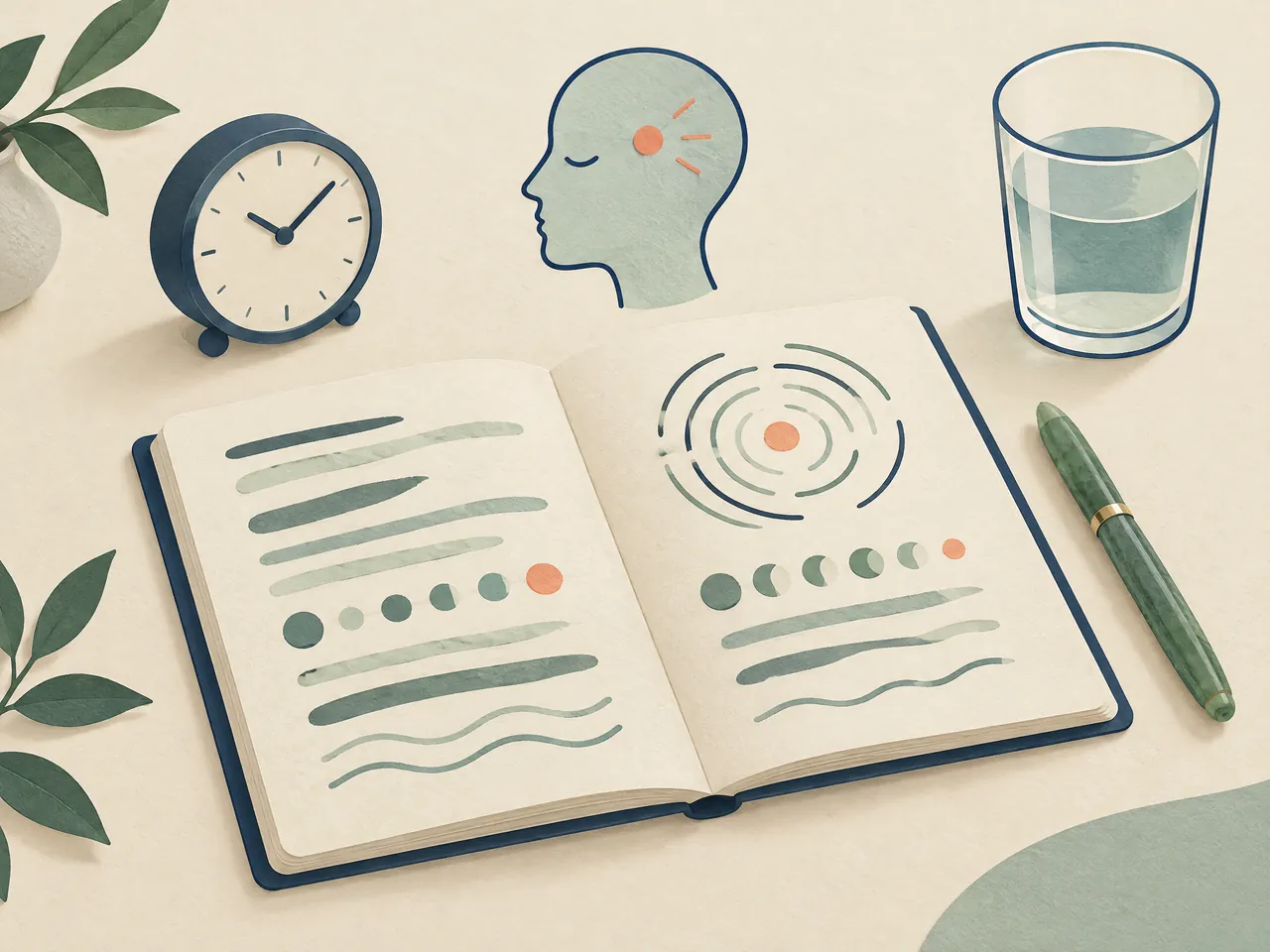
A brief attack diary turns a vague memory into useful information for a future consultation. After you are better, record the start time, duration, symptoms, what you were doing beforehand, sleep, food and drinks, stress or routine changes, and any medicine taken. The National Institute of Neurological Disorders and Stroke includes intensity, sensitivities, activity, sleep, stress and medicines among useful headache-journal entries [3]. Add what you tried for comfort—cold pack, gentle warmth, darkness or rest—and whether it was neutral, helpful or unpleasant.
Keep the record realistic. A phone note with consistent prompts is often easier than a complex tracker during a painful episode. Over several attacks, it may show a pattern worth discussing, such as headaches after disrupted sleep, menstrual timing, a work routine or a change in how usual medicine performs. It cannot prove that one food, weather change or stressful event caused an individual migraine, so avoid major restrictions based on one entry. Bring the pattern, rather than a guess, to a qualified clinician when you need advice on diagnosis, prevention or acute treatment.
Compare your options
| What you notice | Comfort option to consider | What to do next |
|---|---|---|
| Head pain feels throbbing and cooling sounds appealing | A cold pack wrapped in a cloth on the forehead or back of the neck | Rest in lower light and remove the pack if cold is unpleasant or symptoms worsen. |
| Neck and shoulder muscles feel tight or guarded | Gentle wrapped warmth at the neck or shoulders | Use mild heat only; stop if it increases throbbing, nausea or discomfort. |
| Neither temperature feels comfortable | Skip the pack and reduce light, noise and screen use | Rest, sip fluid as tolerated and follow your established medicine plan. |
| Pain is sudden, very different, or comes with neurological symptoms | Do not rely on home comfort measures | Seek urgent or emergency assessment according to the symptoms. |
On smaller screens, scroll the table sideways to compare all columns.
Migraine attack self-care: What can I do during a migraine attack at home? Does a hot pack help a migraine? — Choose cold or heat
Cold and heat answer different comfort needs, so neither is medically superior for every migraine. Mayo Clinic describes applying hot or cold packs to the head or neck; ice packs can have a numbing effect, while hot packs, heating pads, warm showers or baths can relax tense muscles [1]. A gentle trial is reasonable when symptoms are familiar and there are no warning signs. If pain feels pulsating and you want cooling, choose cold. If the neck and shoulders feel stiff, mild warmth may be more comfortable. Let your response—not a theory about what you should prefer—guide the choice.
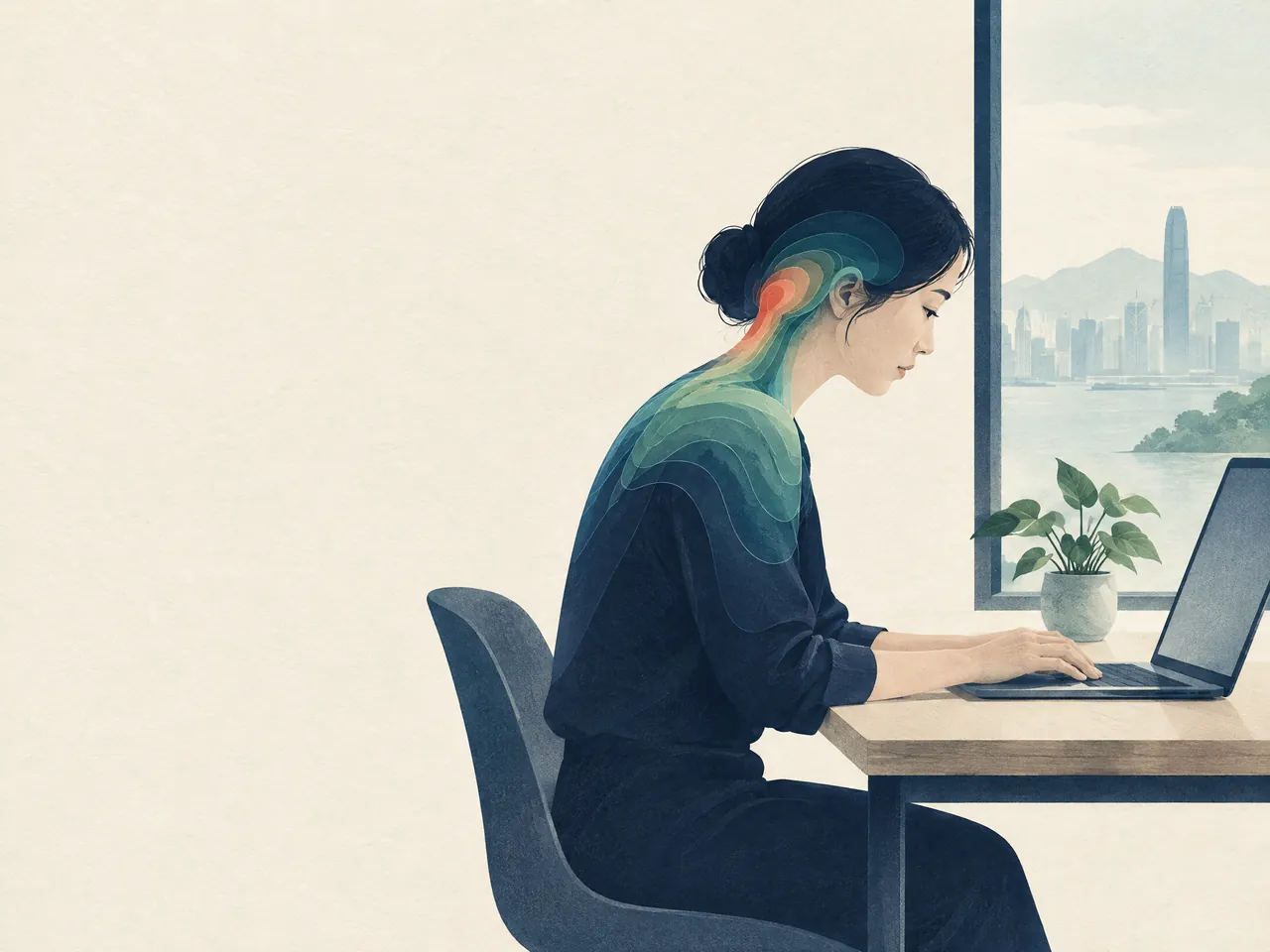
Prepare the pack before an attack if you can. Keep a reusable cold pack, clean cloth and controllable heat source in one place. Use a barrier rather than putting an icy or hot surface on bare skin, then check how it feels. Resting with one simple measure is usually more sensible than cycling through cold, heat, scented products, vigorous stretching and extra medication. For a broader comparison, see ice or heat for migraine.
Migraine attack self-care: What can I do during a migraine attack at home? Does a hot pack help a migraine? — When a cold pack may feel soothing
A cold pack is an option when cooling feels calming around the forehead, temples or back of the neck. Wrap it in a thin clean cloth, settle into a supported position and notice whether the cold is comfortable rather than sharply painful. Its value may simply be a numbing or grounding sensation while you rest; it is not a promise that the attack will end. Some people prefer cold when they feel warm or when throbbing is prominent, while others dislike it. The Migraine Trust describes ice packs and cold compresses as measures some people use to soothe pain during an attack, while noting that experiences differ [4].
Make the cold pack part of a low-stimulation routine: lie in a dim room, keep water nearby and put the phone on quiet. Remove it if cold is unpleasant, the skin becomes excessively numb or the headache feels worse. Do not apply ice directly to skin. General NHS hospital guidance recommends a cloth barrier, skin checks and prompt removal for excessive numbness or painful, blotchy or blue skin [6]. For related guidance, Is a cold compress good for migraine? and cold pack for migraine explore this comfort option.
Migraine attack self-care: What can I do during a migraine attack at home? Does a hot pack help a migraine? — When warmth may relax tense muscles
Does a hot pack help a migraine? It may be worth trying when the neck and shoulder muscles feel tight. Heat is not a universal migraine remedy and is not a reason to ignore a headache that is unusually severe or different for you. Think of gentle warmth as a muscle-comfort choice: a wrapped warm pack at the back of the neck or across the shoulders may be preferable to strong heat on a sensitive head. Mayo Clinic includes hot packs and heating pads among measures that can relax tense muscles [1]. If warmth makes throbbing, nausea or discomfort more noticeable, set it aside and return to quiet rest.
Keep warmth mild and controlled. A pack should feel comfortably warm, not hot enough to sting, and a cloth barrier is sensible protection. Gloucestershire Hospitals NHS guidance similarly advises gentle rather than hot warmth, a towel between heat source and skin, and regular skin checks [6]. This matters if you have reduced sensation, circulation concerns or are too tired to notice discomfort quickly. A warm shower may feel relaxing for some people, but it is optional; avoid making the environment steamy or noisy if that aggravates symptoms. Read more about using a hot pack for migraine.
Migraine attack self-care: What can I do during a migraine attack at home? Does a hot pack help a migraine? — Use limits and know when to seek care
Self-care has limits, even when a migraine feels familiar. Temperature measures, rest and hydration support comfort; they should not delay prescribed treatment or medical advice already given to you. Follow the label and your clinician’s or pharmacist’s directions rather than taking extra doses in response to pain. The NHS lists taking too many painkillers among common headache causes, so repeated need for pain relief is a reason to discuss your pattern with a healthcare professional rather than escalate home measures [2]. Keep a note of what you took and when.
Arrange non-urgent medical review if headaches are becoming regular, are not improving with your usual plan, disrupt work or family life, or no longer resemble previous attacks. You need not wait for an emergency to ask for diagnosis or a personalised treatment plan. Your diary can make that conversation specific. For everyday ideas that complement clinical care, see migraine pain relief tips. To discuss a traditional Chinese medicine assessment as part of broader support, make an enquiry through the Kwun Tong Chinese medicine clinic or Chinese medicine clinic Prince Edward.
Migraine attack self-care: What can I do during a migraine attack at home? Does a hot pack help a migraine? — Protect your skin and follow medicine advice
A cloth barrier is not optional. Cold can injure skin when intense or applied directly, and heat can burn even when it first seems tolerable. Use a wrapped pack, check the skin and stop if there is pain, marked colour change or excessive numbness. Do not use a heat or cold pack over broken skin. Gloucestershire Hospitals NHS Foundation Trust advises against putting an ice pack directly on skin and recommends gentle warmth with a towel layer [6]. These precautions address pack safety; they do not decide whether cold or heat will relieve your migraine.
For medicines, use only the plan appropriate for you. That may involve migraine medicine, an over-the-counter option recommended by a pharmacist, or no medication at that moment; this page cannot choose between them. Do not borrow another person’s medicine or mix products without checking ingredients and professional advice. If vomiting prevents you from keeping medication or fluid down, or usual treatment is not helping and the attack is difficult to manage, contact a healthcare professional. The NHS flags headache with vomiting as a reason to seek urgent advice [2].
Migraine attack self-care: What can I do during a migraine attack at home? Does a hot pack help a migraine? — Red flags that need urgent assessment
Seek emergency medical help rather than relying on a cold or hot pack if a headache starts suddenly and is extremely painful, or comes with weakness or numbness, difficulty speaking, walking, balancing or remembering, confusion, drowsiness, seizure, loss of vision, or a high temperature with a stiff neck. These symptoms need urgent assessment because they may indicate a condition other than routine migraine. NHS emergency guidance lists these warning signs, and NINDS likewise advises immediate attention for sudden severe headache, serious neurological symptoms, seizure or severe headache with fever and unexplained nausea or vomiting [2] [3].
Treat a first or worst headache, a major change in your normal pattern, a headache after head injury, or a progressively worsening headache as reasons for prompt assessment. It is safer to say that a symptom is unusual for you than to assume it fits a previous migraine label. Ask someone else for help if you are confused, weak, unsteady or unable to travel safely; do not drive yourself in an emergency. Afterwards, write down what happened and treatment used. That record can help a clinician distinguish a familiar recurring problem from a new pattern needing a different response [3].
Care and health guide
Health service information
This directory brings together services, reading, and visit information related to health services, to help you prepare questions for a consultation.
If you are organising health questions, Chinese medicine clinic Hong Kong is a starting point for learning about related services and preparing for a consultation.
People have different needs; acupuncture Hong Kong provides further reading to help you understand options in your own context.


Your questions, answered
Frequently asked questions
What can I do during a migraine attack at home?
Make the environment quieter and dimmer, rest if you can, keep water nearby and follow your usual medicine directions. A wrapped cold or gently warm pack can be tried for comfort, depending on what feels better. Keep the plan simple and seek advice if attacks are frequent, worsening or unlike your normal pattern.
Does a hot pack help a migraine?
A hot pack may feel helpful when neck and shoulder muscles are tense, because gentle warmth can relax tight muscles. It does not work for everyone and is not a substitute for migraine treatment or assessment. Use mild warmth through a cloth, never on bare skin, and stop if it makes you feel worse.
Should I use a cold pack or a hot pack for migraine pain?
There is no single right answer. A wrapped cold pack may feel soothing or numbing around the forehead or neck, while gentle warmth may suit muscle tension at the neck and shoulders. Choose the safer option that feels comfortable to you, protect the skin and stop either method if it aggravates symptoms.
When should I get urgent help for a headache that I think is migraine?
Get urgent or emergency help for sudden extreme pain, new weakness or numbness, speech or balance trouble, confusion, seizure, vision loss, or high temperature with a stiff neck. Also seek prompt assessment for a first or worst headache, a new pattern, a worsening headache or one after head injury.
Sources and further information
- [1] Mayo Clinic — Migraines: Simple steps to head off the pain
Referenced for: Supports a calm, dark environment and hot or cold packs on the head or neck; describes ice as numbing and warmth as relaxing tense muscles.
- [2] NHS — Headaches
Referenced for: Supports headache self-care context, diary use, and the listed urgent and emergency warning signs.
- [3] National Institute of Neurological Disorders and Stroke — Headache
Referenced for: Supports headache-journal entries and urgent assessment for sudden severe or neurologically concerning headaches.
- [4] The Migraine Trust — Self-care for migraine: your top tips!
Referenced for: Supports the individual nature of comfort choices and examples of cold and warmth used during migraine attacks.
- [5] Hong Kong Adventist Hospital — Headache Clinic
Referenced for: Supports local migraine symptom terminology, including one-sided pain with nausea, vomiting and light sensitivity.
- [6] Gloucestershire Hospitals NHS Foundation Trust — Ice and heat treatment
Referenced for: Supports using a cloth barrier, checking skin, avoiding direct ice contact and using only gentle warmth.