
TCM Lab · Health reading
Can Chinese herbal medicine help with period pain? Can I take Chinese herbal medicine with painkillers for period pain? How long does Chinese herbal medicine take to help period pain? — period pain assessment and safety
Published Updated
Period pain can be disruptive even when it follows a monthly pattern. Chinese herbal medicine may be discussed as an individualised adjunct after a Chinese medicine consultation, but it is not a substitute for finding out why pain has changed or become severe. There is no fixed number of days, cycles, or visits in which herbs can be expected to help. Record the pattern of pain, bleeding, medicines, and any chance of pregnancy, then decide with appropriate clinicians whether Chinese medicine has a role alongside medical care.
Appointments are confirmed through WhatsApp. If you have language requirements, please mention them in your enquiry.
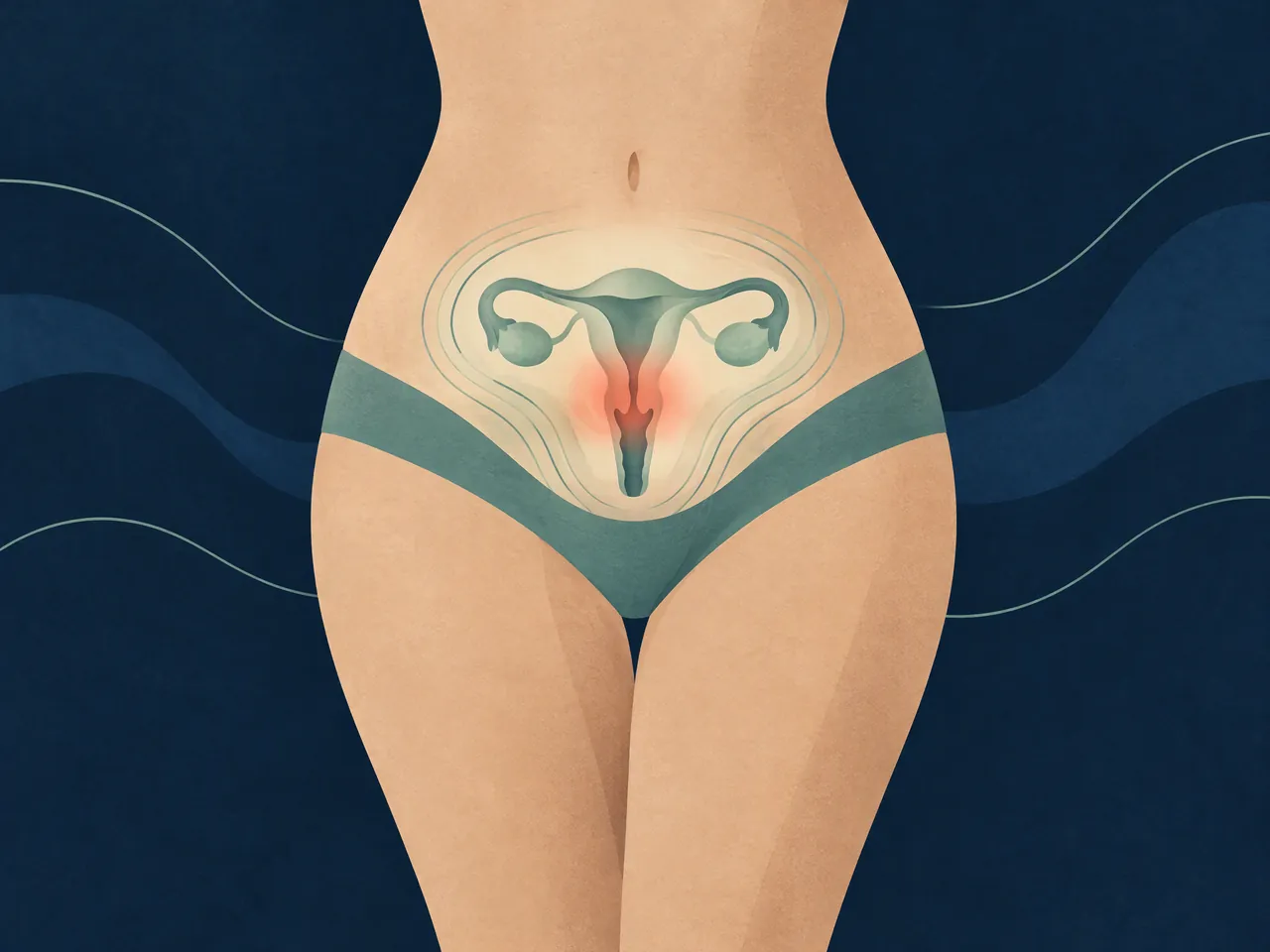
The short answer
Chinese herbal medicine can be discussed as an adjunct for period pain after an individual assessment, but it cannot promise relief or replace gynaecological investigation. Tell the practitioner and your usual clinician about all painkillers, prescriptions, supplements, allergies, and any possibility of pregnancy before taking herbs. The time to notice a change varies, so agree on what to track and review rather than expecting a fixed result. New, worsening, or disabling pain needs medical assessment.
Transparent pricing
See the fees.
Choose your care.
Explore our complete official price list, including first-trial prices, regular prices, packages and branch-specific options.
Opening WhatsApp prepares an enquiry; it does not send a message, take payment or confirm an appointment. Suitability and individual arrangements are confirmed during consultation.
Pain care
All prices in HKDExtracorporeal shockwave treatment
Shockwave treatment for deep-tissue and fascial care. The Kwun Tong clinic offers the multi-area options shown below.
Priced by branch
Branch-specific pricing
Prince Edward: HK$250 per area
Kwun Tong: HK$250 for 1 area / HK$450 for 2 areas / HK$600 for 3 areas
Pain care (manual therapy)
Includes Chinese medicine musculoskeletal assessment, manual joint techniques and tui na.
HK$580 (single session)
Chinese medicine musculoskeletal assessment
Pain care (acupuncture and manual therapy)
Combines acupuncture and manual therapy.
HK$680 (single session)
Combined care
Hair and scalp
All prices in HKDScalp health and hair-loss management
Includes AI scalp analysis, deep scalp and follicle cleansing, and scalp oil-control care.
HK$380 (first trial)
Regular price: HK$680
- 6 sessions: HK$3,480 (HK$580 per session)
- 12 sessions: HK$5,760 (HK$480 per session)
- 20 sessions: HK$8,600 (HK$430 per session)
- 30 sessions: HK$11,400 (HK$380 per session)
Hair acupuncture and Chinese herbal medicine package
Includes scalp acupuncture and 3 days of Chinese herbal medicine that does not require decoction.
HK$580 (single session)
Registered Chinese Medicine Practitioner consultation
- 6 sessions: HK$3,180 (HK$530 per session)
- 12 sessions: HK$5,760 (HK$480 per session)
- 20 sessions: HK$8,600 (HK$430 per session)
- 30 sessions: HK$11,400 (HK$380 per session)
Combined hair and scalp treatment
Combines acupuncture and Chinese herbal medicine with salon-level scalp and follicle care. Packages include complimentary hair-care shampoo and serum.
HK$1,260 (single session)
Combined treatment
- 8 sessions: HK$8,640 (HK$1,080 per session)
- 16 sessions: HK$15,680 (HK$980 per session)
- 20 sessions: HK$18,600 (HK$930 per session)
- 30 sessions: HK$26,400 (HK$880 per session)
Weight management
All prices in HKDFull-body acupoint embedding for weight management
Includes full-body acupoint embedding. Packages include complimentary Chinese herbal medicine for weight management, with the number of included days scaled to the package. Embedding material and the individual treatment arrangement are confirmed during consultation; this is not a cosmetic thread lift.
HK$980 (single session)
No trial session
- 10 sessions: HK$7,800 (HK$780 per session)
- 20 sessions: HK$14,600 (HK$730 per session)
- 30 sessions: HK$20,400 (HK$680 per session)
Facial acupuncture
All prices in HKDFacial acupuncture (basic)
Includes facial acupuncture and meridian-based facial care, including care for facial puffiness.
HK$480 (first trial)
Regular price: HK$680
- 10 sessions: HK$5,200 (HK$520 per session)
- 20 sessions: HK$9,600 (HK$480 per session)
- 30 sessions: HK$13,500 (HK$450 per session)
Facial acupuncture (advanced)
Includes enhanced facial acupuncture with a specially formulated moisturising mask and serum.
HK$780 (first trial)
Regular price: HK$1,180
- 10 sessions: HK$9,000 (HK$900 per session)
- 20 sessions: HK$16,600 (HK$830 per session)
- 30 sessions: HK$23,400 (HK$780 per session)
Chinese medicine
All prices in HKDAcupuncture and Chinese herbal medicine package
Includes a Chinese medicine consultation with pulse assessment, body acupuncture and 3 days of Chinese herbal granules that do not require decoction.
HK$580 (single session)
Chinese medicine consultation with pulse assessment
Can Chinese herbal medicine help with period pain? Can I take Chinese herbal medicine with painkillers for period pain? How long does Chinese herbal medicine take to help period pain? — Understand symptoms and prepare for assessment
Dysmenorrhoea means pain with menstruation. Clinicians distinguish primary dysmenorrhoea, cramping pain that commonly occurs before or during a period, from secondary dysmenorrhoea, where a reproductive-health condition may be involved. Secondary pain may start differently, worsen over time, last beyond usual cramps, or come with other symptoms. Endometriosis, adenomyosis and fibroids are examples of conditions that can contribute to painful periods [1]. A website or a traditional pattern label cannot diagnose the distinction, so describe the full story clearly at assessment.
Start with what the pain stops you from doing. Note whether it affects work, classes, sleep, travel, exercise, or caring responsibilities. Include when it begins in relation to bleeding, where it spreads, whether it is cramping, sharp, aching or pressure-like, and whether nausea, bowel changes, headache, dizziness, or fatigue occur. Record bleeding days and any bleeding between periods. A symptom record gives both a Chinese medicine practitioner and a doctor a clearer starting point than a pain score alone.
It can help to separate a longstanding, predictable pattern from a change that has caught you by surprise. For example, cramps that reliably peak near the beginning of bleeding call for a different conversation from pain that starts days earlier, persists after bleeding ends, or appears with sex, urination, or bowel movements. The NHS lists worsening, heavier or irregular periods, bleeding between periods, and pain during sex or when passing urine or stool among reasons to seek medical advice [2]. This is why dysmenorrhoea Chinese medicine information should sit alongside appropriate gynaecological care.

Can Chinese herbal medicine help with period pain? Can I take Chinese herbal medicine with painkillers for period pain? How long does Chinese herbal medicine take to help period pain? — Track symptoms across each cycle
A concise cycle note is most useful when it captures timing and consequences. Write the first and last day of bleeding; when pain starts and settles; its location; its effect on normal activities; and what you tried. Add the name, dose, timing, and effect of any pain medicine, as well as heat, rest, walking, stretching, or other measures. The aim is not a perfect diary; it is to make the pattern visible and show whether the plan needs review.
During a Chinese medicine consultation, questions may cover digestion, sleep, mood, temperature preference, stress, energy, bowel habits and menstrual features as part of a traditional assessment. Terms such as qi stagnation, cold, or blood stasis belong to that approach; they are not modern medical diagnoses and do not rule out a gynaecological cause. A person who wants a broader overview can read Chinese herbal medicine for period pain, then discuss whether an individual approach is appropriate.
Can Chinese herbal medicine help with period pain? Can I take Chinese herbal medicine with painkillers for period pain? How long does Chinese herbal medicine take to help period pain? — Share your full medication history
Bring or photograph the labels of everything used around your period: prescribed medicines, over-the-counter painkillers, hormonal contraception, vitamins, teas, powders, capsules, topical products, and supplements. Also mention allergies, stomach ulcers or stomach symptoms, asthma, bleeding problems, kidney or liver conditions, and recent changes in health. These details are relevant to ordinary medicines as well as herbs. They allow the Chinese medicine practitioner to decide whether herbs should be deferred, discussed with another clinician, or avoided rather than treating a list of products as automatically compatible.
Do not stop a medicine prescribed by another clinician because you are exploring Chinese herbal medicine. The FDA advises people considering supplements to discuss them with a health professional and to bring a list of all medicines and supplements, including dose and frequency [3]. That principle is especially important when period pain has led to repeated medicine use. If a medicine seems ineffective, causes side effects, or is being used more often than expected, that is information for the prescribing clinician—not a reason to improvise a replacement.
Compare your options
| Situation or pattern | What to record or bring | Useful next conversation |
|---|---|---|
| Familiar cramps around the start of bleeding | Timing, severity, effect on daily activities, and what has helped | Discuss self-care, current medicines, and whether a Chinese medicine assessment is suitable |
| Pain is new, progressively worse, or lasts outside the usual pattern | When the change began, bleeding changes, and associated symptoms | Arrange medical assessment; ask whether gynaecological investigation is needed |
| Using painkillers and considering herbs | Exact product names, doses, timing, prescriptions, supplements, and allergies | Ask the prescriber and Chinese medicine practitioner to review the complete list before combining products |
| Pregnancy is possible, a period is late, or fertility treatment is involved | Cycle dates, pregnancy-test information if available, contraception or fertility medicines | Prioritise pregnancy-related medical advice before starting any herbal product |
| No meaningful change or a troublesome new symptom during a plan | Updated cycle diary, medicine use, side effects, and functional impact | Review rather than extending the same plan automatically; seek medical input when indicated |
On smaller screens, scroll the table sideways to compare all columns.
Can Chinese herbal medicine help with period pain? Can I take Chinese herbal medicine with painkillers for period pain? How long does Chinese herbal medicine take to help period pain? — Coordinate medicines and discuss safety
The safest answer to whether Chinese herbal medicine can be taken with painkillers is not a blanket yes or no. It depends on the formula being considered, painkillers, health history, and whether another cause needs attention. Herbal and dietary products can have pharmacological effects, and interactions can occur with prescription medicines, over-the-counter medicines, and supplements [4]. A consultation should start with disclosure and coordination, not with an online formula or fixed dose.
Chinese medicine consultations commonly use observation, questions and other traditional assessment methods to understand the person’s presentation. A practitioner may discuss Chinese herbal medicine as an adjunct option once the history is clear. Traditional pattern language does not confirm why pain is occurring, and no web page can select a personalised formula safely. If symptoms suggest that medical investigation is needed, that investigation takes priority. A combined plan is sometimes about communication and sensible sequencing, not using every possible treatment at once.

Ask direct questions that make safety decisions easier: What information do you need from my medication list? Should I check with the clinician who prescribed my medicine? What change would mean I should pause and seek medical advice? How will we decide whether to continue, alter, or stop the herbal discussion? If you are also curious about another modality, acupuncture for painful periods is a separate topic to raise in consultation; it should not be assumed to be interchangeable with herbs or with medical treatment.
Can Chinese herbal medicine help with period pain? Can I take Chinese herbal medicine with painkillers for period pain? How long does Chinese herbal medicine take to help period pain? — Discuss interactions and pregnancy possibility
Say clearly if pregnancy is possible, if you are trying to conceive, if your period is late or different from usual, or if you are breastfeeding. In that situation, do not self-start a herbal product in the hope that it will bring on bleeding or settle pelvic pain. Take a pregnancy test and seek appropriate medical advice when needed. The FDA specifically advises discussing dietary supplements with a health professional during pregnancy or breastfeeding [3]. A complete account also includes contraception, fertility treatment, and any recent procedure, because these can change what is safe to consider and what symptoms need checking.
Interaction screening is not limited to a medicine taken every day. Some people only use ibuprofen, naproxen, paracetamol, anti-nausea products, sleep aids, or supplements around menstruation, yet timing still matters. Write down the product name rather than relying on memory or a general label such as “a painkiller.” The NCCIH notes that many possible herb–drug interactions have limited or inconclusive clinical evidence, which is another reason not to make simplistic online compatibility claims [4]. A careful review can acknowledge uncertainty while still preventing avoidable assumptions.

Can Chinese herbal medicine help with period pain? Can I take Chinese herbal medicine with painkillers for period pain? How long does Chinese herbal medicine take to help period pain? — Set realistic expectations after consultation
How long Chinese herbal medicine takes to help period pain has no universal answer. Pain may have a different cause, severity, duration, and impact from one person to the next; the plan and concurrent medical care also differ. A responsible discussion does not promise that pain will end after a set number of packets, appointments, or cycles. Instead, agree on what to observe: pain timing, ability to function, need for rescue medicine, bleeding changes, sleep, and new symptoms. If there is no meaningful progress or the pattern worsens, reassessment matters more than extending the same plan.
It is reasonable to want an option that fits a demanding schedule in Hong Kong, but speed should not replace assessment. Compare what you are hoping for with what is currently known: temporary comfort, fewer disrupted activities, clarification of a changing pattern, or coordination with a doctor. The article Is Chinese medicine suitable for menstrual cramps? can help frame questions for a consultation, but personal suitability depends on history, safety, and the cause being investigated.
Can Chinese herbal medicine help with period pain? Can I take Chinese herbal medicine with painkillers for period pain? How long does Chinese herbal medicine take to help period pain? — Review progress and know when to seek care
A review should look beyond whether discomfort was present on one day. Compare the cycle record with the original goal: Were you able to attend work or school? Did pain begin earlier or later? Did you rely on more medicine, less medicine, or the same amount? Was there unusual bleeding, a new symptom, or a side effect? This makes the discussion more honest than calling any fluctuation a success or failure.
Supportive measures may still be useful while assessment is underway. The NHS includes warmth, gentle exercise such as walking or yoga, and commonly used painkillers among options that may ease period pain [2]. ACOG also discusses heat, exercise, sleep, and relaxation as home measures that can support coping with painful periods [1]. These measures do not identify the cause of pain, and they should not be used to push through severe symptoms. Choose approaches that feel safe for you, and record what actually changes your ability to function.
Keep the different roles clear. A Chinese medicine consultation may explore an individual traditional approach and whether herbs are appropriate. A doctor or gynaecologist can assess for conditions that need medical investigation and may consider a pelvic examination, ultrasound, or other testing according to the situation. ACOG notes that an ultrasound may be used when pain is not relieved with medicines [1]. Coordinating care is not a failure of either approach; it is a way to avoid missing a condition while you address day-to-day discomfort.
Can Chinese herbal medicine help with period pain? Can I take Chinese herbal medicine with painkillers for period pain? How long does Chinese herbal medicine take to help period pain? — Review progress without promising a fixed result
Set a review point with observations rather than a promise. Bring the diary, medication list, and any questions that emerged during the cycle. Mention changes that seem unrelated, such as constipation, diarrhoea, faintness, headaches, mood changes, or a new reaction after taking a product. The practitioner can then decide whether the original traditional assessment still fits and whether further medical input is needed. Avoid changing several remedies at the same time when possible, because it becomes harder to know what coincided with improvement, worsening, or an adverse effect.
A review is also the time to raise practical barriers. Perhaps pain makes travel difficult, you cannot take medicine at work, or you are unsure how to describe a product you bought elsewhere. Ask for clear next steps instead of feeling obliged to continue a plan that is unclear. For an in-person enquiry, the Chinese medicine clinic Prince Edward page provides location context; contact TCM Lab to discuss an appointment and any language needs before attending.

Can Chinese herbal medicine help with period pain? Can I take Chinese herbal medicine with painkillers for period pain? How long does Chinese herbal medicine take to help period pain? — Know when gynaecological assessment matters
Seek prompt medical advice when pelvic or period pain is severe or worse than usual and painkillers have not helped. Arrange medical assessment for pain that is stopping normal activities, periods that have become more painful, heavier or irregular, bleeding between periods, pain during sex, or pain when passing urine or stool [2]. These features do not name a cause by themselves, but they are important because conditions such as endometriosis, adenomyosis, fibroids, infection, or other pelvic problems may need targeted evaluation. Do not wait for an herbal plan to work before discussing a concerning change.
Urgent symptoms also deserve urgent care rather than a routine consultation. If pregnancy is possible and you have pain or bleeding, seek medical advice promptly. If you feel very unwell, faint, have fever, or have sudden severe pelvic pain, use urgent local medical services. For non-urgent but persistent concerns, a doctor or gynaecologist can decide which examination or test is appropriate. Bringing your cycle note and full medicine list makes that appointment more productive and leaves room for Chinese medicine to be discussed safely as an adjunct, if appropriate.
Care and health guide
Pain-care information
This directory brings together services, reading, and visit information related to pain care, to help you prepare questions for a consultation.
When pain care affects your day, noting when it occurs, its relation to activity, and what you have already tried can help prepare a consultation; Chinese medicine pain management Hong Kong is a relevant service or reading entry point.
Individual circumstances differ, and acupuncture Hong Kong offers related information to help you understand options and prepare questions.


Your questions, answered
Frequently asked questions
Can Chinese herbal medicine help with period pain?
Chinese herbal medicine may be discussed as an adjunct after an individual assessment. It is not a guaranteed treatment and should not replace medical evaluation for severe, new, worsening, or atypical pain. A cycle record and full health history help determine whether this conversation is appropriate.
Can I take Chinese herbal medicine with painkillers for period pain?
Do not make the combination yourself. Give the Chinese medicine practitioner and the clinician who prescribed your medicines a complete list of painkillers, prescriptions, contraception, supplements, and herbal products. Do not stop a prescribed medicine without advice.
How long does Chinese herbal medicine take to help period pain?
There is no fixed timeframe or number of consultations that reliably applies to everyone. Discuss a review plan based on pain timing, daily function, medicine use, bleeding changes, and any new symptoms, then reassess rather than relying on a promised result.
Should I use Chinese herbal medicine if I might be pregnant?
Tell the practitioner if pregnancy is possible, you are trying to conceive, you are breastfeeding, or your period is late or unusual. Do not self-start herbs for pelvic pain or delayed bleeding. Take a pregnancy test and seek appropriate medical advice when needed.
Which period-pain symptoms warrant a doctor or gynaecologist?
Seek medical advice for severe or worsening pain, pain not helped by painkillers, heavy or irregular periods, bleeding between periods, pain during sex, or pain when passing urine or stool. These symptoms can need assessment even if you also want to discuss Chinese medicine.
Sources and further information
- [1] American College of Obstetricians and Gynecologists — Dysmenorrhea: Painful Periods
Referenced for: Supports the primary/secondary dysmenorrhoea distinction, examples of possible causes, evaluation, and general home-support measures; it does not establish Chinese herbal medicine effectiveness.
- [2] NHS — Period pain
Referenced for: Supports general period-pain symptoms, self-care options, and reasons to seek medical assessment; it does not establish Chinese herbal medicine effectiveness.
- [3] U.S. Food and Drug Administration — Mixing Medications and Dietary Supplements Can Endanger Your Health
Referenced for: Supports the need to discuss supplements and medicines with a health professional, including during pregnancy or breastfeeding.
- [4] National Center for Complementary and Integrative Health — Herb-Drug Interactions
Referenced for: Supports general caution about herb-drug interactions and the limits of current interaction evidence; it does not validate a personalised herbal formula.