
TCM Lab · Health reading
Rotator cuff injury symptoms — Can acupuncture help a rotator cuff injury? Can acupuncture heal a torn rotator cuff?
Published Updated
A sore shoulder after lifting, swimming or a long day at a desk can make people wonder whether the rotator cuff is injured—and whether acupuncture can put it right. The short answer needs two parts: acupuncture may be discussed as supportive care for pain and tight surrounding muscles after appropriate assessment, but it does not reconnect a substantially torn tendon. Night pain, a sudden loss of strength after a fall, or a shoulder that no longer works normally deserve medical attention before a symptom-focused treatment plan. This guide helps you recognise the pattern, prepare for assessment and ask a more useful question about acupuncture for rotator cuff injury.
Appointments are confirmed through WhatsApp. If you have language requirements, please mention them in your enquiry.

The short answer
Acupuncture may be considered as supportive care for rotator cuff injury symptoms such as pain and protective muscle tension, but it cannot heal a complete tendon tear by joining the tendon back to bone. A clinician should assess sudden injury, immediate weakness, severe loss of movement, or persisting symptoms; examination and, when appropriate, imaging can clarify whether a structural tear is present. Acupuncture should sit alongside—not replace—the recommended medical or rehabilitation plan.
Transparent pricing
See the fees.
Choose your care.
Explore our complete official price list, including first-trial prices, regular prices, packages and branch-specific options.
Opening WhatsApp prepares an enquiry; it does not send a message, take payment or confirm an appointment. Suitability and individual arrangements are confirmed during consultation.
Pain care
All prices in HKDExtracorporeal shockwave treatment
Shockwave treatment for deep-tissue and fascial care. The Kwun Tong clinic offers the multi-area options shown below.
Priced by branch
Branch-specific pricing
Prince Edward: HK$250 per area
Kwun Tong: HK$250 for 1 area / HK$450 for 2 areas / HK$600 for 3 areas
Pain care (manual therapy)
Includes Chinese medicine musculoskeletal assessment, manual joint techniques and tui na.
HK$580 (single session)
Chinese medicine musculoskeletal assessment
Pain care (acupuncture and manual therapy)
Combines acupuncture and manual therapy.
HK$680 (single session)
Combined care
Hair and scalp
All prices in HKDScalp health and hair-loss management
Includes AI scalp analysis, deep scalp and follicle cleansing, and scalp oil-control care.
HK$380 (first trial)
Regular price: HK$680
- 6 sessions: HK$3,480 (HK$580 per session)
- 12 sessions: HK$5,760 (HK$480 per session)
- 20 sessions: HK$8,600 (HK$430 per session)
- 30 sessions: HK$11,400 (HK$380 per session)
Hair acupuncture and Chinese herbal medicine package
Includes scalp acupuncture and 3 days of Chinese herbal medicine that does not require decoction.
HK$580 (single session)
Registered Chinese Medicine Practitioner consultation
- 6 sessions: HK$3,180 (HK$530 per session)
- 12 sessions: HK$5,760 (HK$480 per session)
- 20 sessions: HK$8,600 (HK$430 per session)
- 30 sessions: HK$11,400 (HK$380 per session)
Combined hair and scalp treatment
Combines acupuncture and Chinese herbal medicine with salon-level scalp and follicle care. Packages include complimentary hair-care shampoo and serum.
HK$1,260 (single session)
Combined treatment
- 8 sessions: HK$8,640 (HK$1,080 per session)
- 16 sessions: HK$15,680 (HK$980 per session)
- 20 sessions: HK$18,600 (HK$930 per session)
- 30 sessions: HK$26,400 (HK$880 per session)
Weight management
All prices in HKDFull-body acupoint embedding for weight management
Includes full-body acupoint embedding. Packages include complimentary Chinese herbal medicine for weight management, with the number of included days scaled to the package. Embedding material and the individual treatment arrangement are confirmed during consultation; this is not a cosmetic thread lift.
HK$980 (single session)
No trial session
- 10 sessions: HK$7,800 (HK$780 per session)
- 20 sessions: HK$14,600 (HK$730 per session)
- 30 sessions: HK$20,400 (HK$680 per session)
Facial acupuncture
All prices in HKDFacial acupuncture (basic)
Includes facial acupuncture and meridian-based facial care, including care for facial puffiness.
HK$480 (first trial)
Regular price: HK$680
- 10 sessions: HK$5,200 (HK$520 per session)
- 20 sessions: HK$9,600 (HK$480 per session)
- 30 sessions: HK$13,500 (HK$450 per session)
Facial acupuncture (advanced)
Includes enhanced facial acupuncture with a specially formulated moisturising mask and serum.
HK$780 (first trial)
Regular price: HK$1,180
- 10 sessions: HK$9,000 (HK$900 per session)
- 20 sessions: HK$16,600 (HK$830 per session)
- 30 sessions: HK$23,400 (HK$780 per session)
Chinese medicine
All prices in HKDAcupuncture and Chinese herbal medicine package
Includes a Chinese medicine consultation with pulse assessment, body acupuncture and 3 days of Chinese herbal granules that do not require decoction.
HK$580 (single session)
Chinese medicine consultation with pulse assessment
Understanding rotator cuff injury symptoms in daily life — Can acupuncture help a rotator cuff injury? Can acupuncture heal a torn rotator cuff?
The rotator cuff is a group of muscles and tendons that helps keep the upper arm positioned at the shoulder and helps with lifting and rotation. A problem may range from irritated tendon tissue to a partial or complete tear. A dull ache may build after repeated overhead work, while a fall onto an outstretched arm or a heavy, jerking lift can bring on abrupt symptoms. Repetitive overhead activity and gradual wear are recognised contributors, but pain alone cannot tell you how much tendon tissue is involved [1] [3].
Start with what your shoulder can and cannot do in ordinary life. Can you put on a T-shirt, wash or comb your hair, reach a rear pocket, carry a bag, place an item in an overhead cupboard, or lie on that side? Note whether pain comes while raising the arm, lowering it, reaching behind your back, or only later that night. For a related discussion of structural causes and discomfort, see rotator cuff tear shoulder pain.

Recognising common signs of rotator cuff injury symptoms — Can acupuncture help a rotator cuff injury? Can acupuncture heal a torn rotator cuff?
Common rotator cuff injury symptoms include a deep shoulder ache, pain at rest or at night, pain during particular arm movements, weakness when lifting or rotating, and a reduced range of motion. Some people first notice that reaching for a seatbelt or lifting a kettle has become awkward; others wake when they roll onto the painful shoulder. Mayo Clinic also lists trouble combing the hair or reaching behind the back among typical functional difficulties [1].
Timing gives useful context. A sudden snap, intense pain and immediate weakness after trauma is a different story from a gradual ache that appears after months of painting, racket sport or lifting overhead. Write down the event if there was one, which arm is affected, the activity that reproduces pain, and whether the weakness is new. Also note if neck movement changes the arm symptoms. Pain beginning in the neck and travelling down the arm may need a different line of assessment; this guide on neck pain radiating to arm explains why the source of symptoms should not be assumed from shoulder location alone.
Shoulder pain, weakness and movement limits with rotator cuff injury symptoms — Can acupuncture help a rotator cuff injury? Can acupuncture heal a torn rotator cuff?
Weakness is more informative when it is described precisely. Is the arm painful but still strong, or does it drop, give way or fail to lift a familiar object? Does assistance from the other hand change what you can do? Does the arm move further when someone else supports it than when you lift it yourself? These observations are not home tests for a tear. They do, however, help a clinician decide what to examine, including tenderness, active and passive movement, and strength in different positions. An orthopaedic examination also considers other shoulder problems and whether a neck nerve could be contributing [3].
It is sensible to reduce the activity that reliably aggravates the shoulder while you arrange assessment, rather than repeatedly pushing through sharp pain to “test” it. That does not mean keeping the shoulder completely still for weeks or copying an exercise programme from a video. The safest movement and loading plan depends on the diagnosis, degree of weakness and whether an acute injury has occurred. Hong Kong Adventist Hospital notes that shoulder pain, weakness and a sudden feeling of weakness can interfere with dressing, washing hair and sleep, and describes history-taking and physical examination as part of assessment [2].
Compare your options
| What you notice | Useful details to record | Most sensible next conversation |
|---|---|---|
| Gradual ache with overhead activity | Which movement triggers it, work or sport load, duration, night symptoms and effect on ordinary tasks | Discuss clinical assessment and a safe movement or rehabilitation plan; acupuncture may later be considered for symptom support. |
| Pain and new weakness after a fall or heavy lift | Exact event, immediate loss of strength, snap sensation, ability to raise the arm and visible change | Seek prompt medical assessment for a possible acute structural injury before acupuncture. |
| Night pain or trouble dressing and washing hair | How often sleep is interrupted, whether side-lying worsens it, and which self-care tasks have changed | Arrange assessment if symptoms persist or function is declining; do not assume night pain alone proves a tear. |
| Scan or referral already mentions a tear | Bring the report, current clinician advice, planned rehabilitation and changes in strength or function | Ask how supportive symptom care could fit safely alongside the medical and rehabilitation plan. |
| Pain with numbness, colour change, fever or major swelling | Onset, progression, trauma, hand temperature or colour, fever and overall illness | Seek urgent medical assessment rather than waiting for a routine shoulder or acupuncture consultation. |
On smaller screens, scroll the table sideways to compare all columns.
Assessment and red flags for rotator cuff injury symptoms — Can acupuncture help a rotator cuff injury? Can acupuncture heal a torn rotator cuff?
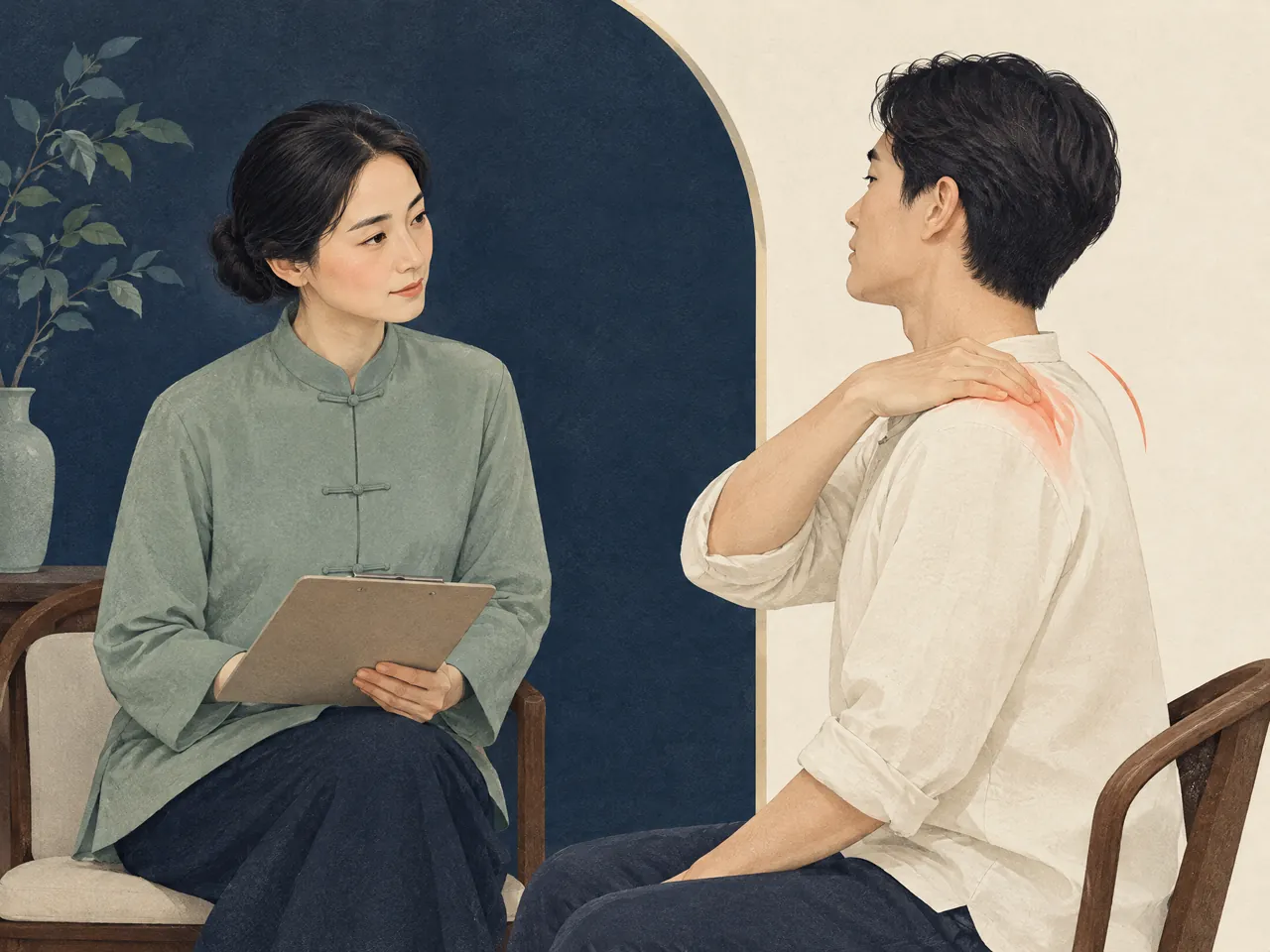
Assessment is not merely a way to label pain. It helps separate a suspected tendon injury from other possible reasons for shoulder symptoms and identifies when a structural problem changes the plan. Expect questions about onset, a fall or lifting incident, job or sport demands, pain at night, previous shoulder trouble and what tasks now fail. A clinician may observe both shoulders, feel for local tenderness, measure movement and compare strength. Bring a short list of regular medicines, prior scan reports and previous rehabilitation or injection history if these exist. Clear information can prevent a treatment conversation from being built on an incorrect assumption.

The urgency depends on the whole picture. Immediate weakness after an injury merits prompt medical evaluation, according to Mayo Clinic [1]. Persistent pain that disrupts function should also be evaluated rather than managed indefinitely with self-treatment. A symptom-relief option can be reasonable only after deciding it will not obscure or delay the care needed for a tear, fracture, dislocation, infection or neurological issue. Mention any new hand weakness, spreading numbness, fever, an open wound, marked redness, or a cold or pale hand at the outset. These details change the priority from routine shoulder care to timely medical assessment.
When to seek imaging for rotator cuff injury symptoms — Can acupuncture help a rotator cuff injury? Can acupuncture heal a torn rotator cuff?
Imaging is chosen to answer a clinical question, not because every sore shoulder automatically needs a scan. In suspected rotator cuff disease, the history and examination guide whether imaging would clarify tendon injury or another source of pain. AAOS explains that plain X-rays show bone and can help rule out other causes such as arthritis, while MRI or ultrasound can show soft tissues including rotator cuff tendons [3]. The choice and timing should be made by the clinician managing the shoulder, taking the injury pattern and examination findings into account.
Imaging becomes especially relevant when the result could change decisions about rehabilitation, work restrictions, referral or surgery. A report can describe a partial tear, full-thickness tear, tendon quality or another finding, but it should be interpreted alongside your symptoms and examination. Hong Kong Adventist Hospital similarly describes MRI or ultrasound as tools to assess the tendon and joint inflammation after history and physical examination [2]. If you already have imaging, bring the written report and, where available, access to the images rather than relying on a remembered phrase such as “wear and tear”.

Immediate-care warning signs in rotator cuff injury symptoms — Can acupuncture help a rotator cuff injury? Can acupuncture heal a torn rotator cuff?
Seek urgent medical help rather than routine acupuncture if shoulder symptoms follow major trauma and the arm looks deformed, the pain is severe and escalating, or you cannot use the arm. Urgent review is also appropriate for a limb that becomes numb, weak in a new way, cold, pale or blue, because circulation or nerve problems must not be attributed to a tendon. Fever, feeling acutely unwell, or a hot, very red and swollen shoulder needs prompt medical assessment as well. These are not usual “treatment reactions” to wait out at home.
A less dramatic pattern may still deserve an early appointment: new inability to raise the arm after a fall, sudden marked weakness, pain that repeatedly wakes you, or symptoms that continue to restrict daily tasks. Avoid deep, forceful massage or aggressive stretching across a newly injured, very painful shoulder while the cause is unclear. If acupuncture is eventually considered, tell the practitioner about recent trauma, scans, medicines that affect bleeding, skin infection near the proposed area, fainting history and any new symptoms since booking. Good triage protects the opportunity for symptom support; it does not compete with diagnosis.
Acupuncture’s role and limits for rotator cuff injury symptoms — Can acupuncture help a rotator cuff injury? Can acupuncture heal a torn rotator cuff?
Can acupuncture help a rotator cuff injury? It may be discussed as one part of supportive care when the clinical aim is to manage pain, ease protective tightness in nearby muscles, or help a person participate more comfortably in a plan set by the relevant clinician. It is not a substitute for determining whether there is a significant tear. Research uses “rotator cuff disease” as an umbrella term that can include tendinopathy, partial or full tears and other shoulder conditions. Because those diagnoses differ, a claim that one intervention works the same way for every painful shoulder would be misleading [4].
A TCM consultation should begin with the onset and activity pattern, current medical findings, movement limits and safety factors rather than a promise of tendon healing. The practitioner may examine the painful region and surrounding neck, upper back and shoulder muscles in the context of the consultation, then explain whether acupuncture is being considered for symptom support and whether medical or rehabilitation input should come first. If you are comparing scope and expectations, Does acupuncture help rotator cuff pain? explores the pain-management question separately from the question of structural repair.

Symptom relief and muscle relaxation for rotator cuff injury symptoms — Can acupuncture help a rotator cuff injury? Can acupuncture heal a torn rotator cuff?
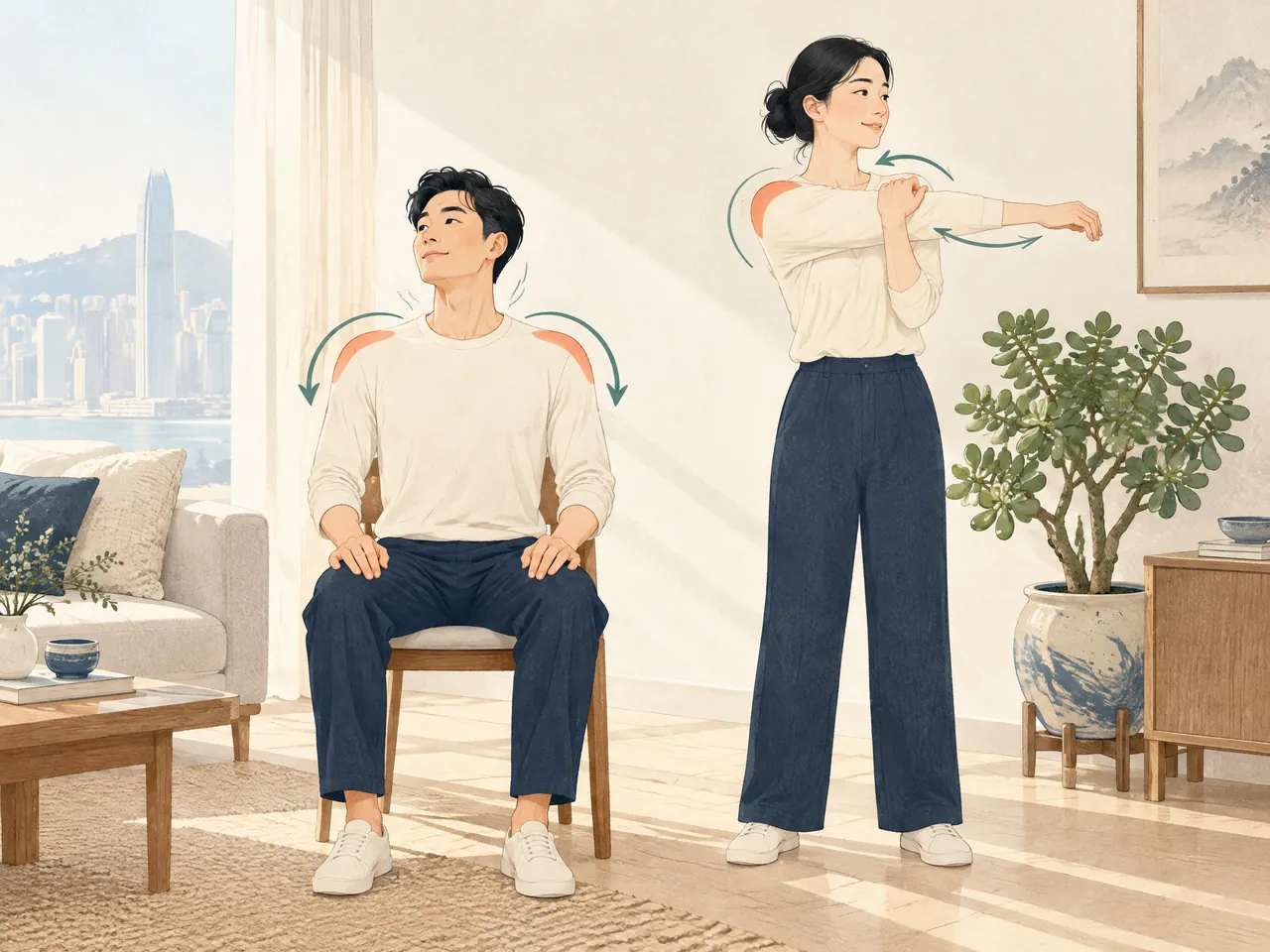
People seeking acupuncture often want to know what the session is trying to change. For a shoulder with a confirmed or suspected rotator cuff issue, a reasonable discussion is about symptoms: pain during daily movement, night discomfort, and tension or guarding around the shoulder and upper back. The aim should be stated in those terms, not converted into a promise that needles will repair tendon fibres. A 2020 review protocol noted that acupuncture had been suggested for shoulder pain and dysfunction, while also stating that its effectiveness and safety specifically for rotator cuff disease remained uncertain because high-quality, diagnosis-specific evidence was limited [4].
Before treatment, share the full medical context. This includes anticoagulant or antiplatelet medicines, bleeding disorders, pregnancy, implanted electrical devices if electroacupuncture is being considered, skin infection or irritation near the site, and a history of fainting with needles. During a session, communicate if a sensation is sharp, alarming or travels in an unexpected way; do not assume you must tolerate it. Afterwards, follow the activity guidance you have been given and monitor whether everyday tasks, sleep or weakness are changing. Acupuncture does not replace a prescribed rehabilitation plan. For broader local shoulder-care context, see acupuncture for shoulder pain Hong Kong.
Why tendon repair differs from symptom care in rotator cuff injury symptoms — Can acupuncture help a rotator cuff injury? Can acupuncture heal a torn rotator cuff?
Can acupuncture heal a torn rotator cuff? No—pain relief and tissue repair are not the same outcome. In a full-thickness complete tear, a portion of tendon has detached from bone; AAOS describes surgical repair as reattaching the tendon to the head of the upper arm bone when surgery is the appropriate option [3]. Acupuncture cannot perform that structural reconnection. A person may feel temporarily more comfortable yet still need an orthopaedic assessment, imaging, activity modification or rehabilitation. Comfort should never be used as proof that a substantial tear has healed.
The useful question is therefore not “Which treatment wins?” but “What problem is being addressed first?” For confirmed partial tears or non-tear shoulder pain, clinicians may discuss nonsurgical approaches such as appropriate activity modification and guided rehabilitation; for a complete tear or major functional loss, the decision pathway can be different. The hospital guide from Hong Kong Adventist Hospital likewise distinguishes conservative management for partial tears from possible repair for complete tears after individual assessment [2]. If you wish to discuss supportive acupuncture after that assessment, TCM Lab can take an enquiry for a shoulder-pain consultation at its Kwun Tong Chinese medicine clinic or Chinese medicine clinic Prince Edward; WhatsApp +852 6940 5663 to ask about current arrangements.
Care and health guide
Health service information
This directory brings together services, reading, and visit information related to health services, to help you prepare questions for a consultation.
If you are organising health questions, Chinese medicine clinic Hong Kong is a starting point for learning about related services and preparing for a consultation.
People have different needs; acupuncture Hong Kong provides further reading to help you understand options in your own context.


Your questions, answered
Frequently asked questions
What are common rotator cuff injury symptoms?
Symptoms can include a dull ache deep in the shoulder, pain at night or when lying on that side, pain when lifting or lowering the arm, weakness and reduced movement. Difficulty combing hair, dressing or reaching behind the back can be useful functional clues. These symptoms do not by themselves confirm a tear, so assessment matters when they persist, follow injury or affect daily life.
Can acupuncture help a rotator cuff injury?
Acupuncture may be discussed as supportive care for pain and surrounding muscle tension after appropriate assessment. Its role should be framed as symptom care, not a replacement for medical examination, imaging when indicated, rehabilitation or other care recommended for a structural injury. The response and suitability vary with the diagnosis and the person’s health context.
Can acupuncture heal a torn rotator cuff?
No. Acupuncture cannot reconnect a partially or completely detached tendon to bone. A tear may require a plan that includes medical assessment, appropriate imaging, activity modification and guided rehabilitation; some cases require discussion of surgical repair. Feeling less pain after supportive care is not evidence that a structural tear has reattached.
Should I have an MRI or ultrasound before acupuncture?
Not every shoulder problem requires imaging first. A clinician uses the injury history and examination to decide whether X-ray, MRI or ultrasound would answer an important question. Imaging is more relevant when there is acute trauma, significant weakness, ongoing loss of function or a suspected tear that could change management. Do not delay urgent assessment while arranging an acupuncture consultation.
Sources and further information
- [1] Mayo Clinic — Rotator cuff injury: Symptoms and causes
Referenced for: Symptoms, functional effects, causes, injury range and advice to seek care for immediate weakness after injury.
- [2] Hong Kong Adventist Hospital — Rotator Cuff Tear: The Culprit Behind Shoulder Pain
Referenced for: Hong Kong hospital guidance on symptoms, clinical assessment, MRI or ultrasound context, conservative care and repair context.
- [3] American Academy of Orthopaedic Surgeons — Rotator Cuff Tears
Referenced for: Orthopaedic authority on tear anatomy, symptoms, examination, imaging and differences between nonsurgical management and repair.
- [4] Choi and Kim — Acupuncture for symptomatic rotator cuff disease: Protocol for a systematic review and meta-analysis
Referenced for: Academic context that rotator cuff disease covers different diagnoses and that acupuncture-specific evidence for rotator cuff disease was uncertain in this review protocol.