
TCM Lab · Health reading
Can Chinese medicine help with bloating? What should I eat when I have a bloated stomach?
Published Updated
A bloated stomach is often a feeling rather than a diagnosis: it may be a tight, gassy abdomen, uncomfortable fullness soon after eating, repeated burping, or pressure that changes after a bowel movement. Chinese medicine can be considered as a personalised complementary option after an assessment, but it should not replace investigation of persistent or worrying symptoms. The most useful first step is usually simpler: notice the timing, slow the meal down, review portions and recurring triggers, and keep a short food-and-symptom record. That record gives both a doctor and a Chinese medicine practitioner something concrete to discuss.
Appointments are confirmed through WhatsApp. If you have language requirements, please mention them in your enquiry.
The short answer
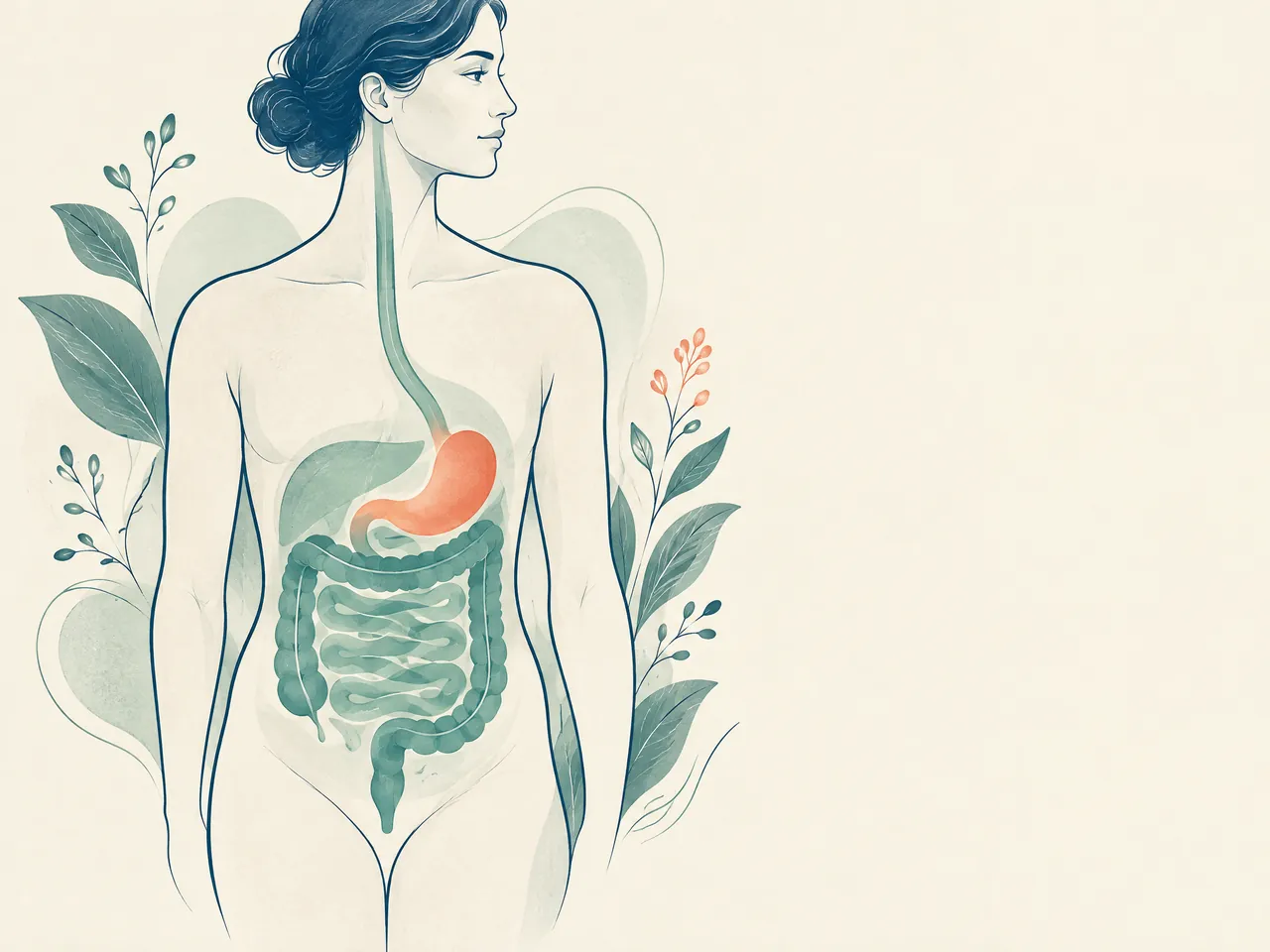
Chinese medicine may be discussed as a complementary, individualised option for bloating, but it cannot promise a cure or a fixed response. For a bloated stomach, start with regular, unhurried meals, portions that leave you comfortably satisfied, and less of foods or drinks that repeatedly trigger your symptoms. Note the link with bowel movements, medicines and stress. Seek medical assessment promptly if symptoms are severe, recurrent, or accompanied by weight loss, vomiting, bleeding or swallowing difficulty.
Transparent pricing
See the fees.
Choose your care.
Explore our complete official price list, including first-trial prices, regular prices, packages and branch-specific options.
Opening WhatsApp prepares an enquiry; it does not send a message, take payment or confirm an appointment. Suitability and individual arrangements are confirmed during consultation.
Chinese medicine
All prices in HKDAcupuncture and Chinese herbal medicine package
Includes a Chinese medicine consultation with pulse assessment, body acupuncture and 3 days of Chinese herbal granules that do not require decoction.
HK$580 (single session)
Chinese medicine consultation with pulse assessment
Hair and scalp
All prices in HKDScalp health and hair-loss management
Includes AI scalp analysis, deep scalp and follicle cleansing, and scalp oil-control care.
HK$380 (first trial)
Regular price: HK$680
- 6 sessions: HK$3,480 (HK$580 per session)
- 12 sessions: HK$5,760 (HK$480 per session)
- 20 sessions: HK$8,600 (HK$430 per session)
- 30 sessions: HK$11,400 (HK$380 per session)
Hair acupuncture and Chinese herbal medicine package
Includes scalp acupuncture and 3 days of Chinese herbal medicine that does not require decoction.
HK$580 (single session)
Registered Chinese Medicine Practitioner consultation
- 6 sessions: HK$3,180 (HK$530 per session)
- 12 sessions: HK$5,760 (HK$480 per session)
- 20 sessions: HK$8,600 (HK$430 per session)
- 30 sessions: HK$11,400 (HK$380 per session)
Combined hair and scalp treatment
Combines acupuncture and Chinese herbal medicine with salon-level scalp and follicle care. Packages include complimentary hair-care shampoo and serum.
HK$1,260 (single session)
Combined treatment
- 8 sessions: HK$8,640 (HK$1,080 per session)
- 16 sessions: HK$15,680 (HK$980 per session)
- 20 sessions: HK$18,600 (HK$930 per session)
- 30 sessions: HK$26,400 (HK$880 per session)
Weight management
All prices in HKDFull-body acupoint embedding for weight management
Includes full-body acupoint embedding. Packages include complimentary Chinese herbal medicine for weight management, with the number of included days scaled to the package. Embedding material and the individual treatment arrangement are confirmed during consultation; this is not a cosmetic thread lift.
HK$980 (single session)
No trial session
- 10 sessions: HK$7,800 (HK$780 per session)
- 20 sessions: HK$14,600 (HK$730 per session)
- 30 sessions: HK$20,400 (HK$680 per session)
Facial acupuncture
All prices in HKDFacial acupuncture (basic)
Includes facial acupuncture and meridian-based facial care, including care for facial puffiness.
HK$480 (first trial)
Regular price: HK$680
- 10 sessions: HK$5,200 (HK$520 per session)
- 20 sessions: HK$9,600 (HK$480 per session)
- 30 sessions: HK$13,500 (HK$450 per session)
Facial acupuncture (advanced)
Includes enhanced facial acupuncture with a specially formulated moisturising mask and serum.
HK$780 (first trial)
Regular price: HK$1,180
- 10 sessions: HK$9,000 (HK$900 per session)
- 20 sessions: HK$16,600 (HK$830 per session)
- 30 sessions: HK$23,400 (HK$780 per session)
Pain care
All prices in HKDExtracorporeal shockwave treatment
Shockwave treatment for deep-tissue and fascial care. The Kwun Tong clinic offers the multi-area options shown below.
Priced by branch
Branch-specific pricing
Prince Edward: HK$250 per area
Kwun Tong: HK$250 for 1 area / HK$450 for 2 areas / HK$600 for 3 areas
Pain care (manual therapy)
Includes Chinese medicine musculoskeletal assessment, manual joint techniques and tui na.
HK$580 (single session)
Chinese medicine musculoskeletal assessment
Pain care (acupuncture and manual therapy)
Combines acupuncture and manual therapy.
HK$680 (single session)
Combined care
Can Chinese medicine help with bloating? What should I eat when I have a bloated stomach? — Recognising common patterns
Before deciding what to eat, name the experience precisely. Indigestion, also called dyspepsia, is a group of symptoms that can include upper-abdominal discomfort, getting full too soon, uncomfortable fullness after eating, bloating, nausea and belching [1]. A person who feels pressure immediately after a rushed takeaway lunch may need a different conversation from someone whose abdomen gradually enlarges by evening or whose discomfort improves after passing stool. Calling every form of fullness “gas” can hide useful details. Our guide to stomach bloating can help you describe the sensation, but it cannot identify the cause for an individual.
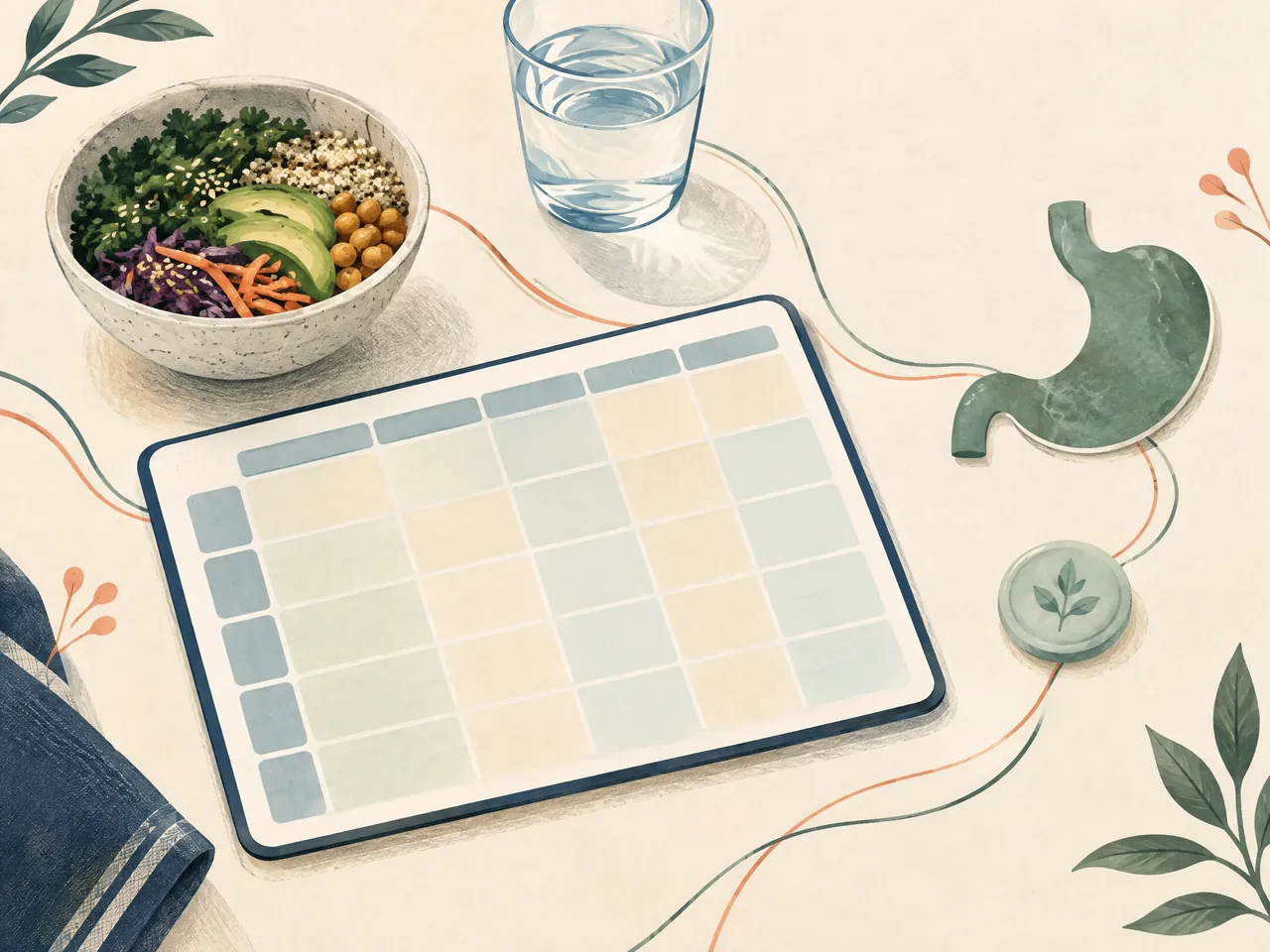
Use a brief record to make the pattern visible. For each episode, note the time of the meal, what and roughly how much you ate or drank, how fast you ate, the symptom location, belching or reflux, and whether you had a bowel movement. Also note unfamiliar supplements, changes in medicines, sleep disruption and stressful periods. The goal is not to measure every bite or blame a single food. It is to see whether the same combination keeps returning. This is especially useful when a person says, “I can eat this sometimes, but not on a workday.” Timing, pace and portion size may be the missing part of that observation.
Bloating can coexist with symptoms commonly grouped under functional dyspepsia symptoms, such as early fullness or discomfort after eating. That link is a reason to seek a proper review when the problem is frequent, not a reason to self-diagnose. NIDDK notes that clinicians may use symptoms, medical history, examination and, when appropriate, tests such as H. pylori testing, imaging or upper GI endoscopy to investigate indigestion [1].
Can Chinese medicine help with bloating? What should I eat when I have a bloated stomach? — Post-meal fullness and swallowed air
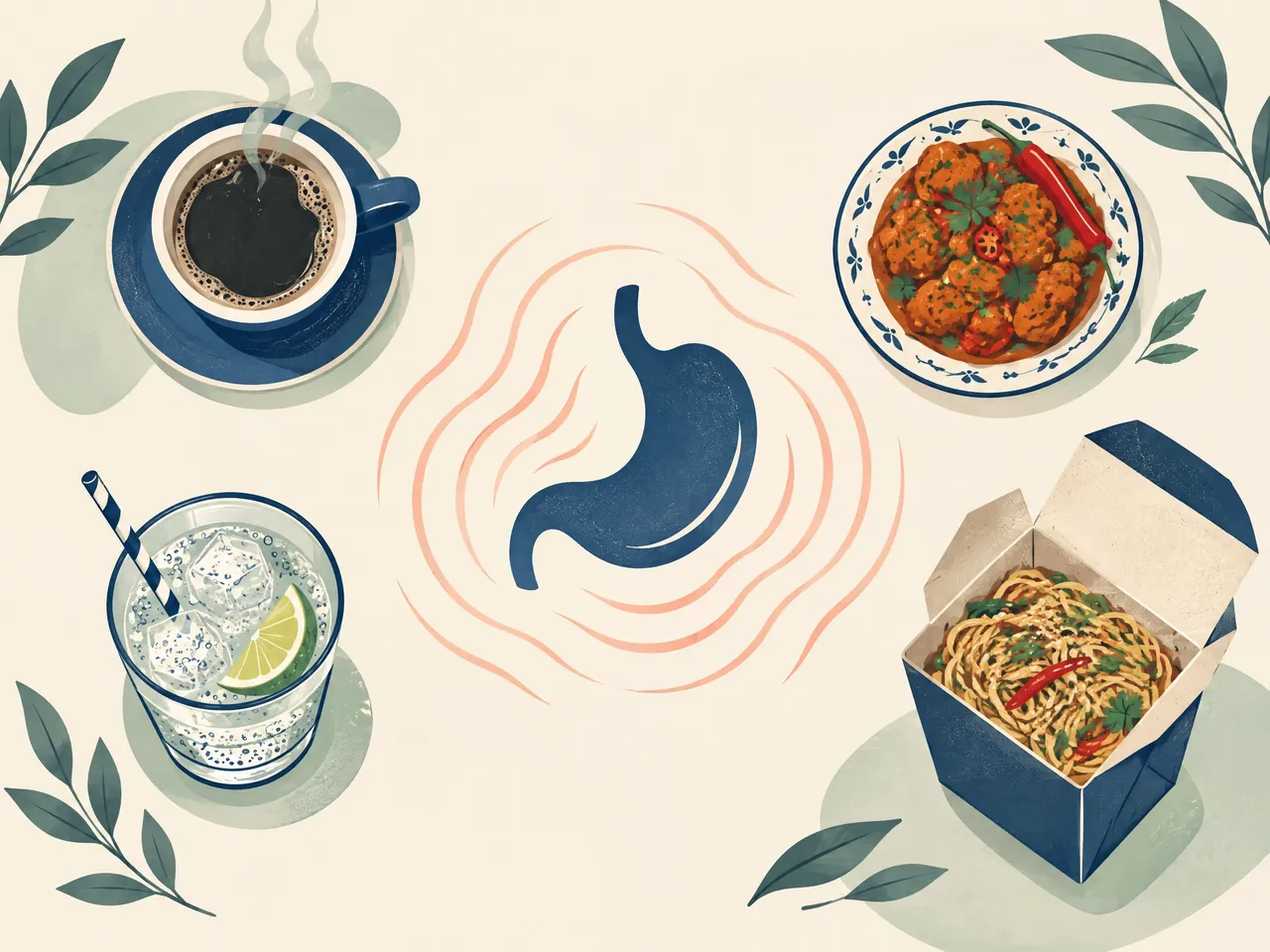
Post-meal fullness often becomes more noticeable when meals are large, hurried or eaten while talking, working or travelling. Some people also find that chewing gum, drinking through a straw, smoking, or frequently sipping carbonated drinks coincides with more burping and air-related discomfort. Rather than treating one of these as a universal cause, test a manageable change for several comparable meals. Sit down if possible, put the phone aside for the first few minutes, chew comfortably and stop before becoming overly full. If fizzy drinks appear in the diary, replace them temporarily with a non-carbonated drink and observe what happens. This is a practical experiment, not a permanent prohibition.
Can Chinese medicine help with bloating? What should I eat when I have a bloated stomach? — Bloating, bowel movements and symptom notes
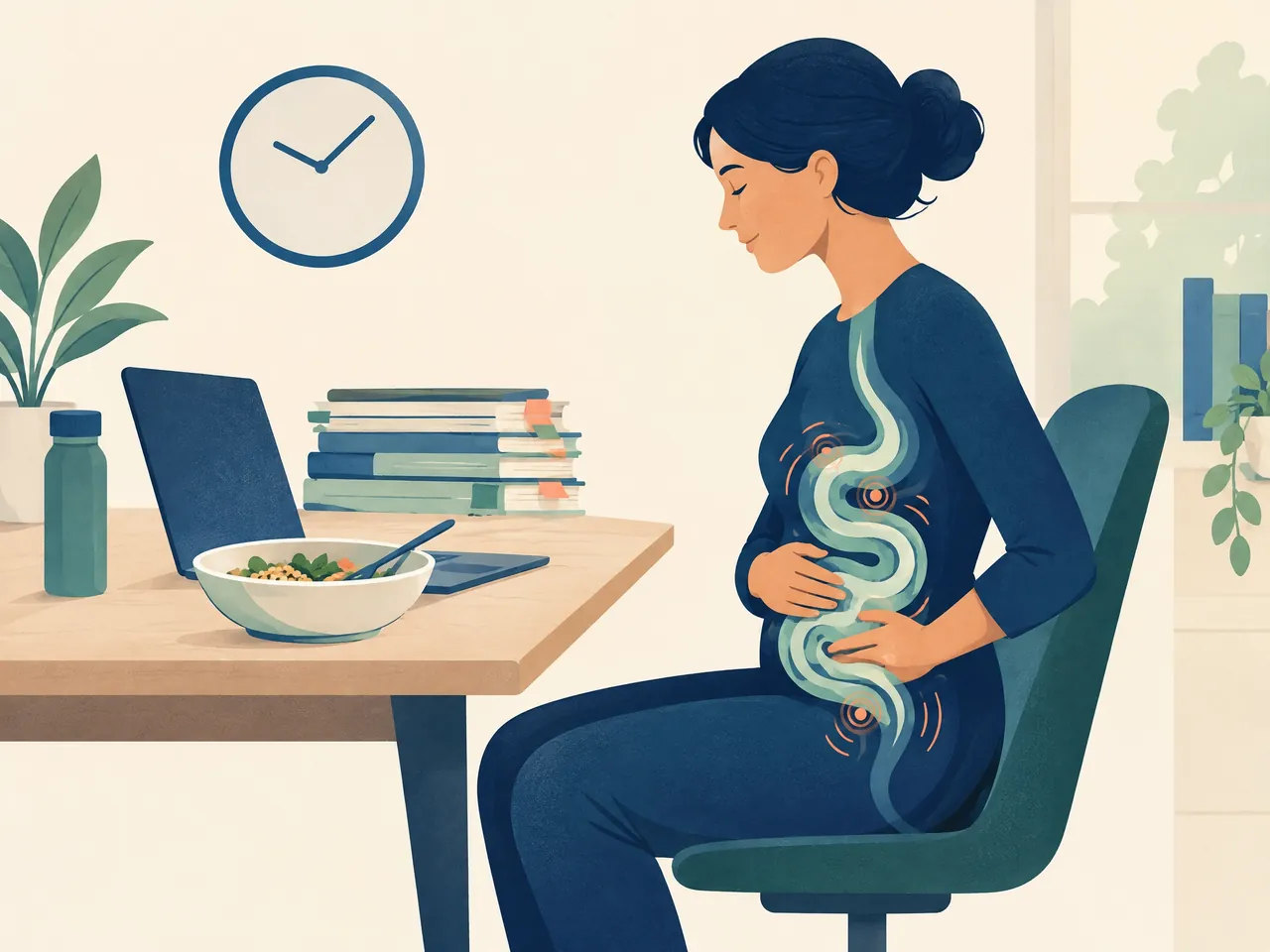
When bloating changes with bowel movements, record the bowel pattern as carefully as the food. Write down whether you are straining, going less often than is normal for you, having loose stools, or feeling relief after opening your bowels. A change after bowel movements may be relevant to constipation or an irritable-bowel pattern, but the diary is not a diagnosis. Hydration, regular movement and a regular opportunity to use the toilet may be worth discussing as part of a broader routine. If the change is new, persistent, or comes with pain, blood, weight loss or night-time symptoms, do not assume that a food adjustment alone is enough.
Compare your options
| What you notice | Useful notes for your diary | Reasonable next step |
|---|---|---|
| Full or tight soon after a large or rushed meal | Meal time, portion, pace, burping, carbonated drinks and whether you were distracted | Try a smaller, unhurried comparable meal; discuss frequent early fullness with a clinician. |
| Bloating after certain dishes or drinks | Exact item, amount, other foods eaten, symptom timing and whether the same reaction recurs | Change one likely trigger at a time rather than restricting many foods at once. |
| Bloating that improves after a bowel movement | Stool frequency, straining, stool change, abdominal pain and relief after opening bowels | Review hydration, routine and activity; seek assessment for new, persistent or concerning changes. |
| Bloating with vomiting, bleeding, weight loss or swallowing difficulty | When it began, severity, medicines and any medical history | Seek medical assessment promptly; do not rely on diet experiments or complementary care alone. |
On smaller screens, scroll the table sideways to compare all columns.
Can Chinese medicine help with bloating? What should I eat when I have a bloated stomach? — Food and lifestyle review
There is no single “anti-bloating” menu that suits everyone. The more useful question is: what foods, drinks and circumstances repeatedly precede your discomfort? NIDDK advises that dietary change may help when particular foods worsen indigestion; examples it lists for functional dyspepsia include carbonated drinks, coffee, fruit or juice, wheat or grains, and fatty or greasy foods [1]. These are examples to investigate, not a list that every person must avoid. The NHS also lists rich, spicy or fatty foods, alcohol, coffee and smoking among factors that may make indigestion worse for some people [2]. An all-or-nothing cleanse is rarely as informative as a careful, short review.
Build meals around what you tolerate, not around fear. A gentle starting routine might be regular meals with a moderate portion, time to eat without rushing and fewer experiments on days when symptoms are already active. If a dish with beans, onions, cabbage, dairy, chilli, fried food or a sweet fizzy drink seems to precede bloating, write it down with the portion and the rest of the meal. Do not conclude that a whole food group is the problem after one episode. For people with recurrent symptoms, a registered dietitian or doctor can help prevent overly restrictive eating while exploring whether a dietary pattern or another condition needs attention. Read more about bloating after eating when timing after meals is the central concern.

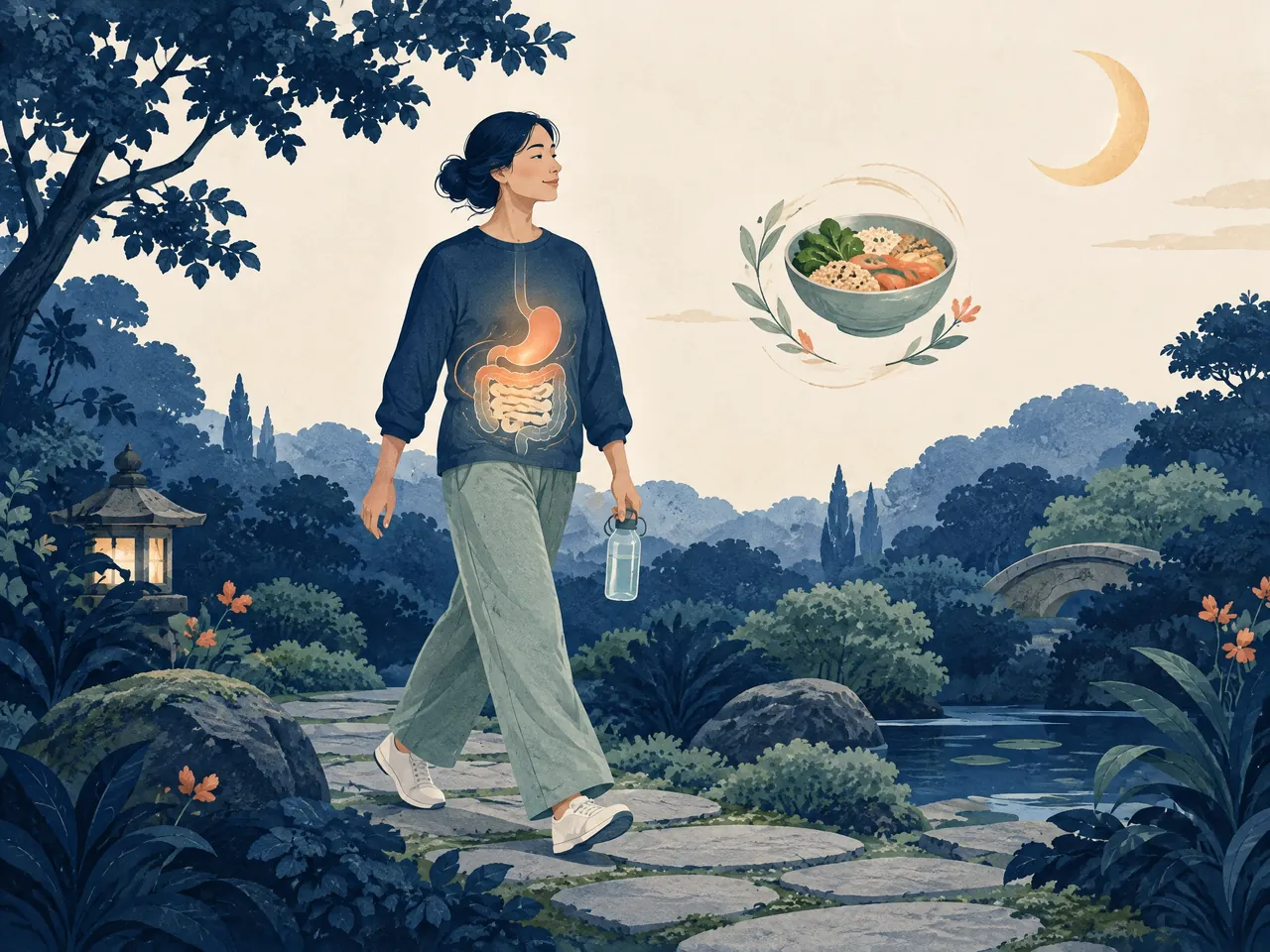
Lifestyle details can matter because digestion does not happen separately from the rest of the day. Notice whether you skip breakfast then eat a very large late meal, eat close to bedtime, lie flat straight after dinner, or rely on coffee when under pressure. The NHS suggests avoiding food for several hours before bed for indigestion and reducing rich, spicy or fatty foods where they trigger symptoms [2]. Stress and anxiety can also sit alongside indigestion symptoms [2]. That does not mean symptoms are “all in your head”; it means the daily context belongs in the assessment. Gentle activity such as a walk may be easier to sustain than an ambitious new routine, especially after a heavy day.
Can Chinese medicine help with bloating? What should I eat when I have a bloated stomach? — Foods that may trigger discomfort
A food diary works best when it records an ordinary week rather than an idealised one. Include common Hong Kong routines: milk tea before breakfast, a fast lunch, late hotpot, convenience snacks, alcohol at social meals, and supplements taken for unrelated reasons. Then look for repetition. A fatty, spicy meal may be relevant for one person; large amounts of milk tea may be more relevant for another; a third may notice no food pattern but clear constipation. If you choose to reduce a suspected item, keep meals otherwise familiar where possible and note the change. Persistent symptoms deserve clinical review even if one trigger seems obvious, because an apparent food link does not rule out another cause.
Can Chinese medicine help with bloating? What should I eat when I have a bloated stomach? — Eating pace, portions and daily habits
Make the plan realistic enough to use outside the kitchen. At a restaurant, share a rich dish, choose a comfortable portion instead of finishing automatically, and give yourself time before ordering another course. At work, take a short pause before the first mouthful and avoid eating while answering messages if that makes you rush. At home, keep the evening meal earlier when reflux-like symptoms are present. These adjustments do not diagnose or cure bloating; they reduce avoidable variables while you observe the pattern. Bring the diary, a list of medicines and the questions you want answered to a consultation. It is much more useful than arriving with a long list of foods you have already eliminated.
Can Chinese medicine help with bloating? What should I eat when I have a bloated stomach? — What an assessment can cover
A Chinese medicine consultation can explore the meal-and-symptom story in detail and place it within a traditional pattern-assessment approach. A registered practitioner may ask whether fullness comes straight after eating or later, whether there is reflux, nausea or belching, how appetite and sleep have changed, and what the bowel pattern is like. They may also ask about temperature preference, energy, emotional strain and menstrual history where relevant. These traditional pattern terms are not the same as a biomedical diagnosis. They are a way a Chinese medicine practitioner may organise the information while considering complementary care. Hong Kong university Chinese medicine clinics likewise describe bloating, stomach pain, burping, appetite change, reflux, constipation and diarrhoea among digestive complaints for which patients may seek an individual consultation [4].
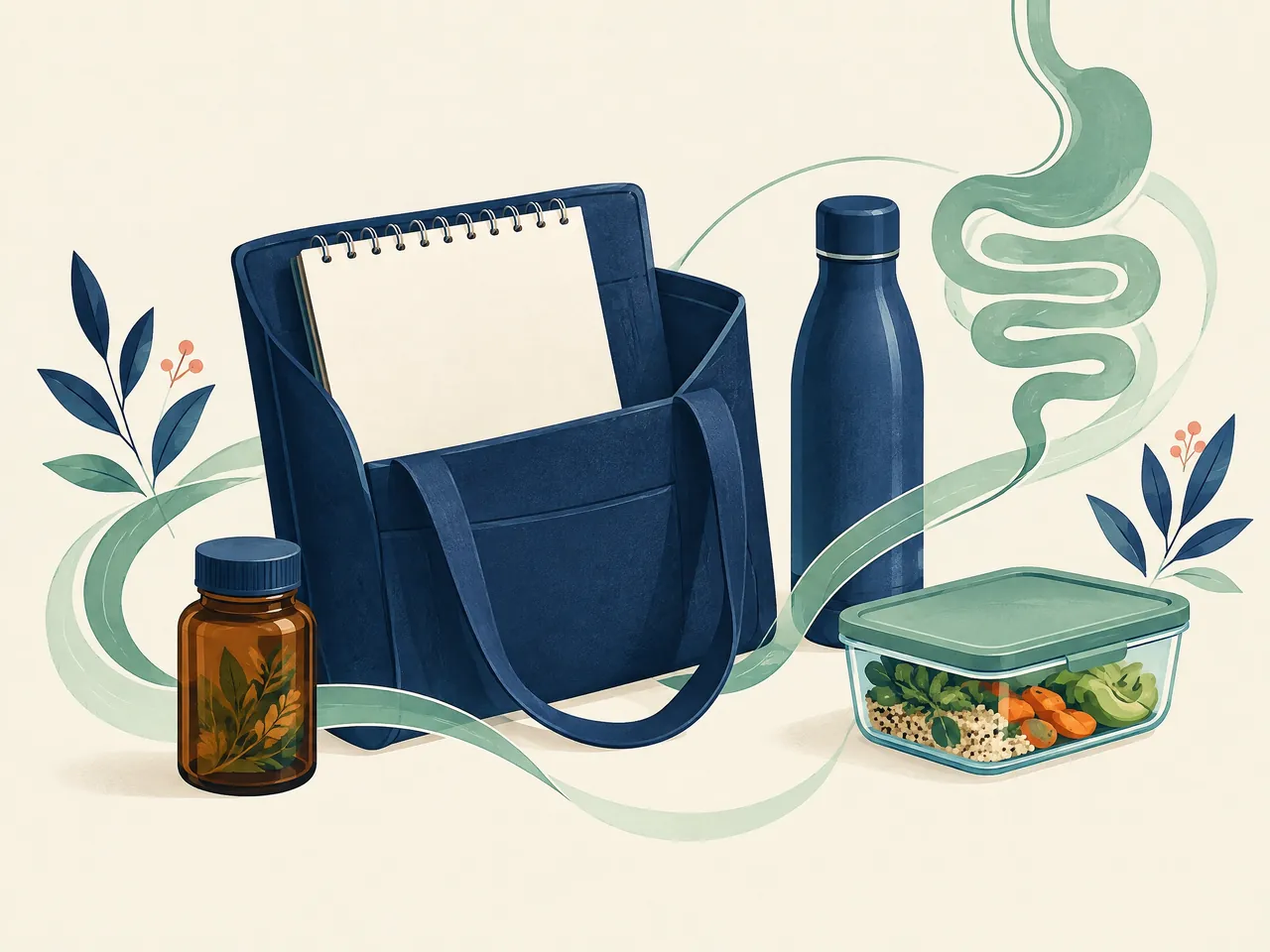
Bring a complete list of prescribed medicines, over-the-counter products, vitamins and herbs, plus relevant medical results or previous diagnoses. This makes it easier to decide whether a Chinese medicine discussion is appropriate alongside medical care. If a doctor has prescribed treatment for reflux, an ulcer, infection or another condition, do not stop it or change the dose on your own. It is also sensible to tell every clinician about complementary approaches. If you are comparing the discomfort with upper abdominal pain and indigestion, remember that severe or persistent pain needs medical advice rather than an online label.
Choose medical follow-up without delay for severe pain, unintentional weight loss, difficulty swallowing, repeated vomiting, a lump in the stomach area, bloody vomit or blood in the stool; these are among the warning symptoms highlighted by the NHS for people with indigestion [2]. Ongoing or recurrent indigestion also warrants review [2]. Complementary care should never be used to postpone that assessment.
Can Chinese medicine help with bloating? What should I eat when I have a bloated stomach? — Traditional pattern assessment and safety
For a traditional assessment to be useful, describe what actually happens rather than choosing a pattern from the internet. Mention meal times, how long symptoms last, whether you wake with discomfort, which remedies you have already tried, and whether there is a history of gastrointestinal disease, surgery, pregnancy or allergies. A practitioner can then explain what their proposed approach is intended to address and what monitoring or medical follow-up is advisable. Herbal treatment, if discussed, should be individualised rather than copied from a friend or online recipe. The National Center for Complementary and Integrative Health notes that herbs may interact with medicines [5]. That is one reason to disclose every product and avoid self-prescribing a formula for persistent bloating.
Can Chinese medicine help with bloating? What should I eat when I have a bloated stomach? — Acupuncture, herbal medicine and medical follow-up
Acupuncture or Chinese herbal medicine may be raised as complementary options after an individual assessment; neither is a guaranteed solution for every bloating pattern. If acupuncture is considered, ask how it fits alongside your medical plan, what sensations or side effects to report, and when to seek conventional care. NCCIH states that complications are relatively uncommon but can occur with nonsterile needles or improper treatment, and it advises people not to use acupuncture to delay seeing a health-care provider about a health problem [3]. Seek prompt medical review for the warning signs above, and return for follow-up if your practical food and lifestyle changes do not clarify or improve a recurring pattern. For a local appointment enquiry, you may contact a Kwun Tong Chinese medicine clinic or a Chinese medicine clinic Prince Edward and explain your symptoms, medicines and language needs.
Care and health guide
Health service information
This directory brings together services, reading, and visit information related to health services, to help you prepare questions for a consultation.
If you are organising health questions, Chinese medicine clinic Hong Kong is a starting point for learning about related services and preparing for a consultation.
People have different needs; acupuncture Hong Kong provides further reading to help you understand options in your own context.


Your questions, answered
Frequently asked questions
Can Chinese medicine help with bloating? What should I eat when I have a bloated stomach after most meals?
Chinese medicine may be discussed as complementary care after a personalised assessment, not as a promised cure. Keep a record of meal size, pace, drinks, symptoms and bowel movements. Choose moderate, unhurried meals and reduce a food or drink only when it repeatedly appears relevant. If early fullness or post-meal discomfort happens most days, arrange medical assessment rather than relying only on dietary restriction.
Should I avoid beans, cabbage, dairy and spicy food when I feel bloated?
Not automatically. These foods may be troublesome for some people, but a broad ban can be unnecessarily restrictive. Look for a repeatable personal pattern, including portion size and the rest of the meal. If symptoms continue or food choices are becoming very limited, ask a doctor or registered dietitian for individual advice.
Can I use acupuncture or Chinese herbal medicine while taking indigestion medicine?
Tell the practitioner and the prescribing doctor about all medicines, supplements and herbs. Do not stop antacids, acid-suppressing medicine or any other prescribed treatment yourself. Any herbal or acupuncture option should be discussed in the context of your diagnosis, other conditions and medical follow-up.
When is bloating a reason to see a doctor promptly?
Seek prompt medical assessment for severe pain, unexplained weight loss, trouble swallowing, repeated vomiting, bloody vomit, blood in the stool, or a lump in the stomach area. Also arrange review when indigestion or bloating keeps returning. These symptoms should not be managed only with food changes or complementary care.
Sources and further information
- [1] [1] NIDDK: Indigestion (Dyspepsia)
Referenced for: Definition, symptoms, diagnostic approach and dietary considerations for indigestion.
- [2] [2] NHS: Indigestion
Referenced for: Self-care considerations, possible aggravating factors and warning symptoms requiring medical review.
- [3] [3] NCCIH: Acupuncture: Effectiveness and Safety
Referenced for: Acupuncture safety, the importance of qualified delivery, and not delaying health-care assessment.
- [4] [4] The Chinese University of Hong Kong: Chinese Medicine Treatment Program for Digestive Diseases
Referenced for: Hong Kong Chinese medicine consultation terminology for digestive symptoms; not evidence of effectiveness.
- [5] [5] NCCIH: Herbs at a Glance
Referenced for: Herbs may interact with medicines; supports disclosure of herbs and supplements during care discussions.