Compare each reference with the lengths you actually have
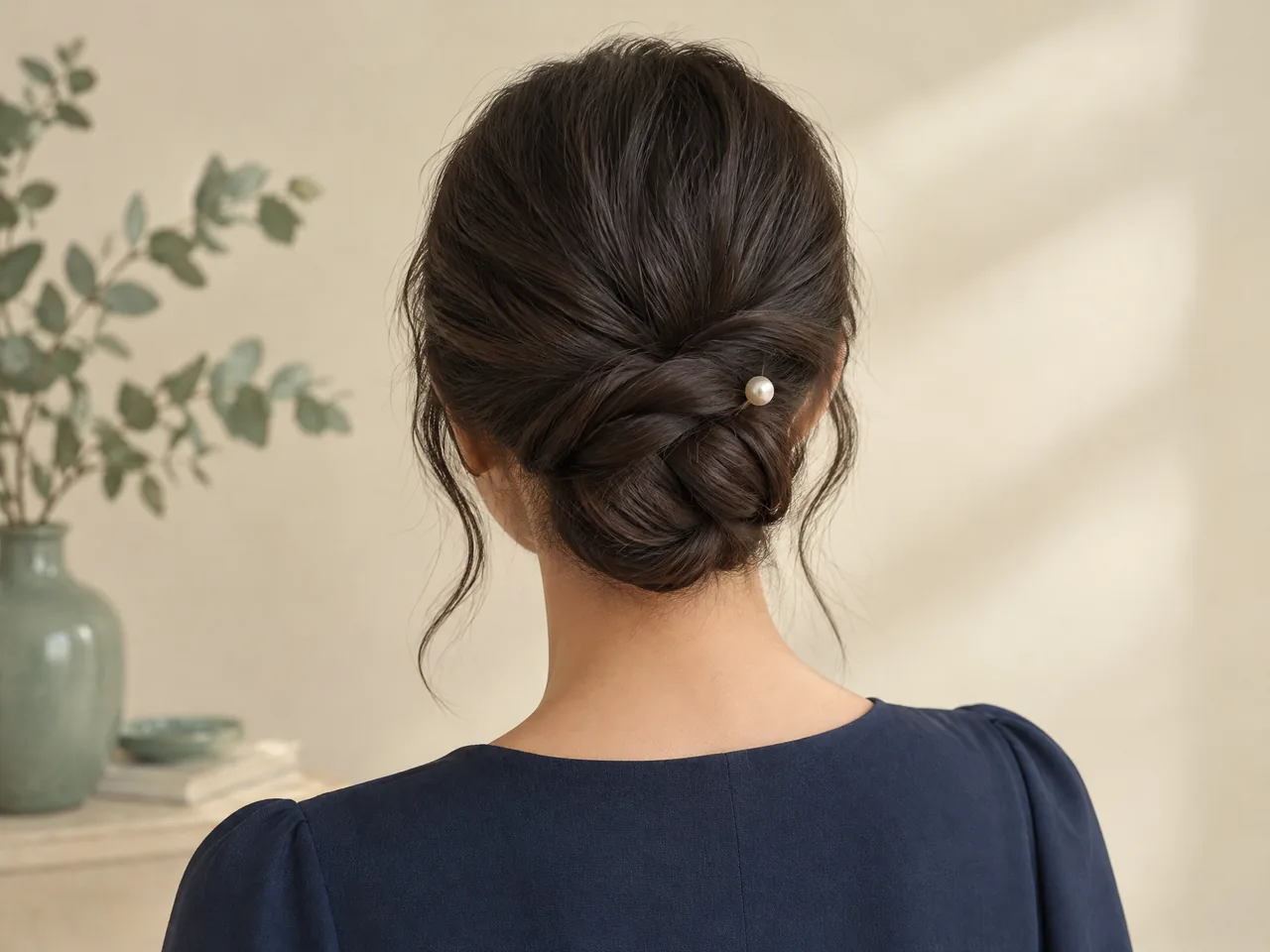
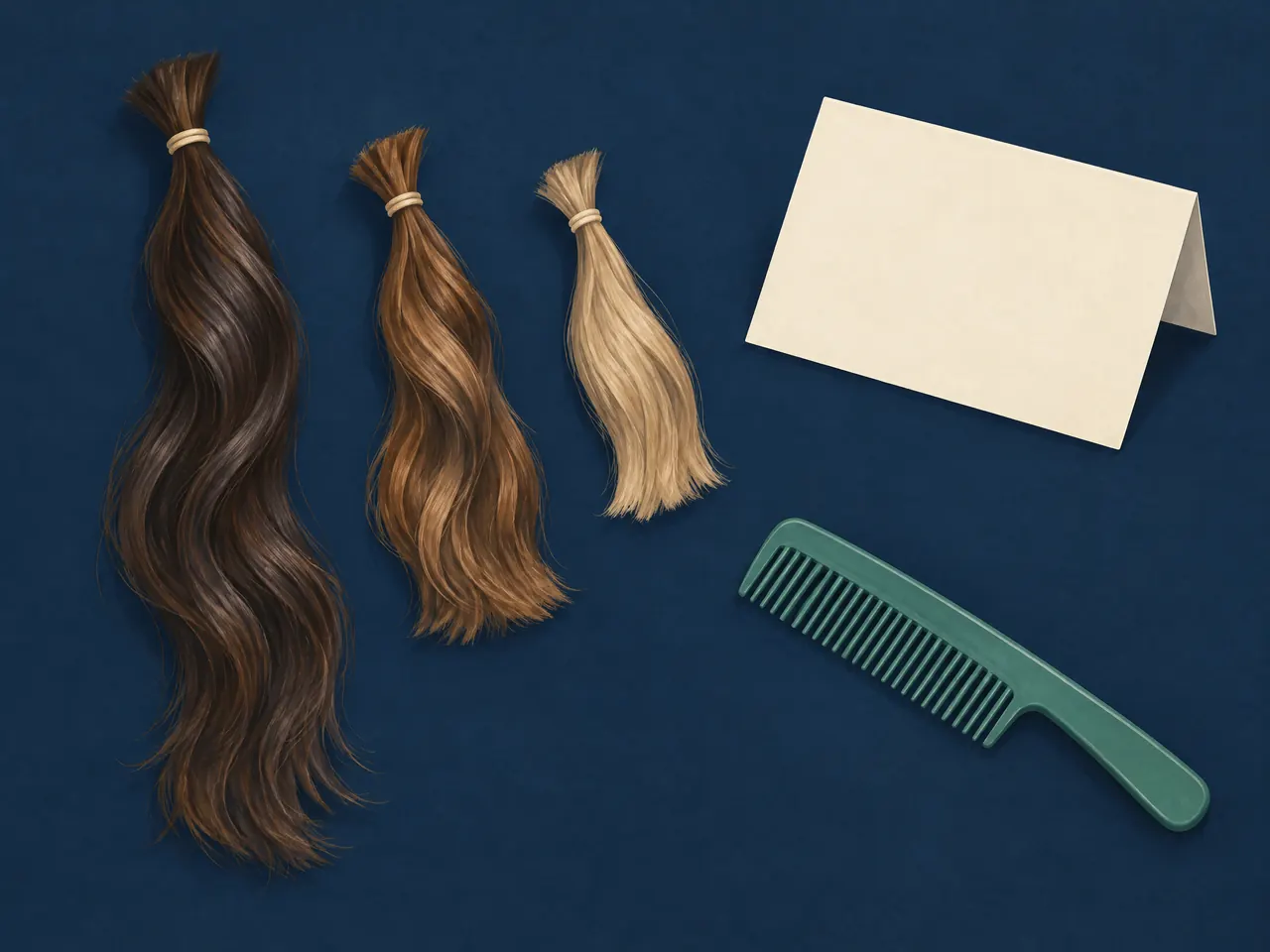
For each proposed appearance, pair the reference with a recent front, side and back photograph of your own hair worn down. Point to the particular feature you want, such as an exposed ear or a gathering clear of the neckline. A long, full reference does not establish that your current layers can reach the same fastening point. Ask whether a smaller gathering or different placement can express the idea without adding hair. The event styling resource recommends sharing current lengths, layers and any existing hairpiece when discussing feasibility. [5]
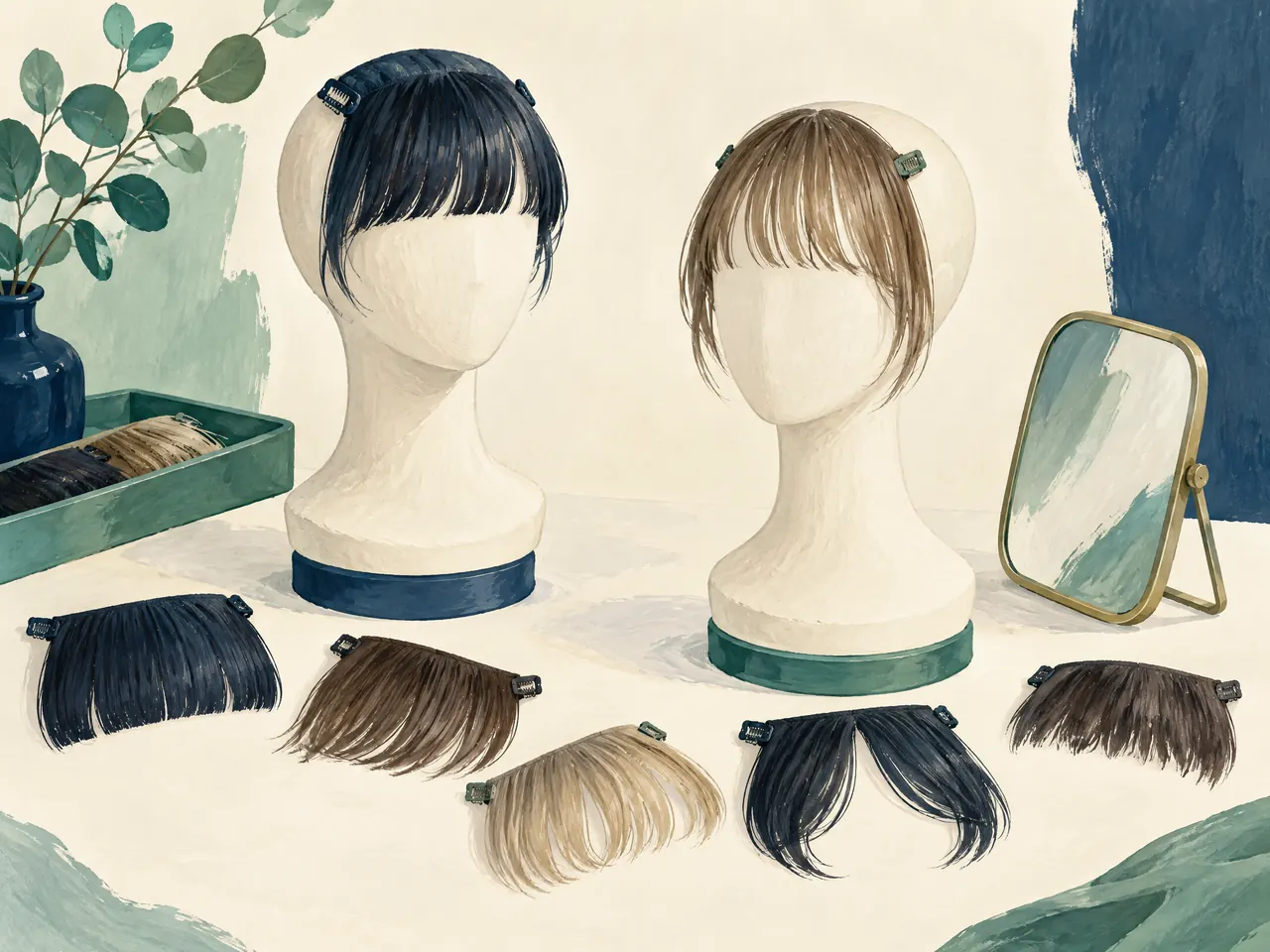
Give the front its own comparison. A short fringe and longer temple pieces may need different arrangements even when the back stays unchanged. Test whether you want the front loose, tucked or directed away from the face with each outfit. For shorter hair, a change of parting or removable decoration may be the useful second look; an updo need not be the goal.
Agree washing and drying preparation before the first finish
Ask for arrival instructions for the actual first appointment instead of assuming that yesterday's hair or freshly washed hair is always preferred. Confirm whether washing and drying are included, and explain any styling products already present. The event styling resource specifically recommends asking about preparation rather than guessing. [5] If the morning blow-dry is being done elsewhere, share those instructions so the first finish and later construction are planned together.
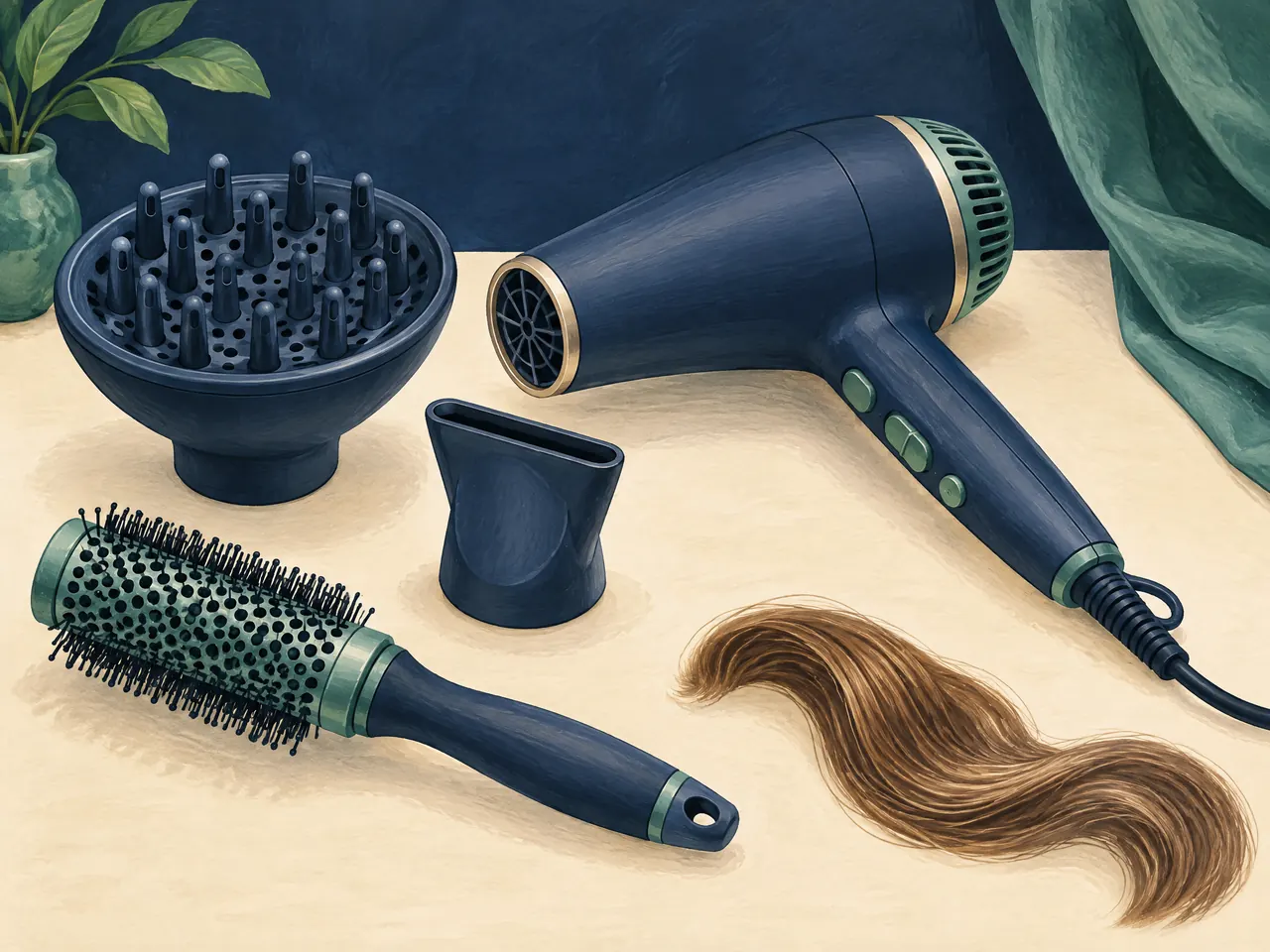
Keep drying separate from the promised shape in your timetable. A dryer, nozzle or round brush is equipment, not evidence that pinned work or accessory fitting has been booked. If a later stage requires washing and drying again, account for that work and the facilities it needs before agreeing the change window. Do not leave a helper to discover those requirements between photographs.
Reserve a change window that includes access and dressing
Work backwards from the next moment you must be ready. Include reaching the changing room, getting out of the first outfit and putting on the next one, not only the hair adjustment. Confirm a mirror, useful light and a place to set down the accessory. Time in a taxi or a busy corridor is not equivalent to an available changing space. If the room or helper will not be accessible, move the change earlier or retain the simpler finish.
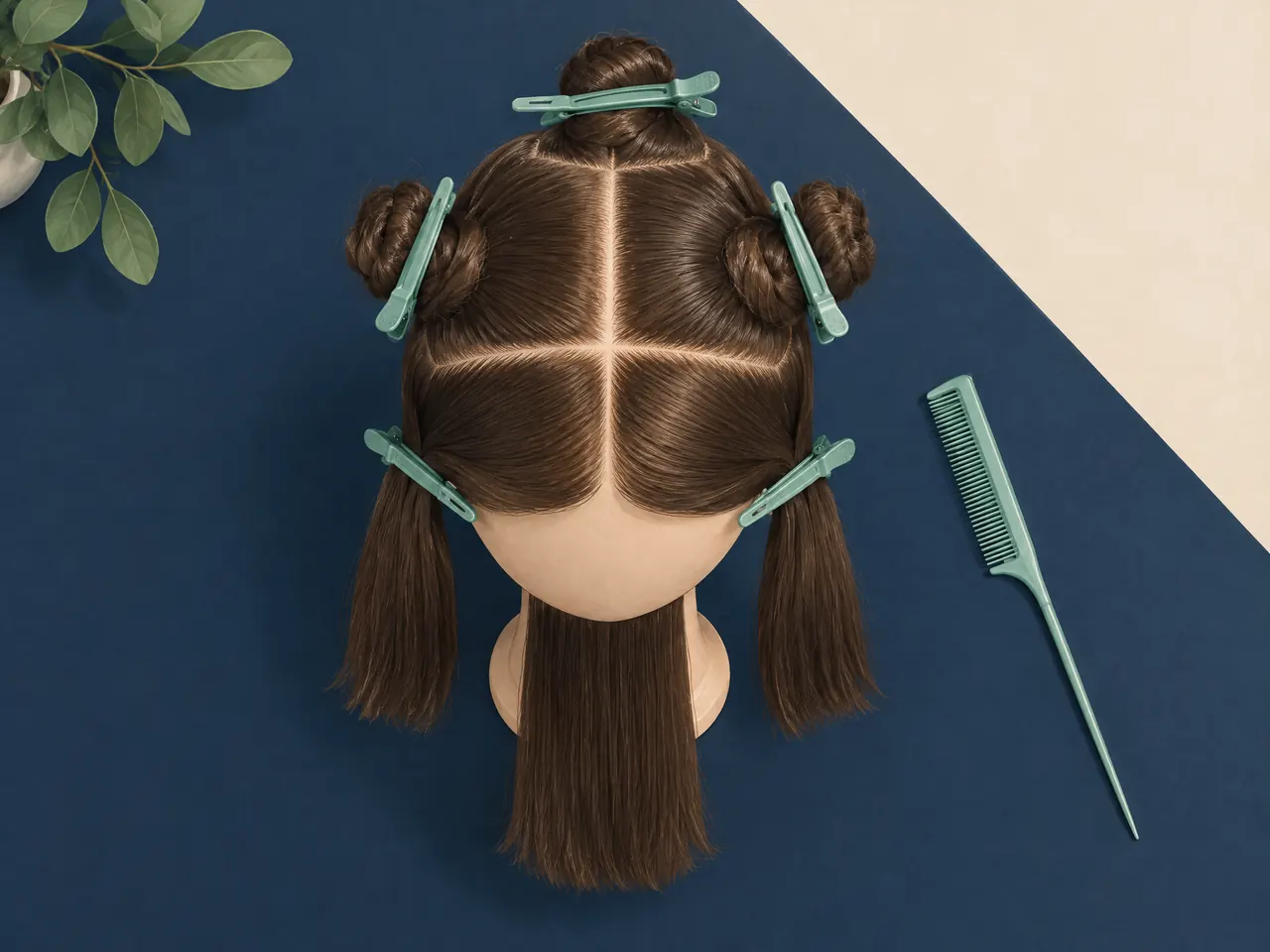
Ask for the change to be explained by section: which front pieces remain, which back sections move and which fastenings belong only to decoration. This makes the boundary of the helper's task clearer than naming three hairstyles. Agree the point at which dressing must begin; if a genuine restyle cannot finish before it, use the pre-agreed fallback rather than starting to undo structural support.
Put the agreed kit where the next change happens
A carefully packed kit is of little use if it travels in a different car or stays with the first outfit. Assign who carries it and where it will wait at the next venue. Keep permitted replacement fastenings in their own closed container, apart from pieces already removed, so the helper does not have to guess which ones were demonstrated. Place the accessory pouch within reach before beginning removal.
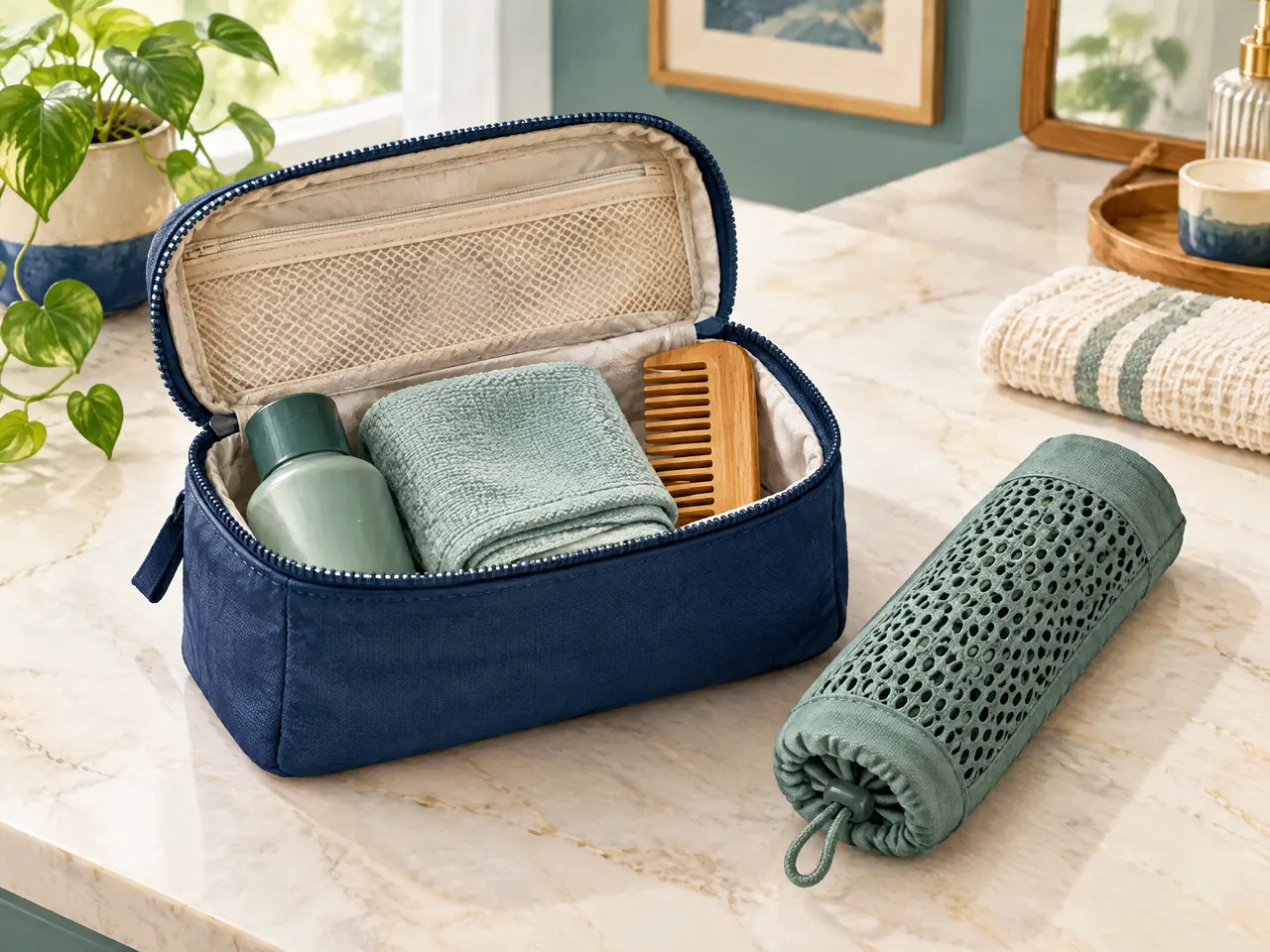
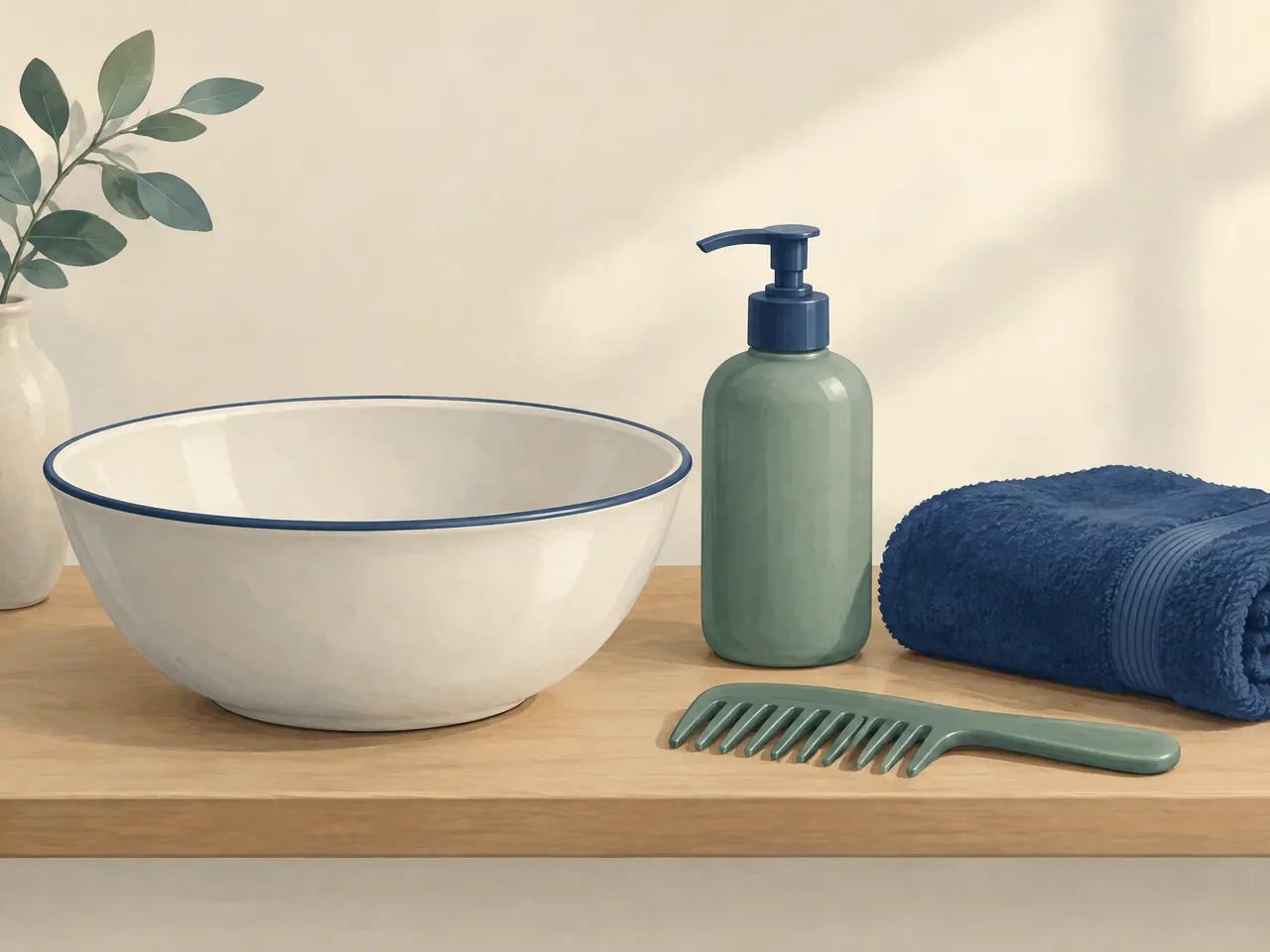
The comb, cloth and bottle in a travel pouch are examples of storage objects, not a reason to pack every item. Include only what the agreed finish needs. If a later loose look requires particular product handling or a fresh wash, leave those instructions with the person responsible for that work rather than treating them as an ordinary mirror check.