
TCM Lab · Health reading
Physical Therapy for Sciatica: How to Stretch Safely
Published Updated
Physical therapy for sciatica should begin with a careful look at the symptom pattern, not a forceful attempt to stretch away pain. Pain that travels from the lower back or buttock into one leg, with tingling, numbness or weakness, deserves a different response from ordinary local muscle soreness. Gentle movement may be useful when it stays tolerable and does not make symptoms spread. A movement that sharpens radiating pain, increases numbness or makes the leg feel weaker is a stop signal, not a challenge to push through. An individual assessment can help match activity to the person, their daily demands and any warning signs.
Appointments are confirmed through WhatsApp. If you have language requirements, please mention them in your enquiry.
The short answer
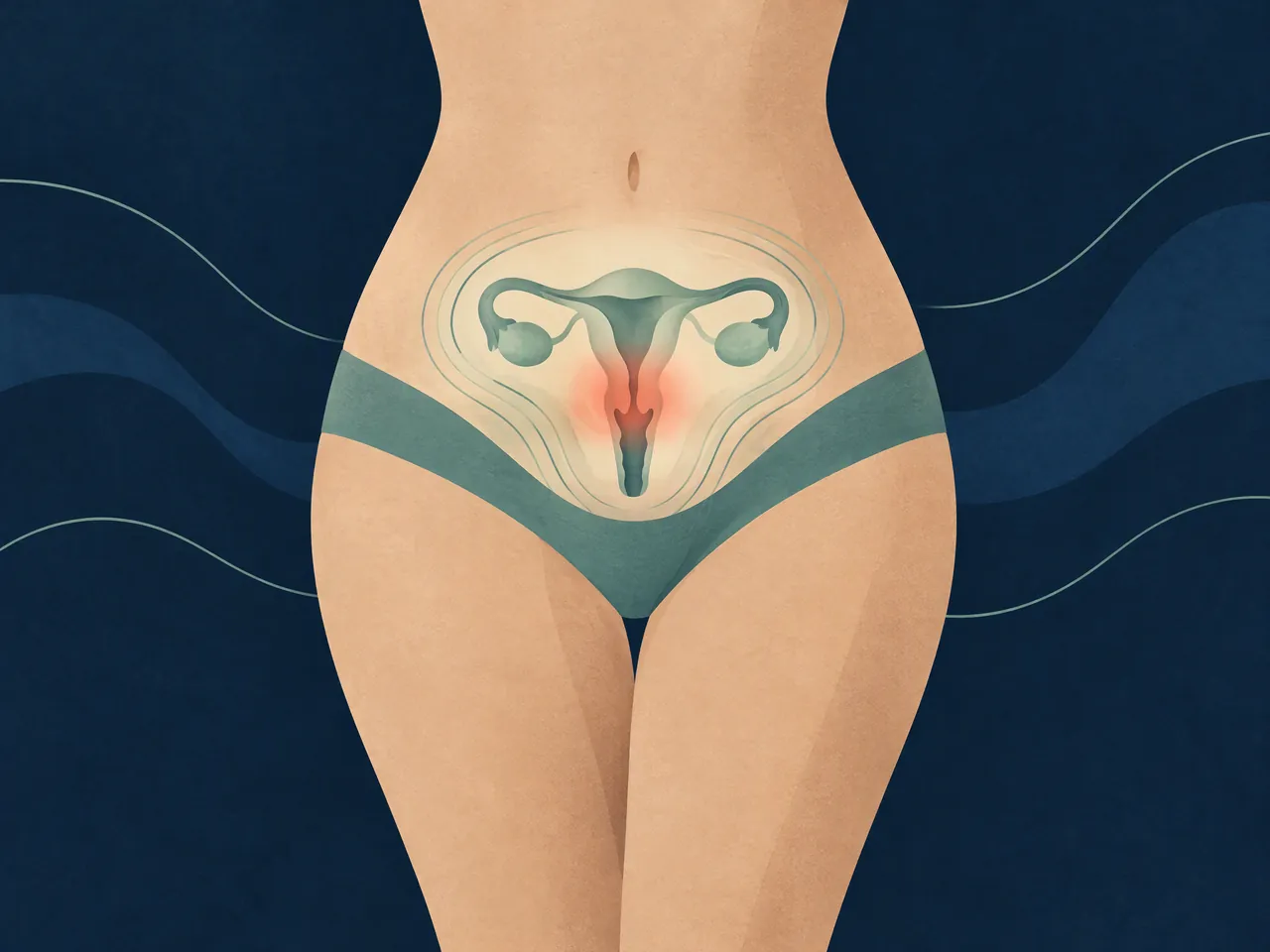
Physical therapy for sciatica is usually most useful when it is tailored after an assessment rather than copied from a generic stretch video. Keep movements gentle and within a tolerable range. Stop an exercise that increases radiating leg pain, tingling, numbness or weakness, especially if symptoms travel farther down the leg. Seek urgent medical help for new bladder or bowel changes, saddle-area numbness, or rapidly worsening leg weakness.
Transparent pricing
See the fees.
Choose your care.
Explore our complete official price list, including first-trial prices, regular prices, packages and branch-specific options.
Opening WhatsApp prepares an enquiry; it does not send a message, take payment or confirm an appointment. Suitability and individual arrangements are confirmed during consultation.
Pain care
All prices in HKDExtracorporeal shockwave treatment
Shockwave treatment for deep-tissue and fascial care. The Kwun Tong clinic offers the multi-area options shown below.
Priced by branch
Branch-specific pricing
Prince Edward: HK$250 per area
Kwun Tong: HK$250 for 1 area / HK$450 for 2 areas / HK$600 for 3 areas
Pain care (manual therapy)
Includes Chinese medicine musculoskeletal assessment, manual joint techniques and tui na.
HK$580 (single session)
Chinese medicine musculoskeletal assessment
Pain care (acupuncture and manual therapy)
Combines acupuncture and manual therapy.
HK$680 (single session)
Combined care
Hair and scalp
All prices in HKDScalp health and hair-loss management
Includes AI scalp analysis, deep scalp and follicle cleansing, and scalp oil-control care.
HK$380 (first trial)
Regular price: HK$680
- 6 sessions: HK$3,480 (HK$580 per session)
- 12 sessions: HK$5,760 (HK$480 per session)
- 20 sessions: HK$8,600 (HK$430 per session)
- 30 sessions: HK$11,400 (HK$380 per session)
Hair acupuncture and Chinese herbal medicine package
Includes scalp acupuncture and 3 days of Chinese herbal medicine that does not require decoction.
HK$580 (single session)
Registered Chinese Medicine Practitioner consultation
- 6 sessions: HK$3,180 (HK$530 per session)
- 12 sessions: HK$5,760 (HK$480 per session)
- 20 sessions: HK$8,600 (HK$430 per session)
- 30 sessions: HK$11,400 (HK$380 per session)
Combined hair and scalp treatment
Combines acupuncture and Chinese herbal medicine with salon-level scalp and follicle care. Packages include complimentary hair-care shampoo and serum.
HK$1,260 (single session)
Combined treatment
- 8 sessions: HK$8,640 (HK$1,080 per session)
- 16 sessions: HK$15,680 (HK$980 per session)
- 20 sessions: HK$18,600 (HK$930 per session)
- 30 sessions: HK$26,400 (HK$880 per session)
Weight management
All prices in HKDFull-body acupoint embedding for weight management
Includes full-body acupoint embedding. Packages include complimentary Chinese herbal medicine for weight management, with the number of included days scaled to the package. Embedding material and the individual treatment arrangement are confirmed during consultation; this is not a cosmetic thread lift.
HK$980 (single session)
No trial session
- 10 sessions: HK$7,800 (HK$780 per session)
- 20 sessions: HK$14,600 (HK$730 per session)
- 30 sessions: HK$20,400 (HK$680 per session)
Facial acupuncture
All prices in HKDFacial acupuncture (basic)
Includes facial acupuncture and meridian-based facial care, including care for facial puffiness.
HK$480 (first trial)
Regular price: HK$680
- 10 sessions: HK$5,200 (HK$520 per session)
- 20 sessions: HK$9,600 (HK$480 per session)
- 30 sessions: HK$13,500 (HK$450 per session)
Facial acupuncture (advanced)
Includes enhanced facial acupuncture with a specially formulated moisturising mask and serum.
HK$780 (first trial)
Regular price: HK$1,180
- 10 sessions: HK$9,000 (HK$900 per session)
- 20 sessions: HK$16,600 (HK$830 per session)
- 30 sessions: HK$23,400 (HK$780 per session)
Chinese medicine
All prices in HKDAcupuncture and Chinese herbal medicine package
Includes a Chinese medicine consultation with pulse assessment, body acupuncture and 3 days of Chinese herbal granules that do not require decoction.
HK$580 (single session)
Chinese medicine consultation with pulse assessment
Physical Therapy for Sciatica: Check Nerve Symptoms First
The word sciatica is often used for any pain around the back, buttock or thigh, but the pattern matters before choosing exercises. Sciatica commonly describes pain related to the sciatic nerve pathway: it may run from the lower back or buttock down the back or side of one leg and can be shooting, burning or aching. Tingling, altered sensation, numbness or weakness can occur too. By contrast, some pain that seems to travel may be sciatica-like rather than nerve-related. Hong Kong Adventist Hospital notes that assessment considers the history and examination, and sometimes imaging is considered when clinically appropriate. That is why a self-label based on one painful area is not enough to decide which stretch is suitable [1].
Think of the first few days as information gathering rather than a fitness test. Notice whether coughing, sitting, walking, bending, getting in and out of a taxi, or lifting a bag changes the symptoms. Note the exact end point of the sensation: buttock, thigh, calf, foot or toes. Also note whether there is only pain or a change in strength or feeling. These details help a clinician distinguish a locally sore structure from a possible nerve pattern and decide whether physical therapy for sciatica is reasonable now. They also help prevent a common mistake: repeatedly doing a movement that sends symptoms farther down the leg simply because it was recommended online.

Physical Therapy for Sciatica and One-Sided Leg Pain
One-sided leg pain can fit a sciatica pattern, but it does not confirm the cause by itself. Describe it clearly instead of trying to diagnose it from a diagram: where it starts, whether it travels below the knee, whether it is constant or comes with certain positions, and what makes it settle. HSS explains that sciatica may be felt as dull, aching, shooting or burning pain and may extend as far as the foot; mild cases can be more limited [2]. A physical therapist or medical clinician can combine that story with a movement and neurological assessment. For a reader looking for sciatica stretches, the practical point is that the same named stretch will not suit every source of leg pain. A tolerable, limited movement may be appropriate; an exercise that produces a clear increase in leg symptoms should be changed or stopped.
Physical Therapy for Sciatica: Numbness, Tingling and Weakness
Pain and neurological symptoms should not be treated as interchangeable. Tingling or numbness may feel like pins and needles, reduced sensation, or an unfamiliar patch of the leg or foot. Weakness may show up functionally: the foot catches, a stair feels unexpectedly difficult, or the leg does not do what it normally does. These changes merit professional assessment rather than harder stretching. Hong Kong Adventist Hospital describes numbness, altered sensation and impaired movement among possible features when nerve function is affected [1]. If symptoms are progressing, are present in both legs, or are joined by numbness around the genitals, anus or inner thighs, or by a change in bladder or bowel control, do not wait to see if exercise helps. Stop the exercise and seek urgent medical care.
Compare your options
| What you notice | How to respond in the moment | What to discuss or do next |
|---|---|---|
| A gentle local pull that stays tolerable and does not spread into the leg | Keep the movement small, slow and relaxed; do not chase a deeper stretch. | Record the position and later response so the plan can be adjusted if needed. |
| Pain travels farther down the leg or becomes sharper during a movement | Stop that movement and return to a comfortable position; do not repeat it to test it. | Discuss the response with a qualified clinician before trying to progress it. |
| Tingling, numbness or a sense of weakness increases | Stop the exercise rather than stretching through the sensation. | Seek timely professional assessment, especially if the change is new or worsening. |
| Both legs are affected, weakness is rapidly worsening, or bladder, bowel or saddle-area sensation changes | Do not continue a home programme. | Seek urgent medical care. |
On smaller screens, scroll the table sideways to compare all columns.
Physical Therapy for Sciatica: Gentle Movement Over Forceful Stretching
The goal of early movement is not to prove flexibility or to lengthen a nerve by force. It is to find a level of activity that the body can tolerate while preserving ordinary function. That may look modest: changing position before stiffness builds, taking a short walk that does not amplify leg symptoms, or practising a clinician-selected movement with calm breathing. A useful session leaves symptoms stable or easier to manage, not more widespread. The NHS exercise guidance describes a physiotherapist-led video of gentle exercises and makes a broad safety point: general exercise is not designed to treat every specific cause of pain [3]. This is why copying the most intense version of an online routine is a poor substitute for assessment.
It also helps to separate a mild stretching sensation in a muscle from an electric, burning or travelling sensation down the leg. A mild local pull may be tolerable for some people, depending on the assessment and instructions. A sharp increase in familiar sciatic pain, a new sensation in the calf or foot, or symptoms that linger worse after the exercise needs a different response. Pause, return to a neutral comfortable position, and record what happened. When symptoms settle, a clinician can decide whether the movement needs less range, a different starting position, a slower dose, or removal from the plan. For further movement ideas, our guide to sciatica exercises can help readers frame questions for a clinician, but it is not a replacement for an examination.

Physical Therapy for Sciatica: Move Within a Tolerable Range
A tolerable range is personal and can change from one day to the next. Begin in a position that does not provoke symptoms, use a small and unhurried motion, and pay attention to the location as well as the intensity of symptoms. Avoid bouncing, breath-holding, twisting to gain extra range, or asking another person to push a stretch. If a person sits for work, the plan may involve brief position changes and a comfortable walk rather than one long stretching session. If caring for children or commuting, it may focus on practising safe transitions and pacing errands. Progress is not just doing more repetitions. It can mean moving with less guarding, recovering more predictably afterwards, or managing a necessary daily task with fewer symptom flares. Those observations are useful in individual physical therapy for sciatica.

Physical Therapy for Sciatica: When to Stop a Stretch
Stop the current stretch at once if pain becomes sharper, travels farther down the leg, or is accompanied by increased tingling, numbness, weakness, dizziness or feeling unwell. Do not try to release the feeling by holding longer or pulling harder. The NHS advises stopping exercise immediately if pain occurs or if the person becomes unwell [3], while HSS similarly states that movements should not cause more pain and should be stopped if they do [2]. After stopping, make a brief note of the position, movement, symptom location and recovery. Seek timely clinical advice when a flare does not settle as expected, symptoms are persistent, or confidence in moving has dropped. Urgent medical assessment is needed for the red flags described above, not another round of home stretching.
Physical Therapy for Sciatica: Individual Plans and Supportive Care
An individual plan begins with what the person needs to return to, not with a fixed list of fashionable exercises. A clinician may ask about the first episode, current symptom distribution, sleep, work posture, sport, recent lifting, pregnancy, past injuries and how symptoms affect walking or stairs. They may observe basic movement and assess strength, sensation or reflexes when indicated. The purpose is to choose a starting point and identify when medical review is more appropriate. HSS notes that a physical therapist can assess symptoms and offer strategies and exercises, with referral onward when another type of care is needed [2]. This is more useful than treating every buttock or back complaint as the same problem.

Supportive care should fit alongside, not obscure, the medical decision. Heat or cold, rest breaks, medication discussions with an appropriate clinician, and carefully selected activity may be considered according to the individual situation. If someone is interested in Chinese medicine or acupuncture, it is sensible to discuss all current treatment and any neurological changes at a consultation. These approaches should not be presented as a substitute for necessary medical assessment, imaging decisions, medication or surgery. Nor should a person delay urgent help because they hope a complementary treatment will resolve a red flag. The same cautious approach applies to any viral exercise tip, massage device or self-directed nerve technique: ask whether it improves usable daily movement without worsening the symptom pattern.

Physical Therapy for Sciatica: Gradual Loading and Symptom Tracking
Gradual loading means changing one manageable part of activity at a time and learning from the response. A simple diary can record the day’s main activity, the movement attempted, symptoms before it, symptoms during it, and how the leg felt later that day and the following morning. It can also note sleep disruption, a long commute, lifting or prolonged sitting, because these may explain a change better than the exercise alone. The diary is not a scorecard and should not pressure someone to progress on schedule. It is a conversation aid for adjusting the plan. Readers who want to compare options can review sciatic nerve pain stretches, then use a clinician’s guidance to decide whether a suggested movement fits their symptoms and current capacity.

Physical Therapy for Sciatica: When to Seek Medical Help
Arrange medical assessment for persistent or worsening sciatica symptoms, meaningful weakness, or uncertainty about what is causing the pain. Seek urgent care for severe or rapidly worsening weakness or numbness, symptoms in both legs, numbness in the saddle area, or bladder or bowel changes. HSS identifies severe pain, numbness or weakness and changes in bladder or bowel function as reasons for urgent care because they can signal a rare but serious condition [2]. Fever, chills, night sweats, major trauma, or feeling systemically unwell alongside back and leg symptoms also warrant prompt medical advice. The right next step is based on the whole picture. Continuing a stretch that triggers warning signs is not conservative care; stopping and getting assessed is the safer decision.
Care and health guide
Sciatica: care information
This directory brings together services, reading, and visit information related to sciatica, to help you prepare questions for a consultation.
When sciatica affects your day, noting when it occurs, its relation to activity, and what you have already tried can help prepare a consultation; acupuncture for sciatica is a relevant service or reading entry point.
Individual circumstances differ, and acupuncture Hong Kong offers related information to help you understand options and prepare questions.


Your questions, answered
Frequently asked questions
Can physical therapy for sciatica completely remove the pain?
Physical therapy for sciatica may help a person work toward safer movement and an individual activity plan, but it cannot promise complete pain relief. The cause, severity, neurological findings and daily demands all matter. Persistent, worsening or changing symptoms need assessment rather than increasingly forceful self-treatment.
Should I keep stretching if numbness becomes worse?
No. Stop the movement if it increases numbness, weakness, radiating pain, or symptoms travelling farther down the leg. Make a note of what happened and arrange assessment. Seek urgent medical help for rapidly worsening weakness, symptoms in both legs, saddle-area numbness, or bladder or bowel changes.
Is bed rest the best approach when sciatica flares?
The most suitable balance of rest and activity depends on the person and the cause of symptoms. Prolonged complete inactivity can make ordinary movement harder for some people, while a painful exercise should not be pushed through. Ask a clinician which gentle daily movements, position changes and limits fit your current presentation.
Can acupuncture replace standard medical care or physical therapy for sciatica?
No. Acupuncture may be discussed as a complementary option after an appropriate consultation, but it should not replace necessary medical assessment, medication decisions, surgery or a physical therapy plan. Urgent warning signs require urgent medical care, not a delay for complementary treatment.
Sources and further information
- [1] [1] Hong Kong Adventist Hospital — Sciatica
Referenced for: Supports the symptom description, distinction between sciatica and sciatica-like pain, and assessment context.
- [2] [2] Hospital for Special Surgery — Stretches and Exercises to Ease Sciatica Pain, from a PT
Referenced for: Supports gentle movement, stopping exercises that cause more pain, physical therapist assessment, and urgent-care warning signs.
- [3] [3] NHS — Exercises for sciatica problems
Referenced for: Supports the general-exercise safety advice to seek professional guidance when appropriate and stop if pain or illness occurs.