
TCM Lab · Health reading
Bleeding Between Periods, Period Pain Affecting Daily Life, Period Pain Not Relieved by Painkillers: A Practical Guide
Published Updated
A crampy lower abdomen around the first days of a period can be familiar, but a pattern that changes deserves more than endurance. Bleeding between periods, period pain affecting daily life, or period pain not relieved by painkillers are useful reasons to arrange medical assessment. Write down what happened, when it happened, and how it changed your day. That record can help a gynaecology clinician decide whether examination, tests, or follow-up are appropriate. If pain is sudden and extreme, bleeding is heavy and difficult to control, or pregnancy is possible, seek urgent medical care rather than waiting for a routine consultation.
Appointments are confirmed through WhatsApp. If you have language requirements, please mention them in your enquiry.
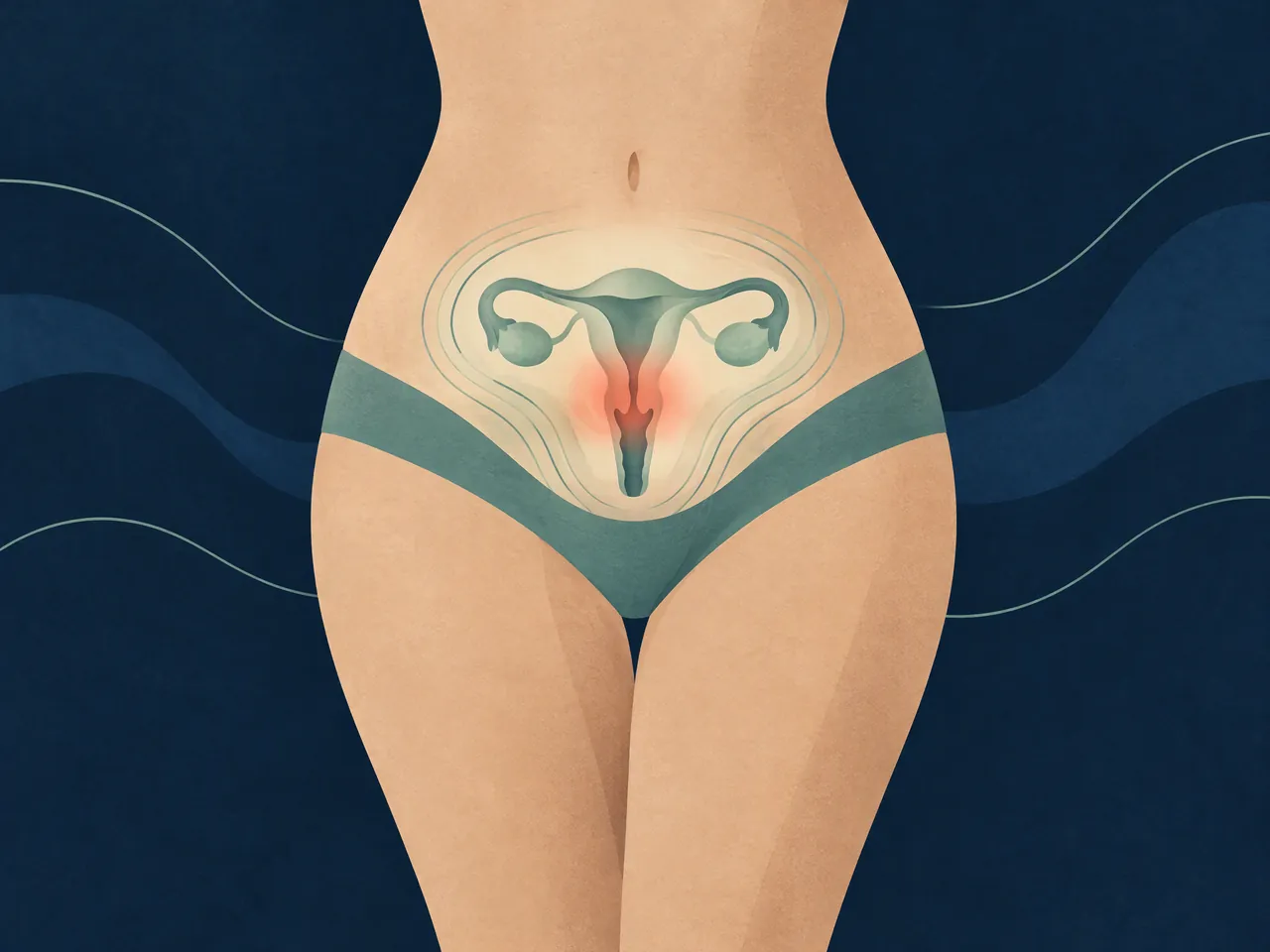
The short answer
Arrange a gynaecology review if bleeding occurs between periods, pain is worsening or disrupting normal activities, periods become heavier or irregular, or usual pain relief no longer helps. Seek urgent care for severe or worsening pelvic pain, particularly with fainting, persistent vomiting, fever, heavy uncontrolled bleeding, or possible pregnancy. Once urgent and underlying causes have been assessed, a TCM consultation may be considered as complementary support alongside the care plan.
Transparent pricing
See the fees.
Choose your care.
Explore our complete official price list, including first-trial prices, regular prices, packages and branch-specific options.
Opening WhatsApp prepares an enquiry; it does not send a message, take payment or confirm an appointment. Suitability and individual arrangements are confirmed during consultation.
Chinese medicine
All prices in HKDAcupuncture and Chinese herbal medicine package
Includes a Chinese medicine consultation with pulse assessment, body acupuncture and 3 days of Chinese herbal granules that do not require decoction.
HK$580 (single session)
Chinese medicine consultation with pulse assessment
Hair and scalp
All prices in HKDScalp health and hair-loss management
Includes AI scalp analysis, deep scalp and follicle cleansing, and scalp oil-control care.
HK$380 (first trial)
Regular price: HK$680
- 6 sessions: HK$3,480 (HK$580 per session)
- 12 sessions: HK$5,760 (HK$480 per session)
- 20 sessions: HK$8,600 (HK$430 per session)
- 30 sessions: HK$11,400 (HK$380 per session)
Hair acupuncture and Chinese herbal medicine package
Includes scalp acupuncture and 3 days of Chinese herbal medicine that does not require decoction.
HK$580 (single session)
Registered Chinese Medicine Practitioner consultation
- 6 sessions: HK$3,180 (HK$530 per session)
- 12 sessions: HK$5,760 (HK$480 per session)
- 20 sessions: HK$8,600 (HK$430 per session)
- 30 sessions: HK$11,400 (HK$380 per session)
Combined hair and scalp treatment
Combines acupuncture and Chinese herbal medicine with salon-level scalp and follicle care. Packages include complimentary hair-care shampoo and serum.
HK$1,260 (single session)
Combined treatment
- 8 sessions: HK$8,640 (HK$1,080 per session)
- 16 sessions: HK$15,680 (HK$980 per session)
- 20 sessions: HK$18,600 (HK$930 per session)
- 30 sessions: HK$26,400 (HK$880 per session)
Weight management
All prices in HKDFull-body acupoint embedding for weight management
Includes full-body acupoint embedding. Packages include complimentary Chinese herbal medicine for weight management, with the number of included days scaled to the package. Embedding material and the individual treatment arrangement are confirmed during consultation; this is not a cosmetic thread lift.
HK$980 (single session)
No trial session
- 10 sessions: HK$7,800 (HK$780 per session)
- 20 sessions: HK$14,600 (HK$730 per session)
- 30 sessions: HK$20,400 (HK$680 per session)
Facial acupuncture
All prices in HKDFacial acupuncture (basic)
Includes facial acupuncture and meridian-based facial care, including care for facial puffiness.
HK$480 (first trial)
Regular price: HK$680
- 10 sessions: HK$5,200 (HK$520 per session)
- 20 sessions: HK$9,600 (HK$480 per session)
- 30 sessions: HK$13,500 (HK$450 per session)
Facial acupuncture (advanced)
Includes enhanced facial acupuncture with a specially formulated moisturising mask and serum.
HK$780 (first trial)
Regular price: HK$1,180
- 10 sessions: HK$9,000 (HK$900 per session)
- 20 sessions: HK$16,600 (HK$830 per session)
- 30 sessions: HK$23,400 (HK$780 per session)
Pain care
All prices in HKDExtracorporeal shockwave treatment
Shockwave treatment for deep-tissue and fascial care. The Kwun Tong clinic offers the multi-area options shown below.
Priced by branch
Branch-specific pricing
Prince Edward: HK$250 per area
Kwun Tong: HK$250 for 1 area / HK$450 for 2 areas / HK$600 for 3 areas
Pain care (manual therapy)
Includes Chinese medicine musculoskeletal assessment, manual joint techniques and tui na.
HK$580 (single session)
Chinese medicine musculoskeletal assessment
Pain care (acupuncture and manual therapy)
Combines acupuncture and manual therapy.
HK$680 (single session)
Combined care
Bleeding Between Periods, Period Pain Affecting Daily Life, Period Pain Not Relieved by Painkillers: Start with Your Pattern
Menstrual discomfort is not a competition in toughness. The more useful question is whether it resembles your usual cycle. Some people have lower-abdominal cramps shortly before or at the start of bleeding; the discomfort may spread to the back or thighs. A familiar pattern that settles may be managed differently from pain that now begins days earlier, continues after bleeding ends, or feels increasingly disruptive. The American College of Obstetricians and Gynecologists distinguishes primary dysmenorrhea, cramping associated with menstruation, from secondary dysmenorrhea, in which a reproductive-organ disorder may be involved. Secondary pain may worsen over time or last beyond usual cramps [3].
A change does not identify its cause by itself. Endometriosis, adenomyosis, fibroids, pelvic inflammatory disease and an intrauterine device are among the issues a clinician may consider in the right context [2]. The point of noticing a changed pattern is not to self-diagnose from a list. It is to give a gynaecology clinician a clear account of timing, severity, bleeding and associated symptoms. For a broader first check of timing and escalation, see when to see a doctor for period pain.

Bleeding Between Periods, Period Pain Affecting Daily Life, Period Pain Not Relieved by Painkillers: What to Record
Start a record on the first day of bleeding, then note the date bleeding stops and the date any spotting appears outside that window. Describe flow in ordinary practical terms: spotting only, a need for usual protection, a sudden leak, clots, or a change in how often you need to change protection. Add the location of pain, whether it is cramping, sharp, dull or one-sided, and a simple 0–10 severity score. A short record is more useful than trying to reconstruct several months from memory while in a consultation.
Also record what the symptoms stopped you from doing. Examples include leaving a class, cancelling work, waking at night, avoiding exercise, or staying home because travel felt unmanageable. Note nausea, diarrhoea, vomiting, dizziness, fever, unusual discharge, pain during sex, and pain when passing urine or stool. Record every pain medicine or hormonal medicine taken, its timing, and whether it helped; bring the packages or a current medication list if possible. This creates a safer starting point when period pain is not relieved by painkillers, without changing a prescribed medicine on your own.

Bleeding Between Periods, Period Pain Affecting Daily Life, Period Pain Not Relieved by Painkillers: Common Changes to Notice
Look for a repeated change rather than judging one difficult day in isolation. Relevant changes include pain becoming more intense over several cycles, bleeding that arrives at unexpected times, a formerly predictable cycle becoming irregular, or a period that now seems much heavier. Hong Kong’s Family Health Service advises seeing a doctor for vaginal bleeding between periods, suddenly irregular periods, heavy periods, and severe painful periods or abdominal pain [1]. Those prompts are reasons for assessment, not labels for a particular condition.
A useful comparison is with your own baseline. A heat pad, rest, gentle movement, or usual pain relief may have been enough in the past; if that approach no longer lets you function, say so plainly. Pain during sex, or pain when urinating or opening the bowels, should also be included in the history because it changes the clinical conversation [2]. Our overview of period pain warning signs can help you organise what to report, but it does not replace an examination when symptoms are new or escalating.
Compare your options
| What you notice | What to record | Most appropriate next step |
|---|---|---|
| Bleeding between periods | Dates, amount, whether it followed sex, associated pain, and pregnancy possibility | Arrange medical assessment; seek urgent care if bleeding is heavy or severe symptoms are present |
| Pain affecting normal activities | Location, 0–10 severity, duration, missed work or study, sleep and movement impact | Book a gynaecology review and take the record |
| Usual pain relief no longer helps | Medicine name, dose, timing, effect and side effects | Ask the prescribing clinician or pharmacist for advice; do not self-adjust treatment |
| Severe one-sided or rapidly worsening pain | Onset time, faintness, vomiting, fever, bleeding and pregnancy possibility | Seek urgent medical care rather than waiting for a routine appointment |
| Considering complementary support | Gynaecology findings, all medicines and supplements, and current care plan | Discuss a TCM consultation only alongside appropriate medical follow-up |
On smaller screens, scroll the table sideways to compare all columns.
Bleeding Between Periods, Period Pain Affecting Daily Life, Period Pain Not Relieved by Painkillers: When to Arrange Assessment
Arrange a non-emergency gynaecology appointment when the change persists, returns, or affects everyday life. This includes recurrent bleeding between periods, pain that interferes with work or school, pain that is worse than your normal cramps, a heavier or more irregular period, or pain that does not respond as it previously did to pain relief. The NHS similarly advises medical review for bleeding between periods, periods that become more painful, heavy or irregular, and pain that stops usual activities [2]. It is reasonable to ask what assessment is appropriate rather than assuming you must tolerate the symptoms.
The appointment is a place to give the full picture: your cycle record, contraception or pregnancy possibility, past procedures, medicines, previous scans or results, and any family history you think matters. A clinician may decide that a pelvic examination, ultrasound, laboratory tests, referral, or another step is indicated. ACOG notes that an ultrasound may be used when pain is not relieved with medicines; the tests offered depend on the symptoms and clinical assessment [3]. The purpose is to investigate safely, not to promise that one test will answer every question.

Bleeding Between Periods, Period Pain Affecting Daily Life, Period Pain Not Relieved by Painkillers: Signs for a Gynaecology Review
Consider booking a review promptly if the pain is affecting attendance, concentration, sleep, exercise, household tasks, intimacy, or travel. It is especially important to mention a change from a long-standing pattern: cramps that now last longer, pain between periods, or pain that is no longer relieved by an approach that once helped. Ask whether the bleeding pattern could be connected to contraception, medicines or another health issue, and whether a specialist assessment is appropriate. The phrase severe period pain describes an experience, but a clinician still needs the details behind it.
Bleeding after sex, bleeding after a period has stopped for more than a year, foul-smelling discharge, or fever should not be hidden out of embarrassment. Include whether pregnancy is possible, even if you are uncertain. The Family Health Service notes that vaginal bleeding between periods can have several possible sources and that pregnancy needs consideration in sexually active women who have missed a period [1]. Tell the clinician the facts as you know them; they can decide what needs prompt investigation.

Bleeding Between Periods, Period Pain Affecting Daily Life, Period Pain Not Relieved by Painkillers: Urgent Warning Signs
Urgent care is appropriate when pelvic or abdominal pain is severe or clearly worse than usual and painkillers have not helped, particularly when the pain is sudden or strongly one-sided. Do not wait for a clinic message if there is fainting, severe dizziness, persistent vomiting, high fever, or bleeding that is heavy and difficult to control. These combinations can need timely medical evaluation. If pregnancy is possible and there is pain or bleeding, treat that as an urgent reason for assessment because pregnancy-related causes must be excluded promptly.
A practical rule is to choose the setting by urgency, not convenience. An appointment may suit a stable, recurring concern; emergency services suit severe symptoms, collapse, uncontrolled bleeding, or rapidly worsening illness. Bring the symptom record if you can do so without delaying care, but do not stay home to finish it. If you are unsure whether the pattern is serious, read how do I know if my period pain is serious and err on the side of prompt professional advice when red flags are present.
Bleeding Between Periods, Period Pain Affecting Daily Life, Period Pain Not Relieved by Painkillers: Considering TCM Support
TCM support belongs after urgent concerns are addressed and alongside, not instead of, appropriate medical assessment. A TCM consultation can be a place to discuss the rhythm of symptoms, sleep, appetite, stress, temperature sensitivity, bowel changes and the record you have kept. In traditional Chinese medicine, a practitioner may describe patterns such as qi stagnation, blood stasis, cold accumulation or deficiency. These are traditional assessment terms; they are not modern medical diagnoses and should not be treated as another name for endometriosis, infection, fibroids or any other condition.
A consultation should begin with the safety-relevant facts: any gynaecology diagnosis or pending tests, possible pregnancy, all prescribed and over-the-counter medicines, supplements, allergies, and past reactions to herbs or acupuncture. Never stop, reduce, or replace a medicine prescribed by your doctor because of a TCM plan. If you need a local consultation after medical triage, you may ask about availability at the Kwun Tong Chinese medicine clinic or the Chinese medicine clinic Prince Edward.

Bleeding Between Periods, Period Pain Affecting Daily Life, Period Pain Not Relieved by Painkillers: What a TCM Consultation Covers
At a face-to-face consultation, the practitioner may ask about the first day of bleeding, colour and texture as you describe it, clots, the direction and quality of pain, and whether warmth or movement changes the experience. They may also ask about sleep, food, emotional changes and general energy. In traditional practice, observation, listening and questioning are considered together with pulse and tongue assessment. The aim is to understand your presentation in that traditional system, while keeping the medical history visible rather than trying to overwrite it.
Acupuncture or Chinese herbal medicine may be discussed as individualised complementary options, not as a guaranteed cure or a replacement for investigation. ACOG says acupuncture and acupressure may be useful for painful periods [3], but that does not mean they are suitable for every person or explain the cause of bleeding. No web page can safely select a formula, dose or treatment schedule for you. The decision should follow an in-person assessment and a review of medicines, pregnancy possibility and the gynaecology plan.

Bleeding Between Periods, Period Pain Affecting Daily Life, Period Pain Not Relieved by Painkillers: Coordinating Ongoing Care
Good coordination is practical. Tell both your gynaecology clinician and registered Chinese medicine practitioner about diagnoses, imaging, planned procedures, hormonal treatments, pain medicines, supplements and every herb or product you use. Keep the names or photographs of product labels. If a new symptom appears after starting anything, report it to the appropriate clinician rather than assuming it is part of the cycle. Continue medical follow-up and attend investigations that have been arranged, even if symptoms temporarily feel easier.
Set a realistic shared goal for the next cycle: clearer information, safer symptom tracking, or support with day-to-day comfort while assessment continues. Review the record at each visit and raise any new bleeding, fever, severe pain, or pregnancy concern immediately. TCM Lab can discuss whether an in-person traditional consultation is appropriate for your situation; it cannot diagnose an emergency remotely or promise that any treatment will resolve period pain. For an unrelated example of how acupuncture questions are framed, see does acupuncture help sciatica.
Care and health guide
Pain-care information
This directory brings together services, reading, and visit information related to pain care, to help you prepare questions for a consultation.
When pain care affects your day, noting when it occurs, its relation to activity, and what you have already tried can help prepare a consultation; Chinese medicine pain management Hong Kong is a relevant service or reading entry point.
Individual circumstances differ, and acupuncture Hong Kong offers related information to help you understand options and prepare questions.


Your questions, answered
Frequently asked questions
When should bleeding between periods be checked?
Arrange medical assessment for new, recurrent or unexplained bleeding between periods, especially if it is heavy, follows sex, comes with pelvic pain, or occurs with a changed cycle. Seek urgent care rather than waiting if bleeding is difficult to control, you feel faint, pain is severe, or pregnancy is possible.
What does period pain affecting daily life mean?
It means the pain is stopping or substantially limiting normal activities such as work, study, sleep, movement, travel or social plans. This is a valid reason to seek a gynaecology review, particularly if the impact is new or increasing from cycle to cycle.
What if period pain is not relieved by painkillers?
Contact a healthcare professional for advice, especially when the pain is severe, worse than usual or paired with abnormal bleeding. Keep a list of everything taken and when. Do not increase, combine, stop or replace medicines without medical or pharmacist guidance.
Can I see a TCM practitioner while having gynaecology care?
Potentially, after urgent issues are addressed. Tell the TCM practitioner about tests, diagnoses, pregnancy possibility, prescription medicines and supplements, and continue planned gynaecology follow-up. TCM support is complementary and does not replace emergency assessment or investigation of bleeding and severe pain.
Sources and further information
- [1] Hong Kong Family Health Service — All about periods [1]
Referenced for: Local public-health guidance supporting the described reasons to seek medical advice for bleeding between periods, irregular or heavy periods, and severe period or abdominal pain.
- [2] NHS — Period pain [2]
Referenced for: Public clinical guidance supporting review triggers, associated symptoms, potential causes, referral and ultrasound context.
- [3] American College of Obstetricians and Gynecologists — Dysmenorrhea: Painful Periods [3]
Referenced for: Professional patient guidance supporting primary and secondary dysmenorrhea terminology, assessment context and cautious discussion of acupuncture.