
TCM Lab · Health reading
Meniscus Tear Knee Pain, Knee Pain and Swelling After Meniscus Tear, and Meniscus Tear Physiotherapy and Acupuncture
Published Updated
A torn meniscus can make an ordinary step off a bus, turn in a narrow kitchen, or return to sport feel uncertain. Meniscus tear knee pain often brings tenderness, stiffness, swelling, clicking, catching, or reduced confidence when the knee takes weight. Knee pain and swelling after meniscus tear deserve an assessment because the same broad symptoms can occur with other knee problems, and the useful next step depends on how the injury happened, whether the knee is moving normally, and how daily function has changed. Meniscus tear physiotherapy and acupuncture may each be part of a wider conversation about symptoms and movement; acupuncture does not join torn meniscus tissue back together. A knee that is badly painful after injury, hot and swollen, unable to take weight, or unable to bend or straighten needs prompt medical review. [1]
Appointments are confirmed through WhatsApp. If you have language requirements, please mention them in your enquiry.
The short answer
Meniscus tear physiotherapy and acupuncture can be discussed after an appropriate assessment when the aim is to manage discomfort, guarded movement, or the effect of symptoms on everyday activity. Neither conversation should imply that acupuncture repairs a structural tear. Rapid swelling, severe pain, a locked knee, inability to bear weight, deformity, fever, or altered feeling in the leg should be medically assessed first. The plan should reflect the injury, examination findings, function, and any orthopaedic advice.
Transparent pricing
See the fees.
Choose your care.
Explore our complete official price list, including first-trial prices, regular prices, packages and branch-specific options.
Opening WhatsApp prepares an enquiry; it does not send a message, take payment or confirm an appointment. Suitability and individual arrangements are confirmed during consultation.
Pain care
All prices in HKDExtracorporeal shockwave treatment
Shockwave treatment for deep-tissue and fascial care. The Kwun Tong clinic offers the multi-area options shown below.
Priced by branch
Branch-specific pricing
Prince Edward: HK$250 per area
Kwun Tong: HK$250 for 1 area / HK$450 for 2 areas / HK$600 for 3 areas
Pain care (manual therapy)
Includes Chinese medicine musculoskeletal assessment, manual joint techniques and tui na.
HK$580 (single session)
Chinese medicine musculoskeletal assessment
Pain care (acupuncture and manual therapy)
Combines acupuncture and manual therapy.
HK$680 (single session)
Combined care
Hair and scalp
All prices in HKDScalp health and hair-loss management
Includes AI scalp analysis, deep scalp and follicle cleansing, and scalp oil-control care.
HK$380 (first trial)
Regular price: HK$680
- 6 sessions: HK$3,480 (HK$580 per session)
- 12 sessions: HK$5,760 (HK$480 per session)
- 20 sessions: HK$8,600 (HK$430 per session)
- 30 sessions: HK$11,400 (HK$380 per session)
Hair acupuncture and Chinese herbal medicine package
Includes scalp acupuncture and 3 days of Chinese herbal medicine that does not require decoction.
HK$580 (single session)
Registered Chinese Medicine Practitioner consultation
- 6 sessions: HK$3,180 (HK$530 per session)
- 12 sessions: HK$5,760 (HK$480 per session)
- 20 sessions: HK$8,600 (HK$430 per session)
- 30 sessions: HK$11,400 (HK$380 per session)
Combined hair and scalp treatment
Combines acupuncture and Chinese herbal medicine with salon-level scalp and follicle care. Packages include complimentary hair-care shampoo and serum.
HK$1,260 (single session)
Combined treatment
- 8 sessions: HK$8,640 (HK$1,080 per session)
- 16 sessions: HK$15,680 (HK$980 per session)
- 20 sessions: HK$18,600 (HK$930 per session)
- 30 sessions: HK$26,400 (HK$880 per session)
Weight management
All prices in HKDFull-body acupoint embedding for weight management
Includes full-body acupoint embedding. Packages include complimentary Chinese herbal medicine for weight management, with the number of included days scaled to the package. Embedding material and the individual treatment arrangement are confirmed during consultation; this is not a cosmetic thread lift.
HK$980 (single session)
No trial session
- 10 sessions: HK$7,800 (HK$780 per session)
- 20 sessions: HK$14,600 (HK$730 per session)
- 30 sessions: HK$20,400 (HK$680 per session)
Facial acupuncture
All prices in HKDFacial acupuncture (basic)
Includes facial acupuncture and meridian-based facial care, including care for facial puffiness.
HK$480 (first trial)
Regular price: HK$680
- 10 sessions: HK$5,200 (HK$520 per session)
- 20 sessions: HK$9,600 (HK$480 per session)
- 30 sessions: HK$13,500 (HK$450 per session)
Facial acupuncture (advanced)
Includes enhanced facial acupuncture with a specially formulated moisturising mask and serum.
HK$780 (first trial)
Regular price: HK$1,180
- 10 sessions: HK$9,000 (HK$900 per session)
- 20 sessions: HK$16,600 (HK$830 per session)
- 30 sessions: HK$23,400 (HK$780 per session)
Chinese medicine
All prices in HKDAcupuncture and Chinese herbal medicine package
Includes a Chinese medicine consultation with pulse assessment, body acupuncture and 3 days of Chinese herbal granules that do not require decoction.
HK$580 (single session)
Chinese medicine consultation with pulse assessment
Meniscus Tear Knee Pain: Knee Pain and Swelling After Meniscus Tear and Meniscus Tear Physiotherapy and Acupuncture Explained
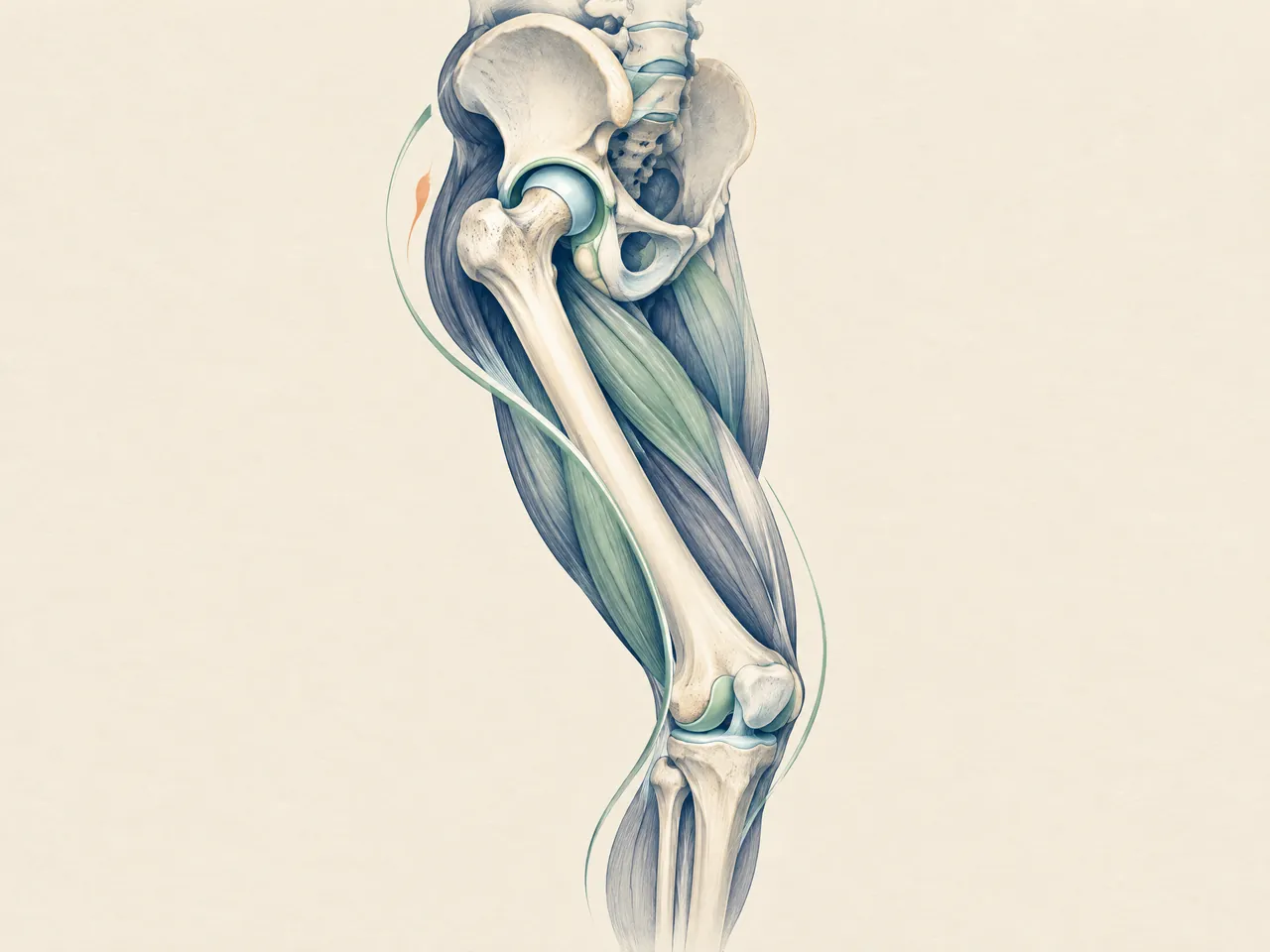
The menisci are two wedge-shaped pieces of fibrocartilage between the thighbone and shinbone. They help transmit load across the knee and contribute to its stability. A tear may follow a twist, pivot, squat, fall, or sporting contact, but it can also occur in tissue that has changed over time. That is why the same phrase, “meniscus tear knee pain”, can describe a sudden injury in an active person or a painful turn while rising from a chair. The history is useful, but it is not a diagnosis on its own. [2]
For someone searching after an MRI result or a painful incident, the practical issue is usually not the label alone. It is whether the knee can straighten for walking, bend for stairs, tolerate a change of direction, and settle after a normal day. A clinician may consider the location of tenderness, range of motion, swelling, stability, and whether another structure might also be involved. X-rays do not show a meniscus tear itself but may help look for other bony causes of knee pain; MRI can assess the menisci and other soft tissues when imaging is clinically appropriate. [2]

What Meniscus Tear Knee Pain and Knee Pain and Swelling After Meniscus Tear May Feel Like: Meniscus Tear Physiotherapy and Acupuncture Context
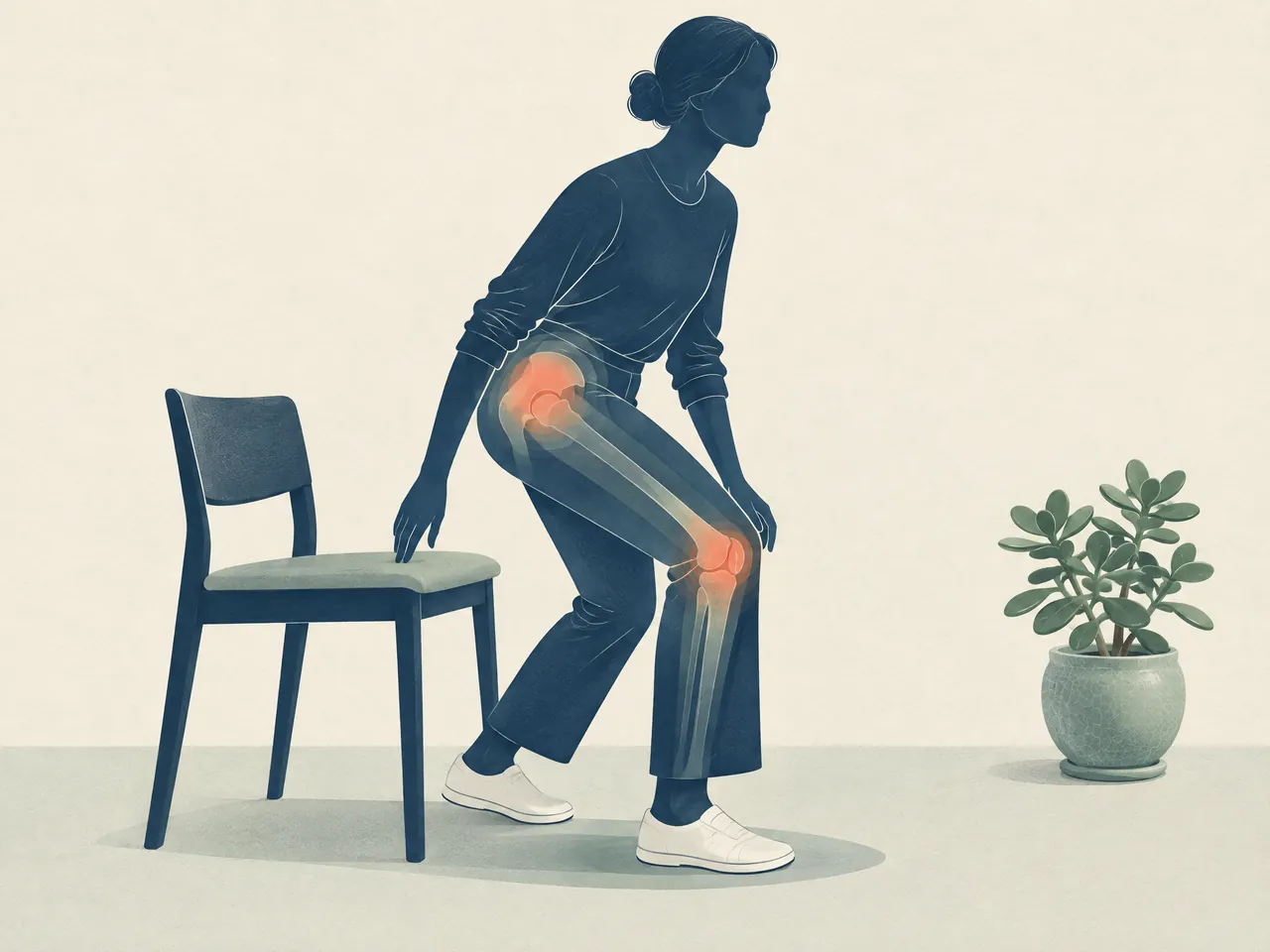
Pain is not always felt at the instant of injury. Some people recall a pop or twist, then notice stiffness and increasing swelling later; others mainly notice pain when turning, crouching, getting up from a low seat, or walking downstairs. Catching, clicking, a sense that the knee gives way, or trouble reaching full bend or full straightening can also occur. These features are worth describing precisely, but they are not proof by themselves that the meniscus is the only source. A fuller overview of meniscus tear symptoms can help you put the pattern into words without self-diagnosing from a single sign.
Swelling changes the decision-making context. A knee may feel tight because of fluid and guarding, so a person begins to limp or avoid loading it. That change can affect sleep, work that requires stairs, carrying shopping, kneeling with children, or confidence on MTR escalators. Record whether swelling is immediate or later, whether the skin feels hot, and whether the knee is worsening rather than settling. If swelling comes with fever or feeling unwell, or if pain is severe enough that you cannot walk or put weight through the leg, do not treat it as a routine clinic question. NHS guidance advises urgent help for those patterns. [1]
Why Meniscus Tear Knee Pain and Knee Pain and Swelling After Meniscus Tear Need Assessment Before Meniscus Tear Physiotherapy and Acupuncture
Assessment comes before selecting a treatment because a suspected tear differs in cause, location, size, stability, and effect on function. Acute meniscal injuries may occur alongside ligament injuries, while an older knee may have degenerative changes that affect the overall plan. A physical examination and, where indicated, imaging help an orthopaedic or medical clinician distinguish among these possibilities. It is especially important to tell them about a knee that is truly locked, repeated giving way, a fall, previous knee surgery, or a sudden inability to straighten the leg.
This sequence protects against a common misunderstanding: feeling less pain after any conservative measure does not establish that the structure has been repaired. Meniscus tissue has different blood supply in different regions, and some tears may be managed without immediate surgery while other symptomatic tears need orthopaedic discussion. The appropriate route is individual rather than determined by a single exercise, needle treatment, or scan phrase. If you are exploring conservative options, read about meniscus tear treatment without surgery as preparation for a clinician-led discussion, not as a promise that every tear can be handled in the same way.
Compare your options
| Situation or finding | What to note or ask | Appropriate next step |
|---|---|---|
| Pain and swelling but the knee is moving and weight-bearing is possible | How it happened, where it hurts, what activities provoke it, and whether symptoms are settling | Arrange an appropriate assessment; discuss protective activity changes and whether physiotherapy is indicated |
| Clicking, catching, reduced bend or reduced straightening | Is the knee briefly noisy or truly unable to complete normal movement? Is function declining? | Medical or orthopaedic assessment can clarify the cause and urgency before complementary care |
| Severe pain, hot swollen skin, feverish feeling, inability to bear weight, or inability to bend or straighten | When it started, whether there was a fall or trauma, and any change in sensation | Seek urgent medical help rather than waiting for acupuncture or routine rehabilitation |
| Considering acupuncture after assessment | What symptom is the goal, what other treatment is planned, and what should trigger reassessment? | Discuss it as complementary symptom management; do not regard it as repair of the meniscus tear |
On smaller screens, scroll the table sideways to compare all columns.
Managing Meniscus Tear Knee Pain and Knee Pain and Swelling After Meniscus Tear with Meniscus Tear Physiotherapy and Acupuncture in Mind
Early self-care should not become an attempt to “push through” a mechanical problem. After a recent injury, reducing the activity that provokes symptoms, protecting the knee from further twisting, and using a wrapped cold pack rather than putting ice directly on skin are among the measures described by the NHS. Its advice also cautions against completely stopping knee movement after the initial rest period; gentle movement may be introduced as symptoms allow. Medication, supports, and exercise choices have personal contraindications, so a pharmacist, doctor, or physiotherapist can advise what fits your health history. [1]
Physiotherapy commonly enters the picture as a way to address movement, strength, and return to activity within a plan based on the diagnosis. It is not simply a list of generic knee exercises. The load that is appropriate for a desk worker who is struggling with stairs may differ from the load for someone who wants to pivot on a football pitch. A plan may evolve as swelling, range of motion, confidence, and response to activity change. If orthopaedic treatment or surgery is recommended, rehabilitation still has an important role; the timing and restrictions should come from the treating team. [2]
How Meniscus Tear Physiotherapy and Acupuncture Relates to Meniscus Tear Knee Pain and Knee Pain and Swelling After Meniscus Tear
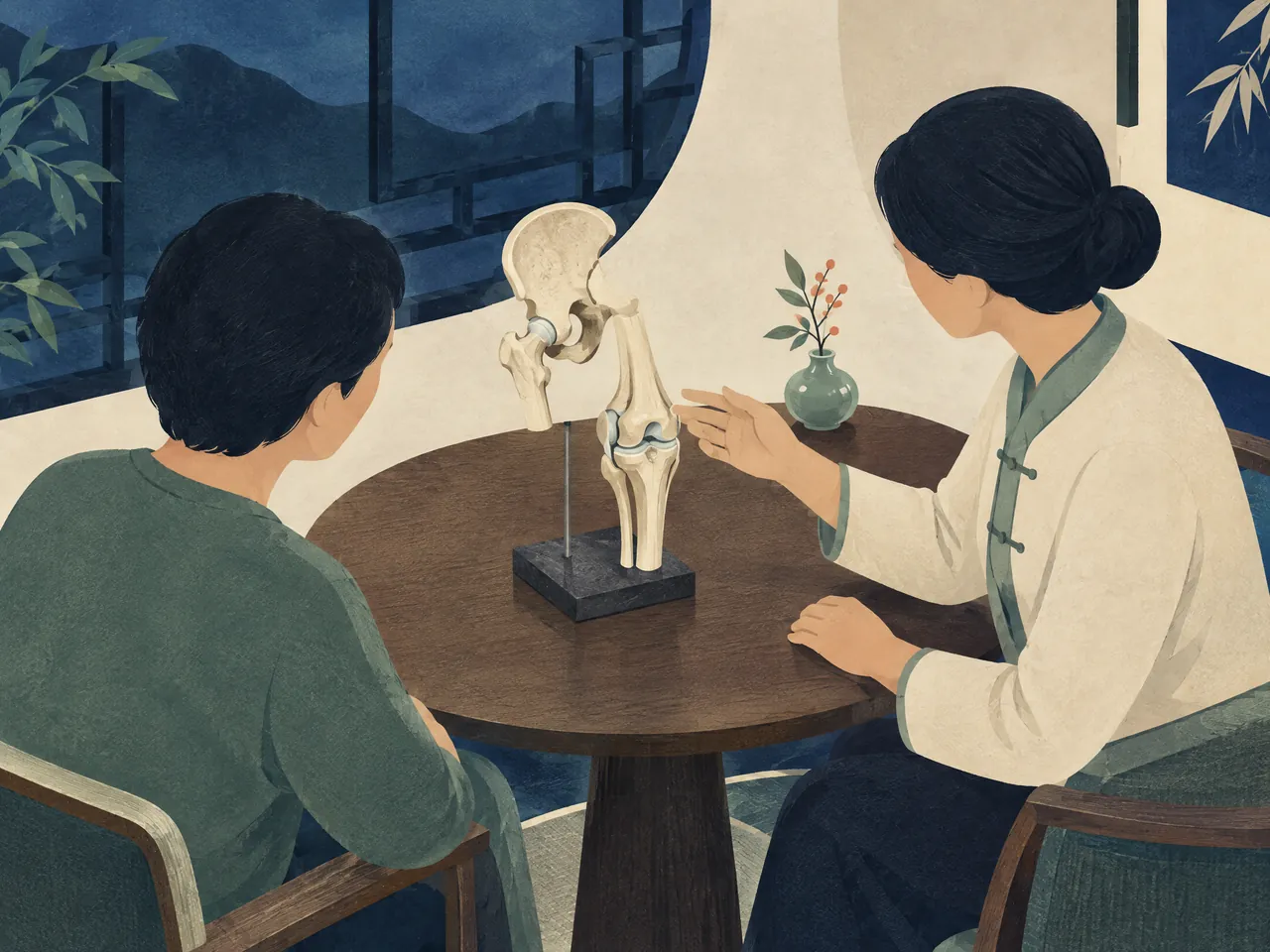
Meniscus tear physiotherapy and acupuncture are not competing claims to a cure. Physiotherapy may be part of a rehabilitation plan for pain, movement, strength, and function. Acupuncture may be discussed with a qualified practitioner as an additional approach to symptom management when it is appropriate to the person’s assessment and wider care. It should be framed honestly: the needle does not stitch a torn meniscus, replace a medical examination, or decide whether a surgical opinion is needed. For a more focused explanation of the complementary-care question, see acupuncture for a meniscus tear.
Safety and coordination matter. Tell every clinician involved about an injury diagnosis, planned imaging or surgery, medicines, bleeding concerns, infection, pregnancy, skin problems near the knee, and treatment already underway. NCCIH notes that complications are relatively uncommon but can occur with nonsterile needles or improper delivery; it also notes that acupuncture needles should be sterile and single-use. [3] A practitioner can discuss possible local soreness or bruising and whether the timing makes sense alongside physiotherapy or orthopaedic follow-up.
Questions to Ask About Meniscus Tear Knee Pain, Knee Pain and Swelling After Meniscus Tear, and Meniscus Tear Physiotherapy and Acupuncture
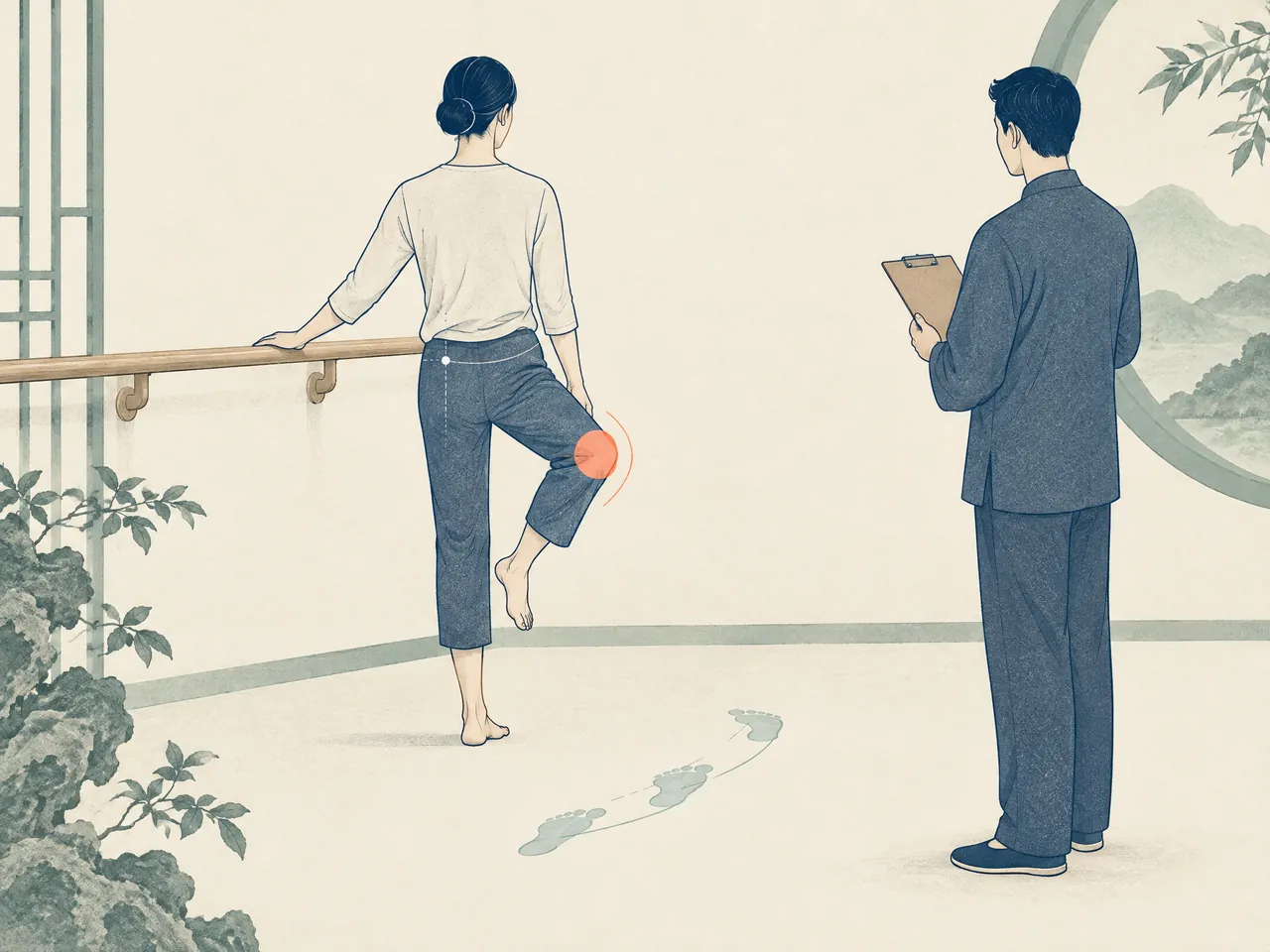
Useful questions make the consultation more specific. Ask what diagnosis is suspected or confirmed, whether the examination suggests urgent review, what movements should be limited for now, and what change would mean you should seek help sooner. If imaging has been done, ask what it shows and how it relates to your symptoms rather than relying only on the wording of a report. If physiotherapy is proposed, ask what the early goal is: regaining extension, settling swelling, restoring confidence with walking, or preparing for a later decision. Write down questions before the visit if pain or anxiety makes it hard to remember them.
For acupuncture, ask what problem it is intended to address, what it cannot do, how it will sit alongside the treating clinician’s plan, and what side effects or reasons to pause should be discussed. You can also ask whether a change in symptoms should prompt a medical reassessment rather than another treatment session. These questions apply whether you are reading about acupuncture for meniscus injury or asking more generally, does acupuncture help knee pain. A clear answer should distinguish symptom support from repair of a structural tear.
Limits and Next Steps for Meniscus Tear Knee Pain, Knee Pain and Swelling After Meniscus Tear, and Meniscus Tear Physiotherapy and Acupuncture
The limit is straightforward: acupuncture cannot repair, sew together, or regrow a torn meniscus. Nor can improvement in comfort alone confirm that a tear has healed or that it is safe to resume cutting, deep squatting, running, or physically demanding work. Some people improve with non-operative care, while other circumstances lead to a discussion about arthroscopy or repair. The decision is based on the whole clinical picture, including symptoms, tear features, activity needs, and the response to conservative treatment. [2]
Avoid choosing care solely by the most appealing claim. A better plan has one shared account of what happened, the current functional limitations, clear warning signs, and who will reassess the knee if it does not progress. Bring your scan report if you have one, but do not delay an evaluation while trying to obtain every document. When arranging any complementary appointment, say at the outset that it concerns a possible or confirmed meniscus tear, mention active swelling or locking, and state whether a surgeon, doctor, or physiotherapist has given advice. That lets the appointment stay within a safe and realistic purpose.

When Meniscus Tear Knee Pain and Knee Pain and Swelling After Meniscus Tear Call for Medical Review Beyond Meniscus Tear Physiotherapy and Acupuncture
Seek urgent medical help after an injury if the knee is very painful, you cannot walk or bear weight, the surrounding skin is swollen and hot, you have fever or feel hot, cold, or shivery, or you cannot bend or straighten the leg. A knee that has changed shape, is pointing unusually, or is associated with tingling or loss of feeling in the knee, leg, or toes needs emergency assessment. These are triage signs, not situations to test with exercise or delay for a complementary consultation. [1]
Medical review is also sensible when pain prevents normal activity or sleep, keeps returning, is worsening, or fails to improve with initial care. A locked knee deserves particular clarity: distinguish a momentary click from a knee that truly cannot complete its normal movement. If you are unsure, explain exactly what happens and when. An in-person clinician can examine the joint and decide if orthopaedic referral, imaging, rehabilitation, or a different line of care is appropriate. That decision cannot be made safely from a pain score alone.

Planning Care for Meniscus Tear Knee Pain with Knee Pain and Swelling After Meniscus Tear and Meniscus Tear Physiotherapy and Acupuncture
A workable plan begins with an honest baseline. Note your ability to walk, use stairs, sit and stand, sleep, drive, work, and perform the activities that matter to you. Keep the focus on function rather than trying to eliminate every sensation before moving. If you have been given specific restrictions or exercises, follow the clinician who assessed your knee and clarify before changing the load. Observe the response after activity: increasing swelling, new locking, loss of motion, or reduced weight-bearing ability are reasons to contact a medical professional rather than automatically intensifying treatment.
If you would like to discuss acupuncture as one part of symptom support after appropriate assessment, TCM Lab can begin with the history, current symptoms, and other care already in place. You may enquire at the Chinese medicine clinic Prince Edward or the Kwun Tong Chinese medicine clinic. Bring relevant reports and state any urgent features when you contact the clinic. The goal is a realistic conversation about comfort and daily movement while keeping medical, physiotherapy, and orthopaedic decisions in view.
Care and health guide
Knee discomfort: care information
This directory brings together services, reading, and visit information related to knee discomfort, to help you prepare questions for a consultation.
When knee discomfort affects your day, noting when it occurs, its relation to activity, and what you have already tried can help prepare a consultation; Chinese medicine pain management Hong Kong is a relevant service or reading entry point.
Individual circumstances differ, and acupuncture Hong Kong offers related information to help you understand options and prepare questions.


Your questions, answered
Frequently asked questions
Can acupuncture repair a torn meniscus?
No. Acupuncture cannot stitch, regrow, or restore torn meniscus tissue. It may be discussed as a complementary option for symptom management after an appropriate assessment, but it does not replace medical, physiotherapy, or orthopaedic decisions about the injury.
Why does knee pain and swelling after meniscus tear sometimes appear later?
Stiffness and swelling may develop after the initial incident rather than immediately. That timing is recognised in meniscus injury guidance, but it does not identify the exact injury by itself. Worsening swelling, heat, severe pain, or loss of weight-bearing ability needs medical attention. [1]
Should I start physiotherapy before acupuncture for a suspected meniscus tear?
The order should follow the assessment and any advice from the clinician managing your knee. Physiotherapy may be recommended to support movement and strength, while acupuncture can be a separate discussion about symptom support. Neither should delay assessment of red flags, locking, marked instability, or a knee that cannot bear weight.
What should I bring to a consultation about meniscus tear knee pain?
Bring any scan report, referral letter, medication list, previous treatment advice, and a brief account of the injury and current limitations. Mention swelling, locking, giving way, pain at night, difficulty with stairs, and any scheduled operation or rehabilitation plan so the discussion can be coordinated with your existing care.
Sources and further information
- [1] NHS — Meniscus tear (knee cartilage damage)
Referenced for: Symptoms, self-care advice, urgent warning signs, physiotherapy and arthroscopy context.
- [2] American Academy of Orthopaedic Surgeons — Meniscus Tears
Referenced for: Meniscus function, causes, examination, imaging and non-surgical or surgical treatment context.
- [3] NCCIH — Acupuncture: Effectiveness and Safety
Referenced for: Public-health context for acupuncture safety, sterile single-use needles and limits of evidence generalisation.