
TCM Lab · Health reading
Piriformis Syndrome Treatment, How Is Piriformis Syndrome Diagnosed, and What Does Piriformis Syndrome Pain Feel Like?
Published Updated
Deep pain in one buttock that spreads toward the back of the thigh can be unsettling, particularly when sitting, climbing stairs or walking makes it worse. Piriformis syndrome is one possible explanation, but it is not the only one. This page explains what piriformis syndrome pain can feel like, how clinicians work through the diagnosis, and what may be considered before choosing care. The key point is to match the pattern of symptoms with a careful examination rather than assuming that every buttock-to-leg pain is the same kind of sciatica.
Appointments are confirmed through WhatsApp. If you have language requirements, please mention them in your enquiry.
The short answer
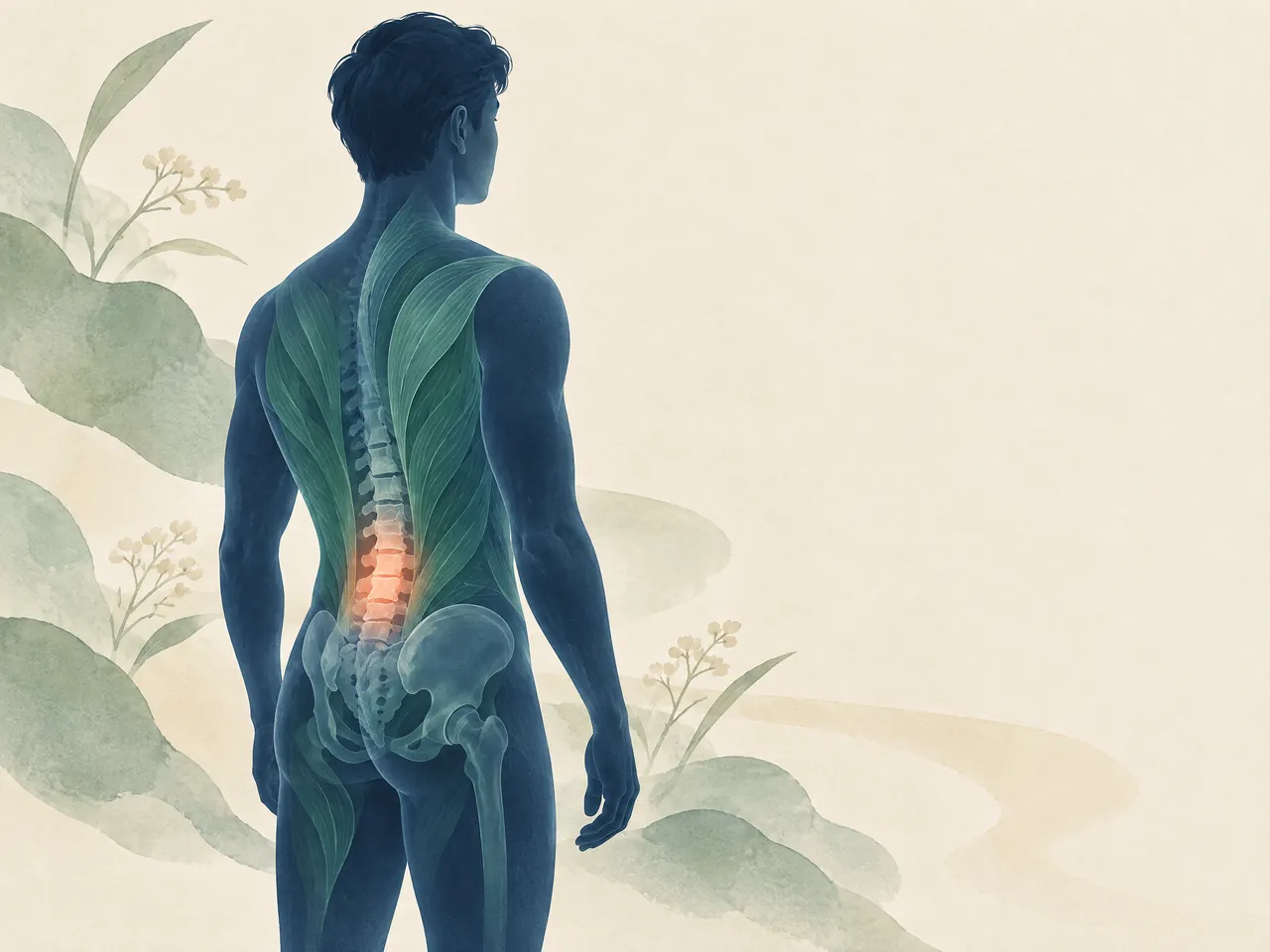
Piriformis syndrome may feel like aching, burning, shooting pain, tingling or numbness deep in the buttock that can run down the back of the leg. It is usually assessed from the history, aggravating activities, tenderness and hip or leg movements, while other causes of sciatica-like symptoms are considered. Treatment may include activity adjustment, guided exercise or physical therapy; acupuncture can be discussed as symptom management after an appropriate assessment, not as a repair for structural problems.
Transparent pricing
See the fees.
Choose your care.
Explore our complete official price list, including first-trial prices, regular prices, packages and branch-specific options.
Opening WhatsApp prepares an enquiry; it does not send a message, take payment or confirm an appointment. Suitability and individual arrangements are confirmed during consultation.
Pain care
All prices in HKDExtracorporeal shockwave treatment
Shockwave treatment for deep-tissue and fascial care. The Kwun Tong clinic offers the multi-area options shown below.
Priced by branch
Branch-specific pricing
Prince Edward: HK$250 per area
Kwun Tong: HK$250 for 1 area / HK$450 for 2 areas / HK$600 for 3 areas
Pain care (manual therapy)
Includes Chinese medicine musculoskeletal assessment, manual joint techniques and tui na.
HK$580 (single session)
Chinese medicine musculoskeletal assessment
Pain care (acupuncture and manual therapy)
Combines acupuncture and manual therapy.
HK$680 (single session)
Combined care
Hair and scalp
All prices in HKDScalp health and hair-loss management
Includes AI scalp analysis, deep scalp and follicle cleansing, and scalp oil-control care.
HK$380 (first trial)
Regular price: HK$680
- 6 sessions: HK$3,480 (HK$580 per session)
- 12 sessions: HK$5,760 (HK$480 per session)
- 20 sessions: HK$8,600 (HK$430 per session)
- 30 sessions: HK$11,400 (HK$380 per session)
Hair acupuncture and Chinese herbal medicine package
Includes scalp acupuncture and 3 days of Chinese herbal medicine that does not require decoction.
HK$580 (single session)
Registered Chinese Medicine Practitioner consultation
- 6 sessions: HK$3,180 (HK$530 per session)
- 12 sessions: HK$5,760 (HK$480 per session)
- 20 sessions: HK$8,600 (HK$430 per session)
- 30 sessions: HK$11,400 (HK$380 per session)
Combined hair and scalp treatment
Combines acupuncture and Chinese herbal medicine with salon-level scalp and follicle care. Packages include complimentary hair-care shampoo and serum.
HK$1,260 (single session)
Combined treatment
- 8 sessions: HK$8,640 (HK$1,080 per session)
- 16 sessions: HK$15,680 (HK$980 per session)
- 20 sessions: HK$18,600 (HK$930 per session)
- 30 sessions: HK$26,400 (HK$880 per session)
Weight management
All prices in HKDFull-body acupoint embedding for weight management
Includes full-body acupoint embedding. Packages include complimentary Chinese herbal medicine for weight management, with the number of included days scaled to the package. Embedding material and the individual treatment arrangement are confirmed during consultation; this is not a cosmetic thread lift.
HK$980 (single session)
No trial session
- 10 sessions: HK$7,800 (HK$780 per session)
- 20 sessions: HK$14,600 (HK$730 per session)
- 30 sessions: HK$20,400 (HK$680 per session)
Facial acupuncture
All prices in HKDFacial acupuncture (basic)
Includes facial acupuncture and meridian-based facial care, including care for facial puffiness.
HK$480 (first trial)
Regular price: HK$680
- 10 sessions: HK$5,200 (HK$520 per session)
- 20 sessions: HK$9,600 (HK$480 per session)
- 30 sessions: HK$13,500 (HK$450 per session)
Facial acupuncture (advanced)
Includes enhanced facial acupuncture with a specially formulated moisturising mask and serum.
HK$780 (first trial)
Regular price: HK$1,180
- 10 sessions: HK$9,000 (HK$900 per session)
- 20 sessions: HK$16,600 (HK$830 per session)
- 30 sessions: HK$23,400 (HK$780 per session)
Chinese medicine
All prices in HKDAcupuncture and Chinese herbal medicine package
Includes a Chinese medicine consultation with pulse assessment, body acupuncture and 3 days of Chinese herbal granules that do not require decoction.
HK$580 (single session)
Chinese medicine consultation with pulse assessment
Piriformis Syndrome Treatment, How Is Piriformis Syndrome Diagnosed, and What Does Piriformis Syndrome Pain Feel Like During Initial Assessment?
The piriformis is a small, deep muscle in the buttock that helps control hip movement. The sciatic nerve commonly passes beneath it, although anatomy differs from person to person. When a problem in this region is suspected, the first task is not to label the pain quickly. It is to establish where it began, what it feels like, whether it travels, and whether an injury, a major change in activity or a long period of sitting came before it. Buttock pain may arise from muscle, hip, lower-back, tendon or nerve-related sources, so the same word, sciatica, does not describe one diagnosis. [2]
A useful history maps the pain in ordinary situations: a long drive, stepping up from the MTR, turning on one leg, or an unfamiliar run. Note whether lying down eases it, whether coughing or bending changes it, and whether pain begins in the low back before reaching the leg. These details help distinguish a local buttock pattern from a lumbar spine or hip problem.
The timeline matters too. Sudden pain after a fall, symptoms that keep spreading, or pain unchanged despite reducing activity warrant more attention than a short-lived ache after unusual exercise. A clinician may ask about past back or hip problems, fever, unexplained weight change and tripping. Diagnosis often requires excluding other explanations. sciatica from a herniated disc may be relevant when back symptoms, bending or coughing form part of the story.
Piriformis Syndrome Treatment, How Is Piriformis Syndrome Diagnosed, and What Does Piriformis Syndrome Pain Feel Like When Sciatica Is Considered?
Sciatica describes symptoms along the sciatic nerve pathway; it is not automatically a statement about where the irritation began. A disc-related problem in the lower back, narrowing around spinal nerves, a hip condition and deep buttock sources can all create some overlapping leg symptoms. Piriformis syndrome is usually used when the pattern suggests irritation near the piriformis in the buttock. That distinction is clinically important because a plan based only on where pain travels can miss the structure or nerve region that needs attention. [1]
People researching piriformis syndrome leg pain are often trying to decide whether a leg sensation is serious or simply muscular. Location alone cannot settle that question. A deep buttock focus, tenderness in that area and symptoms that increase with hip loading can be useful clues, but they must be interpreted alongside the back, hip and neurological examination. New weakness, repeated falls or a foot that catches the floor should not be managed by self-diagnosis.
Piriformis Syndrome Treatment, How Is Piriformis Syndrome Diagnosed, and What Does Piriformis Syndrome Pain Feel Like With Tenderness and Movement Tests?
During a physical assessment, a clinician may look at gait, lower-back motion, hip motion and the way symptoms change as the hip and leg are moved. They may gently press around the buttock to identify whether there is focal tenderness and compare the two sides. Stretching, rotating or positioning the hip can sometimes reproduce familiar symptoms. These findings add context; tenderness or discomfort during one manoeuvre is not, by itself, proof that the piriformis is the sole cause.
If the history or examination raises other possibilities, medical tests may be used to investigate them. Imaging or nerve studies are not routine confirmation tests for every person with buttock pain, but they can assist when symptoms are unclear, unusually severe or not responding as expected. The goal is not to chase a scan result in isolation. It is to connect the result with the person’s symptoms and examination, and to make sure important spinal, hip or other causes are not overlooked. [2]
Compare your options
| Pattern or situation | Details worth noting | Why it may affect the next step |
|---|---|---|
| Deep buttock pain after sitting | Chair, driving time, position changes and whether standing eases it | Helps describe an activity-related pattern without assuming the source |
| Pain travelling down the leg | How far it travels, whether it passes the knee and any change in sensation | Supports a fuller nerve, back and hip assessment |
| Pain after a fall or new exercise | Exact event, immediate symptoms and ability to bear weight | May indicate the need for medical examination before local care |
| Tingling, weakness or tripping | Onset, progression, foot control and impact on walking | Progressive or sudden neurological changes need prompt medical review |
| Considering acupuncture | Previous diagnosis, medications, needle concerns and treatment goals | Allows a discussion of suitability and the limits of symptom management |
On smaller screens, scroll the table sideways to compare all columns.
Piriformis Syndrome Treatment, How Is Piriformis Syndrome Diagnosed, and What Does Piriformis Syndrome Pain Feel Like in Daily Movement?
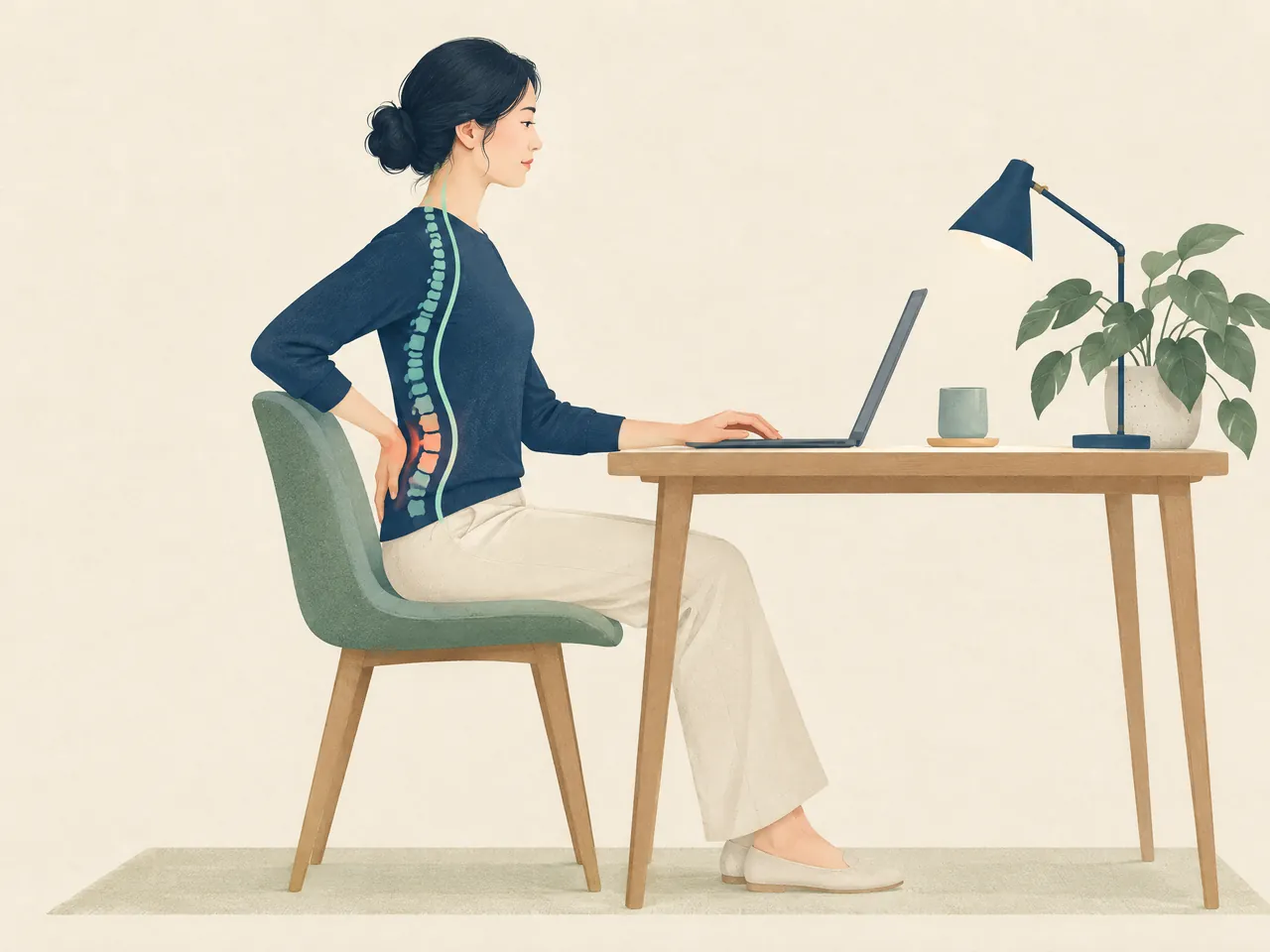
What does piriformis syndrome pain feel like in real life? It may be a dull, deep buttock ache, a burning or shooting sensation, or pain that spreads down the rear or outer part of the leg. Some people notice it most after sitting on a firm chair, while others feel it when walking, running, climbing stairs or moving uphill. Symptoms can fluctuate with workload. A better day after rest does not prove the cause, and a flare after activity does not automatically mean damage has occurred; it is still useful information for assessment. [2]
For several days, note the activity before symptoms, the position that worsens them, how far the sensation travels and what restores comfort. Record changes in sleep, walking, driving and work posture. This can show whether the main issue is sitting, stairs or getting out of a low chair.

Avoid forcing a deep stretch, aggressive self-massage or repeatedly testing a painful movement. Gently modify the provoking activity while the pattern is assessed. Brief position changes may help if desk work is a trigger; temporarily scale back a new training routine. The pace of return should follow individual assessment.

Piriformis Syndrome Treatment, How Is Piriformis Syndrome Diagnosed, and What Does Piriformis Syndrome Pain Feel Like in the Buttock and Leg?
Buttock-centred pain and pain below the knee can each overlap with several conditions. A deep buttock symptom may coexist with hip stiffness, while an extensive leg pattern can occur with nerve irritation from the back or elsewhere. The clinician will ask whether pain reaches the foot and whether strength or sensation has changed. Those answers guide the next step more reliably than a web checklist.
For example, pain on sitting can occur with more than one problem. A person who can point to a tender spot in the buttock and feels worse after a long taxi journey may need a different assessment from someone whose pain begins in the low back, shoots below the knee and changes with spinal movement. Similarity is why it is worth reading about slipped disc and sciatica rather than assuming a buttock symptom is necessarily piriformis-related.

Piriformis Syndrome Treatment, How Is Piriformis Syndrome Diagnosed, and What Does Piriformis Syndrome Pain Feel Like With Numbness or Tingling?
Tingling, pins and needles or numbness can make the situation feel more urgent, especially if the sensation travels into the calf or foot. These sensations can accompany piriformis-region irritation, but they can also occur with lumbar nerve involvement and other conditions. Describe them precisely: intermittent or constant, limited to a small patch or spread across the leg, and linked to sitting, walking or a particular movement. Also say whether the sensation is changing over time. This information helps determine whether conservative symptom management is an appropriate discussion or whether medical assessment should come first.
A sensory symptom is more concerning when it comes with loss of power, a change in the ability to lift the foot, unsteadiness, or a meaningful loss of function. Do not wait for a Chinese medicine appointment if those changes are sudden or progressing. Urgent medical care is particularly important for new bladder or bowel control problems, numbness around the genitals or buttocks, or rapidly worsening leg weakness. These signs need prompt emergency assessment because they may point to a serious spinal cause rather than a routine muscle problem.
Piriformis Syndrome Treatment, How Is Piriformis Syndrome Diagnosed, and What Does Piriformis Syndrome Pain Feel Like Before Choosing Care?
Piriformis syndrome treatment should follow the working diagnosis and the degree to which daily life is affected. Depending on the assessment, a medical clinician may discuss short-term activity adjustment, guided stretching or strengthening, physical therapy, medicines or other options. The purpose of conservative care is usually to manage symptoms and improve movement while the relevant cause is addressed. A structured plan should be reviewed if it is not helping, rather than simply adding more and more treatments. Medical references commonly include rest, exercises, physical therapy and, in selected situations, medication or injections among management options. [2]
Before committing to an approach, ask what it is meant to address and what would prompt reassessment. A recent running change may focus the plan on load and hip movement. Back pain, weakness or an uncertain diagnosis may make investigation or referral more relevant. Acupuncture, massage or exercise should not substitute for checking structural or neurological concerns.

Bring the location and onset of symptoms, whether they cross the knee, numbness, previous imaging, and effects on sitting, walking and sleep. Mention anticoagulants, pregnancy, bleeding disorders, skin infection near the area, needle fainting or other health conditions that could affect procedural suitability.
Piriformis Syndrome Treatment, How Is Piriformis Syndrome Diagnosed, and What Does Piriformis Syndrome Pain Feel Like When Acupuncture Is Discussed?
In a Chinese medicine consultation, the practitioner may ask about the pain pattern and daily triggers, palpate the area and consider whether acupuncture is a reasonable part of symptom management. Sterile single-use needles are normally used, and sensations during needling can include local aching, heaviness, tingling or a brief spreading feeling. The treatment plan, points used and whether another approach is appropriate depend on the assessment. Readers wanting a focused overview can see piriformis syndrome acupuncture and piriformis muscle pain acupuncture.
It is important to keep the claim proportional. A 2023 article in the Journal of Pain Research is a protocol for a planned systematic review comparing acupuncture methods; it notes that evidence-based recommendations for acupuncture treatment of piriformis syndrome were not available at the time of writing. That is not evidence that one method will work for an individual. Acupuncture cannot repair a disc problem, reverse degenerative change, or remove a serious source of nerve compression. [3]

Piriformis Syndrome Treatment, How Is Piriformis Syndrome Diagnosed, and What Does Piriformis Syndrome Pain Feel Like When Medical Review Is Needed?
Seek timely medical review when pain follows significant trauma, lasts beyond a few weeks despite sensible activity changes, repeatedly causes trips or falls, or materially disrupts sleep and ordinary movement. A review is also appropriate when symptoms keep spreading, the cause is unclear, or there is fever or unexplained weight loss. These situations do not mean the cause is necessarily serious, but they do make a more complete medical assessment important before relying on local treatment alone. [2]
Go to an emergency department for sudden severe back or leg pain with new bladder or bowel control problems, numbness in the saddle area, or sudden and substantial leg weakness. Emergency care is also appropriate after major injury or when a foot cannot be lifted normally. Once urgent causes have been addressed or excluded, a care plan can be chosen with a clearer understanding of whether the main need is symptom support, rehabilitation, further investigation or a combination of these.
Care and health guide
Pain-care information
This directory brings together services, reading, and visit information related to pain care, to help you prepare questions for a consultation.
When pain care affects your day, noting when it occurs, its relation to activity, and what you have already tried can help prepare a consultation; Chinese medicine pain management Hong Kong is a relevant service or reading entry point.
Individual circumstances differ, and acupuncture Hong Kong offers related information to help you understand options and prepare questions.


Your questions, answered
Frequently asked questions
What does piriformis syndrome pain feel like?
It may feel like a deep ache, burning, shooting pain, tingling or numbness in one buttock, hip or upper leg. It can travel down the back of the leg and may worsen with sitting, walking, running or stairs. The same symptoms can come from other causes, so a pattern alone cannot confirm the diagnosis.
How is piriformis syndrome diagnosed?
A clinician reviews the history, activities that aggravate or relieve the symptoms, previous injury and medical history. They examine the lower back, hip and leg, including tenderness and movements that reproduce symptoms. There is no single definitive test; investigations may be used to help exclude other causes.
What is usually included in piriformis syndrome treatment?
The plan depends on the assessment. It may involve modifying provoking activity, an exercise or physical-therapy plan, and other medical options when appropriate. Acupuncture may be discussed as part of symptom management after assessment, but it does not repair a disc, reverse degeneration or replace medical investigation when nerve signs are concerning.
When should I seek urgent help for buttock and leg pain?
Seek emergency assessment for new bladder or bowel control problems, numbness around the genitals or buttocks, sudden substantial leg weakness, or inability to lift the foot normally. Prompt medical review is also sensible for worsening weakness, repeated falls, major trauma, fever or unexplained weight loss.
Sources and further information
- [1] [1] Asia Medical Specialists: Piriformis Syndrome Causes, Diagnosis, and Treatment
Referenced for: Supports Hong Kong clinical terminology, the role of history and examination, differential diagnosis, and treatment pathways.
- [2] [2] Cleveland Clinic: Piriformis Syndrome
Referenced for: Supports symptom descriptions, examination elements, tests used to identify other problems, management options, and warning signs requiring medical review.
- [3] [3] National Library of Medicine, PubMed Central: Acupuncture Methods for Piriformis Syndrome
Referenced for: A protocol for a systematic review and network meta-analysis; supports the description of the article type and the stated absence of an evidence-based acupuncture recommendation at publication.