
TCM Lab · Health reading
Warming Therapy with a Moxibustion Practitioner: Chinese Medicine Moxibustion Explained
Published Updated
Warming therapy is a broad everyday description for Chinese medicine approaches that use controlled warmth. Chinese medicine moxibustion is one such approach: the Hong Kong Health Bureau describes it as smouldering moxa in forms such as puffs, pillars or sticks on part of the body surface to provide a warm stimulus. [1] If you are considering it, the useful first question is not whether warmth is universally right for a symptom, but what a moxibustion practitioner would need to know about your concern, current care, skin and heat sensitivity, and practical expectations before discussing an approach.
Appointments are confirmed through WhatsApp. If you have language requirements, please mention them in your enquiry.
The short answer
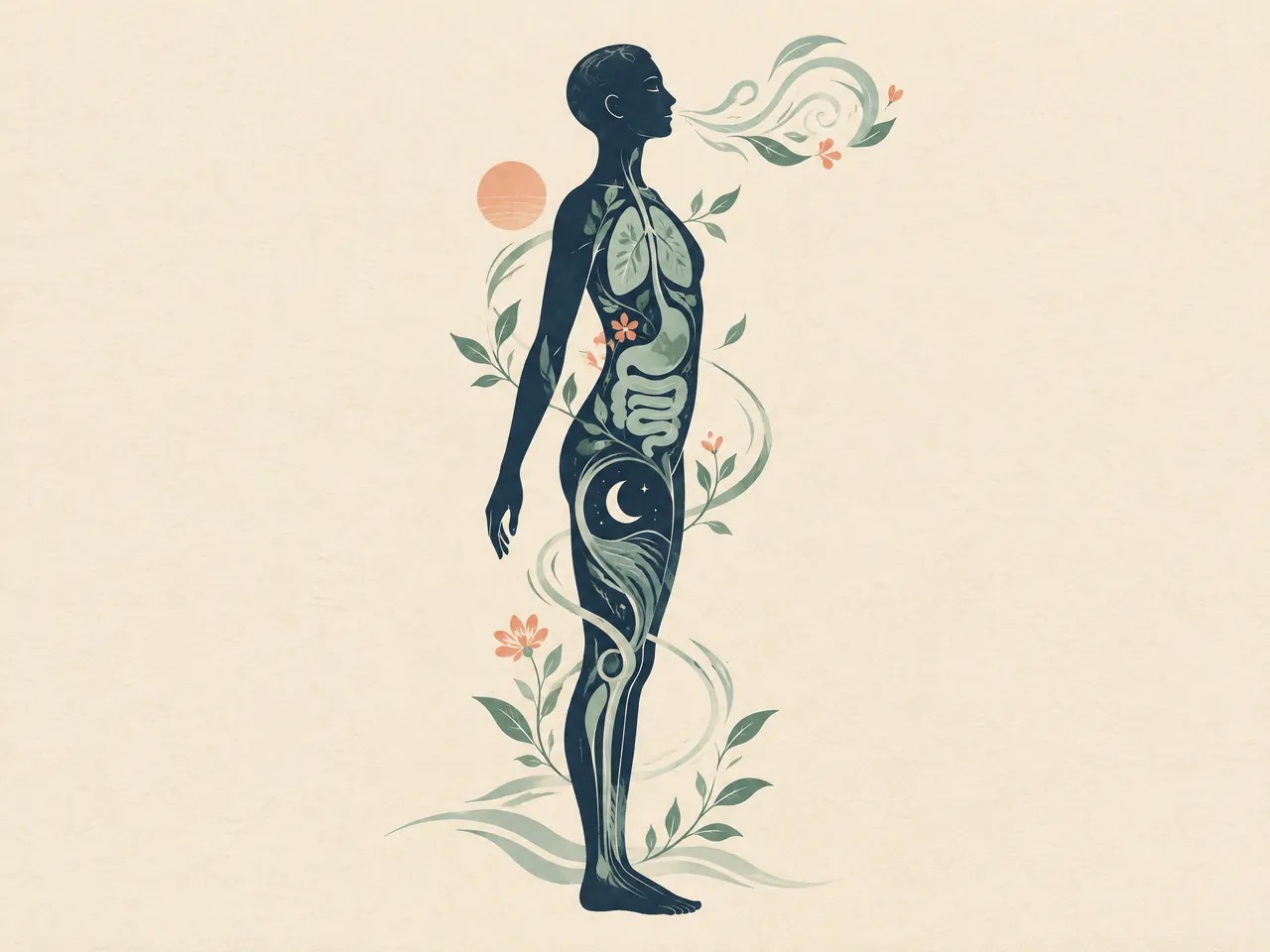
Chinese medicine moxibustion is a traditional method associated with moxa and carefully managed warmth near selected body areas or acupoints. Warming therapy is the broader description, while a moxibustion practitioner considers whether and how the method should be discussed after hearing your concern and relevant health information. It is distinct from acupuncture, which uses needles. At TCM Lab, enquire first rather than assuming a particular method will be recommended.
Transparent pricing
See the fees.
Choose your care.
Explore our complete official price list, including first-trial prices, regular prices, packages and branch-specific options.
Opening WhatsApp prepares an enquiry; it does not send a message, take payment or confirm an appointment. Suitability and individual arrangements are confirmed during consultation.
Chinese medicine
All prices in HKDAcupuncture and Chinese herbal medicine package
Includes a Chinese medicine consultation with pulse assessment, body acupuncture and 3 days of Chinese herbal granules that do not require decoction.
HK$580 (single session)
Chinese medicine consultation with pulse assessment
Hair and scalp
All prices in HKDScalp health and hair-loss management
Includes AI scalp analysis, deep scalp and follicle cleansing, and scalp oil-control care.
HK$380 (first trial)
Regular price: HK$680
- 6 sessions: HK$3,480 (HK$580 per session)
- 12 sessions: HK$5,760 (HK$480 per session)
- 20 sessions: HK$8,600 (HK$430 per session)
- 30 sessions: HK$11,400 (HK$380 per session)
Hair acupuncture and Chinese herbal medicine package
Includes scalp acupuncture and 3 days of Chinese herbal medicine that does not require decoction.
HK$580 (single session)
Registered Chinese Medicine Practitioner consultation
- 6 sessions: HK$3,180 (HK$530 per session)
- 12 sessions: HK$5,760 (HK$480 per session)
- 20 sessions: HK$8,600 (HK$430 per session)
- 30 sessions: HK$11,400 (HK$380 per session)
Combined hair and scalp treatment
Combines acupuncture and Chinese herbal medicine with salon-level scalp and follicle care. Packages include complimentary hair-care shampoo and serum.
HK$1,260 (single session)
Combined treatment
- 8 sessions: HK$8,640 (HK$1,080 per session)
- 16 sessions: HK$15,680 (HK$980 per session)
- 20 sessions: HK$18,600 (HK$930 per session)
- 30 sessions: HK$26,400 (HK$880 per session)
Weight management
All prices in HKDFull-body acupoint embedding for weight management
Includes full-body acupoint embedding. Packages include complimentary Chinese herbal medicine for weight management, with the number of included days scaled to the package. Embedding material and the individual treatment arrangement are confirmed during consultation; this is not a cosmetic thread lift.
HK$980 (single session)
No trial session
- 10 sessions: HK$7,800 (HK$780 per session)
- 20 sessions: HK$14,600 (HK$730 per session)
- 30 sessions: HK$20,400 (HK$680 per session)
Facial acupuncture
All prices in HKDFacial acupuncture (basic)
Includes facial acupuncture and meridian-based facial care, including care for facial puffiness.
HK$480 (first trial)
Regular price: HK$680
- 10 sessions: HK$5,200 (HK$520 per session)
- 20 sessions: HK$9,600 (HK$480 per session)
- 30 sessions: HK$13,500 (HK$450 per session)
Facial acupuncture (advanced)
Includes enhanced facial acupuncture with a specially formulated moisturising mask and serum.
HK$780 (first trial)
Regular price: HK$1,180
- 10 sessions: HK$9,000 (HK$900 per session)
- 20 sessions: HK$16,600 (HK$830 per session)
- 30 sessions: HK$23,400 (HK$780 per session)
Pain care
All prices in HKDExtracorporeal shockwave treatment
Shockwave treatment for deep-tissue and fascial care. The Kwun Tong clinic offers the multi-area options shown below.
Priced by branch
Branch-specific pricing
Prince Edward: HK$250 per area
Kwun Tong: HK$250 for 1 area / HK$450 for 2 areas / HK$600 for 3 areas
Pain care (manual therapy)
Includes Chinese medicine musculoskeletal assessment, manual joint techniques and tui na.
HK$580 (single session)
Chinese medicine musculoskeletal assessment
Pain care (acupuncture and manual therapy)
Combines acupuncture and manual therapy.
HK$680 (single session)
Combined care
Warming Therapy, a Moxibustion Practitioner and Chinese Medicine Moxibustion: What They Mean
People often search for warming therapy because they want a plain-language explanation rather than a long list of traditional terms. It is useful to separate the umbrella phrase from the method. Warming therapy can describe heat-based approaches used in a Chinese medicine setting. Chinese medicine moxibustion is more specific: it concerns moxa and the delivery of managed warmth around a selected body area or point. A moxibustion practitioner does not need you to arrive knowing the terminology. A clear description of the problem that brought you to enquire is a better starting point than selecting a method by name alone.
The official Hong Kong description keeps the distinction practical. The Health Bureau describes acupuncture as penetration of acupuncture needles into acupoints, while its description of moxibustion concerns smouldering moxa to give a warm stimulus. [1] An acupuncture enquiry and a moxibustion enquiry may therefore raise related questions, yet they are not the same experience. One involves needles; the other centres on managed heat. If you are needle-averse, have reacted to heat before, or simply want to understand the difference, say so early.

Traditional language should not obscure everyday decisions. Someone whose discomfort is linked to a long commute, repetitive lifting, interrupted sleep, or a recent change in training needs to describe those patterns plainly. A practitioner may ask what has been medically assessed already and whether there are changes in strength, sensation, balance, skin appearance, appetite, or energy. Those questions do not predetermine the answer; they help distinguish a general wish to feel warmer from a concern that may require another kind of care. Before proceeding, make sure you understand the proposed purpose of the discussion and what the next step would be if the concern changes.
Warming Therapy and Chinese Medicine Moxibustion in Traditional Practice with a Moxibustion Practitioner
Within Chinese medicine, acupuncture and moxibustion may be mentioned together because both can be discussed in relation to meridians, acupoints and traditional theory. The Chinese Medicine Hospital of Hong Kong describes its specialist service in those terms and refers to both needling and moxibustion methods. [2] That does not mean that a person who asks about one will receive both. The practitioner needs to consider the enquiry, health information and the proposed method instead of working from a fixed menu. If moxa is discussed, ask where warmth would be used, whether it is direct or indirect, what you might notice, and how you can signal discomfort.

How a Moxibustion Practitioner Discusses Warming Therapy and Chinese Medicine Moxibustion
A careful moxibustion practitioner starts with the concern, not an assumption that warmth is needed. Explain when the issue started, where it is felt, whether it is constant or episodic, what triggers it, and how it affects work, sleep, walking, or exercise. Mention diagnoses, scans, therapies, current medicines, supplements, creams, patches, and herbal products. Tell the practitioner about burns or altered sensation, open wounds, rashes, infection, allergy history, respiratory sensitivity to smoke or scents, pregnancy, and any advice to avoid heat. NCCIH notes that moxibustion can cause allergic reactions, burns, and infections. [3] Open information allows a safer discussion; it is never useful to conceal a concern in order to request a preferred method.
Compare your options
| What you want to clarify | Helpful details to share | Question for the moxibustion practitioner |
|---|---|---|
| Difference from acupuncture | Previous experience with needles, comfort with heat, and whether you are mainly seeking an explanation | How does Chinese medicine moxibustion differ from acupuncture in this discussion? |
| A pain or stiffness concern | Location, onset, triggers, daily limits, injuries, examinations, and treatments already tried | Does anything in this pattern need another medical assessment before warming therapy is considered? |
| Heat, skin, or allergy concerns | Rash, broken skin, reduced sensation, burns, poor healing, sensitivities, and reactions to smoke or herbs | What safety or comfort considerations apply before moxa or warmth is discussed? |
| Practical attendance | Preferred Prince Edward or Kwun Tong location, ability to travel, access needs, and preferred contact method | What can be confirmed about the consultation arrangement, and what still depends on assessment? |
On smaller screens, scroll the table sideways to compare all columns.
Warming Therapy and Chinese Medicine Moxibustion: What to Expect from a Moxibustion Practitioner
First contact is an opportunity to ask for an explanation, not a commitment to a course of care. Name the concern, preferred location, and the practical question behind your search. You might say that you are comparing Chinese medicine moxibustion with acupuncture, are sensitive to smoke, or want to know whether managed warmth is something a practitioner would consider. During the discussion, expect questions that clarify the difference between your symptom, your goal, and the method being considered. Explain what you have already tried, including rest, exercise changes, physiotherapy, medication, massage, heating pads, acupuncture, or other complementary approaches.
Comfort and consent are practical parts of the conversation. Ask how you can pause the procedure, whether clothing needs to be moved around an area, how privacy is handled, and what happens if heat feels too intense. Share a preference before the appointment if you do not want needles discussed, are concerned about smoke, or find a particular position difficult. If you have sudden weakness, trouble speaking, chest pain, breathing difficulty, fainting, a high fever, rapidly worsening symptoms, or severe pain after an injury, seek urgent medical care rather than wait for a warming therapy enquiry. Moxibustion should not postpone assessment of an urgent or unexplained problem.

It can help to keep expectations specific and observable. Rather than asking whether moxibustion will “fix” a broad problem, ask what the practitioner is hoping to address, how you should judge comfort and tolerance, and when you should report a change. Clarify whether you should continue current prescribed treatment, whether any activity or product needs to be avoided, and when review is sensible. Do not stop prescribed medicines or replace a clinician’s advice on the basis of a warming-therapy discussion. A consultation is most useful when it supports informed choices alongside, not instead of, appropriate medical care.
A Moxibustion Practitioner’s Consultation for Warming Therapy and Chinese Medicine Moxibustion
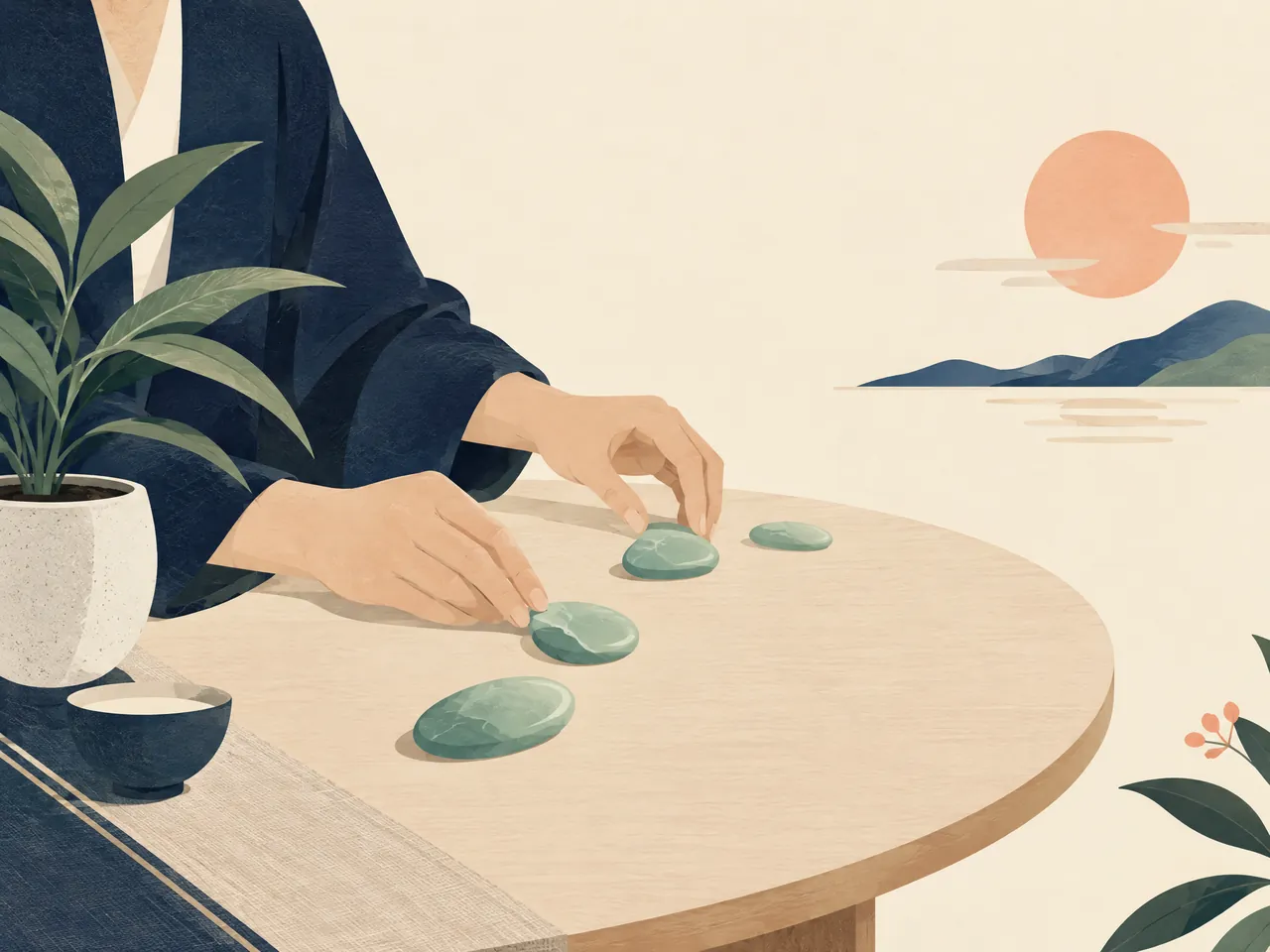
Prepare a brief health record rather than relying on memory under pressure. Have available a current medicine list, relevant medical letters or test results, and notes on symptom timing. If a skin change appears and disappears, clear photographs in similar light can help the conversation. For pain, note whether it is sharp, dull, burning, pulling, or pressure-like; whether it travels; and whether it changes with sitting, walking, lifting, food, or sleep. These are discussion aids, not a way to diagnose yourself. The consultation can also lead to a decision not to use moxibustion at that time. That is meaningful when another examination is needed, a safety issue needs attention, or the method does not suit your preferences. Ask which method, if any, is being discussed and why.
Questions to Ask a Moxibustion Practitioner about Warming Therapy and Chinese Medicine Moxibustion
Bring a few direct questions: What is being assessed from the history I gave? Why is warming therapy being discussed rather than another option? What form of moxibustion is proposed? What could I feel during or afterwards? Which medicines, allergies, skin issues, or pregnancy details matter? What should make me seek care elsewhere? Research findings also need to be read by condition and method, not as a general promise. NCCIH says asthma studies of moxibustion did not allow conclusions about helpfulness because research quality was poor. [3] For background before your enquiry, read moxa therapy and the safety guide is moxibustion safe, then share the details that apply to you.
Choosing Warming Therapy and Chinese Medicine Moxibustion with a Moxibustion Practitioner in Hong Kong
Choosing where to enquire in Hong Kong is partly a health conversation and partly a practical one. Think about whether you can attend comfortably after work, explain your concern without rushing, and travel realistically if follow-up is later discussed. TCM Lab has consultation locations in Prince Edward and Kwun Tong, with arrangements confirmed through an enquiry rather than an automatic booking. The page on moxibustion Hong Kong is a useful local starting point when you want to ask about the service.
Do not choose solely from a dramatic promise, an unfamiliar treatment name, or a claim that one session will solve a long-standing issue. Better signs are that you can ask what will happen, provide relevant medical information, and understand what the practitioner can and cannot conclude. You may be interested in warmth but not smoke, open to an explanation but not ready to proceed, or looking for an approach that fits a work schedule. Say that plainly. The practitioner can discuss whether moxibustion belongs in the conversation, whether another approach may be discussed, or whether the next responsible step lies outside the clinic.

Discussing Warming Therapy and Chinese Medicine Moxibustion at a Clinic with a Moxibustion Practitioner
Before attending, send a compact message with the main concern, duration, relevant diagnosis or current treatment, and preferred area. If you are comparing methods, say so: “I would like to discuss moxibustion and understand how it differs from acupuncture for my concern.” Include a previous reaction to heat, smoke, or herbal products, skin sensitivity, pregnancy, or medicine that may matter. Choose the location that makes the visit manageable. The Chinese medicine clinic Prince Edward page and Kwun Tong Chinese medicine clinic page can support travel planning, but a message is still needed to check a current appointment arrangement. Tell the practitioner promptly if pain now wakes you at night, a rash has spread, a medicine changed, or ordinary activity causes unusual breathlessness.

Enquiring about Warming Therapy, a Moxibustion Practitioner and Chinese Medicine Moxibustion
A simple enquiry is enough to start: name the concern, how long it has been present, your preferred clinic location, and that you want to ask about warming therapy or Chinese medicine moxibustion. Add the most relevant detail, such as a skin issue, current medication, sensitivity to smoke, or a previous reaction to heat. If you are comparing traditional approaches, browse Chinese medicine health articles and read About TCM Lab Hong Kong before contacting the clinic. WhatsApp +852 6940 5663 to ask about Prince Edward or Kwun Tong. State that you are making an enquiry rather than assuming a practitioner, technique, or time is available. For a potential home visit, ask whether it can be considered; it is not a third permanent clinic or a substitute for urgent care.
Care and health guide
Clinic visit information
This directory brings together services, reading, and visit information related to clinic visits, to help you prepare questions for a consultation.
Before a visit, it can help to note the health questions you want to discuss and use Chinese medicine clinic Hong Kong to find the relevant location or service information.
Service arrangements vary by individual circumstances; acupuncture Hong Kong is a useful starting point for questions to bring to a consultation.


Your questions, answered
Frequently asked questions
What does warming therapy mean in Chinese medicine?
Warming therapy is a broad description for methods that use controlled warmth in a Chinese medicine context. It is not a diagnosis or a guarantee of a particular effect. Chinese medicine moxibustion is one specific method associated with moxa. A practitioner can explain what, if anything, is appropriate to discuss after hearing your history and relevant health information.
Is Chinese medicine moxibustion the same as acupuncture?
No. The Health Bureau distinguishes acupuncture, which involves needles, from moxibustion, which uses smouldering moxa to provide warmth. They may be discussed together in Chinese medicine, but they are different methods. Tell the practitioner if you have concerns about needles, heat, smoke, or previous reactions.
What should I ask a moxibustion practitioner before treatment?
Ask what concern is being assessed, why warming therapy is being discussed, what form of moxibustion is proposed, what you may feel, how discomfort is handled, and what aftercare or follow-up is appropriate. Share medicines, allergies, pregnancy where relevant, skin concerns, heat sensitivity, and other current care before any method is considered.
Can I enquire about moxibustion at TCM Lab in Hong Kong?
Yes. WhatsApp +852 6940 5663 with your main concern, key health information, and preferred Prince Edward or Kwun Tong location. The team can explain the current consultation enquiry process. A message does not automatically confirm an appointment, a particular treatment method, or payment.
Sources and further information
- [1] Hong Kong Health Bureau — Chinese Medicine Clinical Services: Interventions
Referenced for: Official Hong Kong definitions distinguishing acupuncture from moxibustion and describing moxibustion as use of smouldering moxa to provide a warm stimulus.
- [2] Chinese Medicine Hospital of Hong Kong — Acupuncture and Moxibustion in Chinese Medicine
Referenced for: Official local service context for Chinese medicine discussion of meridians, acupoints, needling, and moxibustion methods; it does not establish TCM Lab outcomes or service arrangements.
- [3] NCCIH — Asthma and Complementary Health Approaches: What the Science Says
Referenced for: NIH safety information that moxibustion can cause allergic reactions, burns, and infections, and an asthma-specific evidence limitation.