
TCM Lab · Health reading
What Is Paediatric Chinese Medicine? Is Chinese Medicine Suitable for Children? What Are the Red Flags for Back Pain in Children?
Published Updated
Parents who ask what paediatric Chinese medicine is often want two things at once: a calmer way to organise everyday observations, and clear boundaries on when their child needs medical assessment first. Paediatric Chinese medicine looks at a child in the context of age, development, symptom history and day-to-day function. It is not a shortcut to diagnosing a posture change, poor sleep or back pain online. Suitability, and any next step, depend on an individual consultation with a parent or guardian involved.
Appointments are confirmed through WhatsApp. If you have language requirements, please mention them in your enquiry.
The short answer
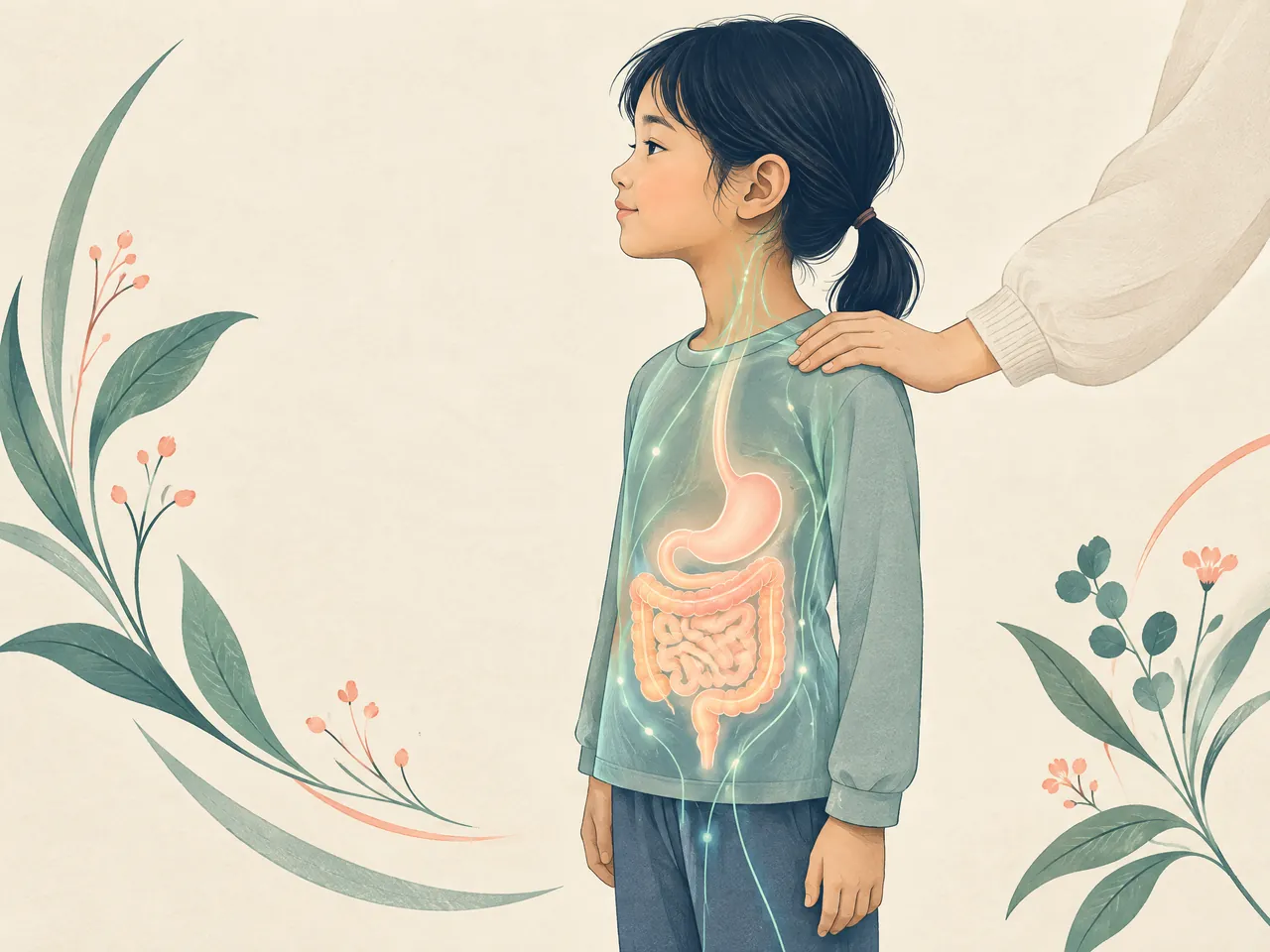
Paediatric Chinese medicine is Chinese medicine assessment for infants, children and adolescents, taking account of developmental stage, symptom history and family observations. Chinese medicine is not automatically suitable for every child; a Registered Chinese Medicine Practitioner needs to consider age, symptoms, general health and existing care. For back pain, seek prompt medical evaluation for severe or worsening pain, pain after injury, walking difficulty, weakness, numbness, fever, night pain, or bowel or bladder changes.
Transparent pricing
See the fees.
Choose your care.
Explore our complete official price list, including first-trial prices, regular prices, packages and branch-specific options.
Opening WhatsApp prepares an enquiry; it does not send a message, take payment or confirm an appointment. Suitability and individual arrangements are confirmed during consultation.
Chinese medicine
All prices in HKDAcupuncture and Chinese herbal medicine package
Includes a Chinese medicine consultation with pulse assessment, body acupuncture and 3 days of Chinese herbal granules that do not require decoction.
HK$580 (single session)
Chinese medicine consultation with pulse assessment
Hair and scalp
All prices in HKDScalp health and hair-loss management
Includes AI scalp analysis, deep scalp and follicle cleansing, and scalp oil-control care.
HK$380 (first trial)
Regular price: HK$680
- 6 sessions: HK$3,480 (HK$580 per session)
- 12 sessions: HK$5,760 (HK$480 per session)
- 20 sessions: HK$8,600 (HK$430 per session)
- 30 sessions: HK$11,400 (HK$380 per session)
Hair acupuncture and Chinese herbal medicine package
Includes scalp acupuncture and 3 days of Chinese herbal medicine that does not require decoction.
HK$580 (single session)
Registered Chinese Medicine Practitioner consultation
- 6 sessions: HK$3,180 (HK$530 per session)
- 12 sessions: HK$5,760 (HK$480 per session)
- 20 sessions: HK$8,600 (HK$430 per session)
- 30 sessions: HK$11,400 (HK$380 per session)
Combined hair and scalp treatment
Combines acupuncture and Chinese herbal medicine with salon-level scalp and follicle care. Packages include complimentary hair-care shampoo and serum.
HK$1,260 (single session)
Combined treatment
- 8 sessions: HK$8,640 (HK$1,080 per session)
- 16 sessions: HK$15,680 (HK$980 per session)
- 20 sessions: HK$18,600 (HK$930 per session)
- 30 sessions: HK$26,400 (HK$880 per session)
Weight management
All prices in HKDFull-body acupoint embedding for weight management
Includes full-body acupoint embedding. Packages include complimentary Chinese herbal medicine for weight management, with the number of included days scaled to the package. Embedding material and the individual treatment arrangement are confirmed during consultation; this is not a cosmetic thread lift.
HK$980 (single session)
No trial session
- 10 sessions: HK$7,800 (HK$780 per session)
- 20 sessions: HK$14,600 (HK$730 per session)
- 30 sessions: HK$20,400 (HK$680 per session)
Facial acupuncture
All prices in HKDFacial acupuncture (basic)
Includes facial acupuncture and meridian-based facial care, including care for facial puffiness.
HK$480 (first trial)
Regular price: HK$680
- 10 sessions: HK$5,200 (HK$520 per session)
- 20 sessions: HK$9,600 (HK$480 per session)
- 30 sessions: HK$13,500 (HK$450 per session)
Facial acupuncture (advanced)
Includes enhanced facial acupuncture with a specially formulated moisturising mask and serum.
HK$780 (first trial)
Regular price: HK$1,180
- 10 sessions: HK$9,000 (HK$900 per session)
- 20 sessions: HK$16,600 (HK$830 per session)
- 30 sessions: HK$23,400 (HK$780 per session)
Pain care
All prices in HKDExtracorporeal shockwave treatment
Shockwave treatment for deep-tissue and fascial care. The Kwun Tong clinic offers the multi-area options shown below.
Priced by branch
Branch-specific pricing
Prince Edward: HK$250 per area
Kwun Tong: HK$250 for 1 area / HK$450 for 2 areas / HK$600 for 3 areas
Pain care (manual therapy)
Includes Chinese medicine musculoskeletal assessment, manual joint techniques and tui na.
HK$580 (single session)
Chinese medicine musculoskeletal assessment
Pain care (acupuncture and manual therapy)
Combines acupuncture and manual therapy.
HK$680 (single session)
Combined care
What Is Paediatric Chinese Medicine? Is Chinese Medicine Suitable for Children? What Are the Red Flags for Back Pain in Children? — Understanding the Scope
Paediatrics in Chinese medicine is an established Hong Kong service term for work concerning infants, children and adolescents. The Health Bureau describes the area as addressing growth, nutrition and general diseases while attending to differences across stages of child development [1]. For a parent, the useful starting point is not to assign a pattern at home. It is to notice what has changed and to put that change in the child’s wider daily context. The overview of paediatric Chinese medicine Hong Kong can help frame a first enquiry, but it does not replace a child-specific assessment.
Whether Chinese medicine is suitable for children cannot be answered with a universal yes or no. A practitioner needs to know the child’s age, the urgency and duration of symptoms, relevant diagnoses, allergies, medicines and whether another clinician has already assessed the problem. The Chinese Medicine Hospital of Hong Kong similarly describes paediatric Chinese medicine as focused on the developmental characteristics of infants, children and adolescents [2]. A parent or guardian should be part of the discussion and give informed consent before any proposed intervention is considered.
What Is Paediatric Chinese Medicine? Is Chinese Medicine Suitable for Children? What Are the Red Flags for Back Pain in Children? — A Parent-Friendly Overview
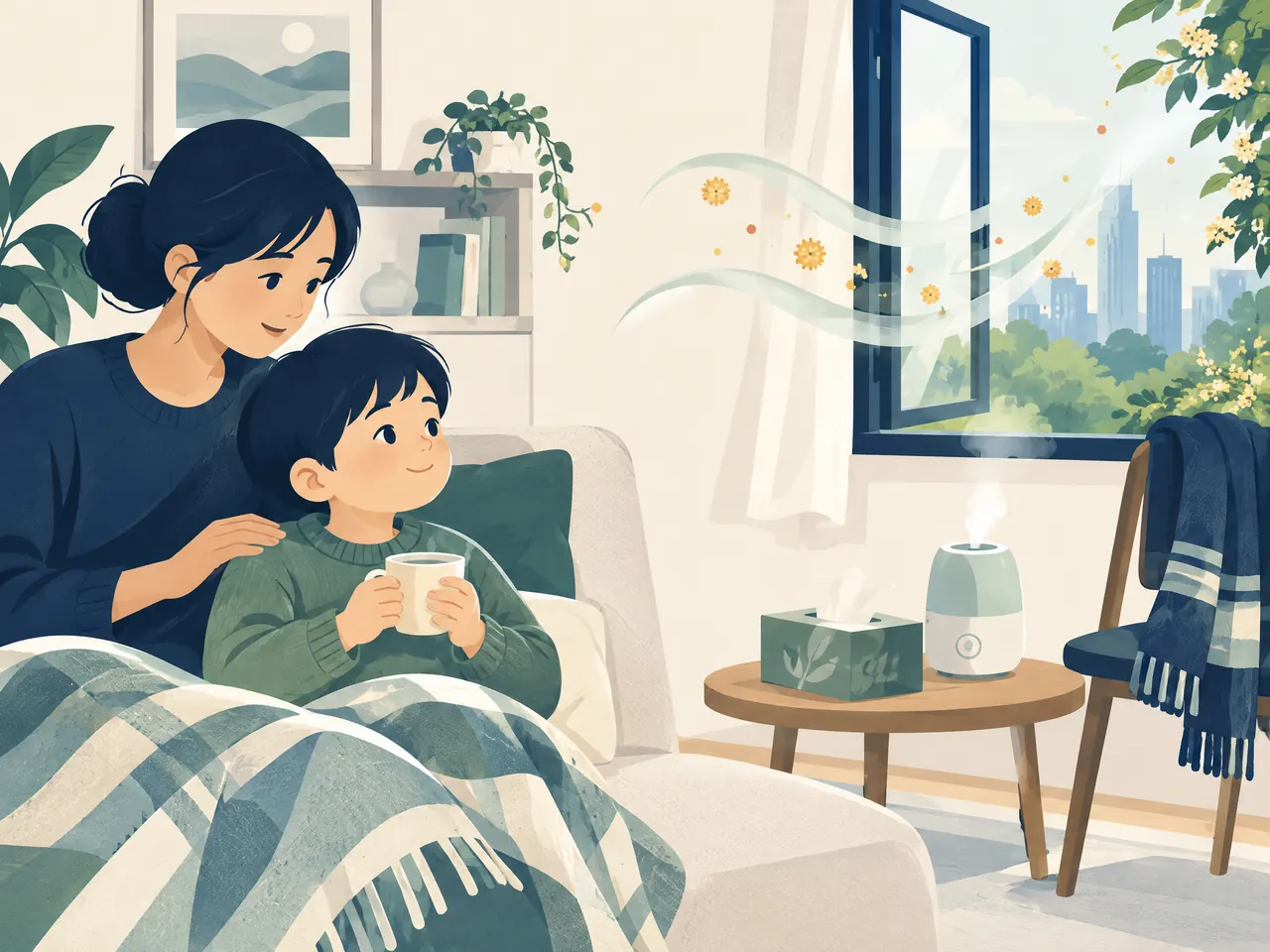
A child is not simply a smaller adult when it comes to the information a consultation needs. A five-year-old who wakes repeatedly, eats less than usual and has recently had a cough presents a different conversation from a teenager whose appetite is unchanged but whose lower back hurts after training. Parents can describe the child’s usual baseline first: energy, play, school attendance, sleep, appetite, bowel habit and willingness to move. Then explain what has departed from that baseline and when it began. This makes a concern clearer without expecting the family to diagnose it.
Paediatric care also benefits from separating ordinary support from a treatment decision. Regular meals, sufficient sleep, age-appropriate movement and a workable study set-up are everyday matters families can review. A formula, a technique or the strength and frequency of any hands-on approach are individual clinical questions. If you are reading about Chinese medicine for children, use it to prepare questions rather than to copy a plan for your child. A responsible consultation should explain what is being considered and why.
What Is Paediatric Chinese Medicine? Is Chinese Medicine Suitable for Children? What Are the Red Flags for Back Pain in Children? — What to Observe
A short observation record is often more useful than a long, anxious recollection. Write down the date symptoms started, what happened beforehand, whether there was a fall or illness, and whether the change is improving, stable or worsening. Note sleep timing, appetite, drinking, stool pattern, energy, school or nursery participation and activities the child has stopped or avoids. For pain, ask where it is felt, whether it travels, what movement brings it on and whether it interrupts rest. Keep the language literal; a child’s own words can be valuable.
Bring a current list of prescription medicines, over-the-counter products, supplements and previous treatments. Include allergy information and any report, referral letter or imaging result that you already have. A photo or short note may help with a change that comes and goes, provided it does not delay care. Observation is not surveillance and it is not a test for parents to pass. Its purpose is to help a practitioner see timing, function and context, and to spot when medical evaluation needs to take priority.
Compare your options
| What to note | Useful details for the consultation | When to seek medical assessment promptly |
|---|---|---|
| General change in wellbeing | Age, onset, sleep, appetite, drinking, bowel habit, energy, recent illness and medicines | The child appears seriously unwell, is difficult to wake, has breathing difficulty or has a seizure |
| Posture change | When it was first noticed, whether it is persistent, associated discomfort and effect on usual movement | The change is painful, progressive or limiting walking, play, sport or school activities |
| Back pain | Exact location, severity, timing, injury, training changes, rest or night symptoms and leg symptoms | Pain is severe or worsening, follows injury, persists, or occurs with fever, weakness, numbness, walking difficulty or bladder or bowel changes |
| Considering an intervention | Allergies, current medicines, previous care, the child’s worries and parent or guardian questions | The child needs urgent assessment first or the family cannot clearly explain the concern and safety plan |
On smaller screens, scroll the table sideways to compare all columns.
What Is Paediatric Chinese Medicine? Is Chinese Medicine Suitable for Children? What Are the Red Flags for Back Pain in Children? — Posture and Back Concerns
A rounded posture, a heavy-looking school bag or a child who sits awkwardly can worry families, especially during a growth period. These observations are worth recording, but appearance by itself cannot tell you whether the child has a structural condition, an injury, a pain problem or a habit that changes with fatigue. Ask whether the posture is new, whether it looks different at different times of day, and whether the child can take part in usual walking, play, sport and school tasks. If pain or function has changed, arrange assessment rather than relying on visual judgement alone.
Back pain in children deserves a careful history because causes and next steps vary. The Paediatric Orthopaedic Society of North America notes that strain, injury and overuse are common considerations, while other causes also need assessment in the right clinical context [3]. Tell the clinician about a recent fall, impact, training increase, prolonged sitting, fever, reduced appetite, night waking from pain or any symptom travelling into a leg. For a fuller decision guide, see when should a child with back pain see a doctor.

What Is Paediatric Chinese Medicine? Is Chinese Medicine Suitable for Children? What Are the Red Flags for Back Pain in Children? — When Posture Needs Assessment
Make an appointment for a persistent posture or back concern when it is causing discomfort, limiting normal activities or appearing to progress. A clinician may ask the child to walk, bend, balance or describe what hurts, and may compare movement with the child’s usual abilities. In advance, list the sport, instrument, screen or study routine, changes in training, recent growth changes as noticed by the family, and what makes symptoms better or worse. This information guides a proper examination; it should not be used to declare that a particular exercise, massage or therapy is the answer.
It is reasonable to improve the surrounding routine while arranging advice: check that a study chair and desk allow a relaxed working position, break up long periods in one position, and encourage ordinary movement that does not provoke pain. Do not push a child through painful stretching, insist on a rigid posture, or use heavy pressure over a sore area. When families ask about paediatric tuina, the key question is whether it is appropriate after assessment, not how to reproduce a technique from a screen.
What Is Paediatric Chinese Medicine? Is Chinese Medicine Suitable for Children? What Are the Red Flags for Back Pain in Children? — Signs That Need Prompt Attention
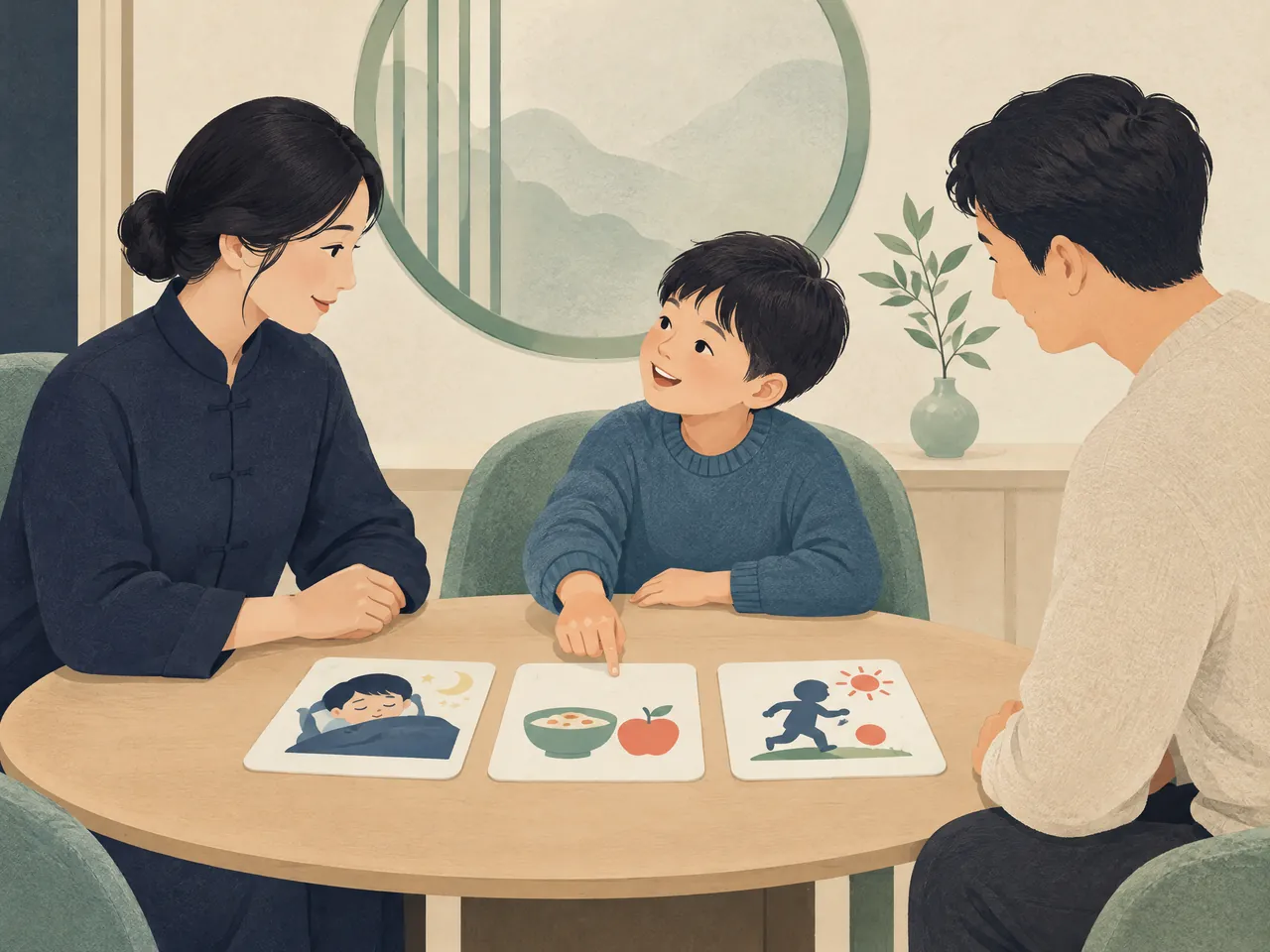
Seek prompt medical evaluation if a child has severe or progressively worsening back pain, pain that persists beyond several days, pain after an injury, night or rest pain, fever, weight loss, trouble walking, weakness, numbness, pain running down a leg, or bowel or bladder problems. These are warning signs listed by the Paediatric Orthopaedic Society of North America [3]. They are not a diagnosis, and a child does not need to have every sign before a parent seeks help. In this situation, postpone home massage, forceful exercise and attempts to ‘correct’ the back until the child has been assessed.
For babies and children under five who seem seriously unwell, treat broader acute signs as urgent rather than viewing them as a routine clinic question. The NHS advises immediate emergency help for warning signs that include difficulty breathing, a seizure, fainting or being difficult to wake [4]. Follow local emergency guidance in Hong Kong if these or similarly serious symptoms occur. A sudden change in behaviour, movement, feeding or alertness needs timely medical attention. The purpose of a Chinese medicine enquiry is never to delay emergency assessment.
What Is Paediatric Chinese Medicine? Is Chinese Medicine Suitable for Children? What Are the Red Flags for Back Pain in Children? — Preparing for a Consultation
Preparing for a consultation does not require a perfect diary. Start with the child’s age and the one concern that is most disruptive. Explain when it started, what you have noticed at home or school, whether it affects sleep, eating, toileting, energy or participation, and whether a doctor, physiotherapist or other professional has already been involved. For a posture or back issue, bring the injury and activity history. If another clinician has given safety instructions, follow those instructions and share them. A focused account makes it easier to decide whether Chinese medicine discussion is appropriate or another route is needed first.

The appointment is also a chance to ask about the practical boundaries of care. A parent can ask what the practitioner needs to examine, what information is missing, whether referral or further medical review is advisable, and what change should prompt earlier contact. Describe the child’s preferences and worries as well; some children are anxious about being touched or have had difficult healthcare experiences. No parent should feel pressured to agree to a modality because it was mentioned online. Understanding options and declining an option are both valid parts of informed consent.
What Is Paediatric Chinese Medicine? Is Chinese Medicine Suitable for Children? What Are the Red Flags for Back Pain in Children? — Information to Bring
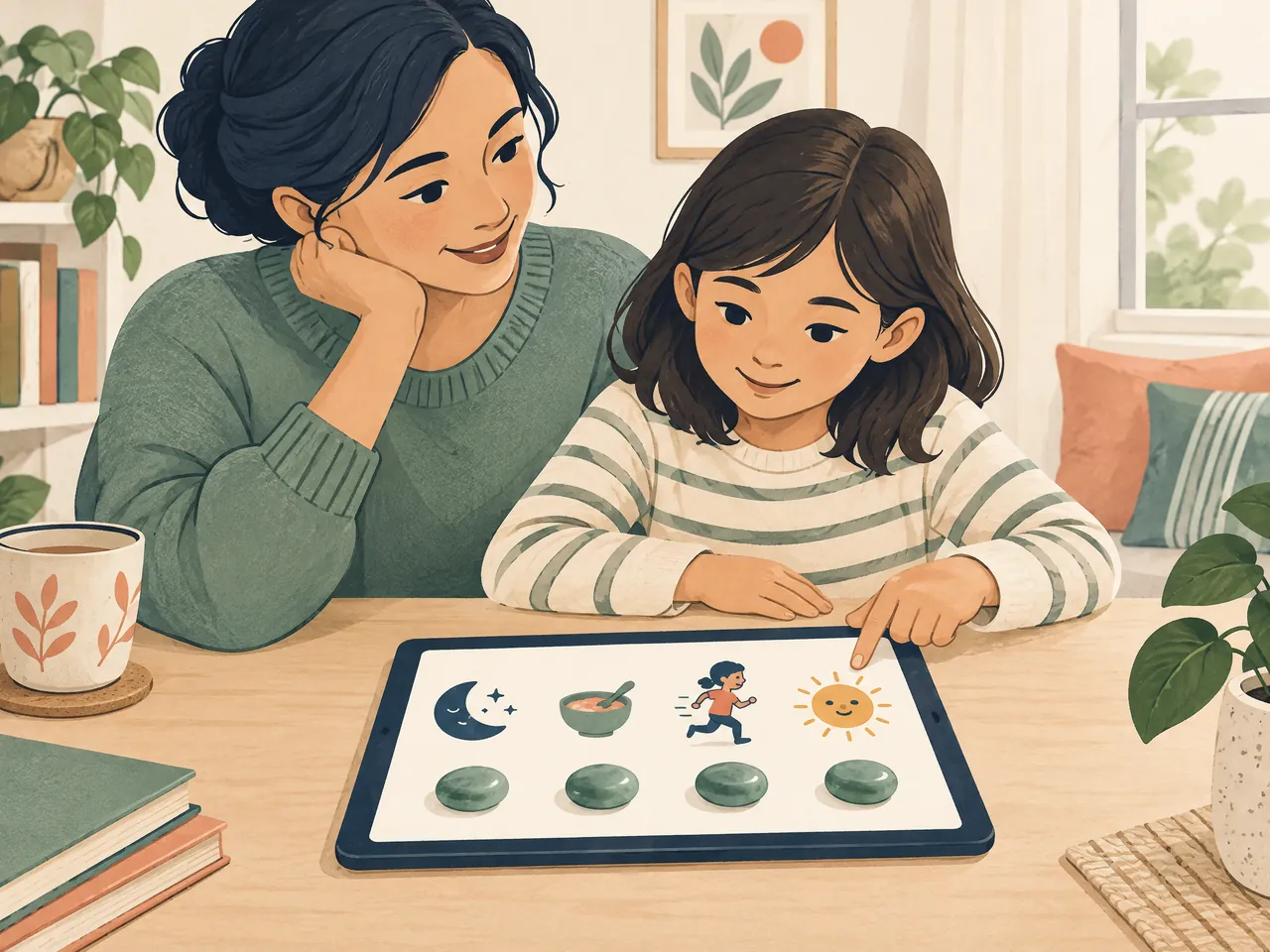
Use the table below as a practical packing list. Bring identification and any relevant medical records if you have them, but do not hold up an urgent assessment while searching for documents. A simple note on a phone is enough: onset, pattern, recent illness or injury, current medicines, allergy history and impact on school, sleep or movement. For very young children, write down feeding and wet-nappy changes if these are part of the concern. Let the child answer age-appropriate questions in their own words rather than speaking over them.
If you are comparing locations or charges before contacting the clinic, the Chinese medicine clinic price list Hong Kong explains published fee information. It cannot determine what a child needs before assessment. Families may enquire with TCM Lab about a consultation at the Chinese medicine clinic Prince Edward or the Kwun Tong Chinese medicine clinic. State the child’s main concern and any urgent medical advice already received so the enquiry is put in the right context.

What Is Paediatric Chinese Medicine? Is Chinese Medicine Suitable for Children? What Are the Red Flags for Back Pain in Children? — Discussing Individual Options
Ask direct questions that connect an option to the child in front of you: What is this intended to address? Why might it be considered at this age? What would make it unsuitable? What should we report during or after it? How does it fit with medicines or care already in place? These questions are especially important if herbs, paediatric tui-na or another intervention is discussed. The answer should reflect the history and examination, not a promise that one method works for every child with sleep, appetite, posture or pain concerns.
At the end of the conversation, repeat back the next step in plain language. It may be monitoring a change, arranging medical review, bringing more information, or discussing an individual plan with a Registered Chinese Medicine Practitioner. Parents can contact TCM Lab on WhatsApp at +852 6940 5663 to ask about consultation arrangements at Prince Edward or Kwun Tong. A message is an enquiry, not an automatic booking or a diagnosis. If the child’s condition worsens or a red flag develops while waiting, seek prompt medical care instead.
Care and health guide
Low back discomfort: care information
This directory brings together services, reading, and visit information related to low back discomfort, to help you prepare questions for a consultation.
When low back discomfort affects your day, noting when it occurs, its relation to activity, and what you have already tried can help prepare a consultation; acupuncture for low back pain is a relevant service or reading entry point.
Individual circumstances differ, and acupuncture Hong Kong offers related information to help you understand options and prepare questions.


Your questions, answered
Frequently asked questions
What is paediatric Chinese medicine?
It is Chinese medicine assessment for infants, children and adolescents, with attention to developmental stage, symptom duration, growth, appetite, sleep, bowel habits and daily function. The appropriate discussion depends on the individual child and should involve a parent or guardian.
Is Chinese medicine suitable for children of every age?
Not automatically. Age is one part of the decision, alongside the child’s symptoms, general health, medical history, urgency and current care. A Registered Chinese Medicine Practitioner should assess the situation before any herbal medicine, paediatric tui-na or other intervention is considered.
What are the red flags for back pain in children?
Prompt medical evaluation is important for severe or worsening pain, pain after injury, pain lasting more than several days, fever, weight loss, night or rest pain, trouble walking, weakness, numbness, leg pain, or bowel or bladder changes. Do not use massage or exercise to work around these signs.
What should I bring to a child’s first consultation?
Bring a brief symptom timeline, allergy and medicine list, relevant reports or referral letters, and notes on sleep, appetite, toileting, activity and school or nursery impact. For a back concern, include injury, sport and training details, and describe any change in walking or daily function.
Sources and further information
- [1] Hong Kong Health Bureau — Specialised Chinese Medicine Services
Referenced for: Official Hong Kong terminology and scope for Paediatrics in Chinese Medicine, including infants, children, adolescents, growth, nutrition and development-stage characteristics.
- [2] Chinese Medicine Hospital of Hong Kong — Paediatrics in Chinese Medicine
Referenced for: Official hospital description of paediatric Chinese medicine and developmental-stage focus.
- [3] Paediatric Orthopaedic Society of North America — Back Pain in Children
Referenced for: Parent education on child back-pain history, examination context and warning signs requiring medical evaluation.
- [4] NHS — When to get urgent medical help for babies and children under 5
Referenced for: Public-health urgent warning signs for babies and children under five, including breathing difficulty, seizure and reduced responsiveness.