
Choose a reading route by the decision you need to make
Hair choices, learning and assessment can overlap in everyday life, but the appointment you need depends on the question you want answered. If you want a different shape or finish, start with Cuts and communication, Colour and upkeep, or Texture and routine. If you are choosing where to visit, read Choosing and visiting alongside the relevant styling topic rather than using location alone to compare services.
For learning, start with Skills and learning and name the task you want to practise. For unexplained shedding or a changing hairline, use Hair assessment to organise your history and questions for a healthcare professional. For removable coverage, start with Wigs and appearance. A person can explore a wig fitting while also seeking medical assessment; the appearance choice does not explain or treat the cause of hair loss.
Read one topic closely, then write down the decision it helps you make and the question that remains unanswered. For example, a colour article may help you describe placement, while a consultation article helps you ask what the quotation includes. These are useful companion readings, not a reason to book every service mentioned. Confirm current availability with the relevant provider before planning a visit.
Turn haircut references into a usable brief
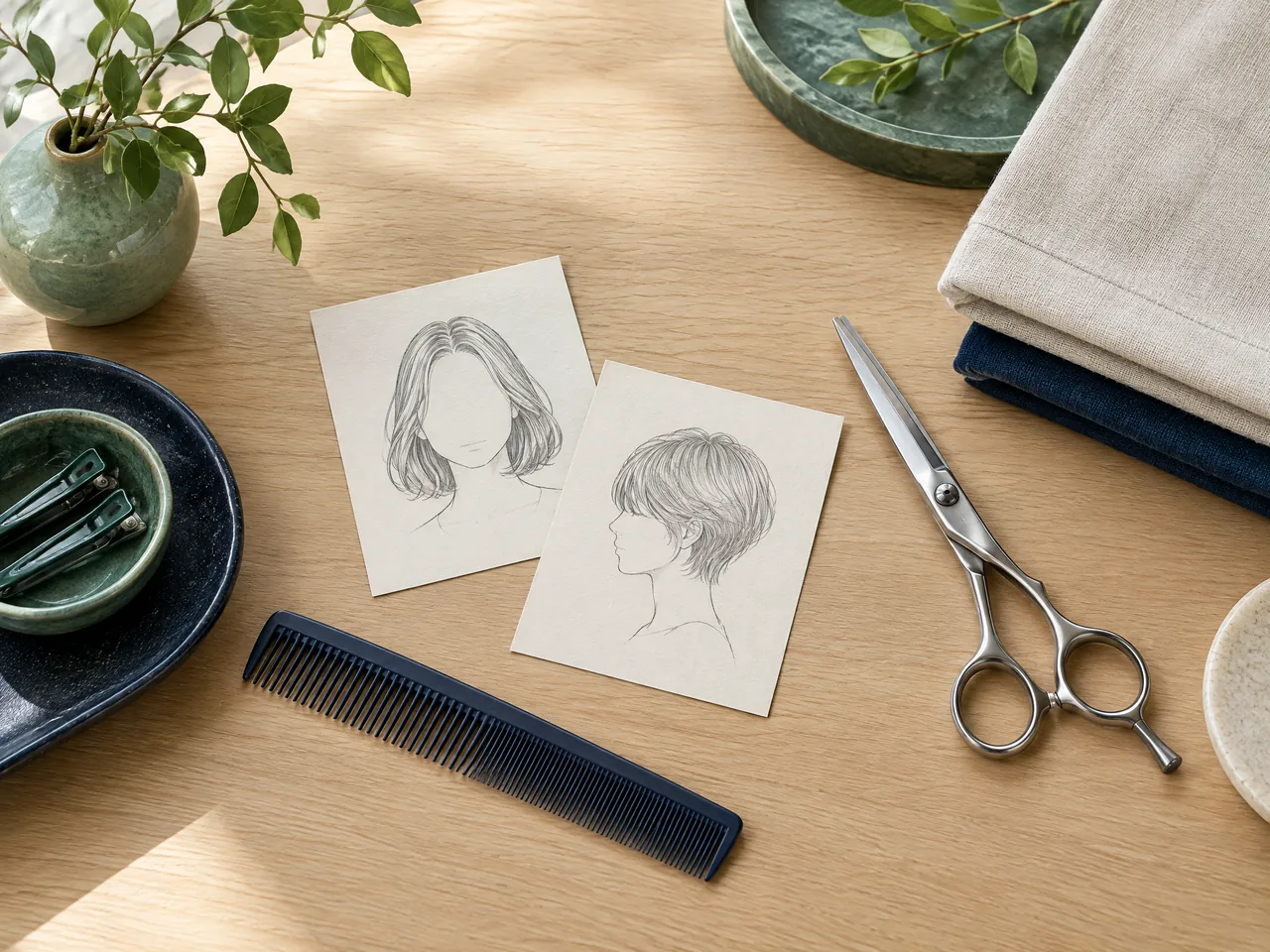
A reference photograph is easier to discuss when you identify what you like about it. Separate the overall length from the fringe, parting and outline. Explain which areas you want to keep and which you are willing to change. If your main priority is still being able to tie your hair back, say so before discussing a shorter shape. A photograph can communicate a preference without promising that different hair will reproduce the same result.
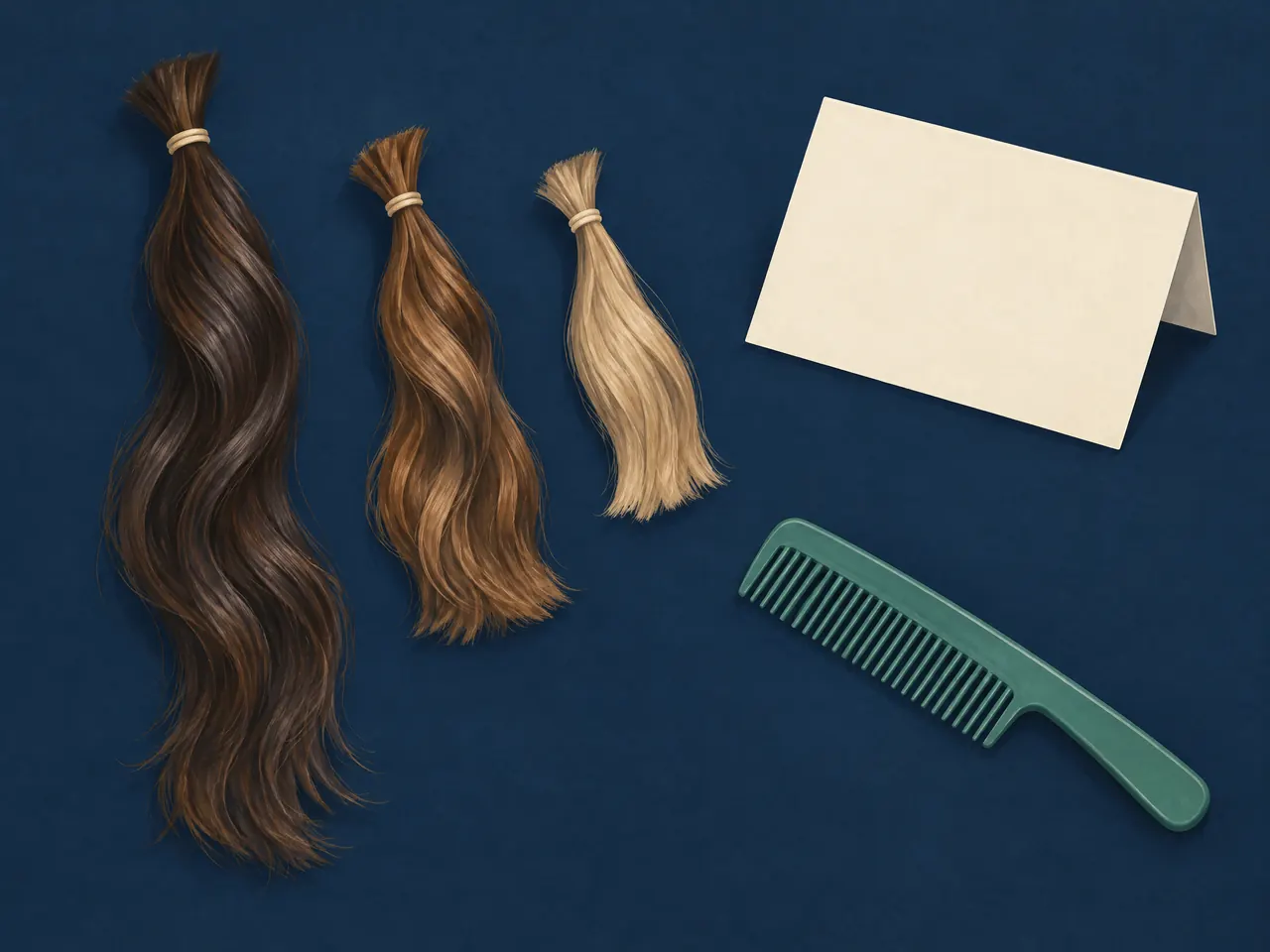
Bring a recent photograph of your own hair in its usual state as well as the inspiration image. Describe whether it has been blow-dried, curled or straightened in either photograph. Ask which parts of the proposed shape depend on styling and which should be visible without that work. The separate practice tresses in the illustration help distinguish a length choice from a finished hairstyle; they are not measurements or examples of customer results.
For a child's haircut, add practical information about communication and the visit itself. Explain how the child prefers instructions, whether breaks may be needed, and what would make the appointment easier to manage. Ask the provider about arrangements rather than assuming an adult appointment format will suit. Keep the final brief short enough to discuss together and confirm the agreed length before cutting begins.
Compare colour and texture choices with your home routine
Before choosing a colour or texture service, describe your starting point. Record previous colouring, bleaching, perms or straightening as accurately as you can, including approximate dates and product names when known. If you cannot identify a past product, say that the detail is uncertain. Use Colour and upkeep to separate placement and colour preferences, then use Texture and routine to think about the finish you can maintain between appointments.
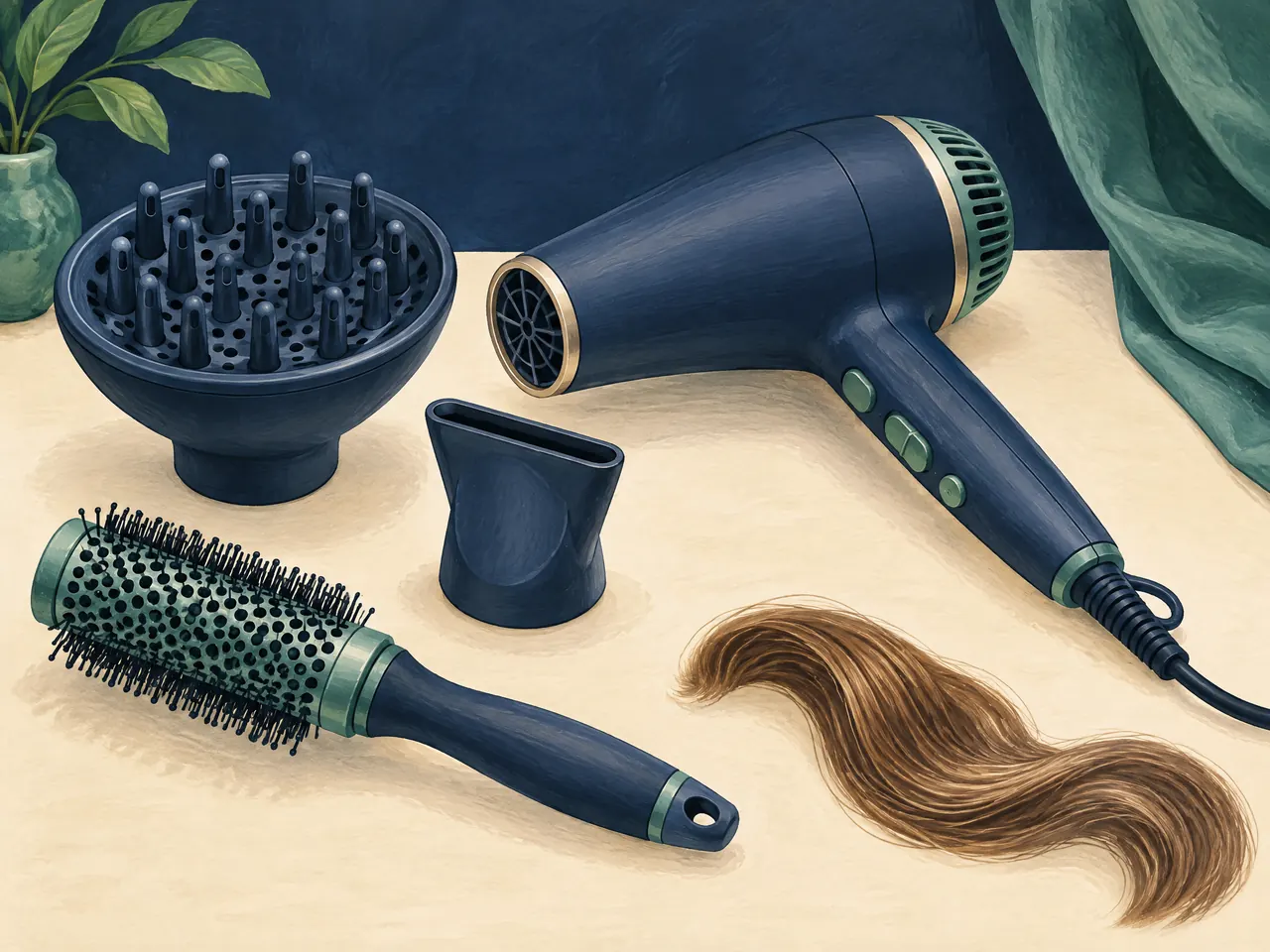
Describe an ordinary morning rather than the routine you hope you might adopt. Say how much time you have to dry and style your hair, which tools you own, and whether you normally let it dry without tools. Ask the stylist to explain the proposed home routine and demonstrate any unfamiliar step. The dryer, nozzle and diffuser in the illustration are prompts for these questions, not instructions that every attachment suits every hair type.
The American Academy of Dermatology advises limiting excessive heat and using low or medium heat settings when styling. A consultation can therefore include questions about achieving the intended look with less heat or fewer styling steps. Also ask how the appearance may change between visits and what maintenance is optional. Compare quotations for the same agreed plan, including whether finishing, any proposed additional process and later upkeep are included or quoted separately.
Describe routine care separately from scalp concerns
For Care and scalp observations, start with what you actually do. Note when you wash, where you apply products, how you detangle, and what happens during drying. A useful description is specific: the ends tangle after washing, the roots feel oily earlier than expected, or a product leaves a residue. These observations help frame a care discussion without naming a condition or assuming a single product will solve it.
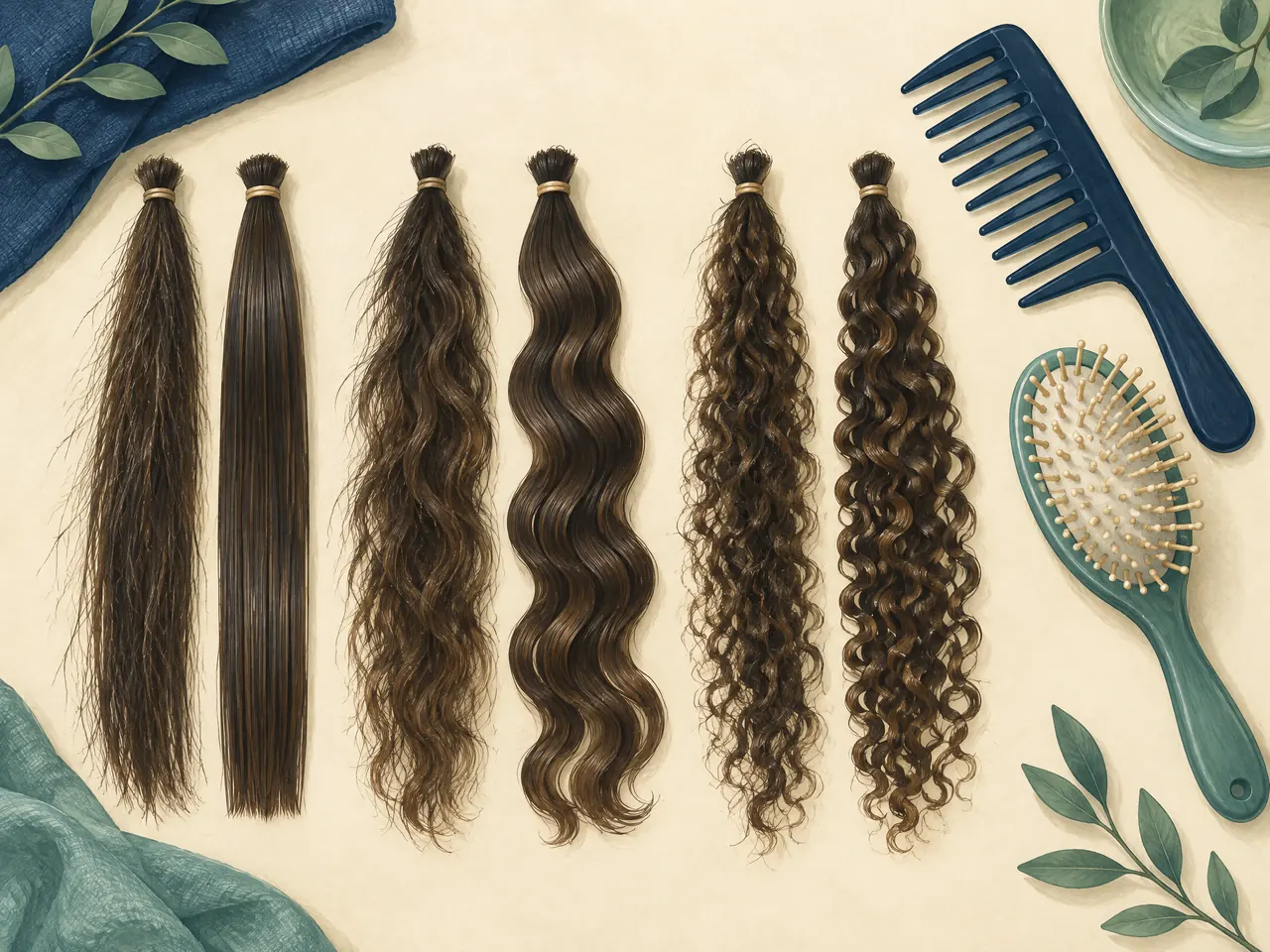
The American Academy of Dermatology explains that hair type matters when choosing a routine and recommends gentle handling, including a wide-tooth comb for detangling wet hair. Its guidance distinguishes handling straight hair from thick, curly hair. This is a reason to describe your own texture and ask for an appropriate demonstration, not to copy another person's wash schedule. The separate straight, wavy and curly practice tresses illustrate that discussion rather than showing a treatment comparison.
Ask what a conditioning or scalp-spa appointment is intended to provide and which questions fall outside cosmetic care. If your concern is hair loss, use the assessment reading route rather than treating a spa service as a diagnosis. Keep product packaging or ingredient information available when discussing something you have used. Explain when a concern began and whether it persists, so that care preferences and health questions remain distinguishable.
Connect the appointment plan to the rest of your day
For Events and styling, work backwards from the time you need to be ready. Explain where preparation will happen, when you must leave, and whether clothing or accessories need to be put on before the hairstyle is finished. Ask about the sequence of makeup and hair work and whether a trial or follow-up discussion is available. A schedule request is not confirmation that the provider offers every arrangement you have in mind.
If extensions or removable pieces are part of the brief, discuss removal before agreeing to application. Ask who will remove them, what instructions you will receive and whether that step has a separate cost. For any visit to Kwun Tong or elsewhere in East Kowloon, check the current location, appointment duration and booking requirements directly with the relevant website or provider. Compare the complete service plan first, then decide whether the travel and timing work for you.
Choose learning by the practice and feedback you need
Use Skills and learning to define a practical starting goal. Learning to section a practice tress is different from learning a complete haircut, colour placement or event makeup routine. Tell the course provider what you can already do and what you want to practise next. Ask about entry requirements and whether the class is suitable for your experience rather than assuming that a broad course title describes a beginner programme.
Compare how teaching and practice are organised. Ask which materials you use, what you must bring, and whether the quoted fee includes tools or consumables. Find out whether practice takes place on mannequins, other materials or people, and what supervision is provided. Do not assume an illustration of practice equipment depicts the provider's classroom or proves that a particular kit is included.
Feedback is more useful when you know what the educator will look for. Ask whether they review your work during practice, explain corrections and give you a way to check progress afterwards. The blank notebook and practice sample illustrate that conversation, not an assessment certificate. Clarify what any completion document actually states and independently verify any claimed recognition. A class should not be treated as a medical qualification, a licence to diagnose scalp conditions or a guarantee of employment.

Prepare a hair-change timeline without diagnosing yourself
For Hair assessment, record when you first noticed the change and what you noticed: a wider parting, a changing hairline, patches or increased shedding. Include whether the change seemed sudden or gradual. If you keep photographs, note their dates and try to use a similar angle and lighting so that you can discuss what is visible. Photographs and a diary are observations, not a diagnosis or a substitute for examination.
The American Academy of Dermatology describes hair-loss assessment as gathering a history and examining the scalp and hair; further tests depend on the suspected cause. Bring previous assessment records and a current list of medicines and supplements. Note relevant changes in health or hair care without deciding that one event must be the cause. For postpartum or menopausal concerns, describe the timing in relation to the changes you experienced and let the professional assess their relevance.
If hair loss worries you, seek advice from an appropriately qualified healthcare professional. NHS guidance recommends understanding the cause before considering a commercial hair clinic. When reading about Chinese medicine or other hair-regrowth services, ask what assessment is offered, who provides it and how a review plan is agreed. No single hair-loss treatment works for everyone. Ask about the proposed approach and its limits without treating a service name, scalp image or illustrative notebook as proof of effectiveness.

Make wig fitting and care questions model-specific
Use Wigs and appearance to separate the choices that a single label can hide. Ask about coverage, fibre material, cap construction and attachment as distinct features. Explain whether you want a full wig, partial coverage around existing hair or a removable item for occasional wear. Bring the questions that matter to your daily routine, such as taking it off yourself, wearing it with glasses or storing it between uses.
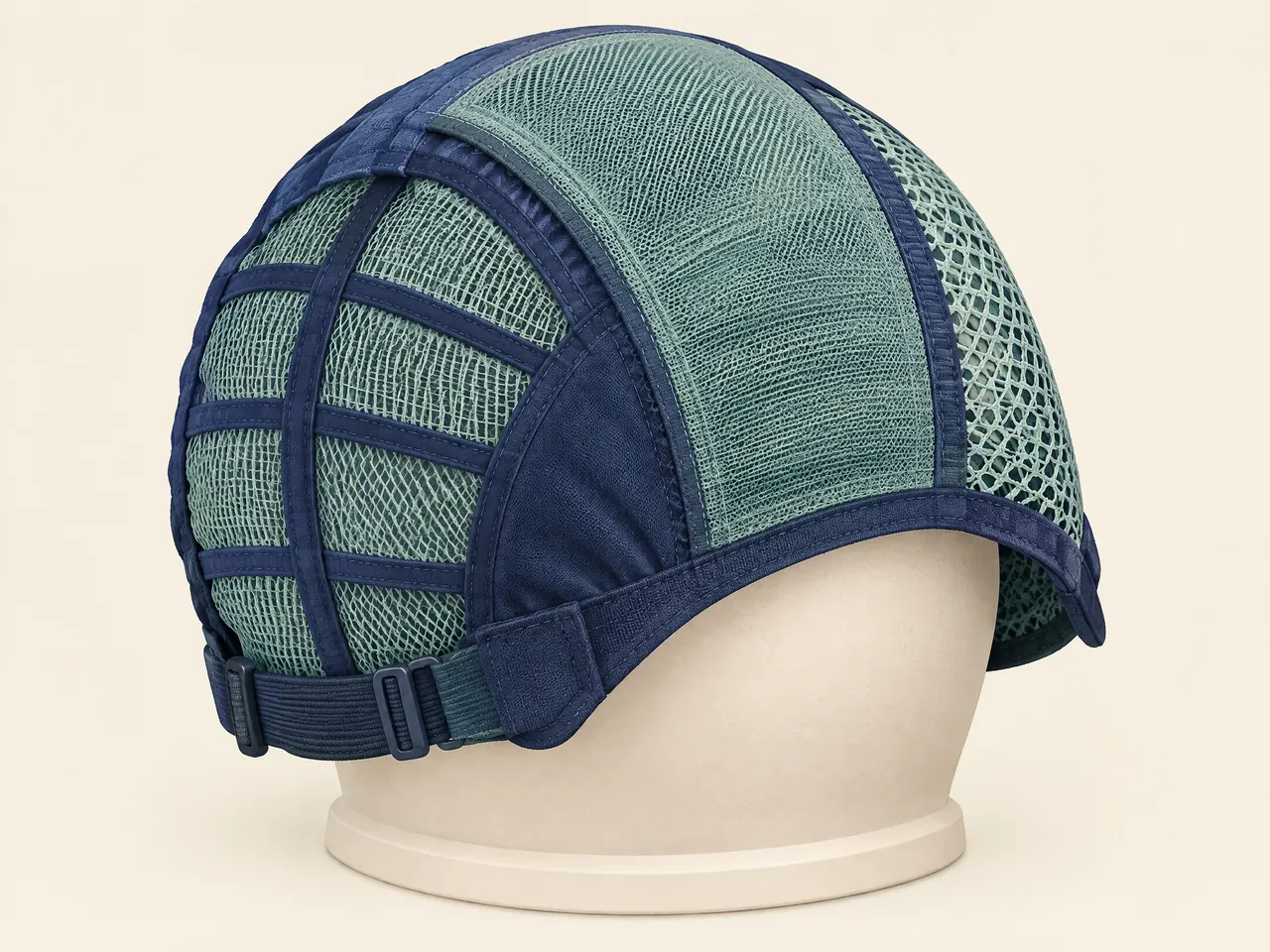
During a fitting discussion, ask the supplier to explain how fit is checked and what adjustments are possible for the proposed model. Look at the inside as well as the visible hairstyle. The generic cap illustration makes interior construction easier to discuss, but its mesh panels and band are not specifications for an item being sold. Ask which attachment method belongs to the actual model and how removal is demonstrated; do not infer suitability from an illustration or a label such as glueless.
Before agreeing to a quotation, request the model or specification and ask what fitting, alteration and aftercare it includes. Confirm product-specific washing, drying, heat-use and storage instructions, particularly when comparing different fibres. If travelling for a fitting, clarify what can be checked online and what requires an in-person visit. Wigs are appearance products, not hair-growth treatment. You can choose the pace of an appearance decision independently of any medical assessment and ask for more explanation before committing.
Supplemental references
- American Academy of Dermatology: Tips for healthy hair
Supports the statements about hair-type-dependent routines, gentle wet-hair detangling and limiting excessive heat with low or medium settings in dthub-colour-texture-routine and dthub-care-observations. Does not validate any DT Hub product, equipment, service or individual outcome.
- American Academy of Dermatology: Hair loss — diagnosis and treatment
Supports history-taking and scalp/hair examination, further tests depending on suspected cause, absence of a universally effective hair-loss treatment, and wigs not slowing hair loss or regrowing hair. Does not establish Chinese medicine efficacy, provider credentials or local service availability.
- NHS: Hair loss
Supports seeking medical advice when concerned about hair loss and understanding its cause before considering a commercial hair clinic. UK funding, pricing, referral arrangements and generalised wig lifespans are not transferred to Hong Kong or included in the copy.