
TCM Lab · Health reading
Guide to allergic rhinitis symptom management — Does acupuncture help allergic rhinitis? Can children have acupuncture for allergic rhinitis?
Published Updated
A blocked nose at night, a burst of sneezing on the MTR platform, or itchy eyes after making the bed can make allergic rhinitis feel like a constant interruption rather than a minor nuisance. Allergic rhinitis symptom management starts with identifying the likely pattern and keeping usual medical care on track. Does acupuncture help allergic rhinitis? For adults, research suggests it may help some nasal symptoms or quality of life, but the certainty is limited by weaknesses in the trials. Can children have acupuncture for allergic rhinitis? It may be discussed after an individual assessment, yet paediatric evidence is less clear. It should never displace allergy assessment, prescribed medicine, or urgent medical care when breathing symptoms are present.
Appointments are confirmed through WhatsApp. If you have language requirements, please mention them in your enquiry.
The short answer
Acupuncture can be discussed as a complementary option for adults with allergic rhinitis, not as a replacement for allergen avoidance, medical assessment, or prescribed treatment. A systematic review reported possible adult symptom and quality-of-life improvements, but important study-bias concerns mean a benefit cannot be promised. Children require a more cautious individual assessment because evidence in children and adolescents remains insufficient. Keep the prescribing clinician informed before changing any medicine.
Transparent pricing
See the fees.
Choose your care.
Explore our complete official price list, including first-trial prices, regular prices, packages and branch-specific options.
Opening WhatsApp prepares an enquiry; it does not send a message, take payment or confirm an appointment. Suitability and individual arrangements are confirmed during consultation.
Chinese medicine
All prices in HKDAcupuncture and Chinese herbal medicine package
Includes a Chinese medicine consultation with pulse assessment, body acupuncture and 3 days of Chinese herbal granules that do not require decoction.
HK$580 (single session)
Chinese medicine consultation with pulse assessment
Hair and scalp
All prices in HKDScalp health and hair-loss management
Includes AI scalp analysis, deep scalp and follicle cleansing, and scalp oil-control care.
HK$380 (first trial)
Regular price: HK$680
- 6 sessions: HK$3,480 (HK$580 per session)
- 12 sessions: HK$5,760 (HK$480 per session)
- 20 sessions: HK$8,600 (HK$430 per session)
- 30 sessions: HK$11,400 (HK$380 per session)
Hair acupuncture and Chinese herbal medicine package
Includes scalp acupuncture and 3 days of Chinese herbal medicine that does not require decoction.
HK$580 (single session)
Registered Chinese Medicine Practitioner consultation
- 6 sessions: HK$3,180 (HK$530 per session)
- 12 sessions: HK$5,760 (HK$480 per session)
- 20 sessions: HK$8,600 (HK$430 per session)
- 30 sessions: HK$11,400 (HK$380 per session)
Combined hair and scalp treatment
Combines acupuncture and Chinese herbal medicine with salon-level scalp and follicle care. Packages include complimentary hair-care shampoo and serum.
HK$1,260 (single session)
Combined treatment
- 8 sessions: HK$8,640 (HK$1,080 per session)
- 16 sessions: HK$15,680 (HK$980 per session)
- 20 sessions: HK$18,600 (HK$930 per session)
- 30 sessions: HK$26,400 (HK$880 per session)
Weight management
All prices in HKDFull-body acupoint embedding for weight management
Includes full-body acupoint embedding. Packages include complimentary Chinese herbal medicine for weight management, with the number of included days scaled to the package. Embedding material and the individual treatment arrangement are confirmed during consultation; this is not a cosmetic thread lift.
HK$980 (single session)
No trial session
- 10 sessions: HK$7,800 (HK$780 per session)
- 20 sessions: HK$14,600 (HK$730 per session)
- 30 sessions: HK$20,400 (HK$680 per session)
Facial acupuncture
All prices in HKDFacial acupuncture (basic)
Includes facial acupuncture and meridian-based facial care, including care for facial puffiness.
HK$480 (first trial)
Regular price: HK$680
- 10 sessions: HK$5,200 (HK$520 per session)
- 20 sessions: HK$9,600 (HK$480 per session)
- 30 sessions: HK$13,500 (HK$450 per session)
Facial acupuncture (advanced)
Includes enhanced facial acupuncture with a specially formulated moisturising mask and serum.
HK$780 (first trial)
Regular price: HK$1,180
- 10 sessions: HK$9,000 (HK$900 per session)
- 20 sessions: HK$16,600 (HK$830 per session)
- 30 sessions: HK$23,400 (HK$780 per session)
Pain care
All prices in HKDExtracorporeal shockwave treatment
Shockwave treatment for deep-tissue and fascial care. The Kwun Tong clinic offers the multi-area options shown below.
Priced by branch
Branch-specific pricing
Prince Edward: HK$250 per area
Kwun Tong: HK$250 for 1 area / HK$450 for 2 areas / HK$600 for 3 areas
Pain care (manual therapy)
Includes Chinese medicine musculoskeletal assessment, manual joint techniques and tui na.
HK$580 (single session)
Chinese medicine musculoskeletal assessment
Pain care (acupuncture and manual therapy)
Combines acupuncture and manual therapy.
HK$680 (single session)
Combined care
Understanding allergic rhinitis symptom management — Does acupuncture help allergic rhinitis? Can children have acupuncture for allergic rhinitis?
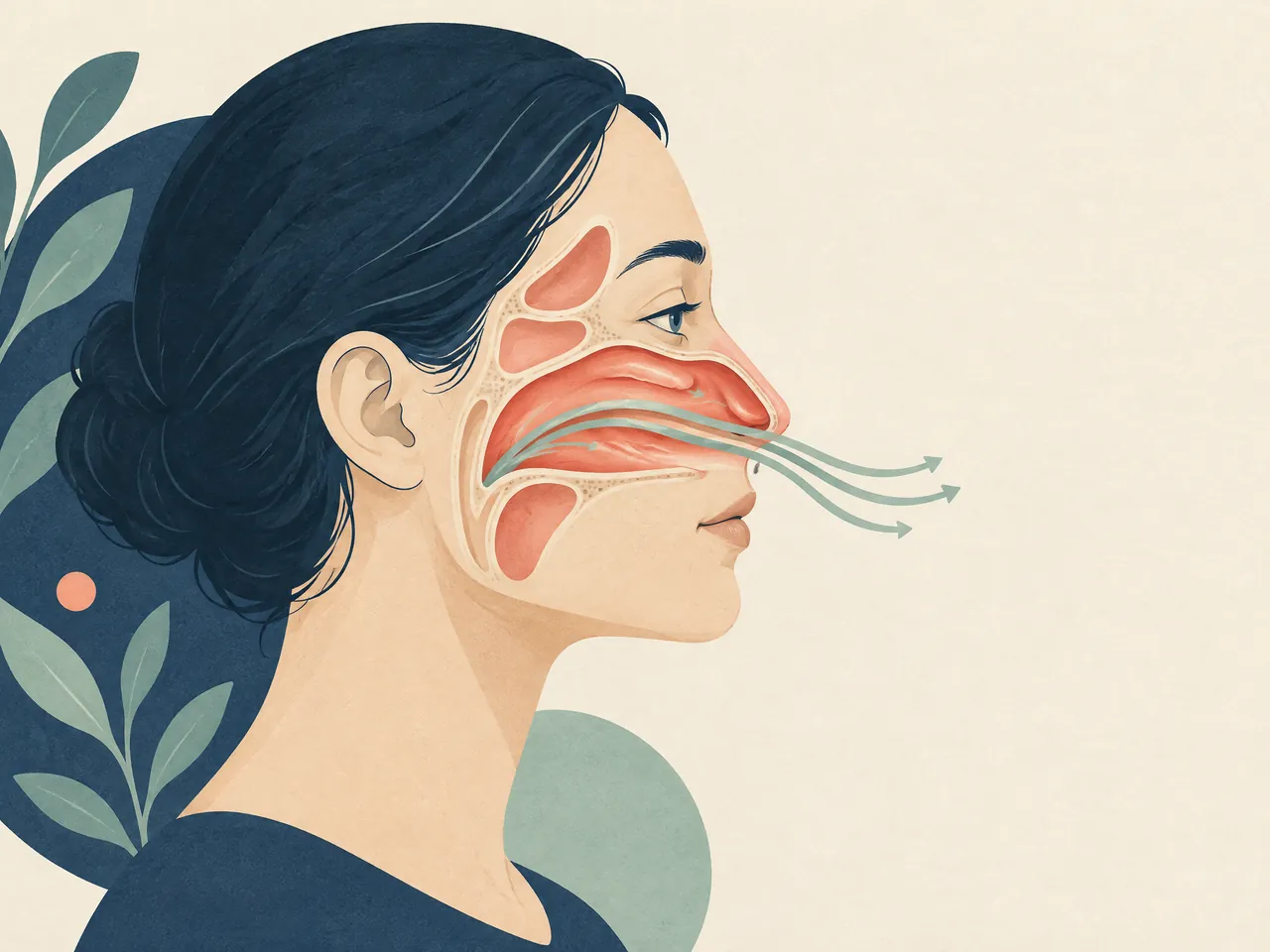
Good management begins by separating a recurring allergy-like pattern from other reasons for a runny or blocked nose. Allergic rhinitis commonly involves sneezing, clear runny discharge, nasal itch or blockage, and sometimes red, itchy, watery eyes. Pollen can contribute to seasonal symptoms, while dust mites, fungi and animal hair or fur can matter throughout the year. The Hong Kong Department of Health also notes that air pollution and abrupt temperature changes can trigger or worsen symptoms. [1] Naming the pattern does not replace an assessment, but it gives a clearer starting point for decisions at home and in clinic.
It can help to distinguish the symptom itself from the impact it creates. A person who mainly sneezes for a short period after waking may need a different discussion from someone whose nasal blockage repeatedly breaks sleep, makes mouth-breathing uncomfortable, or reduces concentration through the working day. Eye itch and watering can strengthen the picture of an allergy-related episode, while a new illness with other symptoms may need a separate assessment. Write down what changed before a difficult day instead of relying on memory at the appointment. The record can include whether the nose feels blocked on one or both sides, whether discharge is clear, whether sleep was interrupted, and what offered relief. It gives both conventional and complementary practitioners a shared, concrete account without assuming the cause in advance.

Allergic vs non-allergic triggers in allergic rhinitis symptom management — Does acupuncture help allergic rhinitis? Can children have acupuncture for allergic rhinitis?
A symptom diary can turn a vague complaint into useful detail. Note the time of day, location, sleep disruption, eye symptoms, pets, cleaning, strong scents, weather shifts and medicines already taken. For example, repeated sneezing and eye itch while changing bedding may point to an indoor exposure worth discussing; congestion after a strong perfume or a sharp move between outdoor heat and aggressive air-conditioning may call for a different conversation. These are clues, not a self-diagnosis. Colds, nasal conditions and co-existing asthma can overlap with rhinitis symptoms. If pollen appears relevant, the related topic of seasonal allergic rhinitis acupuncture explains why a seasonal pattern still needs ordinary symptom management. The same care applies when people search for acupuncture for hay fever: the label is less important than a reliable account of the symptoms and triggers.

Adult evidence overview for allergic rhinitis symptom management — Does acupuncture help allergic rhinitis? Can children have acupuncture for allergic rhinitis?
For adults asking whether acupuncture helps, the most useful answer is measured rather than promotional. A 2022 systematic review and meta-analysis reported improvements in nasal symptoms and quality-of-life measures in some adult comparisons. It found no clear difference when acupuncture was compared with cetirizine or loratadine, and its sequential analysis did not confirm the pooled positive findings. The authors also identified serious performance and attrition bias in many included studies, with possible selection bias. [2] That means acupuncture may be reasonable to discuss as one complementary option if an adult understands the uncertainty, but it is not evidence for a cure, a fixed number of sessions, or a predictable response. Read the fuller evidence-focused guide on acupuncture for allergic rhinitis before deciding what questions to raise at a consultation.
A realistic goal makes the decision easier to review. One adult may want to see whether an additional approach fits alongside a clinician-led plan during a recurrent season. Another may be primarily concerned about the burden of congestion before sleep. State that goal, the current treatment routine, and what has already been tried. It is also reasonable to ask how the practitioner will take account of your history and when the plan should be reconsidered. Avoid treating an early good or bad day as proof that a treatment has solved, or cannot affect, a fluctuating condition. If symptoms are persistent, increasing, or confusing, returning to the clinician who is assessing the rhinitis remains important. Complementary care is most useful as a transparent addition to a plan, not as a reason to postpone that review.
Compare your options
| Decision point | Useful observations to bring | First conversation or action | Where acupuncture may fit |
|---|---|---|---|
| Recurring sneezing, itch or clear discharge | Time, place, eye symptoms, bedding, pets, pollen or dust exposure | Discuss the pattern and possible triggers; keep a concise diary | An adult may ask about it as a complementary option, with no promised outcome |
| Blocked nose disrupting sleep | Night-time pattern, current sprays or tablets, effect on daytime function | Review current treatment use with the appropriate clinician or pharmacist | Do not replace prescribed treatment; clarify the goal of any additional care |
| A child with possible rhinitis | Comfort with procedures, school or sleep impact, medicines and medical history | Seek an individual clinical assessment and keep the usual care team informed | Evidence is insufficient to predict benefit; proceed only after careful discussion |
| Wheeze, chest tightness or breathing difficulty | When it started, severity, associated symptoms and existing respiratory history | Prioritise qualified medical assessment rather than self-managing a new concern | Not a reason to delay medical care |
On smaller screens, scroll the table sideways to compare all columns.
Cautious, coordinated allergic rhinitis symptom management — Does acupuncture help allergic rhinitis? Can children have acupuncture for allergic rhinitis?
The aim of coordinated care is not to force a choice between approaches. It is to make each choice visible to the people involved and to avoid losing effective care while trying something additional. Bring a current medicine list, relevant allergy or medical history, and a short symptom record to any appointment. If acupuncture is being considered, say plainly which sprays, tablets, eye drops or other treatments are in use and whether the main problem is sneezing, sleep, blockage, eye irritation, or day-to-day concentration. A practitioner can then discuss whether a complementary consultation is appropriate without presenting traditional terminology as a replacement for a medical diagnosis.

Medicines, options and safety in allergic rhinitis symptom management — Does acupuncture help allergic rhinitis? Can children have acupuncture for allergic rhinitis?
Allergen avoidance, antihistamines and steroid nasal sprays are described by Hong Kong’s Department of Health as first-line management approaches for allergic rhinitis. The same guidance notes that older oral antihistamines may cause drowsiness, that steroid sprays have anti-inflammatory effects when used properly, and that nasal decongestants are intended only for short-term use because longer use may lead to rebound congestion after stopping. [1] These details are a reason to ask a pharmacist or doctor how a particular product fits your situation, not a reason to self-adjust. Acupuncture does not make a prescribed spray unnecessary. Do not stop, reduce or swap a doctor-prescribed medicine because of a complementary treatment; speak to the prescriber first and let the Chinese medicine practitioner know the outcome.

Paediatric considerations in allergic rhinitis symptom management — Does acupuncture help allergic rhinitis? Can children have acupuncture for allergic rhinitis?
Can children have acupuncture for allergic rhinitis? The question needs more than a yes-or-no reply. The review found that the effect for children and adolescents remained unclear because data were insufficient. [2] A parent should first make sure the child’s symptoms and current medical plan have been assessed, especially when sleep, school concentration, wheeze or recurrent breathing concerns are involved. If a family wishes to explore acupuncture, an experienced registered Chinese medicine practitioner should assess the child individually, including willingness and comfort, medical history, current medicines and the family’s goals. The child should not be pressured to accept needles, and no one should promise a result. Maintaining communication with the child’s usual clinician is a practical safeguard, particularly if symptoms change or remain poorly controlled.
For a child, a simple family record can be especially valuable. Note which nights sleep was poor, whether morning symptoms delay getting ready, whether classroom concentration seems affected, and which exposures seem to precede a flare. The Department of Health notes that allergic rhinitis can affect sleep, concentration, learning and daily function when it is not well controlled. [1] This information helps the family decide whether the priority is a review of usual treatment, environmental changes, or a conversation about a complementary option. A child should know, in age-appropriate language, what an appointment involves and be free to say that they are uncomfortable. Parents can also ask how concerns will be communicated back to the child’s usual clinician, rather than trying to manage several care plans in isolation.
Practical approaches to allergic rhinitis symptom management — Does acupuncture help allergic rhinitis? Can children have acupuncture for allergic rhinitis?
Daily adjustments are most useful when they match a plausible trigger instead of becoming an exhausting list of rules. Keep a home clean and well ventilated, address damp or mould-prone areas, and clean air-conditioner filters regularly as appropriate. The Department of Health also suggests avoiding smoke around the affected person, reducing exposure to air-polluted places, and preparing for sudden temperature changes. [1] Choose one or two changes that fit the pattern you recorded, then review whether they make a meaningful difference. This keeps attention on workable symptom management rather than an all-or-nothing search for a single cure.

At-home steps and when to seek advice for allergic rhinitis symptom management — Does acupuncture help allergic rhinitis? Can children have acupuncture for allergic rhinitis?
Start with the environment you can change: bedding and bedroom dust, damp corners, animal exposure, fragrance products, smoke, and extreme air-conditioning. Make changes steadily rather than assuming that every nasal symptom has one cause. If a particular food has previously produced an allergic reaction, avoid experimenting with it without appropriate advice. Keep track of nights when nasal blockage interrupts sleep and mornings when symptoms make work or school difficult; these functional effects are important information, not an afterthought. Seek qualified medical advice if symptoms persist despite the plan, interfere substantially with sleep or daily function, or occur with breathing difficulty, wheeze or chest tightness. The related page When should I see a doctor for allergic rhinitis? can help you prepare the right questions for that conversation.
Keep the plan proportionate. If symptoms seem worse while making the bed, focus first on the bedroom routine and on gentle handling of bedding rather than making several unrelated lifestyle changes at once. If a strong scent in a shared indoor space reliably irritates the nose, consider avoiding that exposure and record the effect. If an abrupt temperature change seems relevant, plan clothing and indoor cooling with that observation in mind. Hong Kong Department of Health guidance similarly highlights household cleanliness and ventilation, damp and mould control, smoke avoidance and attention to temperature shifts. [1] Review the notes after a reasonable period with a clinician if there is no useful change. This approach respects daily life while leaving room for proper assessment when self-care is not enough.

Discussing goals with a Chinese medicine practitioner for allergic rhinitis symptom management — Does acupuncture help allergic rhinitis? Can children have acupuncture for allergic rhinitis?
A useful acupuncture discussion is specific: what has been diagnosed or investigated, which symptoms matter most, which standard treatments are already being used, and what would count as a worthwhile change for you. A Chinese medicine practitioner may ask about nasal discharge, blockage, sleep, appetite, energy, weather sensitivity and general health as part of a traditional assessment. That is a traditional clinical approach, not a substitute for allergen testing or a medical diagnosis. Ask what the proposed role of acupuncture is, how progress would be reviewed, and what information should be shared with your doctor. Adults can enquire at the Kwun Tong Chinese medicine clinic or the Chinese medicine clinic Prince Edward; contact first to explain symptoms, current care and any language needs. This makes expectations clearer before any appointment is arranged.
Care and health guide
Health service information
This directory brings together services, reading, and visit information related to health services, to help you prepare questions for a consultation.
If you are organising health questions, Chinese medicine clinic Hong Kong is a starting point for learning about related services and preparing for a consultation.
People have different needs; acupuncture Hong Kong provides further reading to help you understand options in your own context.


Your questions, answered
Frequently asked questions
Does acupuncture help allergic rhinitis in adults?
It may help some adults, but the evidence does not justify a guarantee. A systematic review found possible improvements in nasal symptoms and quality of life, while also finding important bias concerns and unconfirmed pooled results. Treat it as a complementary option to discuss, not a replacement for usual care.
Can children have acupuncture for allergic rhinitis?
It may be considered only after an individual assessment by an experienced registered Chinese medicine practitioner, with the child’s comfort, medical history and current care considered. Evidence for children and adolescents is insufficient, so families should keep expectations cautious and maintain ordinary medical follow-up.
Can I use acupuncture while taking an antihistamine or using a nasal spray?
Tell the practitioner about every medicine and spray being used. Do not stop or change a prescribed antihistamine or steroid nasal spray because you plan to try acupuncture. Any change to prescribed treatment should be discussed with the prescribing doctor.
What home changes are worth trying for allergic rhinitis?
Base changes on likely triggers. Common practical areas include household dust, damp and mould, animal hair or fur, strong scents, smoke, air pollution and abrupt temperature changes. A symptom diary helps you see which adjustment is relevant rather than trying everything at once.
Sources and further information
- [1] [1] Hong Kong Department of Health, Student Health Service: Allergic Rhinitis
Referenced for: Official Hong Kong guidance for typical symptoms, common triggers, home measures and first-line management terminology.
- [2] [2] He et al., Acupuncture for allergic rhinitis: a systematic review and meta-analysis
Referenced for: Peer-reviewed review supporting the cautious adult evidence summary, bias limitations and insufficient paediatric data.