
TCM Lab · Health reading
Bone-setting Consultation: A Practical Guide to Assessment and Care
Published Updated
A bone-setting consultation is a conversation and assessment before it is any discussion of hands-on care. If you have stiffness after desk work, a recurring pull around a joint, or discomfort that changes the way you move, the useful first step is to describe what happened, how the problem has changed and what you can or cannot do. A Registered Chinese Medicine Practitioner can then consider whether bone-setting is relevant, whether another Chinese medicine approach may be discussed, or whether medical assessment should come first. This guide explains how to prepare, what a careful consultation may cover and which warning signs should not wait for a routine appointment.
Appointments are confirmed through WhatsApp. If you have language requirements, please mention them in your enquiry.
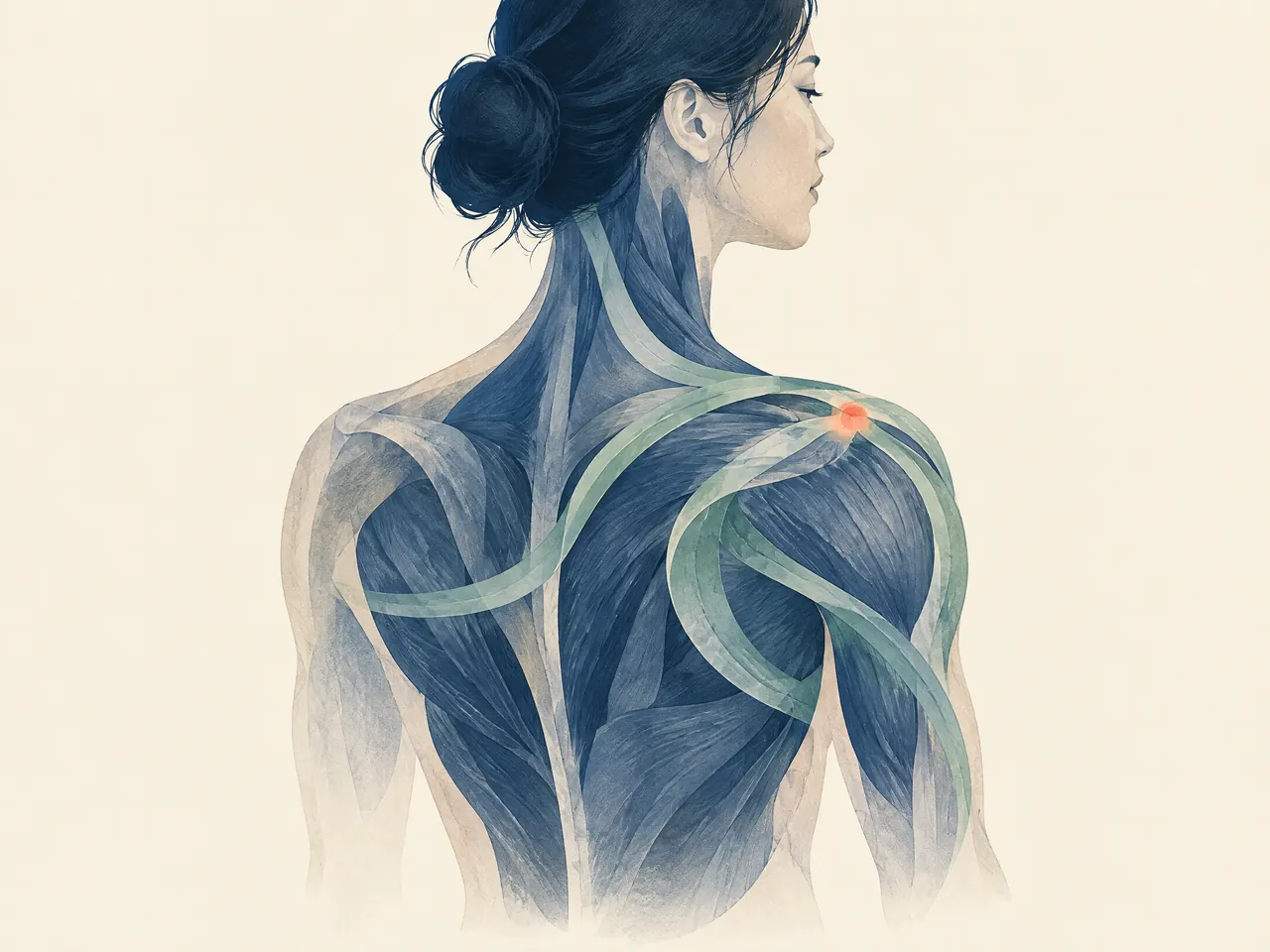
The short answer
A bone-setting consultation reviews your symptoms, movement concerns, health history and medicines before any approach is considered. It is not a promise that bone-setting will suit a particular problem or provide a particular result. Bring a clear symptom timeline and relevant reports, and seek prompt medical assessment instead of waiting for a routine consultation when an injury is severe, worsening, visibly deformed, numb or difficult to use.
Transparent pricing
See the fees.
Choose your care.
Explore our complete official price list, including first-trial prices, regular prices, packages and branch-specific options.
Opening WhatsApp prepares an enquiry; it does not send a message, take payment or confirm an appointment. Suitability and individual arrangements are confirmed during consultation.
Chinese medicine
All prices in HKDAcupuncture and Chinese herbal medicine package
Includes a Chinese medicine consultation with pulse assessment, body acupuncture and 3 days of Chinese herbal granules that do not require decoction.
HK$580 (single session)
Chinese medicine consultation with pulse assessment
Hair and scalp
All prices in HKDScalp health and hair-loss management
Includes AI scalp analysis, deep scalp and follicle cleansing, and scalp oil-control care.
HK$380 (first trial)
Regular price: HK$680
- 6 sessions: HK$3,480 (HK$580 per session)
- 12 sessions: HK$5,760 (HK$480 per session)
- 20 sessions: HK$8,600 (HK$430 per session)
- 30 sessions: HK$11,400 (HK$380 per session)
Hair acupuncture and Chinese herbal medicine package
Includes scalp acupuncture and 3 days of Chinese herbal medicine that does not require decoction.
HK$580 (single session)
Registered Chinese Medicine Practitioner consultation
- 6 sessions: HK$3,180 (HK$530 per session)
- 12 sessions: HK$5,760 (HK$480 per session)
- 20 sessions: HK$8,600 (HK$430 per session)
- 30 sessions: HK$11,400 (HK$380 per session)
Combined hair and scalp treatment
Combines acupuncture and Chinese herbal medicine with salon-level scalp and follicle care. Packages include complimentary hair-care shampoo and serum.
HK$1,260 (single session)
Combined treatment
- 8 sessions: HK$8,640 (HK$1,080 per session)
- 16 sessions: HK$15,680 (HK$980 per session)
- 20 sessions: HK$18,600 (HK$930 per session)
- 30 sessions: HK$26,400 (HK$880 per session)
Weight management
All prices in HKDFull-body acupoint embedding for weight management
Includes full-body acupoint embedding. Packages include complimentary Chinese herbal medicine for weight management, with the number of included days scaled to the package. Embedding material and the individual treatment arrangement are confirmed during consultation; this is not a cosmetic thread lift.
HK$980 (single session)
No trial session
- 10 sessions: HK$7,800 (HK$780 per session)
- 20 sessions: HK$14,600 (HK$730 per session)
- 30 sessions: HK$20,400 (HK$680 per session)
Facial acupuncture
All prices in HKDFacial acupuncture (basic)
Includes facial acupuncture and meridian-based facial care, including care for facial puffiness.
HK$480 (first trial)
Regular price: HK$680
- 10 sessions: HK$5,200 (HK$520 per session)
- 20 sessions: HK$9,600 (HK$480 per session)
- 30 sessions: HK$13,500 (HK$450 per session)
Facial acupuncture (advanced)
Includes enhanced facial acupuncture with a specially formulated moisturising mask and serum.
HK$780 (first trial)
Regular price: HK$1,180
- 10 sessions: HK$9,000 (HK$900 per session)
- 20 sessions: HK$16,600 (HK$830 per session)
- 30 sessions: HK$23,400 (HK$780 per session)
Pain care
All prices in HKDExtracorporeal shockwave treatment
Shockwave treatment for deep-tissue and fascial care. The Kwun Tong clinic offers the multi-area options shown below.
Priced by branch
Branch-specific pricing
Prince Edward: HK$250 per area
Kwun Tong: HK$250 for 1 area / HK$450 for 2 areas / HK$600 for 3 areas
Pain care (manual therapy)
Includes Chinese medicine musculoskeletal assessment, manual joint techniques and tui na.
HK$580 (single session)
Chinese medicine musculoskeletal assessment
Pain care (acupuncture and manual therapy)
Combines acupuncture and manual therapy.
HK$680 (single session)
Combined care
Bone-setting Consultation: Understanding the First Assessment
People often search for a bone-setting consultation because an area feels out of place, tight or unreliable during ordinary tasks. Those descriptions are useful starting points, but they do not identify the cause on their own. The practitioner needs the story behind the sensation: whether it followed a fall, lifting, a sport session, long hours at a screen, a gradual change in workload or no obvious event. They also need to know if the concern is settling, staying the same or becoming more limiting. This helps separate a straightforward enquiry from a presentation that requires another kind of assessment first.
In Hong Kong, the Health Bureau lists bone-setting among interventional measures commonly adopted within Orthopedics and Traumatology in Chinese medicine, alongside Tui-na, acupuncture and functional training. That service area concerns conditions or injuries related to joints, muscles, fascia and tendons; it does not mean that every ache around a joint should be assumed to need the same approach. [1] A useful consultation therefore begins with the person’s current function rather than an online label. Can you turn your head when checking traffic, climb stairs, carry a bag, sleep comfortably or return to normal work tasks? Specific examples are more informative than simply saying that pain is bad.
The assessment can also put a local complaint into a wider pattern. A shoulder that feels restricted may be linked with a change in training, a recent fall, guarding because of pain, or a prior diagnosis. Lower-back discomfort may be accompanied by leg symptoms or changes in walking. The Health Bureau describes Chinese medicine consultation as drawing on inspection, listening and smelling, inquiry and palpation, while considering signs, symptoms and the person’s physique. [2] That is why an honest account of your history and everyday demands matters before discussing any possible care.

What a Bone-setting Consultation May Cover
A practitioner may ask where the discomfort begins and spreads, what movement provokes it, whether there was a pop, impact or twist, and how it affects work, exercise and sleep. The discussion may include past fractures, operations, recurring injuries, long-term conditions, pregnancy, skin changes near the area, allergies and all medicines or supplements. These are not side issues. A blood-thinning medicine, a recent procedure or a previous scan can change what information is relevant and when a different service should be involved.
The physical part of an assessment is not a performance of forcing a joint to move. It may include observing posture or a basic movement, asking about tenderness or sensation, and comparing how an activity feels on each side where appropriate. The practitioner may explain why an immediate hands-on technique is not the first choice, or why further medical information is sensible. If Chinese medicine care is discussed, it may sit beside questions about activity modification, rehabilitation or referral, rather than being presented as a substitute for every investigation. This is the practical meaning of an assessment-led visit.
If you are already comparing services, it helps to distinguish a consultation from a request for a preselected technique. Information about bone-setting Hong Kong can help you frame your enquiry, while Chinese therapeutic massage Hong Kong describes a related service topic. Neither page can decide what is appropriate for your own symptoms. The first appointment is where relevant details, boundaries and next steps can be discussed in person.
Questions to Bring to a Bone-setting Consultation
Prepare a short timeline in plain language. Note the date the issue began, the event or activity around that time, whether symptoms were immediate or gradual, and what has changed since. Add examples such as pain after twenty minutes at the desk or ankle swells after a short walk rather than relying on a number alone. Mention what helps temporarily, what makes it worse and whether you have stopped an activity because the area feels weak, unstable or painful. This gives the practitioner a starting point that is easier to test against the assessment.
Bring paperwork that already exists: imaging reports, discharge summaries, referral letters, physiotherapy notes or a list of diagnoses. A photo of medicine labels is often more reliable than memory, especially when prescriptions, over-the-counter pain relief, herbal products and supplements are involved. You do not need to interpret the report yourself; bring the original wording if possible. It is also reasonable to ask what the assessment can and cannot determine, what signs would change the plan, and when you should seek another medical opinion.
Practical questions can make an enquiry more useful. Ask whether you should wear clothing that allows comfortable movement, whether an examination report would be helpful, and whether a companion is sensible after a recent injury. If your main concern arose during travel, sport or manual work, bring any relevant details about that demand. The goal is not to arrive with a self-diagnosis. It is to make the consultation specific enough that you and the practitioner can have a clear conversation about safety, uncertainty and possible options.
Compare your options
| What you notice | Useful details to provide | Why the next step may differ |
|---|---|---|
| A gradual ache or stiffness during work or daily movement | When it began, the task that brings it on, sleep impact and changes in workload | The consultation can explore the pattern and current function rather than assuming one cause from the location alone. |
| A recurring problem that now feels different | Previous diagnosis or imaging, old injuries, recent change in symptoms and all current medicines | A changed pattern may need a fresh assessment or information from another clinician before any approach is considered. |
| Discomfort after sport, lifting or a twist, but you can still function | The exact activity, timing, swelling, weight-bearing, instability and what you have stopped doing | The practitioner can consider whether a routine assessment is suitable and what questions remain. |
| Severe or worsening pain after injury, altered shape, numbness, colour change or inability to use the area | Do not wait to prepare a full history; explain the injury and symptoms to urgent medical services | These warning signs call for prompt medical assessment, not a routine bone-setting consultation. [3] |
On smaller screens, scroll the table sideways to compare all columns.
Bone-setting Consultation: Possible Approaches and Boundaries
A bone-setting consultation should not be treated as an automatic route to manipulation. The findings, the time course of symptoms and the person’s medical background all matter. A new problem after impact may call for medical assessment; a long-standing pattern that has changed may require a fresh review; and a problem already assessed elsewhere may benefit from bringing those findings into the conversation. A careful practitioner can explain the reasoning without promising that a particular technique will correct a symptom or restore a particular level of activity.
It is useful to describe goals in functional terms. Instead of asking whether a technique will fix a shoulder or back, explain the activity you want to understand: reaching a shelf, standing for a commute, returning to a training session, or sleeping without repeatedly changing position. This makes room for questions about pace, movement tolerance and what should be monitored. It also avoids treating structural language heard from friends, social media or a scan report as a complete explanation of how you feel today.

The comparison below is not a diagnostic tool. It shows why the same word, such as stiffness or strain, can lead to different next questions. Where symptoms indicate possible serious injury, infection or nerve involvement, a routine consultation is the wrong place to wait for certainty. The information that follows should help you explain the situation clearly when asking for an appointment.
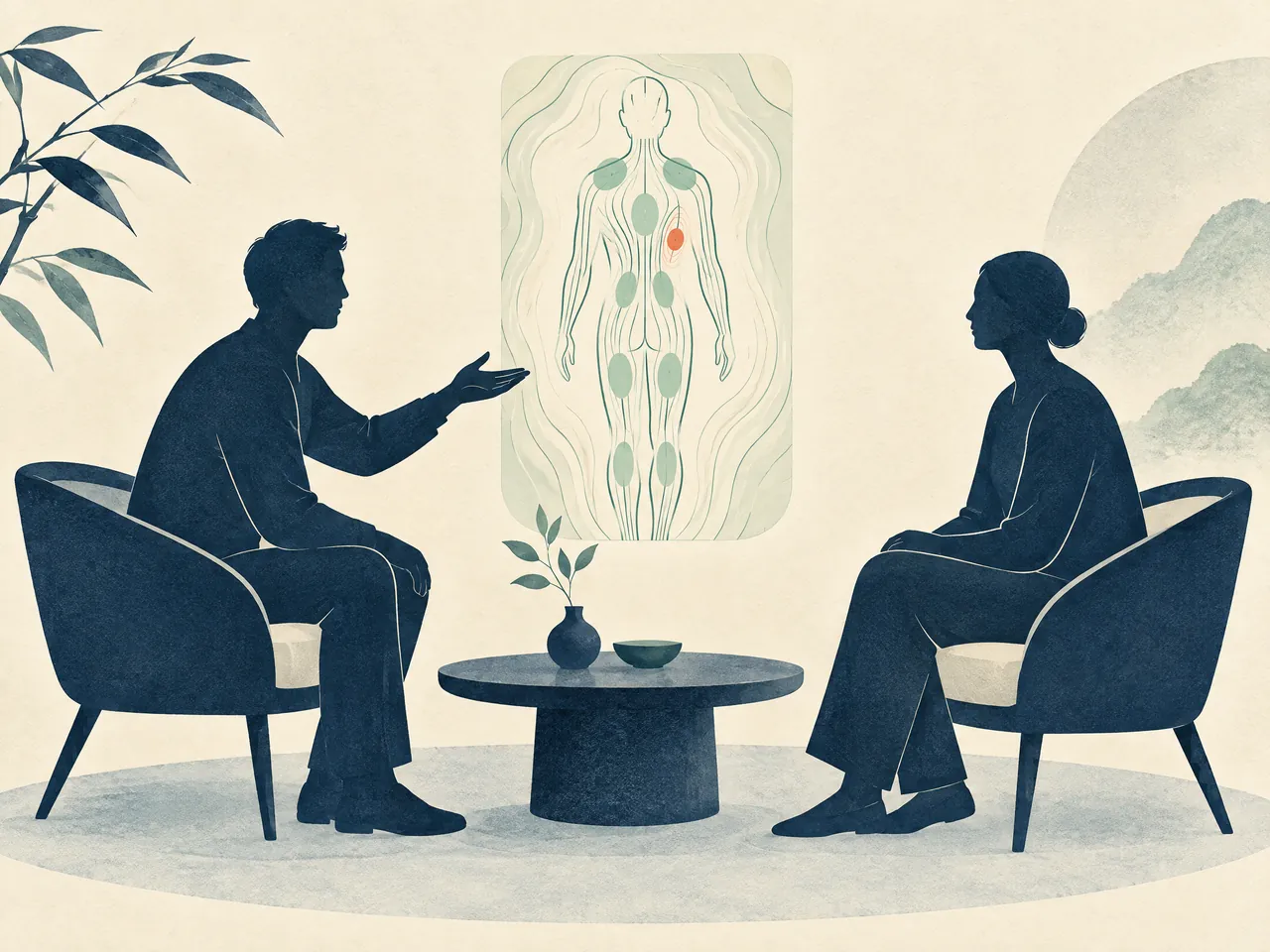
How Bone-setting Consultation Fits Chinese Medicine Care
Chinese medicine care may involve more than one discussion point, but the practitioner should decide relevance from the consultation rather than from a menu choice. In the Health Bureau’s specialised-service description, Tui-na, bone-setting, acupuncture and functional training are all named as measures used within Orthopedics and Traumatology in Chinese medicine. [1] Listing them together does not make them interchangeable. What is considered, deferred or ruled out depends on the presenting symptoms, examination findings, history and risk factors in front of the practitioner.
For example, an office worker with neck and upper-back tightness after sustained screen time may need to describe workstation habits, headaches, arm symptoms, sleep and movement restriction. A runner with an ankle problem may need to describe the moment of injury, weight-bearing, swelling, footwear and whether the joint feels unstable. The valuable part of the consultation is not a generic label for either person. It is identifying what further questions are needed and whether the problem appears suitable for a routine Chinese medicine discussion or needs another assessment pathway.
Some people enquire about Kwun Tong tui na because a local option is convenient. Convenience matters, but it should follow safety and fit. If travelling is difficult because of a mobility issue, information on a home visit tui na Hong Kong enquiry may be relevant to ask about. Availability and suitability need confirmation; a home visit is not a replacement for urgent evaluation or imaging when those are needed.

When Bone-setting Consultation Is Not a Substitute for Urgent Care
Do not wait for a routine consultation after an injury if the body part has changed shape, points at an unusual angle, becomes cold or blue-grey, or is numb, tingling or full of pins and needles. A crack at the time of injury can also signal a need for urgent assessment. The NHS lists these features as reasons for emergency assessment because a fracture may need an X-ray. [3] The exact service route differs by location, but in Hong Kong these are reasons to seek prompt emergency medical care rather than arranging a routine bone-setting visit.
Prompt medical assessment is also important when pain is very severe or worsening, swelling or bruising is rapidly increasing, you cannot take more than a few steps or use the affected area normally, movement becomes markedly difficult, or feverish symptoms occur with an injured area. Those features can need assessment beyond what a scheduled consultation can provide. [3] Say clearly if there was a high-impact event, a wound, a recent operation or a known condition that affects bones, bleeding, immunity or sensation. Clear information helps the receiving clinician decide the safest next step.
There is no benefit in minimising symptoms in order to keep an appointment. Tell the clinic if your situation changes between booking and arrival. Equally, once serious causes have been assessed or excluded by an appropriate clinician, bring that information to a Chinese medicine consultation instead of relying on memory. A consultation may then be more focused, and the practitioner can explain what the available information does and does not support. This approach respects the boundary between a routine enquiry and urgent care.
Bone-setting Consultation: Planning Your Next Step
Planning a consultation starts with an accurate enquiry, not an assumption about the answer. State the body area, whether the concern followed an injury, how long it has been present, whether you have already seen a doctor and whether there are any warning signs. If there is a language preference or a mobility concern, mention it when you contact the clinic so arrangements can be checked. Do not assume that a particular practitioner, time or approach is available until the clinic confirms it.
It is also sensible to allow enough time around the visit to travel without rushing and to remember questions. Eat and drink as you normally would unless a healthcare professional has given you different instructions. Wear clothing that is comfortable and allows you to describe or demonstrate ordinary movement where appropriate, without requiring you to push through pain. Bring your phone with photos of medicine labels or a symptom diary if that is easier than carrying papers. Small practical preparations can make the clinical history clearer.
In Hong Kong, the Chinese Medicine Regulatory Office states that practising Chinese medicine under the Chinese Medicine Ordinance includes work based on traditional Chinese medicine in general practice, acupuncture or bone-setting. It also sets out that registration involves the Licensing Examination and approved or equivalent undergraduate training. [4] That regulatory context is one reason to seek an assessment with a Registered Chinese Medicine Practitioner and to provide complete information rather than following informal advice from an unverified source.
Preparing for a Bone-setting Consultation in Hong Kong
Before you make contact, write a one- or two-sentence summary that includes the issue, timing and the main functional difficulty. For instance: My knee started hurting after a twist three weeks ago; I can walk, but stairs are difficult and it swells after work. Add any medical evaluation already completed and the medicines you take. This is more useful than a long list of possible diagnoses, and it lets the clinic flag if the symptoms sound unsuitable for a routine booking.
Choose the location based on a confirmed appointment, not an assumed walk-in arrangement. You can review travel details for the Kwun Tong Chinese medicine clinic or the Chinese medicine clinic Prince Edward before making your plan. If an injury limits walking or stairs, say so in advance. A clinic can then clarify the practical arrangements, while you retain the option to choose prompt medical assessment if your symptoms warrant it.
If cost is part of your decision, use the Chinese medicine clinic price list Hong Kong as a starting point for an enquiry and confirm the current arrangement directly. Avoid deciding on care solely from price, a dramatic description of a technique or another person’s experience. Ask what the appointment is for, what information the practitioner needs beforehand and whether a report from another clinician would be useful. A clear answer should feel more valuable than a rushed promise.

Arranging a Bone-setting Consultation with TCM Lab Hong Kong
To ask about a bone-setting consultation with TCM Lab Hong Kong, contact the clinic on WhatsApp at +852 6940 5663. State whether you prefer Prince Edward or Kwun Tong, describe the concern briefly and mention any recent injury, urgent symptoms, existing diagnosis, report or medicine that may matter. The clinic can confirm appointment availability and whether a routine enquiry is appropriate. A message is an enquiry, not a diagnosis or a guarantee that a particular hands-on approach will be used.
At the appointment, bring your questions and let the practitioner know if your condition has changed since you booked. It is reasonable to ask what they are assessing, what information is still missing and what would make them advise another service. If a possible Chinese medicine approach is discussed, ask how it relates to your stated goal and what warning signs should interrupt the plan. Shared clarity is more useful than leaving with a vague impression that every discomfort has one simple cause.
After the consultation, follow any advice that has been agreed with the clinician who assessed you, and seek further medical help if symptoms worsen or new warning signs develop. Keep copies of new reports and note meaningful changes in function, such as ability to walk, grip, sleep, work or exercise. If you arrange a follow-up, that record can make the next conversation more precise. The aim of planning is not to promise a result in advance; it is to make each decision with the best available information.
Care and health guide
Health service information
This directory brings together services, reading, and visit information related to health services, to help you prepare questions for a consultation.
If you are organising health questions, Chinese medicine clinic Hong Kong is a starting point for learning about related services and preparing for a consultation.
People have different needs; acupuncture Hong Kong provides further reading to help you understand options in your own context.


Your questions, answered
Frequently asked questions
What should I bring to a bone-setting consultation?
Bring a brief symptom timeline, relevant imaging or examination reports, referral or discharge letters, and a complete list or photos of medicines and supplements. Include previous injuries, operations and any long-term conditions that may affect the assessment. Wear comfortable clothing and be ready to describe which ordinary movements are difficult.
Will a bone-setting consultation tell me exactly what is wrong?
No consultation can promise a definite cause from a webpage or in advance of assessment. Similar symptoms can have different causes. The practitioner considers your history and current presentation, and may advise further medical assessment, imaging or another service when the available information is not enough for a safe routine plan.
Is bone-setting appropriate after a fall or sports injury?
It depends on the injury and current symptoms. If pain is severe or worsening, there is major swelling or bruising, you cannot use the body part normally, it looks deformed, or there is numbness, tingling, coldness or colour change, seek prompt medical assessment instead of waiting for a routine consultation.
Can I ask about a consultation at Prince Edward or Kwun Tong?
Yes. Contact TCM Lab Hong Kong on WhatsApp at +852 6940 5663, say which location you prefer and summarise the concern. Availability, the relevant practitioner and whether a routine consultation is appropriate should be confirmed directly. Mention mobility needs, reports, medicines and any change in symptoms when you enquire.
Sources and further information
- [1] Hong Kong Health Bureau — Chinese Medicine Clinical Services: Specialised CM Services
Referenced for: Supports the description of Orthopedics and Traumatology in Chinese medicine and its listed interventional measures; it does not establish suitability or effectiveness for an individual.
- [2] Hong Kong Health Bureau — Chinese Medicine Clinical Services: Consultation
Referenced for: Supports the official description of Chinese medicine diagnostic methods and whole-person clinical consideration.
- [3] NHS — Sprains and strains
Referenced for: Supports the listed injury warning signs that warrant urgent or emergency medical assessment.
- [4] Chinese Medicine Regulatory Office, Hong Kong — Regulation of Chinese Medicine Practitioner
Referenced for: Supports the stated regulatory description of Chinese medicine practice and registration requirements in Hong Kong.