
TCM Lab · Health reading
scalp acupuncture infection risk: What should I do after scalp acupuncture for hair loss? What are the side effects of plum blossom needle for hair loss?
Published Updated
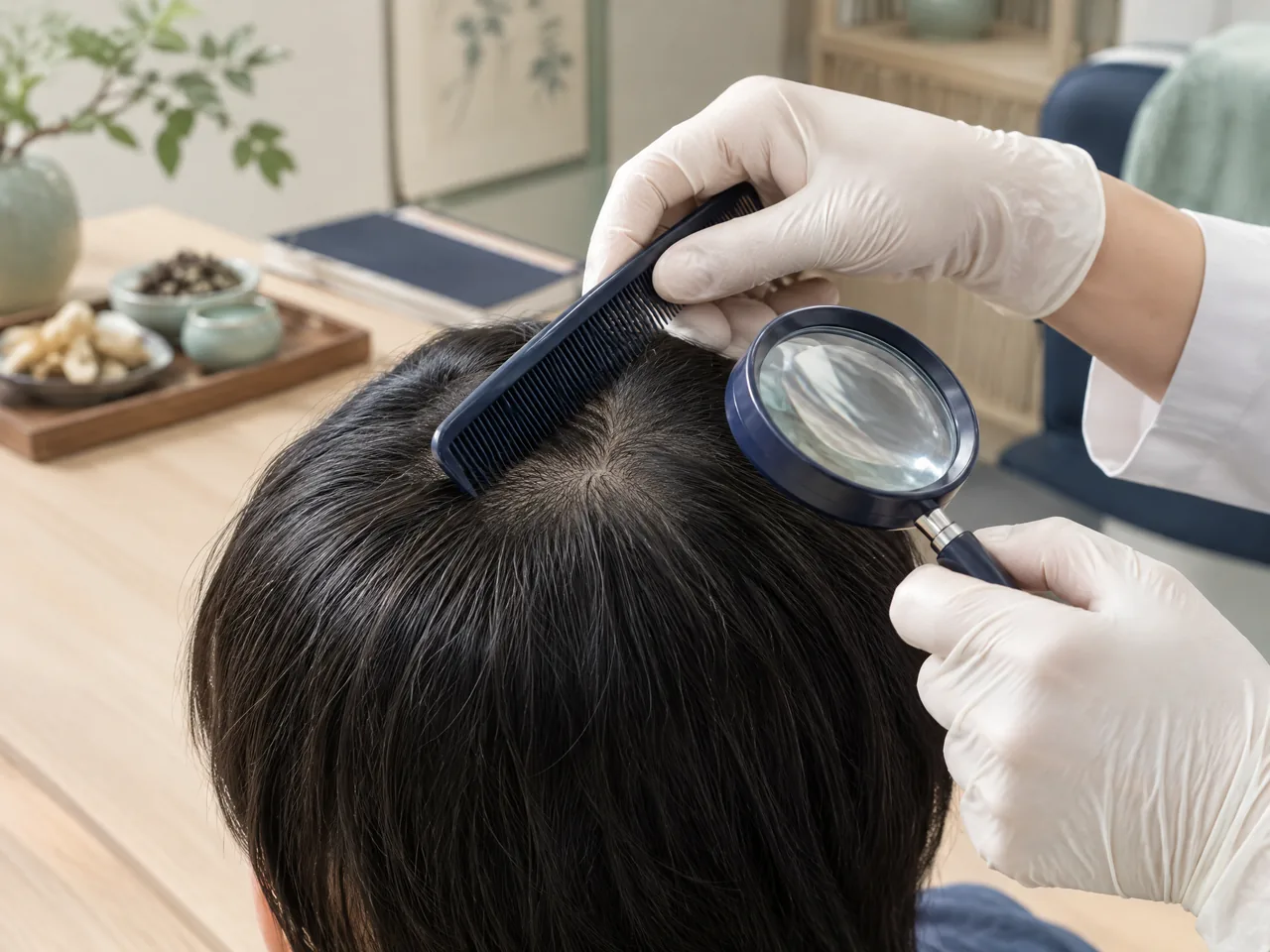
A scalp session for hair loss can leave a little redness, tenderness, tiny blood spots or mild bruising, especially when a plum blossom needle is used to tap the skin. Those effects may be short-lived, but they should not be treated as proof that treatment is working, nor should worsening symptoms be ignored. The practical priority is clean technique, a scalp that is suitable to treat, and calm aftercare. This page answers what to do after scalp acupuncture for hair loss, how to recognise a possible infection, and when to seek medical help rather than wait for the area to settle.
Appointments are confirmed through WhatsApp. If you have language requirements, please mention them in your enquiry.
The short answer
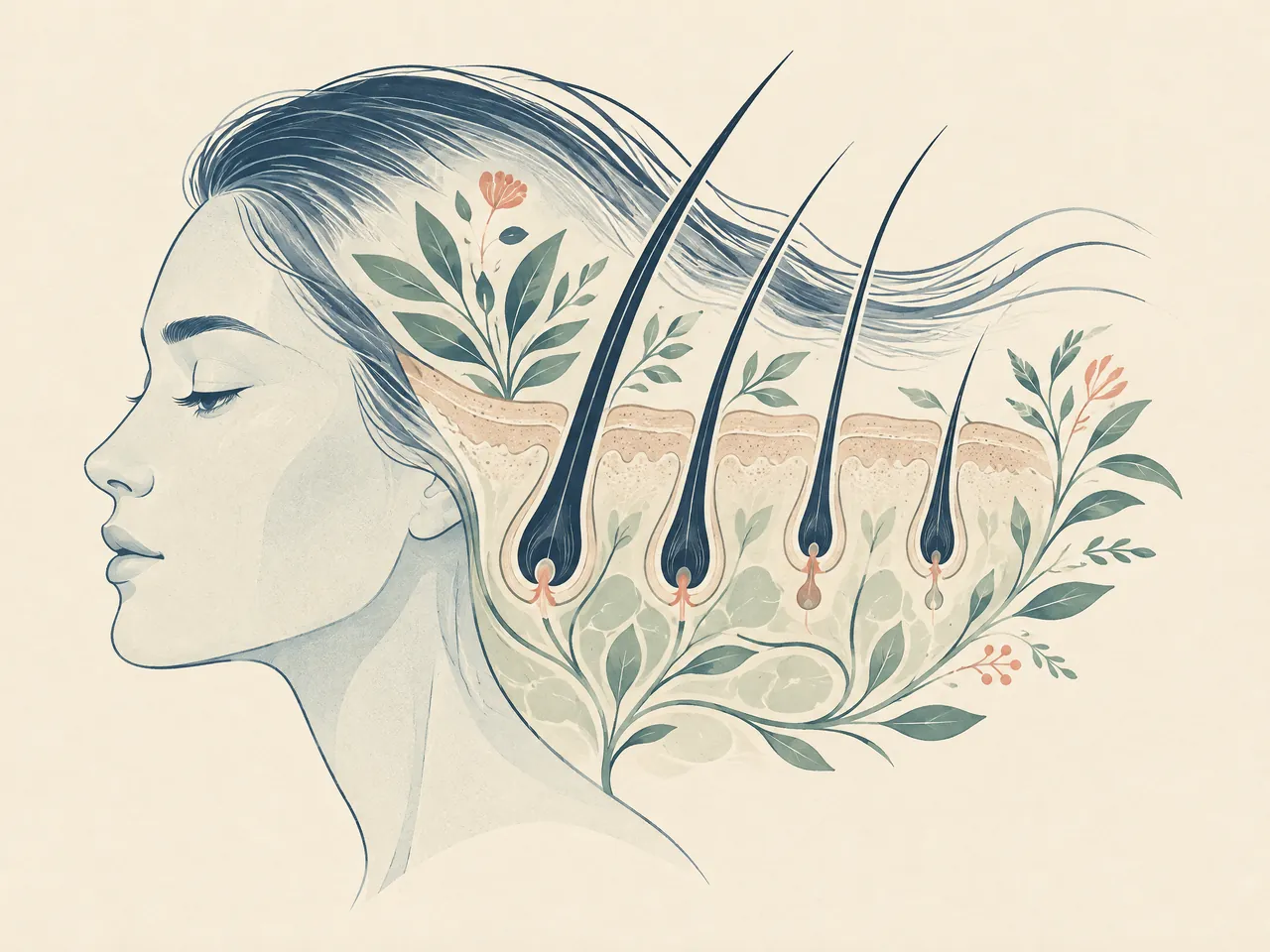
After scalp acupuncture or plum blossom needle treatment for hair loss, follow the practitioner’s individual instructions, keep the treated area clean, avoid touching it with unwashed hands, and keep it away from dirty water until the skin has settled. Brief redness, soreness or pinpoint bleeding can occur. Increasing redness, heat, swelling, pain, pus, fever or feeling unwell are not routine aftercare concerns and need prompt medical assessment.
Transparent pricing
See the fees.
Choose your care.
Explore our complete official price list, including first-trial prices, regular prices, packages and branch-specific options.
Opening WhatsApp prepares an enquiry; it does not send a message, take payment or confirm an appointment. Suitability and individual arrangements are confirmed during consultation.
Hair and scalp
All prices in HKDScalp health and hair-loss management
Includes AI scalp analysis, deep scalp and follicle cleansing, and scalp oil-control care.
HK$380 (first trial)
Regular price: HK$680
- 6 sessions: HK$3,480 (HK$580 per session)
- 12 sessions: HK$5,760 (HK$480 per session)
- 20 sessions: HK$8,600 (HK$430 per session)
- 30 sessions: HK$11,400 (HK$380 per session)
Hair acupuncture and Chinese herbal medicine package
Includes scalp acupuncture and 3 days of Chinese herbal medicine that does not require decoction.
HK$580 (single session)
Registered Chinese Medicine Practitioner consultation
- 6 sessions: HK$3,180 (HK$530 per session)
- 12 sessions: HK$5,760 (HK$480 per session)
- 20 sessions: HK$8,600 (HK$430 per session)
- 30 sessions: HK$11,400 (HK$380 per session)
Combined hair and scalp treatment
Combines acupuncture and Chinese herbal medicine with salon-level scalp and follicle care. Packages include complimentary hair-care shampoo and serum.
HK$1,260 (single session)
Combined treatment
- 8 sessions: HK$8,640 (HK$1,080 per session)
- 16 sessions: HK$15,680 (HK$980 per session)
- 20 sessions: HK$18,600 (HK$930 per session)
- 30 sessions: HK$26,400 (HK$880 per session)
Weight management
All prices in HKDFull-body acupoint embedding for weight management
Includes full-body acupoint embedding. Packages include complimentary Chinese herbal medicine for weight management, with the number of included days scaled to the package. Embedding material and the individual treatment arrangement are confirmed during consultation; this is not a cosmetic thread lift.
HK$980 (single session)
No trial session
- 10 sessions: HK$7,800 (HK$780 per session)
- 20 sessions: HK$14,600 (HK$730 per session)
- 30 sessions: HK$20,400 (HK$680 per session)
Facial acupuncture
All prices in HKDFacial acupuncture (basic)
Includes facial acupuncture and meridian-based facial care, including care for facial puffiness.
HK$480 (first trial)
Regular price: HK$680
- 10 sessions: HK$5,200 (HK$520 per session)
- 20 sessions: HK$9,600 (HK$480 per session)
- 30 sessions: HK$13,500 (HK$450 per session)
Facial acupuncture (advanced)
Includes enhanced facial acupuncture with a specially formulated moisturising mask and serum.
HK$780 (first trial)
Regular price: HK$1,180
- 10 sessions: HK$9,000 (HK$900 per session)
- 20 sessions: HK$16,600 (HK$830 per session)
- 30 sessions: HK$23,400 (HK$780 per session)
Pain care
All prices in HKDExtracorporeal shockwave treatment
Shockwave treatment for deep-tissue and fascial care. The Kwun Tong clinic offers the multi-area options shown below.
Priced by branch
Branch-specific pricing
Prince Edward: HK$250 per area
Kwun Tong: HK$250 for 1 area / HK$450 for 2 areas / HK$600 for 3 areas
Pain care (manual therapy)
Includes Chinese medicine musculoskeletal assessment, manual joint techniques and tui na.
HK$580 (single session)
Chinese medicine musculoskeletal assessment
Pain care (acupuncture and manual therapy)
Combines acupuncture and manual therapy.
HK$680 (single session)
Combined care
Chinese medicine
All prices in HKDAcupuncture and Chinese herbal medicine package
Includes a Chinese medicine consultation with pulse assessment, body acupuncture and 3 days of Chinese herbal granules that do not require decoction.
HK$580 (single session)
Chinese medicine consultation with pulse assessment
scalp acupuncture infection risk: What should I do after scalp acupuncture for hair loss? What are the side effects of plum blossom needle for hair loss? — A quick safety overview
The useful first question is not simply whether a treatment is ‘natural’, but whether the scalp is intact and whether the session is being carried out with appropriate hygiene. Acupuncture is not automatically free of risk. The U.S. National Center for Complementary and Integrative Health notes that complications have occurred with nonsterile needles or improper delivery, and that acupuncture needles regulated in the United States must be sterile and labelled for single use [1]. A person considering scalp work can reasonably ask how single-use sterile needles are handled, what is touched during the session, and what personal aftercare applies to their scalp.
Plum blossom needle, also called a dermal hammer or seven-star needle, refers to a multi-tip tapping method rather than one standard intensity or protocol. Light tapping on healthy skin and more forceful tapping that produces bleeding do not create the same aftercare questions. The scalp may also be affected by dandruff, eczema, folliculitis, a recent chemical treatment, sunburn or scratching. Mention those details before a session. If you are weighing related approaches, our guide to hair loss acupuncture risks may help you prepare specific questions for a consultation.
Hair loss itself deserves a separate assessment. Pattern thinning, recent shedding after illness or weight change, an itchy scalp, and sharply defined bald patches can point to different possibilities. The NHS advises seeking an idea of the cause before going to a commercial hair clinic, noting that hair loss may have familial, temporary and medical causes [2]. A scalp procedure should not delay evaluation of sudden changes, pain, scaling or an unexplained patch of hair loss.

scalp acupuncture infection risk: What should I do after scalp acupuncture for hair loss? What are the side effects of plum blossom needle for hair loss? — What is usually expected
A limited, local response can be understandable after the skin has been tapped or needled. You may notice transient redness, a warm feeling, mild stinging, sensitivity when brushing your hair, tiny blood points or a small bruise. These are local skin responses, not a measure of hair growth and not a reason to repeat treatment early. Their appearance and duration can vary with the depth and force used, scalp sensitivity, medicines and how easily a person bruises.
Look at the overall trend rather than judging one mark in isolation. A small spot that is becoming less sore and less red is different from redness expanding beyond the original area. Do not pick a scab or test the area by repeatedly pressing it. If there is any doubt about what you see, take a clear photograph for your own record and contact the treating practitioner or a clinician for advice; do not attempt to disinfect a suspected infection with harsh products on an already irritated scalp.
scalp acupuncture infection risk: What should I do after scalp acupuncture for hair loss? What are the side effects of plum blossom needle for hair loss? — Why individual assessment matters
Before any scalp-tapping treatment, a Registered Chinese Medicine Practitioner should ask about open areas, active rash, suspected scalp infection, allergies to topical products, diabetes or immune problems, tendency to bruise, bleeding disorders and medicines that affect bleeding. This conversation is not a formality. It helps decide whether the potential skin injury is unsuitable that day and whether another clinician should evaluate the scalp first.
Postpone rather than push through a session when the scalp has an open cut, weeping eczema, severe irritation, unexplained crusting or an active painful eruption. Tapping compromised skin can make it harder to judge the original condition and can worsen discomfort. Pregnancy, serious illness, a history of unusual bleeding, anticoagulant or antiplatelet medicines, and previous fainting with needles also need an individual discussion. Do not stop prescribed medication in order to have a cosmetic or hair-focused procedure.
Compare your options
| What you notice | A cautious response | When to escalate |
|---|---|---|
| Small, local redness or brief tenderness | Avoid rubbing and observe whether it is easing; follow the individual washing advice you received. | Contact the practitioner or a clinician if redness spreads, heat or pain increases, or the area does not settle as advised. |
| Tiny blood spot or mild bruise | Use only clean aftercare advised for the session; do not pick, scrub or apply a new irritant. | Seek advice for persistent bleeding, an unusually painful or large bruise, or bleeding while taking medicines that affect clotting. |
| Itch or irritation | Keep nails and hands clean, avoid scratching, and pause new hair products that might confuse the picture. | Seek assessment for a worsening rash, weeping skin, pain, crusting or suspected allergy. |
| Pus, unpleasant smell, spreading warmth or swelling, fever or feeling unwell | Do not regard this as ordinary recovery or try to treat it with leftover medicines. | Obtain prompt medical care; seek urgent care if symptoms are severe or rapidly worsening. |
| New sudden patch of hair loss | Avoid self-diagnosing from photos and arrange an appropriate assessment of the hair and scalp. | Seek medical advice, especially if it is painful, inflamed, scaly or accompanied by other symptoms. |
On smaller screens, scroll the table sideways to compare all columns.
scalp acupuncture infection risk: What should I do after scalp acupuncture for hair loss? What are the side effects of plum blossom needle for hair loss? — Common reactions and precautions
The difference between a common local reaction and a warning sign is often its pattern. Mild tenderness should remain local and begin to ease. A concerning problem tends to become more painful, redder, hotter, swollen or draining. MedlinePlus describes red, painful or hot skin, pus drainage, fever and feeling unwell as signs seen with wound infection [3]. Those findings are not a diagnosis of a scalp infection, but they are good reasons not to assume an irritated treatment site will simply resolve on its own.
Infection risk is reduced before aftercare begins. A sensible treatment setting uses suitable sterile, single-use equipment for procedures that penetrate skin and observes clean handling. The practitioner should be able to explain what will be used and should screen the scalp rather than tapping through an obvious lesion. You can help by arriving with a scalp that is free from nonessential oils, powders or camouflage products, and by reporting a new rash, fever or recent skin infection before the appointment.

After treatment, a conservative approach protects the area from friction and contamination. Avoid rubbing it with towels, sharing combs or headwear, using unclean hair tools, scratching flakes loose, or applying a new fragranced tonic to sensitive spots. Do not assume every salon or gym routine is suitable immediately after a procedure. Ask the practitioner for individual timing for shampooing, swimming, sauna use, head massage, hair colouring and intensive exercise, because the extent of skin contact and the person’s scalp condition differ.
scalp acupuncture infection risk: What should I do after scalp acupuncture for hair loss? What are the side effects of plum blossom needle for hair loss? — Redness, tenderness and pinpoint bleeding
Redness and tenderness have many ordinary explanations: pressure from the tapping, temporary local blood flow changes, sensitive skin or friction from a helmet or hairbrush. Pinpoint bleeding can also happen when a surface vessel is disrupted. Keep the response in perspective. Neither a red patch nor a dot of blood confirms infection, and neither demonstrates that follicles have been stimulated. The relevant question is whether the area is settling without new symptoms.
If there is minor bleeding, use only the clean approach taught by the practitioner rather than rubbing the site or applying improvised home mixtures. Persistent bleeding, a bruise that is unusually large or painful, or repeated bleeding warrants professional advice, especially for people with a bleeding condition or medicines that affect clotting. Tell the clinician exactly what was done and when; that detail is more helpful than describing the mark only as a ‘needle reaction’.
scalp acupuncture infection risk: What should I do after scalp acupuncture for hair loss? What are the side effects of plum blossom needle for hair loss? — Who should pause and seek advice
Pause treatment and contact the treating practitioner promptly if redness is spreading, swelling is increasing, the skin feels increasingly hot, pain is escalating, or there is discharge, an unpleasant smell or a new rash. Fever, chills or feeling generally unwell should be treated as reasons for medical assessment rather than a routine post-treatment effect. If symptoms are severe or rapidly worsening, seek urgent medical care. Do not cover the problem with hair dye, scalp concealer or a tight hat while waiting.
People with an active scalp infection, open wound, severe eczema flare or unexplained sore should wait until they have been assessed and the scalp is appropriate to treat. Those taking blood-thinning medicines, those with a diagnosed bleeding disorder, and people who have been told they have impaired immune function should obtain personalised clinical advice before a procedure that could break the skin. The same caution applies when diabetes is poorly controlled or healing has been difficult in the past.
scalp acupuncture infection risk: What should I do after scalp acupuncture for hair loss? What are the side effects of plum blossom needle for hair loss? — Aftercare and warning signs
Good aftercare is deliberately uncomplicated: protect the area, keep hands and anything that contacts the scalp clean, and follow the clinician’s specific instructions. ‘Keep dry’ is sometimes used as a general phrase, but the exact time before washing should come from the person who performed the procedure because treatment depth, bleeding and your skin condition differ. Until then, avoid dirty water, communal pools and unnecessary hair products. If accidental contact happens, do not panic or scour the area; ask for individual advice.
It is useful to plan around everyday Hong Kong routines. A humid commute, a motorcycle helmet, a hard workout, a shared office headset, salon products and swimming can all increase friction or bring a recently treated scalp into contact with sweat, fabric or water. Choose loose, clean headwear if needed and postpone an avoidable scalp treatment or chemical service. This is not about avoiding life; it is about giving irritated skin the least complicated environment in which to settle.
If you want to discuss whether scalp work is appropriate after a hair and health history, you can enquire with a Kwun Tong Chinese medicine clinic or a Chinese medicine clinic Prince Edward. State any scalp symptoms, medicines and language needs when you message. An appointment can then be arranged as appropriate; it should not be treated as a promise that a particular technique or hair outcome will suit everyone.
scalp acupuncture infection risk: What should I do after scalp acupuncture for hair loss? What are the side effects of plum blossom needle for hair loss? — Keeping the scalp clean and dry
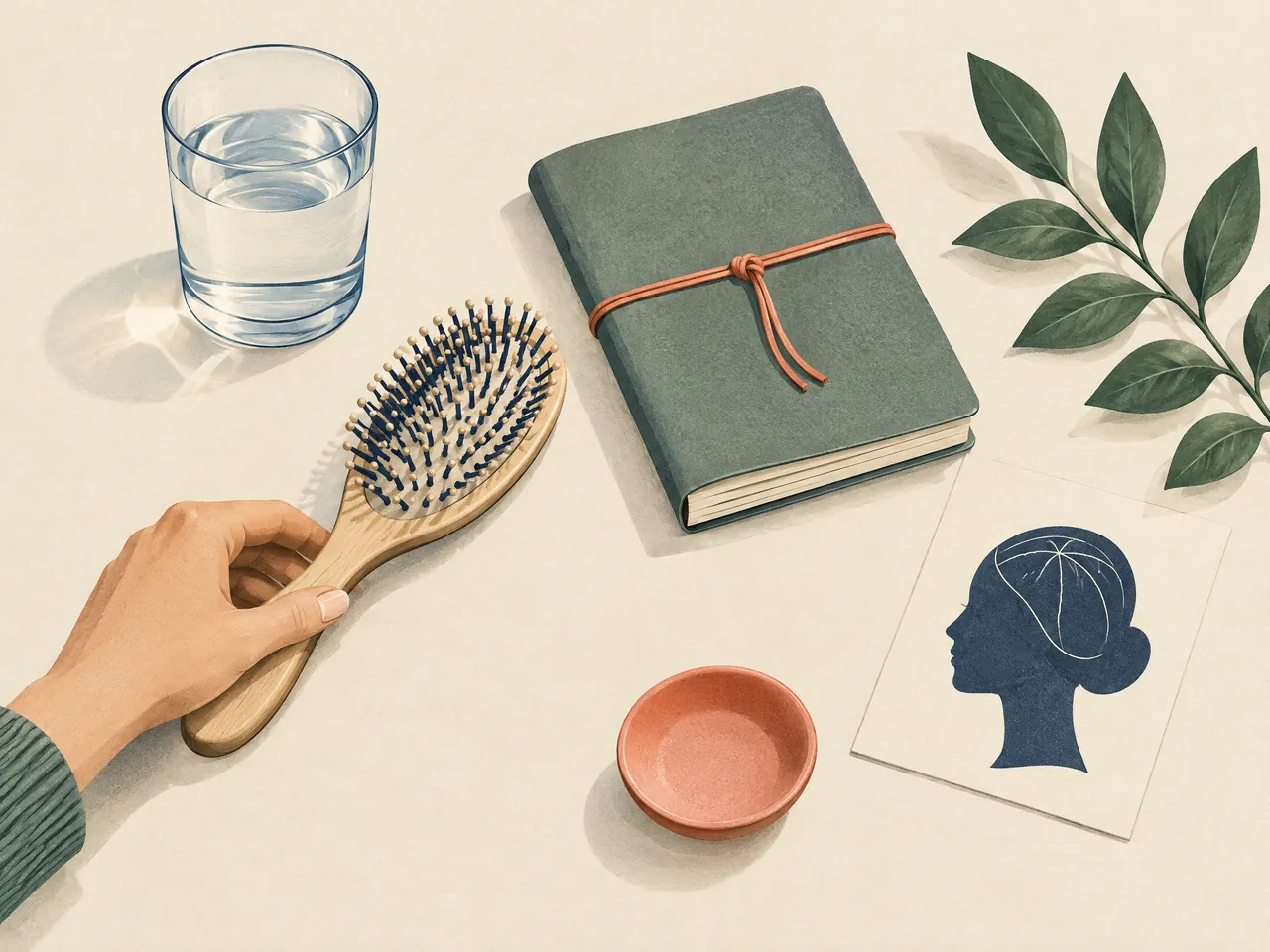
Before leaving, confirm exactly what your practitioner wants you to do if you see a small blood spot, when to wash your hair, and whether they recommend avoiding swimming or gym activity. Write the answer down if you are likely to forget. Use your own clean towel, pillowcase, comb and hat. Avoid sharing these items while any treatment point is still tender or broken. This lowers unnecessary contact without turning normal aftercare into a complicated routine.
When you are cleared to wash, use clean hands and a gentle approach. Do not scratch with fingernails or use a rough brush to remove scale. Pat rather than vigorously rub the scalp dry. Delay trying a new shampoo, herbal rinse, essential oil or styling product until the skin has settled, because a contact reaction may look similar to a treatment reaction. If you develop itch, burning or a rash after a product, stop it and get advice rather than adding a second product to counteract it.

scalp acupuncture infection risk: What should I do after scalp acupuncture for hair loss? What are the side effects of plum blossom needle for hair loss? — When symptoms need prompt medical care
Seek prompt medical care for a rapidly spreading red area, increasing warmth or swelling, increasing pain, pus or other drainage, a foul smell, fever, chills, or feeling unwell. These symptoms can occur with skin and wound infections, and MedlinePlus advises contacting a medical professional when a wound has redness, pain, heat, pus, bad smell, fever or chills [3]. A clinician needs to examine the scalp to determine the cause and treatment; a web page cannot do that safely.
Tell the medical clinician that you recently had scalp acupuncture or plum blossom needle tapping, when it occurred, whether the skin bled, and what products or home care you have used. If possible, take a photograph in good light before applying anything further. Do not squeeze a lump, scrape crusting, share towels, or take leftover antibiotics. Bringing a clear timeline helps the clinician distinguish a reaction to treatment or a product from another scalp problem.
Care and health guide
Hair and scalp care information
This directory brings together services, reading, and visit information related to hair and scalp care, to help you prepare questions for a consultation.
For questions about hair or scalp care, noting the everyday concerns and service questions you want to discuss can help prepare a consultation; Chinese medicine for hair loss is a relevant service or reading entry point.
People may have different priorities, and acupuncture Hong Kong offers related information to help you understand options and prepare questions.

Your questions, answered
Frequently asked questions
Can scalp acupuncture or a plum blossom needle cause an infection?
Any treatment that penetrates or irritates skin can carry an infection risk if sterile practice, handling or aftercare is inadequate. NCCIH notes that nonsterile needles and improper delivery have caused complications, including infections [1]. Ask about the procedure and seek medical assessment for spreading redness, heat, worsening pain, discharge, fever or feeling unwell.
What should I avoid after scalp acupuncture for hair loss?
Avoid touching or scratching the treated area with unwashed hands, rubbing it with towels, swimming or exposing it to dirty water until the practitioner’s individual advice says it is appropriate. Delay new scalp products, vigorous massage and activities that cause substantial friction or sweating if they conflict with those instructions.
Are redness and tiny blood spots normal after plum blossom needle treatment?
Brief local redness, tenderness and tiny blood spots can occur after scalp tapping, but they are not a guarantee of benefit. Monitor the direction of change. Spreading redness, increased heat, swelling, escalating pain, pus or fever need medical advice rather than reassurance from an online list.
Who should postpone scalp tapping or acupuncture for hair loss?
Postpone when there is an open wound, active scalp infection, severe dermatitis flare, unexplained painful sore or damaged skin. People with a bleeding disorder, medicines that affect bleeding, impaired immune function, difficult wound healing, pregnancy or serious illness should discuss their situation individually before proceeding.
Should I investigate hair loss before trying a scalp treatment?
Yes. Hair loss has several possible causes, including familial pattern hair loss and temporary causes such as illness, stress, weight loss or iron deficiency [2]. A professional assessment helps identify the pattern and decide whether a scalp procedure, medical review or another approach is more appropriate.
Sources and further information
- [1] [1] National Center for Complementary and Integrative Health — Acupuncture: Effectiveness and Safety
Referenced for: Safety information on acupuncture, including complications from nonsterile needles or improper delivery and the U.S. single-use sterile needle requirement.
- [2] [2] NHS — Hair loss
Referenced for: General hair-loss causes, assessment advice and the limitation that no treatment is 100% effective.
- [3] [3] MedlinePlus — Surgical wound infection: treatment
Referenced for: General signs associated with wound infection, including redness, pain, heat, pus, fever and chills; not a diagnosis for a scalp treatment site.