

Prince Edward & Kwun Tong clinics · Home-visit enquiries elsewhere

TCM Lab

TCM Lab · Beauty & lifestyle / Everyday haircut design

Choose a cut your busiest workweek can support

Content updated

A low-maintenance workweek haircut should fit the morning when you are running late, not only the afternoon when someone else styles it. Measure the routine before choosing the shape.

Illustrative short-hair silhouette
Illustrative hair-lifestyle concept; not a client record or a Vit So portfolio photograph.

The short answer

Time a few ordinary mornings, separate drying from shaping, and list only the tools you actually use. Choose a cut whose unpolished version you can accept, preserve any essential tie-back length, and compare the salon finish with results after your normal wash routine. Low maintenance means manageable effort, not zero effort.

Vit So is an external hair and beauty website under the same ownership as TCM Lab. Its beauty services are separate from Chinese medicine care. This section is for beauty and lifestyle education, not diagnosis or treatment.

1. Count the minutes your workweek really allows

For three ordinary workdays, note when hair preparation starts and when you stop touching it. Record hands-on work separately from time spent waiting for it to dry. Eight minutes with a dryer is a different commitment from eight minutes of drying while you eat breakfast. Include fetching equipment, clearing the bathroom and correcting the front after putting on your glasses. These small tasks belong in the budget too.

Label each day as a wash morning, an overnight reset or a simple tidy-up. Otherwise, one unusually easy day can disguise a demanding wash routine. If you wash in the evening, count that work rather than calling the next morning effortless. Keep washing responsive to your needs: the American Academy of Dermatology advises basing frequency on how dirty or oily your hair gets, not on preserving a hairstyle indefinitely. [1]

Build the brief around your shortest dependable preparation window. For example, you might allow drying but not another round of brush shaping before an early train. When considering a haircut for a busy lifestyle, use your audit to identify the single task you want to remove. Reducing fringe corrections can matter more than taking extra length off the back; those are different design goals. [4]

2. Budget for tools, skill and clean-up—not just styling time

Put the equipment you used during the audit on one side of the counter. Leave aspirational purchases on the other. Owning a round brush does not mean you can comfortably coordinate it with a dryer behind your head. List repeatable actions instead: changing the parting, drying with your fingers, applying one familiar product or arranging a loose clip. A proposed routine should fit this active list.

Count effort as well as minutes. Repeated sectioning, a tired arm and washing product from your hands may make a supposedly quick finish impractical. If a reference needs root lift, inward-curved ends and a separately shaped fringe, ask which of those details remain when you omit the brush. Choose the detail you most value rather than accepting three new daily tasks as a package.

Do not compensate for an overcomplicated routine by increasing heat. The AAD recommends limiting heated styling and using the lowest heat setting in its damage-prevention guidance. [2] Its general care advice also recommends gently absorbing moisture rather than rubbing vigorously with a towel. [1] These are handling principles, not guarantees about a cut. If gentler drying exceeds your available window, reconsider the finish or timing instead of chasing salon smoothness at any cost.

3. Compare the everyday outline with the blow-dried finish

Judge an air-drying-friendly shape by the variation you are prepared to wear. A soft outline can accommodate some uneven bends if you like that appearance. A sharply rounded bob may disappoint if every end must turn inward, while a fringe can become the main morning task even when the rest is easy. These are design trade-offs, not rules that a named haircut will behave identically on everyone.

Retaining length offers gathering options but leaves more hair to wash and handle. Shortening it removes some length without necessarily removing direction-setting: a crown that sticks up can still need attention. Layers can change how the outline looks, yet shorter pieces may escape a tie or need separate arranging. Compare where the cut stops against your collar and shoulders, using your own normally dried hair rather than assuming layers always save time.

A wash cut and blow dry can include a finished presentation that is useful to see, but it is not a rehearsal of your weekday routine. [3] Ask which visible features come from the cutting and which were created with brush work or other finishing steps. Rounded ends, added lift or a carefully directed front should not silently become the minimum standard you expect after every home wash.

4. Test the cut against ties, collars and tomorrow morning

Demonstrate your fallback arrangement at its actual position: a low ponytail and a high bun need different reach. Check the shortest front pieces as well as the back. Hair that only reaches when pulled tightly is not a comfortable fallback. The AAD recommends loose rather than tightly pulled-back arrangements. [2] If keeping the face clear matters at work, decide whether a clip or ear tuck is acceptable before agreeing to shorter framing pieces.

Include the journey you make repeatedly. A backpack strap can trap longer ends; a jacket collar can push a shoulder-level outline outward; headwear can flatten a carefully lifted crown. Notice which issue actually happens to you. Keep necessary protective headwear and adapt the style around it. For a Hong Kong commute, judge your tolerance for changes after walking outdoors and entering air-conditioned transport, rather than treating the bathroom mirror as the final test.

Check your hair before touching it the morning after washing. Is one side flattened, does the parting split, or do clipped sections retain a bend? Name the reset you already perform and decide whether you will continue it. Evening washing can move work out of the morning, but it may introduce rearranging after sleep. Compare the combined effort across both days, not just the minutes immediately before departure.

5. Set the appointment scope, then test normal wash days

Decide whether the problem is excess length, an inconvenient outline or a finish you cannot reproduce. A tidy-up and a substantial shape change need different decisions about what stays. If you like the cut but struggle only with brush technique, discuss a simpler finishing method before removing more hair. Ask to see the proposed minimum routine demonstrated, including the back section you cannot easily watch.

For a haircut appointment, confirm the cutting and finishing scope, expected visit time and quotation rather than guessing from a service label. [5] Request explanation of the home routine as part of the discussion; do not assume a separate lesson is included. If seeing a less-styled finish matters, ask whether that can be accommodated before the final presentation. Availability and the agreed arrangement still require confirmation.

After your next couple of normal wash days, compare the result using your usual tools and products. Note hands-on minutes, repeated corrections and whether the comfortable fallback still works. Photograph a troublesome section before fixing it. If you need advice, describe the discrepancy precisely: 'The front falls into my glasses unless I use a brush' is more useful than 'It is not low maintenance.' This is a practical observation period, not a promised settling time or a salon correction policy.

TCM Lab presents this as cosmetic lifestyle education. Vit So is an external hair-beauty website under the same owner; its services are not Chinese medicine care.

Take it into everyday life

A practical checklist

  • Log three ordinary mornings, separating hands-on styling from drying time and noting any evening preparation.
  • Choose one task to reduce and one feature to preserve, such as comfortable tie-back length.
  • List the tools and product steps you will repeat without buying equipment or learning a complex new technique.
  • Bring an ordinary dry-hair photo and label any reference features that depend on a polished finish.
  • Test front-piece reach, glasses, collars and headwear before agreeing to the retained length.
  • Confirm appointment scope, timing and charge, then record results after your own normal wash routine.

Questions & answers

If I only have five minutes, should I cut my hair short?

Not automatically. Check what uses those minutes: drying long lengths, resetting a fringe or making the outline precise. Short hair may still need direction-setting and can remove your tie-back option. Choose the change that reduces your actual bottleneck.

Can I air-dry most of my hair and style only the front?

That can be a useful compromise if you accept the rest of the outline as it naturally dries. Define exactly which front pieces need attention and test whether one small task stays within your time budget. Do not choose a reference that also depends on shaping every end.

What should I do if my ponytail works but the new front pieces fall out?

Check whether you are comfortable using a clip or tucking those pieces behind your ears. If neither works for your day, describe that limitation when seeking advice. Pulling the ponytail tighter is not a good substitute for having enough retained length.

Does washing at night make a cut lower maintenance?

It can free morning time, but count evening drying and any next-day reset. A routine that shifts work may suit you even without reducing total effort. Compare an overnight day with a wash morning before changing your schedule.

How can I tell whether the cut or the salon finish is causing the mismatch?

Compare the same area after your normal wash and drying method. A lifted crown or curved end may have depended on finishing technique; hair that no longer reaches your tie reflects retained length. Share the specific observation and tools used rather than immediately requesting another overall cut.

Sources & further context

Numbered references follow the order in which the sources are listed below. Service websites provide beauty-service context, not medical evidence.

  1. [1] American Academy of Dermatology — Tips for healthy hair
  2. [2] American Academy of Dermatology — 10 hair care habits that can damage your hair
  3. [3] Vit So — Wash and Blow Dry: Choose Your Finish and Whether to Add a Cut
  4. [4] Vit So — Choosing a haircut for a busy lifestyle
  5. [5] Vit So — Book a Hair Appointment: Enquire Before You Visit

Turn your morning observations into a cutting brief

Arrange your notes in the order a cutting decision needs them: the function you must keep, the task you want to reduce, then the appearance you prefer. For example: 'I need a comfortable low tie for work. I want to stop reshaping the ends every morning. I can accept a softer outline, but not front pieces that fall into my glasses.' This gives a stylist a priority order when those wishes cannot all be met by the same change.

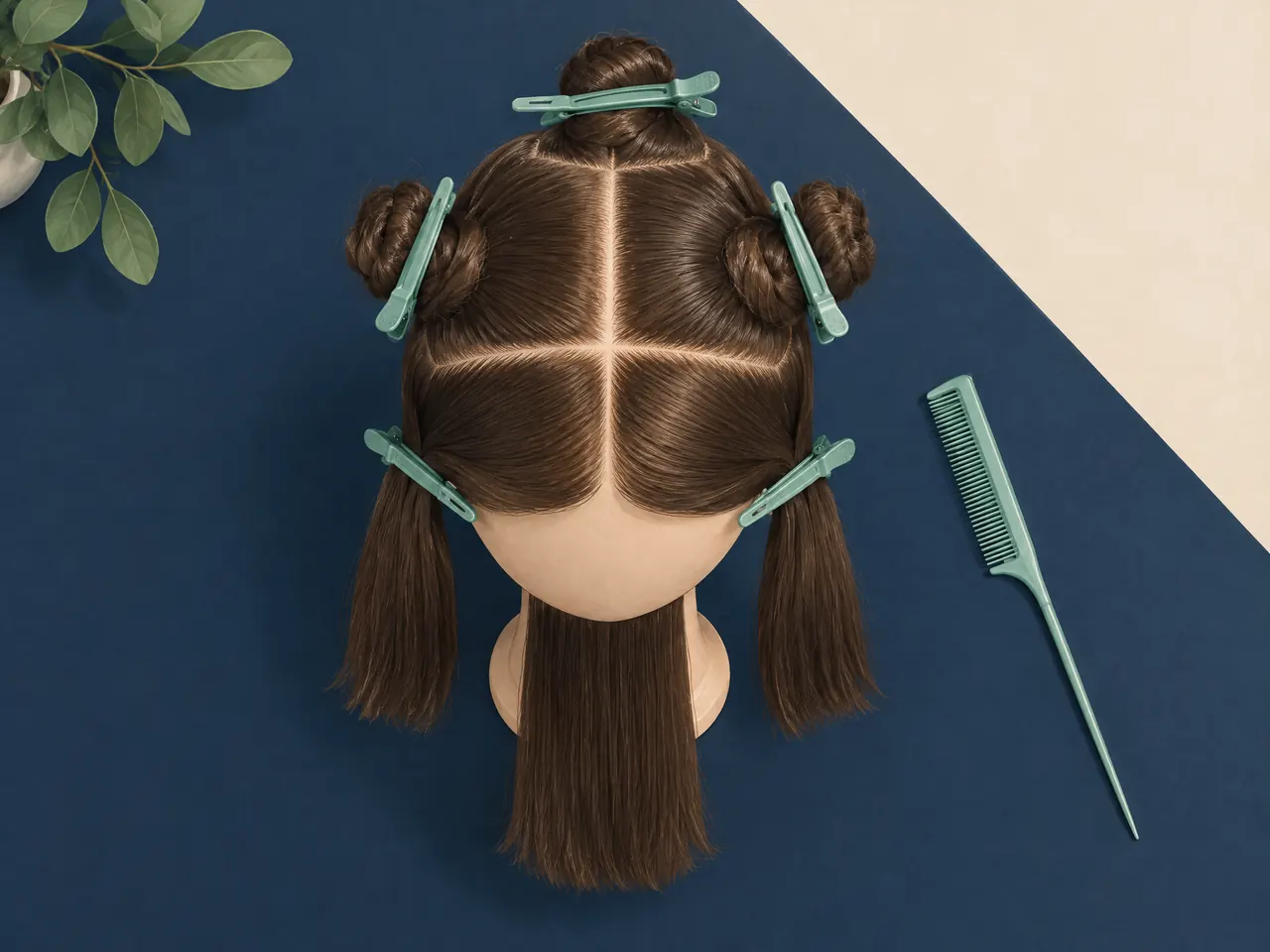
Ask which sections would change and which would retain their length. A shorter overall end line, shorter face-framing pieces and shorter crown layers are separate choices. Use your ordinary dry-hair photograph to locate each one before agreeing to cutting. If a suggestion solves the end-line problem but creates another task at the front, return to your priority order rather than judging the proposal only by its haircut name. Practice tresses and sectioning illustrations are discussion aids, not instructions to cut your own hair.
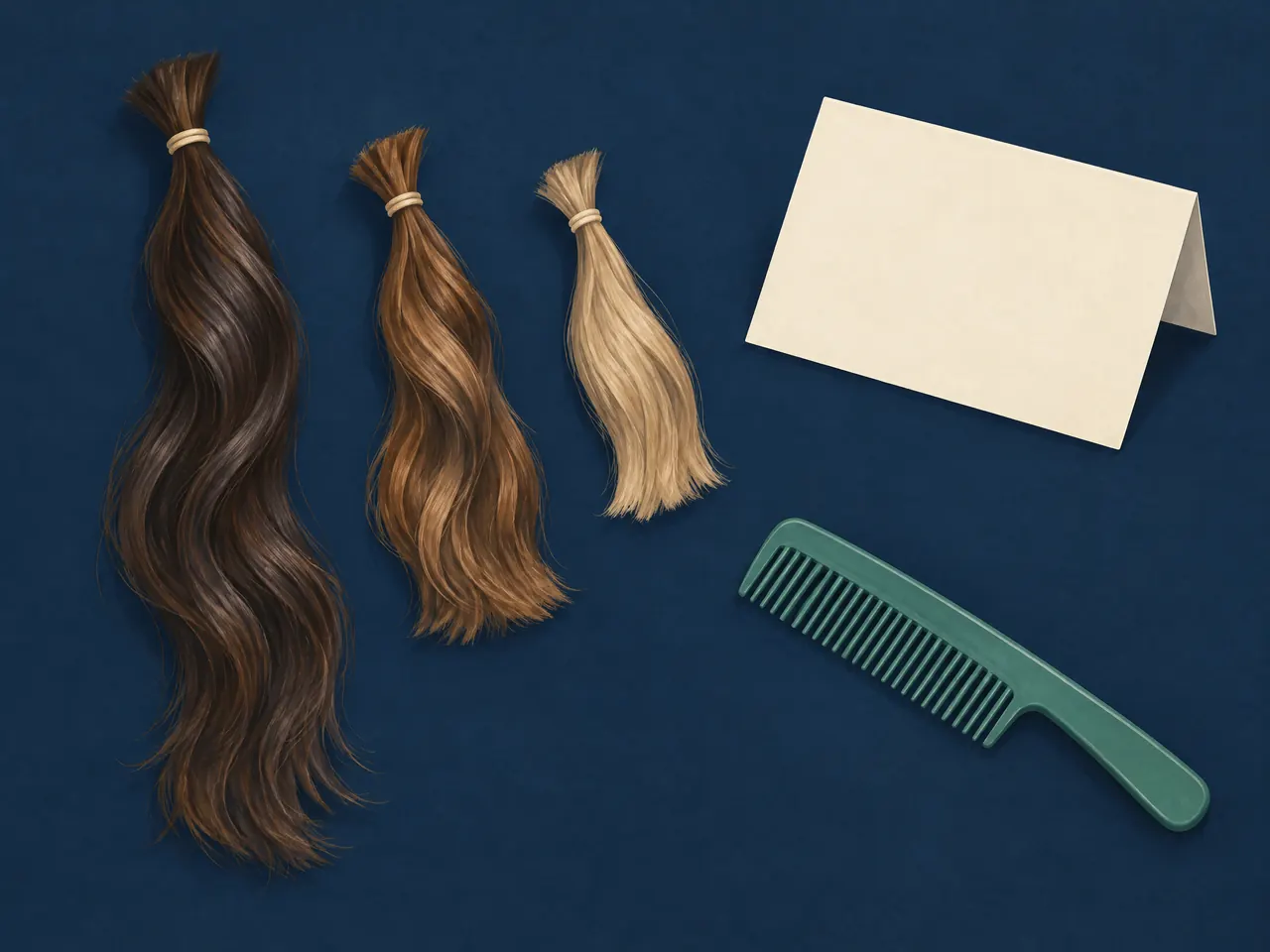
Three practice hair tresses of different lengths beside a blank consultation card and comb
Use separate length references to discuss what can shorten and what must still reach your workday tie.Generated illustrative image
Overhead view of a faceless practice mannequin with hair divided into sections held by jade clips
A sectioning study helps locate the proposed change; it does not depict a customer haircut or prescribe a cutting technique.Generated illustrative image

Give the front its own workday test

Before asking for a shorter fringe, describe its troublesome moment rather than only its length. Does it cover a lens when you look down, separate when you move the parting, or need arranging after you remove headwear? Show that movement while wearing your usual glasses. Then name the fallback you will actually use: leaving the front loose, an ear tuck or a comfortable clip. Ask how the proposed front pieces would work with that choice. If you dislike clips and will not shape the fringe each morning, make both limits clear before agreeing to a new front outline.
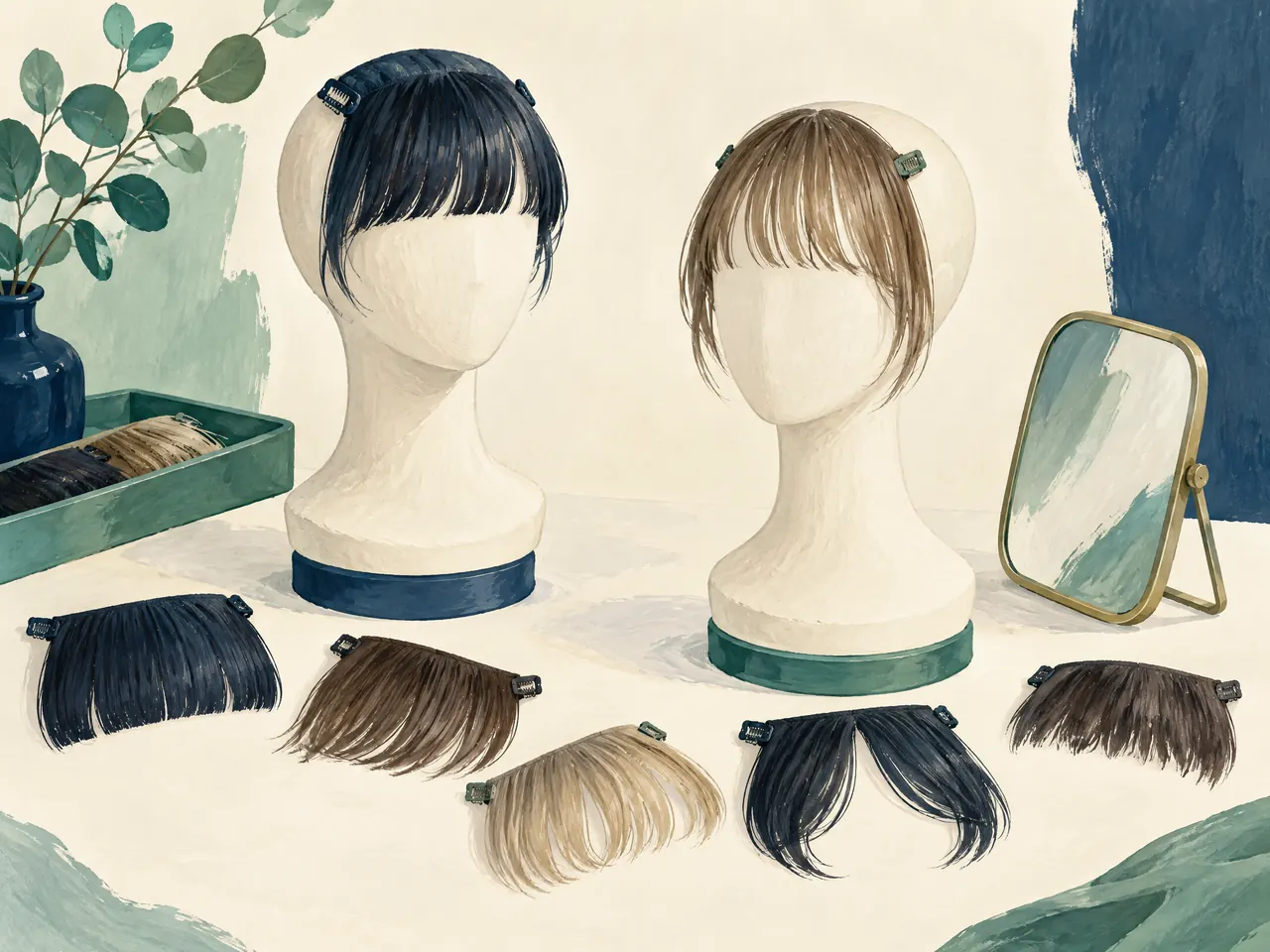
Two featureless mannequin forms with detachable practice fringe pieces and a small mirror
Compare front-piece choices against glasses, your usual parting and the fallback arrangement you are willing to wear.Generated illustrative image

Test one finishing step before accepting a new routine

Use the salon discussion to identify one optional step, not an entirely new set of equipment. Ask what the hair would look like without the round brush, or without separately shaping the ends. A nozzle, diffuser and brush are different objects; owning a dryer does not establish that the reference can be reproduced with the attachment and technique you already use. Confirm which tools the suggested minimum finish actually needs. [3]

At home, keep your usual care routine and compare one finishing change at a time. Record the result before correcting it, then note whether you would comfortably leave home that way. If omitting brush work saves effort but produces an outline you dislike, that is useful information rather than a failed test. Discuss whether the outline should change or whether that finishing step is worth keeping. Avoid changing the cut, product and drying method together when you are trying to identify the source of a mismatch.
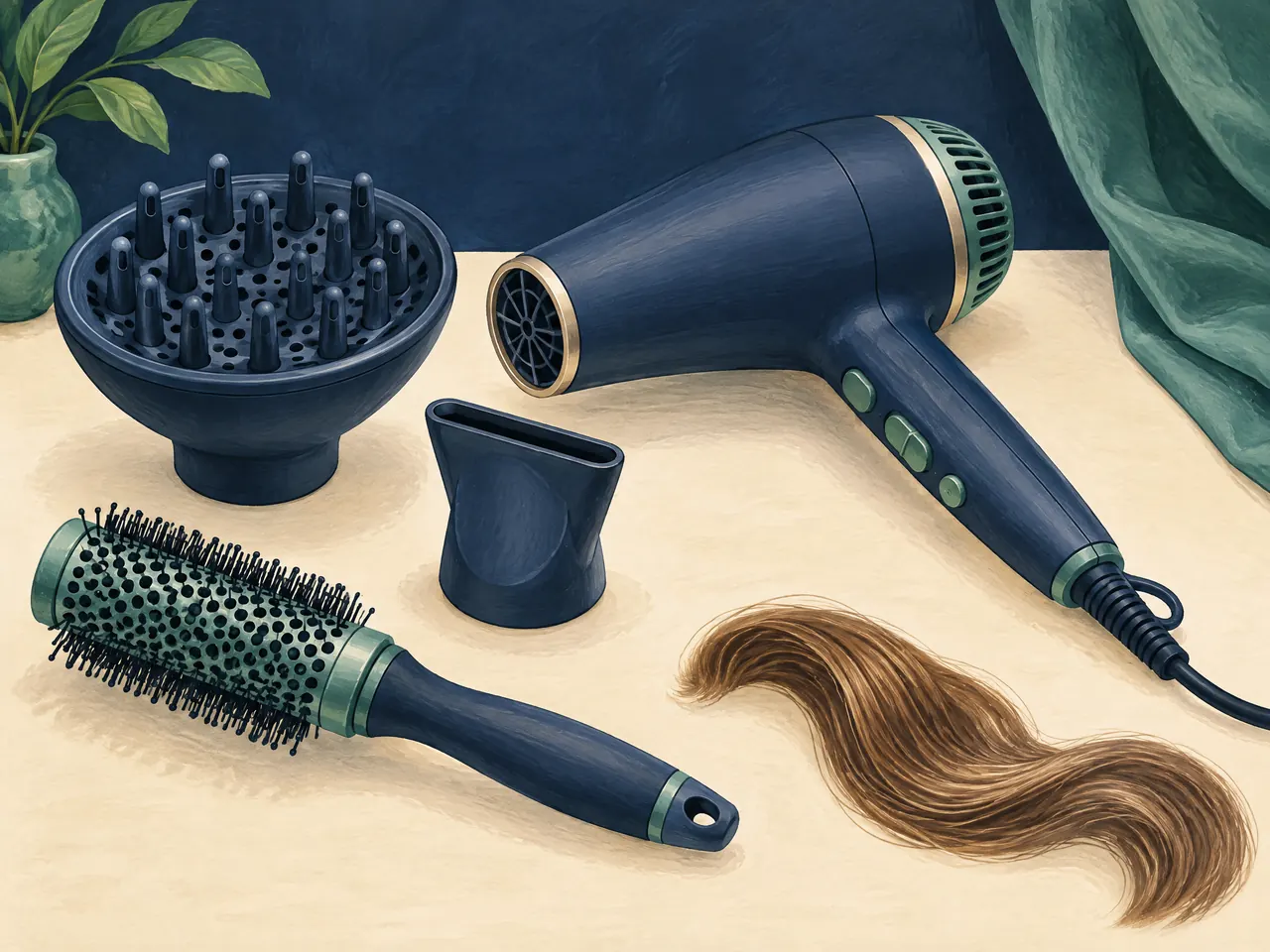
An unplugged unbranded hair dryer with a diffuser, nozzle, round brush and loose practice tress
Identify the attachment and brush work a suggested finish needs before treating it as your weekday routine.Generated illustrative image

Keep wash-day comparisons fair to your own hair

Label a comparison photo with when you washed, how you dried and any detangling or product change. A photograph after a familiar wash routine answers a different question from one taken after trying several new care steps. Keep the routine recognisable while assessing the cut; do not delay needed washing simply to preserve the salon finish. The AAD advises washing according to dirt or oil and choosing care suited to your hair type. [1]

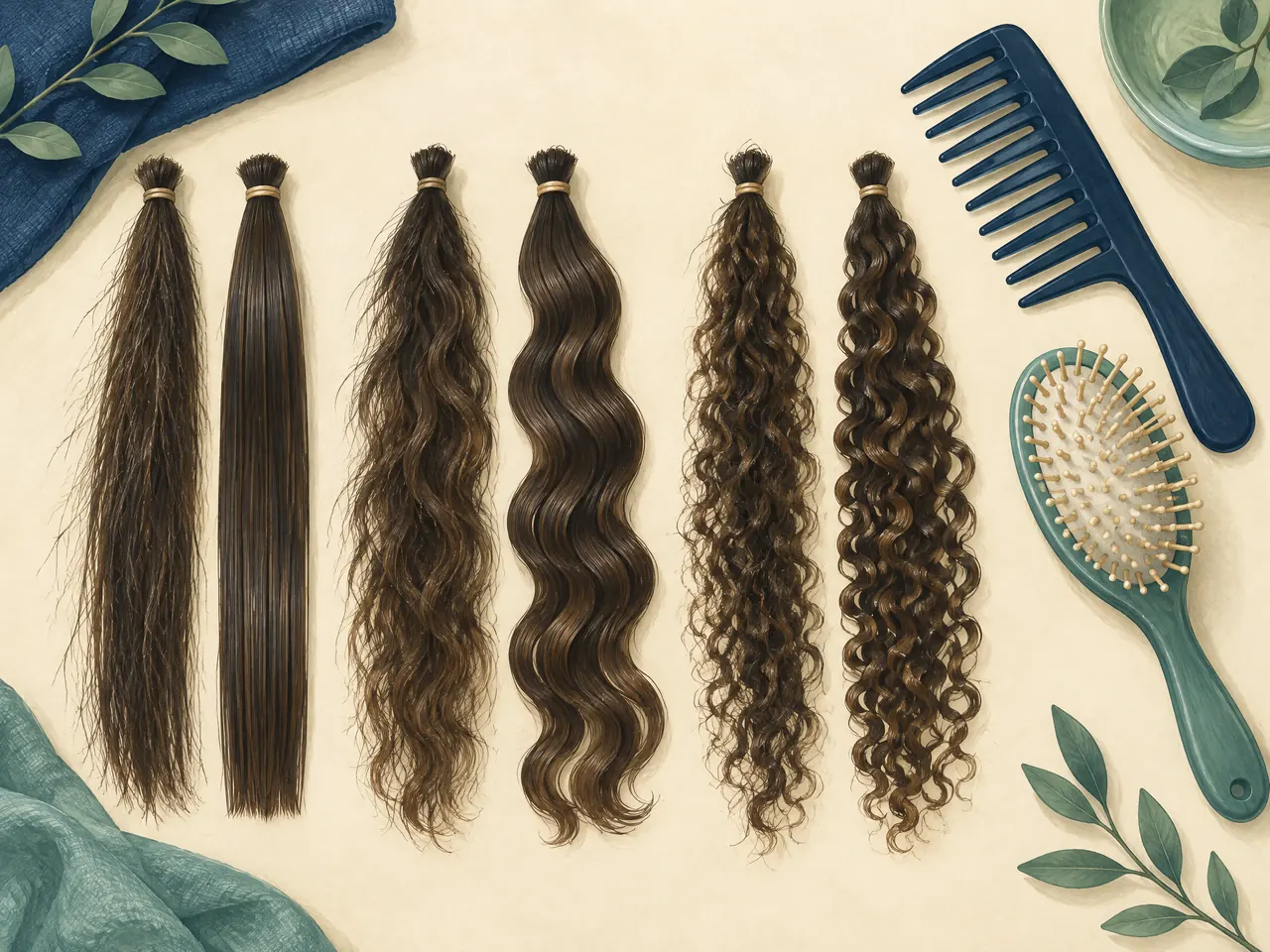
Include detangling in the preparation time rather than treating it as invisible work. The AAD recommends a wide-tooth comb for wet-hair detangling. Its guidance distinguishes thick, curly hair, which can be combed in the shower before rinsing conditioner, from straight hair, which should dry a little before combing. [1] Tell the stylist which handling routine you normally follow. The separate straight, wavy and curly practice tresses illustrate variation; they cannot predict your drying time or prove that a particular cut will be easier.
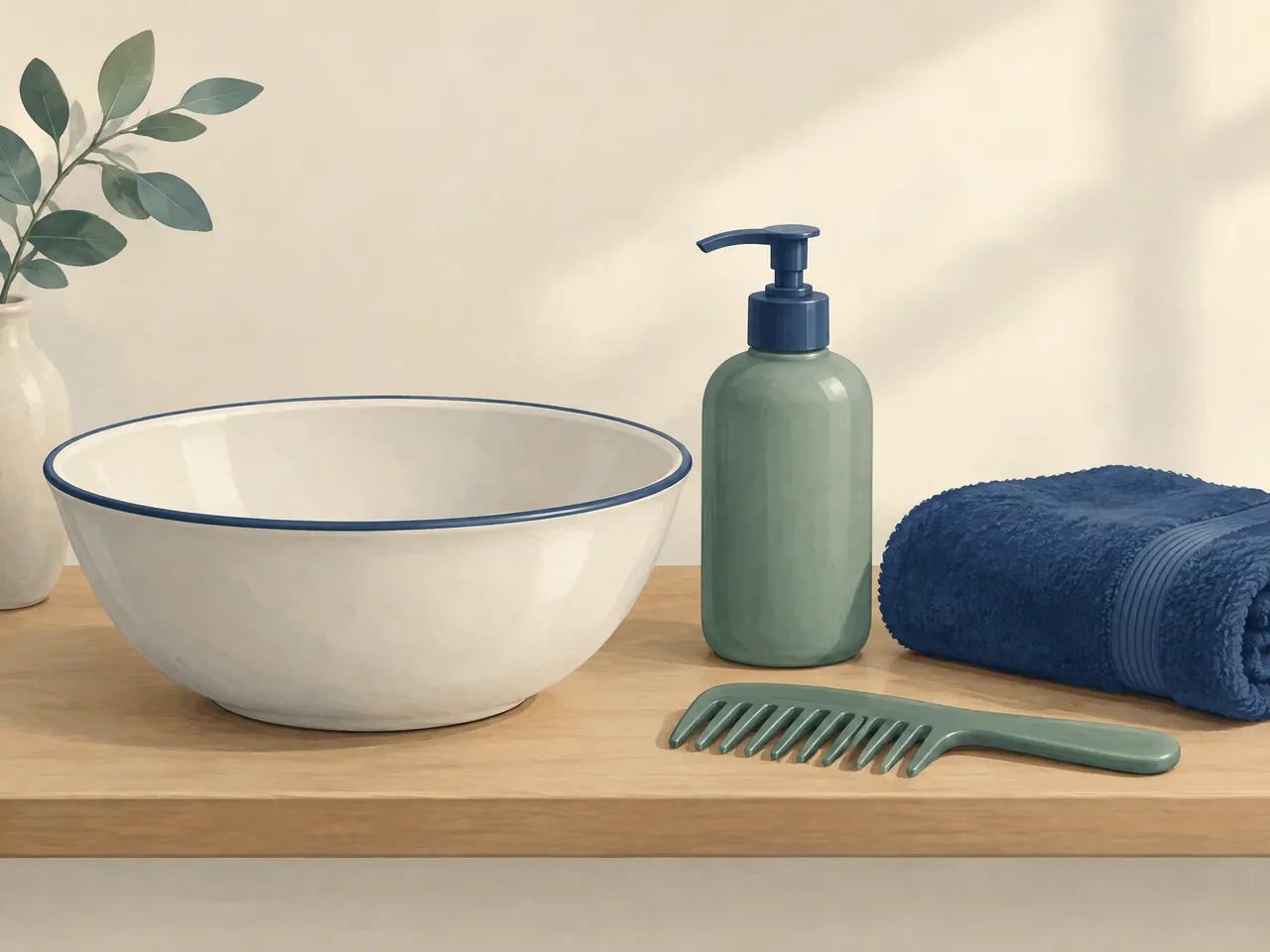
A plain wash basin, unbranded pump bottle, folded towel and wide-tooth comb on a cream shelf
Record your familiar washing and drying steps when comparing a haircut after normal wash days.Generated illustrative image
Separate straight, wavy and curly practice hair tresses beside a wide-tooth comb and soft brush
Different practice textures prompt questions about your own handling routine, not promises about a haircut's performance.Generated illustrative image

Clinic enquiries

Contact and appointment arrangements

Clinics
Prince Edward and Kwun Tong
Opening hours
11:00–21:00
WhatsApp and telephone
+852 6940 5663

Appointments, practitioner availability and service arrangements are confirmed via WhatsApp.

Please mention any consultation language needs in your WhatsApp enquiry so that arrangements can be confirmed.

Enquire via WhatsApp
Food, gifts and floral lifeWhatsApp enquiry