
TCM Lab · Health reading
musculoskeletal pain management: Understanding extracorporeal shockwave therapy (ESWT), Acupuncture and Tui Na
Published Updated
Musculoskeletal pain management starts by working out what is limiting you now. A sore shoulder after lifting, heel pain on first steps, or a stiff lower back after desk work can feel similar from day to day but have different triggers and safety considerations. Describe the exact area, onset, what aggravates or eases it, effects on sleep or work, and any injury or illness. Acupuncture, Tui Na and extracorporeal shockwave therapy (ESWT) can then be discussed in context. This guide explains the questions behind that conversation, what each approach involves and when another medical assessment should come first.
Appointments are confirmed through WhatsApp. If you have language requirements, please mention them in your enquiry.
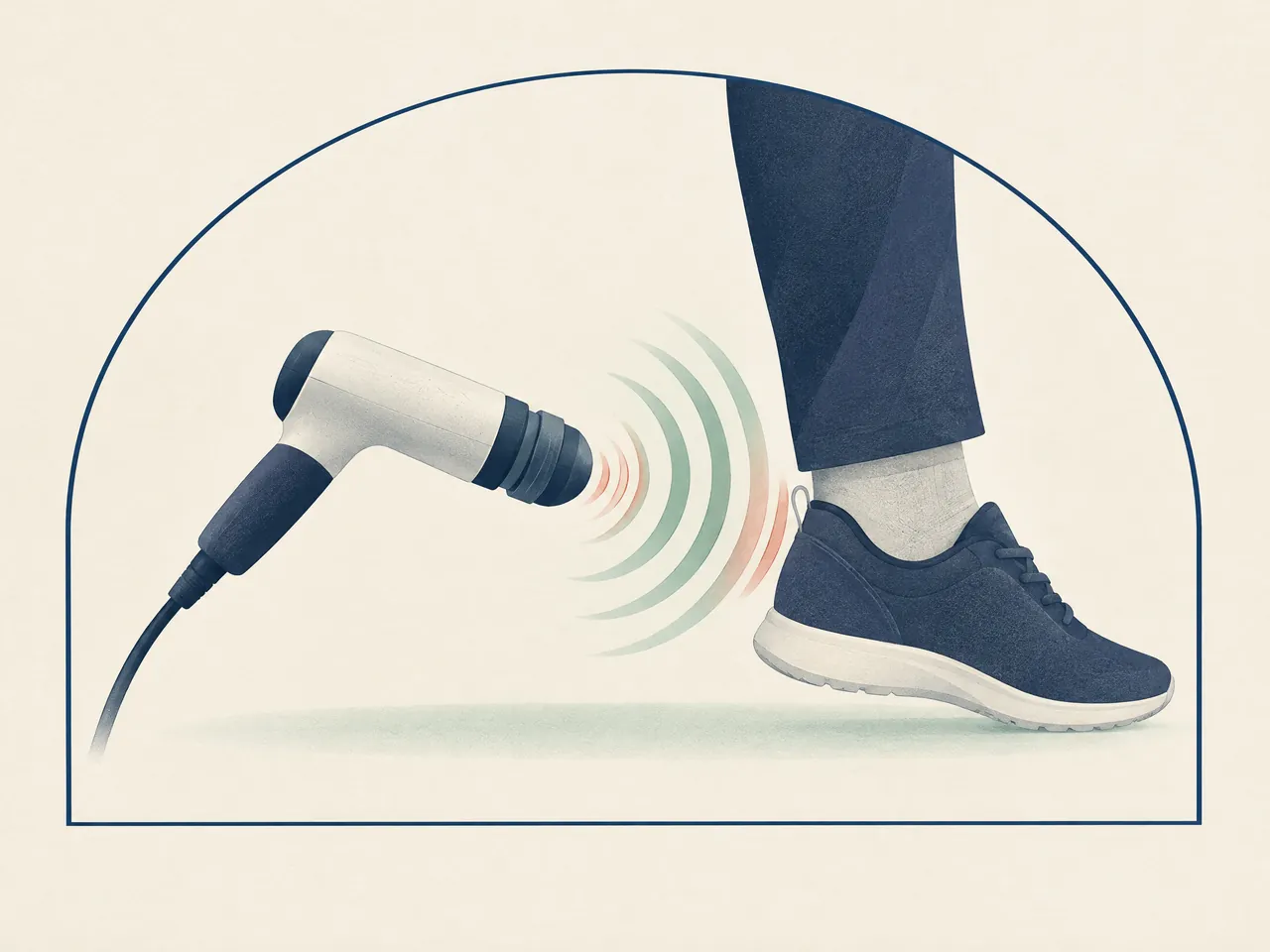
The short answer
Musculoskeletal pain management should start with an individual review of the painful area, symptom pattern, movement limits, medical history and warning signs. Acupuncture, Tui Na and extracorporeal shockwave therapy (ESWT) have different practical roles and are not interchangeable or suitable for every diagnosis. A practitioner can discuss whether an approach is reasonable, what self-care fits the situation and whether a medical referral or urgent assessment is more appropriate.
Transparent pricing
See the fees.
Choose your care.
Explore our complete official price list, including first-trial prices, regular prices, packages and branch-specific options.
Opening WhatsApp prepares an enquiry; it does not send a message, take payment or confirm an appointment. Suitability and individual arrangements are confirmed during consultation.
Pain care
All prices in HKDExtracorporeal shockwave treatment
Shockwave treatment for deep-tissue and fascial care. The Kwun Tong clinic offers the multi-area options shown below.
Priced by branch
Branch-specific pricing
Prince Edward: HK$250 per area
Kwun Tong: HK$250 for 1 area / HK$450 for 2 areas / HK$600 for 3 areas
Pain care (manual therapy)
Includes Chinese medicine musculoskeletal assessment, manual joint techniques and tui na.
HK$580 (single session)
Chinese medicine musculoskeletal assessment
Pain care (acupuncture and manual therapy)
Combines acupuncture and manual therapy.
HK$680 (single session)
Combined care
Hair and scalp
All prices in HKDScalp health and hair-loss management
Includes AI scalp analysis, deep scalp and follicle cleansing, and scalp oil-control care.
HK$380 (first trial)
Regular price: HK$680
- 6 sessions: HK$3,480 (HK$580 per session)
- 12 sessions: HK$5,760 (HK$480 per session)
- 20 sessions: HK$8,600 (HK$430 per session)
- 30 sessions: HK$11,400 (HK$380 per session)
Hair acupuncture and Chinese herbal medicine package
Includes scalp acupuncture and 3 days of Chinese herbal medicine that does not require decoction.
HK$580 (single session)
Registered Chinese Medicine Practitioner consultation
- 6 sessions: HK$3,180 (HK$530 per session)
- 12 sessions: HK$5,760 (HK$480 per session)
- 20 sessions: HK$8,600 (HK$430 per session)
- 30 sessions: HK$11,400 (HK$380 per session)
Combined hair and scalp treatment
Combines acupuncture and Chinese herbal medicine with salon-level scalp and follicle care. Packages include complimentary hair-care shampoo and serum.
HK$1,260 (single session)
Combined treatment
- 8 sessions: HK$8,640 (HK$1,080 per session)
- 16 sessions: HK$15,680 (HK$980 per session)
- 20 sessions: HK$18,600 (HK$930 per session)
- 30 sessions: HK$26,400 (HK$880 per session)
Weight management
All prices in HKDFull-body acupoint embedding for weight management
Includes full-body acupoint embedding. Packages include complimentary Chinese herbal medicine for weight management, with the number of included days scaled to the package. Embedding material and the individual treatment arrangement are confirmed during consultation; this is not a cosmetic thread lift.
HK$980 (single session)
No trial session
- 10 sessions: HK$7,800 (HK$780 per session)
- 20 sessions: HK$14,600 (HK$730 per session)
- 30 sessions: HK$20,400 (HK$680 per session)
Facial acupuncture
All prices in HKDFacial acupuncture (basic)
Includes facial acupuncture and meridian-based facial care, including care for facial puffiness.
HK$480 (first trial)
Regular price: HK$680
- 10 sessions: HK$5,200 (HK$520 per session)
- 20 sessions: HK$9,600 (HK$480 per session)
- 30 sessions: HK$13,500 (HK$450 per session)
Facial acupuncture (advanced)
Includes enhanced facial acupuncture with a specially formulated moisturising mask and serum.
HK$780 (first trial)
Regular price: HK$1,180
- 10 sessions: HK$9,000 (HK$900 per session)
- 20 sessions: HK$16,600 (HK$830 per session)
- 30 sessions: HK$23,400 (HK$780 per session)
Chinese medicine
All prices in HKDAcupuncture and Chinese herbal medicine package
Includes a Chinese medicine consultation with pulse assessment, body acupuncture and 3 days of Chinese herbal granules that do not require decoction.
HK$580 (single session)
Chinese medicine consultation with pulse assessment
musculoskeletal pain management and extracorporeal shockwave therapy (ESWT): Start with the Pain Assessment
Pain is information, but the location alone does not establish a diagnosis. The same outer-elbow ache may follow repetitive gripping, a new racquet routine or a fall. Knee pain may be linked to a gradual change in walking tolerance, a twist, swelling or a long-standing joint condition. The starting conversation should therefore map the symptom rather than label it immediately: exactly where it is felt, whether it spreads, whether it is sharp, aching, burning or stiff, and whether it changes with stairs, sitting, grip, sleep or the first steps of the day. A clear pain assessment also makes room for current medicines, previous operations, long-term conditions and treatments already tried. These details can alter both the likely next step and the safety of hands-on care, needles or a device-based option.
Function gives the symptom practical meaning. Someone may rate pain as manageable but still be unable to turn their head while driving, carry a child, open jars, kneel for work or return to sport. Name one or two activities that are difficult and what happens after them: immediate pain, next-morning stiffness, swelling, altered gait or fear of moving. This gives a baseline without predicting results. It also avoids assuming imaging is always first. For low back pain with or without sciatica, NICE advises against routine imaging in a non-specialist setting and says specialist imaging should be considered only if likely to change management [1].
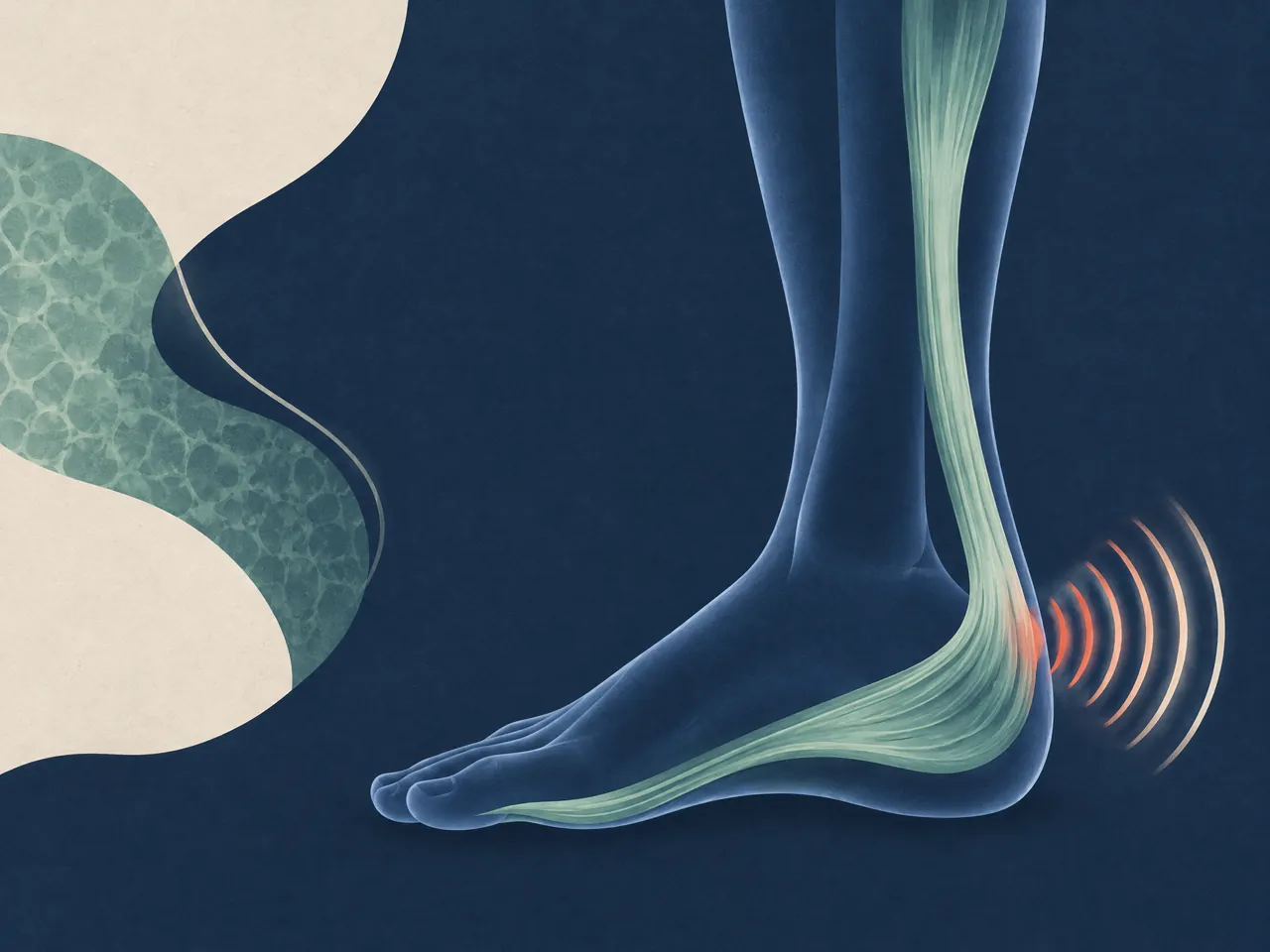
How musculoskeletal pain management considers pain, history and daily movement before extracorporeal shockwave therapy (ESWT)
Before extracorporeal shockwave therapy (ESWT) is considered, separate a local, load-related complaint from symptoms requiring broader assessment. Ask whether discomfort started suddenly or gradually; whether a fall or change in running, lifting or standing preceded it; and whether there is tenderness, swelling, numbness or weakness. Ordinary movement relevant to the concern may be observed. This cannot replace hospital examination when serious injury is possible. It helps establish whether a goal such as walking to the MTR or completing a shift matches the findings and plan.
Daily load is not confined to sport. Computer work, lifting stock, caring for family, stairs and sleep position can all matter. Ask what changed recently and what a normal day requires. Pacing an aggravating task, changing its order or height, taking movement breaks or temporarily reducing a training variable can be practical alternatives to stopping all activity. For uncomplicated back pain, NHS guidance encourages staying active and avoiding long periods in bed [2]. Stop and seek review if new exercise clearly worsens symptoms.

When extracorporeal shockwave therapy (ESWT) may be discussed within musculoskeletal pain management
ESWT is a device-based treatment that applies acoustic waves from outside the body to a selected area. People often search for it with a persistent, localised tendon or heel complaint. The question is not whether ESWT is stronger than another therapy. It is whether the suspected condition, location, symptoms, examination, health history and goals make it reasonable to discuss. A possible fracture, hot swollen joint, unexplained systemic illness or progressive neurological symptoms calls for medical assessment, not a modality choice.
If ESWT is discussed, ask what the working explanation is, why this area is considered, how the response will be reviewed and what activity should be adjusted between visits. Suitability can be affected by a recent procedure, bleeding-related concern, reduced sensation, pregnancy or an implanted medical device where relevant. The answer varies by person and body area. The shockwave therapy Hong Kong service page can frame a local enquiry, but it cannot determine individual suitability or predict the number of sessions needed.
Compare your options
| Option or next step | What the conversation should establish | Useful questions before proceeding |
|---|---|---|
| Pain assessment | Pain pattern, function, injury or load history, health history and warning signs. | What could this represent, and is another medical assessment needed first? |
| Acupuncture | Whether fine needle insertion is appropriate for the individual presentation and safety history. | What area is being considered, and what precautions apply to me? |
| Tui Na | Whether hands-on work is appropriate for the tissues, tenderness and stage of the problem. | What techniques are proposed, and should pressure or movement be modified? |
| Extracorporeal shockwave therapy (ESWT) | Whether a localised complaint and the assessment findings make a device-based option worth discussing. | Why this option now, what should I adjust afterward, and how will progress be reviewed? |
| Medical or rehabilitation referral | Whether serious symptoms, diagnostic uncertainty or a function problem calls for another service. | Which warning signs or lack of progress should change the plan? |
On smaller screens, scroll the table sideways to compare all columns.
musculoskeletal pain management with extracorporeal shockwave therapy (ESWT): Comparing Acupuncture, Tui Na and Other Options
Comparing options is easiest when practical. Acupuncture uses fine needles through the skin. Tui Na is hands-on Chinese medicine bodywork that may use pressure, soft-tissue techniques and movement. ESWT is delivered by a device. Those labels do not reveal the cause of pain and are not guaranteed repairs. An appointment may use one approach, combine tailored approaches, or identify rehabilitation, physiotherapy, medical review or referral as the better next step. The choice should reflect the assessment and a meaningful function goal.
Research findings should not be broadened beyond the condition studied. NCCIH says acupuncture may be helpful for several pain conditions, including back or neck pain and knee osteoarthritis, and notes that comparisons with no treatment and sham acupuncture can produce different-sized effects [3]. This does not establish suitability for every painful shoulder, tendon complaint or acute injury. For low back pain and sciatica in people over 16, NICE recommends against acupuncture and considers manual therapy only as part of a package including exercise [1].

Acupuncture and Tui Na questions in musculoskeletal pain management alongside extracorporeal shockwave therapy (ESWT)
For acupuncture, ask what area will be examined, whether needle insertion is being considered and how the session fits the working problem. Tell the practitioner about medication, bleeding concerns, pregnancy, fainting, skin problems near the area and prior reactions to needling. Needle safety is a concrete question: NCCIH notes complications from nonsterile needles and improper treatment, and that FDA-regulated needles are sterile and labelled for single use [3]. Unexpected symptoms during or after care deserve prompt discussion.
For Tui Na, ask which hands-on techniques are proposed and how they will be adapted to a fresh injury, tenderness, bruising, joint instability, osteoporosis, skin changes or a recent operation. Pressure suitable for muscle guarding may be unsuitable over acutely inflamed or injured tissue. Identify the aim: improving ordinary movement tolerance or complementing an agreed exercise plan is different from claiming to correct a diagnosis. The broader Chinese medicine pain management page explains the local service context without replacing individual assessment.

What a practitioner reviews before extracorporeal shockwave therapy (ESWT) or other musculoskeletal pain management approaches
A review before treatment should connect the proposed option to the full picture. Expect questions about symptom site, duration, previous diagnosis or investigations, medication, health conditions and effects on walking, sleep, work or sport. The clinician may check the skin and surrounding tissues, tenderness, simple movement and possible nerve involvement. There should be space to explain preferences and practical constraints, such as a physical job. A shared plan is stronger when it gives the reason for the choice, what will be monitored and what would change direction.
Consider alternatives in parallel rather than treating them as failures. Pain after significant injury may need urgent medical assessment. A familiar mild flare may call for load adjustment, gentle activity within tolerance and review. Physiotherapy or another medical professional may be suggested if function is central, symptoms do not follow the expected course or further diagnosis is needed. The page what happens at a pain assessment? offers a checklist for preparing your history. Bring relevant reports or a medication list, but do not assume a previous label explains a new pain pattern.
musculoskeletal pain management and extracorporeal shockwave therapy (ESWT): Safety, Self-Care and Next Steps
Safety comes before convenience. Musculoskeletal pain can be caused by a simple strain, but it can also be connected to a fracture, infection, inflammatory disease, nerve problem or another condition needing a different pathway. Do not wait for a routine pain appointment if symptoms are severe after a major accident, rapidly worsening, or accompanied by chest pain, breathing difficulty, feverish illness, new weakness or widespread numbness. Back pain with bladder or bowel changes, loss of feeling around the genitals or anus, or pain, tingling, weakness or numbness in both legs needs immediate medical attention according to NHS guidance [2].
When there are no urgent warning signs, the next step can be modest. Record the pattern for several days: what activity preceded the flare, what task is limited, whether the area is swollen or hot, and whether ordinary movement, heat or cold changes it. Do not use severe pain as a challenge to push through. For back pain, the NHS suggests a wrapped ice pack for pain and swelling or a wrapped heat pack for joint stiffness or muscle spasm, and advises seeking help if exercise makes pain worse [2]. Self-care should support assessment, not replace it.
Red flags to recognise before seeking musculoskeletal pain management or extracorporeal shockwave therapy (ESWT)
Urgent assessment is appropriate after serious trauma, a suspected dislocation or fracture, or sudden inability to use a limb. Seek prompt medical advice for marked swelling, redness or heat with feeling unwell, unexplained weight loss, pain persistently worse at night, or symptoms that escalate rather than settle. For spinal symptoms, new weakness, numbness, altered coordination and bladder or bowel changes are important to report. NICE advises clinicians reviewing low back pain to consider alternative diagnoses such as cancer, infection, trauma or inflammatory disease when symptoms are new or changed [1].
Some situations are not emergencies but still merit timely clinical review: pain that prevents normal tasks, does not improve as expected, returns repeatedly, follows a health change or creates uncertainty about safe exercise. Say whether you can sleep, reach overhead, bear weight, turn in bed, walk a usual distance or work a usual shift. That helps decide whether a focused plan is appropriate or referral should happen first. If unsure about urgency, review when should I seek urgent care for pain? and contact an appropriate urgent-care service when needed.

Practical questions to ask about musculoskeletal pain management and extracorporeal shockwave therapy (ESWT) follow-up
A useful consultation ends with shared questions: What is the working explanation? What findings mean treatment is reasonable today? Why are acupuncture, Tui Na, ESWT, exercise guidance, referral or a combination being considered? What activity should I modify, and what symptoms mean I should stop and seek advice? Ask how progress will be judged. A plan based on walking tolerance, reaching, sleep interruption or return to a task is easier to review than a promise to feel better, and can change if function or symptoms move in the wrong direction.
For a Hong Kong enquiry, send a concise history by WhatsApp: the body area, duration, trigger, injury history, activity you cannot comfortably do and any urgent warning symptom. TCM Lab can discuss an assessment at its Chinese medicine clinic Prince Edward or Kwun Tong Chinese medicine clinic; availability and the appropriate service should be confirmed directly. Clear information helps guide the enquiry, but does not replace a diagnosis or guarantee a modality will be offered.
Care and health guide
Pain-care information
This directory brings together services, reading, and visit information related to pain care, to help you prepare questions for a consultation.
When pain care affects your day, noting when it occurs, its relation to activity, and what you have already tried can help prepare a consultation; Chinese medicine pain management Hong Kong is a relevant service or reading entry point.
Individual circumstances differ, and acupuncture Hong Kong offers related information to help you understand options and prepare questions.


Your questions, answered
Frequently asked questions
Is every musculoskeletal problem suitable for acupuncture, Tui Na or ESWT?
No. Suitability depends on the likely cause, severity, injury and health history, examination findings, function and warning signs. An assessment may support discussion of one of these options, or may indicate that medical review, physiotherapy, a different rehabilitation approach or urgent care should come first.
How many extracorporeal shockwave therapy (ESWT) sessions will I need?
There is no reliable fixed number for every person or pain site. The working diagnosis, duration, response, goals, safety considerations and the plan between visits all matter. Ask how progress will be reviewed rather than relying on an online package or a guaranteed timeline.
Can Tui Na or acupuncture replace medical assessment after an injury?
Not when a fracture, dislocation, serious soft-tissue injury, infection, nerve problem or another urgent condition is possible. Seek appropriate medical assessment after major trauma, sudden loss of function, rapidly worsening symptoms or relevant red flags.
What should I bring or tell the practitioner at a pain appointment?
Describe the exact area, onset, trigger, daily tasks affected, previous injuries, current medicines and health conditions. Bring relevant reports if available, and mention swelling, numbness, weakness, feverish symptoms, recent trauma or any change in bladder or bowel function.
Sources and further information
- [1] NICE: Low back pain and sciatica in over 16s: assessment and management
Referenced for: Supports assessment, imaging, activity, manual-therapy and acupuncture guidance for low back pain and sciatica in people over 16; not a general rule for every pain condition.
- [2] NHS: Back pain
Referenced for: Supports general back-pain self-care wording and urgent red-flag escalation language.
- [3] NCCIH: Acupuncture: Effectiveness and Safety
Referenced for: Supports condition-specific acupuncture evidence context and safety language on sterile, single-use needles; it does not establish suitability for every musculoskeletal complaint.