Turn the reference into separate requests
Use the reference to finish two sentences: ‘Keep this length because…’ and ‘Change this area because…’. For example, you might want to retain the top for a side part while reducing coverage immediately around the ear. A request for shorter sides then has a clear boundary rather than implying an all-over reduction. Ask the stylist to point out where the proposed shorter section will meet the retained top before cutting. [4]
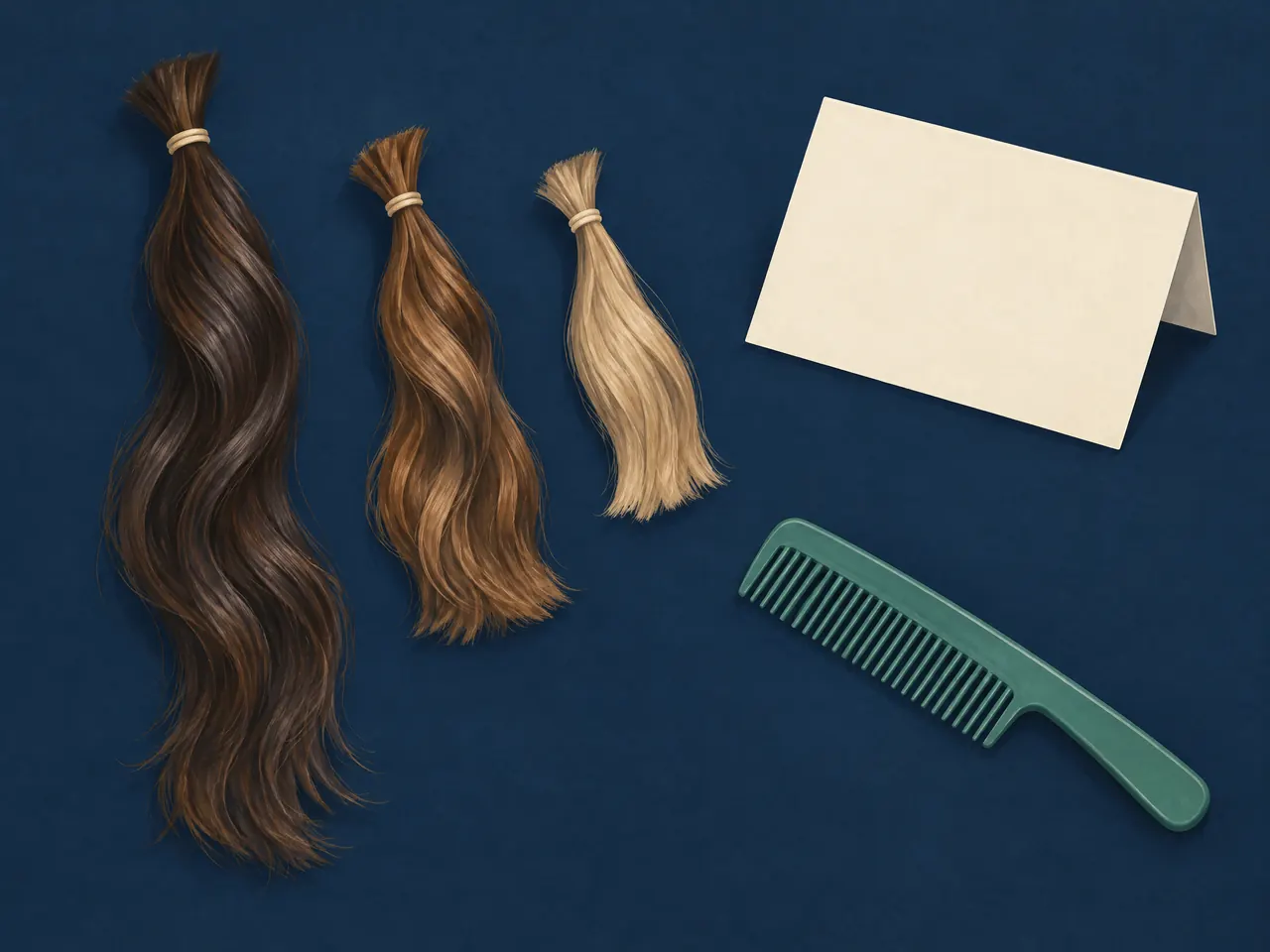
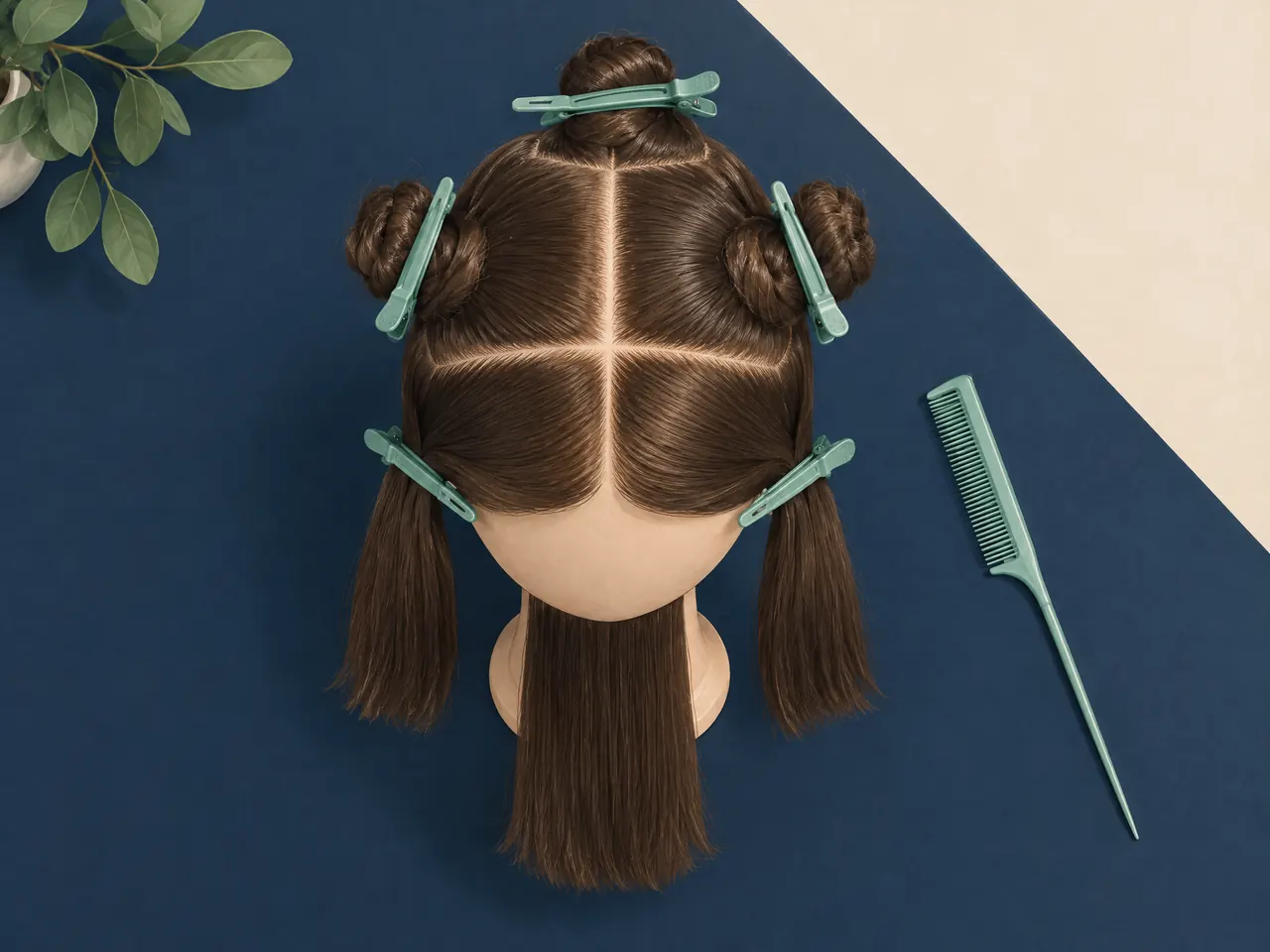
A length sample helps communicate what should remain; it does not show a fade transition. Likewise, sectioning clips illustrate dividing hair for a planning discussion, not the finished gradient. Use those ideas to separate the length decision from the connection between lengths. If the reference hides that connection beneath a swept-over top, ask to discuss the join explicitly.
Test what the front needs to do
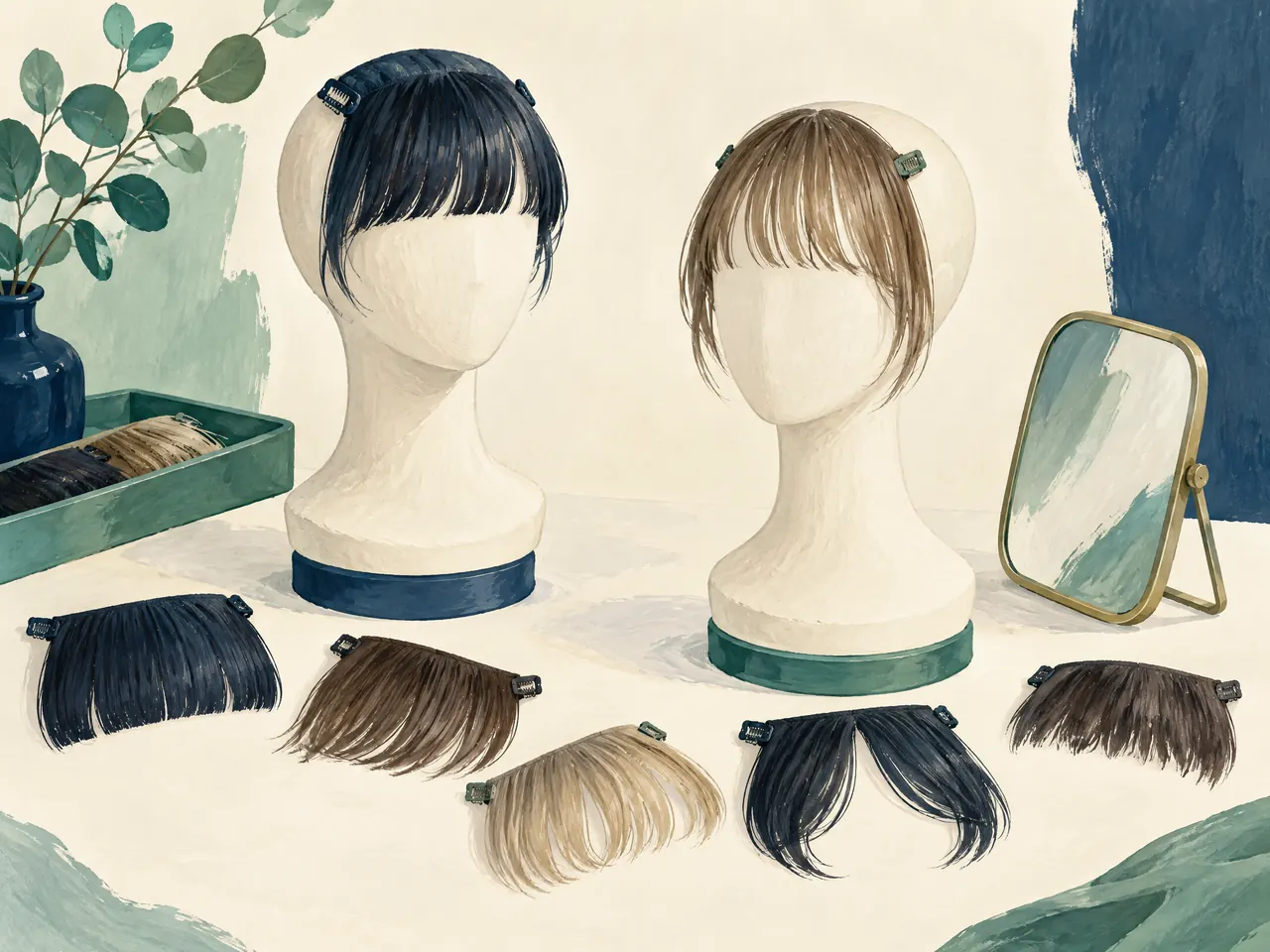
Give the fringe a movement test rather than choosing its length only from a still photograph. Does it need to fall forward, move away from your eyes or reach your usual parting? Demonstrate that movement with your current dry hair and identify which strands make it possible. If you want a shorter front, ask what movement would be lost. Keeping that function can be more useful than matching the reference's styled height, even when you prefer very short edges. [4]
Ask for a finish you can explain back
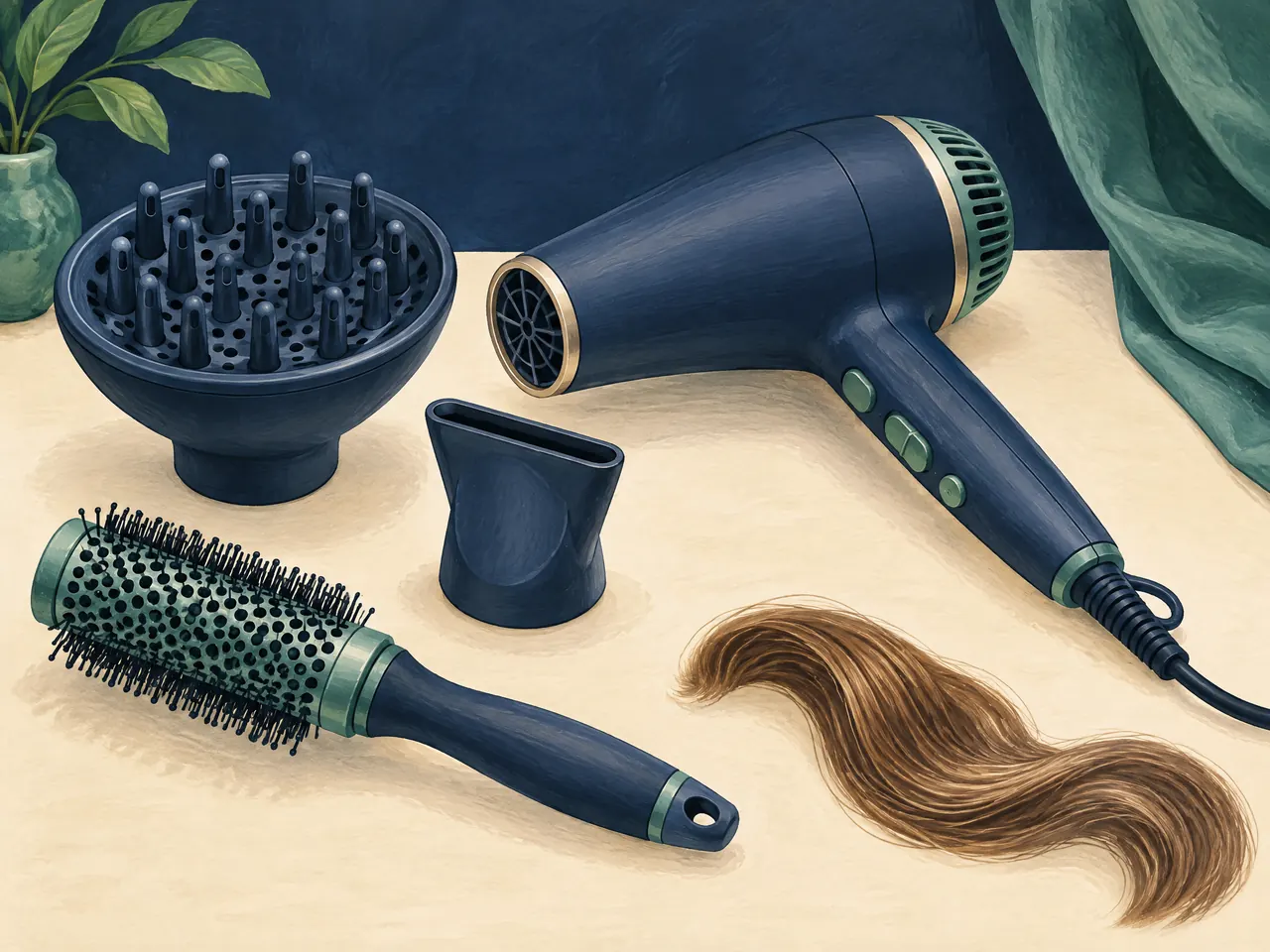
If the appointment finish uses a dryer attachment or brush you do not normally use, ask which step it contributes to: drying, directing the parting or lifting the front. Explain the tools you already have and ask whether a simpler finish can be demonstrated. Describe the sequence back in your own words before leaving. This makes an equipment purchase a considered choice rather than an assumed requirement of having a fade or taper. For heat handling, retain the AAD's advice to air dry when possible and use the lowest heat setting. [2] [4]
Compare the longer top under similar conditions
When recording an upkeep problem, note whether you assessed the top while damp, fully dry or already styled. Also note whether you used your usual amount of product. If today's top has not been arranged but the comparison photo shows a lifted finish, the images do not isolate the change in the cut. Make the next comparison after your ordinary routine before deciding which area needs shortening.
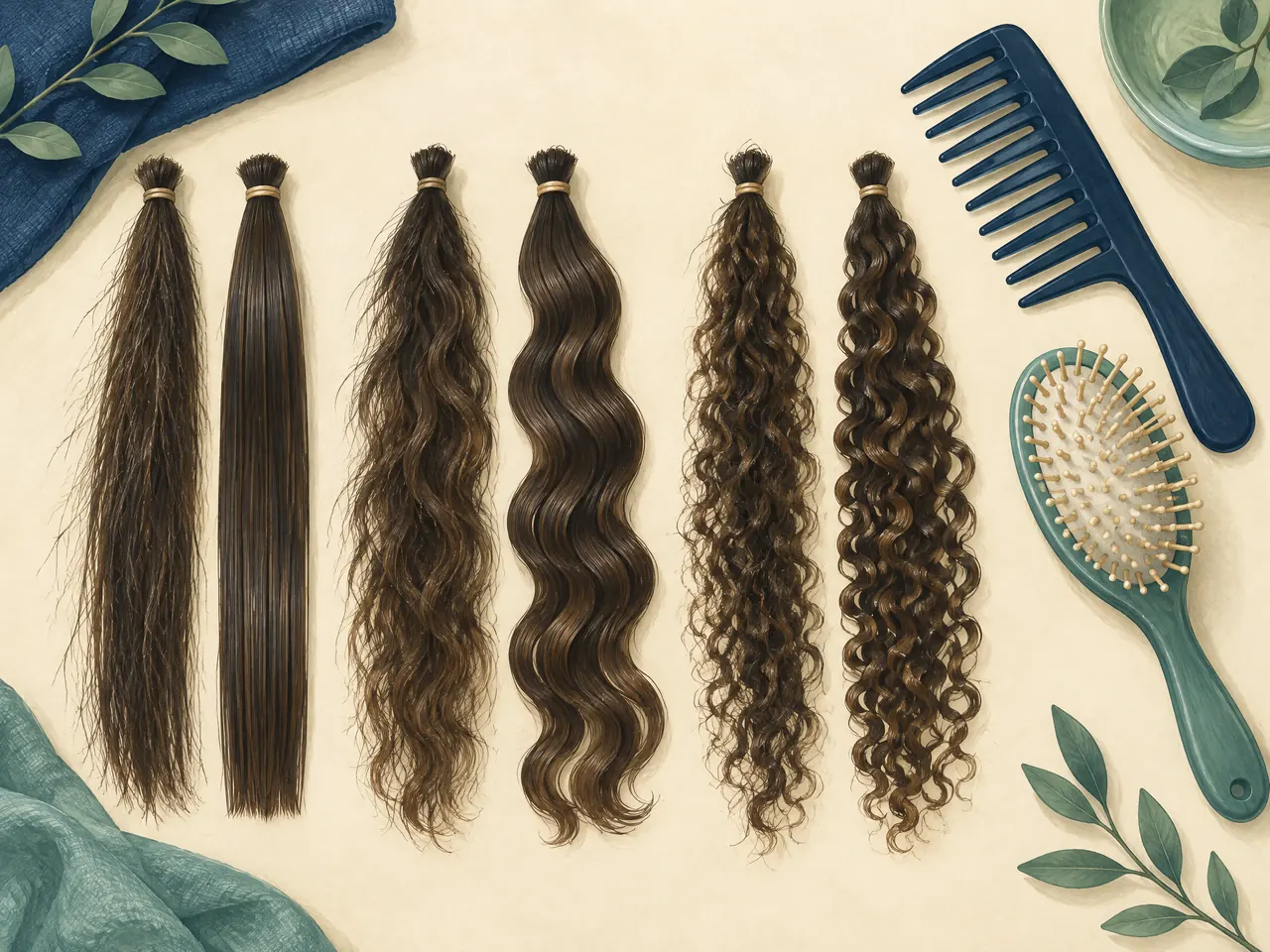
Keep handling appropriate to the retained texture. The AAD advises letting straight hair dry a little before gently using a wide-tooth comb, while textured hair or tight curls should be combed while damp. It also recommends avoiding pulling and tugging. These are handling recommendations, not a way to slow edge regrowth. Explain any difficulty with the longer top separately from dissatisfaction with the neckline. [2]